If you have been treated for gum disease, you may have heard your dentist or hygienist mention periodontal maintenance. It sounds like a regular cleaning, and it shares some steps, but it is a different kind of visit with a specific purpose: keeping gum disease under control after active treatment. Skipping it can allow gum problems to return.
This guide explains what periodontal maintenance is, how it differs from a routine cleaning, what happens at a visit, how often people usually go, and what you can do at home between appointments. Your own schedule should come from your dentist or hygienist, because it depends on your gum health and risk.
What Is Periodontal Maintenance?
Periodontal maintenance is ongoing professional care for people who have had gum disease (periodontitis) treated. The National Institute of Dental and Craniofacial Research explains that the main goal of gum disease treatment is to control the infection, and that treatment depends on keeping up good daily home care. After active treatment, such as a deep cleaning, bacteria can return to the pockets around the teeth, so regular follow-up helps to keep them in check.
The goal of maintenance is to keep the gums stable, find any areas where the disease is coming back early, and reduce the chance of further bone and tissue loss. It builds on the first stage of care, which many patients receive as scaling and root planing, and it is one part of our wider periodontal care.
How It Differs From a Routine Dental Cleaning
A routine cleaning, sometimes called prophylaxis, is designed for people whose gums are healthy or who have mild inflammation (gingivitis) and no bone loss. Periodontal maintenance is for people who have a history of periodontitis, where the supporting tissue has been affected and the pockets around the teeth are deeper than normal.
- Focus. A routine cleaning removes plaque and tartar to prevent problems. Maintenance monitors and manages an existing condition.
- Depth of cleaning. Maintenance often involves cleaning below the gumline into the pockets, rather than mainly above it.
- Measurements. Your hygienist or dentist measures pocket depths and checks for bleeding at regular intervals, which helps show whether things are stable.
- Frequency. Maintenance visits are usually spaced closer together than routine cleanings. The interval is individual.
- Time. Appointments may take longer, because more detailed work and checks are involved.
Switching back to routine cleanings only is a decision for your dentist, made after they see how your gums have responded over time.

What Happens at a Periodontal Maintenance Visit
Each practice does things a little differently, but a visit typically includes the following.
- Review of your health and symptoms. You will be asked about bleeding, sensitivity, swelling, new medications, smoking, and conditions such as diabetes that affect gum health.
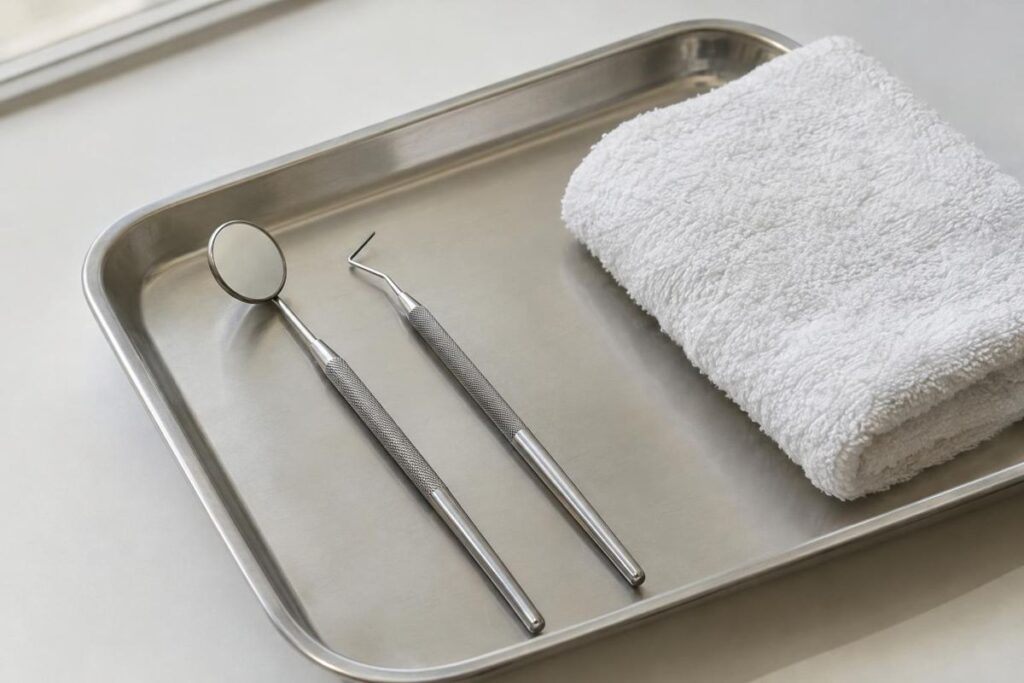
- Gum measurements. A small probe measures the depth of the spaces around each tooth, and the team notes any bleeding or tooth movement.
- X-rays when needed. Images are taken at intervals your dentist decides, to check bone levels.
- Thorough cleaning. Plaque and tartar are removed above and below the gumline, with extra attention to deeper pockets. Local anesthetic may be offered if an area is tender.
- Polishing and rinsing. The teeth are polished, and an antibacterial rinse or other products may be recommended.
- Review of home care. The hygienist can show you cleaning tools and techniques that suit your teeth and gums.
- Next steps. The dentist explains any areas of concern, whether treatment is needed, and when to return.
How Often Do You Need Maintenance?
Many people with a history of gum disease return every three to four months at first, but the schedule is not the same for everyone. Your dentist considers the severity of your past disease, how your gums respond, how well you clean at home, and risk factors such as smoking, diabetes, stress and family history. People whose gums stay stable may have the interval adjusted, while those with areas that keep bleeding or deepening may need closer follow-up.
It can be tempting to stretch the time between visits when your mouth feels fine. Gum disease often causes little pain, so feeling fine does not always mean the gums are stable. Following the interval recommended for you is the best protection.
What You Can Do at Home Between Visits
Professional care and home care work together. Plaque forms again within hours, so daily habits matter.
- Brush twice a day with a soft brush and fluoride toothpaste, angling the bristles gently toward the gumline. A power brush with a pressure sensor can help if you tend to brush hard.
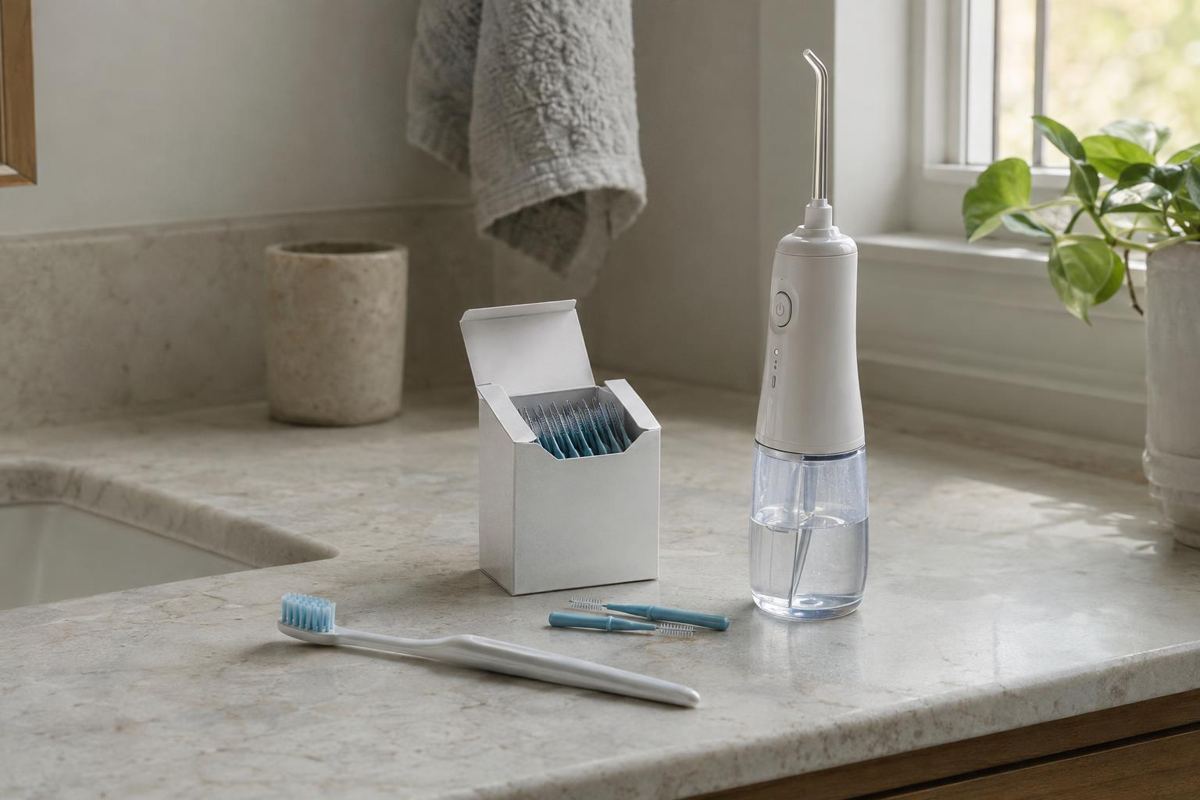
- Clean between your teeth every day with floss, interdental brushes or a water flosser, whichever your hygienist shows you works for your spaces.
- Use any recommended rinse as directed.
- Avoid tobacco. Smoking is a major risk factor for gum disease and can hide its signs by reducing bleeding.
- Manage related conditions. Good blood sugar control, for example, supports healthier gums for people with diabetes.
- Know the warning signs. Bleeding gums, persistent bad breath, gums that look red or swollen, loose teeth or a change in your bite should be checked sooner rather than later. Our guide to the early signs of gum disease lists what to look for.
The gum disease relapse prevention article explains why gum disease can return and how consistent follow-up reduces that risk.
Can Periodontal Maintenance Be Skipped?
It can be, but we do not recommend it, because bacteria can build up in the pockets again. If that happens, the gum disease can become active, and further bone loss may follow. Bone that is lost to gum disease does not grow back on its own, so prevention is far easier than repair. If cost, time or anxiety are making it hard to keep your visits, tell the office. There may be ways to make it easier, such as comfort options or help with checking your insurance.
Frequently Asked Questions About Periodontal Maintenance
Is periodontal maintenance the same as a deep cleaning?
No. A deep cleaning (scaling and root planing) is usually the first stage of treatment for active gum disease. Maintenance is the ongoing follow-up that helps keep the disease from returning after that treatment.
Will I need maintenance for life?
Gum disease is a long-term condition, so many people continue some form of regular monitoring. Your dentist will tell you what schedule suits your mouth and may adjust it over time.
Does periodontal maintenance hurt?
Many people are comfortable, but gums that are inflamed can be tender. Tell your hygienist if you feel discomfort so they can adjust their technique or offer options such as numbing for a sensitive area.
How is it different from a regular checkup and cleaning?
It includes closer monitoring of pocket depths, more detailed cleaning below the gumline, and a shorter interval between visits, because it is aimed at managing an existing gum condition.
Does insurance cover periodontal maintenance?
Coverage varies by plan, and some plans classify it differently from a routine cleaning. Ask our office to help you review your benefits before your visit.
Keep Your Gums Healthy With Regular Care in Pickering
If you have been treated for gum disease, or you notice bleeding, swelling or changes in your gums, we can assess where things stand and set a follow-up schedule that fits you. Call (905) 420-1777 or contact us to schedule an appointment at Pickering Square Dental.
This article is general education and does not replace an examination, diagnosis or personalized advice from a regulated dental professional.

About Dr. Marvin Lean, DDS
Dr. Marvin Lean, DDS, is the owner and lead dentist at Pickering Square Dental. With decades of experience in family and laser dentistry, Dr. Lean provides care focused on clear communication and patient comfort. He is a member of the Ontario Dental Association (ODA) and the Canadian Dental Association (CDA). Dr. Lean and his team provide comprehensive dental care including sedation dentistry, dental implants, emergency dental care, and the Canadian Dental Care Plan (CDCP) to patients in Pickering, Ajax, Whitby, Scarborough, Oshawa, and Markham. Dr. Lean spent the last 20 years as the Dentist for the Toronto Maple Leafs.