
Dental Implants in Pickering
Could dental implants replace your missing teeth?
Dental implants in Pickering can replace one missing tooth, several teeth, or help support a larger restoration. An implant is placed in the jaw to act as an artificial root, and a crown, bridge, or other restoration is attached after the site is ready.
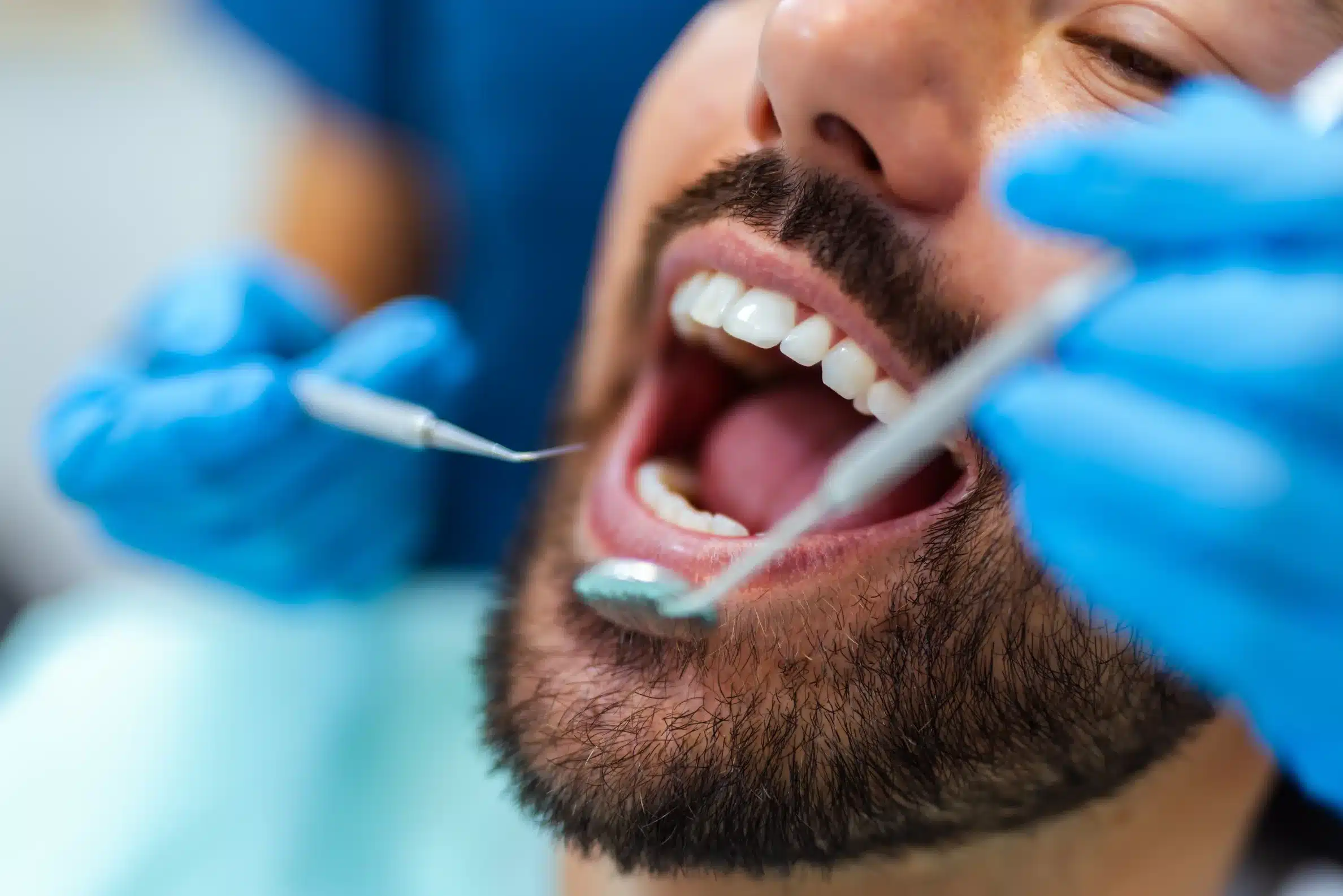

Who may be a candidate for dental implants?
Many adults with one or more missing teeth can be assessed for implant treatment. We examine your gums, remaining teeth, bite, and bone, review your medications and health history, and use appropriate imaging before recommending a path.
Four factors that can affect timing or candidacy — none of them automatically rules treatment out, but each needs an individual discussion:
Active gum disease is normally addressed first — see periodontal care.
Who is involved in planning your care?
Implant care can involve surgical and restorative stages. After the assessment, we will explain which parts of the plan can be completed through our office, who is responsible for each stage, and when a referral to an appropriate dental specialist is recommended.
What can an implant-supported restoration replace?
The scope grows with the number of missing teeth — and so does the planning.
A crown for a single missing tooth
One implant can support a crown when the site is suitable.
A bridge or larger restoration
More than one implant may support a bridge or a larger restoration when several teeth are missing.
A separate, more involved assessment
The number and position of implants, the temporary and final teeth, hygiene access, bite, and referral needs all have to be planned together.
We compare implant care with reasonable alternatives.
So you can weigh treatment time, maintenance, and the effect on nearby teeth.
How does dental implant treatment work?
Implant treatment starts with diagnosis and a written treatment plan, not a one-size-fits-all promise. After an exam and imaging, we discuss the restoration you need, any preparatory care, the sequence of appointments, and the expected healing period.
Planning
We assess the tooth or gap, gum health, bone, bite, and medical considerations. If an extraction, gum treatment, or bone graft is recommended, its place in the schedule is explained before you decide.
Placement and healing
The implant is placed into the jaw. Healing commonly takes time because the bone and surrounding tissues need to stabilize before the final restoration. Your own schedule may be shorter or longer depending on the site and plan.
Restoration and follow-up
Once the site is ready, the visible replacement is fitted and checked. Ongoing brushing, cleaning between teeth, and dental visits remain important because implants and the tissues around them still require maintenance.
What should you expect during recovery?
Recovery instructions depend on the procedure performed. You may receive directions about eating, cleaning the site, activity, and medications, along with warning signs that require a call. Some swelling, tenderness, or bruising can occur after surgery.
Follow the instructions for your own case rather than a generic online timeline.
Contact the office for any of these — or anything else that concerns you:
Call (905) 420-1777.
What affects the cost of dental implants?
After assessment, we can provide a treatment plan and help you understand available dental-benefit estimates and the expected patient portion.
Implant costs in Ontario vary with each treatment plan, and so does coverage. If you have private dental benefits, we can help you check what may be covered before treatment starts. The Canadian Dental Care Plan (CDCP) publishes its own list of covered services, and Service Canada decides eligibility, so we'll confirm what applies to your case before you schedule treatment.
Frequently asked questions about dental implants
Clinical team: Dr. Marvin Lean. Last updated: July 27, 2026.
This page is general information about dental implants and is not a diagnosis, treatment plan, or medical advice. Candidacy, timing, stages, and cost are determined for your own case after an examination and imaging. Contact the office about questions specific to your care.
How long does a dental implant take from start to finish?
The full timeline is usually measured in months rather than days. It depends on healing, whether a tooth must first be removed, whether grafting is needed, the number and location of implants, and when the final restoration can be fitted.
Are dental implants suitable if I have gum disease or bone loss?
An assessment is needed before anyone can answer safely. Active gum disease is normally addressed first, and bone volume is evaluated with an exam and imaging; some patients are advised to consider preparatory treatment or a different tooth-replacement option.
How do immediate-loading and full-arch approaches differ from a standard implant plan?
These are particular implant and restoration approaches, and they are not appropriate for every patient. We first assess your health, gums, bone, bite, and restoration needs, then explain which options are clinically reasonable and whether any surgical or restorative stage requires referral.
What affects the cost of dental implants in Pickering?
Cost depends on the number of missing teeth, imaging, the implant and restoration selected, whether extraction or grafting is required, and the complexity of care. After assessment, we can provide a treatment plan and help you understand available dental-benefit estimates and the expected patient portion.
How do I care for a dental implant after treatment?
Follow the instructions given for your procedure, keep the area clean as directed, and attend the recommended follow-up visits. Long-term care includes brushing, cleaning around the implant and restoration, and regular dental examinations; call promptly if you notice persistent pain, swelling, loosening, or a change in your bite.
Related care
Arrange an implant consultation, or bring us your questions.
Could dental implants replace your missing teeth?

Dental implants in Pickering can replace one missing tooth, several teeth, or help support a larger restoration. An implant is placed in the jaw to act as an artificial root, and a crown, bridge, or other restoration is attached after the site is ready.
Who may be a candidate for dental implants?
Many adults with one or more missing teeth can be assessed for implant treatment. We examine your gums, remaining teeth, bite, and bone, review your medications and health history, and use appropriate imaging before recommending a path.
Four factors that can affect timing or candidacy — none automatically rules treatment out, but each needs an individual discussion:
Active gum disease is normally addressed first — see periodontal care.
Who is involved in planning your care?
Implant care can involve surgical and restorative stages. After the assessment, we will explain which parts of the plan can be completed through our office, who is responsible for each stage, and when a referral to an appropriate dental specialist is recommended.
What can an implant-supported restoration replace?
The scope grows with the number of missing teeth — and so does the planning.
A crown for a single missing tooth
One implant can support a crown when the site is suitable.
A bridge or larger restoration
More than one implant may support a bridge or a larger restoration when several teeth are missing.
A separate, more involved assessment
The number and position of implants, the temporary and final teeth, hygiene access, bite, and referral needs all have to be planned together.
We compare implant care with reasonable alternatives.
So you can weigh treatment time, maintenance, and the effect on nearby teeth.
How does dental implant treatment work?
Implant treatment starts with diagnosis and a written treatment plan, not a one-size-fits-all promise. After an exam and imaging, we discuss the restoration you need, any preparatory care, the sequence of appointments, and the expected healing period.
Planning
We assess the tooth or gap, gum health, bone, bite, and medical considerations. If an extraction, gum treatment, or bone graft is recommended, its place in the schedule is explained before you decide.
Placement and healing
The implant is placed into the jaw. Healing commonly takes time because the bone and surrounding tissues need to stabilize before the final restoration. Your own schedule may be shorter or longer depending on the site and plan.
Restoration and follow-up
Once the site is ready, the visible replacement is fitted and checked. Ongoing brushing, cleaning between teeth, and dental visits remain important because implants and the tissues around them still require maintenance.
What should you expect during recovery?
Recovery instructions depend on the procedure performed. You may receive directions about eating, cleaning the site, activity, and medications, along with warning signs that require a call. Some swelling, tenderness, or bruising can occur after surgery.
Follow the instructions for your own case rather than a generic online timeline.
Contact the office for any of these — or anything else that concerns you:
What affects the cost of dental implants?
After assessment, we can provide a treatment plan and help you understand available dental-benefit estimates and the expected patient portion.
Implant costs in Ontario vary with each treatment plan, and so does coverage. If you have private dental benefits, we can help you check what may be covered before treatment starts. The Canadian Dental Care Plan (CDCP) publishes its own list of covered services, and Service Canada decides eligibility, so we'll confirm what applies to your case before you schedule treatment.
Frequently asked questions about dental implants
Clinical team: Dr. Marvin Lean. Last updated: July 27, 2026.
This page is general information about dental implants and is not a diagnosis, treatment plan, or medical advice. Candidacy, timing, stages, and cost are determined for your own case after an examination and imaging. Contact the office about questions specific to your care.
How long does a dental implant take from start to finish?
The full timeline is usually measured in months rather than days. It depends on healing, whether a tooth must first be removed, whether grafting is needed, the number and location of implants, and when the final restoration can be fitted.
Are dental implants suitable if I have gum disease or bone loss?
An assessment is needed before anyone can answer safely. Active gum disease is normally addressed first, and bone volume is evaluated with an exam and imaging; some patients are advised to consider preparatory treatment or a different tooth-replacement option.
How do immediate-loading and full-arch approaches differ from a standard implant plan?
These are particular implant and restoration approaches, and they are not appropriate for every patient. We first assess your health, gums, bone, bite, and restoration needs, then explain which options are clinically reasonable and whether any surgical or restorative stage requires referral.
What affects the cost of dental implants in Pickering?
Cost depends on the number of missing teeth, imaging, the implant and restoration selected, whether extraction or grafting is required, and the complexity of care. After assessment, we can provide a treatment plan and help you understand available dental-benefit estimates and the expected patient portion.
How do I care for a dental implant after treatment?
Follow the instructions given for your procedure, keep the area clean as directed, and attend the recommended follow-up visits. Long-term care includes brushing, cleaning around the implant and restoration, and regular dental examinations; call promptly if you notice persistent pain, swelling, loosening, or a change in your bite.
Related care
Arrange an implant consultation, or bring us your questions.
