What to Do When You Chip or Break a Tooth

Dental Emergency

Broken Tooth Emergency Pickering: Act Fast to Save Your Smile

A chipped or broken tooth can happen when you least expect it — biting into a hard piece of food, catching an elbow during a basketball game, or even grinding your teeth while you sleep. When it happens, knowing what to do in those critical first minutes can make the difference between saving the tooth and losing it permanently. If you are dealing with a broken tooth emergency Pickering residents face all too often, staying calm and following the right steps will protect your smile until you can reach a dentist. At Pickering Square Dental, we offer same-day emergency dental care to get you out of pain and on the path to recovery as quickly as possible.

This guide walks you through exactly what to do when you chip or break a tooth, the types of dental fractures, treatment options available, and when you should seek urgent care versus when it can wait a day or two.

Emergency Dental Care

Immediate Steps After Chipping or Breaking a Tooth

The moments right after a dental injury matter. Follow these steps to protect the damaged tooth and manage pain until you can see your dentist:

Step 1: Find and save any broken pieces. If you can locate the fragment of tooth that broke off, pick it up by the crown (the white part), not the root. Rinse it gently with water — do not scrub it — and place it in a small container of milk or saliva. Your dentist may be able to bond the piece back onto your tooth in some cases.

Step 2: Rinse your mouth gently. Use warm water to clean the area around the broken tooth. Swish carefully — do not use force, as this can aggravate the injury and increase bleeding.

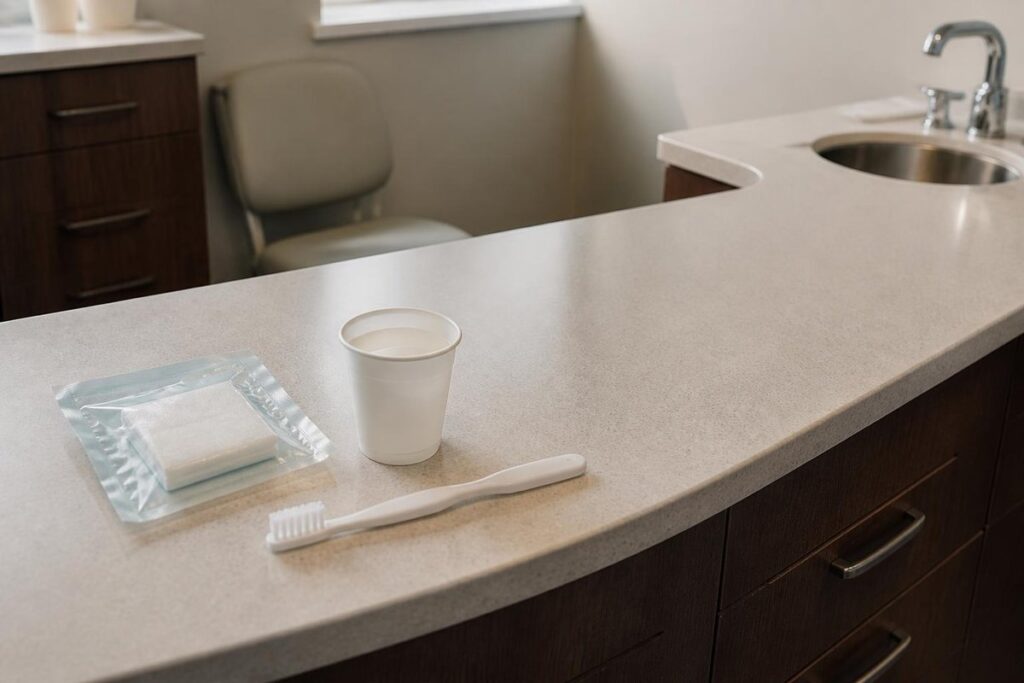
Step 3: Control any bleeding. Apply a piece of clean gauze to the damaged area and bite down gently with steady pressure. Hold for 10 to 15 minutes or until the bleeding slows. If bleeding is heavy and does not stop after 20 minutes of continuous pressure, visit your nearest emergency room.

Step 4: Reduce swelling and pain. Apply a cold compress or ice pack wrapped in a cloth to your cheek near the injury. Keep it on for 10 minutes, then off for 10 minutes. Take an over-the-counter pain reliever such as ibuprofen (Advil) or acetaminophen (Tylenol) as directed on the packaging. Avoid aspirin, which can thin your blood and increase bleeding.

Step 5: Protect sharp edges. If the broken tooth has a sharp or jagged edge that is cutting your tongue, cheek, or lip, cover it temporarily with dental wax, sugar-free gum, or a small piece of paraffin wax. This prevents soft tissue injuries while you wait to see your dentist.

Step 6: Avoid certain foods and habits. Do not chew on the side of the broken tooth. Stick to soft foods and avoid very hot or cold beverages, as the exposed tooth structure may be sensitive to temperature changes.

Types of Tooth Fractures and How Serious They Are

Not all broken teeth are the same. The severity of the fracture determines the urgency of treatment and the type of repair your dentist will recommend:

  • Minor chip (craze lines or enamel chip): A small piece of the outer enamel breaks off. The tooth may look slightly rough or uneven, but there is usually no pain. This is the least serious type of fracture and can often wait a few days for repair.
  • Moderate crack or fracture: The break extends beyond the enamel into the dentin — the layer beneath. You may experience sensitivity to hot, cold, or sweet foods and mild to moderate pain when chewing. This type of break should be treated within 24 to 48 hours to prevent further damage or infection.
  • Severe fracture with nerve exposure: The break is deep enough to expose the pulp — the inner chamber containing nerves and blood vessels. You will likely experience significant pain, and the tooth may bleed from the centre. This is a dental emergency and requires immediate treatment, often a root canal followed by a crown.
  • Split tooth: The tooth is cracked vertically into two distinct segments. Depending on the extent of the split, the tooth may or may not be salvageable. Early treatment gives you the best chance of saving it.
  • Vertical root fracture: A crack that begins at the root and extends upward. These fractures are often painless initially but can lead to infection. They are usually discovered through X-rays and may require extraction.

Dental Emergencies

Treatment Options for a Chipped or Broken Tooth

The right treatment depends on the type and severity of the fracture. Here are the most common options your dentist may recommend:

Dental bonding: For minor chips, your dentist applies a tooth-coloured composite resin to the damaged area, shapes it to match your natural tooth, and hardens it with a special light. Bonding is quick, affordable, and can usually be completed in a single visit.

Dental veneer: If a front tooth has a larger chip or crack, a porcelain veneer — a thin shell custom-made to cover the front surface of the tooth — can restore its appearance. Veneers are durable, stain-resistant, and look completely natural.

Dental crown: For more extensive damage where a significant portion of the tooth structure is lost, a crown covers and protects the entire visible portion of the tooth. Modern crowns are made from porcelain or ceramic and are colour-matched to blend with your surrounding teeth.

Root canal therapy: When the break exposes the nerve, a root canal is necessary to remove the damaged pulp, clean and seal the inner chamber, and prevent infection. After a root canal, a crown is typically placed over the tooth for protection and strength.

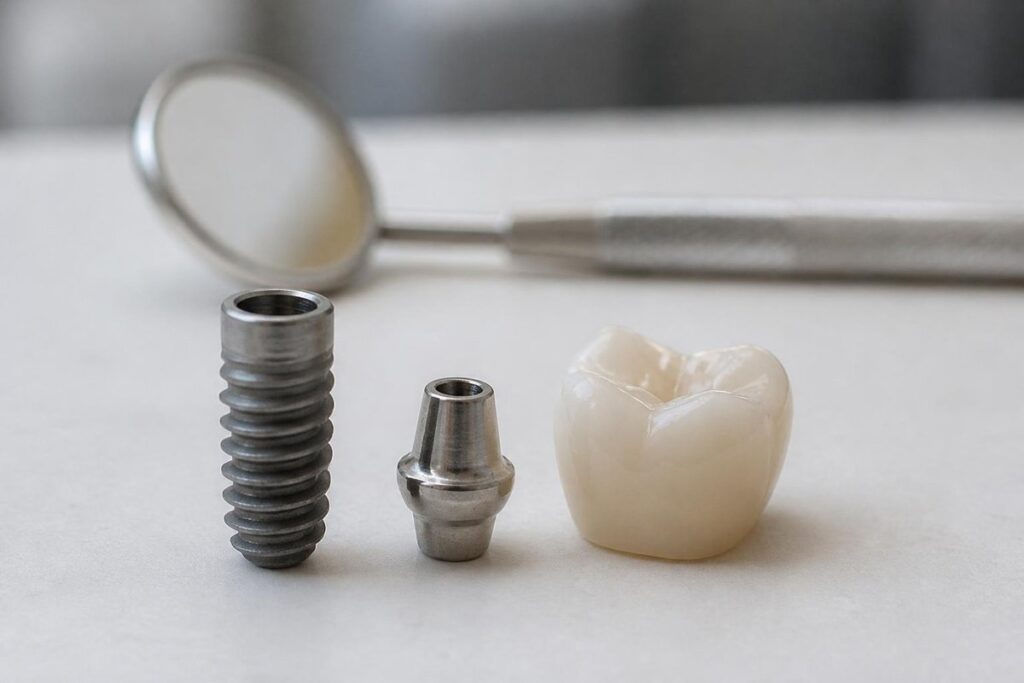
Dental extraction and replacement: In cases where the tooth is too severely damaged to repair — such as a vertical root fracture or a split that extends below the gumline — extraction may be the only option. The missing tooth can then be replaced with a dental implant, bridge, or partial denture to restore function and appearance.

When Is a Broken Tooth an Emergency?

It can be difficult to judge how urgent your situation is. Here is a practical guide to help you decide:

Seek immediate emergency care if:

  • The tooth is knocked completely out of its socket (act within 30 minutes for the best chance of reimplantation).
  • There is heavy, uncontrollable bleeding.
  • You experience severe pain that over-the-counter medication cannot manage.
  • The fracture is accompanied by a jaw injury or facial trauma.
  • You notice exposed pink or red tissue inside the tooth (nerve exposure).

Schedule an appointment within 24 to 48 hours if:

  • You have a moderate crack with sensitivity or mild pain.
  • A large piece of tooth has broken off but there is no nerve exposure.
  • The broken edge is sharp and irritating your tongue or cheek.

Can wait a few days (but still needs treatment) if:

  • You have a small cosmetic chip with no pain or sensitivity.
  • The tooth feels rough but functions normally.

When in doubt, call your dentist. At Pickering Square Dental, our team can assess your situation over the phone and advise whether you need to come in right away.

Emergency Dental Care

Preventing Chipped and Broken Teeth

While accidents happen, you can reduce your risk of dental fractures with a few smart habits:

  • Wear a mouthguard during contact sports and recreational activities.
  • Do not chew on hard objects like ice, popcorn kernels, hard candy, or pen caps.
  • Address teeth grinding (bruxism) with a custom night guard from your dentist.
  • Maintain regular dental checkups to catch weakened teeth, old fillings, or early cracks before they lead to a break.
  • Eat a calcium-rich diet to support strong tooth enamel — dairy products, leafy greens, and fortified foods are all good choices.

According to the Canadian Dental Association, regular dental visits every six months are one of the most effective ways to prevent dental emergencies and catch problems early.

Frequently Asked Questions About Broken Teeth

Can a chipped tooth heal on its own?

No. Unlike bone, tooth enamel does not regenerate or heal itself. Even a small chip will remain and may worsen over time as chewing forces stress the weakened area. It is always best to have a chipped tooth evaluated and repaired by a dentist, even if it does not hurt.

How much does it cost to fix a broken tooth in Ontario?

Costs vary depending on the type of repair needed. Dental bonding typically ranges from $150 to $400 per tooth, while a dental crown may cost $800 to $1,500. Root canal therapy with a crown can range from $1,500 to $3,000. Many dental insurance plans cover a portion of these treatments. Our team can provide a detailed estimate and help you understand your insurance coverage.

Should I go to the emergency room or the dentist for a broken tooth?

In most cases, your dentist is the better choice. Emergency rooms can manage bleeding and prescribe pain medication, but they generally do not perform dental repairs. However, if your broken tooth is accompanied by a jaw fracture, severe facial trauma, or uncontrollable bleeding, go to the ER first, then follow up with your dentist for the dental repair.

Can I superglue a broken tooth back together?

Absolutely not. Superglue and other household adhesives contain chemicals that are toxic and can damage your gums, tongue, and the tooth itself. Never attempt to glue a tooth fragment back in place. Store the piece in milk and bring it to your dentist, who can bond it professionally using safe dental materials.

Get Emergency Dental Care in Pickering Today

A broken tooth does not wait for a convenient time, and neither should you. For any broken tooth emergency Pickering Square Dental is here to help — same-day appointments are available for urgent cases. We serve patients from Pickering, Ajax, Scarborough, Whitby, Oshawa, and Markham with prompt, compassionate emergency dental care. Call us right away at (905) 420-1777 — our team will work to get you seen as quickly as possible.

When Is Wisdom Teeth Removal Necessary?

Wisdom Teeth Surgery

Wisdom Teeth Removal Scarborough: Do They Always Need to Come Out?

Wisdom teeth — the third set of molars that typically emerge between the ages of 17 and 25 — are one of the most commonly discussed topics in dentistry. Many people assume that wisdom teeth removal Scarborough dentists recommend is always necessary, but that is not always the case. Some wisdom teeth grow in properly, align well with the rest of your teeth, and cause no problems at all. When this happens, there is no clinical reason to remove them.

However, for a significant number of people, wisdom teeth do cause trouble. They may come in at an angle, get trapped beneath the gums, crowd neighbouring teeth, or develop infections. At Pickering Square Dental, we carefully evaluate each patient’s wisdom teeth using digital X-rays and clinical examination to determine whether extraction is truly necessary or whether monitoring is the better approach.

Wisdom Teeth

When Wisdom Teeth Removal Is Necessary

While not every wisdom tooth needs to come out, there are several clear situations where extraction is the recommended course of action:

Impaction: This is the most common reason for wisdom teeth removal. An impacted wisdom tooth is one that does not have enough room to emerge normally. It may be fully trapped beneath the gumline (full bony impaction), partially emerged (partial impaction), or growing sideways into the neighbouring molar. Impacted teeth can cause pain, swelling, and infection, and they increase the risk of cysts or tumours forming around the tooth root.

Pericoronitis (gum infection): When a wisdom tooth is partially erupted, a flap of gum tissue often covers part of the crown. Food and bacteria get trapped beneath this flap, leading to a painful infection called pericoronitis. Symptoms include swollen, red gums behind the last molar, a bad taste in the mouth, difficulty swallowing, and sometimes fever. Recurrent pericoronitis is a strong indication for extraction.

Crowding and shifting: Emerging wisdom teeth can push against your second molars, causing them to shift. This can undo years of orthodontic work and lead to misalignment. While the degree of crowding wisdom teeth cause is debated in dental research, your dentist can assess your specific situation with X-rays.

Tooth decay: Wisdom teeth sit far back in the mouth, making them difficult to clean properly with a toothbrush and floss. This makes them particularly vulnerable to cavities. If a wisdom tooth develops significant decay, extraction is often more practical than restoration, especially if the tooth is partially impacted or poorly positioned.

Cysts and tumours: In rare cases, a sac of fluid (cyst) can form around an impacted wisdom tooth. Over time, this cyst can enlarge and damage the jawbone, neighbouring teeth, and nerves. Early removal of the impacted tooth prevents these complications.

Damage to adjacent teeth: A wisdom tooth growing at an angle can press against the second molar, causing resorption (breakdown) of the neighbouring tooth’s root. This can compromise the health of an otherwise perfectly sound tooth.

Warning Signs That Your Wisdom Teeth May Be Causing Problems

Many wisdom tooth problems develop gradually, and some people do not notice symptoms until the issue has become serious. Watch for these warning signs:

  • Pain or tenderness at the back of your jaw, especially behind your last molar.
  • Swollen, red, or bleeding gums around the wisdom tooth area.
  • Difficulty opening your mouth fully or stiffness in your jaw.
  • A persistent bad taste in your mouth or bad breath that does not improve with brushing.
  • Swelling in the cheek or jaw on one side of your face.
  • Headaches or earaches that seem to originate from the back of your jaw.
  • Difficulty chewing or pain when biting down on the affected side.

If you experience any of these symptoms, schedule an appointment promptly. Early evaluation can prevent more serious complications like spreading infection or damage to adjacent teeth. The Ontario Dental Association recommends regular dental checkups that include monitoring wisdom tooth development, especially for patients in their late teens and early twenties.

Dental Extraction

The Wisdom Teeth Extraction Procedure

Understanding what happens during the procedure can help ease any anxiety you may feel. Here is what to expect:

Consultation and imaging: Your dentist will take panoramic X-rays or a cone beam CT (CBCT) scan to see the exact position of your wisdom teeth, the shape of their roots, and their relationship to surrounding structures like nerves and sinuses. This information guides the extraction plan.

Anaesthesia options: Depending on the complexity of the extraction and your comfort level, your dentist may recommend local anaesthesia (freezing the area), nitrous oxide (laughing gas) for mild relaxation, oral sedation for moderate anxiety, or IV sedation for deeper relaxation. Dr. Marvin Lean and the team at Pickering Square Dental discuss all options with you to find the best fit.

The extraction: For a fully erupted wisdom tooth, the procedure is similar to any other tooth extraction — the dentist loosens the tooth with an elevator instrument and removes it with forceps. For impacted teeth, a small incision is made in the gum tissue, and in some cases, a small amount of bone around the tooth is removed. The tooth may be divided into sections for easier removal. The entire process typically takes 20 to 45 minutes per tooth.

Closure: After the tooth is removed, the extraction site is cleaned, and dissolvable stitches may be placed to close the gum tissue. Gauze is placed over the site to control bleeding and help a blood clot form.

Recovery After Wisdom Teeth Removal

Recovery from wisdom teeth extraction typically takes one to two weeks, with the first three to four days being the most uncomfortable. Here is a general timeline and care tips:

Day 1 (day of surgery): Bite on gauze for 30 to 45 minutes to stop bleeding. Apply ice packs to your cheeks — 10 minutes on, 10 minutes off — to minimize swelling. Rest with your head elevated. Take prescribed pain medication before the anaesthesia wears off. Eat only soft, cool foods like yogourt, applesauce, or smoothies (do not use a straw — the suction can dislodge the blood clot and cause a painful condition called dry socket).

Days 2 to 3: Swelling typically peaks on the second or third day. Continue with ice packs and anti-inflammatory medication. Gently rinse with warm salt water (half a teaspoon of salt in a cup of warm water) after meals to keep the extraction sites clean. Avoid vigorous rinsing or spitting.

Days 4 to 7: Swelling and bruising begin to subside. You can gradually introduce softer solid foods like pasta, scrambled eggs, and mashed potatoes. Continue salt water rinses and gentle brushing, avoiding the extraction sites directly.

Days 7 to 14: Most patients feel significantly better by the end of the first week. Stitches dissolve on their own (if dissolvable ones were used). You can usually return to your normal diet and activities, though the extraction sites may take several weeks to fully heal beneath the surface.

Dental Extractions

Frequently Asked Questions About Wisdom Teeth Removal

At what age should wisdom teeth be evaluated?

Most dentists recommend evaluating wisdom teeth between the ages of 16 and 19. At this stage, the teeth are still developing, roots are not fully formed, and the bone is less dense — all of which make extraction easier and recovery faster if removal is needed. However, wisdom teeth can be removed at any age if problems develop.

Is it painful to have wisdom teeth removed?

The procedure itself is not painful because anaesthesia numbs the area completely. If you opt for sedation, you may not even remember the procedure. After surgery, some discomfort and swelling are normal for the first few days, but these are manageable with prescription or over-the-counter pain medication. Most patients report that the recovery is more uncomfortable than the actual extraction.

What is dry socket and how do I prevent it?

Dry socket (alveolar osteitis) occurs when the blood clot at the extraction site is dislodged or dissolves too early, exposing the underlying bone and nerves. It causes intense, throbbing pain that typically starts two to four days after extraction. To prevent dry socket, avoid using straws, smoking, spitting forcefully, or rinsing vigorously for at least 72 hours after surgery. If you suspect dry socket, contact your dentist immediately — the condition is treatable with medicated dressings.

Can I keep my wisdom teeth if they are not causing pain?

Possibly, yes. If your wisdom teeth are fully erupted, properly aligned, healthy, and cleanable, your dentist may recommend keeping them and monitoring them at regular checkups. However, the absence of pain does not always mean the absence of a problem — impacted teeth can silently cause damage to adjacent teeth or develop cysts without obvious symptoms. Regular X-rays help your dentist catch these hidden issues.

How many wisdom teeth can be removed at once?

All four wisdom teeth can be removed in a single appointment if necessary. In fact, many patients prefer to have all problematic wisdom teeth removed at once to avoid multiple surgeries and recovery periods. Your dentist will discuss the best approach based on your specific situation and comfort level.

Book Your Wisdom Teeth Consultation

If you are experiencing jaw pain, swollen gums, or other symptoms that may be related to your wisdom teeth, do not wait for the problem to get worse. For wisdom teeth removal Scarborough patients trust, Pickering Square Dental is your nearby choice — we serve Scarborough, Pickering, Ajax, Whitby, Oshawa, and Markham with thorough evaluations and gentle extractions. Call us at (905) 420-1777 to schedule your consultation and find out whether removal is right for you.

Is IV Sedation Right for Your Dental Procedure?

Sedation Dentistry

IV Sedation Dentistry Whitby: A Complete Patient Guide

If you feel anxious about visiting the dentist, you are not alone. Dental anxiety affects millions of Canadians, and it often leads people to postpone or skip important dental care entirely. IV sedation dentistry Whitby patients trust offers a safe, effective solution that allows patients to receive the treatment they need while feeling calm and comfortable throughout the entire procedure. At Pickering Square Dental’s sedation dentistry practice, our team helps patients from Whitby, Ajax, Scarborough, and across the Durham Region overcome their fears and get back on track with their oral health.

IV sedation, also known as intravenous conscious sedation, delivers medication directly into your bloodstream through a small needle placed in your hand or arm. Unlike general anaesthesia, you remain conscious and can respond to verbal cues from your dentist. However, you will feel deeply relaxed and may have little to no memory of the procedure afterward. This makes IV sedation an excellent choice for patients who experience significant dental anxiety or who need lengthy or complex dental work completed.

Dental Sedation

Who Benefits from IV Sedation?

IV sedation is not just for people who are afraid of the dentist. While dental phobia is one of the most common reasons patients request sedation, several other groups can benefit from this approach:

  • Patients with severe dental anxiety or phobia — If the thought of sitting in a dental chair makes your heart race, IV sedation can help you feel calm and at ease.
  • People undergoing complex or lengthy procedures — Treatments like multiple extractions, dental implant placement, or extensive restorative work can take hours. Sedation makes the time pass quickly and comfortably.
  • Patients with a strong gag reflex — A sensitive gag reflex can make routine dental work difficult. IV sedation relaxes the muscles and suppresses the gag reflex.
  • Individuals with special needs — Patients with cognitive or physical disabilities may find it challenging to sit still or cooperate during treatment. Sedation ensures they receive care safely and without distress.
  • Those who need to catch up on dental care — If you have avoided the dentist for years and need multiple treatments, sedation allows your dentist to accomplish more in fewer appointments.

Dr. Marvin Lean and our team at Pickering Square Dental are trained to administer IV sedation safely. We carefully evaluate each patient’s medical history, current medications, and overall health before recommending sedation.

How IV Sedation Works: What to Expect

Understanding the process can help ease any concerns you may have about IV sedation. Here is a step-by-step overview of what happens during a sedation dentistry appointment:

Before your appointment, your dentist will review your medical history, discuss your medications, and explain the sedation process in detail. You will receive specific instructions about fasting — typically, you should not eat or drink anything for at least six to eight hours before your procedure. This is an important safety precaution that reduces the risk of nausea.

On the day of your procedure, wear comfortable, loose-fitting clothing with sleeves that can be rolled up easily. A small IV line will be inserted into a vein in your hand or arm. The sedative medication begins working within seconds. You will feel a warm wave of relaxation wash over you, and many patients describe the sensation as feeling pleasantly drowsy.

Throughout the procedure, your dentist monitors your vital signs — including heart rate, blood pressure, and oxygen levels — to ensure your safety. The level of sedation can be adjusted in real time, giving your dentist precise control over how relaxed you feel. You will remain conscious enough to respond to simple instructions like “open wider” or “turn your head,” but you will feel detached from the procedure and unlikely to feel any discomfort.

After the procedure, the sedative wears off gradually. You may feel groggy or slightly confused for a short time. Because IV sedation impairs your coordination and judgement for several hours, you must arrange for a responsible adult to drive you home. Plan to rest for the remainder of the day, and avoid operating heavy machinery, signing legal documents, or making important decisions until the next day.

Oral Sedation

IV Sedation vs. General Anaesthesia: Key Differences

Many patients confuse IV sedation with general anaesthesia, but they are quite different. Understanding the distinction can help you make an informed decision about your care:

  • Consciousness: With IV sedation, you remain conscious and can breathe on your own. Under general anaesthesia, you are completely unconscious and may need a breathing tube.
  • Setting: IV sedation can be administered safely in a dental office by a trained dentist. General anaesthesia typically requires a hospital or surgical centre with an anaesthesiologist.
  • Recovery: Recovery from IV sedation is faster — most patients feel normal within a few hours. General anaesthesia recovery can take a full day or longer and carries more potential side effects.
  • Risk level: IV sedation carries fewer risks than general anaesthesia for most patients, making it the preferred option for dental procedures.

For the vast majority of dental treatments, IV conscious sedation provides more than enough comfort and relaxation without the added risks of going fully under.

Safety, Preparation, and Recovery Tips

IV sedation has an excellent safety record when administered by a qualified dental professional. At Pickering Square Dental, we follow all guidelines set by the Royal College of Dental Surgeons of Ontario for sedation dentistry. Our team maintains current certifications in sedation and emergency protocols to ensure your safety at every step.

To prepare for your IV sedation appointment, keep these tips in mind:

  • Follow all fasting instructions provided by your dentist.
  • Arrange for a trusted friend or family member to drive you to and from your appointment.
  • Wear comfortable clothing and avoid jewellery.
  • Inform your dentist of all medications and supplements you currently take.
  • If you feel unwell on the day of your procedure — cold, flu, or fever — call the office to reschedule.

After your procedure, recovery is usually straightforward. You may experience mild drowsiness for a few hours, and some patients feel slightly nauseous as the sedation wears off. Drink plenty of water, eat light meals, and rest. Most patients are back to their normal routine by the following day.

Sedation Dentistry

Frequently Asked Questions About IV Sedation

Is IV sedation safe for children and teenagers?

IV sedation can be appropriate for older teenagers in certain situations, but it is evaluated on a case-by-case basis. Your dentist will consider the patient’s age, weight, medical history, and the complexity of the procedure before recommending sedation. For younger children, alternative sedation options like nitrous oxide may be more suitable.

Will I feel any pain during the procedure with IV sedation?

No. IV sedation is used alongside local anaesthesia (freezing), which numbs the treatment area completely. The sedation keeps you relaxed and unaware of the procedure, while the local anaesthetic prevents any pain. Most patients report feeling nothing at all and are pleasantly surprised by how comfortable the experience is.

How long does IV sedation last?

The sedative effects typically last one to two hours after the medication is stopped, though some grogginess may linger for up to four to six hours. The actual duration of sedation during your procedure depends on the length of your treatment — your dentist adjusts the medication flow as needed.

Can I eat or drink after IV sedation?

Once the sedation wears off and you no longer feel nauseous, you can begin with clear fluids and light foods. Avoid hot beverages and hard or crunchy foods until any local anaesthesia has fully worn off to prevent accidentally biting your cheek or tongue.

Does dental insurance cover IV sedation?

Coverage varies by plan. Some dental insurance policies cover sedation when it is deemed medically necessary — for example, for patients with documented dental phobia or for complex surgical procedures. Our team at Pickering Square Dental can help you understand your coverage and provide a detailed estimate before your appointment.

Schedule Your Sedation Dentistry Consultation

If dental anxiety has been keeping you from the care you deserve, IV sedation dentistry Whitby families rely on may be exactly what you need. At Pickering Square Dental, we proudly serve patients from Whitby, Ajax, Scarborough, Oshawa, and Markham with compassionate, comfortable dental care. Call us today at (905) 420-1777 to book a sedation dentistry consultation and take the first step toward a healthier, stress-free smile.

Preparing Your Child for Their First Dental Visit in Pickering

Children Oral Care

Planning Your Child’s First Dental Visit in Pickering

Preparing for a child’s first dental visit in Pickering starts with knowing the right time to begin. The Canadian Dental Association recommends that children see a dentist within six months of their first tooth erupting, or by their first birthday—whichever comes first. This early visit isn’t about drilling or filling. It’s a gentle introduction that sets the foundation for a lifetime of healthy habits.

Many parents are surprised by how early this recommendation is. But there’s good reason: early dental visits allow your dentist to spot potential issues before they become problems, provide guidance on proper oral hygiene for infants and toddlers, and—most importantly—help your child become comfortable in the dental environment from a young age.

At Pickering Square Dental, Dr. Marvin Lean, Dr. Irit Shoval, and Dr. David Lee have years of experience working with young children and families across Pickering, Ajax, Whitby, Scarborough, and Markham.

Family Dentists

What Happens at Each Age

Understanding what your child’s dental visits look like at different ages can help both you and your child feel prepared.

Ages 0–1: The First Visit

Your baby’s first dental appointment is brief and low-key. The dentist will:

  • Gently examine your baby’s mouth, gums, and any teeth that have come in
  • Check for early signs of decay (yes, baby teeth can get cavities)
  • Assess jaw development and bite alignment
  • Discuss feeding habits, pacifier use, and thumb sucking
  • Show you how to clean your baby’s teeth and gums properly

You’ll typically hold your child in your lap during the examination, which helps them feel secure.

Ages 2–3: Building Familiarity

By this age, your child will have most of their primary (baby) teeth. Dental visits focus on:

  • Counting teeth and checking for proper spacing
  • Gentle cleaning if the child is cooperative
  • Fluoride treatments (applied with a small brush—quick and painless)
  • Monitoring for early childhood caries (cavities)
  • Discussing transition from sippy cups and reducing sugary snacks

The goal at this stage is to make dental visits feel routine and positive—not scary.

Ages 4–6: Growing Independence

Children in this age group usually sit in the dental chair on their own. Visits typically include:

  • A full examination with dental X-rays (bitewing radiographs), usually starting around age 4–5
  • Professional cleaning by a dental hygienist
  • Fluoride varnish application
  • Discussion of brushing technique (children at this age still need parental supervision)
  • Monitoring for orthodontic concerns and space maintenance if baby teeth are lost early

Ages 7 and Up: Comprehensive Care

By age seven, a child’s first permanent molars have usually erupted. This is a critical time for:

  • Dental sealants to protect permanent molars from decay
  • Evaluating the need for orthodontic assessment
  • Reinforcing independent brushing and flossing habits
  • Sports mouthguard fitting for young athletes

The Canadian Dental Association emphasises that regular dental visits during childhood establish patterns that protect oral health well into adulthood.

How to Talk to Your Child About the Dentist

The way you frame the dental visit at home has a powerful influence on how your child responds. Here are strategies that work:

  • Keep it simple and positive. Use straightforward language: “We’re going to visit the dentist so they can count your teeth and make sure your smile is healthy.” Avoid words like “pain,” “hurt,” “needle,” or “drill”—even in reassurances like “it won’t hurt.” Children focus on the scary word, not the negation.
  • Read children’s books about dental visits. There are many age-appropriate books that normalise going to the dentist. Titles like The Berenstain Bears Visit the Dentist or Peppa Pig: Dentist Trip make the experience feel familiar.
  • Play pretend at home. Use a toothbrush to “examine” a stuffed animal’s teeth. Let your child be the dentist, then switch roles. This role-playing reduces anxiety by giving your child a sense of control and familiarity with what will happen.
  • Watch your own reactions. Children pick up on parental anxiety. If you feel nervous about dental visits yourself, try not to project that. Speak about the dentist in a matter-of-fact, upbeat tone.
  • Avoid bribery with excessive rewards. While a small treat or fun activity after the appointment is fine, promising large rewards can signal that the visit is something to be endured rather than a normal part of life.

Dental Visit

What to Bring to the Appointment

Being prepared helps the visit run smoothly for everyone. Here’s a checklist:

  • Health card (OHIP card) for your child
  • Dental insurance information if applicable (including CDCP member card if enrolled)
  • A completed medical/dental history form (we can email this in advance or you can fill it out when you arrive)
  • A list of any medications or allergies your child has
  • A comfort item—a favourite stuffed animal, blanket, or small toy can help younger children feel secure
  • Your child’s current toothbrush if you’d like the hygienist to review their brushing technique

Arrive five to ten minutes early to handle paperwork without rushing. A calm, unhurried arrival sets a positive tone for the entire visit.

Tips for Anxious Children

Some children feel nervous despite your best preparation—and that’s perfectly normal. Here’s how to help:

  • Schedule morning appointments. Children tend to be better rested, less hungry, and more cooperative earlier in the day.
  • Stay close. For very young or anxious children, our team encourages parents to stay in the treatment room. Your presence is reassuring.
  • Use the “tell-show-do” approach. Our dentists and hygienists are trained to explain each step in child-friendly language, show the tools before using them, and then proceed gently. There are no surprises.
  • Celebrate the accomplishment. After the visit, praise your child for being brave and cooperative. Focus on what they did well: “You did such a great job opening your mouth wide!”
  • Don’t force it. If your child is truly distressed, it’s okay to take a break or reschedule. Forcing a child through a dental visit can create lasting negative associations. Our team at Pickering Square Dental is patient and understanding—we’d rather build trust gradually than rush the process.
  • Consider a “happy visit.” Some dental offices, including ours, offer introductory visits where the child simply meets the team, sits in the chair, and gets familiar with the environment—no treatment involved. This can work wonders for children who need extra time to warm up.

Research published in the Journal of the Canadian Dental Association shows that children who have positive early dental experiences are significantly more likely to maintain regular dental care throughout their lives.

Dentist Visits

Frequently Asked Questions About Children’s First Dental Visits

How often should my child visit the dentist?

The general recommendation is every six months for a check-up and cleaning. However, children with a higher risk of cavities or other dental issues may need more frequent visits. Your Pickering dentist will recommend a schedule based on your child’s individual needs.

Are dental X-rays safe for children?

Yes. Modern digital dental X-rays use extremely low levels of radiation—significantly less than older film-based systems. We use lead aprons and thyroid collars for additional protection, and we only take X-rays when clinically necessary. The diagnostic information they provide is essential for detecting cavities between teeth, monitoring jaw development, and identifying issues that aren’t visible during a visual examination.

What if my child has a cavity in a baby tooth?

Baby teeth matter. They help your child chew, speak, and hold space for permanent teeth. An untreated cavity in a baby tooth can cause pain, infection, and damage to the developing permanent tooth beneath it. If a cavity is found, your dentist will discuss the most appropriate treatment option.

When should my child start brushing on their own?

Children typically develop the fine motor skills needed for effective independent brushing around age six to eight. Until then, parents should supervise and assist with brushing. A good rule of thumb: if your child can’t tie their own shoelaces, they still need help with their toothbrush.

Does Pickering Square Dental see children of all ages?

Absolutely. Our family dentistry practice welcomes patients from infancy through adulthood. Dr. Marvin Lean, Dr. Irit Shoval, and Dr. David Lee enjoy working with children and are experienced in making young patients feel comfortable and safe.

Give Your Child a Great Start

Your child’s first dental visit is a milestone—and with the right preparation, it can be a positive one. At Pickering Square Dental, we’re committed to creating a welcoming, child-friendly environment where kids feel safe and parents feel confident. We serve families throughout Pickering, Ajax, Whitby, Scarborough, Oshawa, and Markham, and we love helping children build healthy smiles from the very beginning.

Ready to book your child’s first dental visit? Call Pickering Square Dental today at (905) 420-1777. We’re located at 1450 Kingston Rd, Unit #4, Pickering, ON, and our team makes every child’s first dental visit in Pickering a great experience for the whole family.

Early Signs of Gum Disease and When to See a Dentist in Ajax

Bleeding When Brushing

Understanding Gum Disease: Gingivitis vs. Periodontitis

Recognising the early gum disease signs in Ajax and the surrounding Durham Region can save your teeth, your health, and thousands of dollars in future treatment. Gum disease—also called periodontal disease—is one of the most common oral health conditions in Canada, yet many people don’t realise they have it until significant damage has already occurred.

Gum disease progresses through two main stages:

Gingivitis is the earliest and mildest form. Bacteria in plaque build up along the gumline, causing inflammation. At this stage, the damage is reversible because the bone and connective tissue that hold your teeth in place have not yet been affected. With proper professional cleaning and improved home care, gingivitis can be completely resolved.

Periodontitis develops when gingivitis goes untreated. The inner layer of gum tissue pulls away from the teeth, forming pockets that trap food and bacteria. The body’s immune response, combined with bacterial toxins, begins breaking down the bone and connective tissue. Teeth may loosen, shift, or eventually need extraction. According to the Canadian Dental Association, periodontitis is a leading cause of tooth loss in Canadian adults.

Periodontal Disease

Seven Gum Disease Signs Ajax Residents Should Watch For

The challenge with gum disease is that it often develops painlessly. Many patients don’t experience noticeable discomfort until the condition has advanced. Watch for these warning signs:

1. Bleeding Gums

Healthy gums should not bleed when you brush or floss. If you notice pink on your toothbrush or blood when you spit, this is one of the earliest and most telling signs of gingivitis. Many people dismiss occasional bleeding as normal—it’s not.

2. Red, Swollen, or Tender Gums

Healthy gum tissue is firm and pale pink. If your gums appear dark red, puffy, or feel tender to the touch, inflammation is present. This swelling is your body’s response to bacterial infection along the gumline.

3. Persistent Bad Breath

Chronic bad breath (halitosis) that doesn’t improve with brushing, flossing, or mouthwash can indicate bacteria trapped in deep gum pockets. The odour comes from volatile sulphur compounds produced by these bacteria as they break down food particles and tissue.

4. Receding Gumline

If your teeth appear longer than they used to, or you can see exposed root surfaces, your gums are receding. Gum recession exposes the softer root surface of teeth, making them more vulnerable to decay and sensitivity.

5. Tooth Sensitivity

New or worsening sensitivity to hot, cold, or sweet foods and drinks may result from receding gums exposing tooth roots. While sensitivity has many causes, it’s worth having your dentist check for underlying periodontal issues.

6. Loose or Shifting Teeth

Adult teeth should not feel loose or change position. If you notice movement, gaps developing between teeth, or a change in how your bite fits together, bone loss from periodontitis may be the cause. This is an advanced warning sign that requires immediate attention.

7. Pus Between Teeth and Gums

Any discharge of pus from the gums is a clear sign of active infection. This typically indicates advanced periodontal disease and needs prompt professional treatment.

Risk Factors That Increase Your Chances

Some people are more susceptible to gum disease than others. Understanding your personal risk factors helps you take proactive steps:

  • Smoking and tobacco use. Smokers are significantly more likely to develop gum disease than non-smokers. Tobacco reduces blood flow to the gums, impairs healing, and makes treatment less effective.
  • Diabetes. People with diabetes have a higher risk of infections, including periodontal disease. Poorly controlled blood sugar levels make gum disease worse and harder to manage.
  • Genetics. Research shows that up to 30% of the population may be genetically predisposed to gum disease, even with excellent oral hygiene habits.
  • Hormonal changes. Pregnancy, puberty, menopause, and monthly menstruation can make gums more sensitive and vulnerable to gingivitis.
  • Medications. Certain drugs—including some blood pressure medications, antidepressants, and anti-seizure drugs—can reduce saliva flow or cause gum overgrowth, increasing disease risk.
  • Poor oral hygiene. Inconsistent brushing and flossing allows plaque to accumulate and harden into tartar (calculus), which can only be removed by a dental professional.
  • Stress. Chronic stress weakens the immune system, making it harder for your body to fight the bacteria that cause gum infections.

Gum Problems

When Should You See a Dentist?

If you’re experiencing any of the warning signs listed above, don’t wait for your next scheduled cleaning. Early intervention is the single most important factor in successfully treating gum disease. You should seek professional care promptly if you notice:

  • Gums that bleed regularly during brushing or flossing
  • Persistent bad breath that doesn’t respond to improved home care
  • Visible gum recession or teeth that appear longer
  • Any loose teeth or changes in your bite
  • Pain, swelling, or pus around the gums

For Ajax residents, Pickering Square Dental is conveniently located just minutes away on Kingston Road. Our Ajax dental patients benefit from the same thorough periodontal assessments and advanced treatment options available to all our patients across the Durham Region.

How Pickering Square Dental Treats Gum Disease

Treatment depends on the stage and severity of your condition. At Pickering Square Dental, Dr. Marvin Lean, Dr. Irit Shoval, and Dr. David Lee offer a comprehensive range of periodontal treatments:

  • Professional cleaning and scaling. For early gingivitis, a thorough professional cleaning removes plaque and tartar buildup above and below the gumline. This is often sufficient to reverse the condition when combined with improved home care.
  • Scaling and root planing (deep cleaning). For moderate gum disease, this non-surgical treatment cleans bacteria from deep periodontal pockets and smooths the root surfaces to help gums reattach to the teeth.
  • Laser periodontal therapy. For moderate to advanced cases, our dental laser technology removes diseased tissue and bacteria with minimal bleeding, faster healing, and no stitches. This is a preferred option for patients who want to avoid traditional gum surgery.
  • Ongoing periodontal maintenance. After active treatment, patients with a history of gum disease require more frequent cleanings—typically every three to four months—to prevent recurrence.

The Ontario Dental Association recommends regular dental check-ups as the most effective way to catch gum disease early, when treatment is simplest and most successful.

dental check-up

Frequently Asked Questions About Gum Disease

Can gum disease be cured?

Gingivitis, the early stage, is fully reversible with professional treatment and good oral hygiene. Periodontitis cannot be cured, but it can be effectively managed and controlled with ongoing professional care. The key is catching it early before irreversible bone loss occurs.

Is gum disease contagious?

The bacteria that cause gum disease can be transmitted through saliva—for example, through sharing utensils or kissing. However, simply being exposed to these bacteria doesn’t guarantee you’ll develop gum disease. Your personal risk factors, immune response, and oral hygiene habits all play a role.

Does gum disease affect overall health?

Yes. Research has linked periodontal disease to an increased risk of heart disease, stroke, diabetes complications, respiratory infections, and adverse pregnancy outcomes. Treating gum disease isn’t just about saving your teeth—it’s about protecting your whole-body health.

How can I prevent gum disease at home?

Brush twice daily with a soft-bristled toothbrush, floss at least once a day, use an antimicrobial mouthwash, avoid tobacco products, eat a balanced diet, and visit your dentist regularly for professional cleanings and examinations.

Protect Your Gums—Book Your Assessment Today

Gum disease is common, but it doesn’t have to be inevitable. With early detection and the right treatment, you can keep your gums healthy and your teeth strong for life. Pickering Square Dental serves patients from Ajax, Pickering, Whitby, Scarborough, Oshawa, and Markham with comprehensive periodontal care in a comfortable, modern environment.

Call us today at (905) 420-1777 to book your gum health assessment. We’re located at 1450 Kingston Rd, Unit #4, Pickering, ON—just a short drive from Ajax. Don’t wait for symptoms to worsen. Knowing the gum disease signs Ajax families should watch for is the first step toward protecting your smile. Early action makes all the difference.

Root Canal Recovery: What to Expect in the First Week

Root Canal

Why Root Canal Recovery Is Easier Than You Think

If you’ve just had a root canal—or you’re about to—knowing the right root canal recovery tips can make the experience far smoother than you expect. Modern root canal therapy bears little resemblance to its outdated reputation. Advanced techniques, better anaesthetics, and precision instruments mean the procedure itself is typically no more uncomfortable than getting a filling. And the recovery? For most patients, it’s straightforward and manageable.

At Pickering Square Dental, Dr. Marvin Lean, Dr. Irit Shoval, and Dr. David Lee perform root canals regularly and guide patients through every step of recovery. This day-by-day timeline will help you know exactly what to expect during your first week of healing.

Root Canal Therapy

Day-by-Day Recovery Timeline

Every patient heals at their own pace, but here’s a general guide to what most people experience during the first week after root canal treatment:

Day 1–2: Immediately After Treatment

Numbness. The local anaesthesia typically wears off within two to four hours after the procedure. Until it does, be careful not to bite your cheek, lip, or tongue. Avoid eating until sensation returns fully.

Mild soreness. Once the anaesthesia fades, you’ll likely notice some tenderness around the treated tooth and in the jaw area. This is completely normal—your body is beginning its healing response. The discomfort is usually mild to moderate and responds well to over-the-counter pain relievers.

Slight swelling. Minor swelling in the gum tissue around the treated tooth is common during the first 24–48 hours. Applying a cold compress (wrapped in a cloth) to the outside of your cheek for 15–20 minutes at a time can help reduce swelling and provide comfort.

What to do: Rest for the remainder of the day. Take ibuprofen (Advil) or acetaminophen (Tylenol) as directed. Sleep with your head slightly elevated to reduce swelling. Avoid chewing on the treated side.

Day 3–4: Discomfort Decreases

By the third day, most patients notice a significant improvement. The initial tenderness begins to fade, and the treated area feels less sensitive to pressure. You may still experience some soreness when biting down directly on the tooth, but it should be noticeably less than days one and two.

What to do: Continue taking pain relievers if needed, though many patients reduce or stop them by day three. Begin gently reintroducing foods on the treated side if comfortable. Continue excellent oral hygiene on all other teeth, being gentle around the treatment area.

Day 5–7: Mostly Back to Normal

By the end of the first week, most patients feel largely back to normal. Any residual tenderness is usually minimal—a slight awareness rather than actual pain. You should be able to eat, drink, brush, and floss normally.

What to do: Resume all normal activities and eating habits. If you received a temporary filling or crown, be mindful of very hard or sticky foods until your permanent restoration is placed. Keep your follow-up appointment with your dentist.

Root Canal Recovery Tips for Pain Management

Effective pain management is the foundation of a comfortable recovery. Here are proven strategies:

  • Over-the-counter pain relievers. Ibuprofen (400–600 mg every 6–8 hours) is the most commonly recommended option because it reduces both pain and inflammation. Acetaminophen is a good alternative for patients who cannot take ibuprofen. Your dentist may suggest alternating between the two for maximum relief.
  • Cold compress. Apply an ice pack wrapped in a towel to the outside of your cheek for 15–20 minutes on, 15–20 minutes off, during the first 24–48 hours. This reduces swelling and provides numbing relief.
  • Saltwater rinse. After the first 24 hours, gently rinsing with warm salt water (half a teaspoon of salt in a cup of warm water) two to three times a day can soothe the area and reduce bacteria.
  • Head elevation. Sleeping with your head propped up on an extra pillow for the first night or two can reduce blood flow to the area and minimise throbbing.
  • Avoid aspirin. Aspirin can thin the blood and increase bleeding. Stick to ibuprofen or acetaminophen unless your physician has instructed otherwise.

If your dentist prescribes any medication, take the full course as directed. For patients who experience dental anxiety, Pickering Square Dental offers sedation dentistry options that can make both the procedure and recovery period less stressful.

Root Canal

Foods to Eat and Avoid

What you eat during recovery matters. The right foods promote healing; the wrong ones can cause pain or damage the temporary restoration.

Good choices for the first few days:

  • Yogourt and smoothies
  • Scrambled eggs
  • Mashed potatoes
  • Soup (lukewarm, not hot)
  • Oatmeal and soft cereals
  • Pasta and soft-cooked rice
  • Applesauce and soft fruits (bananas, avocado)
  • Protein shakes

Foods to avoid for the first week:

  • Hard, crunchy foods (nuts, popcorn, raw carrots, hard candy)
  • Sticky foods (caramel, taffy, chewing gum)
  • Very hot foods and beverages
  • Extremely cold items if the tooth is sensitive
  • Spicy foods that may irritate the treatment area
  • Alcohol (can interfere with healing and interact with pain medications)

Chew on the opposite side of your mouth for at least the first three to four days. Once your permanent crown or filling is placed, you can return to your normal diet without restrictions.

When to Call Your Dentist

While complications after root canal therapy are uncommon, it’s important to know what signs warrant a call to your dental office. Contact Pickering Square Dental promptly if you experience any of the following:

  • Severe pain that worsens after the first 48 hours or doesn’t respond to over-the-counter pain relievers
  • Visible swelling that increases after the first two days or spreads to your face, neck, or under your eye
  • Fever (temperature above 38°C / 100.4°F)
  • An uneven bite—if the treated tooth feels significantly higher than the others when you close your mouth
  • The temporary filling or crown comes loose or falls out
  • An allergic reaction to any prescribed medication (rash, hives, difficulty breathing)
  • Pus or discharge from the treatment area
  • The original symptoms return—throbbing pain, sensitivity to heat, or a persistent ache

These signs may indicate an infection or other complication that needs professional attention. The Canadian Dental Association notes that root canal treatment has a success rate exceeding 95%, but prompt follow-up care is essential if anything feels off.

root canal

Frequently Asked Questions About Root Canal Recovery

How long does it take to fully recover from a root canal?

Most patients feel back to normal within three to seven days. The initial tenderness peaks in the first 24–48 hours and steadily improves from there. Complete tissue healing around the tooth root takes several weeks to a few months, but this happens beneath the surface and shouldn’t cause noticeable discomfort.

Can I go to work or school the next day?

Yes, most patients return to work or school the day after a root canal without any issues. The procedure itself doesn’t require significant downtime. If your job involves heavy physical labour, you may want to take it easy for the first day or two.

Is it normal for the tooth to feel different after a root canal?

Yes. Because the nerve has been removed from inside the tooth, it may feel slightly different from your other teeth—particularly in terms of pressure sensitivity. This is normal and typically resolves within a few weeks as the surrounding tissues heal. The tooth will no longer respond to hot or cold stimuli.

Do I still need a crown after a root canal?

In most cases, yes. A root canal removes the living tissue inside the tooth, which can make it more brittle over time. A crown protects the tooth from fracture and restores its full strength and function. Your dentist will discuss the best restoration option for your specific situation.

What happens if I delay getting the permanent crown?

The temporary filling placed after a root canal is not designed for long-term use. Delaying the permanent crown increases the risk of the tooth fracturing, the temporary filling leaking, or bacteria re-entering the treated canal. We recommend scheduling your crown appointment within two to four weeks of the root canal.

Comfortable Root Canal Treatment in Pickering

A root canal doesn’t have to be something you dread—and recovery doesn’t have to be difficult. At Pickering Square Dental, we combine modern technology with a gentle, patient-focused approach to make every step as comfortable as possible. Dr. Marvin Lean and our team serve patients across Pickering, Ajax, Whitby, Scarborough, Oshawa, and Markham with expert root canal recovery tips and compassionate care.

If you’re experiencing tooth pain or have questions about root canal treatment, call Pickering Square Dental at (905) 420-1777 today. We’re located at 1450 Kingston Rd, Unit #4, Pickering, ON, and we’re here to help you through every stage of treatment and recovery.

Who Qualifies for the Canadian Dental Care Plan in 2026?

Family Dental Clinic

What Is the Canadian Dental Care Plan?

Understanding CDCP eligibility in 2026 is essential for Canadian families who need dental care but lack private insurance. The Canadian Dental Care Plan (CDCP) is a federal government programme designed to help eligible residents access dental services at reduced or no cost. Since its phased rollout began in 2024, the programme has expanded to cover Canadians of all ages who meet specific income and insurance requirements.

At Pickering Square Dental, we proudly accept CDCP patients and want to make the process as straightforward as possible. Whether you live in Pickering, Ajax, Whitby, Scarborough, or Markham, this guide will help you understand who qualifies, what’s covered, and how to get started.

Family Dental

CDCP Eligibility 2026: Who Qualifies?

To qualify for the Canadian Dental Care Plan, you must meet all of the following criteria:

  • Canadian residency. You must be a Canadian resident for tax purposes and have filed your most recent tax return.
  • No private dental insurance. You must not have access to dental coverage through an employer, a spouse or partner’s plan, or any private insurance policy. If you have coverage through a provincial or territorial programme (like Ontario Works or ODSP), you may still qualify for CDCP for services not covered by those programmes.
  • Adjusted family net income below $90,000. Your adjusted family net income, as reported on your most recent tax return, determines both eligibility and the level of coverage you receive.

The programme uses a tiered co-payment structure based on income:

  • Under $70,000: No co-payment—the CDCP covers the full cost of eligible services.
  • $70,000 to $79,999: You pay 40% of the cost; the CDCP covers 60%.
  • $80,000 to $89,999: You pay 60% of the cost; the CDCP covers 40%.

There is no age restriction as of 2026. The programme initially prioritised seniors, children, and persons with disabilities, but has since opened to all eligible Canadians. For the latest details, visit the Government of Canada’s official CDCP page.

What Dental Services Does the CDCP Cover?

The Canadian Dental Care Plan covers a broad range of dental services. Covered treatments fall into several categories:

Preventive care:

  • Dental examinations and assessments
  • Professional cleanings (scaling and polishing)
  • Fluoride treatments
  • Dental X-rays
  • Sealants for children

Restorative care:

  • Fillings (amalgam and composite)
  • Root canal therapy
  • Extractions
  • Crowns

Prosthodontic services:

  • Complete and partial dentures
  • Denture repairs and relines

Periodontal services:

  • Deep cleanings (scaling and root planing)
  • Periodontal assessments

Oral surgery:

  • Surgical extractions
  • Other medically necessary oral surgical procedures

It’s worth noting that cosmetic procedures such as teeth whitening, veneers, and elective orthodontics are generally not covered. Our team at Pickering Square Dental can help you understand exactly which of your needed treatments fall under the plan.

Family Dental Care

How to Apply for the CDCP

The application process is managed by Sun Life, the plan’s administrator. Here’s how to apply:

  1. Check your eligibility. Verify that you meet the income, residency, and insurance criteria outlined above. You’ll need your most recent Notice of Assessment from the Canada Revenue Agency (CRA).
  2. Apply online or by phone. Visit the Sun Life CDCP portal or call 1-833-537-4342 to begin your application. You can also apply through your My Service Canada Account.
  3. Receive your member card. Once approved, Sun Life will mail you a CDCP member card. This card contains your member ID number, which you’ll present at dental appointments.
  4. Book your appointment. Contact a participating dental provider—like Pickering Square Dental—to schedule your visit. Let us know you’re a CDCP member when you call so we can prepare accordingly.

Processing times vary, but most applicants receive their member card within four to eight weeks of submitting a complete application.

What to Bring to Your First CDCP Appointment

When you visit Pickering Square Dental as a CDCP patient, please bring the following:

  • Your CDCP member card issued by Sun Life
  • Valid government-issued photo ID (driver’s licence, Ontario photo card, or passport)
  • A list of current medications and any relevant medical history
  • Previous dental records or X-rays if available (your former dentist can send these to us)

Our family dentistry team will handle all claims submissions directly to Sun Life on your behalf. You won’t need to file paperwork or wait for reimbursement—we take care of everything at the time of your visit.

Family Dental

Frequently Asked Questions About the CDCP

Can I use the CDCP if I have coverage through Ontario Works or ODSP?

Yes, in many cases. If your provincial programme does not cover a specific service you need, the CDCP may cover the gap. However, you cannot use both programmes for the same service. Our administrative team can help coordinate benefits to maximise your coverage.

Does the CDCP cover dental implants?

As of 2026, dental implants are not listed among standard covered services under the CDCP. The plan focuses on essential and restorative dental care. However, coverage details may evolve, so it’s worth checking the most current guidelines or asking our team for an update.

How often can I visit the dentist under the CDCP?

The CDCP follows standard dental guidelines for visit frequency. Most preventive services, such as examinations and cleanings, are covered once every six to nine months, depending on your oral health needs. Your dentist will recommend a schedule based on your individual situation.

What if my income changes during the year?

Eligibility is reassessed annually based on your most recent tax filing. If your income rises above $90,000 or you gain access to private dental insurance, you must notify Sun Life. Similarly, if your income drops, you may qualify for a lower co-payment tier.

Is Pickering Square Dental a CDCP provider?

Yes. Pickering Square Dental is a registered CDCP provider. Dr. Marvin Lean, Dr. Irit Shoval, and Dr. David Lee welcome CDCP patients and provide the full range of covered services. We serve families from Pickering, Ajax, Whitby, Scarborough, Oshawa, and Markham.

Book Your CDCP Appointment Today

Don’t let the lack of private dental insurance keep you from getting the care you deserve. The Canadian Dental Care Plan makes quality dental treatment accessible and affordable for thousands of families across Ontario. At Pickering Square Dental, we’re committed to helping every patient navigate the programme smoothly. If you have questions about CDCP eligibility in 2026, our team will walk you through every step.

Call us today at (905) 420-1777 to schedule your CDCP appointment. Our office is conveniently located at 1450 Kingston Rd, Unit #4, Pickering, ON—just minutes from Ajax, Whitby, and Scarborough. We look forward to welcoming you.

How Laser Gum Treatment Works at Pickering Square Dental

Periodontal Disease

What Is Laser Gum Treatment in Pickering?

Laser gum treatment in Pickering is changing the way dentists approach gum disease. Instead of relying on traditional scalpel-and-suture surgery, laser dentistry uses concentrated beams of light energy to remove diseased tissue, eliminate bacteria, and stimulate the body’s natural healing process. At Pickering Square Dental, Dr. Marvin Lean uses advanced dental laser technology to treat periodontal disease with greater precision and less discomfort than conventional methods.

If you’ve been told you have gum disease—or you’ve noticed bleeding, swelling, or receding gums—laser gum treatment may be the minimally invasive solution you’ve been looking for. Patients across Pickering, Ajax, Whitby, and Scarborough are choosing this modern approach for its faster recovery and gentler experience.

Gum Problems

How Does Laser Periodontal Therapy Work?

Laser periodontal therapy, often referred to as LANAP (Laser-Assisted New Attachment Procedure), follows a carefully structured process. Here’s what happens during a typical treatment session:

  • Assessment and preparation. Dr. Lean examines your gums, measures pocket depths, and takes digital X-rays to map the extent of disease. A local anaesthetic is applied to keep you comfortable throughout the procedure.
  • Laser treatment of the pocket. A thin fibre-optic laser tip—about the width of three human hairs—is inserted between the tooth and gum tissue. The laser energy targets and vaporises diseased tissue while leaving healthy tissue intact.
  • Scaling and root planing. Once the infected tissue is removed, ultrasonic scalers clean tartar and calculus from the root surfaces below the gumline.
  • Blood clot formation. The laser is used a second time at a different wavelength to create a stable blood clot that seals the pocket. This clot acts as a natural bandage, protecting the area and encouraging reattachment of gum tissue to the tooth root.
  • Bite adjustment. If needed, Dr. Lean adjusts your bite to reduce excessive forces on the treated teeth, which supports healing.

The entire procedure typically takes one to two hours per quadrant, depending on severity. Most patients require two to four sessions to treat the full mouth.

Benefits of Laser Gum Treatment Over Traditional Surgery

Traditional gum surgery involves cutting the gums with a scalpel, folding back the tissue, and suturing it closed after treatment. While effective, this approach comes with significant downsides. Laser gum treatment eliminates many of those drawbacks.

  • Minimal bleeding. The laser cauterises blood vessels as it works, dramatically reducing bleeding during and after the procedure.
  • No stitches required. Because the laser creates a natural fibrin clot to seal the treatment area, sutures are unnecessary in most cases.
  • Faster healing. Most patients return to normal activities within 24 hours. Traditional surgery often requires a week or more of recovery.
  • Less post-operative pain. Patients consistently report less discomfort compared to conventional periodontal surgery. Many manage with over-the-counter pain relievers alone.
  • Preservation of healthy tissue. The laser selectively targets diseased cells without damaging the surrounding healthy gum tissue, which promotes better long-term outcomes.
  • Reduced gum recession. Because less tissue is removed, patients retain more of their natural gumline.
  • Lower infection risk. The laser sterilises the treatment area, killing bacteria on contact and reducing the chance of post-procedure infection.

According to the Canadian Dental Association, early intervention for gum disease significantly improves outcomes—and laser therapy makes that intervention far more comfortable for patients.

periodontal care

Who Is a Candidate for Laser Gum Treatment?

Laser gum treatment is suitable for most adults with moderate to advanced periodontal disease. You may be a good candidate if you:

  • Have been diagnosed with periodontitis (gum pockets deeper than 4 mm)
  • Experience chronic bleeding, swollen, or tender gums
  • Have noticed your gums pulling away from your teeth
  • Want to avoid the discomfort and recovery time of traditional gum surgery
  • Have health conditions that make traditional surgery riskier (such as diabetes or blood-clotting disorders)

During your consultation, Dr. Lean will evaluate your oral health, review your medical history, and determine whether laser therapy is the right approach for your specific condition. In some cases, a combination of treatments may be recommended for the best results.

What to Expect During and After the Procedure

Knowing what to expect helps many patients feel more at ease. Here’s a practical timeline:

During the procedure: You’ll be comfortably numbed with local anaesthesia. You may feel slight pressure but no sharp pain. The laser makes a soft pulsing sound. Most patients find the experience far less stressful than they anticipated.

Immediately after: Your gums may feel slightly tender, similar to a mild sunburn. Some minor swelling is normal. You can drive yourself home and return to desk work the same day.

First 24–48 hours: Stick to soft foods like yogourt, scrambled eggs, soup, and smoothies. Avoid hot, spicy, or crunchy foods. Do not brush or floss the treated areas—your dental team will provide a special rinse.

First week: Gradually reintroduce normal foods as comfort allows. Follow all post-operative instructions carefully. Most patients report feeling completely normal within five to seven days.

Follow-up visits: Dr. Lean will schedule follow-up appointments to monitor healing, measure pocket depths, and ensure the gum tissue is reattaching properly.

Dental Care

Frequently Asked Questions About Laser Gum Treatment

Is laser gum treatment painful?

Most patients experience little to no pain during the procedure thanks to local anaesthesia. After treatment, discomfort is typically mild and manageable with over-the-counter pain relievers like ibuprofen. Many patients describe the experience as significantly more comfortable than traditional gum surgery.

How long does laser gum treatment take?

Each session typically lasts one to two hours, depending on the number of teeth and the severity of gum disease being treated. Most patients complete their full treatment in two to four visits spaced a week or two apart.

Does insurance cover laser gum treatment?

Many dental insurance plans cover periodontal treatment, including laser therapy, under their surgical or periodontal benefits. Our team at Pickering Square Dental will verify your coverage and submit claims on your behalf. We also direct bill to most major insurance providers.

Can laser gum treatment reverse gum disease?

Laser therapy can effectively treat gum disease and promote reattachment of gum tissue to tooth roots. While it cannot reverse bone loss that has already occurred, it can halt the progression of the disease and, in many cases, stimulate some bone regeneration. Early treatment produces the best results, according to the Ontario Dental Association.

How soon can I eat after laser gum treatment?

You can eat soft, lukewarm foods once the anaesthesia wears off, usually within two to three hours. Avoid hard, crunchy, spicy, or very hot foods for at least a week to protect the healing tissue.

Take the Next Step Toward Healthier Gums

Gum disease doesn’t go away on its own—but with laser gum treatment at Pickering Square Dental, treating it has never been more comfortable. Dr. Marvin Lean and our experienced dental team serve patients throughout Pickering, Ajax, Whitby, Scarborough, and the surrounding Durham Region communities. If you’re experiencing signs of gum disease or want to learn whether laser gum treatment in Pickering is right for you, we’re here to help.

Call Pickering Square Dental today at (905) 420-1777 to book your consultation. We’re located at 1450 Kingston Rd, Unit #4, Pickering, ON, and we welcome new patients from across the region.

Understanding Family Dentists in Ajax and Their Role

Family Dentists

When life gets busy, keeping up with dental care can easily slide to the bottom of the list. For families in Ajax, this is something we often hear, especially around early spring when routines start shifting again. Between school breaks, sports, and a return to outdoor activities, it’s a natural time for many households to refocus on checkups or small issues that may have built up over the winter.

That’s where family dentists in Ajax play an important role. We’re here to help support healthy schedules, no matter the age or stage of life. Whether someone in the family has their first tooth or their first crown, our goal is to keep things simple and comfortable. And spring just happens to be a good time to catch up before the pace picks up again.

What a Family Dentist Really Does

porcelain bridges

We care for people at every stage of life, which means our work is wider than most expect. A family dentist is for both kids and adults. It’s about being ready for whatever each member of your household might need.

That might include:

  • Helping young children with their first cleanings and forming safe early habits
  • Watching how permanent teeth come in, making sure everything lines up as it should
  • Repairing a chipped tooth from the schoolyard or removing wisdom teeth during the teen years
  • Talking adults through options when a tooth feels weak or gums start changing
  • Keeping an eye on older adults who may have sensitivity or past work that needs care

By seeing every person in the same space over the years, we build a clear picture of each family’s needs. That long-term connection makes it easier to spot changes early on. We recognize patterns and offer advice that fits where each person is, instead of starting from scratch every time.

Pickering Dental Services provides a wide range of care for all ages, including preventive dentistry, restorative options like tooth coloured dental fillings, and cosmetic services such as teeth whitening and veneers. Learn more about Canadian Dental Care Plan.

Why Regular Care Matters for All Ages

It doesn’t always hurt when something is wrong with your teeth. That’s one reason regular visits are worth keeping. Tiny problems are much easier to handle before they become bigger ones.

As people grow, their needs change. Here are some examples:

  • A toddler may need help with brushing and watching for the first signs of cavities
  • Teens with orthodontics often need extra reminders about how to keep everything clean
  • Adults might start noticing grinding from stress or staining from coffee
  • Seniors may need help adjusting to dental work from earlier years or dryness due to medications

Without regular checkups, small concerns can linger. A feeling of pressure when chewing, or a spot that’s starting to feel sticky, may not be painful now, but waiting too long can make a simple fix much harder. The goal is to stay ahead and avoid surprises. It’s not just about catching problems. It’s about keeping everyone in a better rhythm year after year.

Ajax Neighbourhood Life and Dental Needs

Dental Crown

Life in Ajax moves fast, and we get why dental care sometimes gets pushed aside. With school pickups, busy commutes, and weekend commitments, finding space for appointments can be a challenge. That’s why having a trusted local dentist makes a big difference.

Spring brings its own pace. Activities pick up, especially for kids involved in sports or starting new routines. Families returning from March Break often realize it’s been longer than expected since their last visit. Spring also gives a nice window before summer activities start piling up.

  • It’s easier to schedule appointments now than during school holidays or summer trips
  • Any damage from winter eating habits, like too many sweets or dry mouth from heaters, can be addressed before it gets worse
  • Sports mouthguards can be fitted before new seasons begin
  • Teens heading into exam stress may benefit from care before they start losing sleep

These local rhythms shape what care looks like. It’s not just about opening hours or a list of services. It’s about understanding how Ajax families actually live and helping to work around that.

We offer flexible appointment times and strive to make routine visits convenient, so busy families never have to worry about scheduling around work, school, or sports.

The Connection Between Comfort and Prevention

There’s a reason so many people hesitate to book dental appointments, especially if they’ve had a tough experience before. That’s why relationships matter. We’ve seen how comfort builds when people know they’ll walk into a familiar space, with people who remember their name and ask the right questions.

Kids are especially sensitive to how it feels to visit the dentist. Familiar sights, friendly voices, and not having to repeat their story build trust. When kids feel safe, they’re less likely to avoid checkups as they get older. Parents often tell us how much smoother things go after a few relaxed visits.

Comfort matters for prevention as well. When people are at ease, they share more about what’s bothering them. They ask questions instead of skipping them. They book follow-ups instead of putting off care. That trust makes prevention stronger and more effective. It is a steady part of why long-term dental habits stick.

Better Health, Less Stress: Why Family Care Makes a Difference

Having one place that handles care across generations means fewer unknowns. Family dentists in Ajax offer support that’s steady, flexible, and ready for what’s next, whether that’s your child’s first cleaning or replacing a filling that’s been there for a decade. We know how life in Ajax moves with the seasons, and early spring is the perfect time to get ahead of things with less pressure.

When families take time now to reset their routines and make health a priority, it pays off later. Regular dental care, built on comfort and trust, gives everyone a sense of safety they can carry through the rest of the year. From first smiles to older smiles, we’re here to help make sure they stay strong.

When your family is ready to get back on track with regular dental care, now is the perfect opportunity to connect with a team that truly understands your schedule and dental history. At Pickering Dental Services, we focus on flexibility, comfort, and helping each family member build lasting oral health habits. Whether you’re bringing in a toddler for a first visit or a parent is overdue for a cleaning, you can rely on us to make every appointment easy for busy households in Ajax. Book now with our family dentists in Ajax.

Helpful Resources

For more information, visit the Canadian Dental Association Oral Health.

Schedule Your Appointment Today

Contact Pickering Square Dental to book your appointment with Dr. Marvin Lean. Call us at (905) 420-1777 or visit us at 1450 Kingston Rd, Unit #4, Pickering, ON.

Frequently Asked Questions

How often should I visit the dentist?

The Canadian Dental Association recommends visiting your dentist at least twice a year for regular check-ups and cleanings. Some patients may need more frequent visits depending on their oral health needs. Call Pickering Square Dental at (905) 420-1777 to schedule your next appointment.

Do you accept the Canadian Dental Care Plan (CDCP)?

Yes, Pickering Square Dental participates in the Canadian Dental Care Plan. Our team can help you understand your coverage and ensure you receive the dental care you need. Contact us for more details about CDCP eligibility and benefits.

What services does Pickering Square Dental offer?

We offer a full range of dental services including family dentistry, emergency dental care, sedation dentistry, dental implants, laser dentistry, teeth whitening, root canal therapy, dental extractions, periodontal care, and cosmetic dentistry. Dr. Lean and our team serve patients in Pickering, Ajax, Whitby, and Scarborough.

How Teeth Whitening Works for Stained Smiles

Teeth Whitening

Teeth don’t stay the same shade of white forever. Over time, small habits and daily routines can leave behind stains that build up slowly. Things like coffee, red wine, tea, and even some foods can stick to your enamel and make your smile look darker or dull.

That’s where teeth whitening comes in. It’s one of the most common ways people freshen up their smile without a big change. Around this time of year, many people in Pickering, Ajax, Whitby, or Scarborough start thinking ahead to spring weddings, photos, or events and want their smile to feel fresher and cleaner. If you’ve spotted stains in your smile and are wondering what whitening actually does, we’ll walk through what to expect and how the process works.

Where Tooth Stains Come From

dental treatment

It doesn’t take much for stains to show up. Most people develop discolouration over time, and it’s completely normal. Still, knowing where these stains come from can make it easier to understand what whitening can or can’t fix.

  • Some of it comes from food and drinks. Coffee, red wine, tea, soy sauce, and dark berries are common examples. These things can settle into the surface of the tooth and build up over time.
  • Smoking and tobacco use leave behind strong stains too. These are often harder to remove and stick both to the surface and deeper layers of the enamel.
  • As we age, enamel tends to thin out slightly, and that lets the yellowish dentin underneath show through more. This natural change in colour isn’t something brushing alone can fix.

Some stains are just on the outside of the tooth, while others settle inside. Surface staining usually looks yellow or brown and can often be removed more easily with whitening treatments. Deeper stains, sometimes caused by injury, medication use, or long-term wear, might need a different approach. But in most everyday cases, whitening goes a long way in brightening stained teeth.

Whitening Treatments: What Happens Step by Step

If you’ve never tried teeth whitening before, it helps to know what actually happens during the process. Though each person’s treatment plan might be a little different, the steps often follow a similar pattern.

  1. First, we protect your gums and soft tissue so that only your teeth are exposed to the whitening gel.
  2. Then the whitening product is applied. This gel contains special ingredients that help break apart the stains that sit on the enamel.
  3. In some cases, we may use a light to help speed up how the gel works. Other times, you may take home a tray filled with whitening gel that you wear for a short time across a few days.

Whitening treatments work by changing the way light bounces off the enamel. Once those outer stains are lifted, the teeth reflect light more evenly, which makes your smile look whiter. Some people notice changes right away, while others may see a gradual shift over a few sessions. The goal isn’t to turn teeth unnaturally white, but to lighten them in a way that feels fresh and natural.

Our teeth whitening treatments use professional-strength products that are safer and more effective than store options and are suitable for patients with tooth sensitivity.

Whitening vs. Brushing or Store Products

dental treatment

It’s easy to think that brushing harder or using a whitening toothpaste should do the trick. And while those methods help a little with surface build-up, they don’t reach the deeper layers where most stains hide.

A few things to consider:

  1. Whitening toothpaste has fine grit or added chemicals that help scrub away light staining, but over time, that grit might wear down enamel if you use it too often.
  2. Store-bought strips and trays contain lower levels of whitening ingredients. For some mild staining, they can help a bit, but for longer-lasting results, deeper stains need a stronger solution.
  3. Professional whitening lets us adjust the process to your exact teeth. That way, you’re not over-whitening already sensitive areas or missing stubborn spots.

We often hear from people who’ve tried store products but were still unhappy with the results. That’s usually because the ingredients they’re using don’t stay on the teeth long enough or aren’t strong enough to break down tougher stains. Brushing is still important, of course, but it won’t give the same effect as a full whitening treatment.

At Pickering Dental Services, our Whitening for Life program lets you maintain a bright smile with touch-ups at every routine cleaning, so your teeth stay noticeably whiter.

Things That Can Affect Your Results

Whitening isn’t one-size-fits-all, and there are a few reasons why results can vary from one person to the next. If you’re thinking about trying it, it’s helpful to know what could either help or slow things down.

  • Smoking or drinking dark drinks after whitening can work against you. Those fresh, stain-free teeth are a bit more exposed to new staining right away.
  • The starting colour of your teeth plays a role. If your enamel is very thin or if stains have been there for years, whitening might take more time.
  • Your overall health and dental habits matter too. Brushing, flossing, and regular cleanings all help keep results looking fresh longer.

It’s also worth mentioning that teeth with a lot of fillings, crowns, or veneers might not whiten the same way. Those materials don’t react to whitening gels the same as enamel does. So while your natural teeth may get brighter, artificial materials won’t shift in colour. That’s something we’ll talk about before starting so there are no surprises.

A Brighter Smile That Feels Like You

Teeth whitening can help bring back a sense of confidence that sometimes starts to fade when your smile doesn’t look the way it used to. It isn’t about having a perfect grin or expecting a shade straight out of a brochure. It’s simply about making your teeth look healthier and cleaner without a big change.

Around early spring, a lot of people in the Pickering area start looking for small ways to refresh their look after winter. Whitening is one of those changes that can feel like a reset without being overwhelming. If you’ve been thinking about it, now is a good time to ask questions and learn more about your options. A clean, bright smile doesn’t have to be dramatic to feel different. Sometimes, a little boost is all you need to feel more like yourself again.

Brighten your smile this season with Pickering Dental Services. We provide safe, straightforward options for teeth whitening that fit both your lifestyle and comfort. Whether you want to feel more confident every day or get ready for special occasions, a whiter smile can make all the difference. Reach out to book your appointment and discover which option works best for you.

Looking for professional help? Learn more about our teeth whitening services at Pickering Square Dental or call (905) 420-1777 to book an appointment.

Helpful Resources

For more information, visit the CDA on Tooth Whitening.

Frequently Asked Questions

How long does professional teeth whitening last?

Professional whitening results can last 1-3 years depending on your diet and oral hygiene. Avoiding coffee, tea, red wine, and tobacco helps maintain your results. Ask about our Whitening for Life program at Pickering Square Dental.

Is teeth whitening safe for my enamel?

Yes, professional whitening supervised by a dentist is safe for your enamel. Over-the-counter products can cause sensitivity if overused, which is why professional treatment at our Pickering office is recommended for the best and safest results.

How white will my teeth get?

Most patients see their teeth lighten by 3-8 shades. Results vary based on the type and severity of staining. Dr. Lean will assess your teeth and set realistic expectations during your whitening consultation.