Waiting between appointments with a temporary crown is not everyone’s idea of convenient. Same-day dental crowns are designed to shorten that process. Using a digital scan and an in-office milling system, some crowns can be designed, made and placed in a single appointment, without the traditional wait for a dental laboratory. Whether a same-day crown is the right option depends on the tooth and on your dentist’s assessment.
This guide explains how a same-day dental crown works, what the steps are, who may be a good candidate, the questions to ask, and how it compares with a traditional crown. It also describes the limits, so your expectations match what is realistic.
What Is a Same-Day Dental Crown?
A dental crown is a tooth-shaped cap placed over a tooth to restore its shape, strength and appearance. It is often used after a large cavity, a root canal, a crack, or heavy wear. The American Dental Association’s MouthHealthy page on crowns describes when crowns are used.
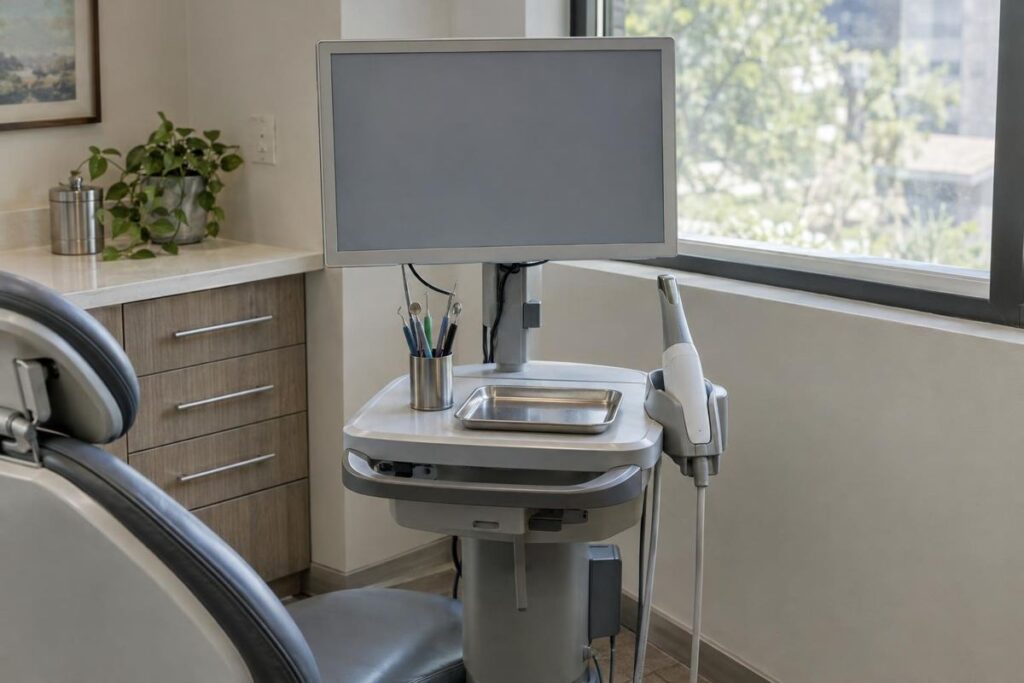
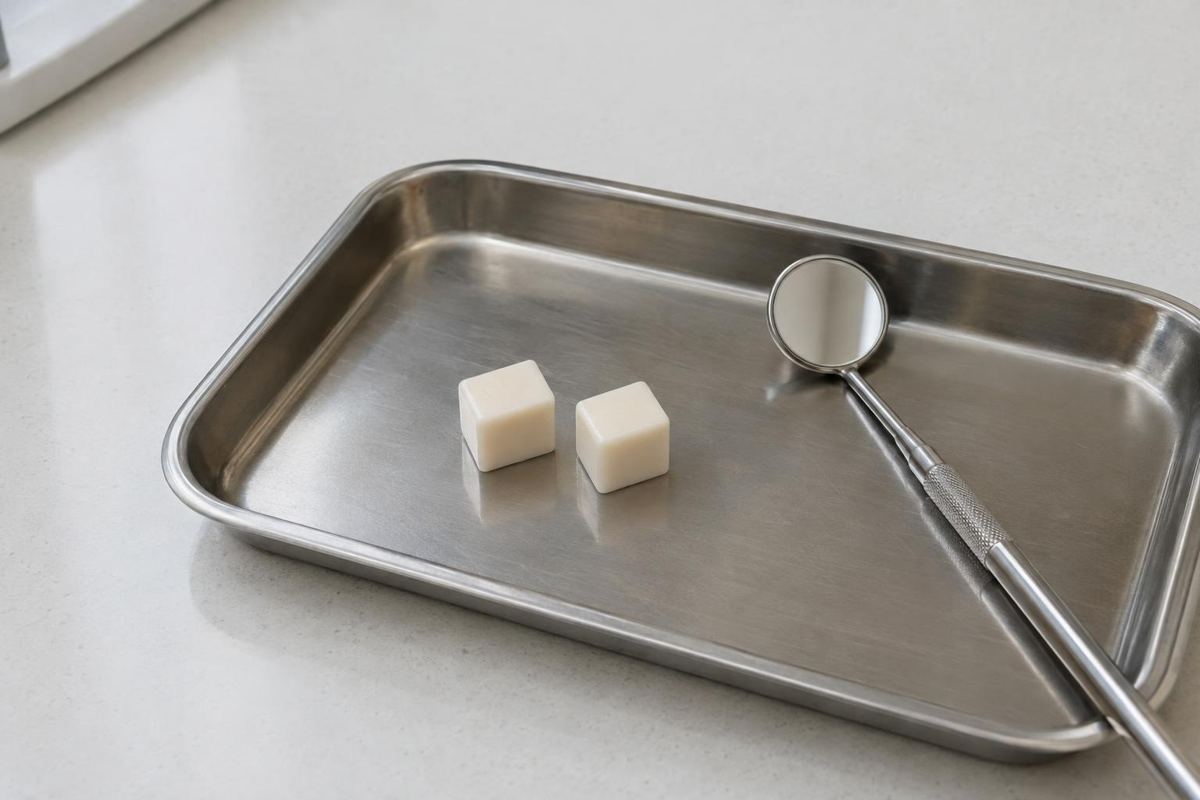
A same-day crown, often made with a CEREC system, is a crown created with computer-aided design and milling technology in the dental office. Instead of taking a physical impression and sending it to an outside laboratory, the dentist uses a digital scan, designs the crown on a screen, and mills it from a ceramic block while you are at the office. Pickering Square Dental offers this service, and you can read about it on our same-day dental crowns page.
How the Process Works, Step by Step
1. Examination and planning
The dentist examines the tooth, takes X-rays, and checks the bite and the condition of the gums. This visit decides whether a crown is the right treatment and whether a same-day approach is suitable. Some teeth need other care first, such as treating decay, a root canal, or gum treatment.
2. Preparing the tooth
After the area is numbed, the dentist removes decay and old material and reshapes the tooth so a crown can fit over it. The amount of tooth removed depends on the crown material and the condition of the tooth.
3. Digital scan
A small scanner captures a three-dimensional image of the prepared tooth and the teeth around it. Some patients find this more comfortable than traditional impression material, because there is no tray of putty.
4. Designing the crown
Software builds a proposed crown from the scan. The dentist reviews the shape, the contacts with neighbouring teeth, and the bite, and can adjust it before it is made.
5. Milling and finishing
A milling unit shapes the crown from a ceramic block. After milling, the crown is typically finished in a furnace and then polished, and the dentist may add shading or glazing to help it blend with your natural teeth. Timing varies depending on the case.
6. Fitting and bonding
The dentist checks the fit, the edges and your bite, makes adjustments, and then bonds or cements the crown in place. You will usually be told how to care for it and what to watch for.
Who May Be a Good Candidate?
A same-day crown may be considered for suitable cases, such as a tooth with a large filling, a cracked cusp, a tooth that has had root canal treatment and needs protection, or a tooth with worn or broken structure. Candidacy depends on factors like:
- how much healthy tooth structure remains;
- the position of the tooth and how heavily it is used for chewing;
- the condition of the gums and the surrounding bone;
- whether you clench or grind your teeth;
- how many teeth need treatment; and
- the appearance and colour match you want.
Some situations are better suited to a traditional crown made in a laboratory, for example when a very complex shape is needed or when several teeth must be coordinated. An assessment, additional treatment, or follow-up appointments may be required before or after a crown. Your dentist will explain which approach fits your situation.
Same-Day Crowns vs Traditional Crowns
Both approaches aim to give you a strong, natural-looking restoration. The differences are mostly about process.
- Appointments. A traditional crown usually involves a preparation visit with a temporary crown, then a second visit when the laboratory-made crown is ready. In suitable cases, a same-day crown can reduce the need for the second step.
- Temporary crowns. A traditional crown relies on a temporary in the meantime. If you are wearing one, our guide to temporary crown care has useful tips.
- Impressions. A same-day crown uses a digital scan rather than physical impression material.
- Materials and appearance. Same-day crowns are generally made from ceramic blocks. Your dentist can explain how they compare with other materials for your tooth.
- Suitability. Not every tooth or case can be treated the same-day way, and that is a clinical decision.
For a broader look at crowns in general, see our article on when to consider a dental crown and our overview of what CEREC can do.
Caring for Your New Crown
A crown protects the tooth, but the tooth underneath can still develop decay at the edge of the crown, and the gums around it can still become inflamed. To help your crown last:
- brush twice a day with fluoride toothpaste and clean between your teeth daily, including around the crown;
- avoid chewing ice, hard candy or other very hard objects;
- wait for any numbness to wear off before eating, so you do not bite your cheek or tongue;
- tell your dentist if the bite feels high, if the crown feels loose, or if there is lasting sensitivity; and
- keep regular dental exams and cleanings so the crown and the tooth can be checked.
No crown lasts forever, and how long one lasts depends on the tooth, the material, your bite and your home care. Ask your dentist what to expect for your own mouth.
Questions to Ask Your Dentist
- Is my tooth a good candidate for a same-day crown, or would another approach suit it better?
- What material do you recommend, and why?
- Will I need any other treatment first, such as a filling, a root canal or gum care?
- Might I need a follow-up visit after the crown is placed?
- How should I care for the crown, and what should I watch for?
- What is the cost, and what might my insurance cover?
Frequently Asked Questions About Same-Day Dental Crowns
Can everyone get a same-day crown?
No. It depends on the tooth, the amount of healthy structure remaining, the bite and other factors. Your dentist will recommend whichever type of crown suits your situation.
Is a same-day crown as strong as a traditional crown?
Both are designed to be durable when used in the right situation. Strength depends on the material, the design and the case, so ask your dentist how a given option fits your tooth.
Does getting a same-day crown hurt?
The tooth is numbed for preparation. Some mild soreness or sensitivity afterward can be normal. Let the office know if discomfort is severe or does not settle.
Will I still need a temporary crown?
In a suitable case the final crown is placed at the same appointment, so a temporary may not be needed. If your dentist recommends a different plan, a temporary may be used.
How long does a same-day crown last?
There is no single answer. Lifespan varies with the tooth, the material, your bite and how well you care for the area, and regular checkups help catch problems early.
Ask About a Same-Day Crown in Pickering
If you have a cracked, worn or heavily filled tooth, an assessment will show whether a same-day crown is a suitable option. Call (905) 420-1777 or contact us to schedule an appointment at Pickering Square Dental.
This article is general education and does not replace an examination, diagnosis or personalized advice from a regulated dental professional.

About Dr. Marvin Lean, DDS
Dr. Marvin Lean, DDS, is the owner and lead dentist at Pickering Square Dental. With decades of experience in family and laser dentistry, Dr. Lean provides care focused on clear communication and patient comfort. He is a member of the Ontario Dental Association (ODA) and the Canadian Dental Association (CDA). Dr. Lean and his team provide comprehensive dental care including sedation dentistry, dental implants, emergency dental care, and the Canadian Dental Care Plan (CDCP) to patients in Pickering, Ajax, Whitby, Scarborough, Oshawa, and Markham. Dr. Lean spent the last 20 years as the Dentist for the Toronto Maple Leafs.