A knocked-out tooth is one of the most alarming dental emergencies you can face, and the moments right after it happens matter more than almost anything else. If you have ever wondered what to do if you knock out a tooth, the short answer is this: stay calm, act quickly, and handle the tooth the right way. When an adult permanent tooth is completely knocked out of its socket, the choices you make in the first 30 to 60 minutes can meaningfully improve the chances that a dentist can save it.
This guide walks you through the emergency steps for a knocked-out tooth, what to avoid, how to store the tooth safely, and when to seek urgent care. It is written to help you feel prepared, whether the emergency involves you, your child, or someone nearby in Pickering. It is educational information, not a diagnosis, so please treat professional care as your top priority.
First, Understand What “Avulsed” Means and Why Time Matters
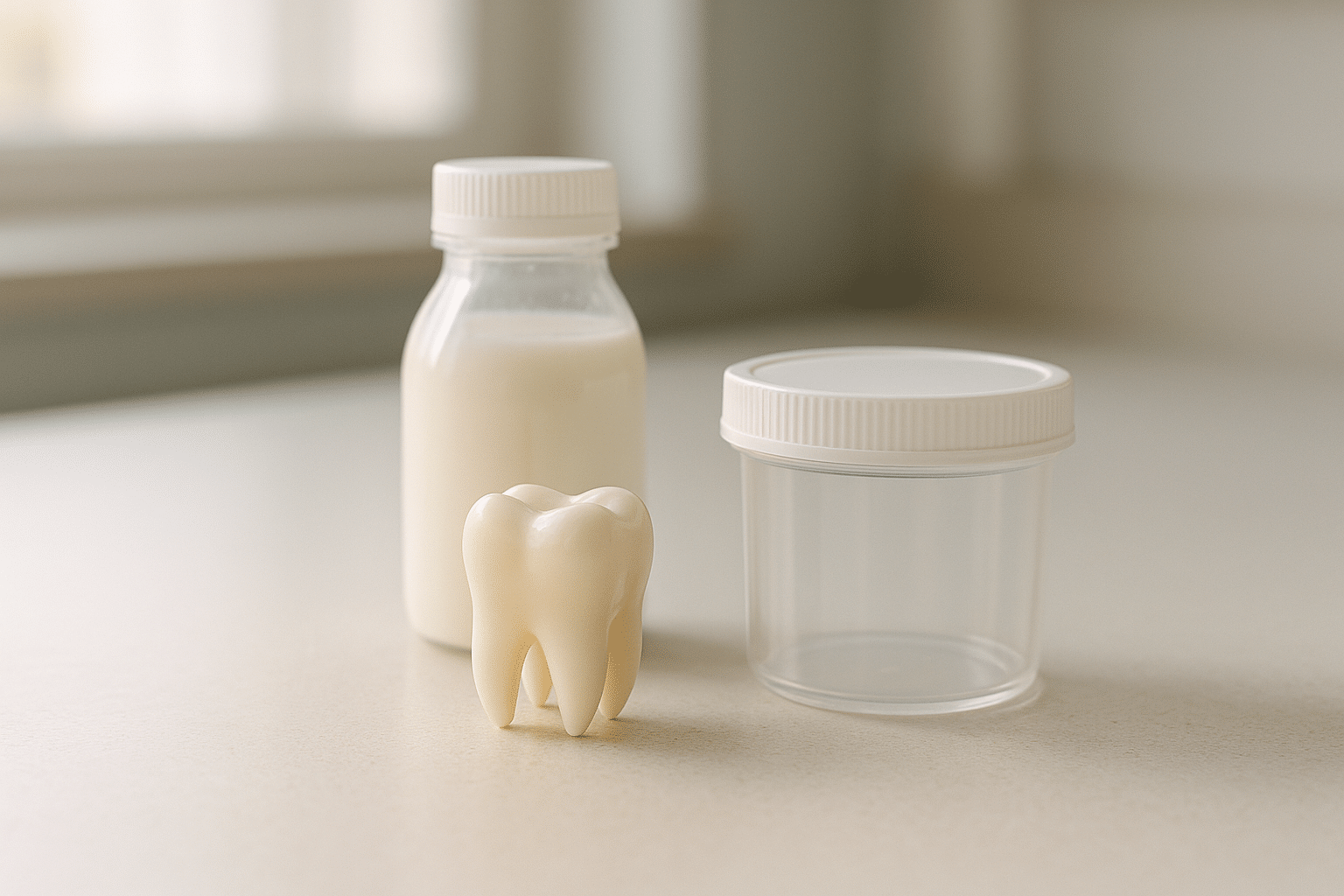
Dentists use the word “avulsion” to describe a tooth that has been completely displaced from its socket, usually from a fall, a sports injury, a bike or car accident, or a hard blow to the face. Unlike a chipped or loosened tooth, an avulsed tooth is entirely out of the mouth, with the root exposed.
The reason speed matters so much is the delicate tissue on the root surface. Tiny living cells called periodontal ligament cells cover the root, and they begin to dry out and die within minutes of the tooth leaving the mouth. Keeping those cells alive and moist is the single most important thing you can do while you arrange to see a dentist. In general, the sooner a permanent tooth is placed back into its socket or into a suitable storage liquid, the better the outlook.
Here is what makes the biggest difference in those early minutes:
- How quickly the tooth is handled and protected
- Whether the root surface is kept moist rather than allowed to dry
- Whether the tooth is held by the crown and not the root
- How soon you reach an emergency dentist
Emergency Steps to Save a Knocked-Out Tooth
If an adult permanent tooth has been knocked out, follow these steps in order. Try to move calmly but without delay.
- Find the tooth and pick it up by the crown. The crown is the white part you normally chew with. Never touch or handle the root, which is the pointed section that sits below the gumline.
- Gently rinse it if it is dirty. Use milk, saline, or a quick pass under cool running water for no more than about ten seconds. Do not scrub, wipe, or use soap or chemicals.
- Try to reposition it in the socket if you can. For an adult tooth, gently place it back into the empty socket the right way around and bite down softly on a clean cloth or gauze to hold it in place. Reimplanting the tooth promptly can improve the chances of saving it.
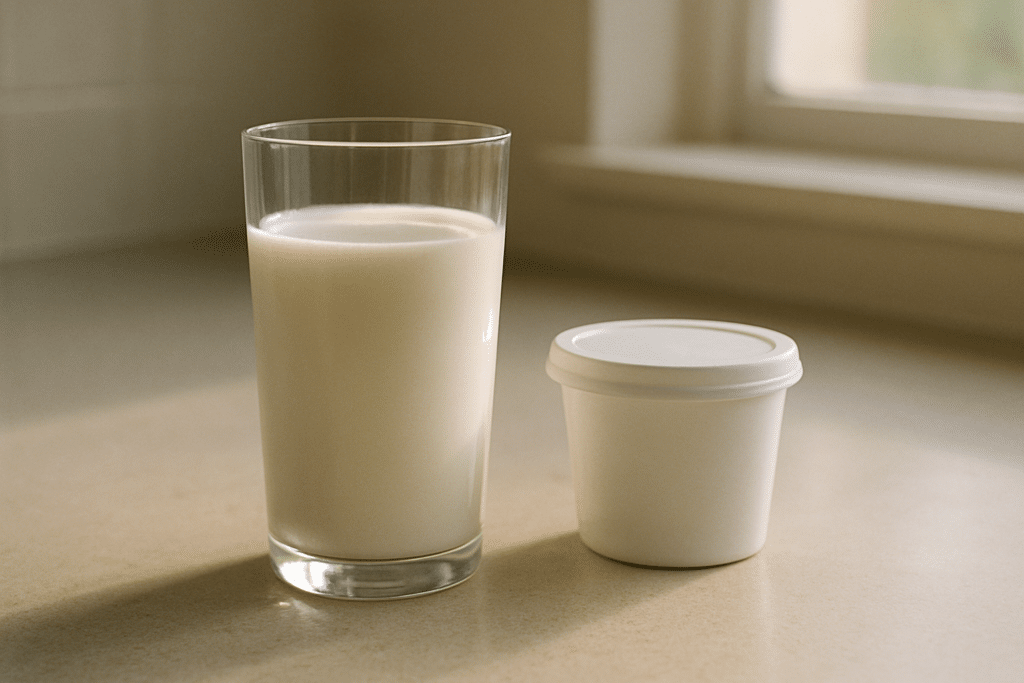
- If you cannot reinsert it, store it in the right liquid. Place the tooth in cold milk, a tooth-preservation product if one is available, or tucked inside the cheek so it stays bathed in saliva (only if there is no risk of swallowing it). Water is a last resort because it is not gentle on the root cells.
- Control any bleeding. Have the injured person bite down on clean gauze or a cloth over the socket to slow bleeding and ease discomfort.
- Get to an emergency dentist right away. Aim to be seen within 30 to 60 minutes. Bring the tooth with you, kept moist the entire way.
Even if you cannot reinsert the tooth or you are unsure whether you did it correctly, a dentist still needs to examine the injury quickly. Bring the tooth along no matter what, and let the dental team take it from there.
How to Store a Knocked-Out Tooth Safely
The storage medium you choose can protect the root while you travel to care. Good options, in general order of preference, include:
- A tooth-preservation kit (sometimes found in sports and first-aid supplies), used according to its instructions
- Cold milk, which is gentle on the root surface and widely available
- Saliva, by holding the tooth inside the cheek if the person is old enough not to swallow it
- Saline solution, if you happen to have it on hand
Plain tap water is the least ideal choice and should only be used if nothing else is available, because it does not help the root cells survive. Never let the tooth sit dry on a counter or wrapped in a dry tissue.
What NOT to Do With a Knocked-Out Tooth
Just as important as the right steps are the common mistakes that can reduce the chances of saving the tooth. Avoid the following:
- Do not touch the root. Handling the root can damage the fragile cells a dentist needs to work with.
- Do not scrub, scrape, or dry the tooth. Skip soap, disinfectants, and vigorous wiping.
- Do not wrap the tooth in a dry tissue or paper towel. Drying it out is one of the most harmful things that can happen.
- Do not store it in plain water for long periods if a better option is within reach.
- Do not delay care to “wait and see.” Time is working against you from the moment the tooth comes out.
- Do not ignore other injuries. A blow strong enough to knock out a tooth can also cause a concussion, a jaw injury, or a cut that needs attention.
If you are ever unsure, err on the side of getting professional help immediately rather than trying to manage the situation entirely on your own.
Knocked-Out Baby Teeth Are Different
The advice above applies to adult permanent teeth. When a young child knocks out a baby (primary) tooth, the guidance changes in one important way: knocked-out baby teeth should generally not be reimplanted. Trying to place a baby tooth back into the socket can risk damaging the developing permanent tooth growing underneath.
That does not mean you should do nothing. If your child knocks out a baby tooth:
- Keep your child calm and check for other injuries to the mouth, lips, and head
- Gently control bleeding with clean gauze and a little pressure
- Do not try to reinsert the tooth
- Contact a dentist promptly for guidance, since the injury still needs to be assessed
If you are not certain whether a tooth is a baby tooth or a permanent one, keep it moist in milk and let the dental team make that determination when you arrive. When in doubt, call and describe what happened.
When to Seek Urgent or Emergency Care
A knocked-out permanent tooth is always a reason to seek same-day emergency dental care. Beyond the tooth itself, certain signs mean you should not wait, and in some cases should head to a hospital emergency department first.
Seek urgent medical or dental attention right away if you notice:
- Heavy bleeding that does not slow with gentle pressure after several minutes
- A possible broken or dislocated jaw, or difficulty opening and closing the mouth
- Signs of a concussion, such as confusion, vomiting, drowsiness, or loss of consciousness
- Deep cuts to the lips, gums, or tongue that may need stitches
- Severe, worsening pain or swelling
If the injury involves a serious head, neck, or facial trauma, treat that as a medical emergency first and address the tooth as soon as it is safe to do so. For the tooth alone, a dental team can examine the socket, clean the area, reposition and stabilize the tooth where appropriate, and talk you through what to expect next.
What Happens After You Arrive at the Dentist
Once you reach the office, the dental team will assess the tooth, the socket, and the surrounding tissues. Depending on the situation, care may involve gently repositioning the tooth, splinting it to neighbouring teeth to hold it steady while it heals, checking for fractures, and planning any follow-up visits. Your dentist will also discuss aftercare, including soft foods, careful brushing, and monitoring the area over the following weeks. Every injury is unique, so your specific plan will be tailored to what the examination reveals.
How to Be Ready Before an Emergency Happens
A little preparation makes a stressful moment far more manageable, especially for active families and anyone who plays sports in Pickering. Consider taking these steps in advance:
- Keep a small tooth-preservation kit in your home first-aid supplies and sports bag
- Wear a properly fitted mouthguard for contact sports and recreational activities
- Save your dentist’s phone number in your contacts so you can call without searching
- Talk through these steps with your children so they know not to panic and not to throw a tooth away
Knowing the plan ahead of time means you can focus your energy on acting quickly rather than figuring out what to do in the moment.
For additional background on managing dental injuries, the International Association of Dental Traumatology publishes guidance on knocked-out and injured teeth.
Frequently Asked Questions
How long do I have to save a knocked-out tooth?
Time is critical. The best outcomes generally come from reinserting or properly storing the tooth within about 30 to 60 minutes and getting to a dentist as soon as possible. Even outside that window, do not give up. Bring the tooth, kept moist, and let a dental professional assess it, because a prompt evaluation is always worthwhile.
Can I put the tooth back in myself?
For an adult permanent tooth, you can gently try to place it back into the socket the right way around after a brief rinse, holding it only by the crown. If it does not slide in easily or you feel unsure, do not force it. Instead, store it in cold milk or saliva and head straight to a dentist, who can reposition it safely.
What if the tooth is dirty?
Rinse it briefly with milk, saline, or cool running water for about ten seconds to remove visible debris. Do not scrub it, use soap, or dry it off. The goal is to keep the delicate root surface moist and intact rather than perfectly clean.
My child knocked out a baby tooth. Should I put it back?
No. Knocked-out baby teeth should generally not be reimplanted, because doing so can harm the permanent tooth developing beneath the gum. Comfort your child, gently manage any bleeding, and contact a dentist promptly so the injury can be checked. If you are unsure whether the tooth is a baby or adult tooth, keep it in milk and let the dental team decide.
Is a knocked-out tooth always a dental emergency?
Yes. A fully knocked-out permanent tooth warrants same-day attention. Even if the pain seems manageable or bleeding has stopped, the tooth and socket still need professional evaluation. Reach out to a dental team right away rather than waiting to see how things feel.
If you or a loved one has a knocked-out tooth, do not wait. Call Pickering Square Dental right away at (905) 420-1777 so our team can guide you through the next steps and see you as quickly as possible, and you are welcome to contact our Pickering office for any urgent dental concern. Acting fast, handling the tooth gently, and getting professional care quickly give you the best chance of protecting your smile.

About Dr. Marvin Lean, DDS
Dr. Marvin Lean, DDS, is the owner and lead dentist at Pickering Square Dental. With decades of experience in family and laser dentistry, Dr. Lean provides care focused on clear communication and patient comfort. He is a member of the Ontario Dental Association (ODA) and the Canadian Dental Association (CDA). Dr. Lean and his team provide comprehensive dental care including sedation dentistry, dental implants, emergency dental care, and the Canadian Dental Care Plan (CDCP) to patients in Pickering, Ajax, Whitby, Scarborough, Oshawa, and Markham. Dr. Lean spent the last 20 years as the Dentist for the Toronto Maple Leafs.