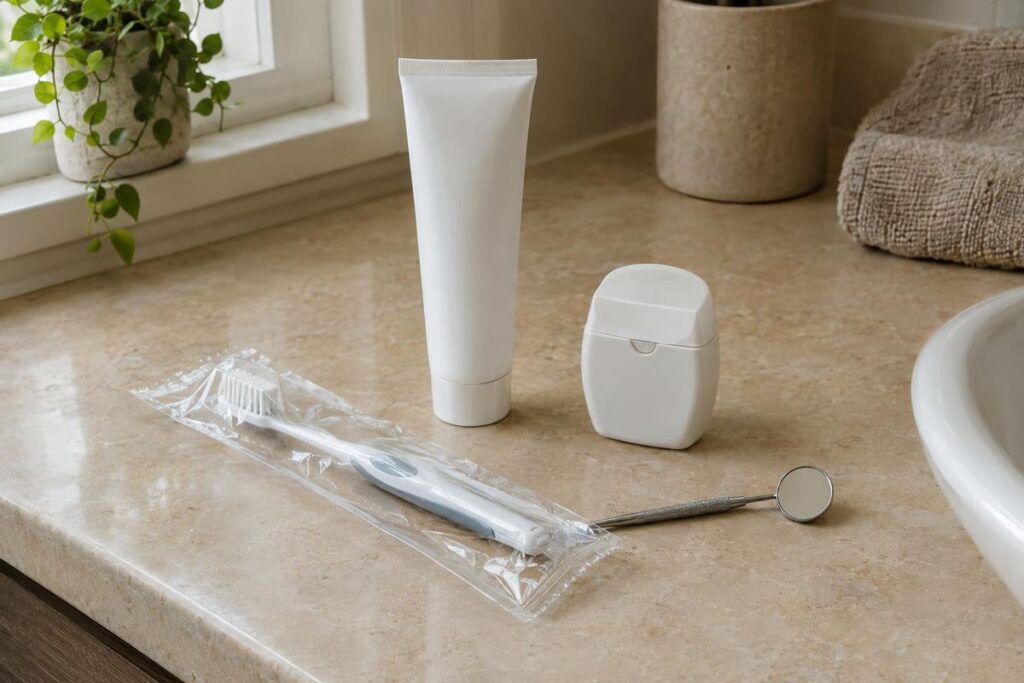
You cannot guarantee that you will never need a root canal. You can, however, lower several common risks by controlling tooth decay, protecting teeth from cracks and injuries, and having problems assessed before they reach the soft tissue inside a tooth. Some causes are not fully preventable, so good habits reduce risk rather than eliminate it.
If you are searching for how to avoid root canal treatment because a tooth already hurts, do not use prevention advice to delay an exam. Pain, swelling, a cracked tooth, or a deep cavity may need prompt care. This guide explains practical prevention, what early treatment can do, and when a dentist needs to assess the tooth.
Why Might a Tooth Need Root Canal Treatment?
The pulp is the soft tissue inside a tooth. The American Dental Association’s MouthHealthy guidance explains that pulp can become infected after a deep cavity, repeated dental procedures, a crack or fracture, or an injury even when there is no visible chip. If infection is left untreated, it can affect tissue and bone around the root and may lead to an abscess or tooth loss.
A root canal removes infected or injured tissue, cleans and seals the canals, and helps keep the natural tooth. In other words, treatment is meant to save a tooth when the pulp is already seriously affected. Prevention focuses on reducing avoidable damage and finding problems earlier, while they may need a simpler form of care.
Brush Twice a Day With Fluoride Toothpaste
Tooth decay is one of the most preventable routes to deeper tooth damage. Plaque bacteria use sugars from food and drinks to make acids that attack enamel. Over time, enough mineral loss can create a cavity. If decay keeps progressing through the tooth, it can eventually reach the pulp.
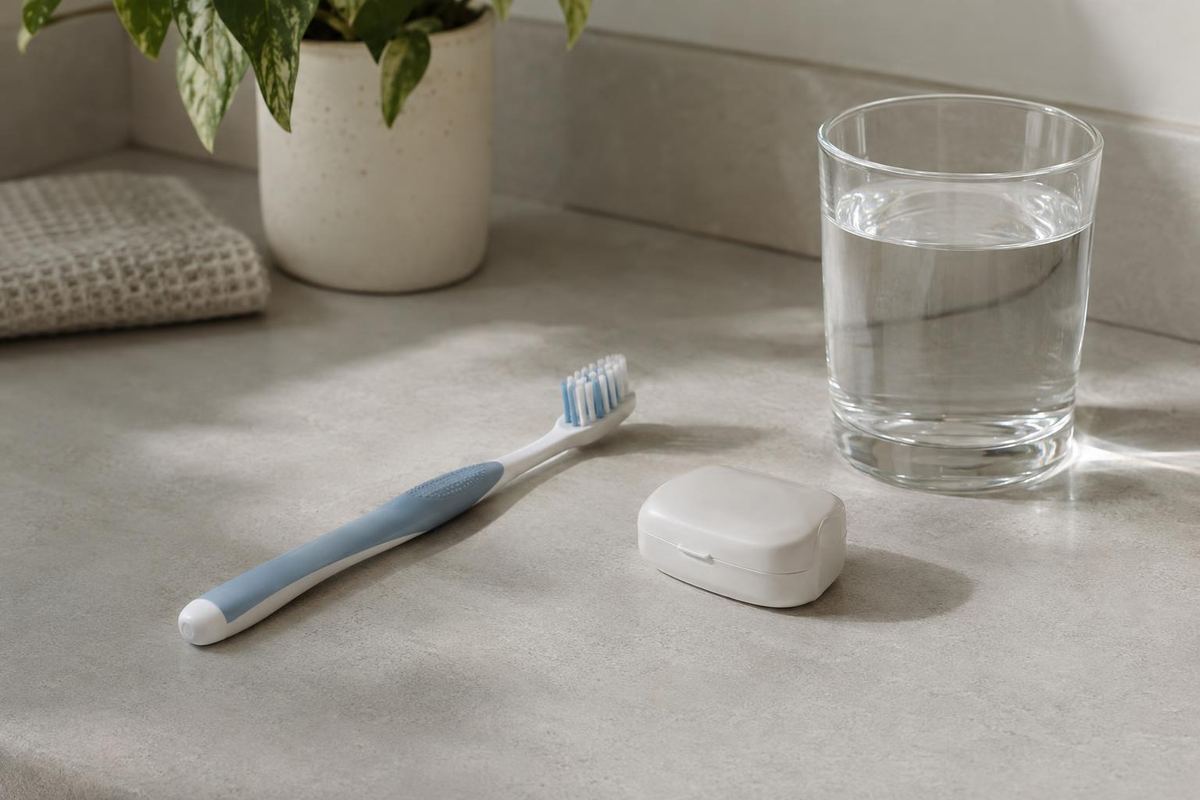
The National Institute of Dental and Craniofacial Research recommends brushing twice a day with fluoride toothpaste. Fluoride helps replace minerals in enamel and can stop or reverse very early decay before a cavity forms. Once there is a cavity, a dentist generally needs to remove the damaged tissue and restore the tooth.
- Brush every surface gently rather than scrubbing hard.
- Use a fluoride toothpaste appropriate for your age and needs.
- Replace a worn toothbrush or brush head.
- Ask the dental team to demonstrate technique if certain areas are consistently missed.
Clean Between Teeth Every Day
A toothbrush cannot clean every contact between neighbouring teeth. The NIDCR and ADA recommend daily cleaning between teeth with floss or another interdental cleaner. This matters because cavities can begin where they are difficult to see and may not cause pain at first.
The best tool depends on your spacing, dexterity, restorations, braces, bridges, implants, and gum health. Floss may work well for tight contacts, while an interdental brush or another device may suit a different space. The Canadian Dental Association emphasizes regular plaque removal; your dental hygienist can help you choose and use the right tool.
Reduce How Often Teeth Face Sugar and Starch
Risk is affected by more than the total amount of sugar you eat. Frequent sipping and snacking can repeatedly expose teeth to acids made by plaque bacteria. The NIDCR recommends limiting sugary drinks and foods high in sugars and starches, choosing balanced meals, and limiting snacking.
Practical changes can include keeping sweet drinks with meals, choosing water between meals, and avoiding a bottle or cup of sweetened liquid that is sipped over a long period. Sticky foods can remain on teeth, and crackers or other refined starches can also feed the acid-producing process. You do not need a perfect diet, but reducing frequent exposures gives saliva and fluoride more time to support enamel.
Keep Regular Exams and Professional Cleanings
Early decay may not hurt. The NIDCR notes that a dentist may find it during a regular checkup and may use X-rays to see decay that is not obvious on the surface. Finding a small problem earlier can create more treatment options and may prevent it from reaching the pulp.
Your own schedule should reflect your oral health, medical history, decay risk, gum health, and past treatment. A dentist may also recommend professional fluoride or sealants in suitable situations. Sealants cover the chewing grooves of back teeth and can help protect areas where decay often begins, especially in children and teens, but they do not replace brushing, interdental cleaning, or exams.
If a filling is recommended, postponing it may allow decay to spread. A filling treats damaged tooth structure before the problem becomes deeper. Our guide to root canal vs filling explains why the depth of damage changes the treatment.
Protect Teeth From Cracks and Injuries
Not every root canal is related to a cavity. The ADA lists cracks, fractures, and injuries among the ways pulp can become infected. Avoid chewing ice, hard candy, popcorn kernels, pens, or other objects that can place concentrated force on a tooth. Never use teeth to open packaging.
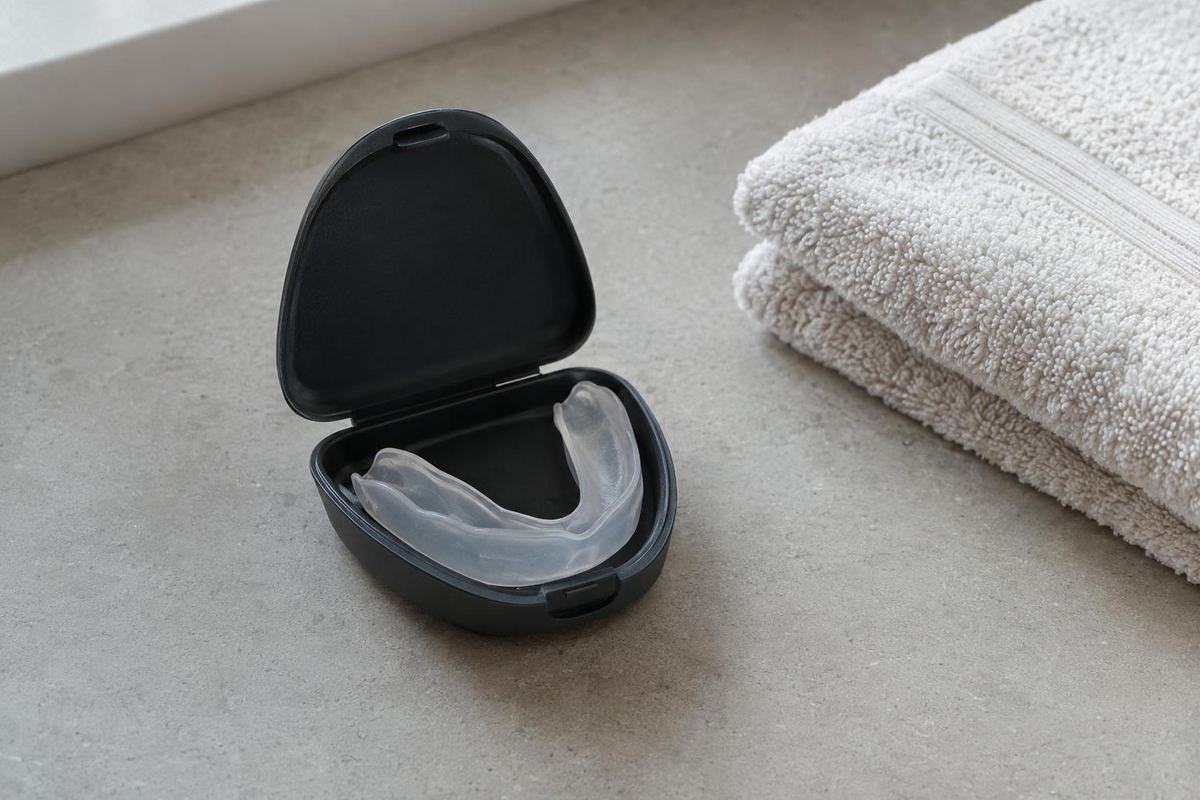
If you play a contact or collision sport, ask a dentist about an appropriate mouthguard. A properly fitted guard can help protect teeth from impact. If you clench or grind, mention jaw fatigue, worn teeth, morning headaches, or repeated fractures at an exam. A dentist can assess the cause and whether a protective appliance is suitable; a store-bought guard is not right for every person.
Act Early When a Tooth Changes
Prompt assessment matters because pain does not show exactly how far a problem has progressed. Schedule a dental exam if you notice persistent or worsening tooth pain, lingering sensitivity to hot or cold, pain when biting, a crack or injury, swelling, a pimple-like bump on the gum, tooth darkening, or a lost or broken filling.
Pain that fades does not confirm that the underlying problem has resolved. Symptoms can change, so arrange an assessment even if discomfort improves. Our article on signs you may need a root canal explains common warning signs, but only an examination and any necessary X-rays can establish what is happening.
Facial or neck swelling, difficulty breathing or swallowing, uncontrolled bleeding, or major facial trauma needs urgent medical assessment. For other dental symptoms, contact a dental office promptly and describe what changed so the team can guide the timing of care.
What If a Dentist Already Recommended a Root Canal?
Home care cannot remove infected or irreversibly injured pulp. If a dentist has recommended treatment, ask what the exam and X-rays show, what alternatives exist, how the tooth will be restored afterward, and what may happen if care is delayed. Seeking a second opinion is reasonable when you need help understanding the diagnosis, but prevention tips are not a substitute for treating an active problem.
The Canadian Dental Association’s root canal overview describes removing infected or injured tissue, disinfecting and shaping the canals, and filling and sealing them. Pickering Square Dental provides root canal therapy when an examination shows that this tooth-saving treatment is appropriate.
Frequently Asked Questions About Preventing a Root Canal
Can every root canal be prevented?
No. Good oral hygiene and timely care can lower risks from decay and some injuries, but cracks, trauma, previous dental work, anatomy, and other factors can still affect the pulp. Prevention reduces risk; it does not guarantee an outcome.
Can fluoride prevent a root canal?
Fluoride strengthens enamel and may stop or reverse very early decay before a cavity forms. It cannot repair an established crack or remove infection from inside a tooth. A dentist can recommend the right fluoride approach for your age and risk.
Will treating a cavity early help?
It can. Treating decay before it reaches the pulp may allow the tooth to be restored with a filling or another appropriate restoration. The dentist must assess how deep the damage is and whether the pulp is healthy.
Can a cracked tooth heal on its own?
A cracked tooth needs assessment. Some cracks may be managed with monitoring or a restoration, while deeper damage may affect the pulp or make the tooth difficult to restore. Avoid chewing on the tooth and schedule an assessment.
Should I avoid a root canal if the pain stops?
Do not assume a painless tooth is healthy. Symptoms can change even when infection or damage remains. If treatment was recommended or the tooth had significant pain, swelling, injury, or decay, follow up with the dentist.
Schedule a Dental Assessment in Pickering
If you are concerned about a cavity, crack, old filling, sensitivity, or tooth pain, Pickering Square Dental can assess the tooth and explain the available options. Earlier care may preserve more healthy tooth structure, but the right treatment depends on the examination and any necessary X-rays.
Call (905) 420-1777 or contact us to schedule an appointment. This article provides general education and does not replace diagnosis or treatment from a dental professional.

About Dr. Marvin Lean, DDS
Dr. Marvin Lean, DDS, is the owner and lead dentist at Pickering Square Dental. With decades of experience in family and laser dentistry, Dr. Lean provides care focused on clear communication and patient comfort. He is a member of the Ontario Dental Association (ODA) and the Canadian Dental Association (CDA). Dr. Lean and his team provide comprehensive dental care including sedation dentistry, dental implants, emergency dental care, and the Canadian Dental Care Plan (CDCP) to patients in Pickering, Ajax, Whitby, Scarborough, Oshawa, and Markham. Dr. Lean spent the last 20 years as the Dentist for the Toronto Maple Leafs.