
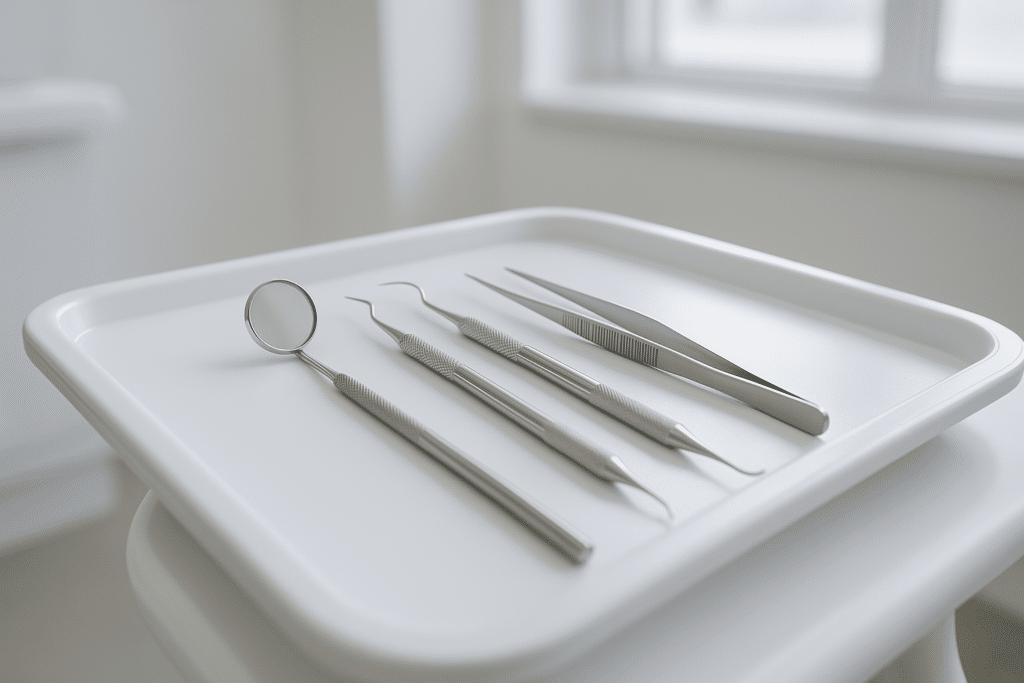
If your last hygiene appointment felt like a routine you barely think about, you’re not alone. One of the most common questions patients ask is how often should you get a dental cleaning, and the honest answer is that the familiar “every six months” rule is a helpful starting point rather than a one-size-fits-all prescription. Your mouth is unique, and the right rhythm for your cleanings depends on your health, your habits, and your history.
In this guide, you’ll learn where the six-month guideline comes from, the personal factors that can shorten or lengthen your ideal interval, and what actually happens during a hygiene visit. The goal is to help you understand your own needs so you can have a more informed conversation with your dental team about the schedule that fits you best.
Where Does the “Every Six Months” Rule Come From?
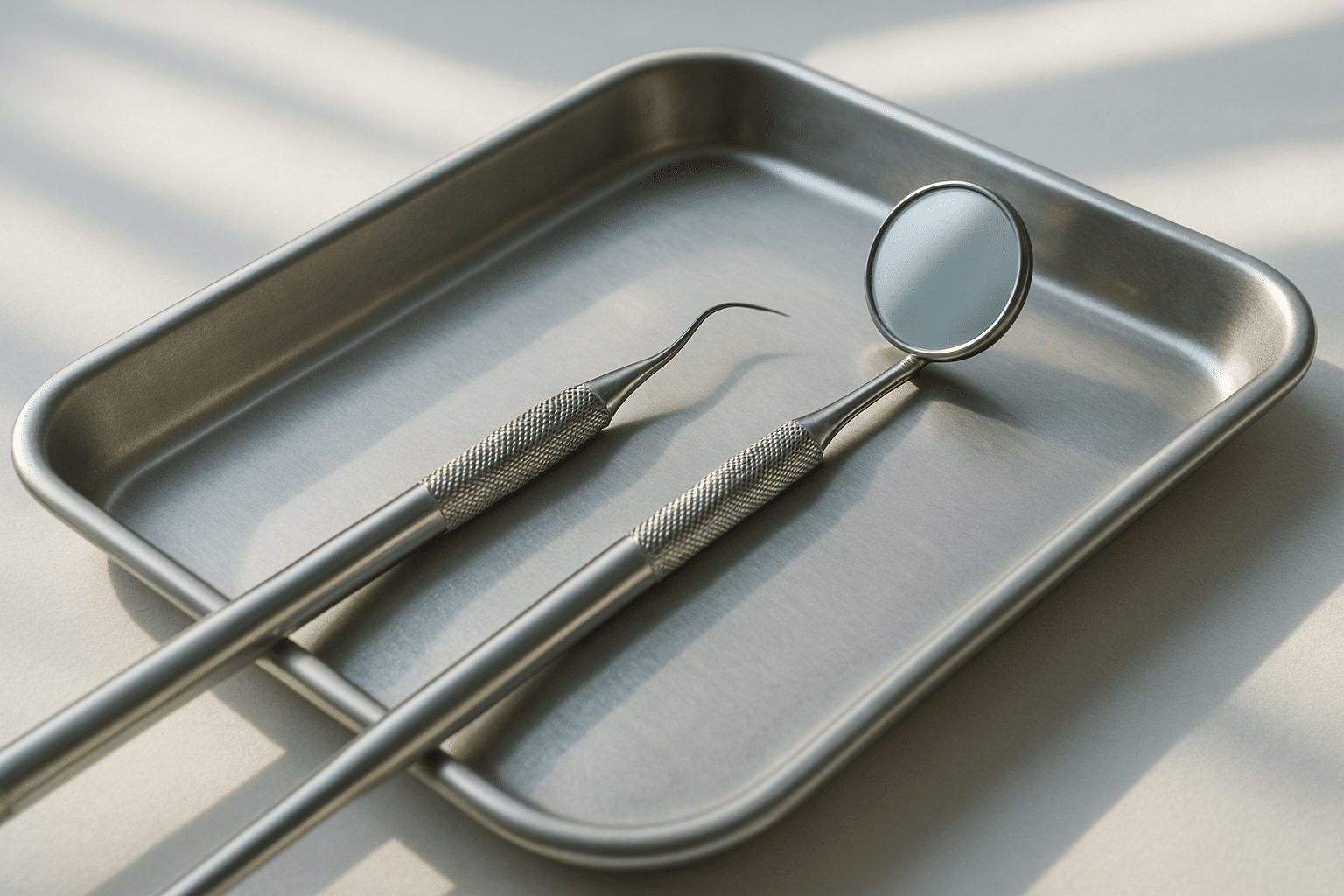
The twice-a-year recommendation has been part of dental culture for decades, and it endures for good reason. For many people with generally healthy gums and consistent home care, a professional cleaning every six months does a solid job of removing the plaque and tartar that a toothbrush and floss can’t fully reach. It also gives your dentist a regular window to catch small issues, like early decay or gum inflammation, before they become bigger, more costly problems.
That said, six months is an average, not a rule carved in stone. It became the default partly because it’s an easy interval to remember and schedule, and partly because it works well for a large portion of the population. But “works well for many” is not the same as “ideal for everyone.” Some people benefit from more frequent visits, while others with excellent oral health and low buildup may do fine on a slightly longer schedule when their dentist agrees it’s appropriate.
Why a Regular Dental Cleaning Matters
Even the most diligent brushing and flossing routine leaves some areas untouched. Plaque, a soft and sticky film of bacteria, constantly forms on your teeth. When it isn’t removed, it hardens into tartar (also called calculus), which bonds firmly to the tooth surface and below the gumline. Once tartar forms, it can only be removed with professional instruments.
Staying on a sensible cleaning schedule supports your oral health in several practical ways:
- Removing hardened tartar that home care simply cannot lift away, especially near the gumline and between teeth.
- Reducing gum inflammation by clearing the bacteria that irritate gum tissue and can lead to gingivitis.
- Freshening your breath by removing the bacterial buildup that often contributes to persistent bad breath.
- Supporting early detection, since your hygienist and dentist examine your mouth at each visit and can flag concerns sooner.
- Keeping your smile brighter by polishing away surface stains from coffee, tea, and other everyday foods and drinks.
Consistent care also connects to your broader well-being. Healthy gums and teeth make it easier to eat comfortably, speak clearly, and feel confident, which is why regular hygiene visits are a cornerstone of comprehensive family dentistry for patients of every age.
Factors That Can Change Your Ideal Cleaning Interval
Because everyone’s mouth behaves differently, your dentist looks at the full picture of your health and habits before recommending a schedule. Several factors can nudge your ideal interval shorter than six months.
Gum Disease History
If you’ve been treated for gum disease, your gums may need closer monitoring. People with a history of periodontal issues often benefit from more frequent visits, sometimes every three to four months, to keep bacteria from re-establishing below the gumline. This more frequent schedule is often called periodontal maintenance.
Smoking and Tobacco Use
Smoking and other tobacco use can reduce blood flow to the gums, mask early warning signs of gum problems, and contribute to faster buildup and staining. If you use tobacco, your dental team may suggest more frequent cleanings to help stay ahead of these effects.
Diabetes and Other Health Conditions
Certain systemic conditions, including diabetes, can influence how your gums respond to bacteria and how quickly inflammation develops. When blood sugar is harder to manage, gum tissue can be more vulnerable, so a tailored cleaning schedule may be part of a supportive care plan discussed with both your dentist and your physician.
Pregnancy
Hormonal changes during pregnancy can make gums more prone to swelling, tenderness, and bleeding, a condition sometimes called pregnancy gingivitis. Many expectant patients benefit from additional attention to their gum health during this time, and your dentist can help you decide on a comfortable, appropriate schedule.
Orthodontics
Braces, wires, and other orthodontic appliances create more nooks where food and plaque can hide. If you or your child is going through orthodontic treatment, more frequent cleanings can help protect the teeth and gums until the hardware comes off.
Buildup Rate and Dry Mouth
Some people simply accumulate plaque and tartar faster than others, due to saliva chemistry, diet, or genetics. Dry mouth, whether from medication, medical conditions, or other causes, reduces the natural rinsing action of saliva and can accelerate buildup. If either applies to you, a shorter interval may serve you well.
Here are a few signals that often point toward more frequent visits:
- A past or current diagnosis of gum disease.
- Tobacco use of any kind.
- Diabetes or another condition that affects gum health.
- Pregnancy or significant hormonal changes.
- Orthodontic appliances or a tendency toward rapid tartar buildup.
Routine Cleaning vs. Deeper Periodontal Cleaning
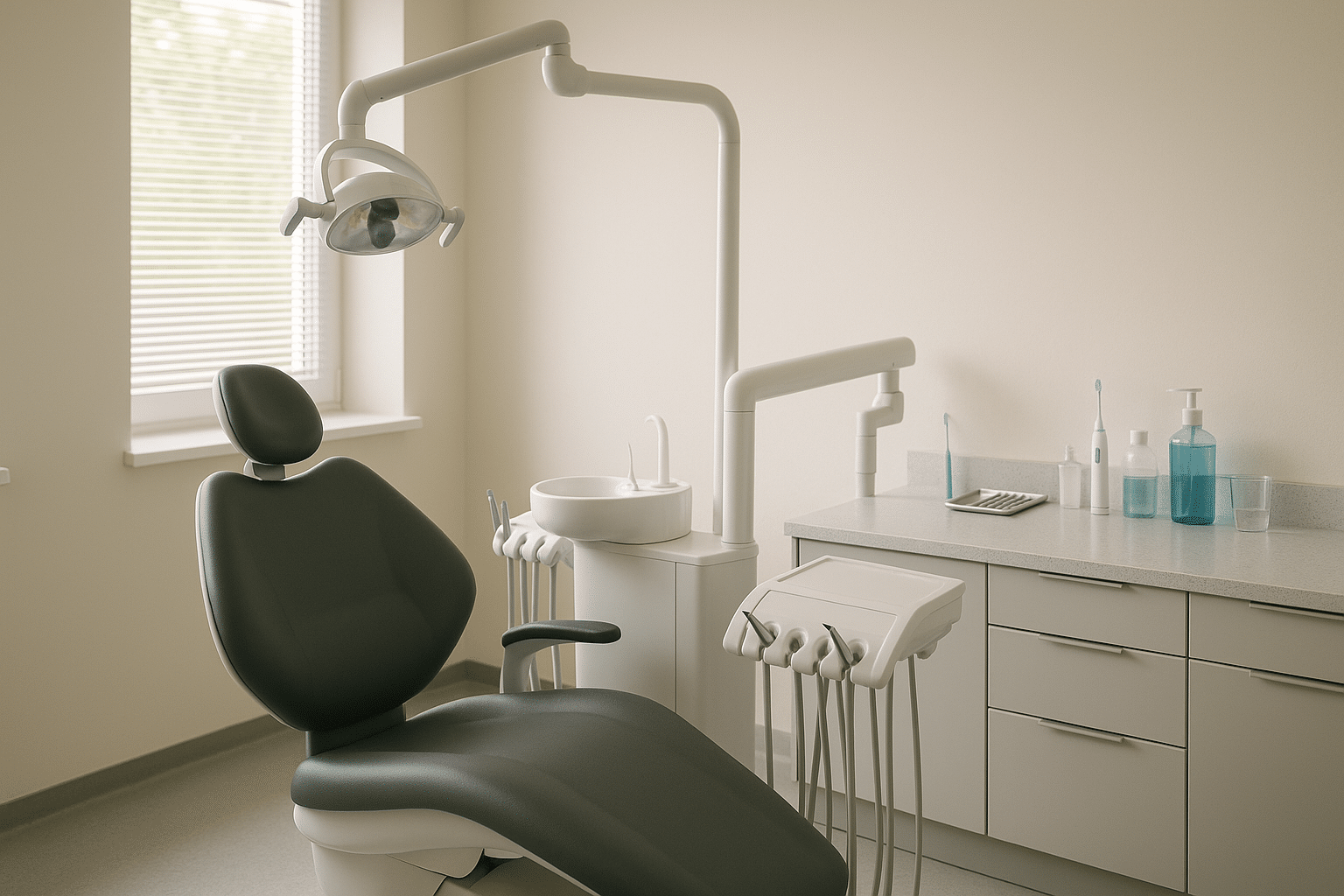
Not all cleanings are the same, and understanding the difference helps you know what to expect. The type of cleaning you receive depends on the health of your gums and the amount of buildup present.
Routine (Prophylaxis) Cleaning
A routine cleaning is designed for patients with generally healthy gums. It focuses on removing plaque and tartar from the tooth surfaces at and above the gumline, followed by polishing. This is the visit most people picture when they think of a standard checkup and cleaning.
Scaling and Root Planing
When gum disease has progressed and tartar has collected below the gumline, a deeper cleaning known as scaling and root planing may be recommended. This procedure carefully cleans the pockets that form between the gums and teeth and smooths the root surfaces so the gums can heal and reattach more comfortably. It’s often followed by a periodontal maintenance schedule to keep things stable.
Your dentist will assess your gum health, measure the pockets around your teeth, and review any X-rays before deciding which approach is right for you. This is a personalized decision, not a default, so it’s always worth asking questions about what’s being recommended and why.
What Actually Happens During a Hygiene Visit
Knowing the steps of a typical hygiene appointment can make the experience feel more comfortable, especially if it’s been a while since your last visit. While details vary from patient to patient, most routine visits follow a similar flow:
- Health review: Your team checks in on any changes to your medical history, medications, or concerns you’d like to raise.
- Examination: Your hygienist and dentist look for signs of decay, gum inflammation, and other issues, sometimes with the help of X-rays.
- Scaling: Specialized instruments remove plaque and tartar from your teeth and along the gumline.
- Polishing: A gentle polish helps lift surface stains and leaves your teeth feeling smooth.
- Guidance: You’ll get personalized tips on brushing, flossing, and any areas that need extra attention at home.
Throughout the visit, your comfort matters. If anything feels tender or you have questions about a technique you can use at home, speak up. A good hygiene appointment is as much about education and prevention as it is about the cleaning itself. Families across Pickering, Ajax, Whitby, and Scarborough often find that these regular touchpoints keep small habits on track between visits.
How Your Dentist Personalizes Your Recall Interval
The schedule your dentist recommends is called your recall or recare interval, and it’s meant to reflect your individual needs rather than a blanket rule. To set it, your dental team weighs several things together:
- The current health of your gums and the depth of any gum pockets.
- How quickly you tend to accumulate plaque and tartar.
- Your medical history and any conditions that affect oral health.
- Your home-care routine and how well it’s keeping buildup in check.
- Any lifestyle factors, such as tobacco use or diet, that influence your risk.
This is why two people can sit in the same waiting room and leave with different recommendations, one on a six-month plan and another on a three- or four-month plan. Your interval can also change over time. If your gum health improves, your dentist may extend the time between visits; if new risk factors appear, they may suggest coming in more often. The best schedule is a living decision you revisit together, and it’s worth discussing openly at each appointment so your care always matches your current situation.
For more on the value of professional cleanings, the Canadian Dental Hygienists Association offers general oral-health resources.
Frequently Asked Questions
Is every six months right for everyone?
Not necessarily. Six months is a widely used starting point that suits many people with healthy gums, but your ideal interval depends on your personal risk factors. Some patients do well with less frequent visits, while others benefit from coming in every three to four months. Your dentist can help you determine what’s appropriate for you.
What happens if I go a long time without a cleaning?
When cleanings are delayed for an extended period, plaque has more time to harden into tartar, and gum inflammation can develop or worsen. This may make future cleanings more involved and can increase the risk of gum problems. If it’s been a while, the best step is simply to book a visit and let your dental team assess where things stand, without judgment.
Does a cleaning hurt?
Most routine cleanings are comfortable, and many patients find them quite easy. If your gums are inflamed or sensitive, you might notice some tenderness, and deeper cleanings can involve more sensitivity that your team can help manage. Always let your hygienist know if you feel discomfort so they can adjust their approach.
How can I keep my gums healthy between visits?
Brushing twice a day with a soft-bristled brush, cleaning between your teeth daily with floss or another interdental tool, staying hydrated, and limiting sugary snacks all support healthy gums. Your hygienist can offer tips tailored to your mouth, which is one of the quiet benefits of keeping up with regular visits.
Can children follow the same cleaning schedule as adults?
Children benefit from regular cleanings too, and their ideal interval is set based on their individual needs, including cavity risk and whether they wear orthodontic appliances. A visit is a great opportunity to build healthy habits early, and your dentist can recommend the right rhythm for each child in your family.
Ready to find the cleaning schedule that fits your smile? The team at Pickering Square Dental would be glad to review your oral health and personalize a plan just for you. Call us at (905) 420-1777 or contact our Pickering office to book your next hygiene visit, and take an easy step toward keeping your smile healthy for years to come.

About Dr. Marvin Lean, DDS
Dr. Marvin Lean, DDS, is the owner and lead dentist at Pickering Square Dental. With decades of experience in family and laser dentistry, Dr. Lean provides care focused on clear communication and patient comfort. He is a member of the Ontario Dental Association (ODA) and the Canadian Dental Association (CDA). Dr. Lean and his team provide comprehensive dental care including sedation dentistry, dental implants, emergency dental care, and the Canadian Dental Care Plan (CDCP) to patients in Pickering, Ajax, Whitby, Scarborough, Oshawa, and Markham. Dr. Lean spent the last 20 years as the Dentist for the Toronto Maple Leafs.