
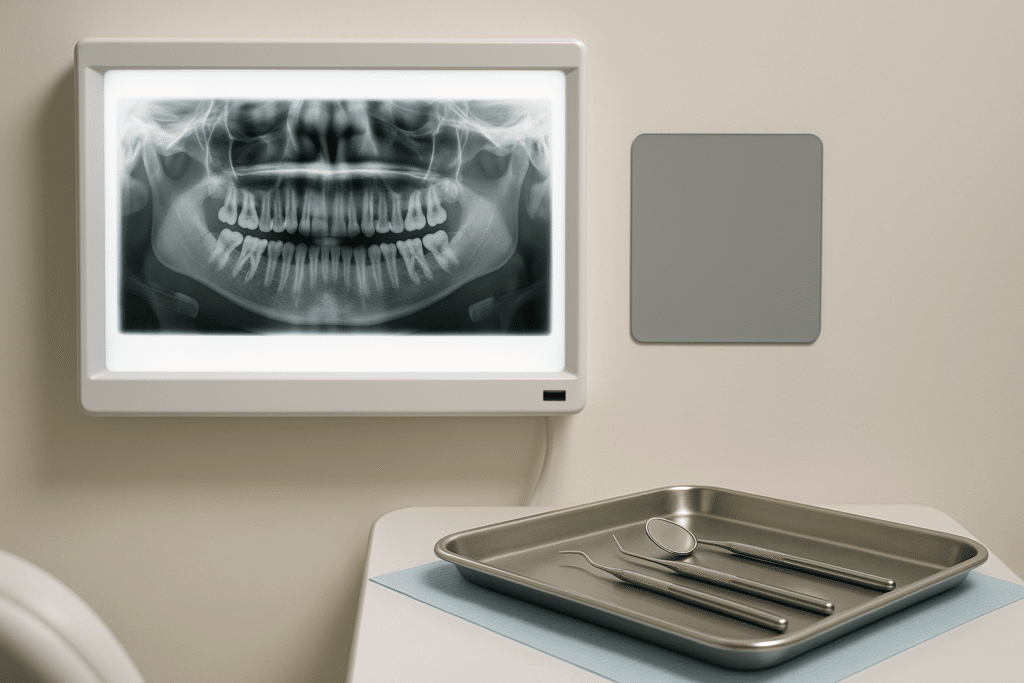
If you have been feeling a dull ache at the very back of your mouth, you may be wondering whether your wisdom teeth are trying to tell you something. Recognizing the signs your wisdom teeth need to be removed can help you decide when it is time to schedule an evaluation rather than wait and hope the discomfort passes. These third molars often arrive in the late teens or early twenties, and for some people they settle in without any trouble at all.
For many others, though, wisdom teeth crowd, tilt, or become trapped beneath the gum, and that is when symptoms tend to appear. This guide walks you through the warning signs worth paying attention to, why not every wisdom tooth has to come out, and what an evaluation and recovery typically involve. It is meant to help you understand your options, not to replace a personal examination with your dentist.
What Wisdom Teeth Are and Why They Cause Trouble
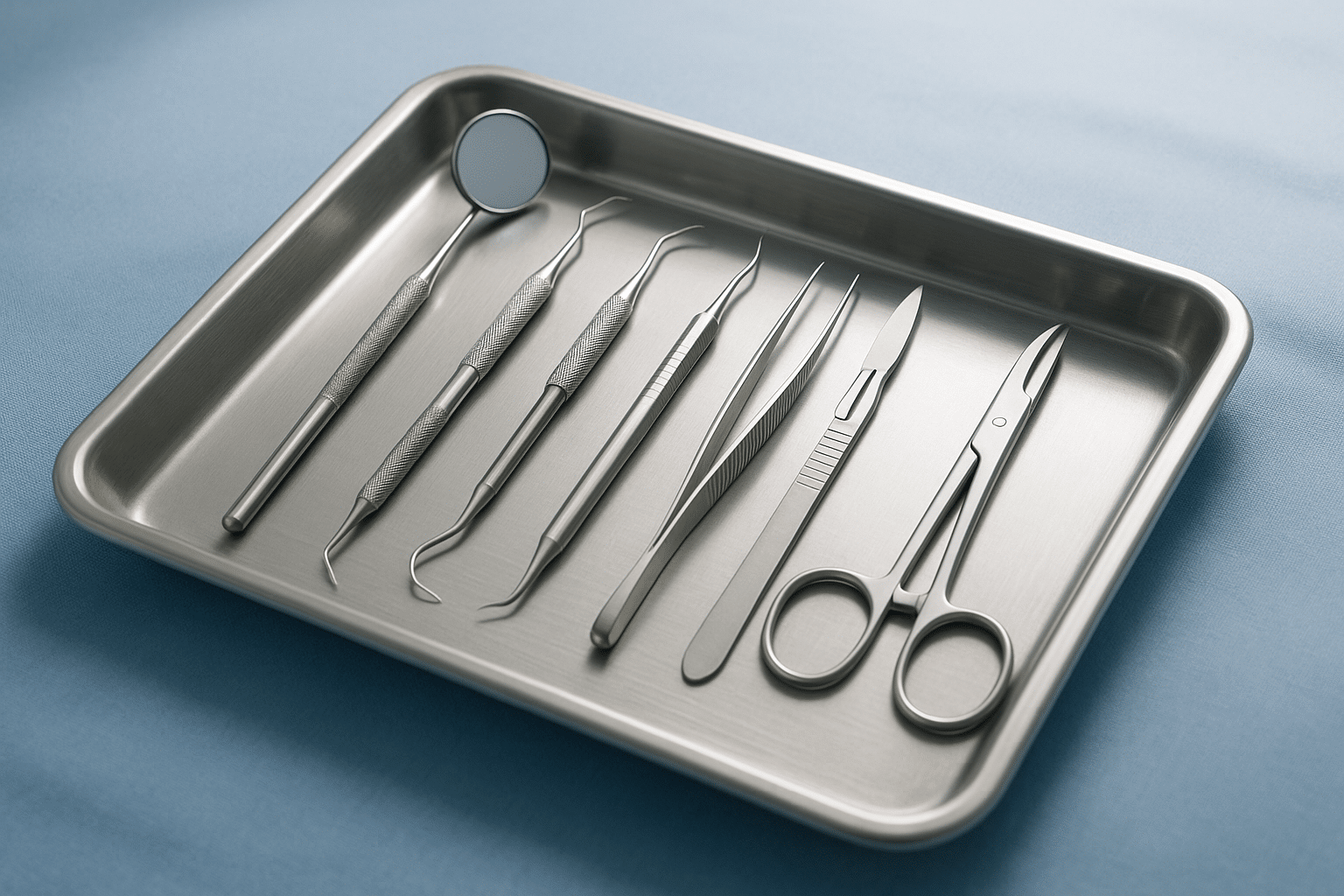
Wisdom teeth are the third and final set of molars, sitting furthest back in your mouth. Because they are the last to develop, there is often not enough room left in the jaw to accommodate them comfortably. When space runs short, a wisdom tooth may only partially emerge, grow at an angle, or stay fully trapped below the gumline, a situation dentists call impaction.
Their position also makes them genuinely hard to keep clean. Toothbrush bristles and floss struggle to reach that far back, so plaque and food debris can gather around a partly erupted molar. Over time, that can set the stage for decay, gum inflammation, and infection, which is why dentists monitor these teeth closely during routine visits.
Warning Signs Your Wisdom Teeth May Need Attention
No single symptom automatically means a wisdom tooth has to be removed, but a cluster of the signs below is a good reason to have things checked. Pay attention to changes that persist, worsen, or keep coming back.
- Persistent pain at the back of the mouth. A lingering ache, throbbing, or pressure behind your last molars is one of the most common reasons people seek an evaluation.
- Swollen, red, or tender gums. Inflammation around a partly erupted tooth, sometimes with a flap of gum tissue covering part of the crown, can trap bacteria and become sore.
- Jaw stiffness or difficulty opening wide. Tightness, tenderness near the jaw joint, or trouble fully opening your mouth can accompany an irritated wisdom tooth.
- Recurring infections. Repeated flare-ups of swelling, a bad taste, or pus around the tooth may point to pericoronitis, an infection of the gum tissue around a partially emerged molar.
- Bad breath or an unpleasant taste that will not clear. Trapped debris in a hard-to-clean pocket can linger despite regular brushing.
- Crowding or shifting of nearby teeth. Pressure from an erupting wisdom tooth may contribute to a crowded or changing feel toward the back of your smile.
- Decay or gum problems on the tooth or its neighbour. Cavities that are difficult to restore, or gum irritation next to the molar in front, can develop when cleaning is a challenge.
Signs That Deserve Prompt Care
Certain symptoms warrant quicker attention. Significant swelling of the face or jaw, a fever alongside mouth pain, difficulty swallowing, or intense pain that disrupts sleep are all worth calling about without delay. In situations like these, reaching out for emergency dental care can help you get evaluated and comfortable sooner. When you are unsure how urgent something feels, a quick phone call to your dental team is always a reasonable first step.
Impaction, Pericoronitis, and Cysts Explained
Some of the terms you may hear during an evaluation can sound intimidating, so here is a plain-language look at a few of the most common concerns associated with wisdom teeth.
Impaction
An impacted wisdom tooth is one that cannot fully emerge into its normal position. It might be angled toward the neighbouring molar, tipped backward, or lying sideways under the gum. Impaction does not always cause pain right away, which is one reason dentists rely on imaging to see what is happening beneath the surface. When an impacted tooth presses against its neighbour or creates a pocket that traps bacteria, it can become a source of ongoing trouble.
Pericoronitis
Pericoronitis is inflammation and infection of the gum tissue surrounding a partially erupted wisdom tooth. Because a flap of gum can overlap the crown, food and bacteria slip underneath where a brush cannot reach. The result is often swelling, tenderness, and sometimes a bad taste. These episodes can settle and then return, and recurring flare-ups are frequently part of the conversation about whether removal makes sense.
Cysts and Other Concerns
Less commonly, a fluid-filled sac known as a cyst can form around an impacted tooth. Left unmonitored, cysts may affect surrounding bone or nearby teeth. This is precisely why dentists keep an eye on wisdom teeth with periodic imaging even when you feel fine, so that anything developing quietly can be identified early and discussed.
Not Every Wisdom Tooth Has to Come Out
It is worth saying clearly: removal is not automatic. Plenty of people keep their wisdom teeth for life without a problem. A wisdom tooth may be a good candidate to keep and monitor when it has fully and properly erupted, sits in a healthy bite, and can be cleaned as easily as your other molars.
Dentists generally weigh several factors before recommending anything. These often include:
- Whether the tooth is fully erupted, partially erupted, or impacted.
- How much healthy space exists in your jaw.
- Whether you can keep the tooth and its gum tissue clean and healthy.
- The presence of decay, gum disease, repeated infections, or damage to a neighbouring tooth.
- Your age, overall health, and personal comfort.
Because these factors differ from person to person, the right choice for a friend or family member may not be the right choice for you. A personalized assessment is the only way to know, and your dentist is the best person to guide that decision.
How Dentists Evaluate Wisdom Teeth
A thorough evaluation is about gathering enough information to make a confident, individualized recommendation. When you come in with a concern about a wisdom tooth, here is what the process commonly looks like.
The Clinical Examination
Your dentist will start by asking about your symptoms, how long they have lasted, and whether they come and go. Then comes a hands-on look at the back of your mouth to check for swelling, redness, tenderness, and how much of each wisdom tooth is visible. They may gently test how your teeth come together and whether nearby molars show any signs of strain.
X-rays and Imaging
Because so much of a wisdom tooth story happens below the gum, imaging is central to the evaluation. X-rays reveal the angle and depth of each tooth, how close it sits to nerves and neighbouring roots, and whether there are hidden signs of decay or a developing cyst. This is also why routine dental visits matter even when nothing hurts, since imaging can flag a shifting or impacted tooth before you ever feel it.
Discussing Your Options
Once the picture is complete, your dentist will talk through what they see and what they recommend, whether that is continued monitoring, improved cleaning strategies, or removal. If a tooth is best taken out, they will explain the approach for that particular situation and answer your questions before anything is scheduled. You can learn more about the removal process on our page about dental extraction, and you are always welcome to contact our Pickering office to talk through your specific concerns.
What to Expect From Removal and Recovery
If removal is recommended, knowing the general shape of the process can ease a lot of the worry. Every case is unique, so treat the following as an overview rather than a promise of how yours will go.
During the procedure, the area is thoroughly numbed for your comfort, and sedation options may be discussed depending on the complexity and your preferences. A tooth that has fully erupted is often more straightforward to remove, while an impacted tooth may involve a bit more work to access it gently.
Recovery in the days that follow usually centres on rest and careful aftercare. Common guidance includes:
- Managing swelling with cold compresses in the first day or two.
- Sticking to soft, lukewarm foods and staying hydrated.
- Avoiding straws, smoking, and vigorous rinsing early on, since suction can disturb healing.
- Keeping the area clean with gentle rinsing as directed, once your dentist advises it.
- Following any instructions about activity and medication provided for your situation.
Most people find that the initial tenderness eases within several days, though healing timelines vary. Your dental team will let you know what to watch for and when to check back in, so you never have to guess whether something is on track.
For more general information about wisdom teeth and oral surgery, the Canadian Dental Association is a helpful resource.
Frequently Asked Questions
Do wisdom teeth always need to be removed?
No. Wisdom teeth that erupt fully, fit your bite, and can be kept clean may not need removal at all. The decision depends on your individual anatomy, symptoms, and imaging, which is why a personal evaluation with your dentist is so important.
How do I know if my wisdom tooth pain is serious?
Occasional mild soreness as a tooth emerges is common, but persistent pain, swelling, recurring infections, fever, or trouble opening your mouth deserve prompt attention. When in doubt, it is always reasonable to call your dental office and describe what you are feeling.
Can wisdom teeth cause my other teeth to shift?
An erupting or impacted wisdom tooth can contribute to a crowded or changing feeling at the back of the mouth. Whether it is the cause of any shifting you notice is best confirmed through an examination and imaging rather than assumed.
What happens if I leave a problem wisdom tooth alone?
A troublesome wisdom tooth left unaddressed may lead to repeated infections, decay, gum problems, or damage to the neighbouring molar over time. Monitoring with your dentist helps catch developing issues early so you can make an informed choice about care.
Is wisdom tooth removal painful?
The area is numbed for the procedure, and sedation options can be discussed based on your needs. Some tenderness and swelling afterward is normal and typically managed with aftercare guidance from your dental team, easing over the following days.
If you have noticed any of the warning signs described here, or you simply want peace of mind about how your wisdom teeth are developing, the team at Pickering Square Dental is here to help. Call us at (905) 420-1777 to schedule an evaluation, and we will walk you through your options with care and no pressure.

About Dr. Marvin Lean, DDS
Dr. Marvin Lean, DDS, is the owner and lead dentist at Pickering Square Dental. With decades of experience in family and laser dentistry, Dr. Lean provides care focused on clear communication and patient comfort. He is a member of the Ontario Dental Association (ODA) and the Canadian Dental Association (CDA). Dr. Lean and his team provide comprehensive dental care including sedation dentistry, dental implants, emergency dental care, and the Canadian Dental Care Plan (CDCP) to patients in Pickering, Ajax, Whitby, Scarborough, Oshawa, and Markham. Dr. Lean spent the last 20 years as the Dentist for the Toronto Maple Leafs.