Run your tongue along the back of your lower front teeth and you may feel a rough, hard ridge that brushing never seems to shift. That is very often tartar, also called calculus. Plenty of people search for a way to scrape it off at home, and plenty of products promise to do it. The honest answer is more limited: once plaque has hardened into tartar, a toothbrush cannot remove it, and home tools can do more harm than good.
This guide explains what tartar is, why it forms, what you can safely do at home to slow it down, why professional removal is the reliable route, and when a rough patch is worth mentioning to your dentist.

What Tartar Is and How It Forms
Plaque is the soft, sticky film of bacteria that builds up on your teeth every day. If it is not cleaned away, minerals in your saliva can harden it, and it becomes tartar. Tartar is porous, so it picks up stains from coffee, tea, red wine and tobacco and can look yellow or brown. It tends to form fastest where saliva glands open, which is why the inside of the lower front teeth and the outside of the upper back teeth are common spots.
The American Dental Association’s MouthHealthy page on gum disease explains that gum disease is caused by plaque, the sticky film of bacteria that constantly forms on teeth, and that early gum disease can usually be reversed by a professional cleaning followed by daily brushing and flossing. Our article on why you should not let dental plaque build up covers the earlier, softer stage.
Why You Cannot Brush Tartar Away
Plaque can be removed with a good brush and floss, because it has not yet bonded firmly to the tooth. Tartar is different. It is attached to the enamel, and its rough surface gives fresh plaque something to cling to. Brushing harder does not help. It can wear gum tissue, expose root surfaces and cause sensitivity, while the tartar stays where it is.
Tartar that forms below the gumline is out of sight and out of reach of any home tool. It is also the kind most closely linked to gum inflammation, which is one reason regular professional cleanings matter even when your teeth look clean.
Signs You May Have Tartar
- A rough or gritty feeling on the teeth that remains after brushing
- Yellow, tan or brown deposits near the gumline
- Gums that look red or swollen, or bleed when you brush or floss
- Persistent bad breath that does not improve with brushing
- Gums that seem to be pulling away from some teeth
None of these confirms tartar on its own, and several can point to other issues. A dental exam is the way to tell them apart.
What About Home Tartar Removal Tools?
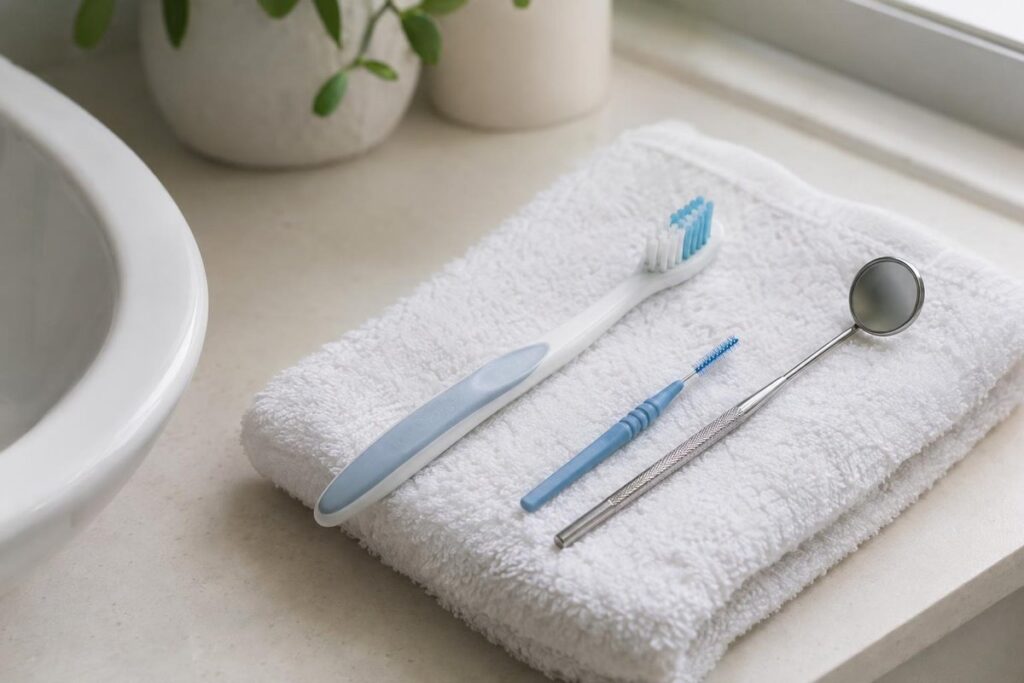
Metal scalers and picks are sold online for home use, and videos show people scraping at their own teeth. Dental professionals are trained for years to use these instruments, and the risks of doing it yourself are real. A slip can cut the gums, scratch enamel, push bacteria into the tissue or leave the surface rougher than before, which makes new deposits form faster. You also cannot see the areas under the gumline, so you can remove a visible piece and miss the part that matters most. We recommend leaving scaling to your dental team.
Whitening toothpastes, baking soda, vinegar and oil pulling are often suggested as home remedies. They may freshen the mouth or lift surface stains, but none of them is a substitute for professional removal, and acidic mixtures such as vinegar or lemon juice can erode enamel.
How a Dental Team Removes Tartar
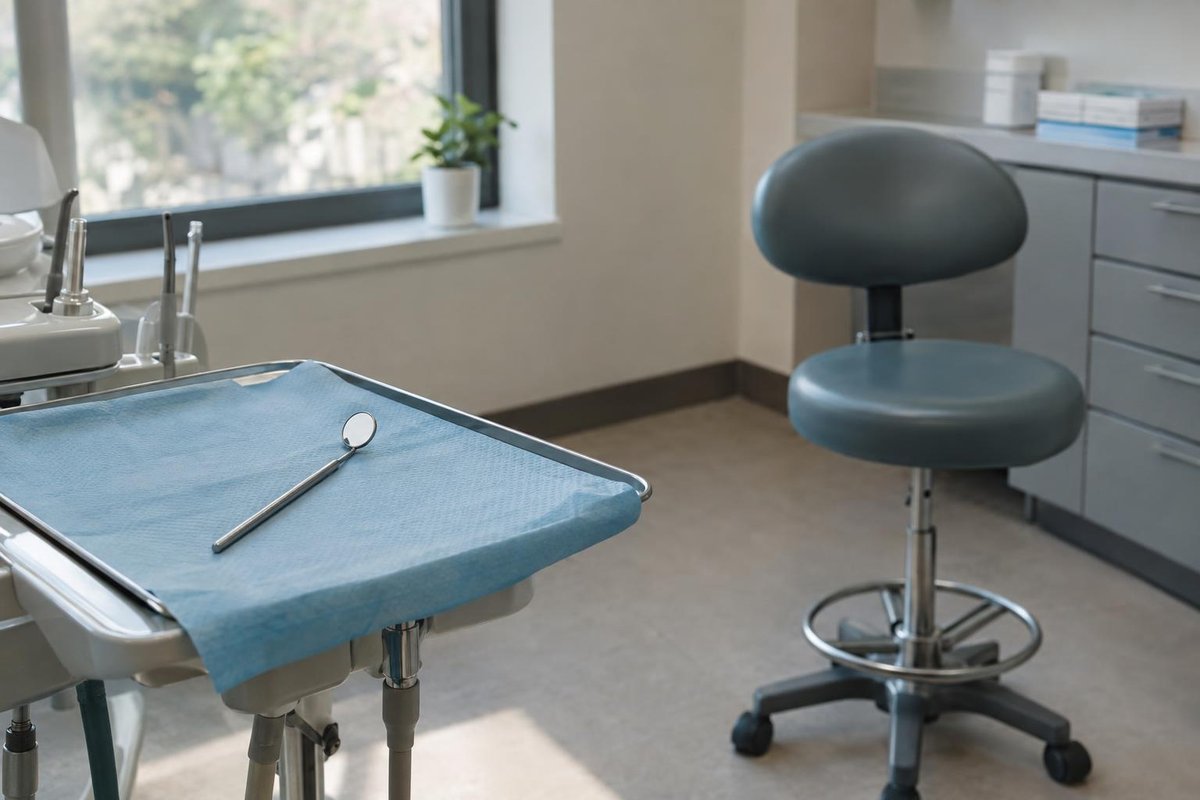
Tartar removal is a routine part of a professional cleaning, sometimes called scaling. A hygienist or dentist uses hand instruments, an ultrasonic scaler, or both, to loosen and lift the deposits from above and just below the gumline, then polishes the teeth to leave a smoother surface. Many people find a routine cleaning comfortable, and the team can adjust their approach if your gums are tender.
If tartar has built up below the gumline and the gums have started to break down, a deeper cleaning may be advised. Our guide to scaling and root planing explains what that involves. You can read more about our routine teeth cleaning visits and the question of how often you need a dental cleaning.
What You Can Do at Home to Slow It Down
You cannot remove tartar yourself, but you can make it form more slowly by clearing plaque before it hardens. The NHS guidance on keeping your teeth clean recommends brushing for two minutes twice a day with fluoride toothpaste and cleaning between your teeth daily. A few habits make the most difference:
- Brush thoroughly twice a day, including the inside surfaces of the lower front teeth where tartar commonly begins.
- Clean between your teeth every day with floss, interdental brushes or a water flosser, whichever suits your spacing.
- Use a soft brush with gentle pressure. A power brush with a pressure sensor can help if you tend to press hard.
- Limit sugary and starchy snacks, which feed the bacteria in plaque.
- Avoid tobacco, which is linked to faster deposit build-up and more gum disease.
- Keep your cleaning appointments, because some people build tartar more quickly than others, regardless of how well they brush.
Tartar-control toothpastes contain ingredients that can reduce the amount of new tartar that forms above the gumline. They do not remove deposits that are already there.
When to See a Dentist About Tartar
Schedule a visit if you notice hard deposits that do not go away, bleeding gums, swollen or tender gums, bad breath that persists, or teeth that feel loose. Do not wait for pain. Gum problems often progress quietly, and the earlier the deposits are removed, the simpler the treatment usually is. If you are overdue for a cleaning, there is no need to feel embarrassed. Dental teams see this every day and will simply help you get started again.
Frequently Asked Questions About Tartar
Can tartar be removed at home?
No. Once plaque has hardened, it needs to be removed with professional dental instruments. Home scraping tools risk damaging your gums and enamel.
Does removing tartar loosen teeth?
No. Tartar removal does not loosen healthy teeth. Sometimes, when heavy deposits have been hiding gum damage, teeth that were already affected can feel different once the deposits are gone. Your dentist can explain what they find.
Is tartar removal painful?
Many people feel only pressure and vibration. Inflamed gums can be tender, so tell your hygienist if anything is uncomfortable. Options to improve comfort can be discussed.
How quickly does tartar come back?
It varies from person to person and depends on your saliva, diet, home care and habits. Some people form deposits quickly and benefit from more frequent cleanings, and your dentist can recommend a schedule that suits you.
Have Rough Spots on Your Teeth?
If you can feel tartar, or it has been a while since your last cleaning, we can help you get your mouth back on track and set a routine that fits your teeth and gums. Call (905) 420-1777 or contact us to schedule an appointment at Pickering Square Dental.
This article is general education and does not replace an examination, diagnosis or personalized advice from a regulated dental professional.

About Dr. Marvin Lean, DDS
Dr. Marvin Lean, DDS, is the owner and lead dentist at Pickering Square Dental. With decades of experience in family and laser dentistry, Dr. Lean provides care focused on clear communication and patient comfort. He is a member of the Ontario Dental Association (ODA) and the Canadian Dental Association (CDA). Dr. Lean and his team provide comprehensive dental care including sedation dentistry, dental implants, emergency dental care, and the Canadian Dental Care Plan (CDCP) to patients in Pickering, Ajax, Whitby, Scarborough, Oshawa, and Markham. Dr. Lean spent the last 20 years as the Dentist for the Toronto Maple Leafs.