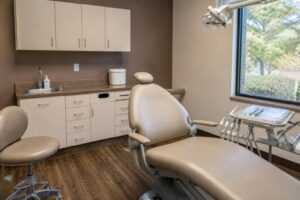
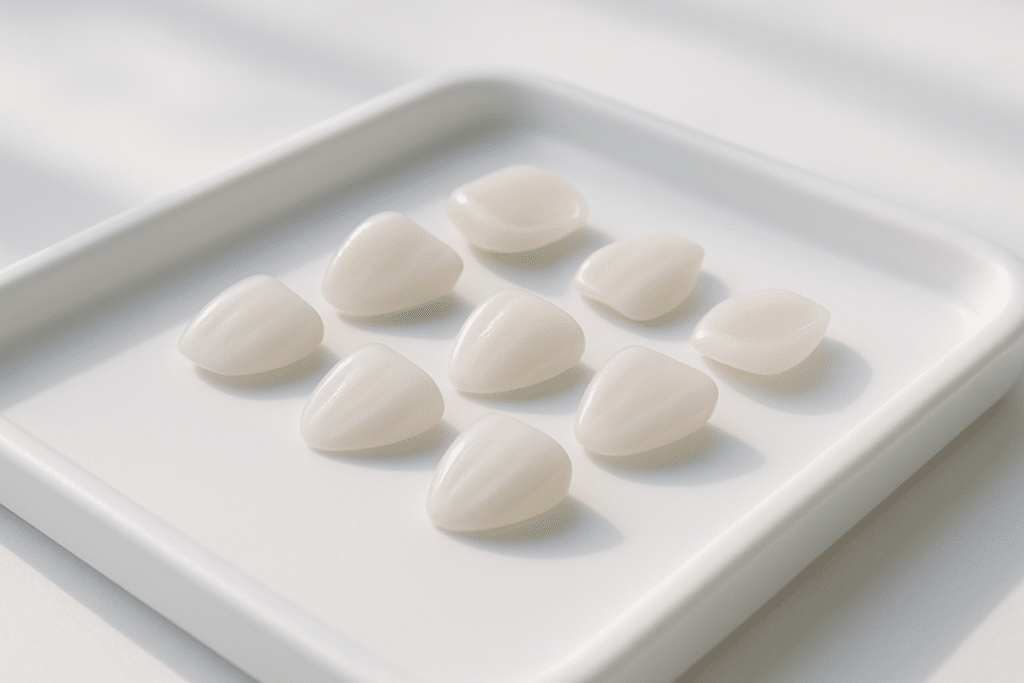
If you have invested in your smile — or you are thinking about it — one of the first questions on your mind is likely this: how long do porcelain veneers last? It is a fair thing to ask, because veneers are a meaningful decision, and you want to understand what you can reasonably expect over the years ahead. The short answer is that well-made porcelain veneers often last many years with proper care, but the fuller answer depends on your habits, your oral health, and how you look after them day to day.
At our family and laser dental practice in Pickering, we believe patients make the most confident choices when they understand the whole picture. Below, we walk through the typical lifespan of veneers, what shortens or extends it, how to protect your investment, the signs that a veneer may be nearing the end of its life, and how porcelain compares with composite. Think of this as friendly, general guidance — your own situation is best assessed in person.
How Long Do Porcelain Veneers Last on Average?
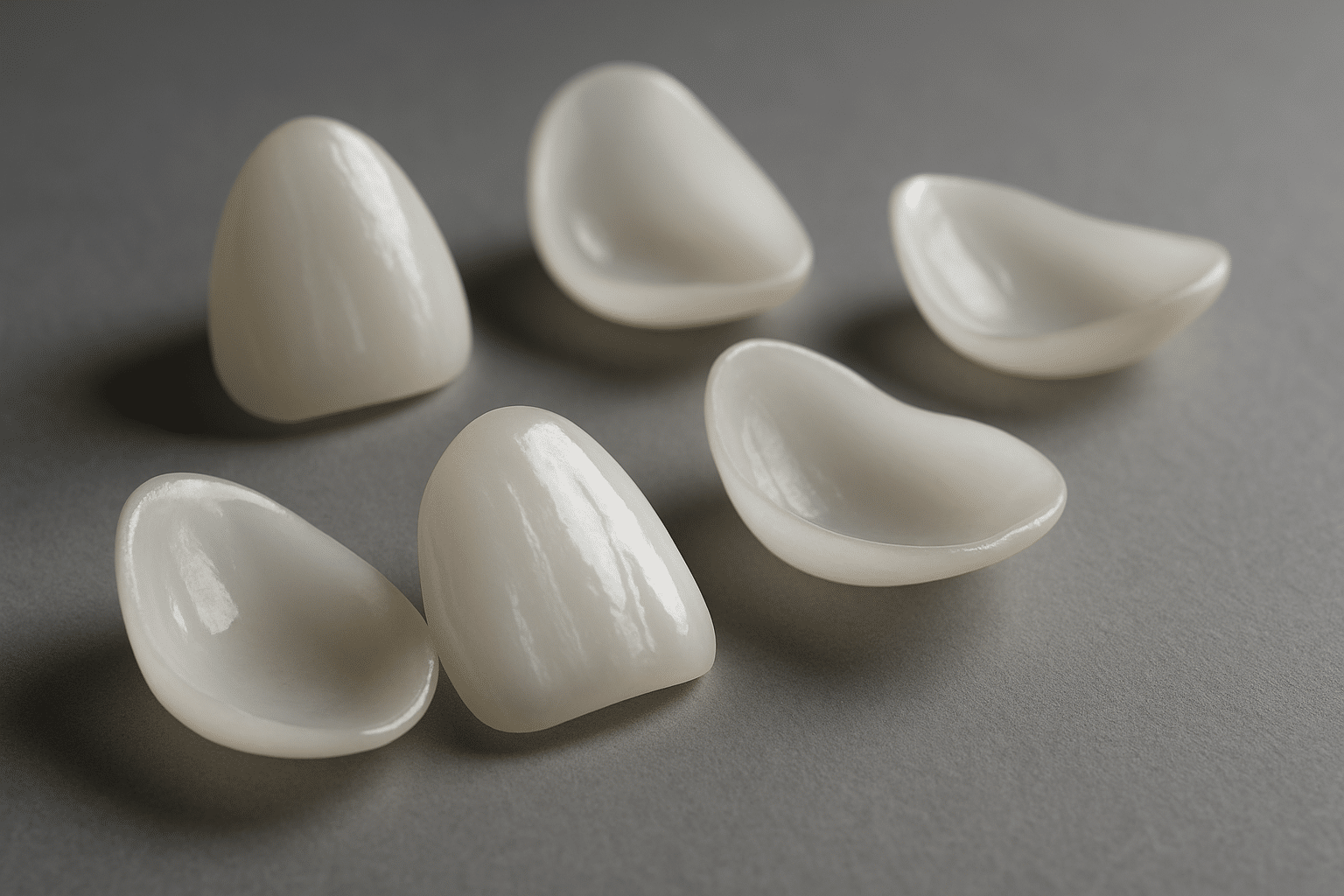
As a general rule of thumb, many people find that porcelain veneers last somewhere in the range of 10 to 15 years or more, and some last even longer when they are cared for well. Porcelain is a durable, stain-resistant material that mimics the light-reflecting quality of natural tooth enamel, which is part of why it remains such a popular choice for cosmetic smile changes.
That range is not a promise — it is a reflection of what tends to happen across many patients. Some veneers reach the higher end of that span, while others may need attention sooner because of wear, an accident, or changes in the tooth underneath. The bond, the underlying tooth, and your everyday habits all play a role in where you land.
A few factors tend to influence the outcome most:
- The health of the tooth beneath the veneer — a strong, cavity-resistant foundation supports the veneer above it.
- The quality of the bond — careful preparation and placement help the veneer stay put.
- Your daily habits — grinding, nail-biting, and chewing very hard objects add stress over time.
- Your ongoing oral hygiene and dental visits — healthy gums and teeth protect the edges where veneer meets tooth.
What Affects How Long Porcelain Veneers Last?
Understanding the variables helps you keep your veneers looking their best for as long as possible. No two smiles are identical, so it is worth thinking about which of these apply to you.
Everyday Habits and Force
Porcelain is strong, but it is not indestructible. Habits that put repeated pressure or impact on your teeth can shorten the life of a veneer. Common culprits include:
- Grinding or clenching your teeth, especially at night (bruxism).
- Biting your nails or chewing on pens and other hard objects.
- Using your teeth as tools to open packaging.
- Chewing ice or very hard foods directly with the veneered teeth.
If you know you grind or clench, mention it to your dentist. A custom night guard is one simple way to reduce the load on your veneers while you sleep.
Oral Hygiene and Gum Health
Veneers themselves do not decay, but the natural tooth they are bonded to still can. Gum recession can also expose the margins of a veneer over time. Consistent brushing, daily flossing, and regular professional cleanings keep the surrounding tissue healthy so the veneer stays well supported at its edges.
Diet and Staining
Porcelain resists staining well, which is one of its advantages. However, the bonding material and your natural teeth around the veneers can still respond to strongly pigmented foods and drinks such as coffee, tea, red wine, and dark sauces. Enjoying these in moderation and rinsing afterward can help keep your smile looking even and bright.
Chips, Cracks, and Accidents
Occasionally a veneer may chip or come loose after an unexpected knock, a sports injury, or biting down on something unusually hard. This is not a reflection of anything you did wrong — it is simply part of living with a bonded restoration. The good news is that a chipped or dislodged veneer can usually be repaired or replaced.
How to Help Your Porcelain Veneers Last Longer
The habits that protect your veneers are largely the same ones that support a healthy mouth overall. A little consistency goes a long way. Here is a simple routine to keep in mind:
- Brush twice a day with a non-abrasive fluoride toothpaste and a soft-bristled brush.
- Floss daily to keep the gum line healthy around each veneer.
- Wear a night guard if you grind or clench, so nighttime forces do not wear on the porcelain.
- Wear a sports mouthguard during contact activities.
- Keep your regular check-ups and cleanings so your dental team can monitor the veneers and the teeth beneath them.
- Avoid using your teeth as tools and be mindful with very hard or crunchy foods.
These small choices add up. Patients across Pickering, Ajax, Whitby, and Scarborough who stay on top of their home care and routine visits tend to enjoy their results for the long term. If you are curious about the broader range of cosmetic options that pair well with veneers, you can explore our cosmetic and aesthetic dental treatments to see how different treatments can work together.
Signs a Porcelain Veneer May Need Replacing
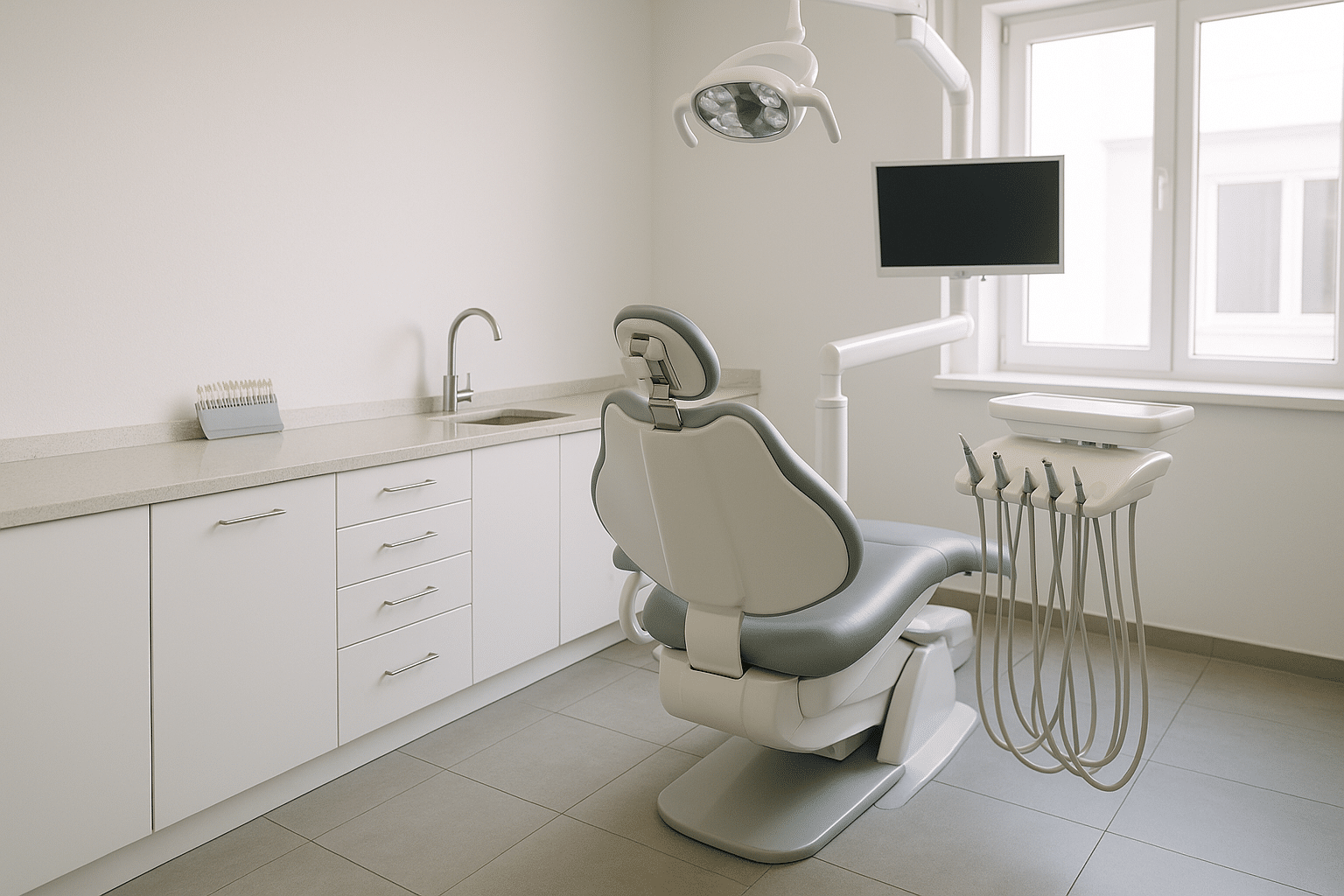
Veneers give plenty of warning before they truly need attention, and none of the signs below mean you should panic. They simply mean it is worth booking a visit so your dentist can take a look. Watch for:
- A visible chip, crack, or rough edge on the veneer.
- A veneer that feels loose or shifts slightly.
- Staining or discolouration around the edges where the veneer meets the tooth.
- Increased sensitivity to hot or cold in a veneered tooth.
- Gum recession that exposes the margin of the veneer.
- A change in how your bite feels or how the veneer looks compared with your other teeth.
Only your dentist can determine whether a veneer needs to be repaired, replaced, or simply monitored — so treat these as prompts to check in, not as a diagnosis. Catching small issues early often makes them easier to address.
Porcelain Veneers vs. Composite Veneers: Which Lasts Longer?
When people weigh their options, they often compare porcelain veneers with composite (resin) veneers. Both can create a beautiful result, but they differ in a few meaningful ways.
Porcelain Veneers
Porcelain veneers are custom-crafted thin shells bonded to the front of your teeth. They are known for a natural, translucent appearance and strong resistance to staining, and they generally last longer than composite. Because they are made in a lab and bonded individually, they tend to represent a larger upfront investment.
Composite Veneers
Composite veneers are shaped directly onto the tooth using a tooth-coloured resin, often in a single visit. They typically cost less and can be a good fit for certain situations, but they usually have a shorter lifespan and may be more prone to staining and chipping over time than porcelain.
Here is a simple way to think about the trade-offs:
- Longevity: porcelain generally lasts longer than composite.
- Appearance: both look natural; porcelain resists staining especially well.
- Cost and time: composite is often quicker and more budget-friendly upfront.
- Maintenance: both benefit from good oral care; composite may need touch-ups sooner.
There is no single “best” answer — the right choice depends on your goals, your budget, and your smile. A conversation about our dental services can help you understand which approach suits you. When you are ready, you are welcome to contact our Pickering office to talk it through.
For more general guidance on caring for cosmetic dental work, the Canadian Dental Association shares trusted oral-health resources.
Frequently Asked Questions
Do porcelain veneers ever need to be replaced?
Yes. Even well-maintained veneers may eventually need replacing as they wear, as bonding ages, or if a veneer chips or loosens. With attentive care, many people go many years before that point. Your dentist can advise on the right timing for your situation.
Can porcelain veneers stain over time?
Porcelain itself resists staining very well, which is one of its strengths. The natural teeth around your veneers and the bonding material can still respond to pigmented foods and drinks, so good habits and regular cleanings help keep your whole smile looking even.
Will veneers damage my natural teeth?
Placing veneers usually involves preparing a small amount of the tooth surface so the veneer fits naturally. This is a routine part of the process, and your dentist will explain what it means for your teeth before you begin. Caring for the teeth beneath your veneers remains important for the long term.
Are porcelain veneers worth it compared with composite?
Many patients feel porcelain is worth the investment for its natural look, stain resistance, and longer typical lifespan, while others prefer composite for its lower upfront cost and quicker placement. The best option depends on your priorities. A consultation is the clearest way to decide.
How should I care for my veneers day to day?
Treat them much like your natural teeth: brush gently twice a day, floss daily, avoid biting very hard objects, and keep your regular dental visits. If you grind your teeth, ask about a night guard. These simple steps go a long way toward protecting your results.
New to veneers? Start with our overview on how you can transform your smile with porcelain veneers before diving into lifespan and care.
If you are considering veneers or wondering how long your current ones might last, our team would be glad to help you understand your options and create a plan that fits your smile. To book a consultation at Pickering Square Dental — proudly serving Pickering, Ajax, Whitby, and Scarborough — call us at (905) 420-1777 and take the next step toward a smile you feel great about.

About Dr. Marvin Lean, DDS
Dr. Marvin Lean, DDS, is the owner and lead dentist at Pickering Square Dental. With decades of experience in family and laser dentistry, Dr. Lean provides care focused on clear communication and patient comfort. He is a member of the Ontario Dental Association (ODA) and the Canadian Dental Association (CDA). Dr. Lean and his team provide comprehensive dental care including sedation dentistry, dental implants, emergency dental care, and the Canadian Dental Care Plan (CDCP) to patients in Pickering, Ajax, Whitby, Scarborough, Oshawa, and Markham. Dr. Lean spent the last 20 years as the Dentist for the Toronto Maple Leafs.