Feeling a filling or crown come loose, or realizing it’s suddenly missing altogether, can be alarming, especially if it happens outside of regular business hours. The good news is that in most cases, this is manageable with a few careful steps at home until you can be seen by a dentist. Knowing what to do (and what to avoid) can help protect the tooth in the meantime.
This guide walks through the immediate steps to take, what to expect at your visit, and how to tell whether the situation needs urgent attention. It is for general education only and is not a substitute for an in-person dental evaluation.
Why Fillings and Crowns Sometimes Come Loose
Fillings and crowns are built to last, but a number of factors can cause them to loosen or come out over time, including normal wear from chewing, decay developing underneath the restoration, an injury or hard bite on something like ice or hard candy, or the cement holding a crown in place gradually breaking down. Whatever the cause, the exposed tooth underneath needs protection until it can be properly repaired.
Immediate Steps If a Filling Falls Out
If a filling comes out, try the following:
- Rinse gently with warm water to clear away any debris.
- Save the filling if you can find it, and bring it with you to your appointment, though it typically cannot be reused.
- Avoid chewing on that side of your mouth until you’re seen, since the exposed area can be sensitive and the remaining tooth structure may be more vulnerable to damage.
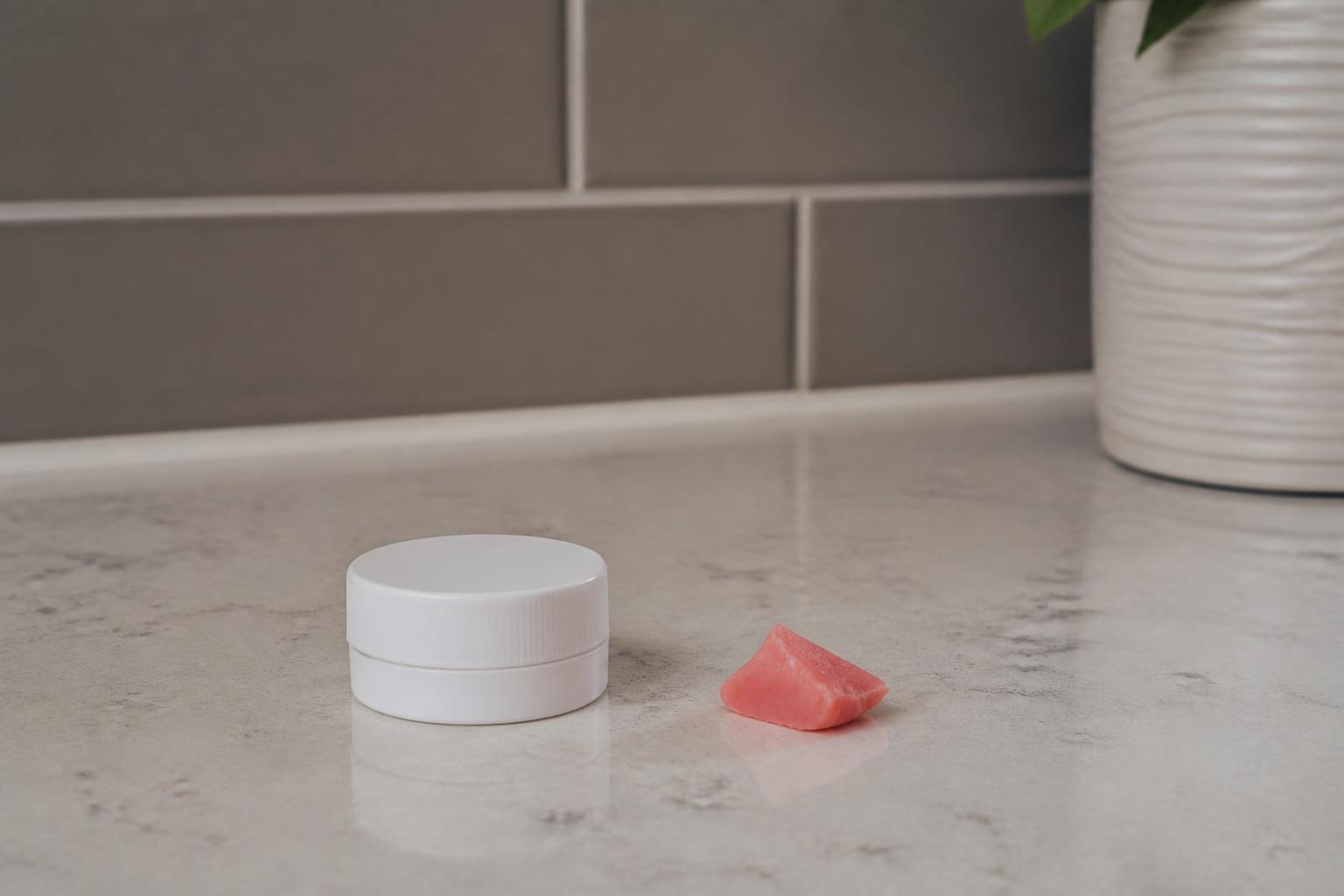
- Consider temporary dental cement or dental wax from a pharmacy to cover the area if it’s causing discomfort or sharp edges are irritating your tongue or cheek. This is a short-term measure only, not a replacement for professional treatment.
- Manage sensitivity or discomfort with an over-the-counter pain reliever, following the label instructions, if needed.
If a Permanent Crown Comes Off Completely
This guide focuses on a permanent crown that has come off entirely, which is a different situation from a temporary crown loosening between appointments (if that’s what you’re dealing with, our separate article on temporary crown care walks through those steps specifically). For a permanent crown, the priority is protecting the exposed tooth and getting the crown itself to your appointment intact, since your dentist may be able to recement the original crown rather than needing to make a new one.
- Rinse both the tooth and the crown gently with warm water, and avoid scrubbing either one.
- Bring the crown with you to your appointment in a small container, even if you don’t attempt to reseat it. Your dentist will decide whether it can be recemented or whether a replacement is needed.
- Never use household glue or adhesives not intended for dental use; these are not safe for the mouth and can damage the crown or tooth, making it harder to recement later.
- Keep the area clean with gentle brushing, since the exposed tooth structure underneath is often more sensitive than usual until it’s covered again.
Whether your dentist can simply recement the same crown, or whether a new one is needed, generally depends on whether the crown is undamaged and whether any decay has developed on the tooth underneath since it was first placed. This is one reason it’s best not to delay the appointment once a permanent crown comes off. If a new crown is needed, ask whether a same-day crown could be suitable for that tooth.
What to Avoid
A few common instincts can actually make things worse. It’s best to avoid:
- Using super glue or other non-dental adhesives on a crown or filling.
- Chewing gum or sticky foods, which can pull at the exposed area or dislodge a temporarily reseated crown.
- Ignoring the situation for an extended period, since the exposed tooth is more vulnerable to further damage, decay, or infection the longer it goes untreated.
- Trying to file down a sharp edge yourself with household tools.
When This Becomes a True Dental Emergency
Most lost fillings and crowns can be scheduled as an urgent, but not emergency-room-level, dental visit. However, certain symptoms suggest you should seek prompt dental or medical attention rather than waiting:
- Severe or worsening pain that isn’t managed by over-the-counter pain relief.
- Visible swelling in the gums, face, or jaw.
- Fever accompanying the dental discomfort.
- Bleeding that doesn’t stop with gentle pressure.
Dental emergencies can range widely in severity, and while many situations like a lost filling or crown can generally wait for a same-day or next-available appointment, symptoms like significant swelling, fever, or uncontrolled bleeding warrant more urgent evaluation.

What Happens at Your Dental Visit
When you’re seen for a lost filling or crown, your dentist will typically examine the tooth, check for decay or damage underneath the restoration, and take an X-ray if needed. From there, they’ll explain your options, which might include placing a new filling, recementing or replacing the crown, or, in some cases, recommending additional treatment if decay or damage has affected more of the tooth than the original restoration covered.
How to Reduce the Chances of This Happening Again
While restorations don’t last forever, a few habits can help extend their lifespan, including avoiding chewing ice, hard candy, or other very hard foods directly on a filled or crowned tooth, wearing a night guard if you grind or clench your teeth, and keeping up with routine dental checkups so your dentist can catch early signs of wear or decay before a restoration fails.
Packing a Small Dental Emergency Kit
Keeping a few simple items on hand at home can make a lost filling or crown much less stressful to manage. Consider keeping temporary dental cement or dental wax, a small clean container with a lid, gauze, and a travel-size bottle of saline or mouth rinse in a bathroom cabinet or travel bag. Having these items ready means you won’t be scrambling to find a pharmacy that’s open if the situation happens on a weekend or in the evening, and you’ll be able to take the right first steps calmly while you wait for your appointment.
Traveling or Away From Home When It Happens
If a filling or crown comes loose while you’re traveling, the same general steps apply: rinse gently, avoid chewing on that side, protect any sharp edges with dental wax or temporary cement if needed, and arrange to see a dentist as soon as reasonably possible, whether that’s a local dentist near where you’re staying or your regular dental team once you’re back in the Pickering area. Bringing along a small travel dental kit can be especially helpful if you know you already have restorations that could be at risk.
FAQs About Lost Fillings and Crowns
Can I just leave the tooth uncovered until my appointment?
For a short period, this is often manageable, especially if the tooth isn’t painful and you’re careful about what you eat. However, the exposed area is more vulnerable to sensitivity, further breakage, or decay, so it’s best not to delay your appointment longer than necessary.
Is it an emergency if my crown falls out but there’s no pain?
A painless lost crown is usually not an emergency-room situation, but it should still be treated as urgent. Scheduling a dental visit as soon as reasonably possible helps protect the tooth underneath from damage or decay.
Can a dentist always just put the same crown back on?
Sometimes, yes, if the crown is intact and the underlying tooth is in good condition. In other cases, decay or damage discovered underneath may mean a new crown or additional treatment is needed. Your dentist can only confirm this after an exam.
Dealing With a Lost Filling or Crown?
If you’ve lost a filling or crown, don’t wait and hope it resolves on its own. Our team at Pickering Square Dental can see you promptly, protect the tooth, and walk you through your treatment options.
You can learn more about our general and restorative dentistry services on our services page. To schedule an urgent visit or ask a question about what you’re experiencing, please contact us and our team will help right away.
This article is for educational purposes only and is not a substitute for personalized dental advice, diagnosis, or treatment. Always speak with a regulated dental professional about your specific concerns.

About Dr. Marvin Lean, DDS
Dr. Marvin Lean, DDS, is the owner and lead dentist at Pickering Square Dental. With decades of experience in family and laser dentistry, Dr. Lean provides care focused on clear communication and patient comfort. He is a member of the Ontario Dental Association (ODA) and the Canadian Dental Association (CDA). Dr. Lean and his team provide comprehensive dental care including sedation dentistry, dental implants, emergency dental care, and the Canadian Dental Care Plan (CDCP) to patients in Pickering, Ajax, Whitby, Scarborough, Oshawa, and Markham. Dr. Lean spent the last 20 years as the Dentist for the Toronto Maple Leafs.