
If you have been thinking about straightening your smile as an adult, you are in good company. More adults in Pickering are choosing orthodontic treatment than ever before, and the two options you will hear about most are clear aligners and traditional braces. Understanding Invisalign vs braces Pickering patients can choose between starts with knowing how each one works, how it fits your daily life, and what matters most to you as you plan the months ahead.
This guide walks you through the practical differences in comfort, appearance, treatment time, cost considerations, cleaning, and lifestyle so you can have a more informed conversation with your dentist. Straightening your teeth as an adult is a personal decision, and the right choice depends on your smile, your habits, and your goals.
How Invisalign and Braces Actually Work
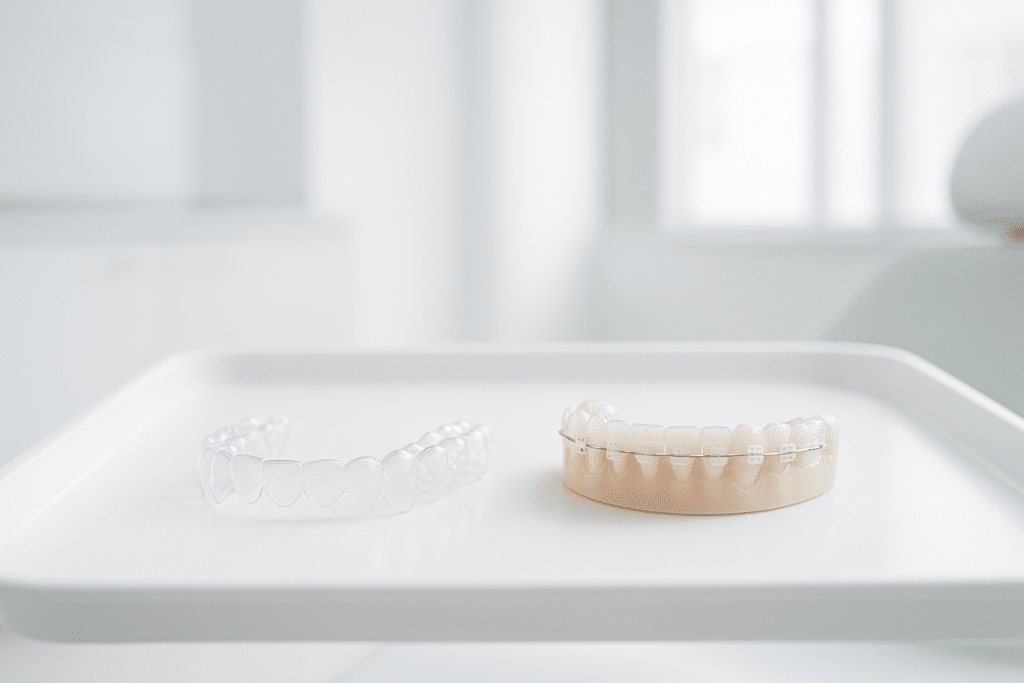
Both treatments move your teeth gradually into better alignment, but they do it in different ways. Traditional braces use metal or ceramic brackets bonded to each tooth, connected by a wire that your dentist adjusts over time. That steady, guided pressure shifts your teeth toward their planned positions.
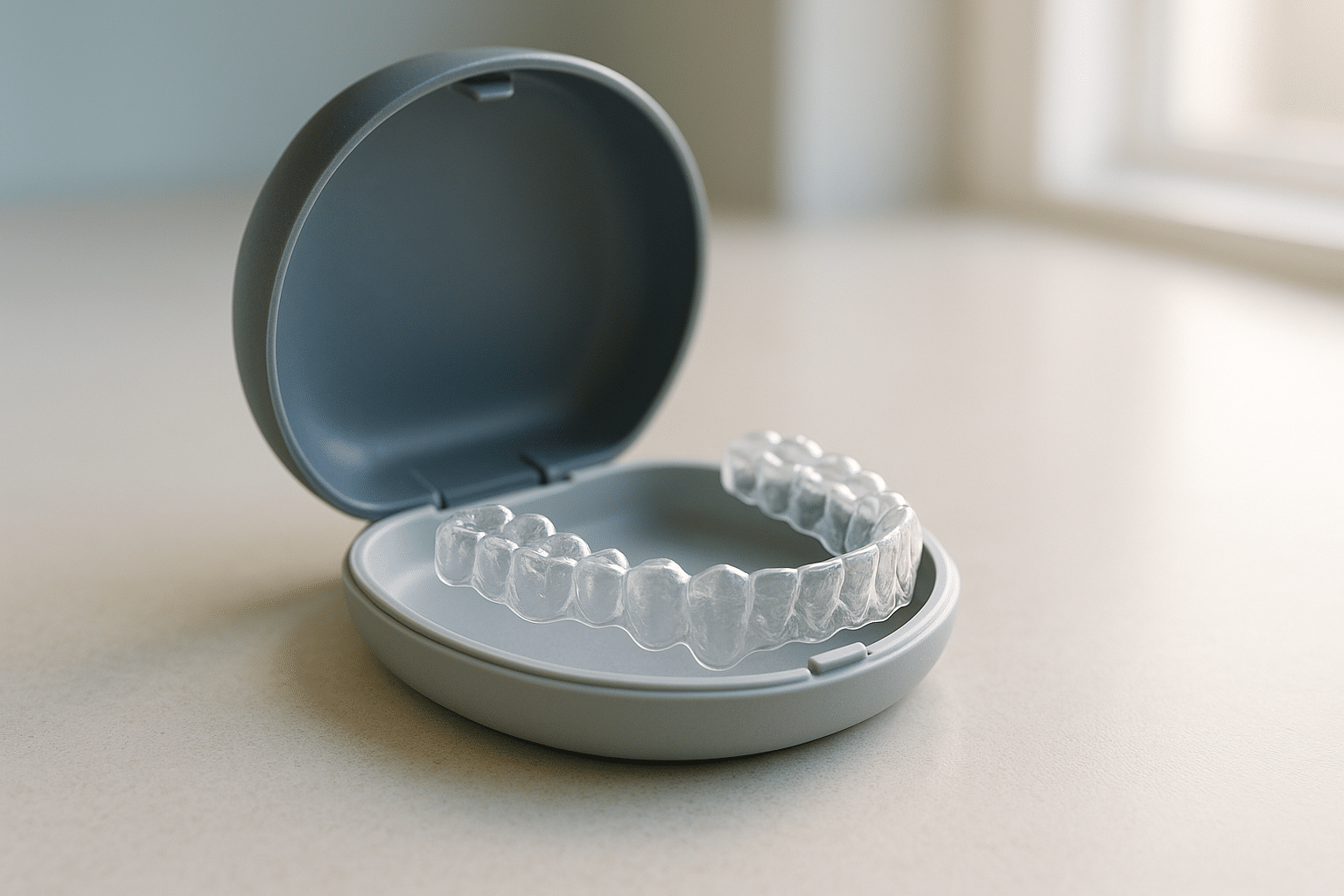
Invisalign, by contrast, uses a series of custom-made clear aligner trays. Each set is worn for a period of time before you move to the next in the sequence, and each tray nudges your teeth a little closer to the goal. Because the trays are removable, you take them out to eat and to clean your teeth.
A quick side-by-side
- Braces: fixed to your teeth, working continuously, adjusted at in-office visits.
- Ceramic braces: similar to metal braces but with tooth-coloured brackets that are less noticeable.
- Invisalign: removable clear trays, changed on a schedule set by your dentist, worn most of the day and night.
Comfort and the Daily Experience
Comfort is one of the first things adults ask about, and it is a fair question when you are considering many months of treatment. With braces, some tenderness is common after the brackets are placed and after each adjustment, and the brackets and wires can occasionally irritate the inside of your cheeks or lips. Orthodontic wax can help smooth over rough spots, and most people adjust within a few days of each visit.
Invisalign trays are smooth and have no wires, so many people find them gentler on the soft tissues of the mouth. You may still feel pressure or snugness when you switch to a new tray, which is a sign the aligners are doing their job. Because there are no brackets to catch on, the day-to-day feel is often described as low-profile once you get used to wearing the trays.
Appearance: How Noticeable Is Each Option?
Appearance often tips the scales for working adults in Pickering, Ajax, and Whitby who spend their days meeting clients, presenting, or simply prefer a discreet look. This is where the Invisalign vs braces question feels most personal.
- Clear aligners are transparent and sit close to the teeth, so they tend to be subtle in most everyday settings.
- Ceramic braces blend in more than metal because the brackets are tooth-coloured, though the wire is still visible up close.
- Metal braces are the most visible option, though many adults find that modern brackets are smaller and more comfortable than they expected.
If a low-key appearance is a priority for you, that is worth raising early in your consultation so your dentist can factor it into the recommendation.
Treatment Time and Consistency
The length of treatment depends on how much movement your teeth need, not just the method you choose. Complex spacing, rotation, or bite issues can take longer regardless of whether you use braces or aligners, and your dentist can give you a realistic estimate for your situation after an examination.
The role you play
One meaningful difference is how much the outcome depends on you. Braces work around the clock because they are fixed in place, so there is nothing to remember. Invisalign only works while the trays are in, which typically means wearing them for the large majority of each day and taking them out mainly to eat and clean your teeth. If you know you would find it hard to keep the trays in consistently, that is honest and useful information to share with your dentist.
Cost, Cleaning, and Lifestyle Fit
When adults weigh Invisalign vs braces, cost and daily upkeep usually come up together, because both affect how the treatment fits into real life.
Cost considerations
Pricing varies based on the complexity of your case, the length of treatment, and the specifics of your plan. Many dental insurance plans in Ontario include some orthodontic coverage, and payment arrangements are often available. Rather than comparing a single number, it helps to look at the full picture with your dentist, including what your plan covers and how payments can be structured. You can learn more about our dental services and bring any questions to your visit.
Cleaning and oral care
Keeping your teeth clean during treatment protects the results you are working toward. The routines differ:
- With braces, you brush and floss around brackets and wires, often using tools like floss threaders or interdental brushes to reach between teeth.
- With Invisalign, you remove the trays to brush and floss normally, then clean the aligners themselves and rinse before putting them back in.
- With either option, regular checkups and cleanings help keep your gums and teeth healthy throughout treatment.
Lifestyle and eating
Your routine matters too. Because Invisalign trays come out for meals, there are fewer restrictions on what you eat, though you do need to keep track of your trays and clean your teeth before replacing them. With braces, certain sticky, hard, or crunchy foods are best avoided to protect the brackets and wires. If you play a wind instrument, take part in contact sports, or travel often for work between Pickering, Scarborough, and beyond, mention it during your consultation so your dentist can help you plan around it.
How to Decide What Is Right for You
There is no single answer that fits every adult, which is exactly why a consultation matters. The best choice balances the clinical needs of your teeth with your preferences and your daily habits. As you think it through, it can help to ask yourself a few questions:
- How important is a discreet appearance to me during treatment?
- Am I confident I can wear removable trays consistently, or would a fixed option suit me better?
- What does my schedule look like for in-office visits and adjustments?
- How do my dental coverage and budget shape my options?
- Do I have any bite or alignment concerns that may point toward one approach?
Bring your answers to your appointment. Your dentist can examine your teeth, discuss your goals, and explain which options are realistic for your specific case. That conversation is the most reliable way to match a treatment to your smile, rather than relying on general comparisons alone.
If you would like to explore orthodontic options further, the Canadian Association of Orthodontists offers general information about treatment choices for adults.
Frequently Asked Questions
Is Invisalign as effective as braces for adults?
Both aligners and braces can be effective for many common alignment concerns, but suitability depends on your individual case. Some situations respond well to clear aligners, while others may be better served by braces. A dentist can assess your teeth and explain which approach fits your goals during a consultation.
Will treatment interfere with my work or social life?
Most adults continue their normal routines throughout treatment. Clear aligners are designed to be discreet, and modern braces are smaller than many people expect. Any tenderness after adjustments or tray changes usually settles within a few days, and you can plan visits around your schedule.
How do I keep my teeth clean during treatment?
With aligners, you remove the trays and brush and floss as usual, then clean the trays before replacing them. With braces, you brush and floss carefully around the brackets and wires, often with the help of interdental tools. Regular checkups support your oral health throughout the process, whichever option you choose.
Does dental insurance help with the cost?
Many plans in Ontario include some orthodontic coverage, though the details vary. It is worth reviewing your specific plan and asking about payment arrangements during your visit so you understand your options clearly before you begin.
How do I know which option is right for me?
The most dependable way is a personal consultation. Your dentist can examine your teeth, listen to your priorities, and recommend an approach suited to your case. This guide is meant to help you prepare questions, not to replace individual advice from your dental team.
Ready to take the next step toward a straighter smile? The team at Pickering Square Dental would be glad to talk through Invisalign vs braces and help you understand which option best fits your teeth, your lifestyle, and your goals. Call us at (905) 420-1777 or contact our Pickering office to book a consultation and get answers tailored to you.

About Dr. Marvin Lean, DDS
Dr. Marvin Lean, DDS, is the owner and lead dentist at Pickering Square Dental. With decades of experience in family and laser dentistry, Dr. Lean provides care focused on clear communication and patient comfort. He is a member of the Ontario Dental Association (ODA) and the Canadian Dental Association (CDA). Dr. Lean and his team provide comprehensive dental care including sedation dentistry, dental implants, emergency dental care, and the Canadian Dental Care Plan (CDCP) to patients in Pickering, Ajax, Whitby, Scarborough, Oshawa, and Markham. Dr. Lean spent the last 20 years as the Dentist for the Toronto Maple Leafs.