
Diagnosis of cancer or even just a suspicion of cancer can be quite scary. Instantly, you think of people you know who lost their battles to cancer. You may even reflect on how most TV shows or movies that feature a character with cancer almost always has that person dying. You may be the one suffering or it could be someone dear to you – either way, cancer is something that can easily change the way you live your life.
Instead of living in fear, one of the things that you can do is to learn what you can about it. In this particular post, we aim to share with you some information on one of the most aggressive types of cancer which affects thousands of people every year – oral cancer.
Risk Factors
Knowing the causative factors of cancer can contribute to the prevention of the disease. For oral cancer, age is often named as a risk factor (it often occurs in those past the age of 40). In the recent years, the anterior of the mouth, alcohol, and tobacco-associated cancers have declined in number along with a corresponding decline in smoking. Posterior of the oral cavity sites that are associated with the HPV16 viral cause, on the other hand, are increasing.
It is also likely that the accumulative damage caused by factors like excessive alcohol consumption, tobacco use, and viral infections like HPV are the real culprits. It should also be noted that those who drink and smoke are at 15 times higher risk of developing oral cancer.
There are also physical factors like ultraviolet radiation exposure. This is often the cause of cancers of the lip, whose numbers have declined in the last few decades most likely because of increased awareness. People now understand the damaging effects of prolonged exposure to the sun and the benefits of wearing sunscreen. Biological factors associated with oral cancers include viruses and fungi. HPV16 in particular has been implicated in oral cancers.
Treatment
Once a definitive diagnosis is made and the cancer is staged, treatment may start. Treatment of oral cancers is often a multidisciplinary approach that involves the collaborative effort of dental practitioners, surgeons, chemotherapy oncologists, radiation oncologists, nutritionists, and rehabilitation and restorative specialists.
The actual treatment modalities are often chemotherapy with concurrent radiation, and sometimes, surgery.
Chemotherapy is currently not used as a lone approach for oral cancers but instead added to decrease the possibility of metastasis, to reduce the size of malignancy before the surgery, and to sensitize the malignant cells to radiation. It is also a powerful component of treatment for patients with confirmed distant metastasis of the disease.
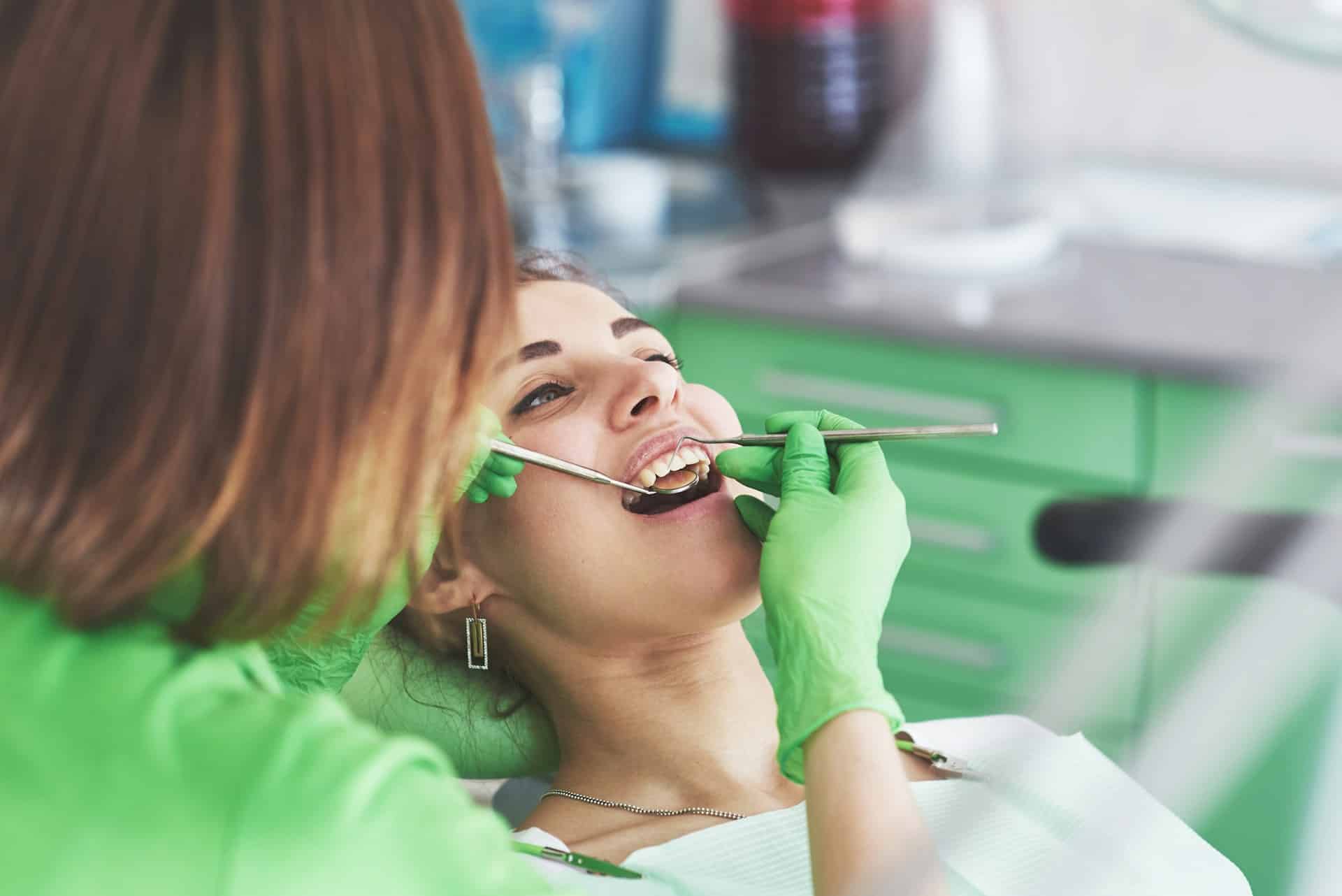
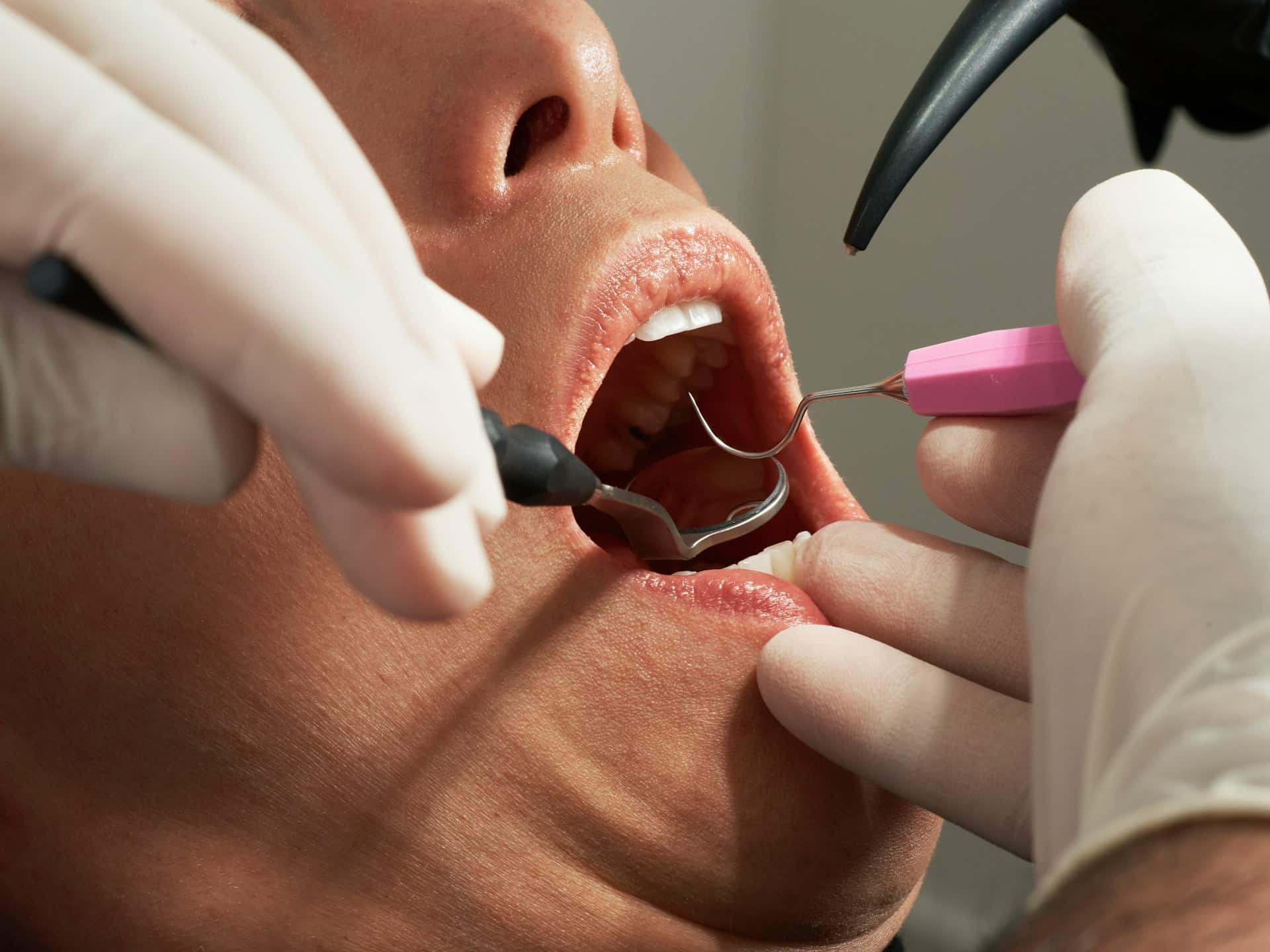
Before the curative treatment starts, other oral health needs have to be taken care of. It is necessary so the likelihood of getting post-therapeutic complications would be lessened. Teeth that have poor prognosis from caries or periodontal problems may be extracted. Avoiding post-radiotherapy surgery is important because it can sometimes induce osteonecrosis which happens when tissue damaged by radiation exposes the underlying bone and does not heal. A thorough prophylaxis or cleaning will probably be done before treatments start.
Every cancer phase potentially paves an avenue to discovering a new therapy for treatment. And with all the research being conducted, there is always a possibility that we will see cures for oral cancer in our lifetime.
Helpful Resources
For more information, visit the Canadian Dental Association Oral Health.
Schedule Your Appointment Today
Contact Pickering Square Dental to book your appointment with Dr. Marvin Lean. Call us at (905) 420-1777 or visit us at 1450 Kingston Rd, Unit #4, Pickering, ON.
Frequently Asked Questions
How often should I visit the dentist?
The Canadian Dental Association recommends visiting your dentist at least twice a year for regular check-ups and cleanings. Some patients may need more frequent visits depending on their oral health needs. Call Pickering Square Dental at (905) 420-1777 to schedule your next appointment.
Do you accept the Canadian Dental Care Plan (CDCP)?
Yes, Pickering Square Dental participates in the Canadian Dental Care Plan. Our team can help you understand your coverage and ensure you receive the dental care you need. Contact us for more details about CDCP eligibility and benefits.
What services does Pickering Square Dental offer?
We offer a full range of dental services including family dentistry, emergency dental care, sedation dentistry, dental implants, laser dentistry, teeth whitening, root canal therapy, dental extractions, periodontal care, and cosmetic dentistry. Dr. Lean and our team serve patients in Pickering, Ajax, Whitby, and Scarborough.