
Sinus Pressure and Tooth Pain – How are They Related?

Frustrated young man touching his cheek and keeping eyes closed while sitting on the couch at home

If you have ever experienced any type of toothache, then you know how uncomfortable and painful it can be. Now there are a number of reasons a person can get affected by tooth pain. That includes those common ailments like tooth sensitivity, cracked teeth, and cavities. But there is a lesser-known cause of tooth pain – a sinus infection! You read right. Here’s some information you need to be aware of:

What is Sinusitis?

More commonly called a sinus infection, sinusitis happens when the nasal passage cavities get inflamed and swollen. Because the sinuses cannot drain, it results in a mucus build-up. This is often caused by the common cold, although allergies may also be a culprit. When the sinuses are blocked, it leads to excessive mucus creating a moist environment which is considered a fertile ground for all kinds of infections. Another symptom that can possibly affect one’s oral health is bad breath that is caused by postnasal drip.

Sinusitis and Your Tooth Pain

In most instances, the reason behind your tooth pain is quite obvious. But like we said, a sinus infection as a culprit should not be discounted, and often you can tell whether it’s the cause or not based on the location of the toothache. The roots of your upper molars are really close to the sinus cavities, and when the sinuses get infected and all swollen, it is easy to mistake the pain as originating in the teeth. If you believe you have a sinus infection, it’s best to see your doctor about it. While some over-the-counter medications can offer you pain relief, a physician is the best person to ask about the course of treatment that you need.

Easing Your Tooth Pain

Aside from seeing your doctor who may prescribe you some medicine for pain relief and treatment, you can also try a few home remedies. You can apply a warm compress on your face a few times each day. You can also increase your fluid intake to thin the mucus. You can also inhale steam several times a day and use a humidifier when you’re sleeping. When your sinus infection gets treated, you’ll find that your tooth pain will also be gone.

However, you should remember that sinus infection is just one cause of tooth pain and you should always do your best that you avoid all the other types of toothaches as well. To make sure that your teeth and gums are healthy, regularly visit Pickering Square Dental, and we’ll help you take care of your smile!

Helpful Resources
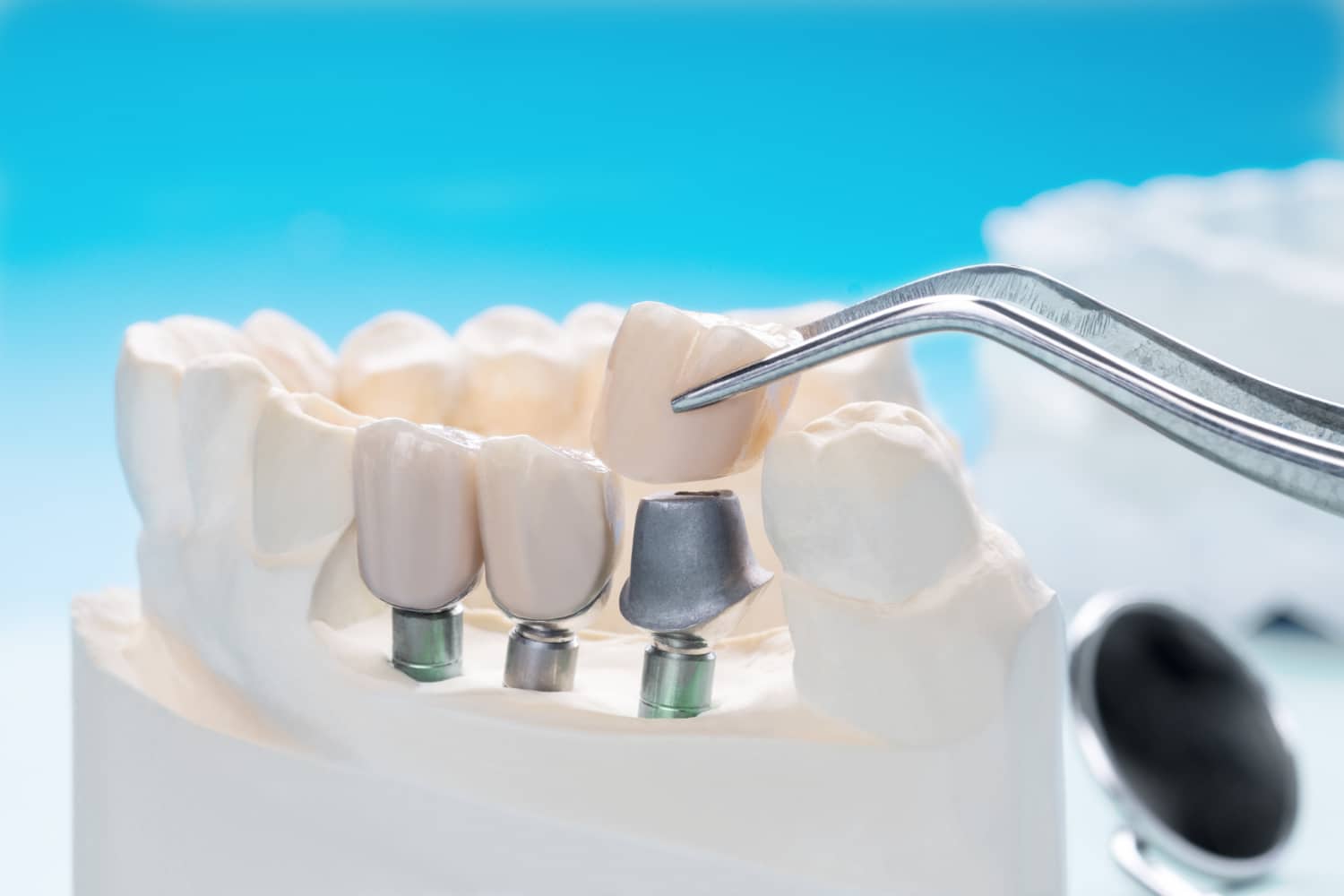
dental implants

For more information, visit the CDA Dental Emergency Guide.

Schedule Your Appointment Today

Contact Pickering Square Dental to book your appointment with Dr. Marvin Lean. Call us at (905) 420-1777 or visit us at 1450 Kingston Rd, Unit #4, Pickering, ON.

Frequently Asked Questions

What counts as a dental emergency?

Severe tooth pain, a knocked-out tooth, a cracked or broken tooth, uncontrolled bleeding, dental abscess, and lost fillings or crowns all qualify as dental emergencies. Call Pickering Square Dental at (905) 420-1777 for same-day emergency care.

Can I go to the emergency room for a dental emergency?

While the ER can manage pain and infection, they typically cannot perform dental procedures. A dental office like Pickering Square Dental is better equipped to treat the underlying cause. We reserve same-day appointments for emergencies.

What should I do if a tooth is knocked out?

Pick up the tooth by the crown, gently rinse it, and try to place it back in the socket. If that is not possible, keep it in milk or saliva. Get to our Pickering office within 30 minutes for the best chance of saving the tooth.

Dealing With an Abscessed Tooth

 An abscess is an area of puss that forms as part of the body’s effort to fight a bacterial infection. It can form in almost any part of the body. In the mouth, abscesses form in the gums, teeth, or roots of the teeth. People with a lowered resistance to infection are most likely to develop an abscess.

Bacteria can enter and cause an abscess through:

1.     Trauma (food or any debris embedded deep in the gums)

2.     Decay (a cavity) leading into the tooth nerve and blood vessels (dental pulp)
Learn more about root canal therapy.

3.     Deep gap (pocket) between the teeth and gums

An abscessed tooth usually delivers a throbbing pain that just won’t go away. The tooth will be sensitive to pressure from chewing, as well as heat. A swollen face or jaw often signals a growing infection, and jaw pain from the swelling might be present, as well. Most people develop a fever, and lymph nodes found under the jaw or in the neck area may swell and become tender. If the abscess accidentally breaks open, a sudden rush of foul-tasting and foul-smelling fluid will spill into your mouth.

Saving an abscessed tooth begins with draining the infection. The dentist will need to open up the tooth to drain the infection (puss) and there will be a need to fill the canal. This procedure is called root canal treatment. If there is no swelling present, the infection can be drained directly from the inside of the tooth.

The treatment for an abscessed tooth should be done as soon as possible. If the tooth cannot be saved, it should be extracted (removed). In doing this, the source of the infection is completely removed and the jawbone and gums are allowed to heal.

In children’s primary teeth, the treatment depends on the extent of infection. If the abscessed primary tooth is still in the early stages of infection and is not moving in the tooth socket, the infection is usually cleared out within the pulp chamber. The space would be filled with a paste such as zinc oxide eugenol. However, if the infection is advanced and has caused the tooth to move, the best thing to do is to extract the tooth.

During pregnancy, a dental abscess requires immediate attention to minimize further spread of the infection at the soonest possible time. Any risk of infection during pregnancy is a concern as the infection can be more severe in pregnant women and could be detrimental to the fetus.

If the abscess is found in the gums, the dentist might suggest that you rinse with warm salt water few times a day for several days. You might also be prescribed antibiotics to help kill the infection lessen the swelling.

Following a root canal treatment, the dentist usually requires a dental X-ray six months later to see whether healthy bone and tissue are filling the area of the abscess. If the bone does not fill in after the said treatment, a visit to the specialist is the next best step. 

Helpful Resources

dental implant

For more information, visit the Canadian Dental Association Oral Health.

Schedule Your Appointment Today

Contact Pickering Square Dental to book your appointment with Dr. Marvin Lean. Call us at (905) 420-1777 or visit us at 1450 Kingston Rd, Unit #4, Pickering, ON.

Frequently Asked Questions

How often should I visit the dentist?

The Canadian Dental Association recommends visiting your dentist at least twice a year for regular check-ups and cleanings. Some patients may need more frequent visits depending on their oral health needs. Call Pickering Square Dental at (905) 420-1777 to schedule your next appointment.

Do you accept the Canadian Dental Care Plan (CDCP)?

Yes, Pickering Square Dental participates in the Canadian Dental Care Plan. Our team can help you understand your coverage and ensure you receive the dental care you need. Contact us for more details about CDCP eligibility and benefits.

What services does Pickering Square Dental offer?

We offer a full range of dental services including family dentistry, emergency dental care, sedation dentistry, dental implants, laser dentistry, teeth whitening, root canal therapy, dental extractions, periodontal care, and cosmetic dentistry. Dr. Lean and our team serve patients in Pickering, Ajax, Whitby, and Scarborough.

What’s Causing Your Toothache?

There are a lot of different kinds of pain associated with toothaches.  Pain can be constant or intermittent, sharp or throbbing, and can be accompanied by other symptoms or be completely in isolation.  Whatever your pain toothaches are always unpleasant and are generally caused by one of a handful of issues.

Tooth Decay

Your toothache may be a direct result of holes in your teeth – cavities – caused by an acidic degradation of enamel.  If you get a toothache after eating something hot, cold, or sweet, this may be the cause.  See if the hurting tooth is visible in a mirror and you may be able to spot the decay.

Infection
Learn more about root canal therapy.

One of the more painful forms of toothache is an infection between the gum and the tooth or right at the tooth’s root.  This is called an abscessed tooth and is the result of extreme tooth decay.  An abscessed tooth is often accompanied by other symptoms like pain when chewing, foul breath, gum swelling, fever, and many others. 

Gum Disease

Periodontitis – a more severe form of gingivitis – is caused when the inner layers of the gum pull away from the teeth and form spaces that can become infected by collected debris.  This can create pain which can lead to the feeling of a toothache.

Damage

Aches can be caused by injury to the teeth.  A fracture can create an issue in the nerve below the teeth causing severe pain.  Additionally a pre-existing filling may be damaged as well which can create issues of its own.

Other Causes

The other main cause for toothaches tends to be repetitive motions like grinding teeth or chewing gum.  This can create what feels like muscle pain when trying to move your jaw or bite down.  Also, you may feel a sharp tingling when drinking something too hot or too cold and that may be due to teeth sensitivity caused by some nerves being exposed at your gum line – switch to a toothpaste for sensitive teeth for some help with that.

Regardless of your type or cause of toothache there are some important things to keep in mind.  If your toothache is severe, lasts longer than 1 or 2 days, or is accompanied by a fever, earache, or pain when opening your mouth wide, see a dentist as soon as possible.  The toothache may be very serious and left unattended the cause could be detrimental to your health.  If you have a toothache and need a great dentist to take a look at it contact Pickering Square Dental today.  We’d be happy to help.

Helpful Resources

Oral Surgeon

For more information, visit the Canadian Dental Association Oral Health.

Schedule Your Appointment Today

Contact Pickering Square Dental to book your appointment with Dr. Marvin Lean. Call us at (905) 420-1777 or visit us at 1450 Kingston Rd, Unit #4, Pickering, ON.

Frequently Asked Questions

How often should I visit the dentist?

The Canadian Dental Association recommends visiting your dentist at least twice a year for regular check-ups and cleanings. Some patients may need more frequent visits depending on their oral health needs. Call Pickering Square Dental at (905) 420-1777 to schedule your next appointment.

Do you accept the Canadian Dental Care Plan (CDCP)?

Yes, Pickering Square Dental participates in the Canadian Dental Care Plan. Our team can help you understand your coverage and ensure you receive the dental care you need. Contact us for more details about CDCP eligibility and benefits.

What services does Pickering Square Dental offer?

We offer a full range of dental services including family dentistry, emergency dental care, sedation dentistry, dental implants, laser dentistry, teeth whitening, root canal therapy, dental extractions, periodontal care, and cosmetic dentistry. Dr. Lean and our team serve patients in Pickering, Ajax, Whitby, and Scarborough.