A root canal treats a damaged tooth so you can keep it. A dental implant replaces a tooth that has been removed or is missing. They often answer two different questions: can this tooth be saved, and if it cannot, how will it be replaced? Your dentist can answer the first question with an exam and X-rays.
If a tooth is badly damaged or infected, it is natural to wonder about root canal vs implant, and which is the better choice for you. This guide explains what each treatment does, how a dentist weighs them, and what to ask before you decide. It is general education and cannot replace an exam.
Root Canal vs Implant at a Glance
- A root canal removes the infected or injured pulp from inside your own tooth, cleans and seals the canals, and restores the tooth with a filling or crown. Your natural tooth stays in place.
- An implant is an artificial tooth root placed in the jawbone to support a replacement tooth. It is used when a tooth is missing, which includes a tooth that had to be removed.
The American Dental Association (ADA) explains on its MouthHealthy root canal page that root canals are used to repair and save your tooth instead of removing it. The Canadian Dental Association (CDA) describes an implant as an artificial root made of titanium metal that is inserted into the jawbone, with an artificial replacement tooth attached to it.
What a Root Canal Does
The pulp is the soft tissue inside a tooth that holds its nerves and blood vessels. The ADA says it can become infected because of a deep cavity, repeated dental procedures on the tooth, a cracked or fractured tooth, or an injury. If the problem is left untreated, the tissues around the root can become infected, and the ADA notes that bacteria can damage the bone that keeps the tooth connected to your jaw.
The CDA describes root canal treatment as removing infected or injured tissue from inside the crown and roots of a tooth, then disinfecting, shaping, filling and sealing the canal. For many patients, it says, this is the only viable option to keep a severely damaged or infected tooth. You can read more about the procedure on our root canal therapy page.
What a Dental Implant Does
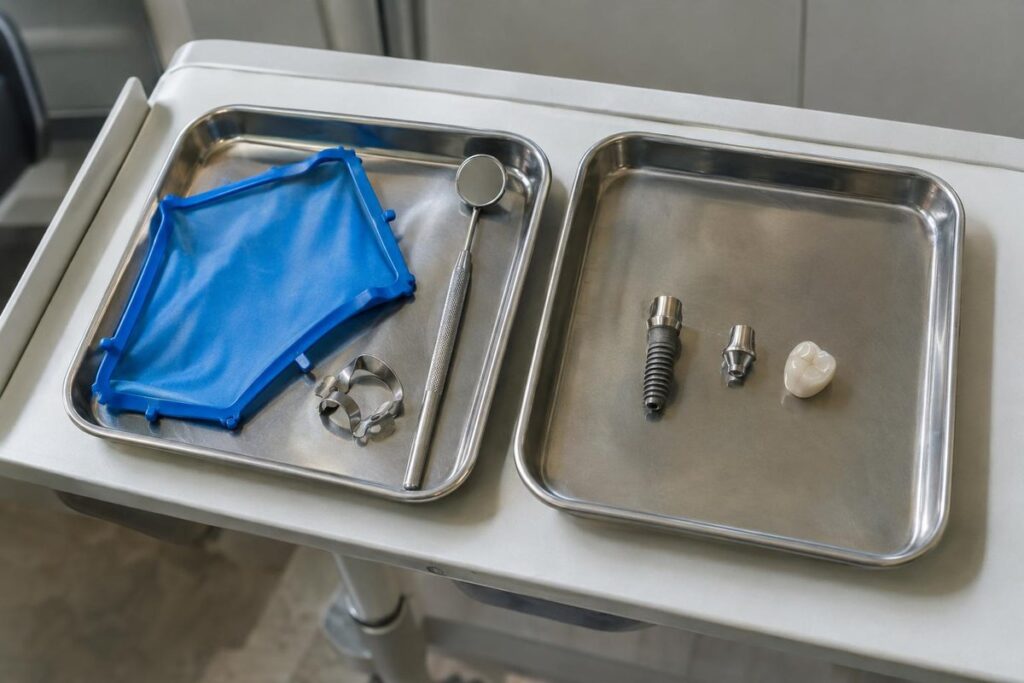
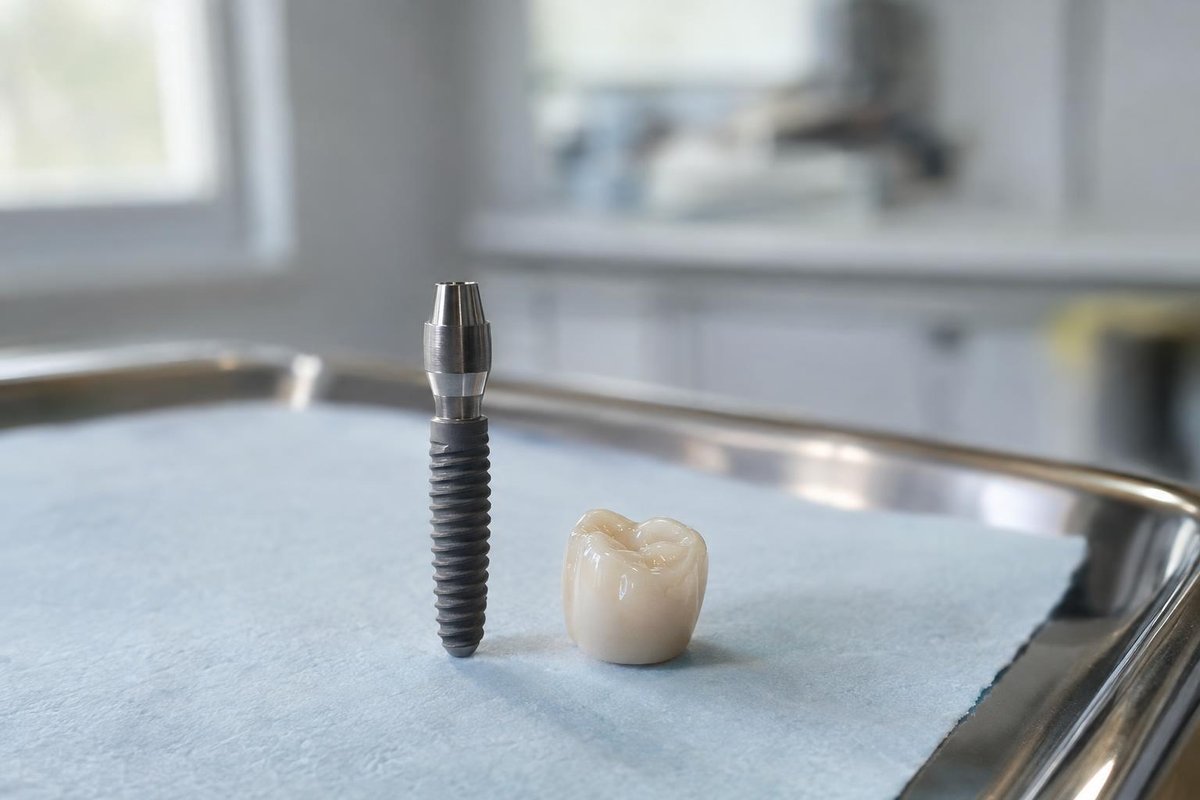
An implant is built in parts. The CDA explains that the implant is placed in the jawbone, an abutment (a post that connects the tooth to the implant) is attached once the tissue has healed, and the artificial tooth is then fitted to the abutment. The ADA adds that the bone around the implant heals in a process called osseointegration, which takes time, and that your dentist may recommend soft, cold foods and warm soup during healing.
Implants are for replacing teeth rather than saving them. Our dental implants page explains who can be assessed and how we plan care.
How a Dentist Decides Whether a Tooth Can Be Saved
Your dentist looks at the tooth, the gums and the bone around it, and usually takes an X-ray. The CDA says a dentist may notice an infection from an X-ray or other changes in the tooth. Which findings point toward saving a tooth or replacing it is a clinical judgment made for your own tooth, but the sources above mention several things that can matter:
- How much healthy tooth is left? Strength matters after a root canal. The CDA says the choice of restoration depends on the strength of the part of the tooth that is left, and that if there is not enough left, posts may be used to help support a crown.
- Is there a crack or fracture? A crack can be how the pulp becomes infected, and the ADA lists a cracked or fractured tooth among the causes. We ask about any history of decay, a crack, an injury or a past restoration on the tooth.
- How is the bone around the tooth? The ADA notes that infection can damage the bone that holds the tooth in place.
- What is your overall health? Your health history matters for both treatments, and for implants in particular. The ADA says chronic illnesses such as diabetes may interfere with healing after surgery, and tobacco can slow healing.
The CDA states that most of the time a tooth that has had a root canal can be saved, but that there are cases where everything possible has been done and the tooth must still be extracted. If a tooth cannot be saved, an implant is one of several ways to replace it. Our comparison of root canal vs tooth extraction covers that decision from the other side.
What Keeping a Tooth or Replacing It Can Mean
When the tooth can be restored, keeping it has benefits. The CDA says keeping your tooth helps prevent your other teeth from drifting out of line and causing jaw problems, and that saving a natural tooth avoids having to replace it with an artificial one. Replacing a lost tooth with an implant has its own benefits. The FDA says dental implants can help keep the jawbone from shrinking due to bone loss, preserve the health of the surrounding bone and gums, and help keep nearby teeth stable, and it also notes that complications may sometimes occur. Neither list makes one treatment the right one for everyone. The first question is usually whether the tooth you have can be treated, and the answer comes from an exam rather than from a general rule.
What Each Treatment Involves
Root canal
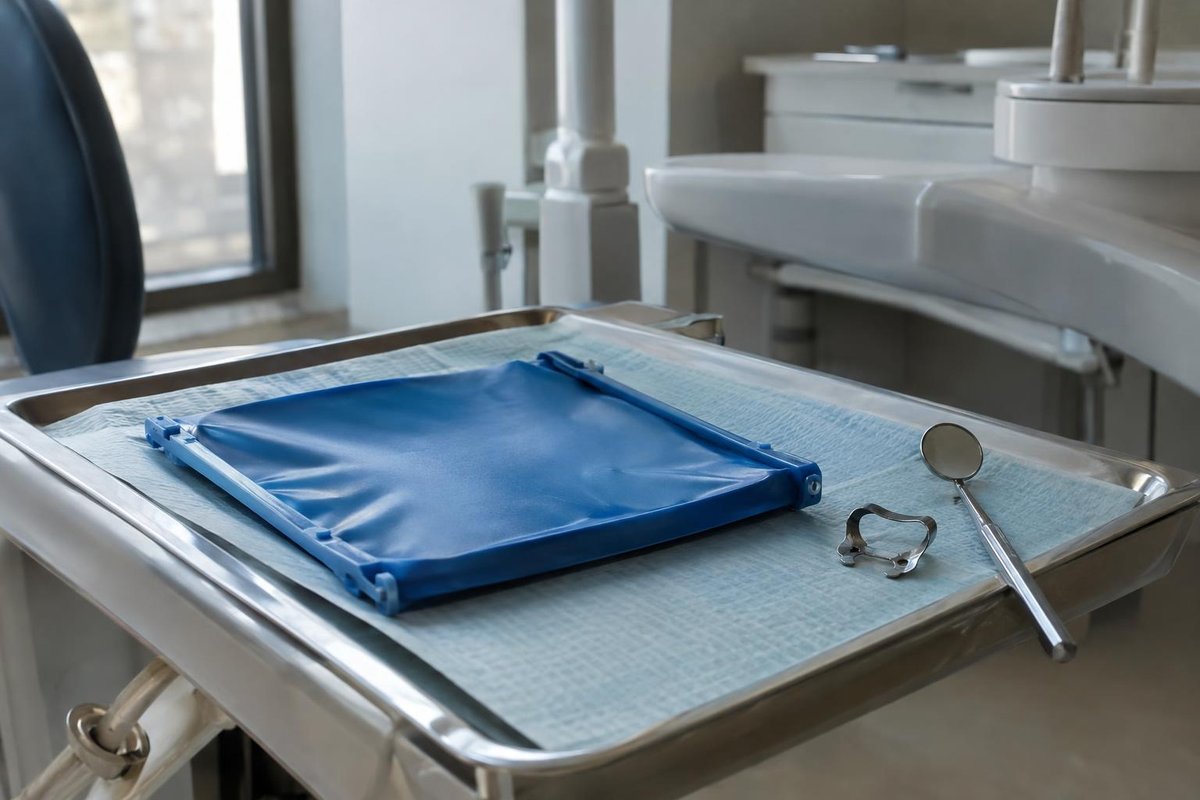
The ADA says a root canal usually takes one or two office visits, with little to no pain because your dentist uses local anesthesia. Your dentist takes X-rays, numbs the area, places a thin sheet of latex rubber over the tooth, removes the damaged pulp, cleans each canal, fills and seals the canals, and places a temporary filling. A follow-up visit replaces that temporary filling with a regular filling or a crown. The ADA says the tooth may feel sensitive for a few days afterwards, while the CDA says it may be tender for the first week or two.
Dental implant
Implant treatment is staged. The CDA says your dentist or specialist examines your mouth and takes X-rays first, that healing after placement can take several months, and that it may take several appointments to fit the replacement tooth. If a tooth must be removed first, or bone needs to be built up with a graft, those steps come before or alongside the implant. For a closer look at the timeline, see our guide to what to expect at an implant consultation.
Risks and Recovery to Ask About
Every dental treatment has things to ask about, and neither of these is an exception. After a root canal, the CDA says bad pain or swelling is not common, and you should call your dentist if it happens. It also notes that you can still get a cavity or gum disease after a root canal, since the treatment does not protect the tooth from other types of damage, and that in some rare cases a second root canal treatment, called retreatment, is needed.
For implants, the CDA says possible complications are rare but include bleeding, infection, numbness or injury to nearby muscles or the sinus cavity, and that in some cases the implant may not bond to the bone. The FDA adds that implant failure can result in the need for another surgical procedure. The FDA’s guidance for patients recommends talking to your dental provider about the potential benefits and risks and whether you are a candidate. Our article on whether dental implants are safe goes through these in more detail.
Questions to Ask Your Dentist
The CDA suggests asking about alternatives, how long a procedure will take and whether it may need to be redone in the future. For this decision, you might ask:
- Can this tooth be saved, and what is the reason for your recommendation?
- If it is saved, will it need a crown, and how many visits should I plan for?
- If it needs to come out, what are my options for replacing it, and what would the sequence of appointments be?
- What happens if I wait?
- Would you recommend a second opinion for my situation?
Cost and Coverage
Costs depend on the tooth, the treatment plan and any steps that come before or after, such as a crown, an extraction or a graft, so ask for a written treatment plan and estimate before you decide. If you have private dental benefits or are enrolled in the Canadian Dental Care Plan, confirm what applies to your situation with our office and the official program, because Service Canada decides CDCP eligibility, the program publishes its own list of covered services, and private plans set their own coverage, none of which the dental office decides. Our CDCP page explains how coverage works at our office.
When to Get Urgent Help
The CDA notes that an infected tooth left untreated can cause serious oral health problems. Contact us right away if a sore tooth comes with facial or gum swelling, a fever or a bad taste, or pain that is getting worse. If you have difficulty breathing or swallowing, or swelling that is spreading rapidly, call 911. For a tooth emergency, call our office at (905) 420-1777 and describe what is happening, or read about our emergency dental care. Our guide to the signs you may need a root canal lists other warning signs.
Frequently Asked Questions
Is it better to pull a tooth and get an implant than to have a root canal?
There is no one-size-fits-all answer. The CDA says that saving a natural tooth avoids having to replace it with an artificial tooth, and that root canal treatment remains, for many patients, the only viable option to retain a tooth that has suffered severe damage or become infected. Implants have their own benefits, which the FDA describes as including helping keep the jawbone from shrinking after tooth loss. Whether a particular tooth can be saved, and which option fits you, is a decision for your dentist after an exam and X-rays.
How much discomfort is involved with each?
The ADA says there is little to no pain during a root canal because your dentist uses local anesthesia, and that you should no longer feel the pain you felt before. Implant placement is a surgical procedure, and your dentist will explain how they will keep you comfortable and what to expect afterward. If dental anxiety is a concern, ask us about sedation dentistry.
Can a tooth with a root canal still need to be replaced later?
Sometimes. The CDA says that most of the time a tooth that has had a root canal can be saved, but there are cases where everything possible has been done and the tooth must still be extracted. Regular check-ups let your dentist watch the tooth.
Do I need a crown after a root canal?
Often, but not always. The ADA says the temporary filling is replaced with a regular filling or a crown, and the CDA says the choice depends on the strength of the part of the tooth that is left. The CDA adds that a back tooth will likely need a crown, because chewing puts a great deal of force on back teeth.
If You Are Unsure Whether Your Tooth Can Be Saved
If a tooth has been bothering you, please do not wait for it to settle on its own. Our team at Pickering Square Dental, on Kingston Rd in Pickering, can examine the tooth, explain what we find and talk through your options. Learn more about root canal therapy and dental implants, or contact us to schedule an appointment.
This article is for educational purposes only and is not a substitute for personalized dental advice, diagnosis, or treatment. Always speak with a regulated dental professional about your specific concerns.

About Dr. Marvin Lean, DDS
Dr. Marvin Lean, DDS, is the owner and lead dentist at Pickering Square Dental. With decades of experience in family and laser dentistry, Dr. Lean provides care focused on clear communication and patient comfort. He is a member of the Ontario Dental Association (ODA) and the Canadian Dental Association (CDA). Dr. Lean and his team provide comprehensive dental care including sedation dentistry, dental implants, emergency dental care, and the Canadian Dental Care Plan (CDCP) to patients in Pickering, Ajax, Whitby, Scarborough, Oshawa, and Markham. Dr. Lean spent the last 20 years as the Dentist for the Toronto Maple Leafs.