Dental implants are usually a staged treatment that unfolds over months, not a single appointment. Some patients are assessed as suitable for a faster, combined approach, but that is something a dentist can decide only after an exam and imaging. Nobody can promise you a one-visit result in advance.
If you have searched for whether you can get dental implants in one day, you are probably weighing how much time off, how many appointments and how long without a tooth to expect. This guide explains how implant treatment normally works, where the “one day” idea comes from, and what decides whether a shorter plan could suit you. It is general education and cannot replace an assessment.
The Short Answer
Usually not: the complete process takes longer than one day. The Canadian Dental Association (CDA) explains that after an implant is placed in the jawbone, the surrounding tissue heals and the implant bonds with the bone, which can take several months. The American Dental Association’s MouthHealthy page adds that some patients may need to wait up to several months before replacement teeth can be attached, while other patients can have the implants and replacement teeth placed all in one visit.
In other words, both timelines exist in dentistry. Which one is realistic for you depends on your mouth, your health and the plan your dentist recommends. A single visit or a set timeframe cannot be promised before an examination.
How Dental Implant Treatment Usually Unfolds
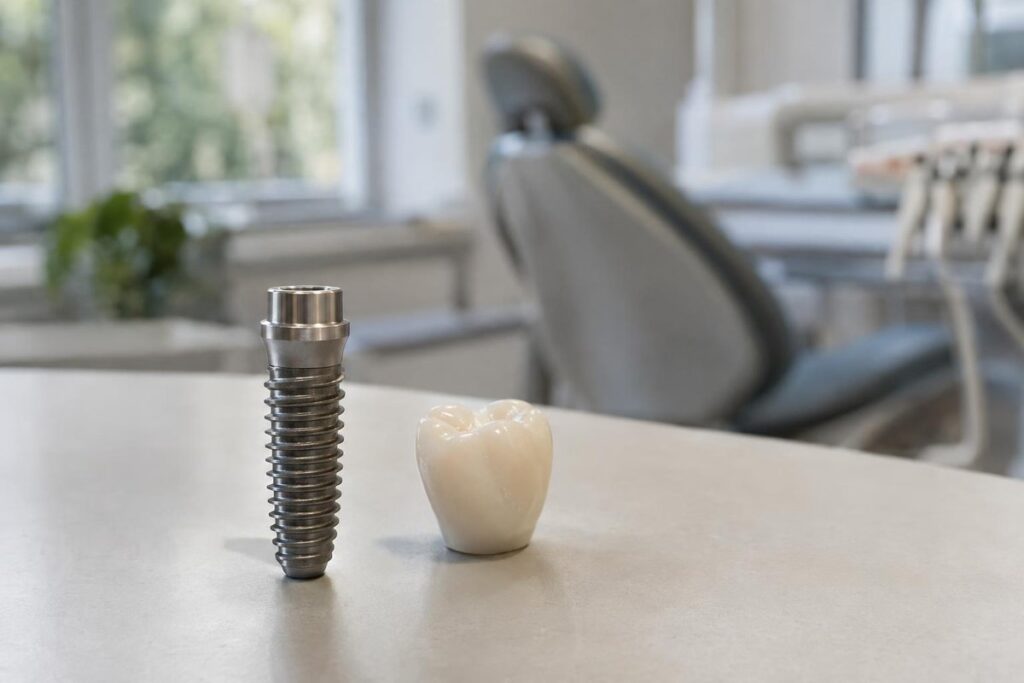
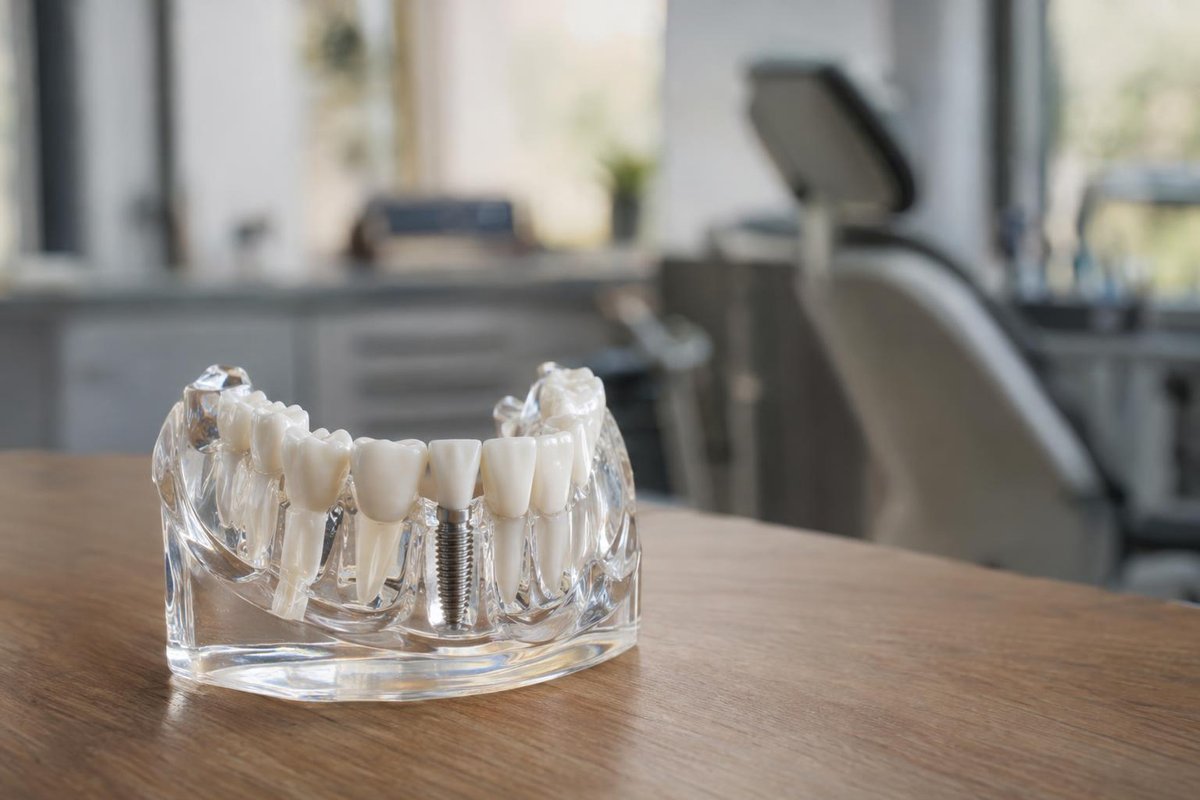
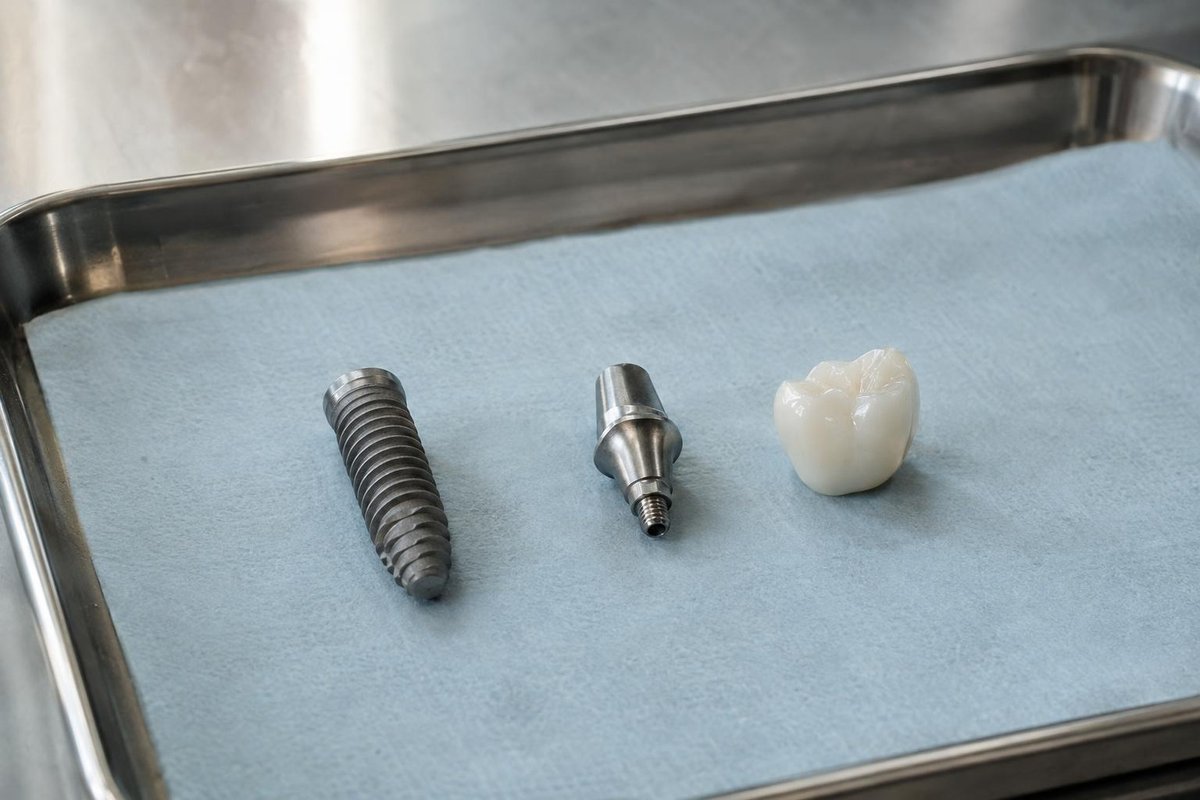
An implant replaces the root of a missing tooth. The CDA describes it as an artificial root made of titanium that is inserted into the jawbone, with an artificial replacement tooth attached to it. A typical plan has these stages:
- Assessment and planning. Your dentist or specialist examines your mouth and takes X-rays to find out whether implants are right for you.
- Placement of the implant. The implant is placed into the jawbone, and the gum tissue is stitched back into place.
- Healing. The implant bonds with the bone. The ADA calls this process osseointegration, which means “combines with the bone.”
- Connecting the replacement tooth. An abutment, the post that connects the tooth to the implant, is attached, and the artificial tooth is fitted to it.
- Follow-up. The CDA notes that checkups are scheduled during the following year so your dentist can confirm the implants are working properly.
The CDA also points out that it may take several appointments to fit the replacement tooth properly. Our own dental implants page likewise says the full timeline is usually measured in months rather than days.
Why Healing Takes Time
The strength of an implant comes from the bone growing around it. The ADA explains that this bone growth is what holds the implant in place, and that it takes time. The U.S. Food and Drug Administration (FDA), which regulates dental implants as medical devices in the United States, says the healing process for the implant body may take several months or longer, and that your overall health is an important factor in how long healing will take.
Smoking is another factor. The FDA notes that smoking may affect the healing process, and the ADA says tobacco can slow healing. Chronic illnesses such as diabetes may also interfere with healing after surgery, according to the ADA. These are reasons a dentist will ask about your health history before suggesting any timeline.
Where the “One Day” Idea Comes From
The idea comes from the fact that, as the ADA notes, some patients can have the implants and replacement teeth placed in one visit. You may also see this described online as immediate loading. These are particular approaches. They are not appropriate for every patient, and they do not remove the need for planning beforehand or healing afterward.
Even when a tooth is attached early, treatment is not necessarily finished. The ADA explains that replacement teeth usually take some time to make, and that in the meantime your dentist may give you a temporary crown, bridge or denture so you can eat and speak normally until the permanent replacement is ready. Healing and follow-up visits still follow.
What Decides Whether a Faster Plan Could Be Suitable
A shorter plan is a clinical decision, not a preference. Your dentist looks at several things before recommending a path:
- Bone. The CDA says implants need enough bone in the jaw to hold them. If the jawbone has shrunk or has not developed normally, a bone graft may be needed first, and your dentist or specialist will tell you whether grafting can be done.
- Gums. The CDA lists healthy gums as part of being a candidate, and as our implant page explains, active gum disease is normally addressed first.
- Overall health. The ADA says your health is more of a factor than your age, and that you may be medically evaluated by a physician before implant surgery is scheduled.
- The tooth that is being replaced. If a tooth has to be removed first, that changes the sequence of treatment.
- Imaging. The CDA says your dentist or specialist will take X-rays of your head, jaw and teeth to find out whether implants are right for you.
Having one of these factors does not necessarily rule treatment out, but each one needs an individual discussion, and some can mean preparatory care first or a different tooth-replacement option. Our guides to who is a candidate for dental implants and what to expect at an implant consultation go into more detail.
Questions Worth Asking Before You Agree to a Timeline
The CDA suggests asking your dentist questions about any recommended treatment, including how long it will take, whether it will need to be redone in the future, and what the alternatives are. For implants, you could ask:
- How many appointments will I need, and what happens at each one?
- Will I need a bone graft, gum treatment or an extraction first?
- Will I have a temporary tooth while the implant heals or the permanent tooth is made?
- Who will place the implant and who will make and fit the final tooth? The CDA says your dentist may do the procedure or refer you to a specialist, such as a periodontist or an oral surgeon, who has further training.
- What could make my timeline longer, and what are the possible complications?
A clear written treatment plan answers most of these.
Is a Faster Plan Always Better?
Not necessarily. Fewer appointments can be convenient, but the right plan is the one that fits your bone, gums and health. The CDA states that, although rare, possible complications include bleeding, infection, numbness or injury to nearby muscles or the sinus cavity, and that in some cases the implant may not bond to the bone. These apply to implant treatment in general, not to any one timeline. The FDA lists similar risks and recommends talking to your dental provider about the potential benefits and risks before choosing implants. Our article on whether dental implants are safe covers these in more detail.
Replacing a Tooth Versus Restoring One
If you still have a tooth that needs repair rather than replacement, a crown may be an option instead of an implant. A crown made in our office for a suitable tooth is a different treatment from an implant, and an assessment, additional treatment or follow-up appointments may still be required. You can read about same-day dental crowns to see how that works.
If a tooth hurts, is loose or has broken, please do not wait for an implant plan. Call us at (905) 420-1777 and describe what is happening, or read about our emergency dental care.
Frequently Asked Questions
How long does it take to get a dental implant from start to finish?
It varies. The CDA says healing alone can take several months, and the FDA says healing may take several months or longer. Whether an extraction, gum treatment or bone graft is needed first also affects the timeline. Your dentist can give you an estimate for your own case after an assessment.
Do any patients receive a tooth on the same day as the implant?
According to the ADA, some patients have the implants and replacement teeth placed in one visit, and some receive a temporary crown, bridge or denture while the permanent one is made. Whether that is clinically reasonable for you is decided at your assessment, and it does not mean treatment is complete.
Do I need a consultation before any implant treatment?
Yes. The CDA says your dentist or specialist examines your mouth and takes X-rays to find out whether implants are right for you before treatment is planned. Our dental implants page explains how we plan care and when we recommend a referral.
What if I do not have enough bone for an implant?
Low bone volume does not automatically rule implants out. The CDA says a bone graft may be possible to build up the bone, and your dentist or specialist will tell you whether grafting can be done. Some patients are advised to consider a different tooth-replacement option instead.
Start With an Assessment, Not a Deadline
If you are missing a tooth and wondering whether implants could work for you, the most useful next step is an assessment. Our team at Pickering Square Dental, on Kingston Rd in Pickering, can examine the area, explain what we find and talk through your options and the likely sequence of appointments. Learn more about dental implants, or contact us to schedule a consultation.
This article is for educational purposes only and is not a substitute for personalized dental advice, diagnosis, or treatment. Always speak with a regulated dental professional about your specific concerns.

About Dr. Marvin Lean, DDS
Dr. Marvin Lean, DDS, is the owner and lead dentist at Pickering Square Dental. With decades of experience in family and laser dentistry, Dr. Lean provides care focused on clear communication and patient comfort. He is a member of the Ontario Dental Association (ODA) and the Canadian Dental Association (CDA). Dr. Lean and his team provide comprehensive dental care including sedation dentistry, dental implants, emergency dental care, and the Canadian Dental Care Plan (CDCP) to patients in Pickering, Ajax, Whitby, Scarborough, Oshawa, and Markham. Dr. Lean spent the last 20 years as the Dentist for the Toronto Maple Leafs.