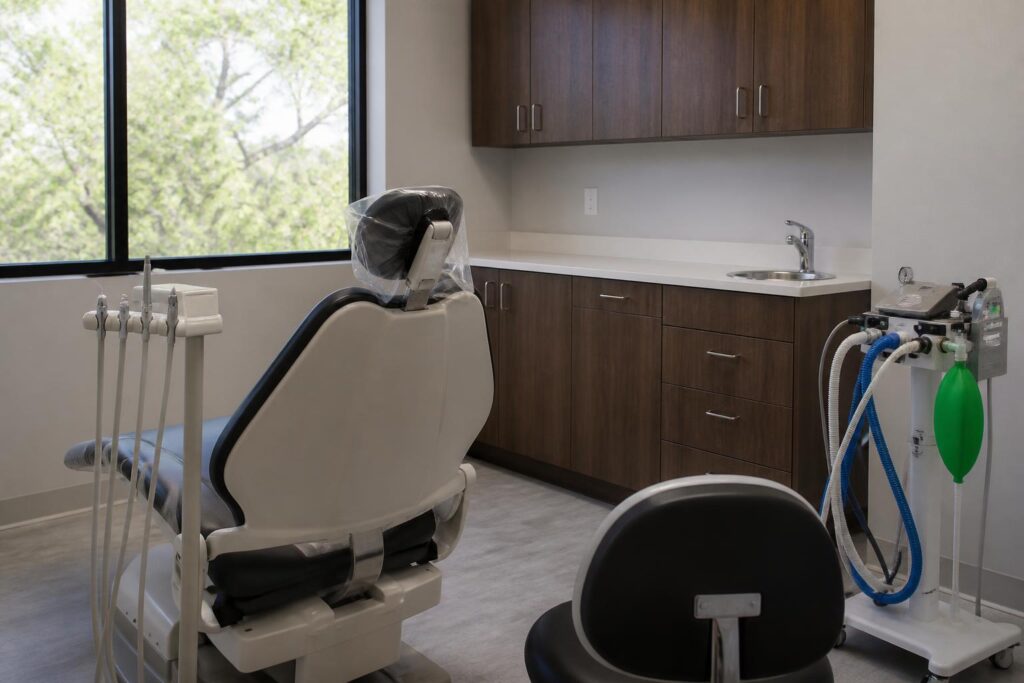
Dental anxiety is common, and it’s one of the main reasons people delay or avoid appointments altogether. To help patients feel more comfortable, many dental offices offer sedation options, and two of the most frequently used for mild to moderate anxiety are nitrous oxide (often called laughing gas) and oral sedation. While both are designed to help you relax, they work quite differently. Understanding those differences can help you talk through which option might suit you best.
This guide compares nitrous oxide and oral sedation, including how each is administered, how they feel, and factors to discuss with your dentist. It is for general education only and is not a substitute for an in-person evaluation and consultation.
What Is Nitrous Oxide?
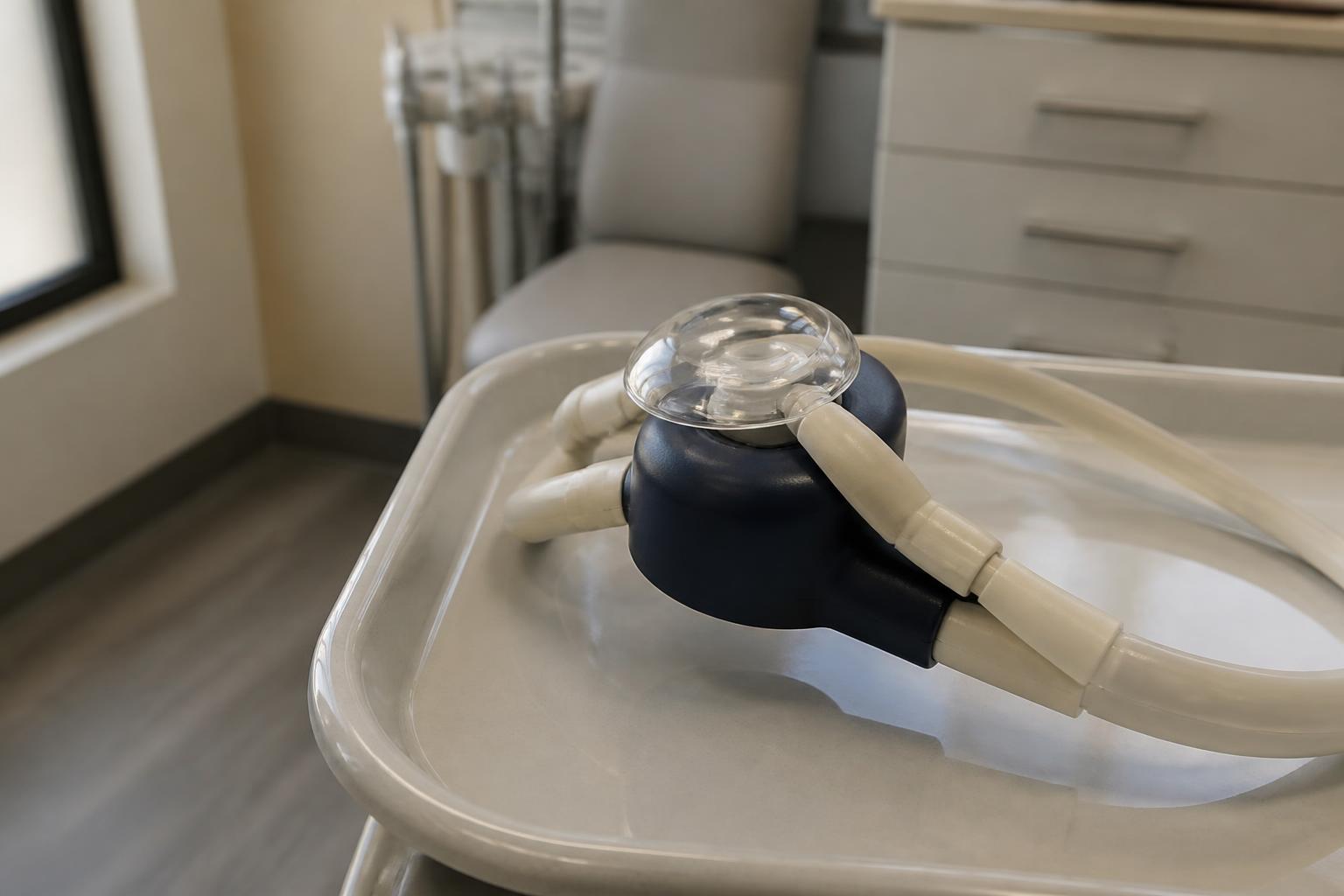
Nitrous oxide is a gas that’s inhaled through a small nasal mask during your appointment. It’s mixed with oxygen and takes effect quickly, typically within a few minutes. Many patients describe the feeling as a light, floaty sense of relaxation, sometimes with mild tingling in the hands or feet. One of the notable features of nitrous oxide is that its effects wear off very quickly once the mask is removed and you breathe normal air for a few minutes, which is why patients are usually able to drive themselves home afterward, unlike with some other sedation methods.
What Is Oral Sedation?
Oral sedation involves taking a prescribed sedative medication, usually in pill form, before your appointment. It generally produces a deeper level of relaxation than nitrous oxide and can make many patients feel drowsy or, in some cases, fall into a light sleep during treatment, though you typically remain able to respond to your dental team if needed. Because oral sedation takes longer to wear off, usually several hours, patients are required to arrange for someone to drive them to and from the appointment and to supervise them for the remainder of the day.
Key Differences at a Glance
- How it’s given
- Nitrous oxide: Inhaled through a nasal mask during the appointment.
- Oral sedation: Taken as a pill, usually before you arrive or shortly after.
- Onset and control
- Nitrous oxide: Takes effect within minutes, and your dentist can adjust the dose throughout the appointment.
- Oral sedation: Takes longer to take effect, and the dose is set before the appointment begins rather than adjusted moment to moment.
- Depth of relaxation
- Nitrous oxide: Generally mild, easing anxiety while keeping you fully alert and able to communicate normally.
- Oral sedation: Generally deeper, often leaving patients drowsy or lightly asleep, with limited memory of the procedure afterward for some patients.
- Recovery time
- Nitrous oxide: Wears off within minutes; most patients can drive themselves home.
- Oral sedation: Takes several hours to fully wear off; a driver and supervision for the rest of the day are required.
- Typical use cases
- Nitrous oxide: Mild anxiety, shorter procedures, or patients who prefer to stay fully aware during treatment.
- Oral sedation: Moderate anxiety, longer procedures, or patients who want a deeper level of relaxation.
According to general guidance from the American Dental Association, sedation methods exist on a spectrum from minimal to deep, and the right choice depends on factors like the patient’s level of anxiety, the complexity and length of the procedure, and the patient’s overall health history, which is why a dentist’s evaluation is an important part of choosing a sedation method.
Factors That Can Influence Which Option Is Recommended
Your dentist will typically consider several factors before recommending nitrous oxide, oral sedation, or another approach, including how anxious you feel about dental visits, how long and involved the planned procedure is, your medical history and any medications you currently take, and whether you have a reliable way to get home afterward if oral sedation is being considered. Being open with your dental team about your anxiety level and any past experiences with sedation can help them recommend the option that’s likely to work best for you.
Is One Option Safer Than the Other?
Both nitrous oxide and oral sedation are widely used and are generally considered safe when administered appropriately by a trained dental team, following a review of your health history. That said, every sedation method carries some considerations, which is why a pre-treatment health history review and, when appropriate, monitoring during your procedure are standard parts of safe sedation dentistry. Your dentist can explain the specific precautions that apply to your situation.
Preparing for a Sedation Appointment
Preparation differs somewhat depending on which method is used. For nitrous oxide, little special preparation is usually needed, though your dentist may ask you to avoid a heavy meal right before your appointment. For oral sedation, you’ll typically need to arrange transportation in advance, avoid eating or drinking anything for a set period beforehand if instructed, and plan to rest for the remainder of the day afterward. Your dental office will give you specific written instructions ahead of time based on the sedation method you’ll be using.
What to Expect During and After Your Appointment
With nitrous oxide, your dentist will place the small nasal mask, adjust the flow of gas and oxygen until you feel relaxed, and continue monitoring you throughout the procedure. When treatment is finished, you’ll breathe regular oxygen for a few minutes to help the effects clear before you’re cleared to leave. With oral sedation, you’ll take the prescribed medication at a specified time before your appointment, and your dental team will monitor you closely throughout the visit. Afterward, your driver will bring you home, and it’s generally recommended that you avoid driving, operating machinery, or making important decisions for the rest of the day while the medication fully wears off.
Talking Openly About Dental Anxiety
Many patients feel some hesitation about bringing up dental anxiety, but dental teams encounter it regularly and generally have several strategies beyond sedation to help, including a slower pacing during appointments, clear communication about each step before it happens, and simple comfort measures like noise-cancelling headphones or a stress ball. Sharing your specific concerns, whether it’s a fear of needles, past negative experiences, or sensitivity to certain sounds or sensations, helps your dental team tailor your visit and choose the sedation option, if any, that fits your needs best.
FAQs About Nitrous Oxide and Oral Sedation
Can I drive myself home after nitrous oxide?
In most cases, yes, since its effects wear off quickly once the mask is removed and you’ve had a few minutes to breathe normal air. Your dental team will confirm you feel clear-headed before you leave.
Will I be asleep during oral sedation?
Oral sedation typically produces a drowsy, deeply relaxed state rather than general anesthesia. Many patients feel very sleepy and may not remember much of the procedure afterward, but you generally remain able to respond if your dental team needs to communicate with you.
Can children have nitrous oxide or oral sedation?
Sedation options for children are evaluated individually based on their age, health, anxiety level, and the specific procedure planned. If you’re considering sedation for a child, it’s best to discuss the available options directly with your dentist.
Wondering Which Sedation Option Fits You?
If dental anxiety has been keeping you from scheduling an appointment, our team at Pickering Square Dental can talk through your options, including nitrous oxide and oral sedation, and help you feel more comfortable about your visit.
You can learn more about our sedation dentistry services on our services page. To schedule a consultation and discuss sedation options, please contact us and our team will be glad to help.
This article is for educational purposes only and is not a substitute for personalized dental or medical advice. Always speak with a regulated dental professional about your specific concerns.

About Dr. Marvin Lean, DDS
Dr. Marvin Lean, DDS, is the owner and lead dentist at Pickering Square Dental. With decades of experience in family and laser dentistry, Dr. Lean provides care focused on clear communication and patient comfort. He is a member of the Ontario Dental Association (ODA) and the Canadian Dental Association (CDA). Dr. Lean and his team provide comprehensive dental care including sedation dentistry, dental implants, emergency dental care, and the Canadian Dental Care Plan (CDCP) to patients in Pickering, Ajax, Whitby, Scarborough, Oshawa, and Markham. Dr. Lean spent the last 20 years as the Dentist for the Toronto Maple Leafs.