
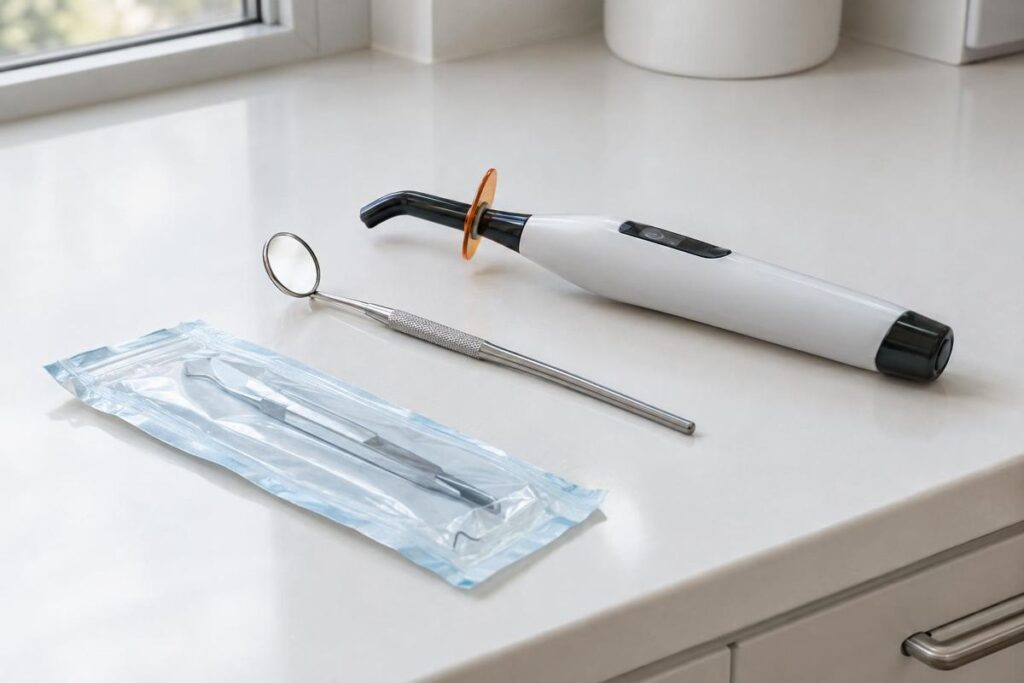
A filling is meant to restore a tooth and protect it, but it is not a permanent fix. Every filling eventually wears, chips or develops decay along its edges. So how long do fillings last? There is no single number, and the honest answer is that many last for years, some need attention sooner, and some stay in place for a long time with good care and regular exams.
This guide explains what affects the lifespan of a filling, how common materials compare, the signs a filling may need to be checked, and what you can do to protect your fillings. It is general information, so your dentist’s assessment of your own teeth always comes first.
How Long Do Fillings Last on Average?
Studies of dental restorations report a wide range of lifespans, from a few years to well over a decade, depending on the material, the size of the filling, the tooth, and the person’s habits. Dentists therefore tend to avoid promising a specific length of time. A small filling on a back tooth with a low cavity risk can last much longer than a large one on a tooth that takes heavy chewing forces or belongs to someone who grinds their teeth.
It helps to think of a filling as something your dentist watches over time rather than something you forget about. At regular exams the dentist looks at the edges, the surface, the bite, and X-rays when they are needed, and decides whether the filling is holding up.
What Affects How Long a Filling Lasts
The size and location of the filling
Large fillings hold a lot of the tooth together, and they sit under more pressure when you chew. Back teeth take the heaviest forces, so fillings there are under more stress than fillings on the front surfaces of teeth. Fillings that extend below the gumline can also be harder to keep clean.
The material used
Tooth-coloured composite resin is the most common choice for many fillings today because it bonds to the tooth and blends in. Other materials, such as glass ionomer, amalgam, porcelain or gold, are used in particular situations. Each has strengths and limits. Our guide to tooth-coloured dental fillings goes through how those fillings work, and you can read what to expect when you get a filling at our office.
New decay around the filling
A filling does not stop a tooth from developing new decay. Bacteria can collect at the edge where the filling meets the tooth, creating what dentists call secondary or recurrent decay. This is one of the most common reasons fillings are replaced. The American Dental Association’s MouthHealthy page on cavities explains how decay forms and why prevention and early care matter.
Your bite, clenching and grinding
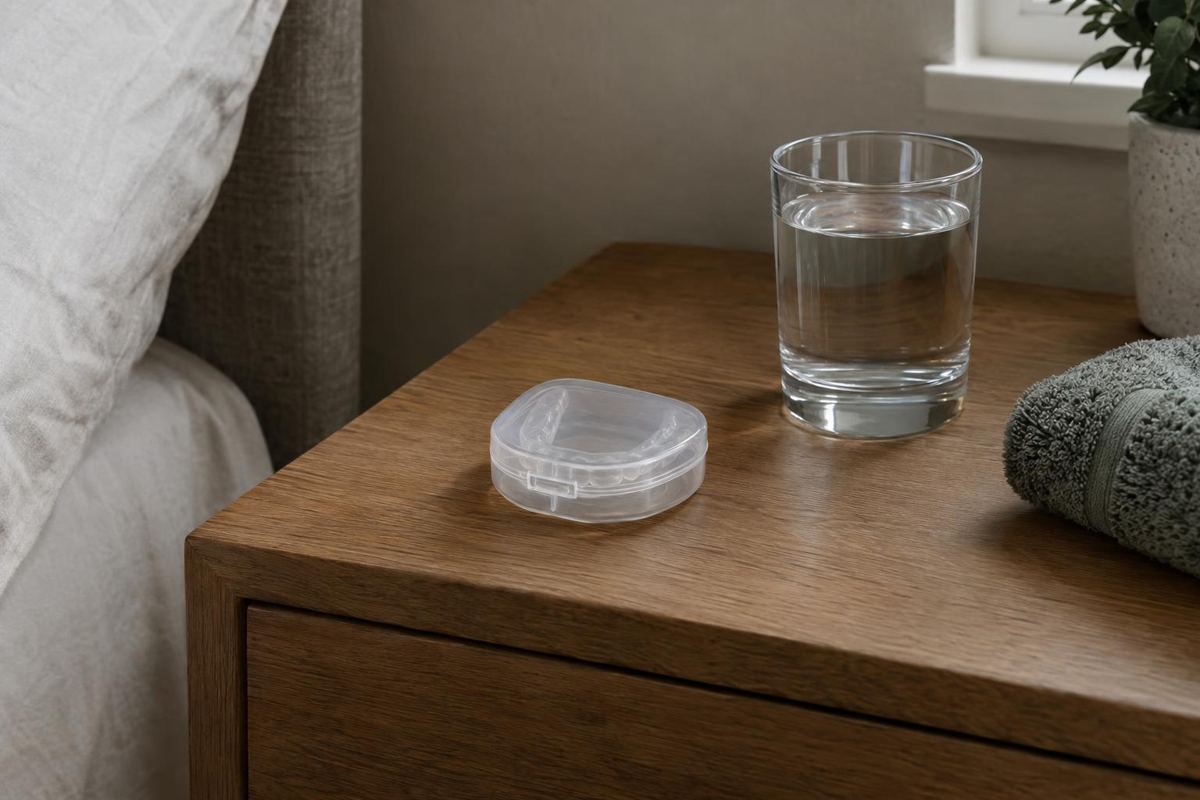
Clenching or grinding puts extra force on teeth and can chip or crack fillings, or the tooth around them. If your dentist notices wear patterns, they may talk with you about whether a protective night guard is worthwhile.
Diet, saliva and home care
Frequent sugary snacks and drinks, a dry mouth and inconsistent brushing and flossing all raise the chance of new decay near a filling. Thorough daily cleaning and fluoride can help reduce that risk.
Signs a Filling May Need Attention
Many fillings that need replacement cause no symptoms at first, which is one reason regular exams matter. Between visits, watch for:
- pain or sensitivity to hot, cold, sweets or biting pressure;
- a rough or sharp edge you can feel with your tongue;
- a piece of the filling that has chipped, cracked or fallen out;
- food that keeps getting trapped next to the filling;
- a visible dark line or stain around the edge of the filling;
- a crack in the tooth, or a tooth that feels different when you bite; or
- a bad taste or swelling near the tooth.
If a filling falls out, or you have a toothache that lingers, swelling or a fever, contact a dental office promptly. Our page on what to do about a lost filling or crown covers practical first steps while you arrange an appointment.
Does an Old Filling Always Need to Be Replaced?
No. A filling that is intact, sealed at the edges, comfortable and not showing new decay can sometimes be left alone and monitored. Replacing a filling removes more healthy tooth structure each time, so dentists generally try not to replace fillings that are still doing their job. On the other hand, a filling with a leak, a crack or decay underneath is better replaced before the damage grows. That is a judgment your dentist makes by examining the tooth and, where needed, taking X-rays.
When a Filling Is Not Enough
Sometimes a tooth has lost so much structure that a bigger filling would leave it weak. In that case your dentist may talk about a crown or another type of restoration. If decay or a crack has reached the nerve, the tooth may instead need other care, such as root canal treatment. Our article on how dentists decide between a root canal and a filling explains how that decision is made.
How to Help Your Fillings Last Longer
- Brush twice a day with fluoride toothpaste and clean between your teeth daily.
- Keep regular dental exams and cleanings so small problems are found early. Your dentist can suggest how often is right for you.
- Limit frequent sugary or acidic snacks and drinks, especially sipping throughout the day.
- Do not use your teeth as tools to open packages or bite hard objects such as ice.
- Ask about a night guard if you clench or grind your teeth.
- Follow aftercare for new fillings. See our tips on caring for a new dental filling.
Frequently Asked Questions About How Long Fillings Last
How many years does a filling last?
It varies widely. Some fillings last for many years and others need replacing sooner because of wear, cracks or new decay. Your dentist can tell you how your own fillings are doing at an exam.
Do composite fillings last as long as other types?
Lifespan depends on the size and location of the filling, your bite, your home care and your cavity risk as much as on the material. Ask your dentist which material suits each tooth and why.
Can a filling fall out?
Yes. Fillings can loosen or break from decay under the edges, from heavy biting forces, or from wear. If one falls out, avoid chewing on that tooth and call your dental office to arrange a visit.
Can I get a cavity under an old filling?
Yes. Decay can develop at the margin of a filling or underneath it. Regular exams and X-rays help catch it early.
Is it normal for a new filling to be sensitive?
Mild sensitivity can be common for a short period after a filling. If it is severe, gets worse, or does not settle, tell your dentist because the bite or the tooth may need adjusting.
Have an Old Filling Checked in Pickering
If it has been a while since your last exam, or a filling feels rough, sensitive or different, we can take a look and explain your options. Call (905) 420-1777 or contact us to schedule an appointment at Pickering Square Dental.
This article is general education and does not replace an examination, diagnosis or personalized advice from a regulated dental professional.

About Dr. Marvin Lean, DDS
Dr. Marvin Lean, DDS, is the owner and lead dentist at Pickering Square Dental. With decades of experience in family and laser dentistry, Dr. Lean provides care focused on clear communication and patient comfort. He is a member of the Ontario Dental Association (ODA) and the Canadian Dental Association (CDA). Dr. Lean and his team provide comprehensive dental care including sedation dentistry, dental implants, emergency dental care, and the Canadian Dental Care Plan (CDCP) to patients in Pickering, Ajax, Whitby, Scarborough, Oshawa, and Markham. Dr. Lean spent the last 20 years as the Dentist for the Toronto Maple Leafs.