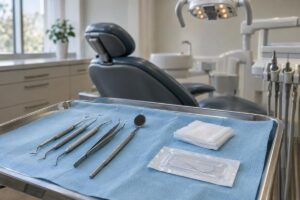
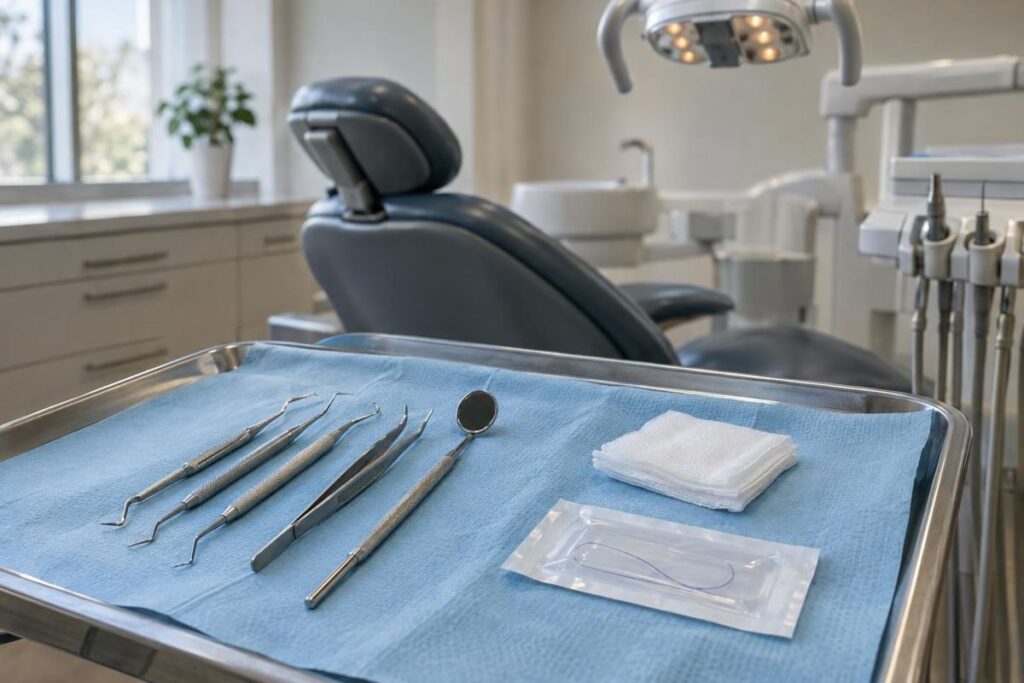
Seeing your gums pull back from a tooth can be unsettling, and hearing the words gum graft surgery can feel daunting. A gum graft is a periodontal procedure in which a dentist or periodontist covers exposed root surfaces or thickens thin gum tissue, usually with tissue taken from another part of the mouth. Whether it is a good idea for you depends on why the gum receded, how much tissue is left, and whether the cause has been addressed.
This guide explains when a gum graft may be considered, the main types of graft, what the day of treatment and the recovery weeks usually look like, and what to ask before you decide. It is meant to help you prepare for a conversation with your dentist, not to replace one.
What Gum Recession Is and Why It Happens
Gum recession means the gum edge has moved away from the crown of the tooth, exposing more of the tooth and sometimes the root. Because the root surface is softer than enamel and has no enamel coating, it can feel sensitive to cold, sweet foods, or brushing. Recession also creates small pockets where plaque collects, which can make cleaning harder.
Recession usually develops slowly, so many people do not notice it until a tooth looks longer or a notch appears near the gumline. Common contributors include:
- Gum disease. Infection around the teeth can break down the supporting tissue and bone. The American Dental Association’s MouthHealthy page on gum disease describes how gum disease progresses and why early care matters.
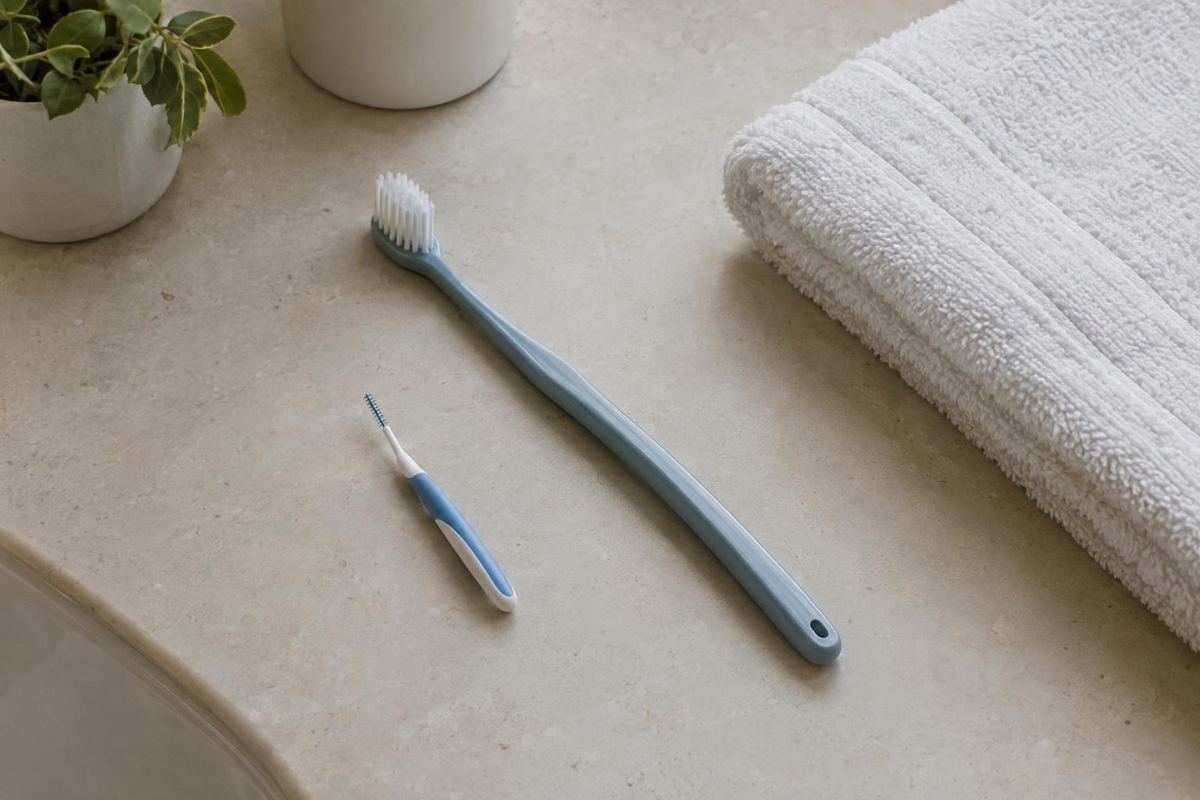
- Brushing too hard. A stiff brush or heavy scrubbing can wear away gum tissue over the years.
- Thin gum tissue or tooth position. Some people naturally have thin gums, or teeth that sit toward the outer edge of the bone, which makes recession more likely.
- Clenching and grinding. Heavy forces on the teeth may contribute in some people, although the evidence is mixed.
- Tobacco use, lip or tongue piercings, and past orthodontic movement. Each can irritate or thin the gum in certain areas.
Gum tissue does not grow back on its own once it has been lost, which is why the cause matters as much as the cosmetic result. If the cause is still active, a graft placed over it may not last.
When Is Gum Graft Surgery Recommended?
Not every receding gum needs surgery. A mild, stable area that is not sensitive and is easy to keep clean is often simply monitored with photos or measurements at regular dental visits. A graft is more likely to be discussed when:
- recession is getting worse from one visit to the next;
- the exposed root is sensitive and other measures, such as a desensitizing toothpaste, have not helped enough;
- the gum around a tooth is so thin that it may not withstand brushing or future dental work;
- a root surface is exposed enough to raise the risk of root decay;
- appearance is a concern, for example when only a few teeth show recession in a visible smile; or
- orthodontic treatment, a crown, or an implant is planned and the gum needs more thickness first.
Your dentist will look at how deep the gum pockets are, how much firm, attached gum is present, the position of your teeth, and your general health before suggesting a plan. Treating active gum disease with a professional cleaning and better home care usually comes before any surgery. You can read more about that first step in our guide to scaling and root planing and in our overview of when to see a dentist about gum recession.
The Main Types of Gum Grafts
There are a few common approaches. The right one depends on the shape of the recession, the thickness of the gum, and where tissue can be taken from.
Connective tissue graft
This is the technique most often used to cover exposed roots. A small piece of tissue from under a flap of the palate is placed over the exposed root and secured so it can heal into the area. The tissue comes from your own body, which helps it blend in.
Free gingival graft
A thin layer of tissue is taken directly from the surface of the palate and placed where more thick, firm gum is needed. This option is often used to thicken tissue rather than to cover a wide area of root.
Pedicle or lateral graft
When there is healthy gum next to the receded tooth, a flap of that nearby gum can be slid over to cover the root while staying attached at one edge. It needs enough neighbouring tissue to work.
Donor tissue materials
In some cases a dentist may discuss tissue from a processed donor source instead of using your palate. This can reduce the number of surgical sites, but it is not right for every situation. Ask which option is suggested for you and why.
Our team includes Dr. Sooyoung Kang, whose areas of focus are periodontics, implant surgery and tissue grafting, so questions about graft options are welcome at an assessment.
What to Expect on the Day
Most gum grafts are done with local anesthetic so the area is numb. Sedation options can be discussed beforehand. The dentist cleans the root surface, prepares the receiving site, positions the graft tissue, and closes the area with fine sutures. You will usually go home the same day with written aftercare steps.
Exactly how long the procedure takes and how many teeth are treated at once varies. A single area may be much quicker than several. Plan to have someone available to help if you are being sedated, and ask about work or school the day after.
Recovery and Aftercare
Healing is gradual, and the instructions you receive from your own dentist take priority over any general list. In general, patients can expect the following.
- The first few days. Soreness, mild swelling and some tenderness at the surgical site or the palate are common. Your dentist may recommend an over-the-counter pain reliever if it is safe for you, and a cold compress outside the cheek for short periods.
- Eating. Soft, cool or lukewarm foods are usually advised at first, with chewing on the opposite side. Avoid hot, spicy, crunchy or sharp foods that can disturb the area.
- Cleaning. You will probably be told to avoid brushing the treated teeth for a short period and to use a prescribed or recommended rinse instead, then to return to a very gentle technique when cleared.
- Protecting the site. Avoid pulling on your lip to look at the graft, because it can disturb the stitches.
- Follow-up. Your dentist will check healing and usually remove sutures or confirm they dissolve on their own.
Full healing of the tissue can take several weeks, and the final appearance may keep settling over a longer period. Contact the office if you notice bleeding that will not stop, swelling that is increasing after the first few days, fever, or a graft that looks like it has shifted.
Risks and Limits to Understand
Like any surgical procedure, gum grafting has possible risks, including infection, bleeding, discomfort at the donor site, and a graft that only partly covers the root or does not heal as hoped. Results depend on the cause being controlled, on how well the area heals, and on daily care afterward. Smoking can interfere with healing, and your dentist may ask you to avoid it. A graft protects the gum but it does not make the area immune from future recession if the underlying habits remain.
Because a graft cannot be promised to look or last a certain way, a good provider will explain realistic expectations, alternatives and what happens if you choose to monitor the area instead.
What to Ask Your Dentist Before Treatment
- What do you think caused the recession, and has it stopped?
- What happens if I wait and monitor it?
- Which graft type do you recommend, and where would the tissue come from?
- What anesthesia or sedation options are available?
- What is the usual recovery for the area, and what should I avoid?
- How will I care for the area long term to protect the result?
Frequently Asked Questions About Gum Graft Surgery
Does a gum graft hurt?
The area is numbed for the procedure. Afterward, soreness and tenderness are common, especially at the donor site on the palate, and are usually managed with the measures your dentist recommends. Tell the office if the discomfort is getting worse rather than easing.
Can receding gums grow back without surgery?
Lost gum tissue does not regenerate on its own. Treating the cause, improving brushing technique and monitoring can help stop it from getting worse, and a graft is the option used when covering or thickening the tissue is needed.
Will a gum graft fix tooth sensitivity?
It can reduce sensitivity in some cases by covering exposed root surface, but results vary. Other causes of sensitivity, such as a cracked tooth or decay, also need to be ruled out.
Is a gum graft covered by insurance?
Coverage depends on your plan and on whether the procedure is considered medically necessary. Ask the office to help you check your plan before treatment is booked.
How do I know if my gums are receding?
Signs include teeth that look longer, a visible notch at the gumline, new sensitivity, or roots that look darker or more yellow than the crown. A dental exam with measurements is the best way to tell.
Schedule a Gum Health Assessment in Pickering
If your gums are receding or a tooth feels sensitive near the gumline, the first step is an assessment to find out why and whether treatment is needed. Learn more about our periodontal care services, then call (905) 420-1777 or contact us to schedule an appointment.
This article is general education and does not replace an examination, diagnosis or personalized advice from a regulated dental professional.

About Dr. Marvin Lean, DDS
Dr. Marvin Lean, DDS, is the owner and lead dentist at Pickering Square Dental. With decades of experience in family and laser dentistry, Dr. Lean provides care focused on clear communication and patient comfort. He is a member of the Ontario Dental Association (ODA) and the Canadian Dental Association (CDA). Dr. Lean and his team provide comprehensive dental care including sedation dentistry, dental implants, emergency dental care, and the Canadian Dental Care Plan (CDCP) to patients in Pickering, Ajax, Whitby, Scarborough, Oshawa, and Markham. Dr. Lean spent the last 20 years as the Dentist for the Toronto Maple Leafs.