

Bleeding gums are easy to dismiss, especially if they only happen when brushing or flossing. But bleeding, swelling, tenderness, gum recession, and persistent bad breath can be early signs of gum disease. Treating gum problems before they become advanced can protect teeth, reduce discomfort, and make care less complex.
Gum disease is not one single stage. Gingivitis affects the gums and is often reversible with professional care and better home habits. Periodontitis is more serious because it involves deeper infection and damage to the supporting structures around the teeth. At Pickering Square Dental, periodontal care begins by identifying the stage and cause of the problem.
Start With a Periodontal Evaluation

A gum disease assessment may include measuring gum pockets, checking bleeding points, reviewing X-rays, evaluating plaque and tartar buildup, and looking for loose teeth or gum recession. The dentist or hygienist may also ask about smoking, diabetes, medications, dry mouth, pregnancy, oral hygiene habits, and family history.
The Canadian Dental Association’s gum disease FAQ notes that early treatment focuses on professional cleaning to remove tartar, brushing twice daily, and flossing once daily to remove plaque. These basics sound simple, but they are powerful when done consistently and paired with the right maintenance schedule.
Understanding the Stages of Gum Disease
It helps to think of gum disease as a spectrum rather than an on-or-off condition, because where you fall on that spectrum shapes the treatment plan. The earliest stage, gingivitis, involves inflammation of the gum tissue caused by plaque along the gumline. Gums may look red or puffy and bleed when brushing, but the deeper structures that anchor the teeth are still intact. This stage is where care is most forgiving, since gingivitis can often be reversed with professional cleaning and consistent home habits.
When inflammation is left to continue, it can progress to periodontitis, where the infection reaches below the gumline and begins to affect the bone and connective tissue that hold teeth in place. Early periodontitis may show as deeper gum pockets and slight bone loss, while more advanced stages can bring gum recession, shifting teeth, and looseness. The damage to bone in periodontitis is usually not fully reversible, but treatment can stabilize the situation and slow or stop further loss. Knowing which stage you are dealing with is exactly why we begin with a careful evaluation rather than a one-size-fits-all cleaning.
Professional Cleaning and Home Care
For early gingivitis, a professional cleaning and improved home care may be enough to allow the gums to heal. Your hygienist can show you where plaque is collecting and recommend tools such as floss, interdental brushes, an electric toothbrush, or specific brushing techniques. If bleeding increases when you restart flossing, do not stop immediately; ask the dental team whether the response is expected or needs assessment.
Home care must be realistic. A patient with tight contacts, bridges, braces, implants, dexterity issues, or gum recession may need different tools than someone with uncomplicated spacing. The best routine is the one you can perform effectively every day.
Scaling and Root Planing
If gum pockets are deeper and tartar has built up below the gumline, scaling and root planing may be recommended. This deep cleaning removes deposits from tooth and root surfaces and helps the gums heal more tightly around the teeth. Local anesthetic may be used for comfort. Treatment may be completed in sections depending on severity.
After scaling and root planing, follow-up is important. The dental team needs to confirm whether pocket depths and bleeding have improved. Some areas may respond well, while others need additional therapy.
Laser and Adjunctive Therapies
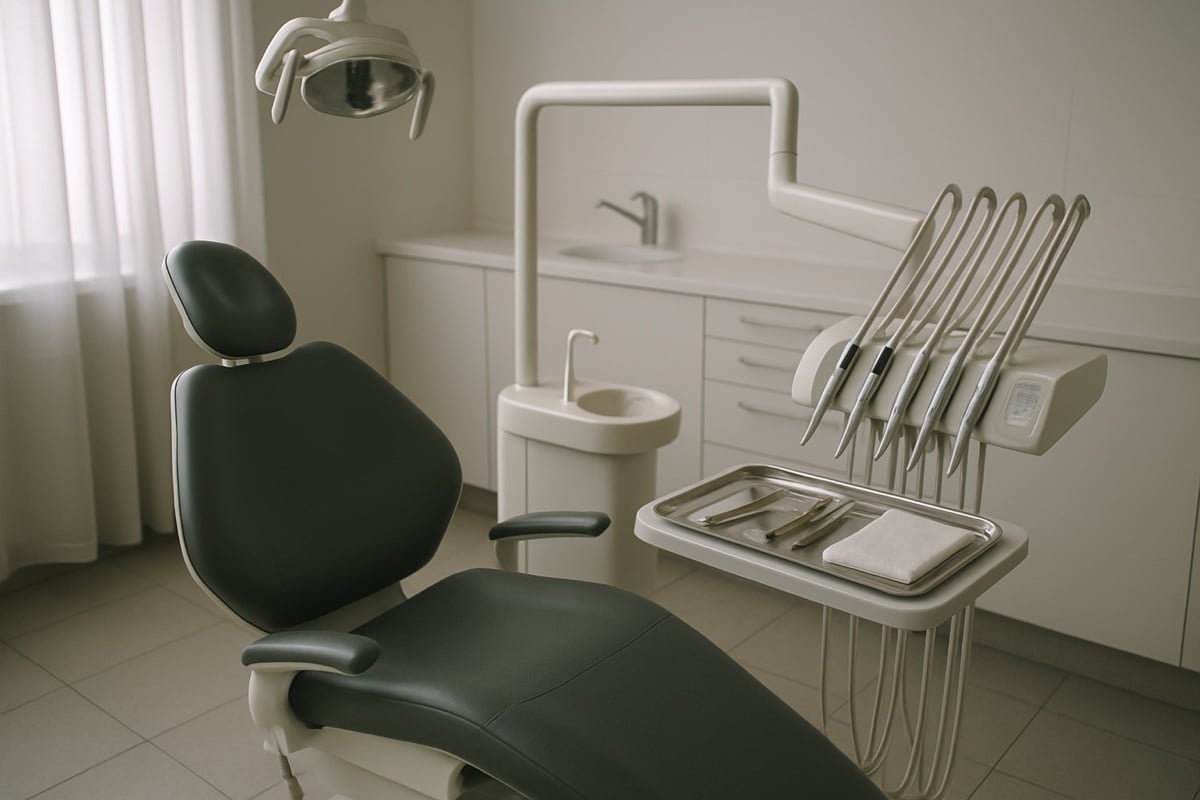
In some cases, laser dentistry may be used as part of periodontal therapy. Dental lasers can help target diseased tissue and bacteria with precision. They are not a substitute for diagnosis, plaque control, and maintenance, but they may be useful for selected gum concerns. Your dentist can explain whether laser treatment fits your case.
Other adjunctive options may include antimicrobial rinses, localized medication, bite adjustment, or referral to a periodontist. Advanced gum disease may require surgical procedures. The earlier the problem is identified, the more likely it is that conservative treatment can help.
Risk Factors That Make Gum Disease Worse
Smoking, uncontrolled diabetes, dry mouth, poor plaque control, certain medications, genetic susceptibility, and missed maintenance visits can increase risk. Stress and grinding may also contribute to inflammation or tooth mobility in some patients. If you have medical conditions that affect healing, tell your dentist and hygienist.
Gum disease management is a partnership. The dental team can remove tartar and monitor progress, but daily plaque control happens at home. Patients who attend maintenance visits but do not change home habits may continue to relapse.
Why Gum Health Matters for the Rest of the Body
Caring for your gums is not only about keeping your teeth, although that alone is a worthwhile goal. Research has linked gum disease to several whole-body health concerns, and while the relationships are complex and still being studied, the connection is strong enough that many medical and dental teams treat oral health as part of overall wellness. People with diabetes, for example, often find that gum inflammation and blood sugar control influence one another, so managing one can support the other.
Persistent inflammation in the mouth can also matter during pregnancy and for patients managing heart or respiratory conditions, which is one reason we always review your medical history rather than treating gums in isolation. We share this not to alarm you, but to explain why we encourage consistent care even when symptoms feel minor. Keeping your gums healthy is a steady, manageable habit that supports both your smile and your broader health, and our team is happy to talk through how your specific situation fits into that picture.
What to Expect at a Maintenance Visit
Once active gum treatment is complete, many patients move into a periodontal maintenance routine, and knowing what these visits involve tends to make them feel less daunting. A maintenance appointment usually begins with an update on your health and any changes since the last visit, followed by a careful measurement of gum pockets to confirm that the improvements are holding. Your hygienist then removes any plaque and tartar that has accumulated, paying particular attention to areas that were problematic before.
These visits are also a chance to fine-tune your home routine, troubleshoot any tools that are not working well for you, and catch small changes before they grow. The interval between visits is set based on your individual risk, so some patients return every three to four months while others can space appointments further apart over time. Think of maintenance as the part of treatment that protects the progress you have already made, and as an ongoing conversation rather than a single fix.
When to Book a Gum Health Visit
Book an appointment if your gums bleed, feel swollen, look red, pull away from teeth, or if breath concerns persist despite brushing. Also call if teeth feel loose, spaces are changing, or chewing feels different. These signs deserve professional evaluation.
Pickering Square Dental provides periodontal care, hygiene maintenance, and laser dentistry options for patients with gum health concerns. Call (905) 420-1777 or visit our periodontal care page to schedule an assessment.
As an additional resource, the Canadian Dental Association’s oral health information explains how healthy gums fit into overall oral health and everyday prevention.
Frequently Asked Questions
Can gum disease be reversed?
Gingivitis can often improve with professional cleaning and better home care. Periodontitis damage may not be reversible, but treatment can help control progression.
Is bleeding when flossing normal?
Occasional bleeding can happen when restarting flossing, but ongoing bleeding is a warning sign. Have your gums checked.
How often do periodontal patients need cleanings?
Some patients need maintenance every three to four months. Your dentist or hygienist will recommend an interval based on your risk and response to treatment.
Before your visit, write down your main symptoms, questions, medications, and any past dental concerns. Clear details help the dental team tailor the appointment, explain options, and recommend the next step with fewer surprises.
If symptoms are changing quickly, book sooner rather than waiting for the next routine visit. Earlier assessment usually gives the dentist more conservative options and helps families avoid urgent decisions later.

About Dr. Marvin Lean, DDS
Dr. Marvin Lean, DDS, is the owner and lead dentist at Pickering Square Dental. With decades of experience in family and laser dentistry, Dr. Lean provides care focused on clear communication and patient comfort. He is a member of the Ontario Dental Association (ODA) and the Canadian Dental Association (CDA). Dr. Lean and his team provide comprehensive dental care including sedation dentistry, dental implants, emergency dental care, and the Canadian Dental Care Plan (CDCP) to patients in Pickering, Ajax, Whitby, Scarborough, Oshawa, and Markham. Dr. Lean spent the last 20 years as the Dentist for the Toronto Maple Leafs.