
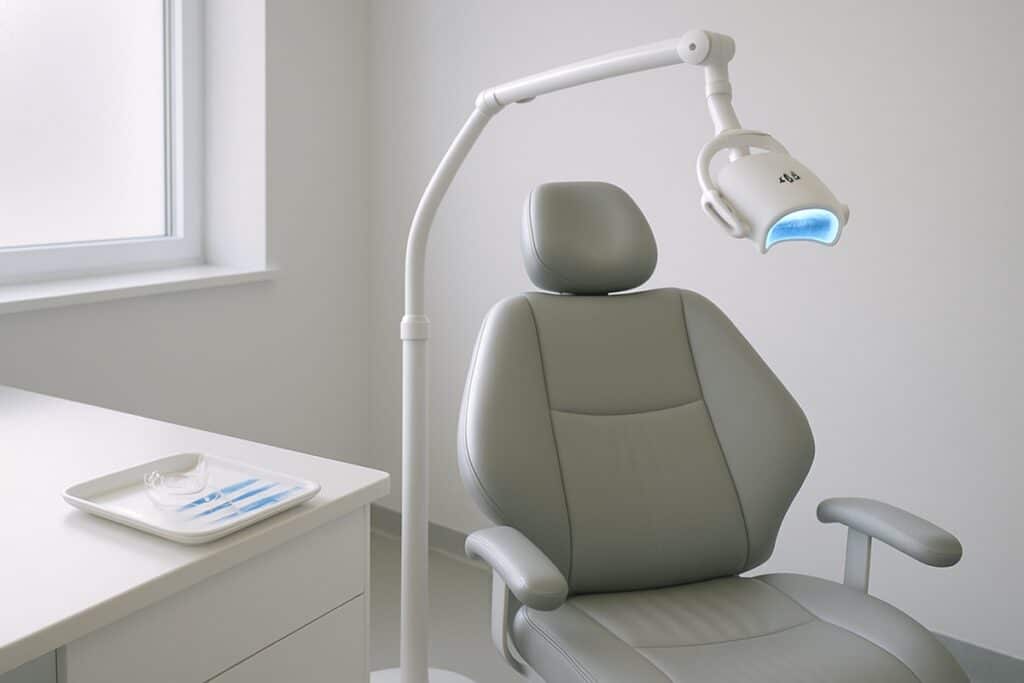
Teeth whitening is one of the most common cosmetic dental questions patients ask about, but sensitive teeth can make the decision feel complicated. Some people already feel discomfort with cold drinks or brushing. Others have tried whitening strips and stopped because the sensitivity was too intense. The good news is that sensitive teeth do not always rule out whitening, but they should be evaluated before treatment.
At Pickering Square Dental, whitening recommendations begin with an exam. Sensitivity can come from enamel wear, gum recession, cavities, cracked teeth, exposed roots, grinding, recent dental work, or the whitening process itself. Identifying the cause helps your dentist decide whether whitening is appropriate and how to reduce the chance of unnecessary discomfort.
Why Whitening Can Cause Sensitivity
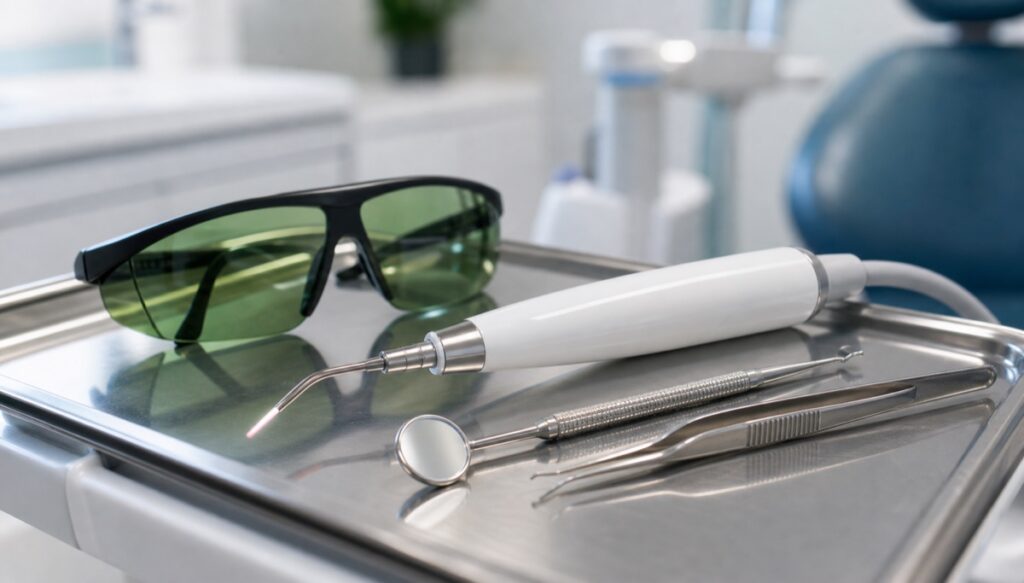
Most whitening products use peroxide-based ingredients to lighten stains. During or after whitening, some patients feel temporary sensitivity because the teeth and gums are irritated by the process. The American Dental Association’s overview of whitening notes that temporary tooth sensitivity and gum inflammation are among the most common side effects of vital tooth whitening.
Sensitivity risk can increase when products are overused, trays do not fit well, whitening gel contacts the gums, or the teeth have untreated problems. This is why professional guidance matters. A brighter smile is not worth worsening a cavity, irritating gum recession, or bleaching teeth before they are healthy enough for treatment.
When to See a Dentist Before Whitening
See a dentist before whitening if sensitivity is frequent, one tooth hurts more than the others, pain lingers after cold or sweet foods, gums are receding, teeth look cracked, or you have not had a dental exam recently. Whitening does not treat decay, infection, or cracks. If a tooth is unhealthy, whitening may make symptoms more noticeable without fixing the cause.
A dental exam can also identify restorations. Fillings, crowns, veneers, and bridges do not whiten the same way natural enamel does. If you whiten natural teeth around visible dental work, the colour match may change. Your dentist can help you plan the sequence so expectations are realistic.
Understanding Why Teeth Feel Sensitive
Before deciding whether whitening is a good idea, it helps to understand what tooth sensitivity actually is. The hard outer enamel of a tooth protects a softer layer underneath called dentin, which contains tiny channels that lead toward the nerve. When enamel is worn or the gums recede and expose the root, those channels are more open to the outside, so cold, sweet, or acidic stimuli can produce that familiar sharp twinge. In other words, sensitivity is often a sign that the protective layers have thinned or that a root surface is exposed.
That matters for whitening because the peroxide used to lighten teeth can temporarily pass through those same channels and irritate the nerve, which is why already-sensitive teeth may react more. It also means that not all sensitivity is the same. A general, mild sensitivity across many teeth is different from a sharp, lingering pain in one specific tooth, which can point to a cavity, a crack, or another problem that whitening would not fix and might aggravate. Sorting out the cause is the reason we start with an exam rather than a product.
Professional Whitening vs Store Products
Over-the-counter whitening products can help some patients, but they are not customized to your mouth. A professional whitening plan may include custom trays, controlled gel strength, shorter wear times, desensitizing strategies, or an in-office approach. The right choice depends on your sensitivity level, staining pattern, oral health, and desired timeline.
Patients with sensitivity may benefit from a slower approach rather than the fastest option. Your dentist may recommend treating gum inflammation, switching toothpaste, using fluoride or desensitizing products, or delaying whitening until active issues are stable.
How to Reduce Whitening Sensitivity
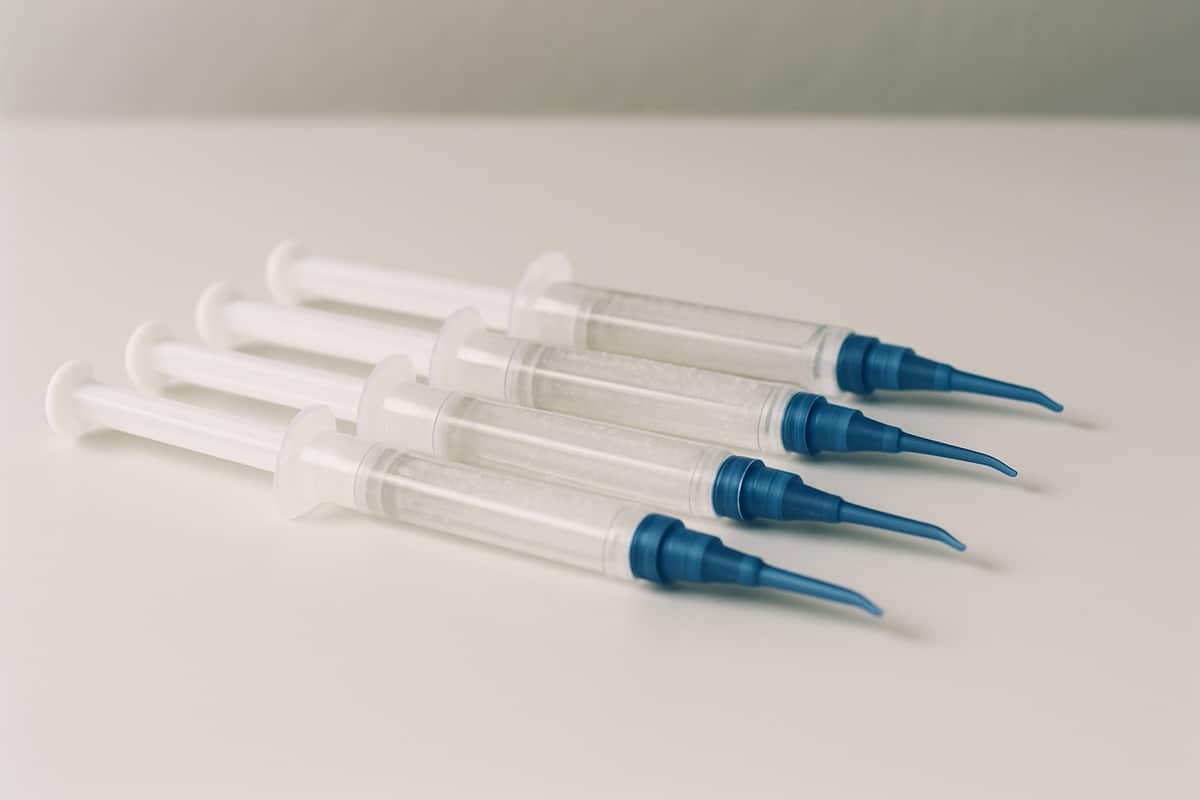
Do not start by using products more often than directed. Overuse can irritate teeth and gums. Use a soft toothbrush, avoid aggressive brushing, and tell your dentist if you clench or grind. If whitening is approved, follow the exact schedule and stop if discomfort becomes significant.
Some patients are advised to use desensitizing toothpaste before and during whitening. Others may need shorter sessions or lower concentration gel. If sensitivity persists after whitening, call the dental office. Do not assume prolonged pain is normal.
Stains Whitening Can and Cannot Fix
Whitening works best on many external stains from coffee, tea, wine, tobacco, or age-related darkening. It may not fully correct internal discolouration, grey tones, old dental work, exposed root surfaces, or staining caused by certain medications or trauma. In those cases, other cosmetic options may be discussed.
A dentist can help distinguish between staining and structural concerns. Sometimes a tooth that looks darker than the rest needs an X-ray or vitality test before cosmetic treatment. This is especially true if the tooth had trauma or previous pain.
Planning Whitening Around Your Smile
Whitening should fit into a complete oral health plan. If you need fillings, crowns, veneers, or bonding on visible teeth, your dentist may recommend whitening first so new restorations can be matched to the final shade. If gum disease or decay is active, those issues should be treated first.
If you are considering teeth whitening for sensitive teeth in Pickering, call Pickering Square Dental at (905) 420-1777 or visit our aesthetics and whitening page. We can assess the cause of sensitivity and discuss options that fit your smile safely.
Gentle Whitening Approaches for Sensitive Smiles
For patients prone to sensitivity, the goal is to brighten gradually rather than chase the fastest possible result. A professional plan can be adjusted in several ways to keep discomfort low. Custom-fitted trays keep the gel on the teeth and off the gums, which reduces irritation compared with one-size strips. The strength of the gel and the length of each session can be dialled down, and we can space treatments further apart so the teeth have time to settle between applications. A slower approach often reaches a similar result with far less discomfort.
Desensitizing strategies make a real difference too. Using a desensitizing toothpaste in the weeks before and during whitening, applying fluoride products, and choosing a soft toothbrush all help calm the teeth. If a flare of sensitivity does occur, pausing for a day or two is usually enough to let it pass. The key is not to push through significant pain or use products more often than directed, since overuse is one of the most common causes of unnecessary sensitivity. We tailor the pace to how your teeth respond rather than to a fixed schedule.
Caring for Your Smile After Whitening
Once you have achieved a brighter shade, a little aftercare protects the result and keeps sensitivity from returning. In the first day or two after whitening, teeth can be more receptive to staining, so it is sensible to go easy on deeply coloured foods and drinks such as coffee, tea, red wine, and dark sauces, and to avoid very hot or very cold items if your teeth feel reactive. Continuing with a desensitizing toothpaste during this period helps the teeth feel comfortable again.
Over the longer term, the brightness will gradually fade as everyday foods and drinks leave their mark, which is normal. Good daily brushing and flossing, regular cleanings, and moderating staining habits all extend how long the result lasts, and a gentle touch-up down the road can refresh it when needed. If sensitivity lingers well beyond a whitening session, or if one tooth becomes painful rather than generally reactive, that is worth a call rather than something to ignore. As with the rest of this article, this is general guidance; the safest whitening plan for your sensitive teeth should be confirmed after an examination of the underlying cause.
Frequently Asked Questions
Can whitening permanently damage sensitive teeth?
When properly supervised, whitening is generally intended to be safe, but overuse or whitening unhealthy teeth can cause problems. An exam helps reduce risk.
Will crowns or fillings whiten too?
No. Restorations do not whiten like natural enamel. Your dentist can help plan around visible dental work.
Should I stop whitening if my teeth hurt?
Stop and contact your dentist if sensitivity is strong, one tooth hurts sharply, or discomfort does not settle. The cause should be checked.
Before your visit, write down your main symptoms, questions, medications, and any past dental concerns. Clear details help the dental team tailor the appointment, explain options, and recommend the next step with fewer surprises.

About Dr. Marvin Lean, DDS
Dr. Marvin Lean, DDS, is the owner and lead dentist at Pickering Square Dental. With decades of experience in family and laser dentistry, Dr. Lean provides care focused on clear communication and patient comfort. He is a member of the Ontario Dental Association (ODA) and the Canadian Dental Association (CDA). Dr. Lean and his team provide comprehensive dental care including sedation dentistry, dental implants, emergency dental care, and the Canadian Dental Care Plan (CDCP) to patients in Pickering, Ajax, Whitby, Scarborough, Oshawa, and Markham. Dr. Lean spent the last 20 years as the Dentist for the Toronto Maple Leafs.