
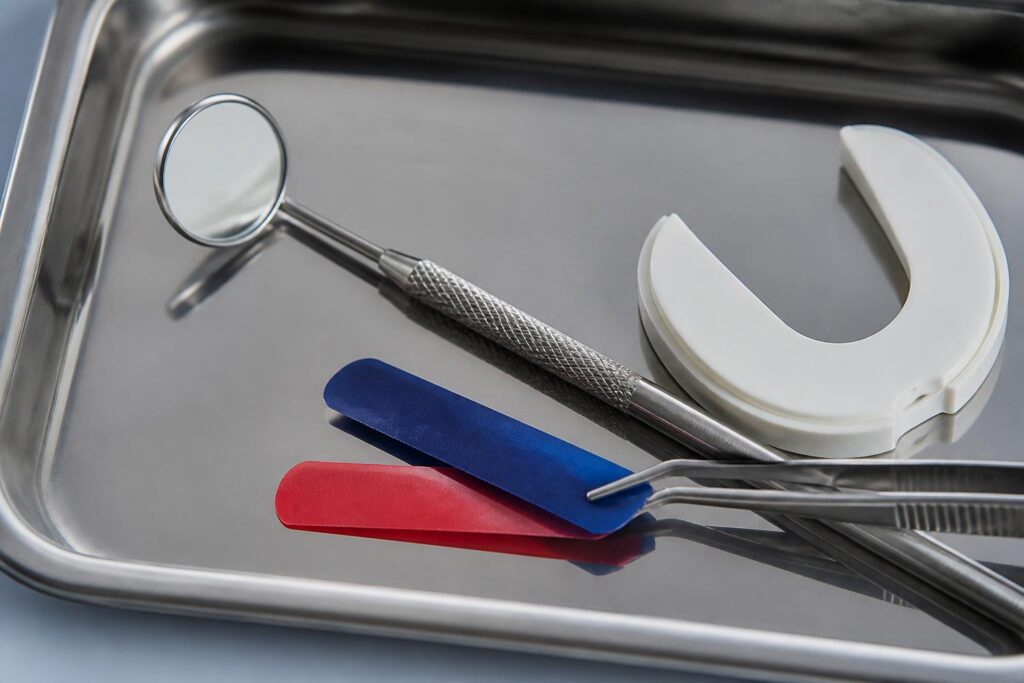
Biting into something and feeling a sudden jolt in one tooth is one of those small signals that is easy to dismiss and easy to regret ignoring. Sometimes it fades after a day of softer meals; other times it becomes a persistent ache that follows you through the workday. Tooth pain when biting is worth paying attention to because it often points to a specific mechanical or structural issue rather than general sensitivity. This guide walks through what the discomfort may be telling you, which details help a dentist narrow down the cause, what to avoid at home, and how to decide whether a same-week call to a Pickering dentist makes sense.
What Tooth Pain When Biting Often Signals
Pain that shows up specifically when you close down on food, and eases when the pressure is released, tends to have a different set of possible causes than a tooth that aches on its own. The chewing motion loads the tooth in a very particular way, and that loading can reveal cracks, loose restorations, inflammation around the root tip, or problems with the ligament that holds the tooth in place.
Common possibilities a dentist may consider include:
- A cracked or fractured tooth. A hairline crack can flex open under bite pressure and close again when you release, producing a quick, sharp pain. This is sometimes called cracked tooth syndrome and can be tricky to detect on a routine exam.
- A loose or failing filling or crown. When the seal between a restoration and the tooth breaks down, chewing forces can push on underlying dentin or bacteria can reach deeper layers.
- Decay reaching the inner tooth. A cavity that has progressed toward the pulp may hurt more with pressure and temperature changes.
- Inflammation at the root tip. Infection or long-standing irritation of the nerve can make the tooth feel raised, tender to tap, and painful to bite on.
- A high spot on a recent filling or crown. If a new restoration sits even slightly proud of your natural bite, that tooth absorbs more force than it should.
- Clenching, grinding, or a bruised ligament. Heavy nighttime grinding or a single hard bite on something unexpected can leave the tooth’s supporting ligament sore for days.
None of these can be self-diagnosed reliably, but noticing the pattern of your pain helps a clinician get to an answer faster.
Details That Help a Dentist Sort It Out
When you call about tooth pain when biting, the more specific you can be, the more useful the conversation. Before your appointment, try to notice a few things over a day or two of normal eating.
Where and when it hurts
Can you point to one tooth, or does it feel like a general area? Upper or lower? Does it hurt only on the initial bite, only on release, or throughout chewing? Pain on release is a classic clue that some clinicians associate with cracks, while pain that lingers after eating may suggest deeper nerve involvement.
What triggers it
Certain foods, such as crusty bread, nuts, apples, or ice, can reveal a problem tooth quickly. Temperature reactions matter too. A tooth that reacts sharply to cold but recovers within a second or two behaves differently from one that throbs for a minute after a sip of iced water.
How it has changed
Has the pain been steady, growing, or coming and going? Did it start after a recent dental appointment, a sports impact, a night of noticeable jaw tension, or biting something hard by accident? A tooth that feels taller than the others, or is tender when you tap it with a fingernail, is a detail worth mentioning.
Other symptoms
Swelling in the gum or cheek, a bad taste, a small bump on the gum near the root, fever, or difficulty opening the jaw are all signals that a same-day call is more appropriate than a wait-and-see approach. General information from the Canadian Dental Association’s oral health resources can help you understand common terms before your visit, though it is not a substitute for an in-person assessment.
What to Try, and What to Avoid, Before Your Visit
While you are waiting to be seen, the goal is to reduce stress on the tooth and avoid making a small problem larger. Nothing at home replaces an examination, but a few sensible steps can help you get through the interim.
Reasonable things to consider:
- Chew on the other side. Giving the sore tooth a break is one of the simplest and most effective things you can do.
- Choose softer foods. Yogurt, eggs, pasta, soft cooked vegetables, and similar options put less strain on a cracked or inflamed tooth than crunchy or chewy items.
- Rinse gently with warm salt water. This can soothe irritated gum tissue around the tooth.
- Keep the area clean. Continue brushing and flossing, even if you need to be gentle around the sensitive tooth. Food packed between teeth can make things worse.
- Note anything that changes. New swelling, new sensitivity, or a change in how the teeth fit together are all details to share when you call.
Things that are wise to avoid:
- Chewing ice, hard candy, popcorn kernels, or bones on the affected side.
- Placing aspirin or other tablets directly against the gum, which can burn the tissue.
- Ignoring the tooth because the pain comes and goes; intermittent pain is still information.
- Attempting to reshape, file, or otherwise adjust a tooth or restoration at home.
If you take any daily medications or have health conditions that affect dental care, keep that information handy for your appointment. A dentist will factor it into any recommendations.
When to Call Sooner Rather Than Later
Not every sore tooth is an urgent situation, but certain patterns generally warrant prompt attention rather than watching for another week. If any of the following apply, it makes sense to contact a dental office to discuss timing:
- Pain that wakes you up at night or lingers long after you stop chewing.
- A tooth that feels visibly loose, has shifted, or feels taller than surrounding teeth.
- Swelling of the gum, face, or jaw, especially with a bad taste or drainage.
- A visible crack, chip, or piece of tooth or restoration that has come away.
- Pain following trauma, such as a fall, a sports injury, or an accidental hit to the mouth.
- Difficulty opening the mouth normally, or pain combined with fever or feeling unwell.
For situations that feel more pressing, our page on urgent dental concerns explains how to describe symptoms when you call so scheduling can be matched to what you are experiencing. If the symptoms are milder and more consistent with routine wear or a small restoration issue, a scheduled visit through our family dental services is often the appropriate route. Either way, the honest answer to “how soon should I be seen” depends on what the dentist hears from you, so calling and describing the pain is the useful first step rather than trying to grade it yourself.
A note on medical situations: if you experience chest pain, jaw pain with shortness of breath, difficulty swallowing or breathing, or rapidly spreading facial swelling, those are considerations for emergency medical services rather than a dental office. Tooth pain that behaves in ordinary ways, even when quite uncomfortable, is generally handled through a dental appointment.
What an Assessment Usually Involves
Understanding what happens at the visit can make the call feel less daunting. A dentist typically starts by listening to your description, because the story of the pain is often the most revealing part. From there, the exam may include several straightforward steps.
You can expect some combination of the following, depending on what the dentist observes:
- Visual and tactile examination. Looking closely at the tooth, gums, and any existing restorations, and checking for movement or roughness.
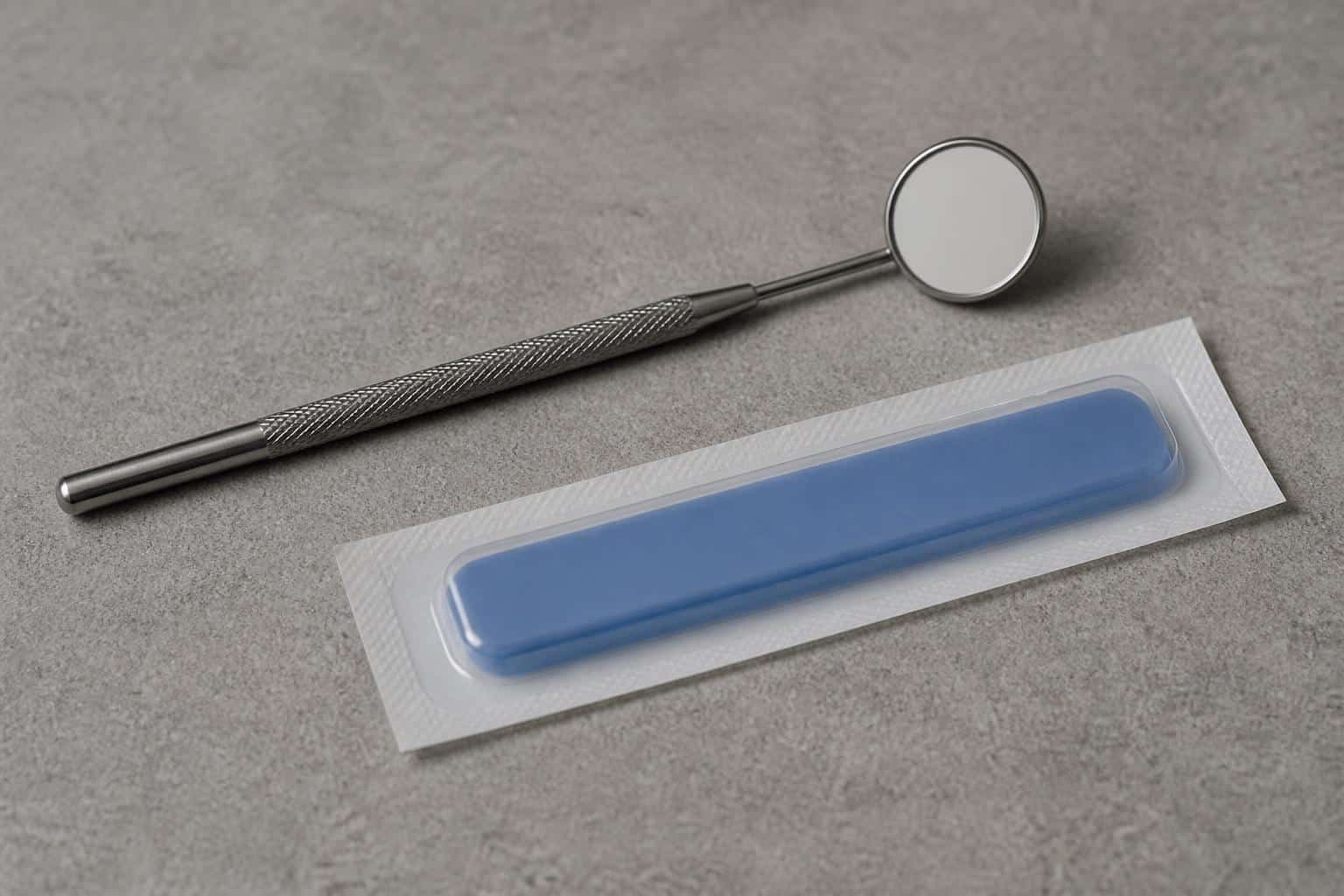
- Bite testing. Biting on a small instrument that isolates one cusp of the tooth at a time can help identify a crack or a specific area of weakness.
- Tapping and temperature checks. Gentle percussion and controlled cold tests give information about the nerve and the ligament around the root.
- Imaging. Targeted X-rays help evaluate the bone around the root, decay under existing fillings, and areas the eye cannot see. Some findings, such as very fine cracks, may not show up on imaging and are inferred from other tests.
- Review of your bite. Checking how the teeth meet and whether any single tooth is taking more load than others.
After the assessment, the dentist will explain what was found and outline the options. Recommendations depend on the specific situation and vary from something as simple as adjusting a high spot on a filling to more involved treatment for a tooth with a deeper issue. Nothing about treatment can be promised in advance of an actual exam, but a clear explanation of the findings is a reasonable expectation from any visit.
Frequently Asked Questions
Can tooth pain when biting go away on its own?
Sometimes the discomfort settles for a while, particularly if it was caused by a bruised ligament from an unexpectedly hard bite or a brief period of clenching. However, pain that keeps returning, or that is linked to a crack, decay, or a failing restoration, generally does not resolve without attention. A quiet phase can be misleading. If the same tooth has bothered you more than once, it is reasonable to have it looked at rather than wait for it to become louder.
Is it safe to keep chewing on the other side for a few days?
Chewing on the opposite side while you arrange an appointment is a sensible short-term step and unlikely to cause harm over a few days. What matters is that this is a bridge, not a long-term plan. Consistently favoring one side for weeks can lead to jaw muscle strain and can also allow the underlying dental problem to progress. Use the pain-free side while you schedule a visit, then follow through on getting the sore tooth assessed.
Could grinding my teeth at night be the cause?
Yes, nighttime grinding and daytime clenching are common contributors to tooth soreness, especially when the pain feels diffuse or affects several teeth. Grinding can also aggravate an existing crack or a worn restoration, which is why the same tooth may become tender under bite pressure. A dentist can look for wear patterns and discuss whether a night guard or other approach fits your situation. General background on bruxism and related topics is available through resources like MouthHealthy’s A to Z topics.
What if the pain only happens once in a while?
Intermittent pain is still meaningful. Cracks in particular can produce brief, unpredictable episodes for weeks or months before becoming constant. If you can identify one tooth that reacts, even occasionally, mention it at your next visit or schedule an earlier appointment to have it evaluated. Catching a problem while it is still intermittent often means simpler treatment than waiting until symptoms are constant.
If tooth pain when biting has been on your mind, the most useful next step is a short conversation with our team. Call Pickering Square Dental at (905) 420-1777 to describe what you are noticing, and we will help you find a suitable time to be seen. You can also reach us through our contact page to discuss scheduling and any questions before your visit.

About Dr. Marvin Lean, DDS
Dr. Marvin Lean, DDS, is the owner and lead dentist at Pickering Square Dental. With decades of experience in family and laser dentistry, Dr. Lean provides care focused on clear communication and patient comfort. He is a member of the Ontario Dental Association (ODA) and the Canadian Dental Association (CDA). Dr. Lean and his team provide comprehensive dental care including sedation dentistry, dental implants, emergency dental care, and the Canadian Dental Care Plan (CDCP) to patients in Pickering, Ajax, Whitby, Scarborough, Oshawa, and Markham. Dr. Lean spent the last 20 years as the Dentist for the Toronto Maple Leafs.