A bright, white smile is often considered a symbol of beauty, health, and confidence. However, daily activities such as drinking coffee, tea, and wine, or using tobacco products can stain our teeth and make them appear yellow or discolored.
Teeth whitening has become increasingly popular as people search for ways to achieve a dazzling white smile. While professional teeth whitening at a dental office can be effective, it can also be expensive and time-consuming. This has led to a surge in demand for at-home teeth whitening products. But with so many options available, how do you know which ones actually work?
In this article, we compare common types of at-home teeth-whitening products and explain what to consider before choosing one.
1. Whitening Toothpaste
Whitening toothpaste mainly helps remove surface stains. It does not change the natural colour inside a tooth in the same way that peroxide-based bleaching products can. Follow the label directions and, where applicable, look for a product with the ADA Seal of Acceptance.
This option may suit someone whose main concern is staining from coffee, tea, wine, or tobacco. It is less likely to change discolouration that comes from within the tooth.
2. Whitening Strips
Most whitening strips use a peroxide-based gel held against the teeth by a thin, flexible strip. Treatment time and frequency vary by product, so follow the exact label directions rather than extending wear time or adding extra applications.
Strips may be convenient, but their fit and the strength of the whitening agent vary. Teeth may feel temporarily sensitive, and the gel can irritate the gums. Pause treatment and ask a dentist for advice if discomfort is significant or does not settle.
3. Whitening Trays and Gels
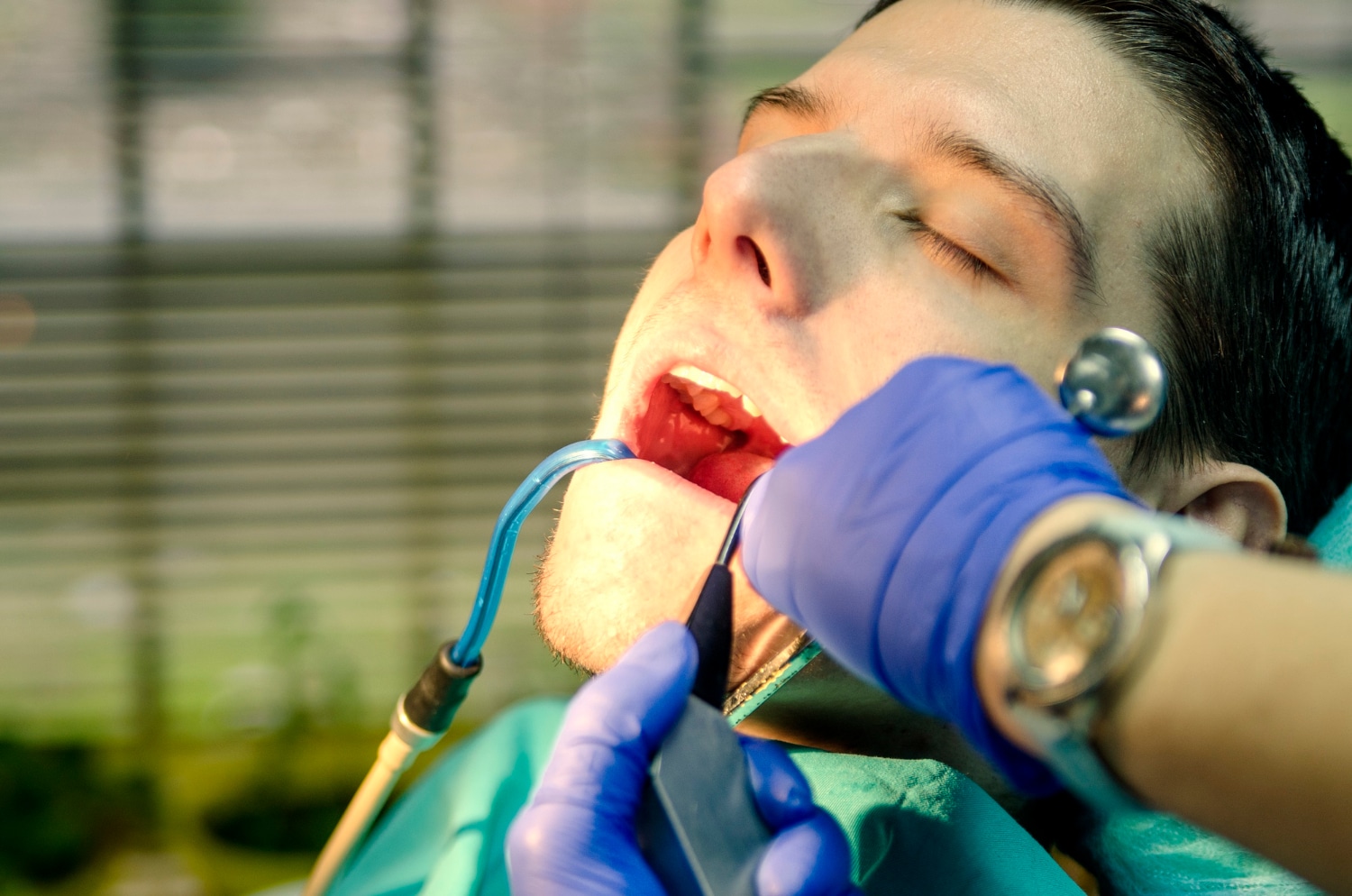
Whitening trays hold a bleaching gel against the teeth. Over-the-counter trays may use a standard fit, while a dentist can provide a custom tray made for your mouth. A closer fit can help limit gel contact with the gums.
Compare the active ingredient, concentration, tray fit, wear instructions, and your history of sensitivity. A dental assessment can help determine whether a tray system is appropriate before treatment begins.
4. LED Whitening Kits
LED whitening kits combine a whitening product with a light device. The presence of a light does not, by itself, show that a consumer kit will whiten better or faster than another option.
When comparing kits, focus on the whitening ingredient, concentration, application time, tray fit, directions, and sensitivity risk. Avoid choosing a kit solely because it includes a light or makes rapid-results claims.
5. Whitening Pens
Whitening pens apply a small amount of gel directly to the teeth with a brush or pen-like applicator. Their limited-contact format may be convenient for touch-ups, but ingredients and directions differ between products.
Check the active ingredient and instructions, and do not apply the gel more often or for longer than directed. Consider whether a pen can cover the stained area evenly and whether you already experience tooth sensitivity.
Which Teeth Whitening Product Is the Best
There is no single at-home whitening product that is best for everyone. The right option depends on whether the discolouration is mainly on the surface or comes from within the tooth, the condition of your teeth and gums, any existing sensitivity, and how well a strip or tray fits. Crowns, fillings, veneers, and other tooth-coloured restorations do not whiten, so they may no longer match nearby natural teeth after treatment.
Schedule a dental assessment before whitening if you have untreated decay, gum irritation or disease, unexplained discolouration, significant sensitivity, or visible restorations in your smile. Use any product only as directed, and stop and contact a dentist if sensitivity or gum irritation is significant or persists.
Conclusion
At-home teeth whitening may brighten some stains, but results and side effects vary. Before treatment, a dentist can check for decay, gum concerns, sensitivity, restorations, and causes of discolouration that may affect whether whitening is appropriate. Remember, a beautiful smile starts with healthy teeth and proper dental care.
If you’re looking for a reliable professional teeth whitening service, look no further than Pickering Square Dental! Our team of experienced professionals is dedicated to providing you and your family with the best preventive dental care possible, ensuring that you can enjoy a lifetime of healthy smiles. Don’t wait any longer to achieve a brighter, whiter smile! Contact us today to schedule an appointment and experience the difference for yourself!
Looking for professional help? Learn more about our teeth whitening services at Pickering Square Dental or call (905) 420-1777 to schedule an appointment.
Helpful Resources
For a clinical overview of whitening options, possible sensitivity, and questions to discuss with a dentist, visit the American Dental Association’s overview of whitening.
Frequently Asked Questions
Should I brush my teeth before using whitening strips?
Check the product directions first because instructions differ. Do not change the preparation steps, wear time, or number of applications on your own. Whitening can temporarily make teeth sensitive or irritate the gums. Stop using the product and contact a dentist if discomfort is significant or persists.
How long does professional teeth whitening last?
How long whitening results last varies with the original cause of staining, diet, tobacco use, oral care, and the treatment used. A dentist can assess new staining and advise whether a touch-up is appropriate. Ask about our Whitening for Life program at Pickering Square Dental.
Is teeth whitening safe for my enamel?
Whitening may be appropriate when your mouth is healthy and the product or professional protocol is used as directed, but temporary tooth sensitivity and gum irritation can occur. A dental assessment can identify decay, restorations, gum concerns, and existing sensitivity before you whiten.
How white will my teeth get?
The result varies with the type and cause of discolouration, the whitening method, and how your teeth respond. Dental restorations such as crowns, fillings, and veneers will not change shade. Dr. Lean can assess your teeth and set realistic expectations during a whitening consultation.

About Dr. Marvin Lean, DDS
Dr. Marvin Lean, DDS, is the owner and lead dentist at Pickering Square Dental. With decades of experience in family and laser dentistry, Dr. Lean provides care focused on clear communication and patient comfort. He is a member of the Ontario Dental Association (ODA) and the Canadian Dental Association (CDA). Dr. Lean and his team provide comprehensive dental care including sedation dentistry, dental implants, emergency dental care, and the Canadian Dental Care Plan (CDCP) to patients in Pickering, Ajax, Whitby, Scarborough, Oshawa, and Markham. Dr. Lean spent the last 20 years as the Dentist for the Toronto Maple Leafs.