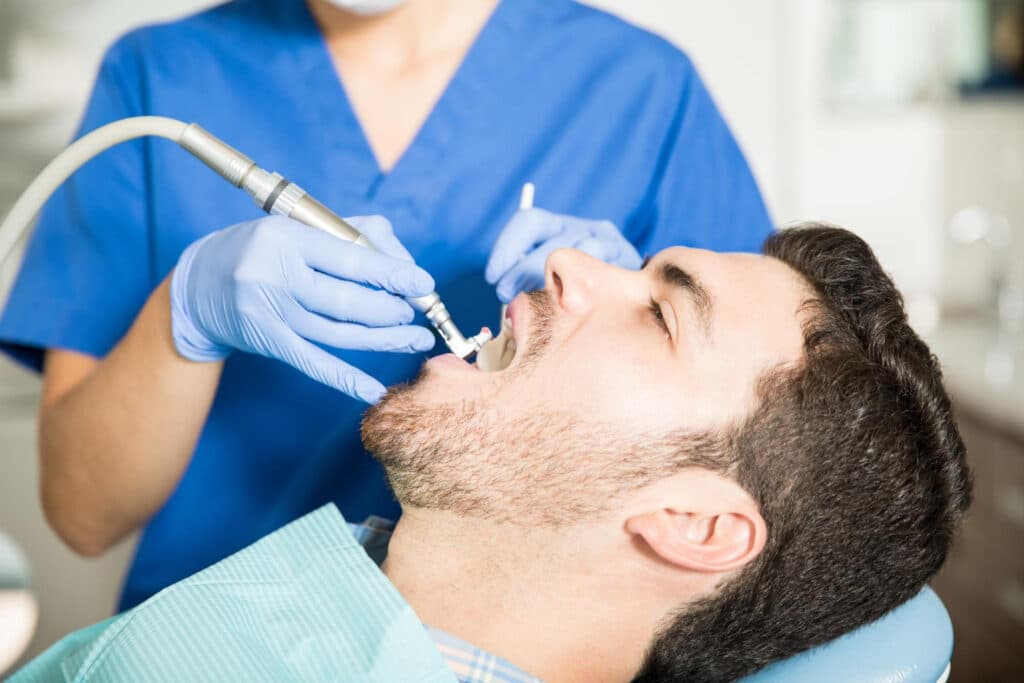
At our dental practice, we are dedicated to ensuring that our patients receive the best possible care in a comfortable and anxiety-free environment. One way we achieve this is through sedation dentistry, a specialized service designed to help patients relax during dental procedures, whether it be a simple cleaning or a more complex treatment. Sedation dentistry makes dental visits more comfortable for those who experience anxiety or fear associated with dental care, or who have specific medical conditions that might require sedation management.
Sedation dentistry encompasses various levels of sedation and sedative methods, allowing for a tailored approach to meet each patient’s unique needs. From minimal to deep sedation levels, we can help ensure that you remain relaxed and at ease regarding your dental care – all without compromising the quality of the treatment provided.
In this comprehensive guide, we will discuss the different levels and types of sedation dentistry, highlighting the advantages it offers for patients with dental anxiety, special needs, or who require more complex procedures. Furthermore, we will outline the safety measures and precautions taken by our experienced dental team to guarantee a secure and comfortable experience. Our aim is to provide you with the knowledge necessary to make an informed decision about incorporating sedation dentistry into your dental care plan.
Understanding the Levels of Sedation Dentistry
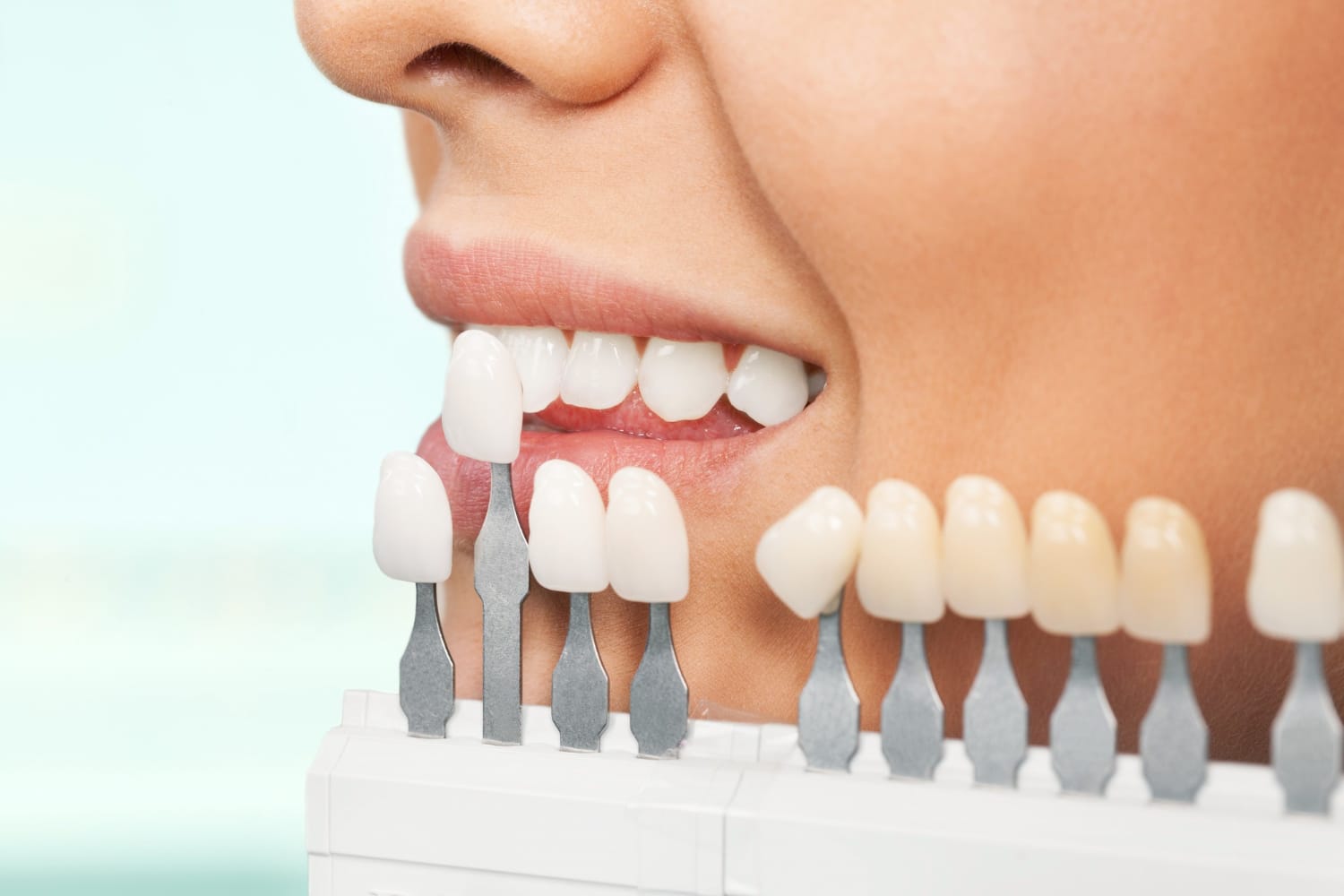
Sedation dentistry offers varying levels of sedation to accommodate different patient needs and dental procedures. The four primary sedation levels include:
1. Minimal Sedation
Also known as anxiolysis, minimal sedation induces a state of relaxation through the use of mild sedatives such as nitrous oxide or oral medication. Patients remain fully awake and can respond to verbal commands but feel less anxious and more at ease during dental treatments.
2. Moderate Sedation
Moderate sedation, formerly known as conscious sedation, leaves the patient feeling drowsy, and they may even experience short-term memory loss. Oral or intravenous (IV) sedation are commonly employed for moderate sedation. Patients remain responsive, but their speech may be slurred, and they may not remember much of the procedure. Learn more about emergency dental care in Pickering.
3. Deep Sedation
During deep sedation, patients are on the edge of consciousness but still partially responsive. They can often be aroused with repeated stimulation. IV sedation or general anesthesia may be used for this level of sedation and is typically reserved for more complex dental procedures or individuals with extreme dental anxiety or special needs.
4. General Anesthesia
General anesthesia is the highest level of sedation, rendering patients completely unconscious and unresponsive. This level of sedation is reserved for complicated oral surgeries or when deemed medically necessary by the dentist.
Types of Sedation Dentistry
Several methods can be used to deliver sedative medications during dental procedures. These include:
1. Nitrous Oxide
Commonly known as “laughing gas,” nitrous oxide is a colorless, odorless gas mixed with oxygen and inhaled through a mask placed over the patient’s nose. It induces a mild to moderate level of relaxation and wears off quickly, allowing the patient to drive home after the appointment.
2. Oral Sedation
Oral sedation involves taking a prescribed sedative pill, such as Valium or Halcion, before the dental appointment. The level of sedation depends on the dosage given, with higher dosages providing more profound relaxation. Patients will need someone to accompany them to and from the dental office, as the effects may last for several hours.
3. Intravenous (IV) Sedation
IV sedation refers to the administration of sedative medication directly into the patient’s bloodstream through a needle inserted into a vein. This method allows for a more rapid onset and precise control of the sedation level. While commonly used for moderate to deep sedation, patients will need an escort to and from the dental office.
Safety Measures and Precautions in Sedation Dentistry
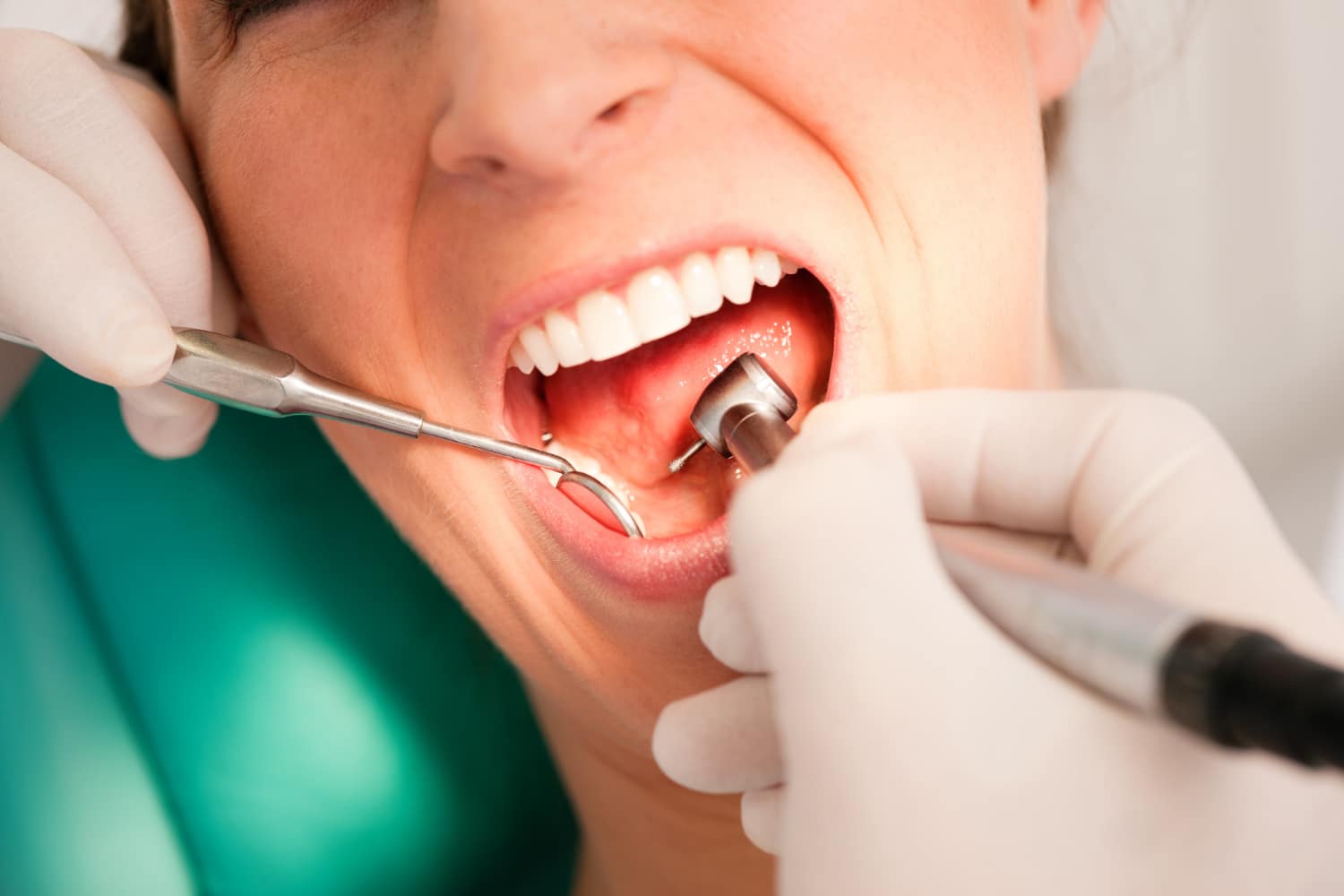
Our dental team is committed to ensuring the safety and well-being of our patients during sedation dentistry. Key safety measures and precautions include:
1. Pre-Procedure Assessment
A thorough pre-treatment assessment, including a review of the patient’s medical history and current medications, helps determine the appropriate type and level of sedation required.
2. Monitoring Equipment
During the procedure, the patient’s vitals, such as blood pressure, heart rate, and oxygen levels, are closely monitored using state-of-the-art equipment to ensure patient safety and comfort.
3. Trained and Experienced Staff
Our dental professionals have undergone specialized training in sedation dentistry techniques, including the management of potential complications. This expertise ensures that your dental care is in capable and experienced hands.
4. Post-Procedure Care and Instructions
After your sedation dentistry appointment, our team will provide you with detailed post-operative care instructions and answer any questions you may have. It’s essential to follow these instructions carefully to ensure a smooth recovery and optimal treatment outcome.
Conclusion
Sedation dentistry provides patients with a comfortable and anxiety-free alternative for undergoing dental procedures. By understanding the levels and types of sedation available, as well as the safety measures and precautions in place, you can confidently choose the most appropriate sedation option for your needs.
Let our compassionate dental team at Pickering Dental Services guide you through your sedation dentistry journey, providing exceptional care and support every step of the way. Schedule a consultation today and experience the difference that sedation dentistry in Ajax can make in your overall dental care experience.
Helpful Resources
For more information, visit the CDA Guide to Sedation Dentistry.
Schedule Your Appointment Today
Contact Pickering Square Dental to book your appointment with Dr. Marvin Lean. Call us at (905) 420-1777 or visit us at 1450 Kingston Rd, Unit #4, Pickering, ON.
Frequently Asked Questions
Is sedation dentistry safe?
Yes, sedation dentistry is very safe when administered by a trained dental professional. Dr. Lean at Pickering Square Dental monitors your vital signs throughout the procedure to ensure your comfort and safety.
Will I be unconscious during sedation dentistry?
It depends on the level of sedation. Mild sedation keeps you relaxed but awake. Moderate sedation may make you drowsy, though you can still respond. Deep sedation is used for complex procedures. Dr. Lean will recommend the right level for your needs.
How long does sedation last?
Nitrous oxide (laughing gas) wears off within minutes. Oral sedation may take a few hours to fully wear off, so you will need someone to drive you home. Our Pickering team will give you specific aftercare instructions.

About Dr. Marvin Lean, DDS
Dr. Marvin Lean, DDS, is the owner and lead dentist at Pickering Square Dental. With decades of experience in family and laser dentistry, Dr. Lean provides care focused on clear communication and patient comfort. He is a member of the Ontario Dental Association (ODA) and the Canadian Dental Association (CDA). Dr. Lean and his team provide comprehensive dental care including sedation dentistry, dental implants, emergency dental care, and the Canadian Dental Care Plan (CDCP) to patients in Pickering, Ajax, Whitby, Scarborough, Oshawa, and Markham. Dr. Lean spent the last 20 years as the Dentist for the Toronto Maple Leafs.