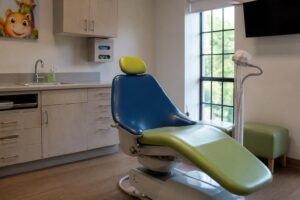
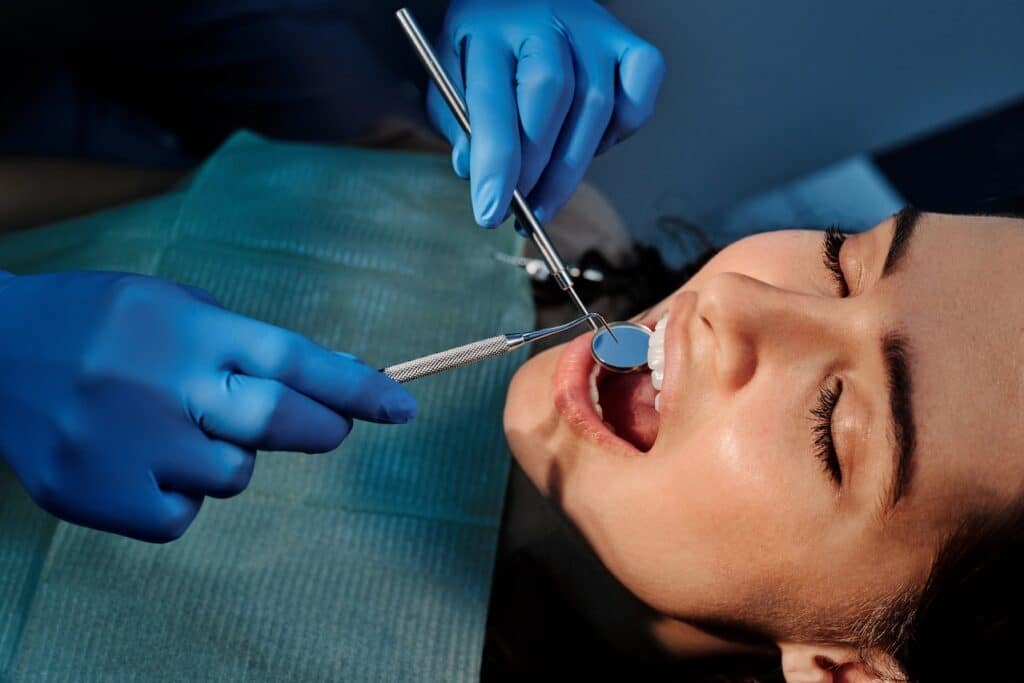
Dental anxiety is a common issue that prevents many individuals from seeking the dental care they need. Feelings of apprehension or fear can be triggered by various elements, including past negative experiences, the sound of dental equipment, or even the idea of someone examining their mouth.
Sedation dentistry serves as an effective means of alleviating dental anxiety and ensuring a stress-free, comfortable dental visit. It involves administering sedative drugs to help patients relax during dental procedures. With sedation dentistry, even the most apprehensive individuals can maintain their oral health without the fear that often accompanies dental appointments.
At Pickering Square Dental, we understand the impact of dental anxiety on your well-being, and we strive to offer solutions to make your dental experience more comfortable.
This blog post aims to provide comprehensive information about sedation dentistry, including the different types of sedation, their benefits, and how this advanced dental care approach can help create a more comfortable dental experience. Continue reading to learn more about sedation dentistry and how our team of professionals at Pickering Square Dental can help you undergo dental procedures comfortably and confidently.
What Is Sedation Dentistry?

Sedation dentistry employs sedative medications to help patients feel calm and relaxed during dental procedures. It is particularly beneficial for individuals who experience dental anxiety or phobia, which may lead to the avoidance of essential dental care.
Sedation dentistry techniques can be tailored to each patient’s unique needs and specific dental procedures, making it a versatile and effective solution for overcoming dental anxiety.
Types of Dental Sedation
There are several types of dental sedation available, each suited for different levels of anxiety and dental procedures. Understanding the options will enable you to make informed decisions about which sedation method is the best fit for your needs. The most common types of dental sedation include:
1. Nitrous Oxide: Commonly known as laughing gas, nitrous oxide is a mild sedative that is inhaled through a mask placed over your nose. The effect of nitrous oxide is quick, and it can be easily modified during the procedure to maintain the desired level of relaxation. The effects wear off quickly after removing the mask, allowing patients to resume their day with minimal downtime.
2. Oral Sedation: Oral sedation involves taking a prescribed sedative pill before the dental appointment. The medication helps patients feel relaxed and drowsy, but they remain conscious and able to respond to the dentist’s instructions. The level of sedation can range from minimal to moderate, depending on the dosage.
3. Intravenous (IV) Sedation: IV sedation entails administering a sedative drug directly into the bloodstream via an intravenous line. This method allows for a deeper level of sedation and gives the dentist the ability to precisely control the sedation level throughout the procedure. Patients may feel groggy or have no memory of the treatment while under IV sedation. Learn more about contact our Pickering dental office.
Benefits of Sedation Dentistry
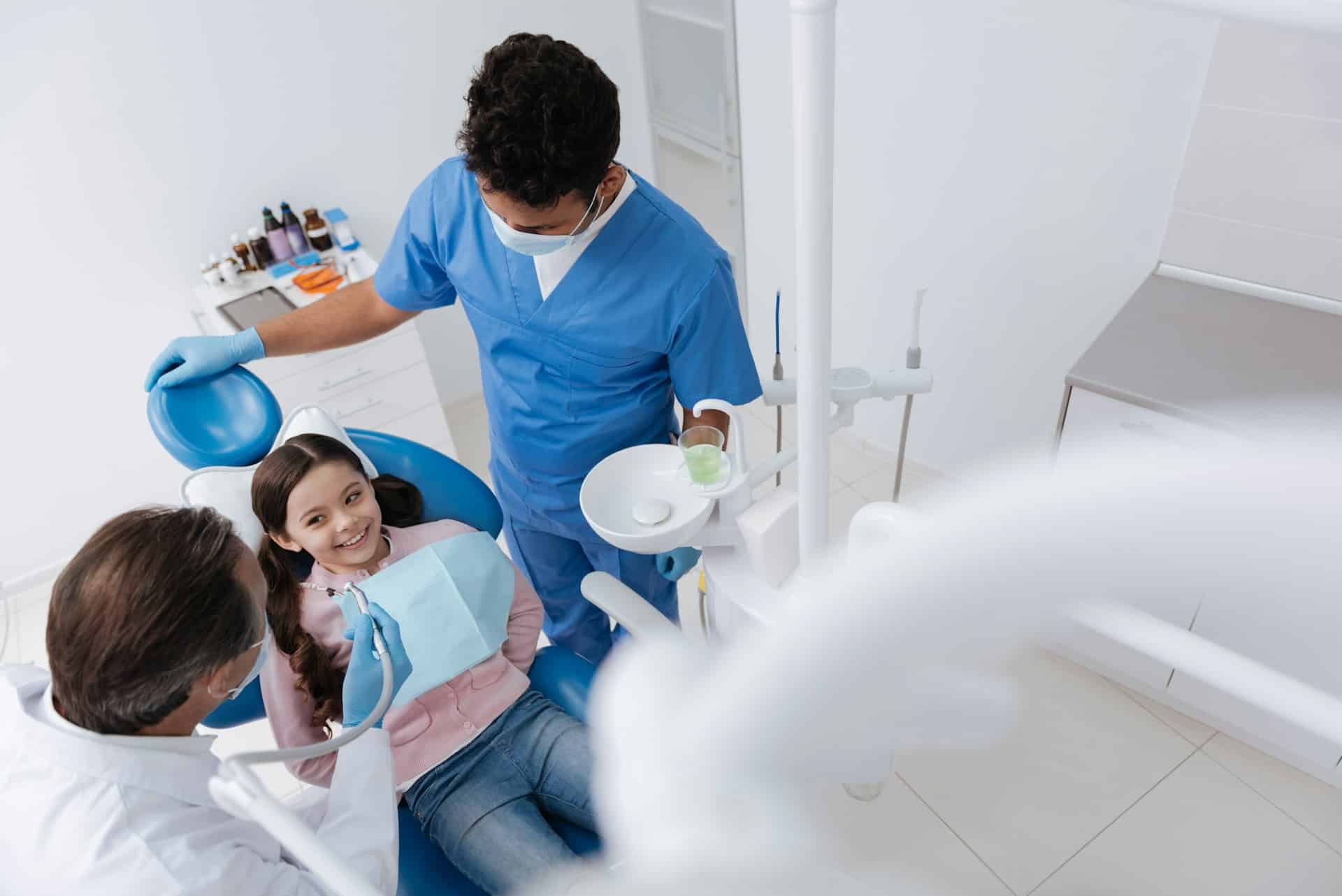
Sedation dentistry comes with a host of advantages for patients who experience dental anxiety or phobia, as well as for those who require complex dental procedures. The benefits of sedation dentistry include:
1. Reduced Anxiety: By helping patients feel relaxed and comfortable, sedation dentistry effectively alleviates dental anxiety and stress.
2. Increased Comfort: Sedation can help minimize discomfort during dental treatments, particularly for patients who have difficulty sitting still or have sensitive teeth and gums.
3. Efficiency: Patients who are relaxed and comfortable enable dentists to work more efficiently. This can lead to shorter appointment times and fewer appointments needed for complex treatments.
4. Amnesia Effect: Some sedation methods, such as IV sedation, may produce an amnesic effect, resulting in no memory of the dental procedure. This can be helpful for patients with a strong aversion to dental treatments.
5. Better Dental Health: Sedation dentistry allows anxious patients to receive necessary dental care without fear, helping improve overall oral health and prevent more severe dental issues in the future.
Candidates for Sedation Dentistry
Sedation dentistry is suitable for various individuals and purposes. You might be a candidate for sedation dentistry if you:
1. Experience dental anxiety or phobia
2. Have had negative past experiences with dental procedures
3. Require complex or lengthy dental treatments
4. Have a sensitive gag reflex or difficulty with numbing agents
5. Have a physical or mental condition that makes dental treatments challenging
Before administering sedation, your dentist will review your medical history and discuss any potential risk factors to ensure your safety and determine the most appropriate sedation method for your situation.
What to Expect during Your Sedation Dentistry Appointment
To provide a clear understanding of the sedation dentistry process, here’s a general idea of what to expect during your appointment:
1. Pre-Appointment Preparation: Your dentist will offer detailed instructions on how to prepare for your sedation dentistry appointment. These instructions may include fasting guidelines, medication adjustments, or arranging for a responsible adult to accompany you.
2. Sedation Administration: Depending on the chosen sedation method, medication may be provided before or during your appointment.
3. Monitoring: Your dentist and dental team will continuously monitor your vital signs, such as blood pressure, heart rate, and oxygen levels, to ensure your safety throughout the procedure.
4. Post-Treatment Care: After the dental procedure is complete, you’ll remain in the dental office for a period to ensure the sedation’s effects have sufficiently subsided. You may need a responsible adult to drive you home and monitor your recovery, depending on the sedation type used.
Final Thoughts
Sedation dentistry is an effective and safe option for patients seeking a comfortable dental experience, particularly those who are anxious about dental treatments. You can make empowered decisions regarding your dental care by understanding the different types of sedation dentistry, their benefits, and what to expect during a sedation dentistry appointment.
At Pickering Square Dental, we are dedicated to offering our patients a compassionate and comfortable dental experience. Schedule a consultation with our experienced team today to discuss how Pickering sedation dentistry can help alleviate your dental anxiety and ensure a positive dental experience for your oral health needs.
Helpful Resources
For more information, visit the Canadian Dental Association Oral Health.
Schedule Your Appointment Today
Contact Pickering Square Dental to book your appointment with Dr. Marvin Lean. Call us at (905) 420-1777 or visit us at 1450 Kingston Rd, Unit #4, Pickering, ON.
Frequently Asked Questions
How often should I visit the dentist?
The Canadian Dental Association recommends visiting your dentist at least twice a year for regular check-ups and cleanings. Some patients may need more frequent visits depending on their oral health needs. Call Pickering Square Dental at (905) 420-1777 to schedule your next appointment.
Do you accept the Canadian Dental Care Plan (CDCP)?
Yes, Pickering Square Dental participates in the Canadian Dental Care Plan. Our team can help you understand your coverage and ensure you receive the dental care you need. Contact us for more details about CDCP eligibility and benefits.
What services does Pickering Square Dental offer?
We offer a full range of dental services including family dentistry, emergency dental care, sedation dentistry, dental implants, laser dentistry, teeth whitening, root canal therapy, dental extractions, periodontal care, and cosmetic dentistry. Dr. Lean and our team serve patients in Pickering, Ajax, Whitby, and Scarborough.

About Dr. Marvin Lean, DDS
Dr. Marvin Lean, DDS, is the owner and lead dentist at Pickering Square Dental. With decades of experience in family and laser dentistry, Dr. Lean provides care focused on clear communication and patient comfort. He is a member of the Ontario Dental Association (ODA) and the Canadian Dental Association (CDA). Dr. Lean and his team provide comprehensive dental care including sedation dentistry, dental implants, emergency dental care, and the Canadian Dental Care Plan (CDCP) to patients in Pickering, Ajax, Whitby, Scarborough, Oshawa, and Markham. Dr. Lean spent the last 20 years as the Dentist for the Toronto Maple Leafs.