Choosing the right dental care for your family is a significant decision. With ongoing advancements in dental technology, families in Pickering now have more options than ever before. One of the most discussed innovations is laser dentistry, a technique that promises comfortable treatment and faster healing times.
But how does laser dentistry actually compare to traditional dental methods? Understanding the differences can help you make informed decisions for your family’s oral health. In this article, we’ll explore the practical benefits, considerations, and processes involved so you know what to expect during your next visit to Pickering Square Dental.
Laser Dentistry: A Modern Approach for Family Dental Needs
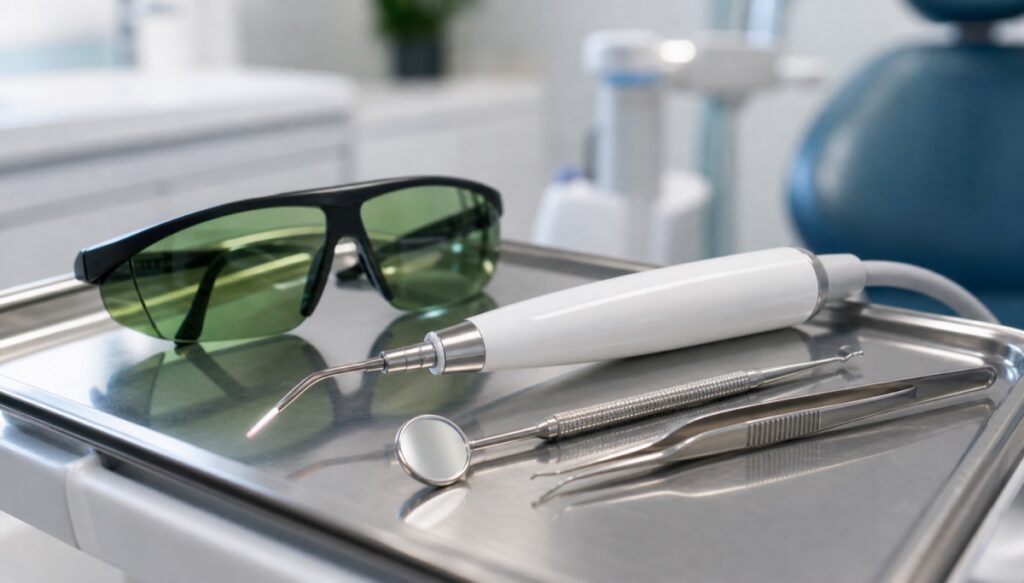
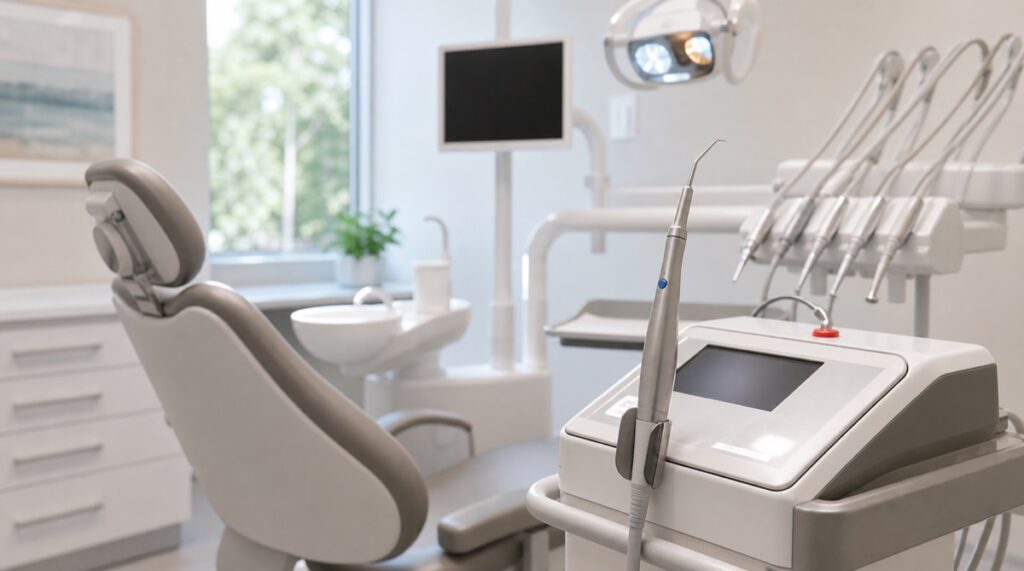
Laser dentistry utilizes focused light energy to perform a range of dental procedures. For families, this technology offers several advantages over conventional tools like drills and scalpels. Lasers can be used for cavity detection, gum treatments, and even minor oral surgeries, making them versatile and minimally invasive.
One of the primary benefits is reduced discomfort during and after procedures. Children and adults who experience dental anxiety often find laser treatments less intimidating. The precision of lasers also means there is less damage to surrounding tissues, leading to quicker healing and less post-treatment soreness.
Parents seeking a gentle, effective option for their children’s dental care should consider the advantages laser technology offers. With fewer appointments needed for certain treatments, it’s a time-saver for busy families as well.
Comparing Laser and Traditional Dentistry: Key Differences
Traditional dental methods typically involve mechanical instruments, which may generate noise, vibration, and occasional discomfort. While these approaches are effective, they can be stressful for some patients, especially young children or those with dental phobia.
Laser dentistry, by contrast, is often quieter and more precise. The technology allows dentists to remove decay or treat soft tissues with minimal bleeding and swelling. Recovery times tend to be shorter, and the risk of infection is reduced, thanks to the sterilizing effects of the laser. For more information on how lasers work in dentistry, visit the American Dental Association’s resource on lasers in dentistry.
It’s also worth noting that not all procedures are suitable for laser technology. Your dentist will assess each case and recommend the best approach for your family’s unique needs.
What to Expect from Laser Dentistry Appointments
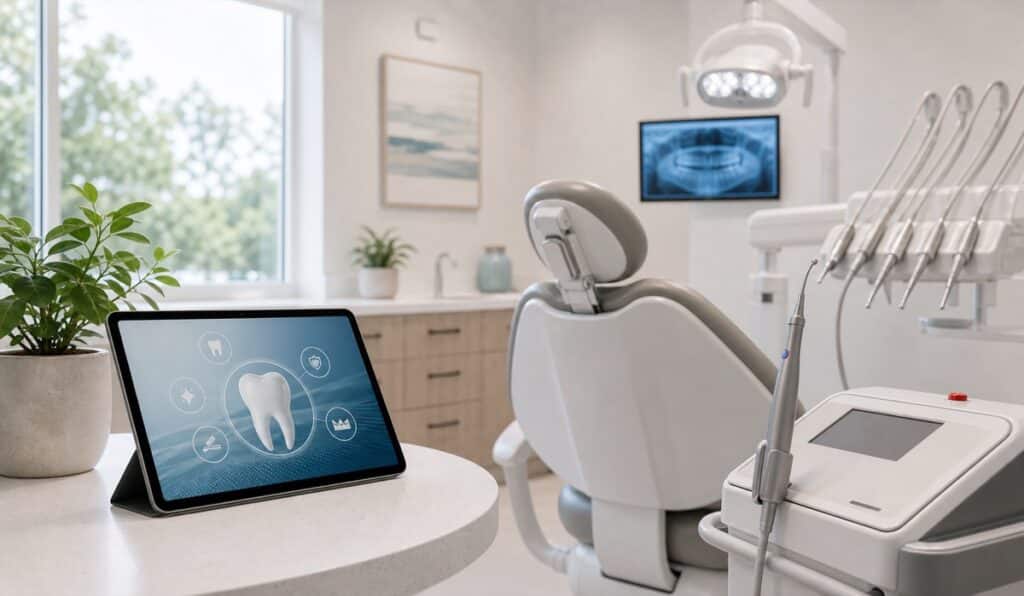
If you’re considering laser dentistry for your family, understanding the appointment process can ease any concerns. After a thorough examination, your dentist will determine whether a laser-based approach is appropriate. Treatments can range from simple cavity fillings to more complex gum therapies.
The laser equipment is designed for safety and comfort. Most patients report little to no pain, and local anesthesia may be required less frequently than with traditional methods. Procedures are often completed faster, minimizing time spent in the dental chair—something busy families will appreciate.
After the procedure, post-treatment care is typically straightforward, with less swelling and discomfort. This can mean fewer disruptions to your child’s school or your own work schedule, making laser dentistry a practical choice for family dental care.
Laser Dentistry Advantages for Family Dental Care
Laser dentistry offers several unique advantages for families seeking quality dental care in Pickering. Firstly, the minimally invasive nature of lasers helps reduce anxiety in children and adults alike. This can lead to more positive dental experiences, encouraging lifelong oral health habits.
Additionally, laser technology supports a wide range of treatments, from preventive care to restorative procedures. Families benefit from fewer appointments, less time off work or school, and a smoother recovery. For an in-depth overview of laser dentistry’s applications, see this review in the National Institutes of Health database.
By choosing a practice like Pickering Square Dental that offers both traditional and laser options, your family can access personalized care tailored to each member’s needs.
Frequently Asked Questions
Is laser dentistry safe for children?
Yes, laser dentistry is considered safe for children when performed by a trained dental professional. The precision and reduced discomfort make it especially suitable for pediatric patients. However, your dentist will always evaluate if laser treatment is the best option for your child’s specific needs.
Does laser dentistry cost more than traditional methods?
Costs can vary depending on the procedure and your dental insurance coverage. While some laser treatments may have a slightly higher upfront cost, many families find the benefits—such as fewer follow-up appointments and quicker recovery—make it a worthwhile investment. Discuss any cost concerns with your provider before proceeding.
Are all dental issues treatable with lasers?
No, not every dental problem can be addressed with laser technology. Your dentist will determine if laser treatment is appropriate based on the type and severity of the condition. In some cases, traditional methods may still be recommended for optimal results.
For families in Pickering looking to embrace modern, gentle dental care, Pickering Square Dental offers both laser and traditional options to suit your needs. To learn more or book an appointment, call (905) 420-1777 or visit our contact page today.

About Dr. Marvin Lean, DDS
Dr. Marvin Lean, DDS, is the owner and lead dentist at Pickering Square Dental. With decades of experience in family and laser dentistry, Dr. Lean provides care focused on clear communication and patient comfort. He is a member of the Ontario Dental Association (ODA) and the Canadian Dental Association (CDA). Dr. Lean and his team provide comprehensive dental care including sedation dentistry, dental implants, emergency dental care, and the Canadian Dental Care Plan (CDCP) to patients in Pickering, Ajax, Whitby, Scarborough, Oshawa, and Markham. Dr. Lean spent the last 20 years as the Dentist for the Toronto Maple Leafs.