

Parents often ask how often children should see a dentist, especially when baby teeth look healthy and there is no pain. Regular checkups are not only for fixing cavities. They help children build comfort with dental visits, allow the dentist to monitor growth and development, and give families practical guidance before small issues become larger problems.
For many children, dental visits every six months are recommended, but the right interval can vary. A child with higher cavity risk, enamel concerns, orthodontic issues, special healthcare needs, or difficulty brushing may need more frequent monitoring. At Pickering Square Dental, family dentistry visits are tailored to the child’s age, habits, and risk level.
When Should the First Visit Happen?
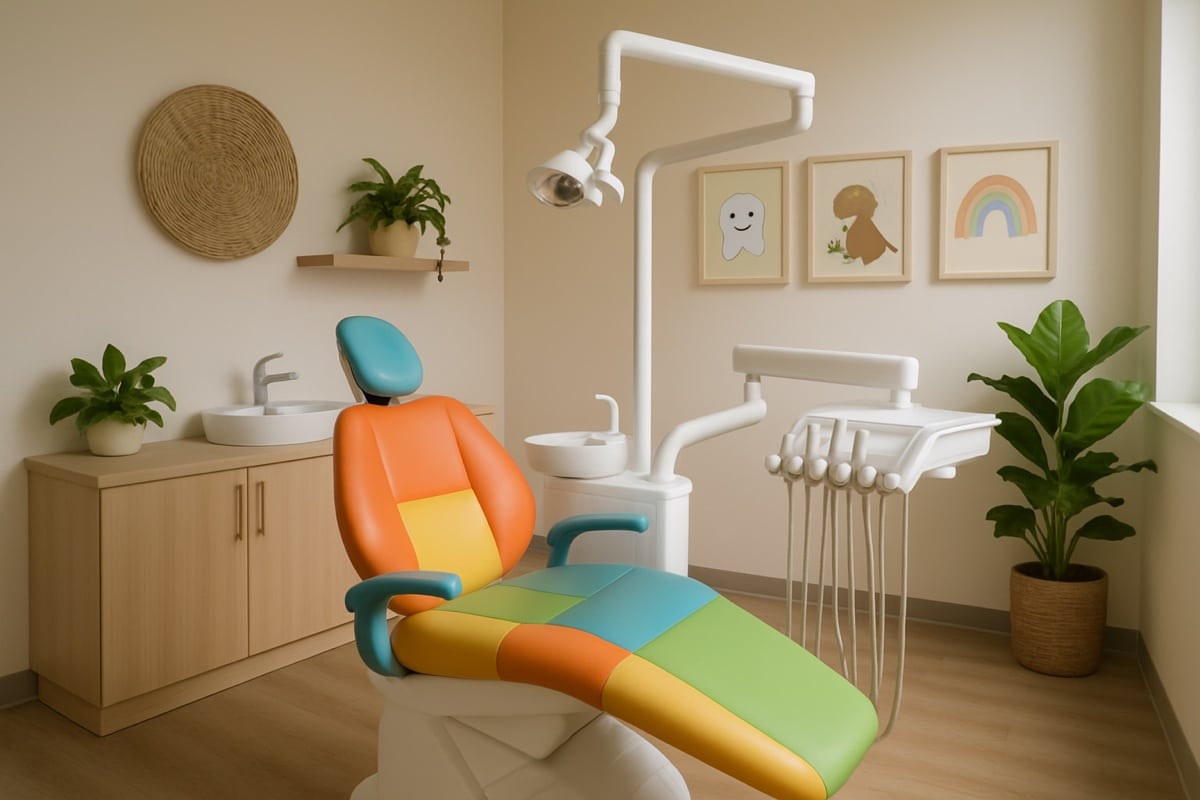
The American Dental Association’s MouthHealthy guidance says a child’s first dental visit should happen after the first tooth appears and no later than the first birthday. Early visits are often short and educational. The dentist checks development, looks for early signs of decay, discusses feeding and brushing habits, and helps the child become familiar with the dental setting.
Some parents wait until school age because they assume baby teeth are temporary. Baby teeth matter. They help children chew, speak, smile, and hold space for adult teeth. Decay in baby teeth can cause pain, infection, missed school, and more complex treatment.
How a Child’s Cleaning Visit Usually Goes
For parents who are not sure what to expect, a routine children’s checkup is usually calmer than they imagine. The hygienist or dentist will count the teeth, gently clean away soft plaque, and check that everything is developing as it should. Depending on age and risk, the visit may include a fluoride application to help strengthen enamel, and for older children, a look at whether the deep grooves of the back teeth might benefit from sealants. X-rays are taken only when there is a reason, such as checking between teeth that touch or monitoring incoming adult teeth, and never as a routine reflex at every visit.
Just as important as the cleaning is the conversation. We talk with parents and children about brushing technique, snacking patterns, and any small concerns before they grow into bigger ones. A child who leaves the chair having had a positive, low-pressure experience is far more likely to feel relaxed at the next visit. We move at the child’s pace and explain things in friendly terms, because building trust early tends to pay off for years.
Why Six-Month Checkups Are Common
Six-month visits allow the dentist and hygienist to monitor changes over time. Children grow quickly, and their dental needs change as teeth erupt, spacing shifts, sports begin, diet changes, and brushing responsibility moves from parent to child. Regular visits also make it easier to identify early decay, gum inflammation, grinding, thumb-sucking effects, or bite development concerns.
Professional cleanings remove plaque and tartar that brushing may miss. Fluoride recommendations, sealants, and home care coaching can be discussed based on risk. The goal is to prevent problems rather than wait for symptoms.
Signs a Child May Need an Earlier Visit
Book sooner if your child has tooth pain, sensitivity, swelling, a broken tooth, white or brown spots, bleeding gums, bad breath that does not improve, jaw pain, or a baby tooth that seems infected. Also call after dental trauma, even if the tooth looks mostly normal. Injuries can affect the tooth root or developing adult tooth.
Changes in eating can also be a clue. A child who avoids chewing on one side, refuses crunchy foods, or complains only at bedtime may be dealing with dental discomfort. Children do not always describe pain clearly, so behaviour changes matter.
How Parents Can Prepare Children

Keep explanations simple and positive. Avoid words that may increase fear. Tell your child the dentist will count their teeth, check their smile, and help keep teeth strong. Bring a list of medical conditions, medications, habits, and questions. For younger children, morning appointments may be easier when they are rested.
Parents should help with brushing until the child has the coordination to do a thorough job. Many children need supervision longer than parents expect. Use a soft toothbrush and an age-appropriate amount of fluoride toothpaste as recommended by your dental team.
What Dentists Monitor as Children Grow
Dental checkups include more than cavity checks. The dentist monitors eruption patterns, spacing, bite development, jaw growth, oral habits, hygiene, gum health, enamel defects, and injury risk. If orthodontic concerns appear, your dentist may recommend monitoring or referral at the right time.
Sports and activities can also change dental needs. A custom mouthguard may be recommended for children in contact sports or activities with fall risk. If your child grinds their teeth, snores, mouth breathes, or has frequent jaw discomfort, mention it during the visit.
Building Confidence Over Time
Positive dental visits in childhood can shape how a person approaches oral health for years. Regular appointments make the dental office familiar rather than frightening. They also give families a place to ask questions about brushing, snacks, loose teeth, dental injuries, and growth changes.
If your child is due for a dental checkup in Pickering, call Pickering Square Dental at (905) 420-1777 or visit our family dentistry page. We welcome families looking for preventive, practical care.
For more on children’s oral health, the Canadian Dental Association offers general guidance on dental care for children, including building good habits early.
Building Habits That Make Checkups Easier
Much of what keeps a child out of trouble between visits comes down to daily habits at home. Brushing twice a day with an age-appropriate amount of fluoride toothpaste, and cleaning between teeth once they begin to touch, removes the plaque that leads to cavities and gum irritation. Younger children genuinely want help with this; the fine motor skills required to brush well usually do not develop until a child can do things like tie their own shoelaces, so supervision and a hands-on assist matter longer than many parents expect.
Diet plays a quiet but powerful role too. Frequent sipping of juice or eating sugary snacks throughout the day keeps the teeth under repeated acid attack, which is harder on enamel than the same treat eaten in one sitting. Water between meals, limiting sticky sweets, and keeping bedtime routines free of sugary drinks all help. These habits do not just prevent cavities; they also make checkups shorter, simpler, and more pleasant, which reinforces a child’s comfort with dental care.
How Cavity Risk Shapes the Right Schedule
Although six months is the familiar default, the most useful way to think about timing is through cavity risk rather than the calendar alone. A child with a history of cavities, deep grooves in their molars, braces that make cleaning harder, enamel that formed imperfectly, or simply inconsistent brushing may benefit from being seen more often. More frequent visits let us apply preventive measures like fluoride sooner and catch early decay while it is still small and easy to manage.
On the other hand, a child with strong habits, no history of decay, and a low-risk diet may do perfectly well on a standard interval. The point is that the schedule should reflect the individual child, and that assessment is something we make together with parents based on what we see over time. The information here is general guidance; the right recall interval for your child should be confirmed at a visit, where we can factor in their specific habits, development, and risk.
Frequently Asked Questions
Do children always need dental visits every six months?
Six months is common, but some children need more frequent visits based on cavity risk, gum health, orthodontic concerns, or special needs.
Are baby teeth really important?
Yes. Baby teeth support chewing, speech, spacing, and comfort. Untreated decay can cause pain and infection.
What if my child is scared of the dentist?
Tell the office before the visit. A gentle introduction, clear explanations, and short appointments can help build confidence.
Before your visit, write down your main symptoms, questions, medications, and any past dental concerns. Clear details help the dental team tailor the appointment, explain options, and recommend the next step with fewer surprises.
If symptoms are changing quickly, book sooner rather than waiting for the next routine visit. Earlier assessment usually gives the dentist more conservative options and helps families avoid urgent decisions later.

About Dr. Marvin Lean, DDS
Dr. Marvin Lean, DDS, is the owner and lead dentist at Pickering Square Dental. With decades of experience in family and laser dentistry, Dr. Lean provides care focused on clear communication and patient comfort. He is a member of the Ontario Dental Association (ODA) and the Canadian Dental Association (CDA). Dr. Lean and his team provide comprehensive dental care including sedation dentistry, dental implants, emergency dental care, and the Canadian Dental Care Plan (CDCP) to patients in Pickering, Ajax, Whitby, Scarborough, Oshawa, and Markham. Dr. Lean spent the last 20 years as the Dentist for the Toronto Maple Leafs.