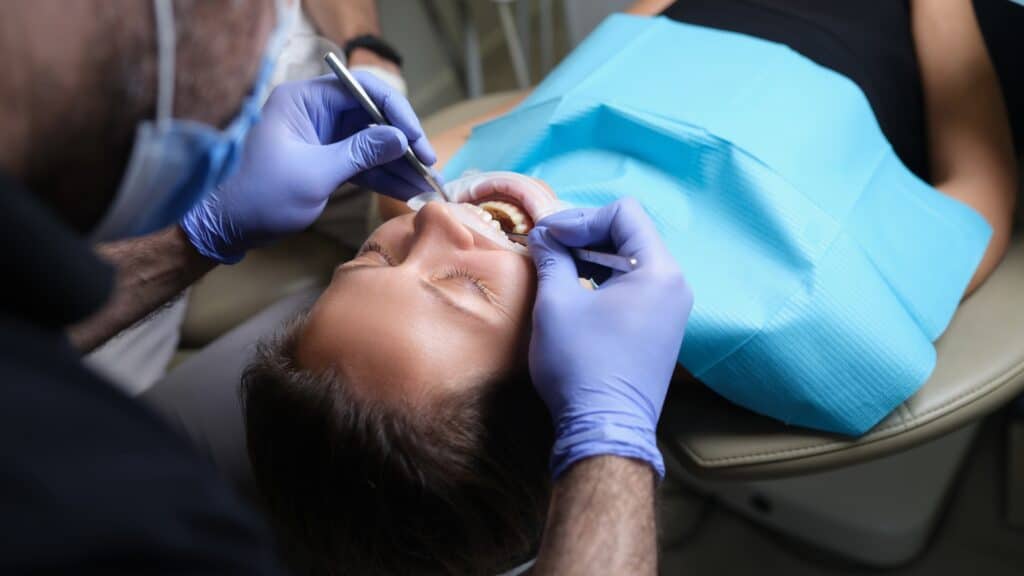
Building Healthy Dental Habits for Kids

child brushing teeth

Instilling positive dental habits in children from a young age is vital for a lifetime of healthy smiles and good oral health. As parents, providing an environment that encourages proper dental care practices and regular visits to a family dentist will set your children on the path to maintaining beautiful, strong teeth and preventing dental issues down the line. At Pickering Square Dental, our caring and experienced team of dental professionals is passionate about providing family-focused dental care, supporting parents as they guide their children on their journey to lifelong oral health.

In this comprehensive blog post, we will discuss practical tips and techniques parents can implement to help establish and maintain healthy dental habits in their children. Topics will include creating a consistent oral hygiene routine at home, teaching proper tooth brushing and flossing techniques, making dental visits a positive experience, introducing a healthy diet that promotes dental well-being, and overcoming common challenges faced along the way. By learning and applying these valuable tips and techniques, you will be well-equipped to guide your children in adopting and preserving dental habits conducive to a lifetime of healthy, confident smiles.

Creating a Consistent Oral Hygiene Routine at Home

sedation dentistry

1. Start Early

Introduce oral hygiene practices as early as possible, even before the eruption of your child’s first tooth, by gently wiping their gums with a soft, moist cloth after feedings. Once teeth emerge, parents can transition to using a soft-bristled baby toothbrush with a smear of fluoride toothpaste.

2. Establish a Routine

Consistency is key in creating a successful at-home oral hygiene routine. Encourage your child to brush their teeth twice a day for two minutes each time, ideally in the morning and before going to bed. In addition, introduce daily flossing as soon as your child has two teeth that touch.

Teaching Proper Tooth Brushing and Flossing Techniques

1. Brushing Techniques

Demonstrate proper brushing techniques for your child, emphasizing placing the toothbrush at a 45-degree angle against the gumline and brushing with gentle, circular motions. Encourage your child to clean all surfaces of the teeth, including the outer, inner, and chewing surfaces. Don’t forget to remind them to brush their tongue as well! Learn more about family dentistry services in Pickering.

2. Flossing Techniques

Instruct your child on how to floss by guiding them through the process. Teach your child to hold a length of floss between their thumbs and index fingers, gently sliding the floss between teeth in a back-and-forth motion and curving the floss around the tooth to clean below the gumline.

Making Dental Visits a Positive Experience

woman smiling

1. Schedule Regular Checkups

Introduce your child to professional dental care by scheduling their first dental appointment by their first birthday or within six months of their first tooth eruption. Establishing a relationship with a family dentist will ensure consistent care and monitoring of your child’s dental health from an early age.

2. Create a Positive Environment

Familiarize your child with the dental office prior to their first appointment, and consider bringing them to your own dental checkups to observe and become comfortable in that setting. Choose a family-oriented dental clinic, such as Pickering Square Dental, with a team that is experienced in caring for children and making their dental experience enjoyable and educational.

Introducing a Diet That Promotes Dental Well-Being

1. Limit Sugary and Acidic Foods and Beverages

Encourage your child to consume a balanced diet that limits sugary and acidic foods and beverages, which can contribute to tooth decay. Offer water rather than soda or sugary drinks, and aim to provide healthy snacks such as fresh fruits, vegetables, and cheese.

2. Promote Foods That Strengthen Tooth Enamel

Incorporate foods rich in calcium, phosphorus, and vitamin D, which aid in the remineralization of tooth enamel, into your child’s diet. Examples include dairy products, leafy greens, nuts, and fish.

Overcoming Common Challenges

1. Resistance to Oral Hygiene Practices

Encourage your child’s participation in their oral hygiene routine by making it enjoyable. Allow them to choose their toothbrush, toothpaste, and floss, or use a sticker chart to track their progress. Parents can also model proper dental habits to provide a positive example for their children.

2. Dealing with Thumb Sucking and Pacifier Use

If your child uses a pacifier or sucks their thumb, work with your dentist to develop a plan for gently weaning them off these habits. Prolonged thumb sucking or pacifier use can lead to dental issues such as misaligned teeth or bite problems. Offer support, encouragement, and rewards for progress.

Conclusion

Fostering positive dental habits in your child is an invaluable investment that will contribute to their lifelong oral health. By establishing a consistent oral hygiene routine, teaching proper techniques, making dental visits enjoyable, and encouraging a tooth-friendly diet, parents can lay the groundwork for happy, healthy smiles. At Pickering Square Dental, our dedicated and nurturing team is committed to supporting the whole family as you embark on your journey toward incredible oral health.

Give your children the gift of a confident and healthy smile by fostering positive dental habits for a lifetime. Schedule an appointment with our skilled dental professionals at Pickering Square Dental today, and let us provide quality dental care tailored to your family’s unique needs.

Helpful Resources

For more information, visit the Canadian Dental Association Oral Health.

Schedule Your Appointment Today

Contact Pickering Square Dental to book your appointment with Dr. Marvin Lean. Call us at (905) 420-1777 or visit us at 1450 Kingston Rd, Unit #4, Pickering, ON.

Frequently Asked Questions

How often should I visit the dentist?

The Canadian Dental Association recommends visiting your dentist at least twice a year for regular check-ups and cleanings. Some patients may need more frequent visits depending on their oral health needs. Call Pickering Square Dental at (905) 420-1777 to schedule your next appointment.

Do you accept the Canadian Dental Care Plan (CDCP)?

Yes, Pickering Square Dental participates in the Canadian Dental Care Plan. Our team can help you understand your coverage and ensure you receive the dental care you need. Contact us for more details about CDCP eligibility and benefits.

What services does Pickering Square Dental offer?

We offer a full range of dental services including family dentistry, emergency dental care, sedation dentistry, dental implants, laser dentistry, teeth whitening, root canal therapy, dental extractions, periodontal care, and cosmetic dentistry. Dr. Lean and our team serve patients in Pickering, Ajax, Whitby, and Scarborough.

Fluoride and Dental Health: The Essential Guide

man and woman brushing teeth

The mineral fluoride is an essential component of an effective dental care routine, playing a crucial role in maintaining the health and strength of our teeth. Fluoride’s primary function is to fortify tooth enamel, making it more resilient to the acids produced by the bacteria in our mouths. As a result, fluoride helps prevent tooth decay and promote overall oral health. By understanding and incorporating fluoride into your daily dental care regimen, you can take a proactive approach to protecting and preserving your radiant smile. At Pickering Square Dental, our experienced dental professionals prioritize the use of fluoride in various treatments and education, ensuring your family receives comprehensive dental care to enhance and maintain their oral health.

In this blog post, we will delve into the significance of fluoride in dental care and its myriad benefits, such as cavity prevention, tooth enamel strengthening, and oral health maintenance. We will also discuss fluoride’s different sources, including water fluoridation, toothpaste, mouthwashes, and professional dental treatments, and offer guidance on the appropriate use of these sources for individuals of varying ages. By gaining insight into the importance of fluoride in dental care, you will be better equipped to optimize your oral health and embrace a confident, beautiful smile for years to come.

Benefits of Fluoride in Dental Care

children's dentistry

1. Cavity Prevention

Fluoride is a mineral that helps prevent the development of tooth decay by strengthening the tooth enamel, which is the protective outer layer of the tooth. Tooth decay occurs when bacteria in the mouth produce acid that eats away at the enamel. Fluoride reinforces the enamel’s ability to resist these acids, keeping your teeth cavity-free.

2. Tooth Enamel Strengthening

In addition to preventing tooth decay, fluoride also assists in the repair of early-stage tooth decay by remineralizing the tooth enamel. This process helps restore essential minerals that may have been lost due to acid attacks, ultimately enhancing the tooth’s strength and resilience.

3. Sensitivity Reduction

The use of fluoride can help reduce tooth sensitivity by reinforcing tooth enamel and reducing exposure to the underlying dentin layer. This added strength protects sensitive areas of the teeth and alleviates discomfort. Learn more about family dentistry services in Pickering.

4. Overall Oral Health Maintenance

Incorporating fluoride into your daily dental care regimen contributes to the maintenance of your overall oral health. By preventing tooth decay, strengthening tooth enamel, and reducing tooth sensitivity, fluoride provides a strong foundation for a healthy, radiant smile.

Sources of Fluoride and Their Appropriate Use

1. Water Fluoridation

Many communities add fluoride to their municipal water supply to help promote dental health among residents. Water fluoridation is a safe and effective method of fluoride delivery, providing benefits to people of all ages, regardless of their access to dental care. When consuming fluoridated water, it is essential to be aware of the recommended fluoride levels to ensure appropriate intake for you and your family.

2. Fluoride Toothpaste

Using a fluoride toothpaste is one of the most accessible and efficient ways to incorporate fluoride into your daily dental care routine. It is crucial to select a toothpaste with the Canadian Dental Association (CDA) Seal of Recognition to guarantee its effectiveness. Children under the age of three should use an age-appropriate toothpaste with a lower fluoride concentration to minimize the risk of swallowing excessive amounts.

3. Fluoride Mouthwashes

Fluoride mouthwashes can be an additional source of fluoride for individuals at a higher risk of developing tooth decay, such as those with braces or dry mouth. However, it is essential to consult your dentist at Pickering Square Dental before incorporating a fluoride mouthwash into your routine to ensure that it is suitable for your specific dental needs.

4. Professional Dental Treatments

Dentists may also provide in-office fluoride treatments, such as gels, foams, or varnishes, which offer a higher concentration of fluoride than at-home products. These treatments are typically recommended for patients at a greater risk of developing tooth decay or those experiencing tooth sensitivity.

Guidelines for Fluoride Use by Age

dentistry maintenance

1. Infants (0-6 months)

Breast milk or properly prepared infant formula provides sufficient fluoride levels for infants in this age group, assuming their primary source of drinking water is fluoridated.

2. Infants (6-12 months) and Toddlers (1-3 years)

The primary source of fluoride intake for infants and toddlers should come from fluoridated drinking water and age-appropriate toothpaste. Ensure children in this age group use toothpaste with a lower fluoride concentration to minimize the risk of swallowing excessive amounts.

3. Children (4-6 years)

At this age, children should have established good oral hygiene habits, including the use of fluoride toothpaste. Supervise your child’s tooth brushing to ensure proper technique and prevent swallowing of toothpaste.

4. Adolescents and Adults

Maintain consistent use of fluoride toothpaste and continue consuming fluoridated water, as this will offer ongoing protection against tooth decay. Consult your dentist for recommendations on additional fluoride sources if required.

Conclusion

Fluoride plays a vital role in protecting and strengthening your teeth, making it an essential component of any effective dental care regimen. By understanding the numerous benefits of fluoride and incorporating it into your daily routine through various sources, you can safeguard your radiant smile and maintain optimal oral health. At Pickering Square Dental, our experienced dental professionals are dedicated to providing comprehensive dental care that includes fluoride treatments and educating patients on their importance.

Experience the difference that fluoride can make in maintaining your oral health. Schedule an appointment with our skilled dental professionals at Pickering Square Dental today, and let us guide you towards a confident, radiant smile.

Helpful Resources

For more information, visit the Canadian Dental Association Oral Health.

Schedule Your Appointment Today

Contact Pickering Square Dental to book your appointment with Dr. Marvin Lean. Call us at (905) 420-1777 or visit us at 1450 Kingston Rd, Unit #4, Pickering, ON.

Frequently Asked Questions

How often should I visit the dentist?

The Canadian Dental Association recommends visiting your dentist at least twice a year for regular check-ups and cleanings. Some patients may need more frequent visits depending on their oral health needs. Call Pickering Square Dental at (905) 420-1777 to schedule your next appointment.

Do you accept the Canadian Dental Care Plan (CDCP)?

Yes, Pickering Square Dental participates in the Canadian Dental Care Plan. Our team can help you understand your coverage and ensure you receive the dental care you need. Contact us for more details about CDCP eligibility and benefits.

What services does Pickering Square Dental offer?

We offer a full range of dental services including family dentistry, emergency dental care, sedation dentistry, dental implants, laser dentistry, teeth whitening, root canal therapy, dental extractions, periodontal care, and cosmetic dentistry. Dr. Lean and our team serve patients in Pickering, Ajax, Whitby, and Scarborough.

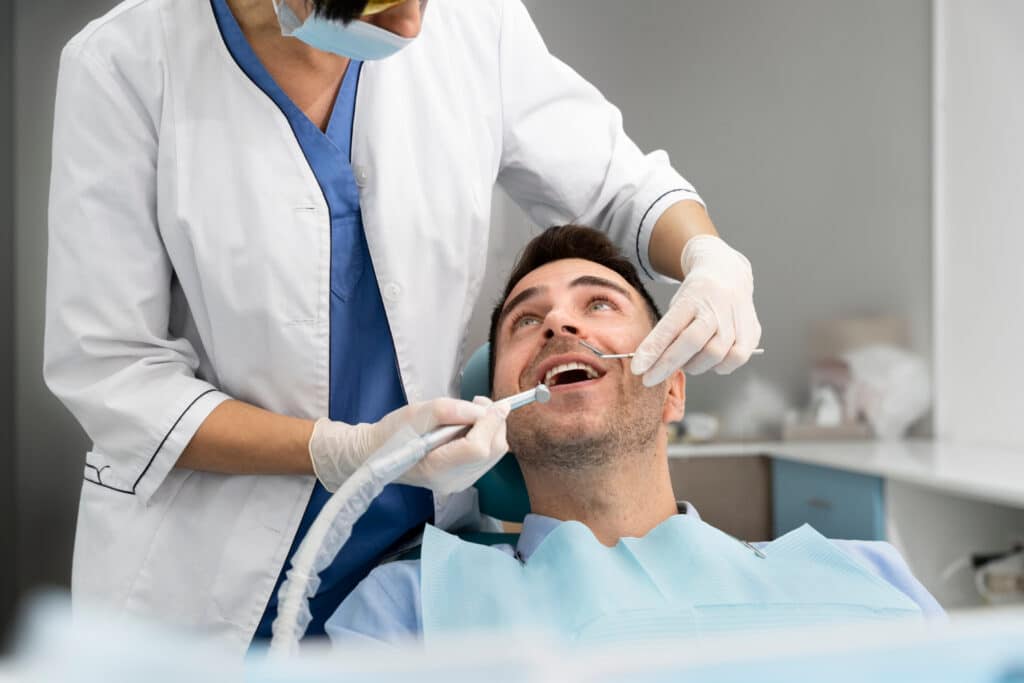
Dental Bridges Explained: Restoring Function and Aesthetics
dental bridges

When restoring a smile after tooth loss, several treatment options are available to address the physical, functional, and aesthetic challenges associated with missing teeth. Dental bridges are a popular, non-invasive, and cost-effective solution that can provide a seamless and natural-looking restoration, allowing patients to regain the confidence to smile and chew comfortably. At Pickering Dental Services, our experienced team of dental professionals understands the importance of a complete and healthy smile and is committed to providing personalized and comprehensive dental care to patients seeking to restore their oral health with dental bridges.

In this informative blog post, we will dive into the world of dental bridges, discussing what they are, the different types available, and how they can benefit patients experiencing tooth loss. We will explain the process of getting a dental bridge and provide guidance on caring for your dental bridge to ensure its longevity and durability. By understanding this restorative solution more deeply, patients will be better equipped to make informed decisions about their dental care and confidently choose the treatment best suited to their unique needs.

What Are Dental Bridges?

child with dentist

A dental bridge is a prosthetic device designed to replace one or more missing teeth by creating a “bridge” between the remaining natural teeth or dental implants. Dental bridges are typically composed of two crowns on either side of the gap, known as abutment teeth, and a false tooth or teeth, called pontics, in between. The pontics are usually made from durable materials such as porcelain, gold, alloys, or a combination of these materials to ensure a natural appearance and long-lasting functionality.

Types of Dental Bridges

1. Traditional Dental Bridges

Traditional dental bridges are the most common type of bridge and involve the placement of dental crowns on the abutment teeth on either side of the gap, with the pontics suspended in between. This type of bridge is suitable for patients with strong, healthy teeth on either side of the missing tooth or teeth.

2. Cantilever Bridges

Cantilever bridges are similar to traditional bridges but only require a single abutment tooth for support. They are typically used when there is only one healthy tooth adjacent to the gap. However, due to their reliance on a single tooth for support, cantilever bridges may not be recommended for areas of the mouth that experience high biting forces, such as the back molars.

3. Maryland Bridges

Maryland bridges are a more conservative and less invasive alternative to traditional bridges. Instead of dental crowns, this type of bridge is held in place by metal or porcelain wings bonded to the backside of the adjacent teeth. Maryland bridges are an ideal option for patients who wish to preserve their natural tooth structure but may not be suitable for areas with strong biting forces.

4. Implant-Supported Bridges

Implant-supported bridges utilize dental implants for support rather than relying on natural teeth. This type of bridge is ideal for patients with multiple missing teeth in a row or those who lack sufficient healthy teeth to support a traditional or Maryland bridge. Implant-supported bridges offer increased stability, preserve the integrity of the adjacent teeth, and help prevent jawbone deterioration.

The Process of Getting a Dental Bridge

man at the dentist

The dental bridge procedure typically consists of several steps:

1. Preparing the Abutment Teeth: The dentist will prepare the abutment teeth by removing a small amount of tooth structure to accommodate the dental crowns. Impressions or digital scans of the teeth will then be taken to create a customized dental bridge.

2. Temporary Bridge Placement: A temporary bridge will be placed to protect the prepared teeth and maintain the space while the permanent bridge is being fabricated by a dental lab.

3. Permanent Bridge Fitting: Once the custom dental bridge is ready, the dentist will remove the temporary bridge and check the fit and appearance of the permanent bridge. If the fit is accurate and comfortable, the dentist will cement the bridge into place, completing the restoration.

4. Follow-Up Appointments: Regular dental check-ups and cleanings will ensure the bridge remains in good condition and functioning properly.

Caring for Your Dental Bridge

Dental bridges can last many years with proper care. Here are some tips to help maintain the durability and function of your dental bridge:

1. Adopt a Consistent Oral Hygiene Routine: Brush your teeth twice a day with a soft-bristled toothbrush and fluoride toothpaste, floss daily, and use a mouthwash to keep your mouth clean and healthy, prevent gum disease, and minimize potential damage to the dental bridge.

2. Schedule Regular Dental Checkups: Visit your dentist at least twice a year for professional cleanings and examinations to monitor the health of your dental bridge and address any potential issues early on.

3. Maintain a Balanced Diet: Eating a nutritious diet and minimizing sugary and acidic foods can help keep your teeth and gums healthy, ultimately prolonging the life of your dental bridge.

4. Avoid Hard or Sticky Foods: Chewing on hard or sticky foods can damage your dental bridge. Exercise caution when consuming such items, and avoid using your dental bridge to bite down on hard objects like ice or pencils.

Conclusion

Dental bridges serve as an effective and reliable solution for patients looking to restore their smile after tooth loss. With various types of bridges available, it’s essential to consult with your dental professional at Pickering Dental Services to determine the most suitable option for you. By understanding the benefits, process, and care for dental bridges, you can confidently embark on the journey toward a complete and radiant smile.

Ready to explore dental bridge options and restore your complete smile? Our professional and compassionate team at Pickering Dental Services is here to help. Schedule an appointment with us today to discover the best Ontario restorative dentistry solution for your individual dental needs and create a confident, beautiful smile.

Looking for professional help? Learn more about our dental implant services at Pickering Square Dental or call (905) 420-1777 to book an appointment.

Helpful Resources

For more information, visit the Canadian Dental Association Oral Health.

Frequently Asked Questions

How often should I visit the dentist?

The Canadian Dental Association recommends visiting your dentist at least twice a year for regular check-ups and cleanings. Some patients may need more frequent visits depending on their oral health needs. Call Pickering Square Dental at (905) 420-1777 to schedule your next appointment.

Do you accept the Canadian Dental Care Plan (CDCP)?

Yes, Pickering Square Dental participates in the Canadian Dental Care Plan. Our team can help you understand your coverage and ensure you receive the dental care you need. Contact us for more details about CDCP eligibility and benefits.

What services does Pickering Square Dental offer?

We offer a full range of dental services including family dentistry, emergency dental care, sedation dentistry, dental implants, laser dentistry, teeth whitening, root canal therapy, dental extractions, periodontal care, and cosmetic dentistry. Dr. Lean and our team serve patients in Pickering, Ajax, Whitby, and Scarborough.

Unlock Your Smile’s Potential: Dental Veneers Explained

dental veneers

A radiant, confident smile can have a profound impact on your overall appearance, self-esteem, and interpersonal interactions. Dental veneers, crafted from thin layers of porcelain or composite resin, can be the solution to address a multitude of cosmetic dental concerns. Offering long-lasting and natural-looking results, veneers have become increasingly popular among individuals seeking to perfect their smiles. At Pickering Dental Services, our dedicated team of dental professionals understands the transformative power of a healthy, beautiful smile and is committed to helping patients achieve their cosmetic dental goals through personalized dental care.

In this comprehensive blog post, we will explore what dental veneers are, the conditions they can address, and the advantages of choosing veneers as a smile enhancement solution. We will discuss the process of getting dental veneers, along with essential aftercare tips to ensure the durability and longevity of your stunning new smile. By providing an in-depth understanding of dental veneers and their benefits, we aim to equip our patients with the knowledge required to make informed decisions about their dental care.

What Are Dental Veneers?

Fluoride

Dental veneers are thin shells of porcelain or composite resin material that are custom-made to match the colour, shape, and size of your natural teeth. They are bonded to the front surface of the teeth to improve their appearance and help address various cosmetic dental concerns. Veneers are a versatile and minimally invasive solution to enhance the appearance of your smile while maintaining the integrity of your natural tooth structure.

Understanding the Versatility of Dental Veneers

Dental veneers can address a wide range of cosmetic dental issues, making them a popular choice for patients looking to enhance their smile. Some of the most common concerns that veneers can address include:

1. Discoloured Teeth: Over time, teeth may become discoloured due to staining, aging, or excessive fluoride exposure. Veneers can provide a bright and rejuvenated smile by masking the discolouration, enabling patients to achieve a consistent and radiant appearance.

2. Chipped or Broken Teeth: Veneers can help restore the appearance of chipped, cracked, or broken teeth, maintaining a natural and aesthetically pleasing smile.

3. Misaligned or Uneven Teeth: Minor tooth misalignments or unevenness can be addressed with dental veneers, offering a straighter and more balanced smile without the need for orthodontic treatment.

4. Gaps Between Teeth: Veneers can be used to close gaps between teeth, creating a seamless and harmonious smile.

5. Worn-Down Teeth: Teeth worn down from grinding or clenching can benefit from dental veneers, which can restore their natural size and shape.

The Advantages of Dental Veneers

Toothbrush

Dental veneers offer a myriad of benefits to patients seeking to improve their smile, including:

1. Natural Appearance: Veneers are carefully tailored to match the colour, size, and shape of a patient’s natural teeth, providing a seamless and realistic enhancement to the smile.

2. Stain Resistance: Porcelain veneers are resistant to staining from food and beverage consumption, ensuring the longevity of a bright and beautiful smile.

3. Minimally Invasive: Veneers require minimal removal of tooth structure, preserving the integrity of a patient’s natural teeth.

4. Long-Lasting Results: With proper care and maintenance, dental veneers can last for many years, providing a stunning and enduring smile enhancement.

The Dental Veneer Process

The process of getting dental veneers typically involves the following steps:

1. Consultation and Planning: During the initial consultation, the dentist will discuss your cosmetic goals, evaluate your dental health, and determine if you are a suitable candidate for veneers.

2. Tooth Preparation: A small amount of tooth surface will be removed to create enough space for the veneer. This step ensures a natural-looking result and a comfortable fit.

3. Impression Taking: Impressions or digital scans of your teeth will be taken to create a custom veneer that matches the shape and size of your natural teeth.

4. Temporary Veneer Placement: While waiting for the permanent veneers to be fabricated, temporary veneers may be placed to protect the prepared teeth.

5. Permanent Veneer Placement: Once the custom veneers are ready, the dentist will bond them to your teeth, ensuring an accurate fit and a beautiful, lasting result.

Caring for Your Dental Veneers

With proper care, dental veneers can last for many years. Here are some tips for maintaining the health and longevity of your veneers:

1. Regular Professional Check-Ups: Schedule regular dental check-ups and cleanings to maintain your veneers and ensure your oral health remains in top condition.

2. Consistent Oral Hygiene: Brush your teeth twice a day with a soft-bristled toothbrush, floss daily, and utilize antimicrobial mouthwash to keep your mouth healthy.

3. Avoid Excessively Hot or Cold Foods: Excessive temperature changes may cause the bonding material to weaken over time. Consume hot or cold items in moderation to protect your veneers.

4. Use a Nightguard: If you experience teeth grinding or clenching, a nightguard can provide essential protection for your veneers, preventing premature wear and tear.

Conclusion

Dental veneers can be an ideal solution for individuals looking to enhance their smile and boost their confidence. With their versatility, natural appearance, and long-lasting results, veneers are a top choice for smile makeovers. By understanding the dental veneer process and their benefits, patients can make informed decisions about their dental care and achieve the radiant smile they’ve always desired.

Ready to transform your smile with dental veneers? Our team of experienced dental professionals at Pickering Dental Services is here to help you achieve your dream smile. Schedule an appointment with us today for high-quality dental veneers in Ontario!

Looking for professional help? Learn more about our cosmetic dentistry in Pickering at Pickering Square Dental or call (905) 420-1777 to book an appointment.

Helpful Resources

For more information, visit the Canadian Dental Association Oral Health.

Frequently Asked Questions

How often should I visit the dentist?

The Canadian Dental Association recommends visiting your dentist at least twice a year for regular check-ups and cleanings. Some patients may need more frequent visits depending on their oral health needs. Call Pickering Square Dental at (905) 420-1777 to schedule your next appointment.

Do you accept the Canadian Dental Care Plan (CDCP)?

Yes, Pickering Square Dental participates in the Canadian Dental Care Plan. Our team can help you understand your coverage and ensure you receive the dental care you need. Contact us for more details about CDCP eligibility and benefits.

What services does Pickering Square Dental offer?

We offer a full range of dental services including family dentistry, emergency dental care, sedation dentistry, dental implants, laser dentistry, teeth whitening, root canal therapy, dental extractions, periodontal care, and cosmetic dentistry. Dr. Lean and our team serve patients in Pickering, Ajax, Whitby, and Scarborough.

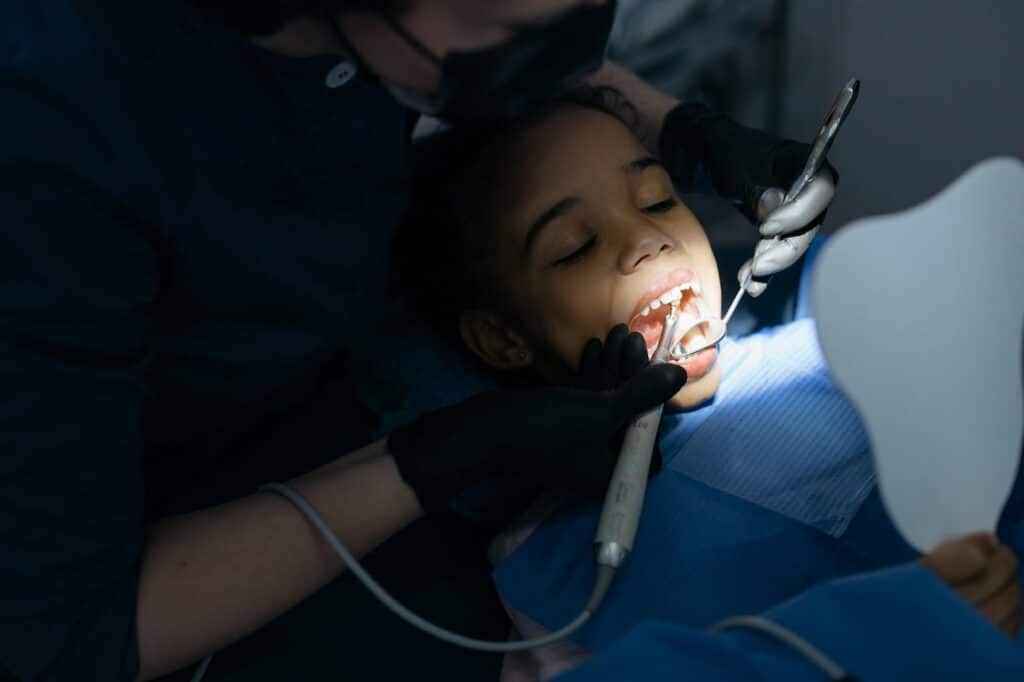
Understanding the Importance of Dental Sealants for Your Child
dental sealant

Promoting the oral health of your children is an essential aspect of ensuring their overall well-being. One of the prevalent concerns among children is the development of tooth decay, commonly caused by accumulated food particles and bacteria that lead to plaque formation. Dental sealants are a proven and effective preventive measure that can significantly reduce the risk of tooth decay in children, safeguarding their smiles and promoting lifelong oral health.

At Pickering Dental Services, our skilled dental professionals are dedicated to providing comprehensive family dental care, including expert pediatric dental services, to ensure impeccable oral health for the entire family.

In this blog post, we will explore the benefits of dental sealants in preventing tooth decay, specifically among children. We will also discuss the process of applying dental sealants, addressing any concerns parents may have about the safety and effectiveness of this preventive measure.

Lastly, we will highlight the importance of regular dental checkups and professional cleanings at Pickering Dental Services in maintaining optimal oral health for your child, in conjunction with at-home oral hygiene practices. Our mission is to provide valuable information and guidance to help you make informed decisions regarding your child’s dental care and to understand the importance of preventive measures, such as dental sealants, in promoting a healthy, radiant smile.

The Development of Tooth Decay in Children

Emergency Dental

Tooth decay, also known as dental caries or cavities, is a common oral health issue among children. It develops when the bacteria present in the mouth metabolize sugars from consumed food and produce acids that weakened tooth enamel, ultimately leading to the breakdown of tooth structure. Learn more about family dentistry services in Pickering.

Consequences of Untreated Tooth Decay in Children

If left untreated, tooth decay can progress, causing pain and sensitivity, and may eventually lead to tooth loss. The impact of dental caries extends beyond oral health, affecting a child’s overall well-being, self-esteem, and ability to focus on learning and socialization.

The Benefits of Dental Sealants in Preventing Tooth Decay

Dental Care

How Do Dental Sealants Work?

Dental sealants are thin, plastic coatings that are applied to the chewing surfaces of the back teeth (molars and premolars) in children. These sealants form a protective barrier, preventing food particles and bacteria from accumulating in the grooves and pits of the teeth, thus significantly reducing the risk of tooth decay.

Ideal Candidates for Dental Sealants

Dental sealants are most effective when applied to newly-erupted permanent molars and premolars in children aged 6-14 and should ideally be applied soon after these teeth have emerged. However, sealants can also provide valuable protection for baby teeth or adult teeth equally if deemed necessary by your dentist.

The Process of Applying Dental Sealants

A Quick and Painless Procedure

The application of dental sealants is a quick, painless, and non-invasive procedure, making it an excellent preventive measure for children. The process involves cleaning and preparing the tooth surface, followed by the application of the sealant material and a specialized light source that hardens the sealant in place.

Duration and Maintenance of Dental Sealants

Dental sealants can last for several years, providing continuous protection against tooth decay. However, they should be regularly checked during your child’s dental appointments at Pickering Dental Services to ensure that they are still intact, and if necessary, replaced or repaired.

Addressing Common Concerns: Safety and Effectiveness

Are Dental Sealants Safe?

Dental sealants have been used for decades and have demonstrated a proven track record of safety and effectiveness in preventing tooth decay. The materials used for dental sealants are biocompatible, and any concerns related to potential exposure to bisphenol A (BPA) can be discussed with your dentist at Pickering Dental Services, who can recommend BPA-free alternatives if desired.

How Effective Are Dental Sealants in Preventing Tooth Decay?

Dental sealants have been shown to be highly effective in preventing tooth decay, particularly on the chewing surfaces of the back teeth. According to the American Dental Association, dental sealants can reduce the risk of tooth decay in these vulnerable areas by up to 80%.

The Importance of Comprehensive Dental Care for Your Child

Regular Dental Checkups and Professional Cleanings

While dental sealants provide valuable protection against tooth decay, their effectiveness should be complemented with regular dental checkups and professional cleanings at Pickering Dental Services. These appointments allow our dental professionals to monitor your child’s oral health, assess the condition of sealants, and provide essential preventive care.

Encouraging Proper At-Home Oral Care Habits

In addition to dental sealants and regular dental visits, maintaining proper at-home oral care habits is fundamental in promoting your child’s oral health. Encouraging children to brush with a fluoride toothpaste twice a day, floss daily, and maintain a balanced diet is crucial in creating a foundation for lifelong oral health.

Conclusion

Dental sealants play a vital role in preventing tooth decay among children, ultimately promoting a healthy, radiant smile and supporting overall well-being. At Pickering Dental Services, our compassionate and skilled dental professionals are committed to providing comprehensive family dental care, including expert pediatric dental services that prioritize your child’s oral health and happiness.

Looking for expert pediatric dental services in Ajax? Look no further than Pickering Dental Services! Our team of caring dental professionals is committed to helping your child achieve a healthy, brilliant smile through the use of dental sealants and other advanced techniques. With our help, your child can build a foundation for lifelong oral health and confidence. So why wait? Schedule an appointment with us today and give your child the gift of a healthy smile that will last a lifetime!

Helpful Resources

For more information, visit the Canadian Dental Association Oral Health.

Schedule Your Appointment Today

Contact Pickering Square Dental to book your appointment with Dr. Marvin Lean. Call us at (905) 420-1777 or visit us at 1450 Kingston Rd, Unit #4, Pickering, ON.

Frequently Asked Questions

How often should I visit the dentist?

The Canadian Dental Association recommends visiting your dentist at least twice a year for regular check-ups and cleanings. Some patients may need more frequent visits depending on their oral health needs. Call Pickering Square Dental at (905) 420-1777 to schedule your next appointment.

Do you accept the Canadian Dental Care Plan (CDCP)?

Yes, Pickering Square Dental participates in the Canadian Dental Care Plan. Our team can help you understand your coverage and ensure you receive the dental care you need. Contact us for more details about CDCP eligibility and benefits.

What services does Pickering Square Dental offer?

We offer a full range of dental services including family dentistry, emergency dental care, sedation dentistry, dental implants, laser dentistry, teeth whitening, root canal therapy, dental extractions, periodontal care, and cosmetic dentistry. Dr. Lean and our team serve patients in Pickering, Ajax, Whitby, and Scarborough.

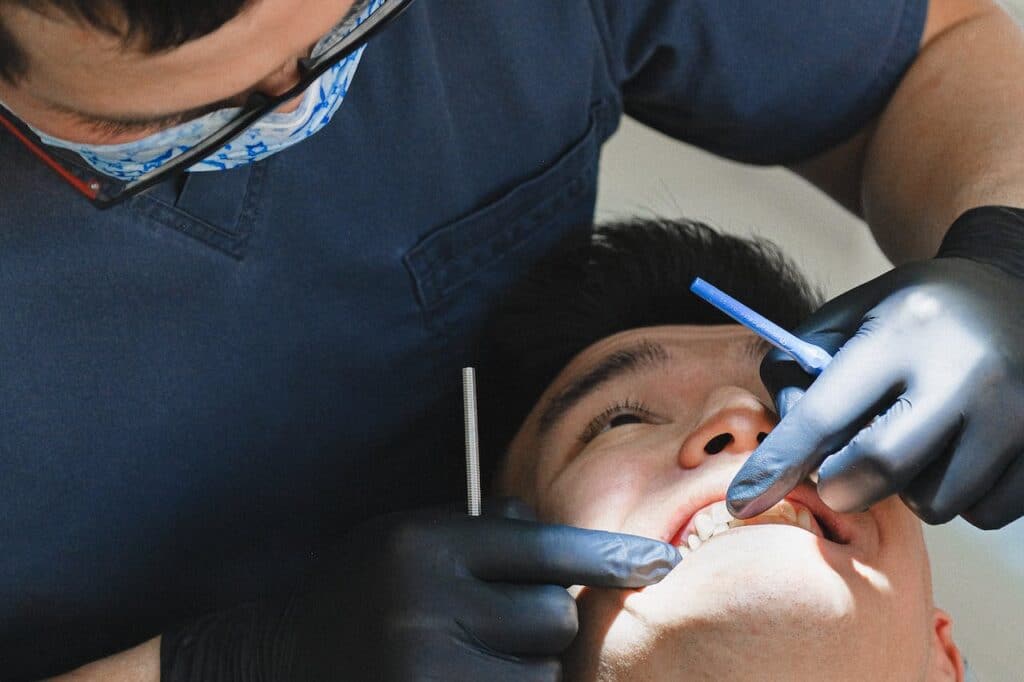
The Importance of Periodontal Care for a Healthy Smile and Overall Well-being
periodontal care

It’s no secret that having a healthy and beautiful smile is a crucial contributor to one’s confidence, appearance, and overall well-being. However, one aspect that often goes overlooked is maintaining proper periodontal (gum) health, which is essential to preserving not only a vibrant smile but also a strong foundation for optimum oral health.

Gum disease, or periodontal disease, can potentially lead to a range of dental and health problems if left untreated, including tooth loss and complications with systemic conditions such as diabetes, heart disease, and respiratory infections.

At Pickering Dental Services , our gentle family dental care team is dedicated to helping you achieve and maintain exceptional oral health through comprehensive periodontal care.

In this blog post, we will discuss the vital role that periodontal care plays in keeping your smile healthy, the consequences of neglecting gum health, and how our knowledgeable dental team at Pickering Dental Services in Pickering, ON, can assist you in preventing gum disease and enhancing your overall well-being.

Our goal is to provide valuable information that emphasizes the importance of periodontal care, empowering you to take control of your oral health and enjoy a confident, radiant smile for years to come.

Understanding the Significance of Periodontal Health

Endodontics

A Strong Foundation for Your Teeth

Healthy gums are vital in providing a solid foundation for your teeth, supporting your oral health, and maintaining a robust, beautiful smile. Periodontal disease affects the gum tissues and the bone structure that supports your teeth, leading to weak or loose teeth and potentially resulting in tooth loss. Learn more about family dentistry services in Pickering.

Early Detection of Oral Health Issues

Regular periodontal evaluations are essential in identifying the early signs of gum disease, allowing for timely treatment and preventing the problem from escalating into more severe dental issues.

The Relationship Between Gum Health and Overall Well-being

Research has established links between the health of your gums and your total bodily health. Poor periodontal health has been associated with systemic conditions such as diabetes, heart disease, and respiratory infections, emphasizing the need for diligent gum care.

Preventing Gum Disease

At-Home Oral Hygiene Practices

Proper at-home oral hygiene practices, including regular brushing, flossing, and using mouthwash, are the foundation of gum disease prevention. Maintaining a diligent oral care routine will help to remove plaque and bacteria that can lead to gum inflammation and periodontal disease.

Routine Dental Check-ups and Professional Cleanings

Schedule regular dental examinations and professional dental cleanings at Pickering Dental Services . This allows our dental professionals to monitor your oral health and identify any early signs of gum disease, ensuring timely treatment to prevent further complications.

A Healthy Diet and Lifestyle

Adopting a healthy and balanced diet that is rich in vitamins and minerals can promote good oral health and prevent gum disease. Also, avoiding tobacco use and limiting alcohol intake can significantly reduce the risk of periodontal disease.

Prompt Treatment When Needed

If you suspect or experience any symptoms of gum disease, such as redness, swelling, bleeding, or bad breath, it is essential to seek prompt dental care to address the issue and prevent it from progressing.

Periodontal Treatment Options

Kids teeth Health

Non-Surgical Treatments

Non-surgical treatments, such as scaling and root planing, are employed to remove plaque and tartar buildup from the tooth surfaces and beneath the gum line. This process helps to smooth the root surfaces, allowing the gums to heal and reattach to the teeth.

Minimally Invasive Procedures

In certain cases, minimally invasive procedures such as laser gum therapy or Arestin® antibiotic treatment may be recommended to treat gum disease. These methods can offer effective results with reduced discomfort and faster healing times.

Surgical Treatments

For more advanced cases of gum disease, surgical treatments like gum grafts, pocket reduction surgery, and guided tissue regeneration may be necessary to repair and rebuild damaged gum and bone tissues.

Ongoing Maintenance and Periodontal Support

Once gum disease has been brought under control, ongoing maintenance and periodontal support are crucial for preserving your oral health. Regular dental check-ups, professional cleanings, and dedicated home care can help to prevent a recurrence of periodontal disease.

Conclusion

Maintaining proper periodontal health is an essential aspect of preserving a healthy, beautiful, and confident smile, as well as ensuring overall well-being. At Pickering Dental Services , our skilled and compassionate dental professionals are dedicated to providing comprehensive periodontal care that meets your unique needs. With a strong commitment to patient education, prevention, and personalized treatment, our gentle family dental care practice is your partner in achieving and maintaining optimal oral health for a lifetime of radiant smiles.

Looking for comprehensive and compassionate periodontal care? Look no further than Pickering Dental Services! Don’t let gum disease dim your smile and impact your overall health. Take control of your periodontal health today by scheduling an appointment with our experienced dental team. Experience the difference that our comprehensive approach to periodontal care can make in your life. Contact us today to learn more about our services and schedule your appointment!

Helpful Resources

For more information, visit the Canadian Dental Association Oral Health.

Schedule Your Appointment Today

Contact Pickering Square Dental to book your appointment with Dr. Marvin Lean. Call us at (905) 420-1777 or visit us at 1450 Kingston Rd, Unit #4, Pickering, ON.

Frequently Asked Questions

How often should I visit the dentist?

The Canadian Dental Association recommends visiting your dentist at least twice a year for regular check-ups and cleanings. Some patients may need more frequent visits depending on their oral health needs. Call Pickering Square Dental at (905) 420-1777 to schedule your next appointment.

Do you accept the Canadian Dental Care Plan (CDCP)?

Yes, Pickering Square Dental participates in the Canadian Dental Care Plan. Our team can help you understand your coverage and ensure you receive the dental care you need. Contact us for more details about CDCP eligibility and benefits.

What services does Pickering Square Dental offer?

We offer a full range of dental services including family dentistry, emergency dental care, sedation dentistry, dental implants, laser dentistry, teeth whitening, root canal therapy, dental extractions, periodontal care, and cosmetic dentistry. Dr. Lean and our team serve patients in Pickering, Ajax, Whitby, and Scarborough.

Sedation Dentistry: Ensuring a Comfortable, Anxiety-Free Dental Experience
dentist

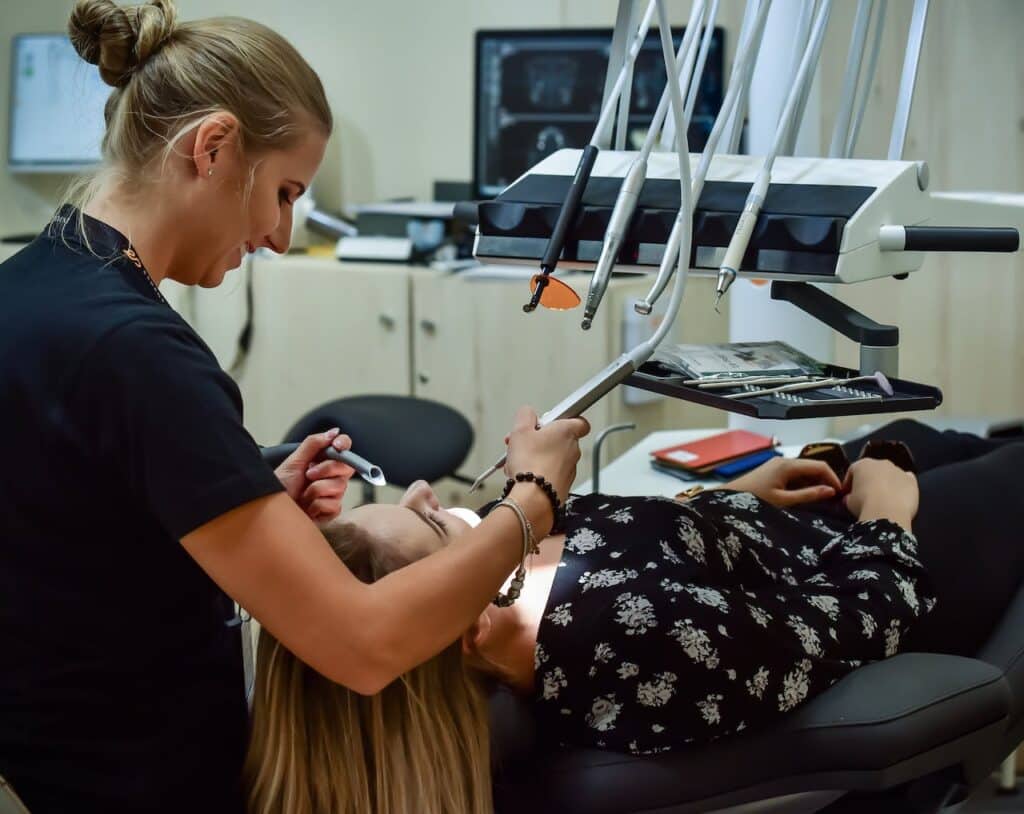
For many people, the thought of visiting the dentist can provoke anxiety or even fear. If dental anxiety is preventing you or a loved one from seeking essential dental care, sedation dentistry may be an effective solution to consider. By offering various levels of sedation, dentists can help patients feel more relaxed and comfortable during dental procedures, ensuring a stress-free and more enjoyable experience. At Pickering Dental Services, our team is dedicated to providing safe and effective sedation dentistry services tailored to meet your unique needs and concerns.

In this blog post, we will explore the world of sedation dentistry, unveiling the different types of sedation methods used, while identifying who may benefit from these services, and discussing the importance of having a thorough consultation with your dentist to ensure a safe sedation experience. As you delve into this blog, you will gain a better understanding of how sedation dentistry can transform your dental care experience, making it more comfortable, relaxed, and anxiety-free.

At Pickering Dental Services, our main objective is to provide our patients with exceptional dental care in a comfortable and compassionate environment. By incorporating sedation dentistry into our practice, we strive to accommodate the specific needs of our patients and alleviate dental anxiety, ensuring a smooth and positive dental experience for everyone.

Types of Sedation Dentistry

Teeth Whitening

Sedation dentistry employs a variety of methods designed to help patients feel calm, relaxed, and comfortable during dental procedures. The type and level of sedation required depend on the patient’s needs and the complexity of the procedure. Let’s take a closer look at some common sedation methods used in dental practices:

1. Oral Sedation: This method involves taking a prescription sedative medication orally before the procedure. Oral sedation can range from minimal to moderate, depending on the dosage. The patient remains conscious but may feel drowsy and more relaxed during treatment.

2. Nitrous Oxide (Laughing Gas): This method involves inhaling a colourless, odourless gas through a small mask that fits over the nose. Nitrous oxide helps patients feel relaxed and euphoric and is an excellent option for those requiring mild to moderate sedation. The effects of nitrous oxide wear off quickly after the procedure, allowing patients to resume their activities sooner.

3. IV Sedation: Intravenous (IV) sedation delivers sedative medication directly into the bloodstream through a vein. This method allows for a deeper level of sedation, and the dentist can control the dosage for optimal comfort. The patient remains conscious during the procedure but may have little to no memory of the treatment.

Who Can Benefit from Sedation Dentistry

Sedation dentistry can be beneficial for various patients experiencing dental anxiety or special dental needs. Some circumstances where sedation dentistry may be advantageous include: Learn more about family dentistry services in Pickering.

1. Dental Anxiety: Patients who experience fear or anxiety related to dental treatment can benefit from sedation dentistry, making their treatment experience more relaxed and comfortable.

2. Low Pain Tolerance: Sedation can help patients who have difficulty tolerating dental procedures due to a low pain threshold or sensitive teeth.

3. Difficulty Sitting Still: Patients who struggle to remain still for extended periods, such as young children or those with specific medical conditions, may find sedation helpful during dental procedures.

4. Complex Dental Procedures: Patients undergoing complex or lengthy dental treatments, such as oral surgery or multiple dental procedures, may require sedation to ensure their comfort during treatment.

5. Gag Reflex: Patients with a strong gag reflex may find it difficult to tolerate certain dental procedures. Sedation can help reduce the gag reflex, making treatment more manageable.

Ensuring a Safe Sedation Experience

sedation dentistry

The safety of patients receiving sedation dentistry is of utmost importance. Before undergoing sedation, it is essential that you have a thorough consultation with your dentist to discuss your medical history, dental needs, and any concerns you may have. Some tips to ensure a safe sedation experience include:

1. Inform Your Dentist: Provide your dentist with a detailed medical history, including any medical conditions and medications you may be taking, as this information can impact the type of sedation administered.

2. Follow Pre- and Post-Procedure Instructions: Your dentist will provide you with specific instructions to follow before and after the sedation procedure. Adhering to these guidelines will help ensure a safe and smooth experience.

3. Arrange Transportation: Depending on the type and level of sedation used, you may not be able to drive or operate machinery following your dental appointment. Organize transportation home to guarantee your safety.

4. Communicate with Your Dentist: Keep an open line of communication with your dentist throughout the procedure. If you have concerns or feel discomfort during treatment, inform your dentist, and they can make adjustments to address the issue.

By discussing your sedation options with your dentist and strictly adhering to pre- and post-procedure guidelines, you can feel confident that your sedation dentistry experience will be safe, comfortable, and effective.

Sedation Dentistry at Pickering Dental Services

At Pickering Dental Services, our dedicated team of professionals is trained to provide safe and effective sedation dentistry services. By offering various sedation options, we can customize your dental experience to meet your unique needs while ensuring comfortable, fear-free treatment.

Reliability and safety are our top priorities when providing sedation dentistry services. Our staff stay up-to-date with the latest advancements in dental sedation, ensuring you receive the most efficient, comfortable, and worry-free experience possible. By choosing Pickering Dental Services for your sedation dentistry needs, you can trust that our team will go above and beyond to not only provide exceptional dental care but also to alleviate your dental anxieties.

Conclusion

Sedation dentistry is an effective solution for patients who experience dental anxiety or specific dental needs, providing a comfortable, relaxed, and anxiety-free dental experience. By understanding the various types of sedation, recognizing which patients can benefit from sedation, and emphasizing the importance of discussing sedation options with your dentist, you can take the first step towards a more enjoyable, fear-free dental journey.

At Pickering Dental Services, our team is prepared to guide you through the sedation dentistry process, providing a high level of expertise and care to ensure your utmost comfort. Schedule an appointment with Pickering dentist today to discuss your sedation dentistry options and begin experiencing dental visits in a whole new light.

Helpful Resources

For more information, visit the Canadian Dental Association Oral Health.

Schedule Your Appointment Today

Contact Pickering Square Dental to book your appointment with Dr. Marvin Lean. Call us at (905) 420-1777 or visit us at 1450 Kingston Rd, Unit #4, Pickering, ON.

Frequently Asked Questions

How often should I visit the dentist?

The Canadian Dental Association recommends visiting your dentist at least twice a year for regular check-ups and cleanings. Some patients may need more frequent visits depending on their oral health needs. Call Pickering Square Dental at (905) 420-1777 to schedule your next appointment.

Do you accept the Canadian Dental Care Plan (CDCP)?

Yes, Pickering Square Dental participates in the Canadian Dental Care Plan. Our team can help you understand your coverage and ensure you receive the dental care you need. Contact us for more details about CDCP eligibility and benefits.

What services does Pickering Square Dental offer?

We offer a full range of dental services including family dentistry, emergency dental care, sedation dentistry, dental implants, laser dentistry, teeth whitening, root canal therapy, dental extractions, periodontal care, and cosmetic dentistry. Dr. Lean and our team serve patients in Pickering, Ajax, Whitby, and Scarborough.

Sedation Dentistry: Types and Benefits for Anxious Patients
dental treatment

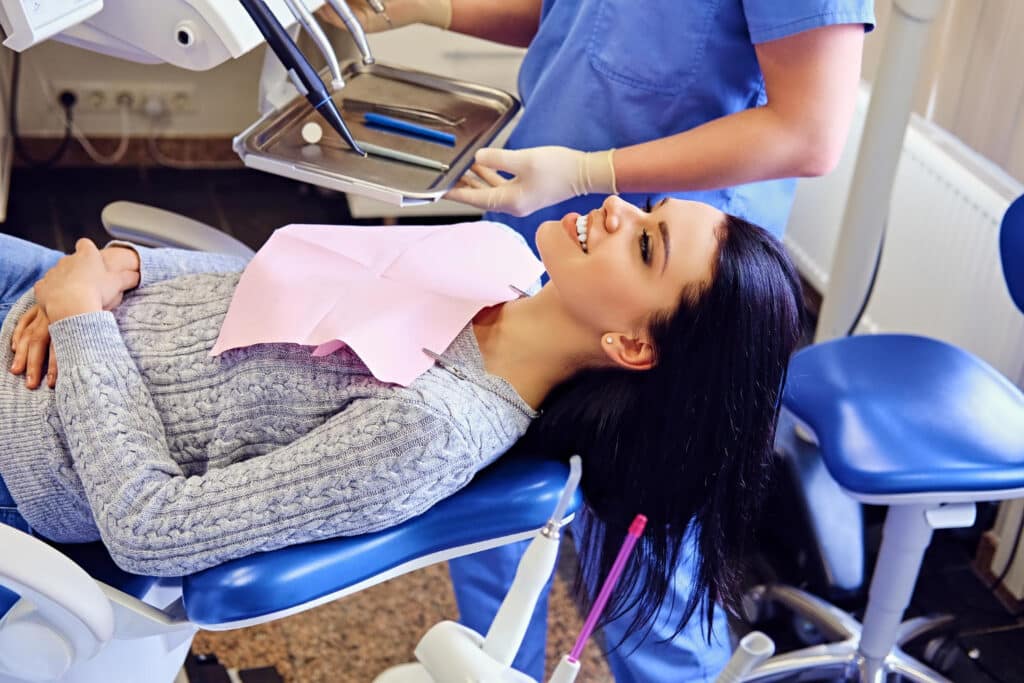
For many people, a visit to the dentist can evoke feelings of anxiety and fear. Dental anxiety, if severe, may discourage individuals from pursuing necessary dental care, leading to potential oral health issues down the road. This is where sedation dentistry can be of immense help, alleviating anxiety, and ensuring a comfortable and stress-free experience during dental procedures.

At Pickering Square Dental, we understand the concerns associated with dental anxiety and aim to provide a calm, gentle atmosphere for our patients. We offer safe sedation dentistry options that enable patients to undergo dental work in a relaxed state while ensuring the highest standard of care. In this blog post, we will explore the various types of sedation dentistry available, how it helps in creating a comfortable dental environment, and the numerous benefits it offers to patients experiencing anxiety or fear in relation to dental procedures.

Continuing your journey toward better oral health shouldn’t come with a side helping of anxiety or discomfort. Sedation dentistry can be tailored to suit your individual needs, helping you maintain your dental well-being and ensure that your time at the dental office is both pleasant and productive. Keep reading to learn more about sedation dentistry and how our team of dental professionals at Pickering Square Dental can help make your dental visits a relaxed and stress-free experience.

1: Types of Sedation Dentistry

Sedation Dentistry

Sedation dentistry offers various options to accommodate different levels of anxiety and specific dental procedures. Here is an overview of the most common types of sedation dentistry:

1. Nitrous Oxide (Laughing Gas): Nitrous oxide, also known as laughing gas, is a mild sedative that is inhaled through a small mask placed over your nose. It induces a state of relaxation, and its effects can be monitored and adjusted throughout the procedure. Once the gas is discontinued, its effects wear off quickly, allowing patients to return to their daily activities soon after the appointment.

2. Oral Sedation: Oral sedation involves the administration of a prescribed sedative pill that is ingested before your dental appointment. The medication helps to reduce anxiety, and the level of sedation can be adjusted depending on the desired effect. Patients receiving oral sedation will need a responsible adult to drive them to and from the appointment.

3. Intravenous (IV) Sedation: IV sedation is a moderate to deep sedation technique wherein the sedative is administered directly into the bloodstream through a vein, allowing for an immediate and controlled effect. As this method results in a deep state of relaxation, patients may not remember details of the procedure, and a responsible adult will be required to accompany them home.

4. General Anesthesia: In cases where severe anxiety is present or when complex dental procedures are required, general anesthesia may be used. Administered by a qualified anesthesiologist, this type of sedation involves the use of medication to induce a state of complete unconsciousness. Patients will require some time to recover, and a responsible adult must accompany them home. Learn more about family dentistry services in Pickering.

Your dentist will evaluate your anxiety level, medical history, and procedure requirements to determine the most appropriate sedation option.

2: How Sedation Dentistry Works

Sedation dentistry encompasses a variety of techniques that help create a comfortable and anxiety-free environment during dental procedures. Here’s a general overview of how sedation dentistry works:

1. Pre-Procedure Assessment: Your dentist will review your medical history and discuss any concerns you may have about your dental procedure. Based on this information, an appropriate sedation method will be recommended to ensure your comfort.

2. Sedation Administration: Depending on the chosen method, sedation may be given orally, inhaled through a mask, administered intravenously, or provided through general anesthesia. The goal is to induce a calming and relaxed state that allows you to undergo dental work without distress or discomfort.

3. Monitoring and Adjusting: Throughout the procedure, your dentist or anesthesiologist will monitor your vital signs and ensure that the sedation level is maintained within safe and effective boundaries. If necessary, adjustments to the sedation dosage can be made.

4. Post-Procedure Care: After the dental procedure is completed, your dentist will provide you with post-sedation care instructions specific to the type of sedation used. Depending on the level of sedation, you may need to arrange for a responsible adult to accompany you home.

3: Benefits of Sedation Dentistry

Dental Crowns and Bridges

Sedation dentistry offers a range of advantages to patients experiencing anxiety or fear associated with dental procedures:

1. Decreased Anxiety and Discomfort: Sedation dentistry helps to reduce anxiety and create a comfortable environment during dental procedures, allowing patients to undergo necessary dental work without apprehension or distress.

2. Enhanced Patient Cooperation: Patients with heightened anxiety or issues such as a sensitive gag reflex or difficulty sitting still can benefit from sedation dentistry, as it helps to improve patient cooperation during procedures.

3. Faster Treatment: Sedation dentistry can enable dentists to efficiently complete dental procedures in fewer appointments, as patients are more relaxed and cooperative.

4. Memory Blackout: With certain sedation methods, patients may not remember the details of the procedure, which can be desirable for those experiencing dental anxiety or fear.

4: Preparing for Sedation Dentistry

To ensure a smooth and successful sedation experience, follow these preparation tips:

1. Discuss Your Medical History and Medications: Inform your dentist of your complete medical history, including any medications or supplements you are taking, as these factors could influence the efficacy or safety of sedation.

2. Follow Pre-Procedure Instructions: Depending on the type of sedation used, your dentist may provide specific pre-procedure instructions, such as fasting or temporarily ceasing certain medications.

3. Arrange for a Responsible Adult Companion: For more potent sedation methods or general anesthesia, enlist a responsible adult to drive you to and from your appointment and stay with you as you recover.

Conclusion

Sedation dentistry in Pickering plays a vital role in providing a comfortable and anxiety-free dental experience for patients who fear dental procedures. By understanding the various sedation options and how they work, patients can make informed decisions and receive the dental care they need without fear or discomfort.

At Pickering Square Dental, our compassionate team of dental professionals is dedicated to delivering personalized, comfortable care, including safe and effective sedation dentistry options tailored to your specific needs. If you’re considering sedation dentistry to help with dental anxiety, contact our office to schedule a consultation and discover how we can help put your dental fears to rest.

Helpful Resources

For more information, visit the Canadian Dental Association Oral Health.

Schedule Your Appointment Today

Contact Pickering Square Dental to book your appointment with Dr. Marvin Lean. Call us at (905) 420-1777 or visit us at 1450 Kingston Rd, Unit #4, Pickering, ON.

Frequently Asked Questions

How often should I visit the dentist?

The Canadian Dental Association recommends visiting your dentist at least twice a year for regular check-ups and cleanings. Some patients may need more frequent visits depending on their oral health needs. Call Pickering Square Dental at (905) 420-1777 to schedule your next appointment.

Do you accept the Canadian Dental Care Plan (CDCP)?

Yes, Pickering Square Dental participates in the Canadian Dental Care Plan. Our team can help you understand your coverage and ensure you receive the dental care you need. Contact us for more details about CDCP eligibility and benefits.

What services does Pickering Square Dental offer?

We offer a full range of dental services including family dentistry, emergency dental care, sedation dentistry, dental implants, laser dentistry, teeth whitening, root canal therapy, dental extractions, periodontal care, and cosmetic dentistry. Dr. Lean and our team serve patients in Pickering, Ajax, Whitby, and Scarborough.

Dental Implant Care and Maintenance for Long-Lasting Results
holding a toothbrush

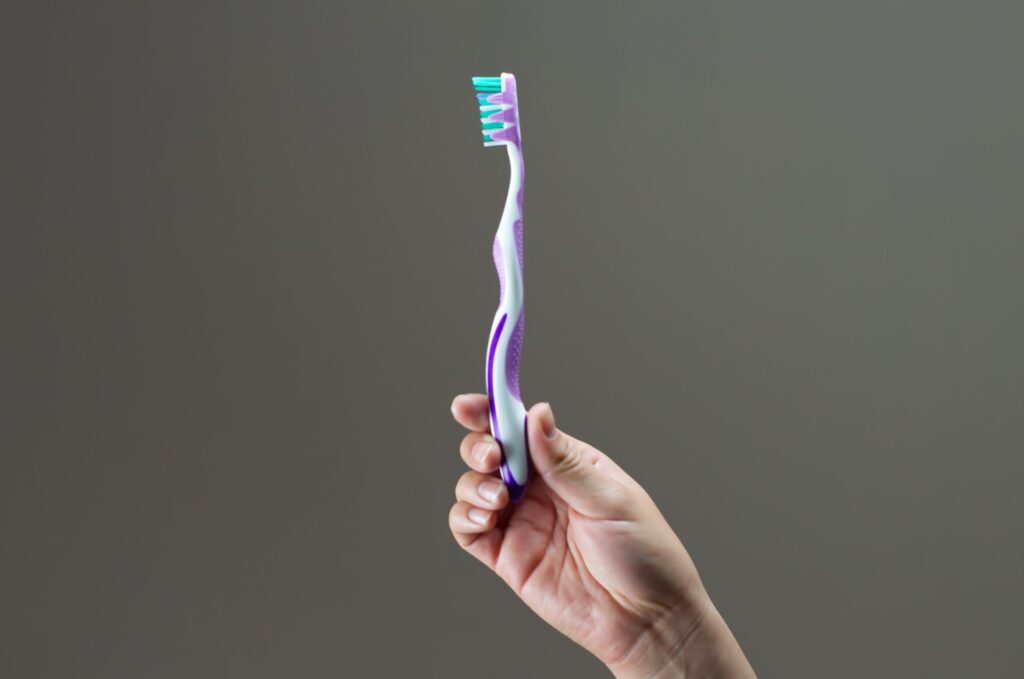
Dental implants have become an increasingly popular restorative solution for individuals who have lost one or more teeth. These permanent replacements offer numerous benefits, such as improved function, superior aesthetics, and enhanced oral health. At Pickering Dental Services, our gentle family dental care approach ensures that our patients receive high-quality implant dentistry services with precision, care, and a strong emphasis on patient comfort and satisfaction.

However, just like your natural teeth, dental implants require proper care and maintenance to ensure their longevity and optimal performance. With the right aftercare practices, dental implants can last for many years, providing you with a strong and beautiful smile. In this blog post, we will outline the importance of dental implant care and provide essential tips for maintaining the health and durability of your dental implants. By adopting these practices, you can rest assured knowing that your investment in dental implants is well protected, and you can continue to enjoy the benefits they offer for many years to come.

Key Considerations for Dental Implant Care

oral sedation

Maintaining dental implants requires attention to various aspects of your oral hygiene routine and lifestyle choices. Below are some essential tips to keep in mind when caring for your dental implants:

1. Daily Oral Hygiene Regimen

Just like natural teeth, dental implants also require proper care through daily brushing and flossing. However, there are specific tips for dental implant care to be considered:

  • Use a Soft-Bristled Toothbrush: A soft-bristled toothbrush is gentle on dental implants and surrounding gum tissue, preventing any potential damage.
  • Non-Abrasive Toothpaste: Avoid using toothpaste with abrasive elements (such as baking soda and heavy-duty stain removers) as they can scratch the surface of dental implant crowns.
  • Flossing and Interdental Brushes: Flossing around dental implants is essential to remove trapped food particles and prevent plaque buildup. Interdental brushes can also aid in cleaning hard-to-reach areas around dental implants.

2. Regular Dental Check-ups and Cleanings

Schedule regular dental check-ups and professional cleanings every six months, allowing your dental professional to monitor the health and stability of your dental implants. During these appointments, your dental professional will also clean any areas that may be harder for you to reach with regular brushing and flossing. Learn more about family dentistry services in Pickering.

3. Preventing Infection: Peri-implantitis

Peri-implantitis is a gum disease that affects the tissues surrounding dental implants, causing inflammation and potentially leading to bone loss or implant failure. Maintaining good oral hygiene, attending regular dental check-ups, and avoiding smoking can help prevent peri-implantitis, ensuring the long-term success of your dental implants.

4. Avoiding Tooth Grinding and Clenching (Bruxism)

Tooth grinding and clenching, also known as bruxism, can cause excessive force on dental implants, potentially leading to loosening or damage. If you are experiencing bruxism, it is crucial to discuss this with your dental professional, who may recommend a nightguard or other treatment options to protect your dental implants.

Lifestyle Factors and Dental Implant Care

In addition to proper oral hygiene practices, certain lifestyle factors can significantly impact the success and longevity of your dental implants:

1. Nutritious Diet

A healthy and balanced diet is essential for maintaining strong teeth and supporting bone health. Consuming sufficient calcium, vitamin D, and phosphorus through a balanced diet can contribute to the longevity and success of your dental implants.

2. Smoking and Tobacco Cessation

Smoking and tobacco use not only have detrimental effects on overall health but can also impact the success of dental implants. Smoking can hinder healing, increase the risk of infections, and compromise the longevity of dental implants. By quitting smoking, patients can improve the likelihood of long-lasting, successful implants.

3. Alcohol Consumption

Excessive alcohol consumption can affect dental implant integration and healing. Reducing alcohol consumption or avoiding it during the initial healing period following implant surgery can provide the best opportunity for successful dental implants.

4. Protecting Dental Implants during Physical Activity

For individuals who participate in contact sports or high-impact physical activities, wearing a custom-designed mouthguard can protect dental implants from impact-related damage. Discuss your activity level and the need for a mouthguard with your dental professional.

5. Properly Handling and Cleaning Dental Implant Prosthetics

Dental implant prosthetics, such as dentures or bridges, require specific care and maintenance to ensure their longevity. It is essential to handle them carefully when removing or inserting them to prevent any damage or loosening of the implant. Additionally, proper cleaning of prosthetics with non-abrasive cleansers and regular professional cleanings can help maintain their integrity and prolong their lifespan. Patients should also be aware of any signs of wear and tear, such as cracks or chips, and promptly address them with their dental professional to avoid any potential problems.

Conclusion

emergency dental care

With proper care and attention, dental implants offer long-lasting, durable results, allowing patients to enjoy the numerous benefits of a fully restored and beautiful smile. By adhering to a diligent oral hygiene routine, attending regular dental check-ups and cleanings, and considering various lifestyle factors, the lifespan and success of dental implants can be significantly maximized.

At Pickering Dental Services, our commitment to providing gentle family dental care ensures that our patients receive the highest quality implant dentistry services tailored to their unique dental needs. If you’re interested in learning more about dental implants in Pickering or would like to schedule an appointment, contact our compassionate and experienced team! We can help you maintain a healthy and radiant smile that lasts.

Helpful Resources

For more information, visit the Canadian Dental Association Oral Health.

Schedule Your Appointment Today

Contact Pickering Square Dental to book your appointment with Dr. Marvin Lean. Call us at (905) 420-1777 or visit us at 1450 Kingston Rd, Unit #4, Pickering, ON.

Frequently Asked Questions

How often should I visit the dentist?

The Canadian Dental Association recommends visiting your dentist at least twice a year for regular check-ups and cleanings. Some patients may need more frequent visits depending on their oral health needs. Call Pickering Square Dental at (905) 420-1777 to schedule your next appointment.

Do you accept the Canadian Dental Care Plan (CDCP)?

Yes, Pickering Square Dental participates in the Canadian Dental Care Plan. Our team can help you understand your coverage and ensure you receive the dental care you need. Contact us for more details about CDCP eligibility and benefits.

What services does Pickering Square Dental offer?

We offer a full range of dental services including family dentistry, emergency dental care, sedation dentistry, dental implants, laser dentistry, teeth whitening, root canal therapy, dental extractions, periodontal care, and cosmetic dentistry. Dr. Lean and our team serve patients in Pickering, Ajax, Whitby, and Scarborough.

Overcoming Dental Anxiety by Utilizing Sedation Dentistry

dentist talking to patient

Dental anxiety is a common concern that affects many individuals, often resulting in delayed or avoided dental treatment, compromising oral health and overall well-being. At Pickering Dental Services, our gentle family dental care approach prioritizes the comfort and satisfaction of our patients, which is why we offer sedation dentistry as a solution for those who suffer from dental anxiety. Creating a comfortable and relaxing environment for dental treatment, sedation dentistry helps patients overcome their fears, allowing them to receive the care they need to maintain their oral health.

Sedation dentistry encompasses a range of safe, effective, and customizable techniques to alleviate dental anxiety and ensure a comfortable experience for patients. These techniques can be used for a variety of dental procedures, ranging from routine check-ups and cleanings to more complex treatments like extractions and implant surgery. The ultimate goal of sedation dentistry is to create a relaxed and anxiety-free dental experience for patients, allowing them to receive the care they need without fear or discomfort.

In this post, we will delve into sedation dentistry, exploring its types, benefits, safety, and applicability to different dental procedures. Join us as we uncover how sedation dentistry can be of significant value to those who suffer from dental anxiety and learn how Pickering Dental Services can provide a safe, comfortable, and relaxing dental experience tailored to your individual needs.

Types of Sedation Dentistry

Dental Services

Sedation dentistry encompasses various techniques, allowing dental professionals to customize the sedation level to meet each patient’s unique needs. These techniques include the following:

1. Nitrous Oxide (Laughing Gas)

Nitrous oxide, commonly known as laughing gas, is a mild form of sedation that is inhaled through a mask placed over the nose. This type of sedation helps patients feel relaxed and at ease during dental procedures. The effects of nitrous oxide are quickly reversed once the gas is turned off, allowing patients to return to their daily activities with minimal downtime.

2. Oral Conscious Sedation

Oral conscious sedation involves taking a prescribed medication before the dental appointment, which induces a moderate level of sedation. Patients under oral conscious sedation remain awake but feel drowsy and relaxed throughout the procedure. It may take longer for the effects to wear off, requiring patients to arrange for transportation following their appointment.

3. IV Sedation

IV (intravenous) sedation is administered directly into the bloodstream, providing a deeper level of sedation than oral conscious sedation. Patients receiving IV sedation may feel groggy and have little to no memory of the procedure. This type of sedation requires close monitoring by dental professionals and a longer recovery time.

Benefits of Sedation Dentistry

Sedation dentistry offers several benefits, catering to a diverse range of patient needs: Learn more about family dentistry services in Pickering.

1. Alleviates Dental Anxiety

One of the most significant benefits of sedation dentistry is its ability to alleviate dental anxiety, allowing patients to undergo necessary dental treatments without fear or stress.

2. Enhances Patient Comfort

Sedation dentistry helps create a more comfortable and relaxing experience for patients by reducing discomfort and sensory stimuli associated with dental procedures.

3. Allows for Multiple Procedures in a Single Visit

For patients requiring extensive dental work, sedation dentistry enables dental professionals to perform multiple treatments in a single visit, reducing the number of appointments required.

4. Improves Procedure Efficiency

Sedation dentistry allows patients to feel more relaxed and cooperative during treatment, making it easier and more efficient for dental professionals to complete the procedure.

Safety and Applicability of Sedation Dentistry

family dentists

Sedation dentistry is considered safe and reliable, with trained dental professionals closely monitoring patients throughout the procedure. However, certain factors may impact whether sedation dentistry is appropriate for a specific patient:

1. Medical History

Patients with existing medical conditions, allergies, or taking certain medications may require additional evaluation before undergoing sedation dentistry to ensure its safety and effectiveness.

2. Level of Dental Anxiety

The level of sedation used during dental procedures depends on the patient’s level of dental anxiety and the nature of the treatment. A thorough assessment of each patient’s needs helps dental professionals determine the most suitable sedation technique.

3. Type of Dental Procedure

While sedation dentistry is beneficial for patients experiencing dental anxiety, some procedures may be completed without sedation for those with minimal anxiety. Your dental professional will guide you through the most appropriate options based on your specific circumstances and treatment needs.

How to Prepare for Sedation Dentistry

Preparing for sedation dentistry involves taking necessary precautions to ensure that the procedure is safe and effective. Here are some tips on how to prepare for sedation dentistry:

1. Consult with Your Dental Professional

Consult with your dental professional about your dental anxiety, medical history, and the type of sedation that is best suited for you. Your dental professional will provide detailed instructions on how to prepare for the procedure, including guidelines on eating and drinking, medication use, and transportation arrangements.

2. Follow Pre-Procedure Instructions

Follow all pre-procedure instructions provided by your dental professional, which may include abstaining from eating or drinking for a specific period before the procedure. Failure to follow these instructions may result in complications or the postponement of the procedure.

3. Arrange for Transportation

Arrange for someone to drive you home following the procedure, especially if you are receiving IV sedation or oral conscious sedation. Sedation can impair your judgment and motor skills, making it unsafe to drive or operate heavy machinery.

4. Wear Comfortable Clothing

Wear comfortable clothing for your dental appointment, avoiding tight-fitting clothes or jewelry that may interfere with the sedation or procedure.

5. Communicate with Your Dental Professional

Communicate any concerns or questions you may have with your dental professional, ensuring that you understand the procedure, risks, and benefits of sedation dentistry.

By following these preparation tips, patients can maximize the benefits of sedation dentistry while minimizing any potential risks or complications.

Conclusion

Sedation dentistry has become increasingly popular as a safe, comfortable, and anxiety-relieving option for dental treatment. At Pickering Dental Services, our gentle family dental care approach ensures that our patients receive personalized sedation techniques tailored to their unique needs, empowering them to address their dental concerns without fear or discomfort.

If you’re interested in learning more about sedation dentistry in Pickering or would like to schedule an appointment, please contact our caring and experienced team at Pickering Dental Services. We can create a comfortable and relaxing dental experience, helping you maintain a healthy, radiant smile that lasts a lifetime.

Helpful Resources

For more information, visit the Canadian Dental Association Oral Health.

Schedule Your Appointment Today

Contact Pickering Square Dental to book your appointment with Dr. Marvin Lean. Call us at (905) 420-1777 or visit us at 1450 Kingston Rd, Unit #4, Pickering, ON.

Frequently Asked Questions

How often should I visit the dentist?

The Canadian Dental Association recommends visiting your dentist at least twice a year for regular check-ups and cleanings. Some patients may need more frequent visits depending on their oral health needs. Call Pickering Square Dental at (905) 420-1777 to schedule your next appointment.

Do you accept the Canadian Dental Care Plan (CDCP)?

Yes, Pickering Square Dental participates in the Canadian Dental Care Plan. Our team can help you understand your coverage and ensure you receive the dental care you need. Contact us for more details about CDCP eligibility and benefits.

What services does Pickering Square Dental offer?

We offer a full range of dental services including family dentistry, emergency dental care, sedation dentistry, dental implants, laser dentistry, teeth whitening, root canal therapy, dental extractions, periodontal care, and cosmetic dentistry. Dr. Lean and our team serve patients in Pickering, Ajax, Whitby, and Scarborough.