
Steps Involved in Creating Your Custom Dental Bridge
dental treatment

Exploring dental bridge options can be a pivotal step toward restoring both the functionality and appearance of your smile. Here at our clinic, we prioritize your oral health and aesthetic goals by offering personalized dental bridge solutions. A dental bridge is more than just a remedy for missing teeth; it’s a pathway to renewed confidence and daily comfort. Our team is dedicated to ensuring that each step of the process, from consultation to aftercare, is carried out with the utmost precision and care.

The initial consultation serves as the foundation of your dental bridge journey. During this phase, we assess your specific needs, discuss potential options, and plan the best course of action tailored to your dental health and preferences. Understanding the importance of a well-fitted dental bridge, we utilize advanced technology and techniques to design a replacement that seamlessly blends with your natural teeth, enhancing both function and aesthetics.

By choosing our clinic for your dental bridge needs, you’re entrusting us with more than just your smile. We’re committed to providing a comfortable, informative, and reassuring experience throughout your treatment process. Let us help you take the first step towards a fuller, more vibrant smile.

Consultation and Initial Assessment for a Dental Bridge

Sedation Dentistry

The first step towards getting a dental bridge is the consultation and initial assessment. When you visit our clinic for this service, we start by evaluating your overall oral health to determine the suitability for a dental bridge. We use advanced diagnostic tools to assess the condition of the teeth adjacent to the gap, as these will support the bridge. Our thorough examination includes checking for any signs of decay or periodontal disease, as treating these issues is crucial before proceeding with a bridge.

During this appointment, we will discuss your expectations and aesthetic goals in detail. This consultation helps us to understand your specific needs and desires, ensuring that the solution we propose aligns perfectly with what you envision for your smile. We also take this opportunity to explain the various types of bridges available and the materials that can be used, enabling you to make an informed decision about your dental care. Our priority is to ensure you feel comfortable and confident in the treatment plan we develop together. Learn more about family dentistry services in Pickering.

Designing Your Custom Dental Bridge

Designing your custom dental bridge involves precision and attention to detail. After determining that a bridge is the best solution for you, the next step is to create a tailor-made appliance that fits seamlessly into your smile. The process starts with taking precise impressions of your teeth, which are used to craft a bridge that matches the shape, size, and colour of your natural teeth. This customization ensures the bridge not only functions efficiently but also looks natural.

Our dental technicians use high-quality materials to construct your bridge, ensuring durability and an aesthetic appeal that enhances your smile. Throughout the design phase, we keep you informed and involved, making sure the final product meets your expectations. Careful planning and attention to detail are critical in this phase, as a well-designed bridge contributes significantly to the restoration’s success and your satisfaction with the outcome. By focusing on customization and quality, we ensure your new dental bridge will restore the functionality of your teeth while boosting your confidence in your smile.

The Procedure: Placing Your Dental Bridge

dental fillings

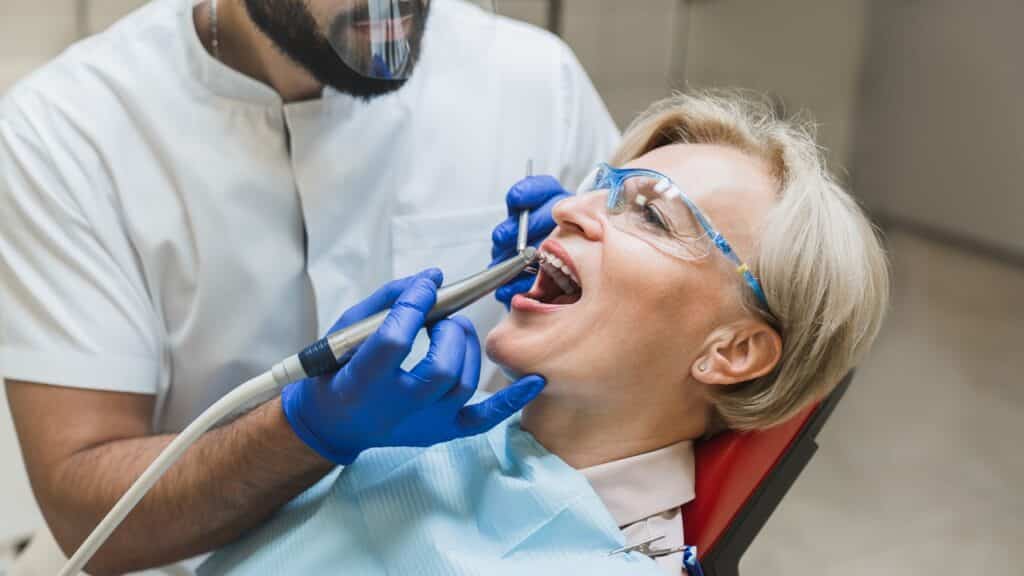
The placement of your dental bridge marks a significant step towards restoring your smile. On the day of the procedure, we ensure that you are as comfortable as possible. If you’re feeling anxious, we discuss sedation options to help make your experience stress-free. The process begins by preparing the abutment teeth, which involves recontouring these teeth to receive the crowns that will support the bridge. This is a precise process, ensuring the bridge will fit perfectly and blend seamlessly with your natural teeth.

Once the abutment teeth are prepared, we place the custom-made bridge onto the prepared teeth. We check the fit and your bite to make sure everything aligns correctly and feels as natural as possible. The bridge is then fixed using a strong dental adhesive. By the end of the procedure, the bridge will restore functionality and aesthetics, allowing you to chew, speak, and smile with ease. Our team takes pride in offering a procedure that not only enhances oral functionality but also boosts overall self-confidence with a renewed smile.

Aftercare and Maintenance of Dental Bridges

Caring for your new dental bridge is crucial for ensuring its longevity and maintaining overall oral health. We provide you with detailed aftercare instructions immediately after the placement of the bridge. Regular brushing twice a day and flossing are essential to keep the bridge and surrounding teeth clean. We also recommend using specialized floss threaders that can clean under and around the bridge to prevent plaque buildup.

Additionally, regular visits to our clinic for check-ups and professional cleanings help in maintaining the health of your dental bridge and natural teeth. During these visits, we examine your bridge to detect any potential issues early and perform professional cleaning that helps preserve the bridge’s structural integrity and appearance. Maintaining your bridge with proper home care and professional support ensures that it remains a valuable part of your beautiful and healthy smile for years to come.

Conclusion

At Pickering Dental Services, we are dedicated to providing you with quality dental care that extends beyond just treatment. Understanding the process and proper care of dental bridges is just part of how we help you manage your oral health. We believe in creating partnerships with our patients where your concerns are heard and addressed with professionalism and compassion. 

If you are considering a dental bridge or other dental services in Pickering, we invite you to visit us. Let us guide you toward achieving a healthy smile that you can be proud of. For more information or to schedule a consultation, contact Pickering Dental Services today. Together, let’s craft a smile that’s not only beautiful but lasts a lifetime.

Helpful Resources

For more information, visit the Canadian Dental Association Oral Health.

Schedule Your Appointment Today

Contact Pickering Square Dental to book your appointment with Dr. Marvin Lean. Call us at (905) 420-1777 or visit us at 1450 Kingston Rd, Unit #4, Pickering, ON.

Frequently Asked Questions

How often should I visit the dentist?

The Canadian Dental Association recommends visiting your dentist at least twice a year for regular check-ups and cleanings. Some patients may need more frequent visits depending on their oral health needs. Call Pickering Square Dental at (905) 420-1777 to schedule your next appointment.

Do you accept the Canadian Dental Care Plan (CDCP)?

Yes, Pickering Square Dental participates in the Canadian Dental Care Plan. Our team can help you understand your coverage and ensure you receive the dental care you need. Contact us for more details about CDCP eligibility and benefits.

What services does Pickering Square Dental offer?

We offer a full range of dental services including family dentistry, emergency dental care, sedation dentistry, dental implants, laser dentistry, teeth whitening, root canal therapy, dental extractions, periodontal care, and cosmetic dentistry. Dr. Lean and our team serve patients in Pickering, Ajax, Whitby, and Scarborough.

The Lifespan of Dental Crowns: Maintenance and Care Tips
dental treatment

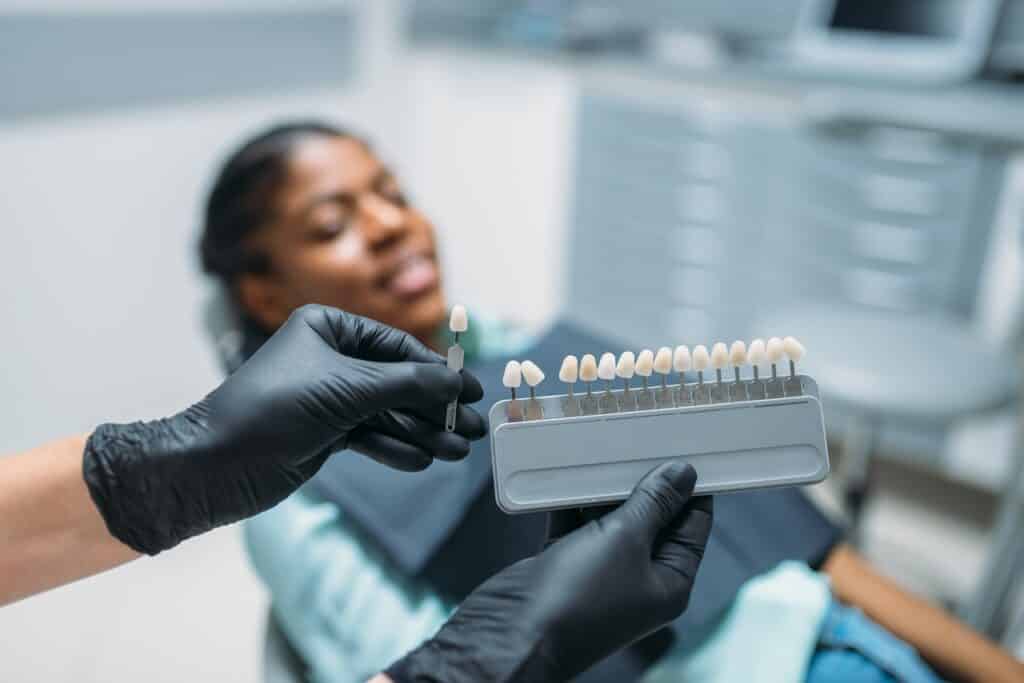
Understanding the average lifespan of dental crowns is vital for anyone considering or already benefitting from this type of dental restoration. Typically, crowns can last anywhere from 5 to 15 years; however, with meticulous care and maintenance, some crowns can serve well beyond this range. The longevity of a dental crown largely depends on the material used to construct it, as well as how well it is cared for.

When we install crowns at our dental practice, we emphasize the importance of regular check-ups to monitor the condition of the crown and surrounding gum health. These regular visits allow us to catch any potential issues early, such as fit or wear, which could otherwise reduce the crown’s lifespan. Apart from professional check-ups, the daily maintenance routine you follow at home plays a critical role in prolonging the life and function of your dental crowns.

Moreover, understanding when it’s time to replace a crown is crucial. Over time, even with excellent care, all crowns will eventually need replacement due to normal wear and tear or other factors such as changes in oral health or damage to the crown itself. Knowing the signs that indicate the need for a replacement can help you manage your dental health proactively, ensuring your smile remains as healthy and beautiful as possible for years to come.

Understanding the Average Lifespan of Dental Crowns

Family Dentists

Dental crowns are a reliable solution for restoring both the function and appearance of damaged teeth. Typically, the lifespan of a dental crown can vary significantly based on several factors, ranging broadly from 5 to 15 years. In our practice, we observe that how long a crown lasts depends primarily on the material it’s made from and how well it’s maintained. Porcelain, ceramic, gold, and metal alloys are commonly used materials, each offering different advantages in terms of durability and appearance.

Metal crowns, including gold, are often more durable and may last on the longer side of the average, whereas porcelain crowns while offering superior aesthetics, especially for the front teeth, might not endure as long due to their susceptibility to chipping under extreme pressure. It is our goal to provide each patient with the most appropriate type of crown that not only suits their dental needs but also maximizes the longevity of their dental restoration.

Factors That Influence the Durability of Your Dental Crowns

Several key factors impact the durability and overall lifespan of your dental crowns. It’s vital for us to consider these factors carefully to ensure that you receive the best possible outcome from your treatment: Learn more about family dentistry services in Pickering.

1. Material of the Crown: As noted, the material from which a crown is made significantly influences its durability. Metal crowns are generally more resistant to wear and tear compared to porcelain or composite resin.

2. Quality of the Crown’s Installation: The expertise and precision with which a crown is installed affect its longevity. Properly fitted crowns that are seamlessly bonded to the tooth are less likely to develop issues later on.

3. Oral Hygiene Practices: Good oral hygiene is pivotal in extending the life of dental crowns. Regular brushing and flossing can prevent plaque buildup around the crown, which can lead to decay and weakening of the underlying tooth structure.

4. Personal Habits: Habits such as grinding or clenching teeth, biting nails, chewing ice, or using your teeth to open packaging can impose excessive stress on crowns and may lead to early failure.

By addressing these factors, we can help maximize the lifespan of your dental crowns and ensure that they continue to serve their purpose effectively. Regular check-ups enable us to monitor these variables and provide guidance tailored to your personal oral care routine.

Daily Care Tips to Extend the Life of Your Dental Crowns

Endodontics Treatment

Maintaining your dental crowns is crucial for ensuring their longevity and functionality. Regular care not only helps in preserving their natural appearance but also supports your overall oral health. First, it’s essential to maintain good oral hygiene practices. Brushing twice a day with fluoride toothpaste and flossing daily can prevent plaque buildup around the crown and the adjacent teeth. Specifically, using a soft-bristled toothbrush is advisable to avoid abrasion to the crown surface.

Moreover, it’s important to avoid habits that can damage your crowns, such as chewing on hard objects like ice or hard candies. Such activities can cause crowns to crack or become loose. Additionally, if you grind or clench your teeth at night, consider asking us about a night guard. A custom-fitted guard can protect your crowns from excessive pressure during sleep that can lead to wear over time.

When to Consult Your Dentist About Crown Replacement

Despite the best care, dental crowns don’t last forever and may eventually need replacement. Recognizing the signs that indicate a replacement is due can prevent further complications and ensure continued dental health. Common signs include visible wear or damage to the crown, pain or discomfort around the crowned tooth, and a feeling of looseness. Additionally, if you notice that the gum line around your crown is receding, it may expose the base of the crown or the root of the tooth, which could lead to problems such as decay or infection.

If you experience any of these issues, it’s important not to delay consulting with us. Timely intervention can often save the tooth under the crown and ensure that a new crown can be placed effectively. We are here to help assess any concerns and recommend the best course of action to keep your smile healthy and beautiful.

Closing Thoughts

At our dental practice in Pickering, we understand the importance of comprehensive dental care. We strive to provide detailed and personalized treatment plans for each of our patients, whether they are considering dental implants, crowns, or other forms of dental restoration. The commitment to upholding the highest standard of dental services ensures that our patients not only achieve but also maintain optimal oral health.

Understanding all the facets of dental crowns—from ensuring their longevity to recognizing when it is time for replacement—is crucial. We are dedicated to educating our patients and providing the crucial support they need to enjoy a healthy, confident smile in the long term. If you have any questions about your current dental crowns or if you are considering getting new crowns or any other dental procedure, do not hesitate to reach out to us.

Reach out to our experienced team of dentists in Pickering at Pickering Dental Services to schedule your next appointment, and let us help you continue smiling brightly with confidence and comfort.

Helpful Resources

For more information, visit the Canadian Dental Association Oral Health.

Schedule Your Appointment Today

Contact Pickering Square Dental to book your appointment with Dr. Marvin Lean. Call us at (905) 420-1777 or visit us at 1450 Kingston Rd, Unit #4, Pickering, ON.

Frequently Asked Questions

How often should I visit the dentist?

The Canadian Dental Association recommends visiting your dentist at least twice a year for regular check-ups and cleanings. Some patients may need more frequent visits depending on their oral health needs. Call Pickering Square Dental at (905) 420-1777 to schedule your next appointment.

Do you accept the Canadian Dental Care Plan (CDCP)?

Yes, Pickering Square Dental participates in the Canadian Dental Care Plan. Our team can help you understand your coverage and ensure you receive the dental care you need. Contact us for more details about CDCP eligibility and benefits.

What services does Pickering Square Dental offer?

We offer a full range of dental services including family dentistry, emergency dental care, sedation dentistry, dental implants, laser dentistry, teeth whitening, root canal therapy, dental extractions, periodontal care, and cosmetic dentistry. Dr. Lean and our team serve patients in Pickering, Ajax, Whitby, and Scarborough.

Complete Guide to Dental Crowns: Your Questions Answered
dental crowns

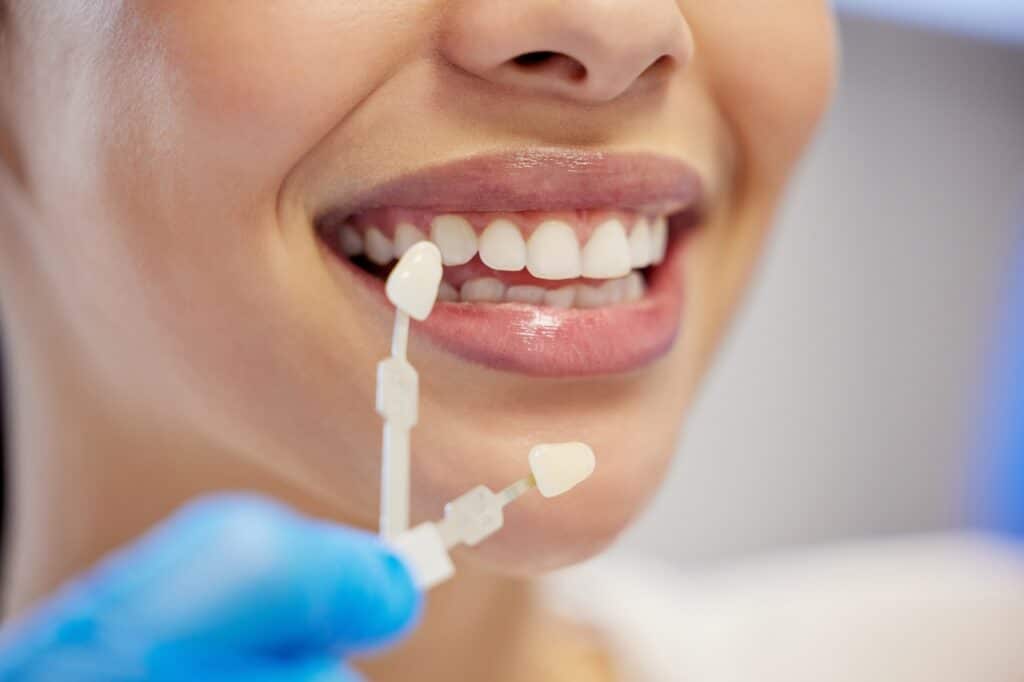
Dental crowns remain a cornerstone of modern restorative dentistry, providing not only functional benefits but also enhancing the aesthetic appeal of smiles across all ages. As we move into 2024, understanding the role and relevance of dental crowns in maintaining dental health is crucial for anyone considering restorative dental treatments. In our dental practice, we are committed to educating our patients about each aspect of their dental care, including the pivotal role of dental crowns.

What exactly are dental crowns? Simply put, they are custom-fitted covers placed over teeth that are decayed, damaged, or cracked. Crowns help restore the tooth’s shape, size, and strength and improve its overall appearance. They are frequently recommended when a tooth has a large filling exceeding the natural tooth structure or after a root canal treatment when the tooth is frail and requires robust support and protection. Additionally, crowns can be used as part of a smile makeover due to their ability to enhance the aesthetic appearance of teeth.

The significance of dental crowns extends beyond just their functionality. They can profoundly impact the quality of life by improving chewing efficiency and offering comfort, alongside boosting confidence with a refreshed, more aligned smile. Each crown is tailored to match the colour and contour of your existing teeth, ensuring that it not only performs like a natural tooth but also fits seamlessly with the rest of your smile.

What Are Dental Crowns and Why Are They Used?

men brushing teeth

Dental crowns are custom-fitted tooth prosthetics that are used to cover damaged or decayed teeth. They are an effective solution that not only strengthens and protects the tooth but also improves its overall appearance. When teeth are cracked, weakened by decay, or have undergone significant wear and tear, crowns provide the necessary support to restore their structure and functionality. Additionally, crowns are utilized to complete other dental procedures, such as bridges, root canals, or dental implants, enhancing both the aesthetics and the bite of a person.

The decision to use a dental crown involves several factors. These include the extent of tooth decay, the structural damage to the tooth, and the dental goals of the patient. For instance, after a root canal, crowns are often essential as the tooth tends to become brittle and may need extra protection. Not only do crowns help maintain the dental health of an individual, but they also assist in achieving a smile that is visually appealing.

Types of Materials Used in Dental Crowns

The materials used for dental crowns vary, each offering unique benefits for different needs. The choice depends largely on the desired aesthetic result, the position of the tooth, and budget considerations:

1. Porcelain: Porcelain crowns are popular for their natural tooth-like appearance, matching the colour and texture of natural teeth. They are typically used for the front teeth.

2. Ceramic: Similar to porcelain, ceramic crowns provide a natural colour match and are also well-suited for people with metal allergies.

3. Gold Alloys: Comprising gold, copper, and other metals, these crowns are highly durable and provide a high level of strength. They are resistant to wear and tear and do not fracture or chip.

4. Metal Alloys: Aside from gold, other metals can be used, including chromium and nickel. These crowns are strong and withstand biting and chewing forces well, making them ideal for out-of-sight molars.

5. Porcelain Fused to Metal (PFM): Combining the strength of metal with the aesthetic appeal of porcelain, PFM crowns are a popular choice as they are both durable and attractive.

Each material has its specific advantages, and the choice often depends on the location of the crown in the mouth, the amount of natural tooth remaining, and individual patient preferences. Our team ensures that patients receive guidance in selecting the right type of crown to meet their functional needs and aesthetic desires.

Steps Involved in Getting a Dental Crown

couple smiling

The process of getting a dental crown typically involves several steps that ensure the best fitting and aesthetic results for our patients. Our team strives to make each step as comfortable and efficient as possible. Here’s what you can expect:

First, we’ll conduct a comprehensive examination of the affected tooth to determine the appropriateness of a dental crown. If a crown is needed, we prepare the tooth by reshaping it under local anesthesia to make room for the crown itself. This involves removing any decay and shaping the outer layers of the tooth to ensure a good fit.

Next, an impression of the reshaped tooth and surrounding teeth is taken. This model helps ensure that the crown will match your other teeth in fit and bite alignment. The impression is sent to a dental lab where your crown is custom-made to match the colour and shape of your natural teeth. While your permanent crown is being made, we place a temporary crown to protect the tooth and maintain the aesthetic of your smile.

Caring for Your Dental Crowns: Best Practices

Once your dental crown is placed, taking proper care of it is crucial for ensuring its longevity. Here are some best practices:

Regular cleaning is essential. Just like your natural teeth, crowns need to be cleaned daily. Brushing twice a day and flossing around the crown to remove plaque are crucial steps. Pay special attention to the area where the gum meets the tooth, as plaque tends to accumulate here. Additionally, avoid using hard toothbrushes or abrasive toothpaste that could damage the crown.

Moreover, although crowns are durable, they are not indestructible. Avoid chewing hard foods, ice, or other hard objects that could crack the crown. If you have a habit of grinding or clenching your teeth, let us know. We might recommend wearing a night guard to protect your crowns while you sleep.

Conclusion

Maintaining optimal oral health involves understanding all your options and knowing how best to care for your dental treatments. Dental crowns offer a fantastic way to restore functionality and aesthetics to your teeth, significantly enhancing your smile and confidence. At our practice, we are dedicated to providing detailed information and care, ensuring you are comfortable and informed throughout the treatment process. Whether you’re considering a crown for restoration or cosmetic purposes, we’re here to help every step of the way.

If you’re looking to explore dental crowns as a solution for yourself or a family member or just need more information about our dental services in Pickering, do not hesitate to contact our team at Pickering Dental Services. Let us guide you towards achieving and maintaining a brilliant, healthy smile.

Looking for professional help? Learn more about our root canal therapy at Pickering Square Dental or call (905) 420-1777 to book an appointment.

Helpful Resources

For more information, visit the Canadian Dental Association Oral Health.

Frequently Asked Questions

How often should I visit the dentist?

The Canadian Dental Association recommends visiting your dentist at least twice a year for regular check-ups and cleanings. Some patients may need more frequent visits depending on their oral health needs. Call Pickering Square Dental at (905) 420-1777 to schedule your next appointment.

Do you accept the Canadian Dental Care Plan (CDCP)?

Yes, Pickering Square Dental participates in the Canadian Dental Care Plan. Our team can help you understand your coverage and ensure you receive the dental care you need. Contact us for more details about CDCP eligibility and benefits.

What services does Pickering Square Dental offer?

We offer a full range of dental services including family dentistry, emergency dental care, sedation dentistry, dental implants, laser dentistry, teeth whitening, root canal therapy, dental extractions, periodontal care, and cosmetic dentistry. Dr. Lean and our team serve patients in Pickering, Ajax, Whitby, and Scarborough.

Choosing Between Bridges and Implants for Missing Teeth
dental treatment

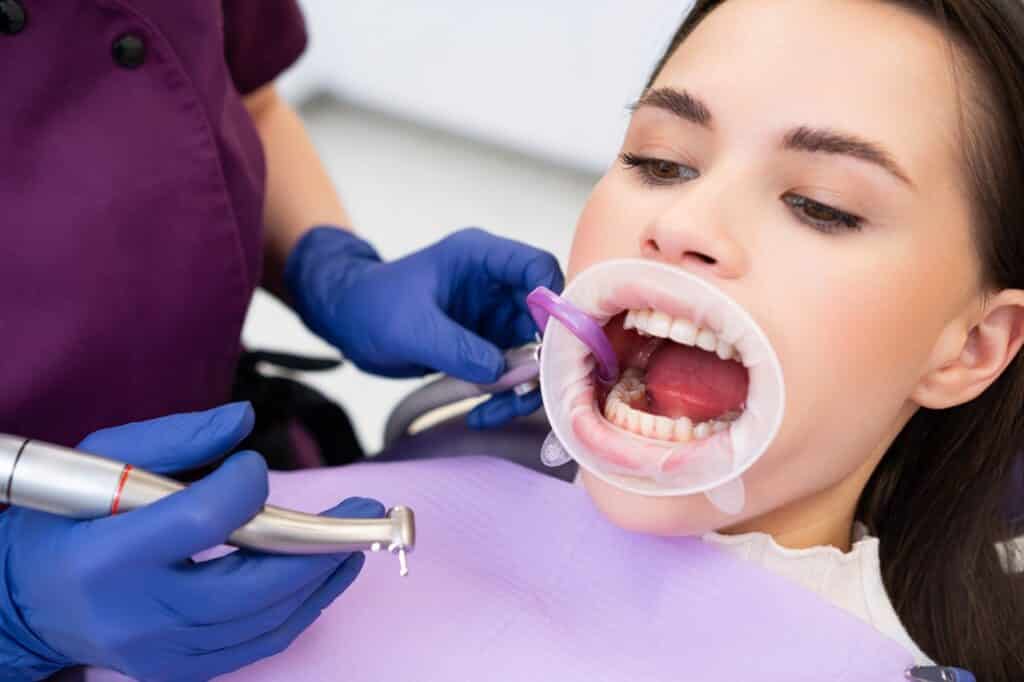
When it comes to replacing missing teeth, the options available to you can significantly impact both your oral health and your lifestyle. As a dental care provider in Pickering, ON, we are committed to helping you understand these options so you can make the best decision based on your specific needs. Two of the most common solutions offered in our practice are dental bridges and implants, both of which have their own unique benefits and considerations.

Dental bridges have been a popular choice for decades. They work by anchoring a false tooth, or pontic, to adjacent teeth or implants. This option is often appreciated for its ability to restore aesthetics and function quickly. On the other hand, dental implants offer a modern alternative, providing a long-lasting solution by replacing the tooth root and crowning it with a custom-made prosthetic tooth. This method not only looks and feels natural but also promotes jawbone health, preventing the bone loss that often accompanies tooth loss.

Choosing the right option involves considering several factors, including durability, aesthetic desire, oral health status, and budget. Our team is here to guide you through these choices, providing detailed information on how each solution works and which might be most effective for your dental needs.

Understanding Dental Bridges and How They Work

Endodontic Therapy

Dental bridges are a trusted solution we offer to fill gaps left by missing teeth, improving both the functionality and aesthetics of your smile. Essentially, a bridge comprises one or more artificial teeth, known as pontics, which are held in place by dental crowns. These crowns are securely attached to the teeth adjacent to the empty space. This configuration not only restores the appearance of a complete set of teeth but also redistributes the forces in your bite to improve function and prevent remaining teeth from shifting out of position.

The process of installing a bridge begins with preparing the abutment teeth, where the enamel is removed to allow for the placement of the crowns that will anchor the bridge. Next, we take an impression of the prepared area which serves as a guide for crafting the bridge, crowns, and pontics in a dental lab. Once the custom-made bridge is ready, it is attached to the abutment teeth, ensuring it blends seamlessly with your natural teeth in both colour and alignment. This not only enhances your smile but also your ability to chew and speak with ease.

Exploring Dental Implants: A Comprehensive Overview

Dental implants represent a groundbreaking advancement in our dental restoration options. They serve as a permanent solution for missing teeth and are renowned for their durability and the natural feel they provide. An implant consists of a titanium post that acts like a tooth root, which is surgically placed into the jawbone beneath the gum line. This post integrates with your bone over a few months in a process called osseointegration. Once healed, a connector, known as an abutment, is fixed on top of the implant to hold the new tooth (or teeth) in place.

These implants offer several benefits, including improved oral health, as they do not require reducing other teeth, as a tooth-supported bridge might. This means more of your own teeth are left intact, enhancing long-term oral health. Additionally, dental implants are designed to fuse with bone, making them very stable and feeling much like natural teeth. This provides a heightened sense of security and comfort that removable dentures can’t match. We carefully plan and execute each step of the dental implant procedure, ensuring optimal outcomes for functionality, aesthetics, and overall dental health.

Comparing Dental Bridges and Implants: Key Differences

Emergency Dental

When it comes to choosing the best option for replacing missing teeth, understanding the key differences between dental bridges and implants is crucial. Dental bridges are often recommended for patients who seek a quicker solution or when the adjacent teeth already require crowns. However, they rely on surrounding teeth for support, which might eventually lead to additional strain on these teeth.

On the other hand, dental implants provide a standalone solution where no additional stress is placed on other teeth. They require a sufficient bone structure for placement and offer the benefit of bone preservation, as the implant stimulates bone growth by mimicking the tooth root. Implants also tend to have a longer lifespan compared to bridges, often lasting a lifetime with proper care, whereas bridges may need replacement after 10 to 15 years.

Factors to Consider When Choosing Between Bridges and Implants

Selecting the right type of dental restoration is dependent on several factors unique to each patient’s situation. Here are some considerations to keep in mind:

1. Oral Health: Patients with good general and gum health are typically good candidates for implants, whereas those with decay issues or significant bone loss might be better suited for bridges.

2. Cost and Insurance Coverage: Typically, bridges might be less expensive initially and are more likely to be covered by insurance than implants, which are often seen as a higher investment due to their longevity and benefits.

3. Treatment Time: Dental bridges can often be created and placed within a few weeks, while implants require several months for the bone to heal around the implant before the final crown can be placed.

4. Aesthetics and Functionality: Both implants and bridges are matched to the colour of your natural teeth, but implants offer superior long-term benefits in terms of preserving jawbone structure and adjacent teeth.

By considering these factors, along with guidance from our dental team, you can make a well-informed decision on which option will best suit your needs and lifestyle.

Conclusion

Deciding between dental bridges and implants is a significant choice that impacts not just your oral health but your overall comfort and confidence. Our team at our dental practice is here to provide all the information you need to understand the options available and help you choose the right solution. We’re committed to ensuring that your dental restoration not only looks natural but also restores the full functionality of your teeth, enhancing your quality of life.

If you’re looking to explore more about dental bridges, implants, or other restorative options, contact our friendly team at Pickering Dental Services today. Schedule a consultation at our Pickering dental clinic to discuss your specific needs and start your journey toward a healthier, more confident smile.

Looking for professional help? Learn more about our dental implant services at Pickering Square Dental or call (905) 420-1777 to book an appointment.

Helpful Resources

For more information, visit the Canadian Dental Association Oral Health.

Frequently Asked Questions

How often should I visit the dentist?

The Canadian Dental Association recommends visiting your dentist at least twice a year for regular check-ups and cleanings. Some patients may need more frequent visits depending on their oral health needs. Call Pickering Square Dental at (905) 420-1777 to schedule your next appointment.

Do you accept the Canadian Dental Care Plan (CDCP)?

Yes, Pickering Square Dental participates in the Canadian Dental Care Plan. Our team can help you understand your coverage and ensure you receive the dental care you need. Contact us for more details about CDCP eligibility and benefits.

What services does Pickering Square Dental offer?

We offer a full range of dental services including family dentistry, emergency dental care, sedation dentistry, dental implants, laser dentistry, teeth whitening, root canal therapy, dental extractions, periodontal care, and cosmetic dentistry. Dr. Lean and our team serve patients in Pickering, Ajax, Whitby, and Scarborough.

The Role of Crowns and Bridges in Restorative Dentistry: Enhancing Your Smile and Oral Health
restorative dentistry

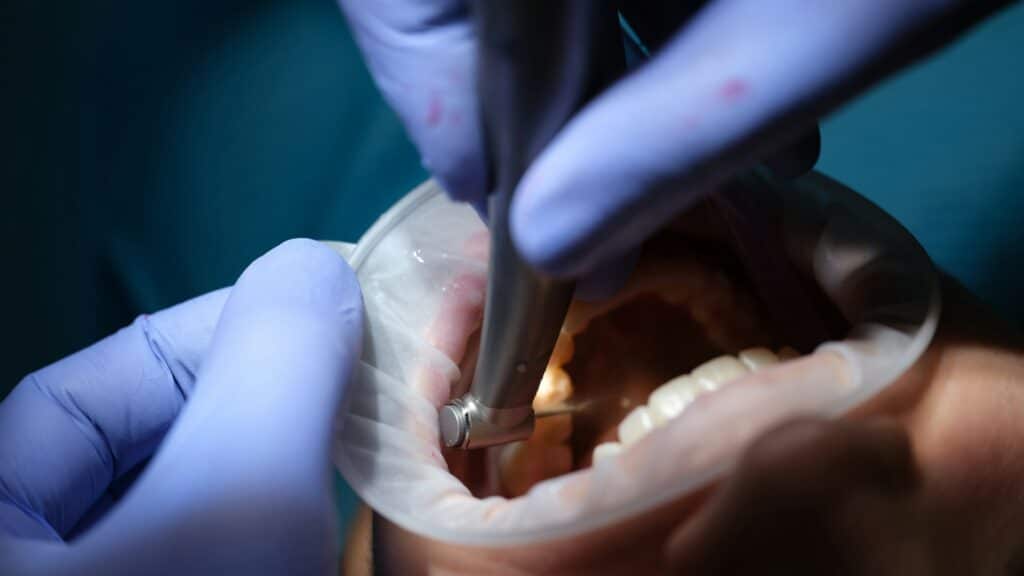
Accidents, decay, and wear can all contribute to damaged or missing teeth, impacting the function and appearance of your smile. Crowns and bridges are common restorative dental treatments used to repair or replace damaged teeth, helping to restore your oral health and enhance the beauty of your smile. As a family dental care provider in Pickering, ON, we understand the importance of preserving your natural teeth, as well as providing solutions when tooth damage or loss occurs. We are committed to delivering comprehensive and informative content to assist you in making informed decisions about your dental care options.

In this article, we will explore the world of crowns and bridges, diving into their roles in restorative dentistry, the materials used, and the procedures involved in the creation and placement of these dental restorations. Additionally, we will discuss the benefits of crowns and bridges, including their ability to improve your oral health, function, and aesthetics, as well as tips for maintaining your dental restorations and prolonging their longevity.

Understanding Dental Crowns

Dental Bridge

Dental crowns are tooth-shaped restorations that completely cover or “cap” damaged teeth, effectively protecting and strengthening them. They can also be used in conjunction with dental implants to replace missing teeth. Crowns play a vital role in restorative dentistry for the following situations:

1. Repairing damaged teeth: Teeth with significant decay, fractures or cracks, or those that have undergone root canal therapy can be restored with dental crowns.

2. Improving aesthetics: Sometimes, crowns may be used to enhance the appearance of discoloured or misshapen teeth.

3. Replacing missing teeth: When used in conjunction with dental implants, crowns can replace a single missing tooth or multiple teeth, depending on the patient’s needs.

Dental Crown Materials

Several materials can be used to create dental crowns, including porcelain, resin, metal, or porcelain fused to metal (PFM). The choice of material often depends on the location of the tooth, aesthetic preferences, and other factors:

1. Porcelain: Porcelain crowns are popular for their natural appearance, closely resembling the colour and translucency of natural teeth. They are often used for front teeth. Learn more about family dentistry services in Pickering.

2. Resin: Resin crowns can be more affordable than other materials and can be colour-matched to your natural teeth. However, they tend to be less durable and may require replacement sooner.

3. Metal: Metal crowns, typically made from alloys like gold or stainless steel, are highly durable and often used for molars that are not visible when smiling.

4. Porcelain Fused to Metal (PFM): PFM crowns combine the benefits of both porcelain and metal, offering durability as well as a natural-looking appearance.

All About Dental Bridges

implant dentistry

Dental bridges are restorative dental treatments used to replace one or more missing teeth. A bridge is made up of two or more dental crowns, called abutment teeth, which are placed over the natural teeth adjacent to the gap, and one or more artificial teeth, called pontics, that fill the gap. The main types of dental bridges include:

1. Traditional Bridges: These bridges consist of a pontic(s) held in place by two dental crowns. Traditional bridges can be used when there are natural teeth on both sides of the gap.

2. Cantilever Bridges: Cantilever bridges involve attaching the pontic(s) to a single abutment tooth. This type of bridge may be used when there’s only one natural tooth next to the gap.

3. Maryland Bridges: These bridges use a metal or porcelain framework to hold the pontic(s) in place, preserving more of the adjacent tooth structure. They are typically used for replacing front teeth.

Benefits of Crowns and Bridges

Crowns and bridges offer numerous advantages for improving your oral health, function, and aesthetics:

1. Restored Function: Both crowns and bridges provide a stronger bite and improved chewing capabilities by supporting and replacing damaged or missing teeth.

2. Aesthetic Improvements: Dental crowns and bridges restore the natural look of your smile by covering unsightly teeth or filling gaps left by missing teeth.

3. Oral Health Benefits: Crowns and bridges help prevent further deterioration of damaged teeth and reduce the risk of adjacent teeth shifting into the gap left by missing teeth.

4. Longevity: With proper care and maintenance, crowns and bridges can last for many years, providing a durable and cost-effective dental solution.

Caring for Your Dental Restorations

Maintaining good oral hygiene and regular dental check-ups are essential for the longevity of your dental crowns and bridges:

1. Brush and floss daily: Keeping your teeth and gums healthy is essential for the success of your dental restorations.

2. Avoid hard or sticky foods: Some foods can potentially damage your dental crown or bridge, so it’s best to avoid them.

3. Schedule regular dental check-ups: Regular check-ups will help ensure the continued health and success of your dental restorations.

Conclusion

Dental crowns and bridges are valuable tools in restorative dentistry, helping to repair or replace damaged teeth and restore your oral health and smile. By understanding the procedures and benefits associated with these restorations, you can make knowledgeable decisions about your dental care. Our dedicated team of dental professionals at Pickering Dental Services is here to provide comprehensive and compassionate care, helping you achieve a healthy, beautiful smile. 

Contact us today to schedule a consultation and learn more about how crowns bridges and other dental services in Pickering can enhance your smile and improve your oral health.

Helpful Resources

For more information, visit the Canadian Dental Association Oral Health.

Schedule Your Appointment Today

Contact Pickering Square Dental to book your appointment with Dr. Marvin Lean. Call us at (905) 420-1777 or visit us at 1450 Kingston Rd, Unit #4, Pickering, ON.

Frequently Asked Questions

How often should I visit the dentist?

The Canadian Dental Association recommends visiting your dentist at least twice a year for regular check-ups and cleanings. Some patients may need more frequent visits depending on their oral health needs. Call Pickering Square Dental at (905) 420-1777 to schedule your next appointment.

Do you accept the Canadian Dental Care Plan (CDCP)?

Yes, Pickering Square Dental participates in the Canadian Dental Care Plan. Our team can help you understand your coverage and ensure you receive the dental care you need. Contact us for more details about CDCP eligibility and benefits.

What services does Pickering Square Dental offer?

We offer a full range of dental services including family dentistry, emergency dental care, sedation dentistry, dental implants, laser dentistry, teeth whitening, root canal therapy, dental extractions, periodontal care, and cosmetic dentistry. Dr. Lean and our team serve patients in Pickering, Ajax, Whitby, and Scarborough.

Crowns and Bridges: Restoring the Function and Aesthetics of Your Smile
dental treatment

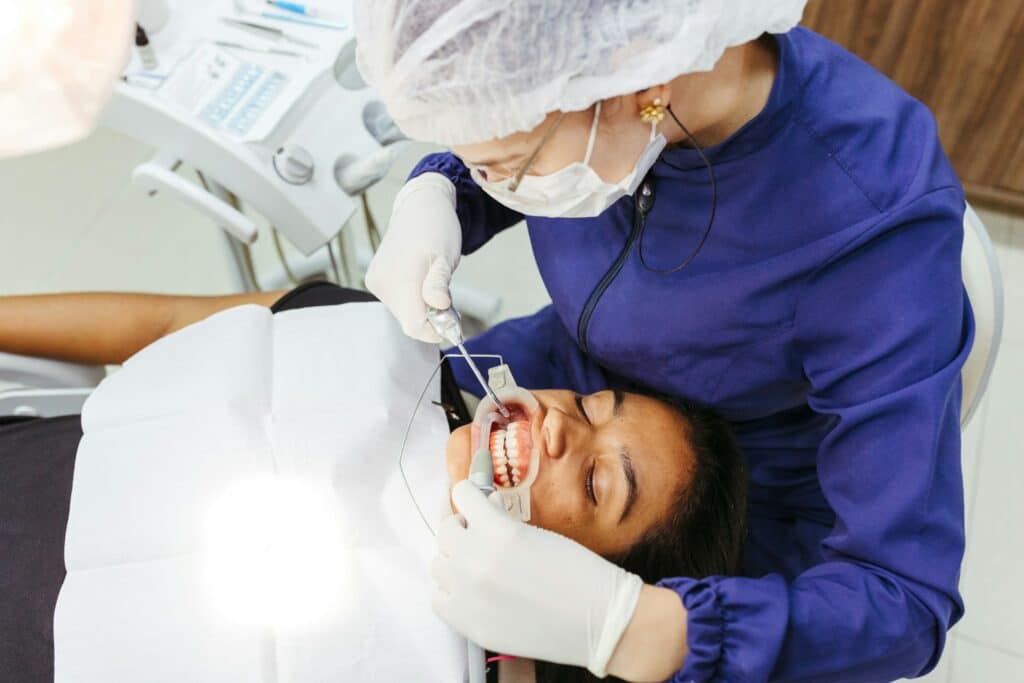
At our family dental care practice based in Pickering, ON, we are committed to providing patients with comprehensive dental solutions designed to improve the appearance, function, and health of their smiles. Crowns and bridges are two pivotal restorative treatments that can be used individually or in combination to address various dental issues, such as missing, damaged, or decayed teeth. These custom-made restorations not only restore a natural, aesthetically pleasing appearance but also reinforce your remaining teeth and improve functionality.

Dental crowns are essentially tooth-shaped caps that fit over your existing tooth structure, offering protection and stability for compromised or weakened teeth. They can be used to restore teeth that have been heavily damaged by decay, disease, or trauma, or to protect those that have undergone root canal therapy.

On the other hand, a dental bridge is designed to replace one or more missing teeth, essentially “bridging” the gap between healthy teeth or implants. Bridges involve the placement of one or more artificial teeth, known as pontics, held in place by crowns attached to the adjacent natural teeth or implants.

In this in-depth guide, we will delve into the purpose of crowns and bridges, their benefits, and the processes involved in their placement. Additionally, we will highlight the various types of materials used in these restorations, allowing you to make a well-informed decision on the best choice for your unique dental needs. Schedule a consultation with our experienced dental team today and learn how crowns and bridges can transform your smile and restore your oral health.

Exploring the Benefits of Crowns and Bridges

Sedation-Dentistry

Crowns and bridges have proven to be invaluable tools in restorative dentistry, offering a myriad of benefits for patients with damaged or missing teeth. In this section, let us delve into the advantages they provide.

1. Aesthetically Pleasing Smile

Both crowns and bridges are custom designed to mimic the appearance and colour of your natural teeth, providing an aesthetically pleasing solution for damaged or missing teeth. As a result, patients can enjoy a more harmonious and balanced smile that exudes confidence.

2. Improved Functionality

Teeth that are significantly damaged or missing can hinder daily functions such as eating and speaking. Crowns and bridges are designed to restore functionality, allowing you to chew and speak proficiently.

3. Reinforcement and Protection

Dental crowns not only rebuild damaged or weakened teeth but also offer additional reinforcement, preventing further damage and protecting the tooth from infection or decay. Similarly, dental bridges help maintain the structure and integrity of your remaining teeth, preventing them from shifting or weakening. Learn more about family dentistry services in Pickering.

4. Prevention of Oral Health Issues

Addressing missing or damaged teeth with crowns and bridges helps prevent a host of oral health issues, including misaligned bites, jaw problems, gum disease, and further tooth loss.

Types of Materials for Crowns and Bridges

Various materials can be used in crafting crowns and bridges, each offering unique advantages:

1. Porcelain and Ceramic

These materials are highly sought after for their ability to closely mimic the appearance of natural teeth. As a result, porcelain and ceramic crowns and bridges blend seamlessly with your existing teeth, providing an aesthetically pleasing restoration that is also durable and biocompatible.

2. Metal Alloys

Metal crowns and bridges, made of substances such as gold or silver, are known for their durability and strength. While they may not offer the same aesthetic appeal as porcelain or ceramic restorations, they are often an ideal choice for back teeth that require significant reinforcement and are less visible.

3. Porcelain-fused-to-metal (PFM)

PFM restorations combine the advantages of both metal and porcelain, offering a restoration that is both strong and tooth-coloured. However, the metal framework may sometimes be visible along the gum line, which may not be desired.

The Crown Placement Process

dental treatment

The process of placing a dental crown usually involves two appointments, as outlined below:

1. Tooth Preparation and Impressions

During the first appointment, your dentist will remove any decay or damage, preparing the tooth to receive the crown. They will then take impressions of your tooth, which will serve as a blueprint for the custom crown.

2. Placement of the Temporary Crown and Laboratory Fabrication

A temporary crown will be placed on your prepared tooth to protect it while the permanent crown is fabricated at a dental laboratory based on your tooth impressions.

3. Crown Fitting and Placement

Once the permanent crown is ready, your dentist will remove the temporary crown, verify the fit and shade of the new crown, and securely cement it onto your tooth.

The Bridge Placement Process

Similar to crowns, dental bridge placement typically involves two appointments:

1. Tooth Preparation and Impressions

Your dentist will prepare the neighbouring teeth on either side of the gap for crown placement. Impressions of these teeth and the gap left by the missing tooth will be taken, which will serve as a blueprint for crafting the bridge.

2. Placement of the Temporary Bridge and Laboratory Fabrication

A temporary bridge will be positioned to protect the prepared teeth while the permanent bridge is being fabricated at a dental laboratory based on your tooth impressions.

3. Bridge Fitting and Placement

Once the custom bridge is ready, your dentist will remove the temporary bridge, ensure a proper fit, and permanently cement the new bridge in place.

Conclusion

Crowns and bridges are invaluable restorative solutions that not only enhance the aesthetic appearance of your smile but also improve functionality and protect against further oral health issues. Choosing the right material and understanding the placement processes for these treatments is essential in making informed decisions about your dental health. Trust our experienced dental team at Pickering Dental Services to guide you through the process and provide personalized care that meets your unique needs. 

Schedule a consultation today to learn more about how crowns and bridges can help restore your smile and oral health.

Helpful Resources

For more information, visit the Canadian Dental Association Oral Health.

Schedule Your Appointment Today

Contact Pickering Square Dental to book your appointment with Dr. Marvin Lean. Call us at (905) 420-1777 or visit us at 1450 Kingston Rd, Unit #4, Pickering, ON.

Frequently Asked Questions

How often should I visit the dentist?

The Canadian Dental Association recommends visiting your dentist at least twice a year for regular check-ups and cleanings. Some patients may need more frequent visits depending on their oral health needs. Call Pickering Square Dental at (905) 420-1777 to schedule your next appointment.

Do you accept the Canadian Dental Care Plan (CDCP)?

Yes, Pickering Square Dental participates in the Canadian Dental Care Plan. Our team can help you understand your coverage and ensure you receive the dental care you need. Contact us for more details about CDCP eligibility and benefits.

What services does Pickering Square Dental offer?

We offer a full range of dental services including family dentistry, emergency dental care, sedation dentistry, dental implants, laser dentistry, teeth whitening, root canal therapy, dental extractions, periodontal care, and cosmetic dentistry. Dr. Lean and our team serve patients in Pickering, Ajax, Whitby, and Scarborough.

Discover Dental Bonding: A Versatile Cosmetic Treatment Option
dental bonding

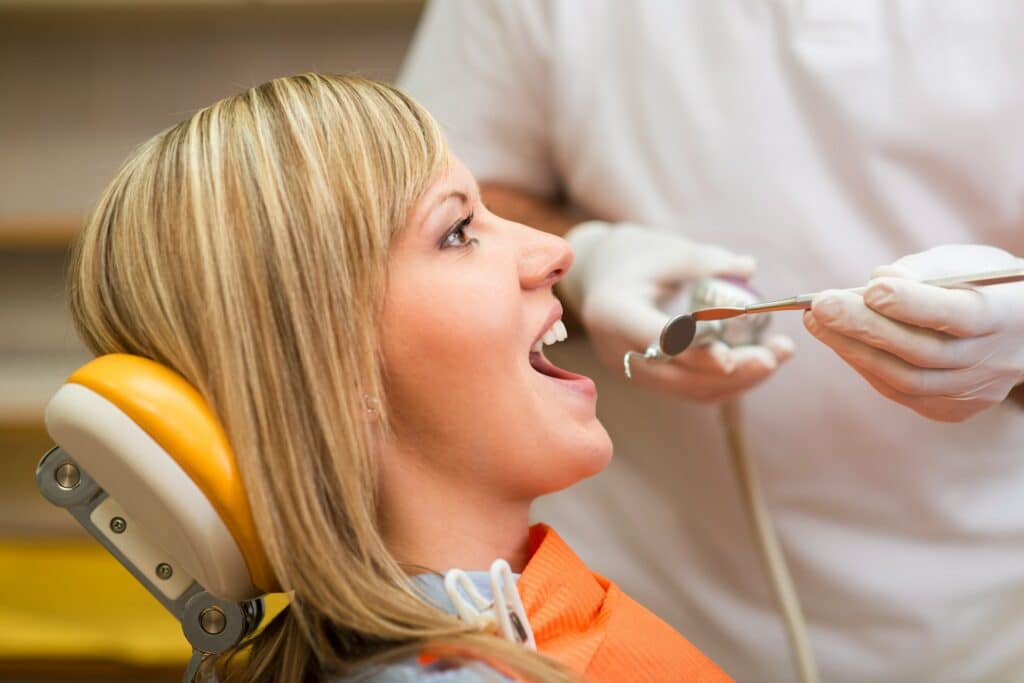
Your smile is an important aspect of your appearance, and having a bright, beautiful smile can significantly impact your confidence and overall quality of life. At Pickering Dental Services, a family dental care practice in Pickering, ON, we pride ourselves on offering a comprehensive array of cosmetic dental treatments to help you achieve the smile you have always desired. 

These treatments include teeth whitening, dental veneers, dental crowns, dental bridges, and dental bonding. In this article, we will illustrate the capabilities of dental bonding and discuss how this versatile cosmetic treatment can address various dental concerns.

Understanding Dental Bonding

Family Dentists

Dental bonding is a minimally invasive cosmetic procedure in which a tooth-coloured resin material is applied to the teeth and hardened using a special curing light. Dental bonding serves several purposes, including repairing chipped or cracked teeth, improving the appearance of discoloured teeth, closing gaps between teeth, and making teeth appear longer. It can often be performed in a single dental visit, making it a convenient choice for busy patients.

Applications of Dental Bonding

1. Repairing Chipped or Cracked Teeth: Dental bonding can effectively mend minor chips or cracks in teeth, restoring their appearance and preventing further damage.

2. Reshaping Teeth: Bonding is an ideal solution for patients looking to improve the shape of their teeth, whether they are uneven in size or have minor irregularities in shape.

3. Closing Gaps between Teeth: Dental bonding is often used to address diastema – gaps between the teeth – offering an affordable and minimally invasive option to enhance the smile’s overall appearance.

4. Covering Discoloured Teeth: Bonding can be used to conceal discoloured teeth that do not respond to traditional teeth whitening treatments, resulting in a more uniform and brighter smile.

The Dental Bonding Procedure

Emergency Dental

The dental bonding procedure is typically quick, straightforward, and requires little to no tooth preparation: Learn more about family dentistry services in Pickering.

1. Consultation and Colour Selection: At your dental bonding consultation, your dentist will assess your teeth and discuss the desired results. They will select a resin colour that closely matches the natural colour of your teeth, ensuring a seamless appearance.

2. Tooth Preparation: In most cases, dental bonding requires minimal tooth preparation. The surface of the tooth will be cleaned and lightly etched to promote a strong bond between the resin and the tooth.

3. Resin Application and Shaping: Your dentist will apply the tooth-coloured resin material directly to your tooth, shaping and moulding it to the desired form. They may apply the resin in layers to achieve the optimal thickness.

4. Curing and Polishing: Once the desired shape is achieved, your dentist will use a special curing light to harden the resin. They will then polish the bonded area to ensure a smooth, natural-looking finish that blends with your other teeth.

Benefits of Dental Bonding

Dental bonding offers patients numerous advantages, making it a popular choice for dental professionals and patients alike:

1. Cost-Effective: Dental bonding is often more affordable than other cosmetic dental treatment options, such as veneers or crowns, making it an appealing choice for patients on a budget.

2. Minimally Invasive: Bonding typically requires little to no tooth enamel removal and often does not necessitate the use of anesthesia, providing an attractive option for patients concerned with preserving their natural tooth structure.

3. Speed: Dental bonding can usually be performed in a single visit, making it an efficient solution for busy patients and offering immediate results.

4. Versatility: Bonding is a practical option for addressing a range of cosmetic dental concerns, from reshaping teeth to repairing chips and cracks, making it a flexible treatment for enhancing a patient’s smile.

Caring for Bonded Teeth

To ensure the success and longevity of your dental bonding treatment, proper care and maintenance are essential:

1. Maintain good oral hygiene practices by brushing twice a day using a soft-bristled toothbrush and fluoride toothpaste and flossing at least once a day.

2. Schedule regular dental check-ups and cleanings to monitor your bonded teeth and maintain optimal oral health.

3. Avoid biting or chewing on hard items, such as ice, hard candies, or pen caps, which can damage the bonded area.

4. Be cautious with staining agents, such as coffee, tea, and red wine, as the bonding material may discolour over time.

5. If you grind your teeth, consider wearing a nightguard to protect your bonded teeth from excessive pressure and potential damage.

Experience Smile Transformation with Dental Bonding at Pickering Dental Services

Dental bonding is an efficient and versatile cosmetic dentistry option designed to address a variety of dental concerns, providing immediate results with minimal discomfort. At Pickering Dental Services, our dedicated team of cosmetic dentists in Pickering is committed to delivering top-quality care using state-of-the-art technology. By offering a comprehensive range of cosmetic dental treatments, including dental bonding, our skilled team will help you achieve the smile you’ve always desired.

Are you ready to explore the benefits of dental bonding for a stunning, confident smile? Schedule a consultation with our experienced team at Pickering Dental Services today, and start your journey towards the smile you deserve.

Helpful Resources

For more information, visit the Canadian Dental Association Oral Health.

Schedule Your Appointment Today

Contact Pickering Square Dental to book your appointment with Dr. Marvin Lean. Call us at (905) 420-1777 or visit us at 1450 Kingston Rd, Unit #4, Pickering, ON.

Frequently Asked Questions

How often should I visit the dentist?

The Canadian Dental Association recommends visiting your dentist at least twice a year for regular check-ups and cleanings. Some patients may need more frequent visits depending on their oral health needs. Call Pickering Square Dental at (905) 420-1777 to schedule your next appointment.

Do you accept the Canadian Dental Care Plan (CDCP)?

Yes, Pickering Square Dental participates in the Canadian Dental Care Plan. Our team can help you understand your coverage and ensure you receive the dental care you need. Contact us for more details about CDCP eligibility and benefits.

What services does Pickering Square Dental offer?

We offer a full range of dental services including family dentistry, emergency dental care, sedation dentistry, dental implants, laser dentistry, teeth whitening, root canal therapy, dental extractions, periodontal care, and cosmetic dentistry. Dr. Lean and our team serve patients in Pickering, Ajax, Whitby, and Scarborough.

Unveiling the Benefits of Dental Veneers as a Cosmetic Treatment Option
dental veneer

Your smile is an important aspect of your appearance, and having a bright, beautiful smile can significantly impact your confidence and overall quality of life. Cosmetic dentistry offers a vast array of treatments designed to enhance the appearance of your teeth for a more attractive smile. Procedures such as teeth whitening, dental crowns, dental bridges, and dental veneers all contribute to achieving a beautiful smile. 

In this article, we will focus on veneers and their role in cosmetic dentistry, providing you with the information you need to make an informed decision about your dental treatment plan. At Pickering Dental Services, our team of experienced dental professionals is devoted to understanding your needs and goals, providing personalized care across all cosmetic treatment options, including dental veneers, for the most gratifying results.

What Are Dental Veneers?

Digital X-rays

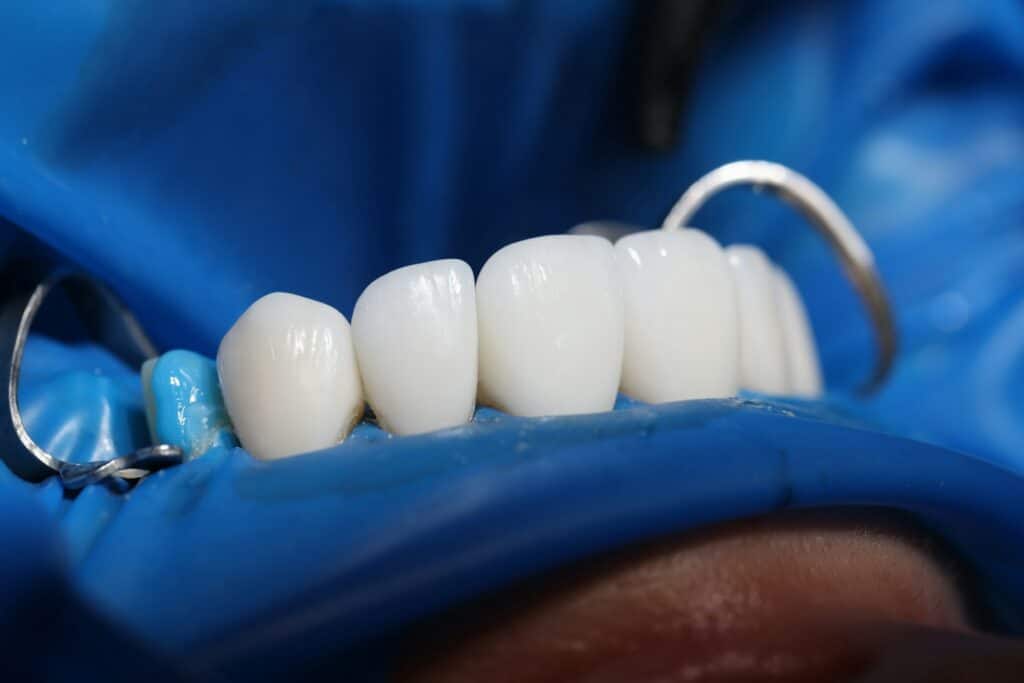
Dental veneers are ultra-thin, custom-made shells of tooth-colored materials designed to cover the front surfaces of your teeth to improve their appearance. They can be made from porcelain or resin composite materials, each with its own unique benefits. Veneers are an excellent cosmetic solution for addressing various dental issues such as stains, discoloration, chips, cracks, gaps, and mild misalignments, offering a natural-looking and long-lasting solution.

Types of Veneers

1. Porcelain Veneers: Porcelain veneers are popular due to their ability to closely resemble natural tooth enamel. They are highly stain-resistant and tend to be stronger and more durable than resin composite veneers. Porcelain veneers also provide an exceptional light-reflecting quality, mimicking the look of natural teeth.

2. Composite Veneers: Composite resin veneers are made from a tooth-colored filling material, offering a more affordable alternative to porcelain veneers. They can be placed more quickly and generally require less enamel removal than porcelain veneers. However, composite veneers are not as stain-resistant and may not be as durable as their porcelain counterparts over time.

The Veneer Placement Procedure

Wisdom Teeth

The dental veneer procedure usually takes place over two to three visits:

1. Consultation and Treatment Planning: Your dentist will assess your dental condition, discuss your cosmetic goals, and determine if veneers are the best solution to address your aesthetic concerns. They will also discuss the advantages and disadvantages of porcelain and composite veneers to help you make an informed decision. Learn more about family dentistry services in Pickering.

2. Tooth Preparation: During tooth preparation, a thin layer of enamel – typically about 0.5 millimeters – is removed from the tooth’s surface to allow the veneer to fit seamlessly and not appear bulky. Your dentist will then take impressions of your teeth, which will be sent to a dental laboratory to fabricate your custom veneers.

3. Veneer Placement: Once your custom veneers are ready, your dentist will clean, polish, and etch your teeth’s surfaces to ensure a strong bond. After checking the fit and color of the veneers, they will be securely bonded to your teeth using a dental cement. The dentist will make any necessary adjustments to the veneers, and a follow-up appointment will be scheduled to ensure everything is properly functioning and comfortable.

Benefits of Veneers

Dental veneers offer numerous advantages, making them a popular choice for people looking to enhance their smile:

1. Improved Smile Aesthetics: Veneers are highly effective in correcting various cosmetic dental concerns, from discoloration and stains to chips and gaps, instantly revamping your smile’s appearance.

2. Customization: Veneers are custom-made to match the size, shape, and color of your teeth, ensuring a natural-looking and harmonious result that blends with your existing teeth.

3. Minimal Enamel Removal: Veneers require minimal tooth removal compared to other cosmetic options like dental crowns, making them a more conservative choice.

4. Durability: Dental veneers, especially porcelain ones, are robust and can last anywhere from 10 to 15 years, depending on your oral care and lifestyle factors.

Caring for Your Dental Veneers

Proper care and maintenance are essential for ensuring the longevity and success of your dental veneers:

1. Maintain a regular oral hygiene routine, including brushing twice a day with a non-abrasive toothpaste and a soft-bristled toothbrush and flossing at least once a day.

2. Schedule routine dental checkups to monitor the condition of your veneers and ensure optimum oral health.

3. Avoid biting on hard foods or objects, such as ice or pencils, which can damage your veneers.

4. Wear a nightguard if you clench or grind your teeth, as this action can damage your veneers.

5. Keep in mind that veneers can still stain, particularly around the edges. You may need to reduce the consumption of staining agents, such as coffee, tea, and red wine, to maintain the color of your veneers.

Experience the Transformation with Dental Veneers at Pickering Dental Services

Dental veneers are an exceptional cosmetic dentistry solution designed to enhance your smile’s appearance and boost your confidence by addressing various dental concerns. With their customized design and impeccable results, veneers provide an excellent option for those looking for a quick yet effective solution to greatly improve their smiles. At Pickering Dental Services, our team of dedicated cosmetic dentists in Pickering utilizes leading-edge technology and techniques to ensure the highest quality care when it comes to all cosmetic dental treatments, including veneers.

Are you ready to discover the life-changing impact of dental veneers? Schedule a consultation with our skilled team at Pickering Dental Services today and begin your journey towards a breathtaking smile you’ll be proud to show off.

Helpful Resources

For more information, visit the Canadian Dental Association Oral Health.

Schedule Your Appointment Today

Contact Pickering Square Dental to book your appointment with Dr. Marvin Lean. Call us at (905) 420-1777 or visit us at 1450 Kingston Rd, Unit #4, Pickering, ON.

Frequently Asked Questions

How often should I visit the dentist?

The Canadian Dental Association recommends visiting your dentist at least twice a year for regular check-ups and cleanings. Some patients may need more frequent visits depending on their oral health needs. Call Pickering Square Dental at (905) 420-1777 to schedule your next appointment.

Do you accept the Canadian Dental Care Plan (CDCP)?

Yes, Pickering Square Dental participates in the Canadian Dental Care Plan. Our team can help you understand your coverage and ensure you receive the dental care you need. Contact us for more details about CDCP eligibility and benefits.

What services does Pickering Square Dental offer?

We offer a full range of dental services including family dentistry, emergency dental care, sedation dentistry, dental implants, laser dentistry, teeth whitening, root canal therapy, dental extractions, periodontal care, and cosmetic dentistry. Dr. Lean and our team serve patients in Pickering, Ajax, Whitby, and Scarborough.

Exploring Expert Dental Bridge Treatments in Pickering, ON
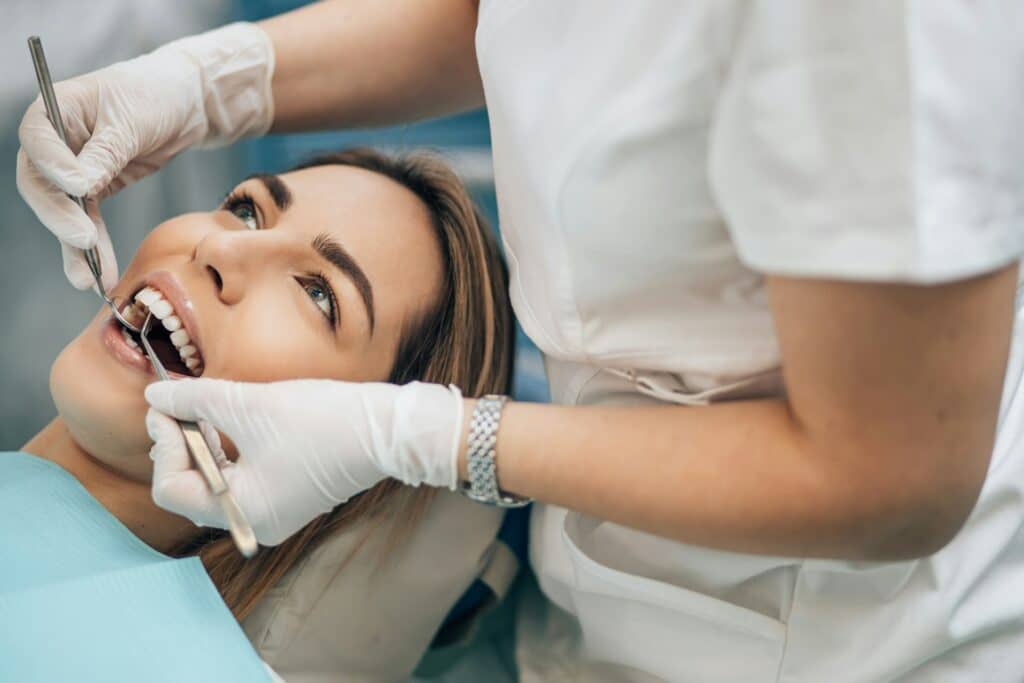
dental treatment

A healthy, beautiful smile can make an incredible difference in one’s confidence and overall appearance. Cosmetic treatments such as teeth whitening, dental veneers, orthodontics, and dental bridges can all contribute to a more beautiful smile. In this article, we will delve into dental bridges and their role in cosmetic dentistry, helping you make an informed decision about your oral health and aesthetic goals.

At Pickering Dental Services, our family dental care practice in Pickering, ON, we understand the significance of a radiant smile and offer a range of cosmetic dental treatments tailored to help you achieve the smile of your dreams. Our team of dental professionals is dedicated to delivering high-quality solutions and personalized care to enhance both the aesthetic and functional aspects of your smile.

What Are Dental Bridges?

Teeth Whitening

Dental bridges are custom-made dental restorations designed to replace one or more missing teeth. By bridging the gap created by missing teeth, dental bridges help restore your oral functionality while providing a significant cosmetic improvement. Dental bridges consist of one or more artificial teeth (called pontics) anchored by dental crowns placed on the adjacent natural teeth or dental implants.

Benefits of Dental Bridges

Dental bridges serve both functional and cosmetic purposes. Some of their key benefits include:

1. Improved Smile Aesthetics: By replacing missing teeth, dental bridges significantly enhance your smile’s appearance and restore the balance and harmony of your facial features.

2. Restored Functionality: Dental bridges allow you to regain proper biting and chewing function, making it easier for you to enjoy your favourite foods and speak clearly.

3. Alleviated Bite Pressure: Bridges help redistribute the biting forces evenly across your teeth, preventing further damage to your remaining natural teeth.

4. Prevention of Teeth Shifting: Missing teeth can cause adjacent teeth to shift out of alignment over time. Dental bridges help maintain the proper positioning of your teeth and prevent misalignment issues.

Types of Dental Bridges

Family Dentists

There are various types of dental bridges, each suitable for different clinical conditions and aesthetic requirements:

1. Traditional Dental Bridges: These bridges are the most common type and consist of one or more pontics supported by dental crowns placed on the adjacent teeth. Traditional bridges are suitable when you have natural teeth on both sides of the gap.

2. Cantilever Bridges: Cantilever bridges are similar to traditional bridges but require only one adjacent tooth for support. These bridges are ideal for situations where only one remaining natural tooth is available to anchor the bridge.

3. Maryland Bridges: Maryland bridges are minimally invasive and involve the use of metal or porcelain wings bonded to the back of the supporting teeth instead of dental crowns. These bridges work best for more specific cases and may not be ideal for every patient.

4. Implant-Supported Bridges: These bridges are anchored by dental implants and do not rely on the remaining natural teeth for support. Implant-supported bridges provide extra stability and a longer-lasting solution while preserving adjacent teeth from the need for crowns.

The Dental Bridge Procedure

The procedure for receiving a dental bridge typically involves several steps:

1. Consultation and Treatment Planning: Your dentist will assess your dental condition, discuss your cosmetic goals, and determine if a dental bridge is the best course of treatment. They will also discuss the various types of bridges and recommend the most suitable option based on your unique needs.

2. Tooth Preparation: For traditional and cantilever bridges, the supporting teeth will need to be prepared to accommodate dental crowns, which may involve removing a small portion of the enamel. The goal is to ensure a proper fit for the bridge and an optimal margin between the bridge and gum tissue.

3. Dental Impressions: Your dentist will take precise impressions of your prepared teeth and the surrounding area, which will serve as a guide for the dental laboratory to create your custom bridge.

4. Temporary Bridge Placement: While your custom dental bridge is being fabricated, your dentist will place a temporary bridge to protect your prepared teeth and maintain the space.

5. Final Bridge Placement: Once your custom bridge is completed, your dentist will remove the temporary bridge, check the fit and appearance of the permanent bridge, and cement it in place. They will ensure proper bite alignment, comfort, and a seamless appearance before completing the procedure.

Caring for Your Dental Bridge

Proper care and maintenance are crucial to ensuring the longevity and success of your dental bridge:

1. Maintain a consistent oral hygiene routine, including brushing your teeth twice daily with a soft-bristled toothbrush and fluoride toothpaste and flossing at least once a day with a special floss threader designed to clean under the bridge.

2. Schedule regular dental checkups and cleanings to ensure the health of your dental bridge and surrounding teeth.

3. Protect your bridge from damage or wear by avoiding hard or sticky foods.

Discover Dental Bridges at Pickering Dental Services

Dental bridges are a versatile and effective cosmetic dentistry option for restoring your smile by replacing missing teeth. With various types of dental bridges available, your treatment can be tailored to suit your unique situation and cosmetic goals. At Pickering Dental Services, our dedicated team of cosmetic dentists in Pickering is committed to providing comprehensive cosmetic treatment options, including dental bridges, to help you achieve the smile you’ve always desired.

Are you ready to bridge the gap in your smile? Schedule a consultation at Pickering Dental Services today to explore your cosmetic dentistry options and take the first step towards a confident, radiant smile.

Looking for professional help? Learn more about our dental implant services at Pickering Square Dental or call (905) 420-1777 to book an appointment.

Helpful Resources

For more information, visit the Canadian Dental Association Oral Health.

Frequently Asked Questions

How often should I visit the dentist?

The Canadian Dental Association recommends visiting your dentist at least twice a year for regular check-ups and cleanings. Some patients may need more frequent visits depending on their oral health needs. Call Pickering Square Dental at (905) 420-1777 to schedule your next appointment.

Do you accept the Canadian Dental Care Plan (CDCP)?

Yes, Pickering Square Dental participates in the Canadian Dental Care Plan. Our team can help you understand your coverage and ensure you receive the dental care you need. Contact us for more details about CDCP eligibility and benefits.

What services does Pickering Square Dental offer?

We offer a full range of dental services including family dentistry, emergency dental care, sedation dentistry, dental implants, laser dentistry, teeth whitening, root canal therapy, dental extractions, periodontal care, and cosmetic dentistry. Dr. Lean and our team serve patients in Pickering, Ajax, Whitby, and Scarborough.

Enhance Your Smile with Dental Crowns at Pickering Dental Services

dental crowns

Cosmetic dentistry encompasses a variety of treatments designed to improve the appearance of your teeth and enhance your smile. Some popular cosmetic treatments include teeth whitening, veneers, orthodontics, and dental crowns. 

At Pickering Dental Services, our family dental care practice based in Pickering, ON, we understand the importance of a beautiful smile. That’s why we offer a range of cosmetic dentistry options to help you achieve the perfect smile while ensuring your oral health is in top condition. In this article, we will focus on dental crowns and their role in cosmetic dentistry to help you make informed decisions about your oral health and aesthetic goals.

The Role of Dental Crowns in Cosmetic Dentistry

Family Dental Care

Dental crowns, sometimes referred to as “caps,” are custom-made restorations that cover the entire visible surface of a tooth. They can be made from a variety of materials, including porcelain, ceramic, and metal alloys. Dental crowns serve a dual purpose in both restorative and cosmetic dentistry, as they can improve the function and appearance of damaged or discoloured teeth. Here’s a closer look at the cosmetic benefits of dental crowns.

1. Enhanced Aesthetics: Dental crowns can be colour-matched to your natural teeth, providing a seamless, natural appearance. They can also be shaped and contoured to match the aesthetics of your surrounding teeth, ensuring a harmonious smile.

2. Improved Tooth Shape and Size: Crowns can correct teeth that may be misshapen, chipped, or worn down, resulting in a more balanced and proportionate smile.

3. Long-Lasting Solution: Dental crowns are durable, long-lasting restorations that, with proper care, can last for many years.

Different Types of Dental Crowns

There are various materials available for dental crowns, each with its own advantages and aesthetic properties:

1. Porcelain or Ceramic Crowns: These crowns are made from high-quality dental porcelain or ceramic material, offering the most natural-looking results. They closely mimic the appearance and translucency of natural teeth and can be customized to match the shade of your surrounding teeth. Learn more about family dentistry services in Pickering.

2. Porcelain Fused to Metal (PFM) Crowns: These crowns feature a metal base for added strength and a porcelain outer layer for aesthetic appeal. While offering a balance between durability and appearance, the metal substructure may sometimes be visible at the gum line.

3. Gold or Metal Alloy Crowns: These crowns are made from various metal alloys, such as gold or silver, offering the greatest durability and strength. However, they have a metallic appearance that may not be ideal for patients seeking natural-looking restorations.

The Dental Crown Procedure

Veneers

The process of receiving a custom dental crown typically involves the following steps:

1. Consultation and Evaluation: Your dentist will assess your dental condition and discuss your cosmetic goals to determine if a dental crown is the best course of treatment. They will also guide you through your options for crown materials and explain the advantages and drawbacks of each.

2. Tooth Preparation: Your dentist will remove any decay or damaged tooth structure and shape the tooth to accommodate the dental crown. This step is crucial for ensuring a proper fit and successful restoration.

3. Dental Impressions: An impression of your tooth and surrounding teeth will be taken, which will serve as a model for the dental lab to create your custom crown.

4. Temporary Crown Placement: While your custom dental crown is being crafted, a temporary crown will be placed on your tooth to protect it from damage and sensitivity.

5. Final Crown Placement: Once your custom crown is ready, your dentist will remove the temporary crown and cement the permanent crown in place. They will ensure the proper fit, bite alignment, and appearance before completing the procedure.

Caring for Your Dental Crown

Once a dental crown has been placed, it’s essential to care for it just as you would your natural teeth to ensure its longevity:

1. Maintain proper oral hygiene by brushing your teeth twice a day with a soft-bristled toothbrush and fluoride toothpaste.

2. Floss daily to remove plaque and food debris from between your teeth and around the dental crown.

3. Visit your dentist regularly for checkups and cleanings, as they can help maintain and monitor the health of your dental crown and surrounding teeth.

4. Be mindful of your eating habits and avoid biting on hard or sticky foods that may dislodge or damage your dental crown.

5. Wearing a night guard may be recommended if you grind or clench your teeth during sleep, as this habit can cause excessive wear or fractures in your dental crown.

Discover the Beauty and Function of Dental Crowns at Pickering Dental Services

Dental crowns offer an effective cosmetic dentistry solution to enhance the beauty and function of your smile. Their versatility allows them to address various dental concerns, ranging from discoloured or misshapen teeth to reinforcing and protecting damaged teeth. At Pickering Dental Services, our dedicated team of cosmetic dentists in Pickering is committed to helping you achieve the smile you’ve always desired by providing comprehensive cosmetic treatment options, including dental crowns.

Ready to transform your smile with a custom dental crown? Schedule a consultation at Pickering Dental Services today to explore your cosmetic dentistry options and take the first steps towards achieving a radiant, confident smile.

Helpful Resources

For more information, visit the Canadian Dental Association Oral Health.

Schedule Your Appointment Today

Contact Pickering Square Dental to book your appointment with Dr. Marvin Lean. Call us at (905) 420-1777 or visit us at 1450 Kingston Rd, Unit #4, Pickering, ON.

Frequently Asked Questions

How often should I visit the dentist?

The Canadian Dental Association recommends visiting your dentist at least twice a year for regular check-ups and cleanings. Some patients may need more frequent visits depending on their oral health needs. Call Pickering Square Dental at (905) 420-1777 to schedule your next appointment.

Do you accept the Canadian Dental Care Plan (CDCP)?

Yes, Pickering Square Dental participates in the Canadian Dental Care Plan. Our team can help you understand your coverage and ensure you receive the dental care you need. Contact us for more details about CDCP eligibility and benefits.

What services does Pickering Square Dental offer?

We offer a full range of dental services including family dentistry, emergency dental care, sedation dentistry, dental implants, laser dentistry, teeth whitening, root canal therapy, dental extractions, periodontal care, and cosmetic dentistry. Dr. Lean and our team serve patients in Pickering, Ajax, Whitby, and Scarborough.