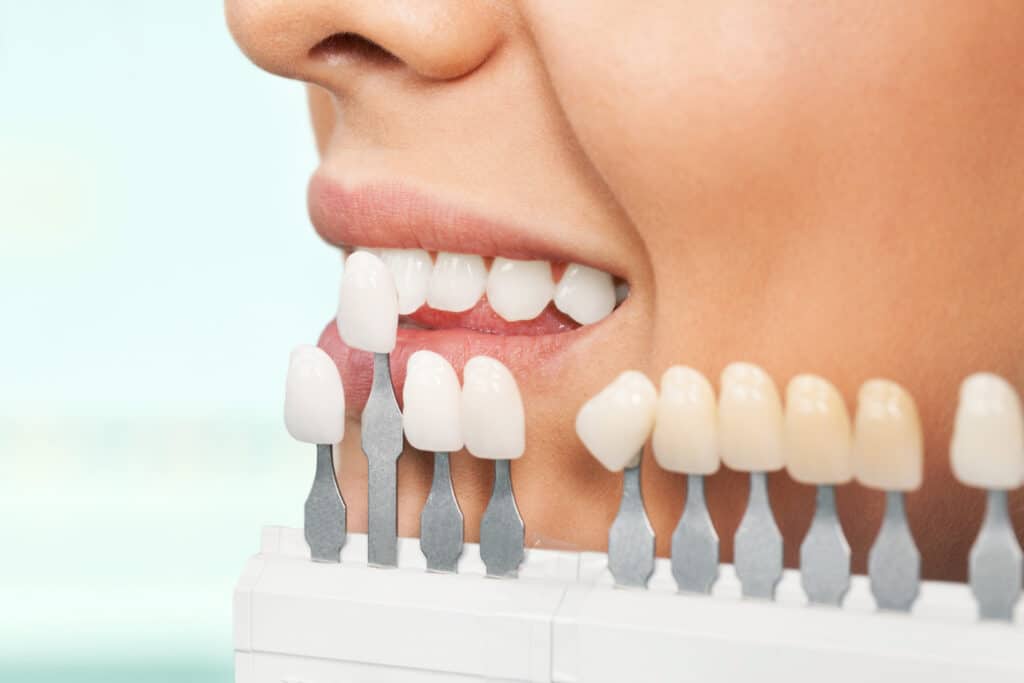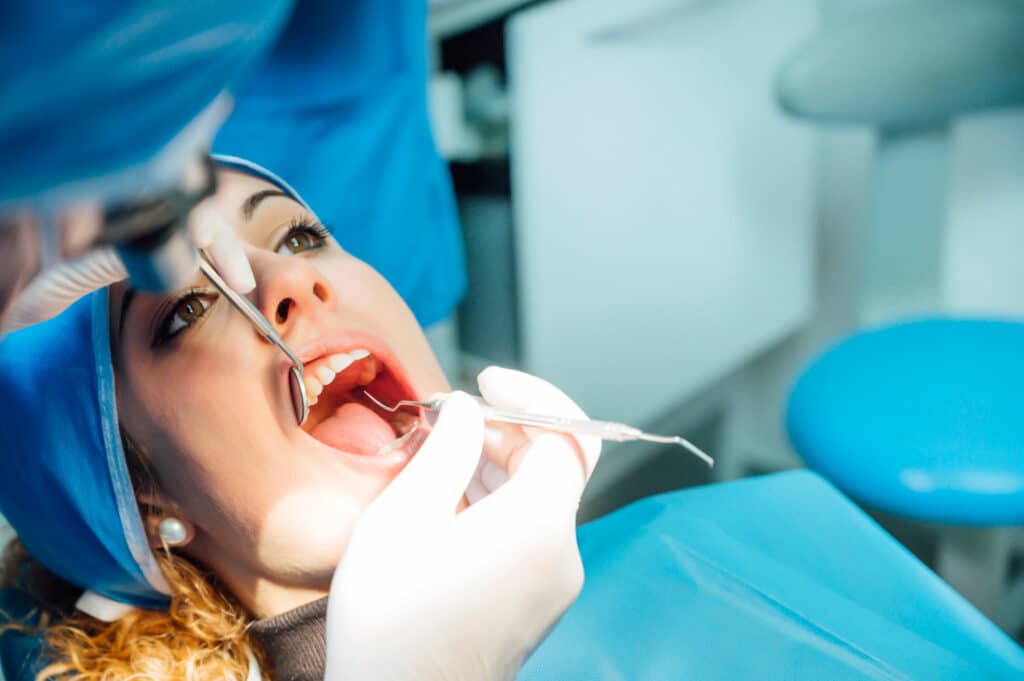
How Dental Services in Ajax Make Routine Check-Ups Pleasant
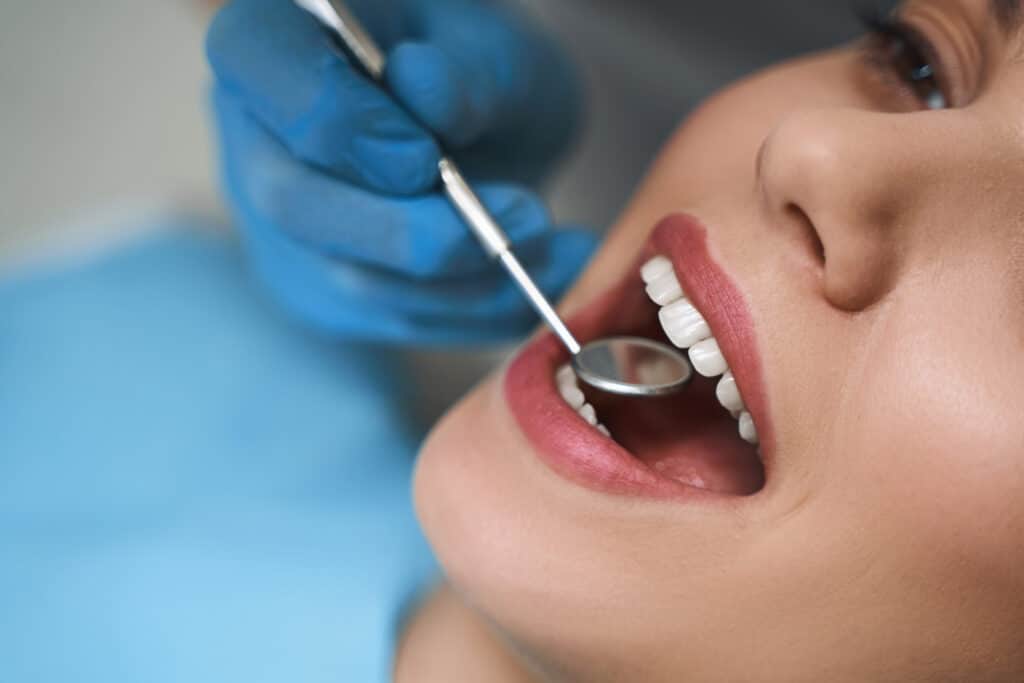
dental services

Routine dental check-ups are a key part of keeping your smile bright and healthy. These visits go beyond just cleaning your teeth; they help spot any problems early on so they can be treated before turning into something more serious. Think of them like the regular tune-ups you might get for your car—both are necessary to keep things running smoothly and prevent any unexpected issues down the road. By making these appointments a priority, you ensure that your teeth and gums remain in the best shape possible.

When visiting the dentist is comfortable and stress-free, it’s easier to make it a regular habit. In Ajax, creating an environment that is welcoming and friendly can change how people feel about their dental visits. Whether it’s a warm greeting at the door or a cozy waiting area, these touches make a big difference in how enjoyable an appointment can be. When patients feel calm and relaxed, it’s a lot easier for them to focus on the benefits of keeping up with their dental health.

Creating a Welcoming Atmosphere

Dental Bridges

It’s amazing how much a friendly environment can impact a visit to the dentist. Walking into a warm and inviting space helps ease any nerves right away. Friendly staff who greet you with a smile and take the time to know your name make you feel valued and at ease. A comfortable waiting area adds to the calm, offering a place to unwind before your appointment begins.

Several factors contribute to this welcoming feel:

– Friendly Faces: Team members at the front desk or passing by who engage with you can turn a routine visit into a positive experience.

– Comfortable Spaces: Chairs that feel just right and a well-decorated waiting room provide a sense of relaxation. Learn more about family dentistry services in Pickering.

– Extra Touches: Things like magazines, a small refreshment station, or even a kids’ play area show that the office cares about its patients’ comfort.

– Calm Environment: Soothing colours and soft music can make a dental office feel more like a spa than a clinic.

When patients enter a dental office in Ajax that excels in these areas, their comfort level rises, making dental check-ups feel like less of a chore and more of a treat. This approach not only benefits individuals but also encourages families to come together for their appointments, making oral health a family affair.

Personalized Care and Attention

Every patient’s needs are a bit different, and understanding this makes dental visits truly personal. In Ajax, dental offices value getting to know their patients by offering personalized care that addresses unique requirements. Whether someone needs extra support managing dental anxiety or a more tailored treatment plan, having a team that listens and adapts makes all the difference.

Open communication strengthens the dentist-patient relationship, allowing patients to feel more comfortable sharing their concerns and preferences. For instance, someone nervous about specific procedures can benefit from a detailed explanation and reassurance, making the experience less daunting. This individualized approach ensures each visit is not only effective but also reassuring.

Kid-Friendly Environment

dental implant

Encouraging kids to visit the dentist isn’t always easy. However, creating a fun and friendly environment can turn what might seem like a daunting appointment into an adventure. Dentists in Ajax understand the importance of positive experiences for children, which can build a foundation for healthy habits.

To achieve this, many dental offices design their spaces with kids in mind. Engaging decorations, toys, and even interactive games in the waiting area help distract and entertain young visitors. Special programs aimed at easing any dental anxieties, like storytime or guided tours, can further help in making kids look forward to dentist visits. When children associate the dentist with fun memories, they’re more likely to maintain regular check-ups as they grow.

Modern and Efficient Practices

The use of modern techniques plays a significant role in making dental check-ups more comfortable and efficient. Ajax dental services often incorporate the latest technology to enhance the patient experience. Tools and methods that minimize discomfort and streamline procedures ensure that visits are as quick and pain-free as possible.

For example, advanced imaging equipment allows for faster diagnostics, reducing the time patients spend in the chair. Dental clinics may also utilize cutting-edge technology like laser treatments that can address issues with precision, leading to faster recovery times and better results. By continuously integrating these innovations, patients enjoy the dual benefit of effective care and a more pleasant visit.

Summary of Benefits

When dental services prioritize comfort and care, everyone wins. Patients in Ajax find it easier to schedule regular check-ups, knowing they’ll be met with a welcoming atmosphere and a team committed to their well-being. The focus on personal attention, a child-friendly setting, and modern techniques ensures that each visit contributes positively to long-term oral health.

The efforts to make visits pleasant encourage families to maintain consistent dental habits, making oral health accessible and stress-free for everyone. The combination of these aspects not only builds trust but also reinforces the importance of preventative care. Dental check-ups transform from a mere task into an opportunity for self-care and well-being, contributing to a healthier and happier community.

Discover how a welcoming and personalized approach can change your dental experience. If you’re looking for comfortable and caring dental services in Ajax, contact Pickering Dental Services today. With a commitment to patient care and advanced techniques, finding the right balance of quality and comfort has never been easier. Embrace a more pleasant path to oral health with the care you deserve.

Helpful Resources

For more information, visit the Canadian Dental Association Oral Health.

Schedule Your Appointment Today

Contact Pickering Square Dental to book your appointment with Dr. Marvin Lean. Call us at (905) 420-1777 or visit us at 1450 Kingston Rd, Unit #4, Pickering, ON.

Frequently Asked Questions

How often should I visit the dentist?

The Canadian Dental Association recommends visiting your dentist at least twice a year for regular check-ups and cleanings. Some patients may need more frequent visits depending on their oral health needs. Call Pickering Square Dental at (905) 420-1777 to schedule your next appointment.

Do you accept the Canadian Dental Care Plan (CDCP)?

Yes, Pickering Square Dental participates in the Canadian Dental Care Plan. Our team can help you understand your coverage and ensure you receive the dental care you need. Contact us for more details about CDCP eligibility and benefits.

What services does Pickering Square Dental offer?

We offer a full range of dental services including family dentistry, emergency dental care, sedation dentistry, dental implants, laser dentistry, teeth whitening, root canal therapy, dental extractions, periodontal care, and cosmetic dentistry. Dr. Lean and our team serve patients in Pickering, Ajax, Whitby, and Scarborough.

All About Dental Crowns and Bridges

dental treatment

Dental crowns and bridges play a crucial role in restoring the function and appearance of your teeth. These dental solutions are often recommended when you have damaged, decayed, or missing teeth. They help in not just improving your smile but also in maintaining the overall health of your mouth.

Crowns are like caps that cover a damaged tooth to protect and strengthen it. They are designed to look just like your natural teeth, so they blend in seamlessly with your smile. Bridges, on the other hand, are used to fill the gap left by one or more missing teeth. They are anchored in place by crowns on the adjacent teeth.

Understanding the importance and benefits of crowns and bridges can help you make informed decisions about your dental health. These treatments can boost your confidence by giving you a complete and healthy smile. Let’s delve deeper into what dental crowns and bridges are, the types available, the procedure to get them, and their benefits for your oral health.

What Are Dental Crowns and Bridges?

Tooth-Coloured-Fillings

Dental crowns and bridges are solutions for restoring and replacing damaged or missing teeth. A dental crown acts as a cap that covers a damaged or decayed tooth. It strengthens the tooth and restores its shape, size, and appearance. Crowns are customized to match the colour and shape of your natural teeth, providing a seamless and natural look.

Dental bridges, on the other hand, are used to fill the gap created by one or more missing teeth. A bridge is made up of two or more crowns for the teeth on either side of the gap, known as abutment teeth. These crowns anchor the bridge in place. Between them, there are false teeth called pontics that replace the missing teeth. Bridges can help restore your smile and maintain the proper alignment of your remaining teeth.

Both crowns and bridges are important for maintaining your oral health. They help in chewing, speaking, and prevent other teeth from shifting out of place. These dental solutions offer both functional and aesthetic benefits, allowing you to enjoy a healthy, confident smile.

Different Types of Crowns and Bridges

There are several types of crowns and bridges, each made from different materials to suit various needs. Here are some of the most common types:

1. Porcelain Crowns: These are popular for their natural appearance and are often used for front teeth. They blend well with your existing teeth but can be less durable than other materials.

2. Ceramic Crowns: Similar to porcelain, ceramic crowns offer a natural look and are great for people with metal allergies. They are strong and can be used for both front and back teeth. Learn more about family dentistry services in Pickering.

3. Metal Crowns: Made from gold, platinum, or base-metal alloys, metal crowns are very durable and can withstand strong bites and chewing forces. They are ideal for molars that are not visible when you smile.

4. Porcelain-Fused-to-Metal (PFM) Crowns: These crowns combine the strength of metal with the natural look of porcelain. They are durable and often used for both front and back teeth. However, the metal base can sometimes show through as a dark line near the gum.

5. Zirconia Crowns: Zirconia is a newer material that combines the strength of metal with the natural look of porcelain. These crowns are very durable and biocompatible, making them a great choice for many patients.

Different types of bridges include:

1. Traditional Bridges: These bridges consist of pontics held in place by dental crowns on the adjacent teeth. They are very common and durable.

2. Cantilever Bridges: Used when there is only one adjacent tooth to support the bridge. They are less common and mainly used in areas with less biting force.

3. Maryland Bridges: These are made of porcelain or metal frameworks with wings that are bonded to the back of the adjacent teeth. They are less invasive but not as strong as traditional bridges.

4. Implant-Supported Bridges: These bridges are supported by dental implants instead of crowns. They are a good solution when multiple teeth are missing and offer strong and stable support.

Each type of crown and bridge offers unique benefits. Your dentist will help you choose the best option based on your specific dental needs and preferences.

The Procedure for Getting Crowns and Bridges

Sedation-Dentistry

Getting crowns and bridges usually involves a few steps, spread over two dental visits. Here’s a simple breakdown of what happens:

1. Initial Examination and Preparation: During the first visit, the dentist examines your teeth and takes X-rays to assess the condition of the tooth and surrounding bone. If you’re getting a crown, the dentist will file down the affected tooth to make room for the crown. For a bridge, the dentist prepares the adjacent teeth by removing a portion of enamel to fit the crowns that will anchor the bridge.

2. Impressions and Temporary Crown/Bridge: After preparing the tooth or teeth, the dentist takes impressions of your teeth. These impressions go to a lab where the custom crown or bridge is made. In the meantime, you’ll get a temporary crown or bridge to protect your teeth.

3. Fitting the Permanent Crown/Bridge: During your second visit, the temporary crown or bridge is removed. The dentist checks the fit and colour of the permanent restoration. Once everything looks good, the new crown or bridge is cemented into place. You might be given some time to adjust to how it feels in your mouth.

This procedure is routine and done with care to ensure your comfort at every step. You might experience some sensitivity initially, but this usually goes away quickly.

Benefits of Crowns and Bridges for Oral Health

Crowns and bridges offer many benefits for your oral health and overall well-being. One of the main advantages is protecting and strengthening damaged teeth. A crown can hold a weak or cracked tooth together, preventing further damage and possible tooth loss.

Crowns and bridges also improve the function of your teeth. They enable you to chew and speak properly, something that missing or damaged teeth can make difficult. Having a full set of teeth ensures that your bite is balanced, reducing the strain on your other teeth.

Aesthetically, crowns and bridges can significantly enhance your smile. Missing or broken teeth can affect your confidence. By filling gaps and covering damaged teeth, these dental solutions help you regain a natural, beautiful smile. This can improve self-esteem and encourage better oral hygiene habits.

Moreover, crowns and bridges prevent other teeth from shifting out of place. When there’s a gap, neighbouring teeth tend to move towards it. This can lead to misalignment and bite problems. Filling these gaps helps maintain the proper alignment of your teeth and jaw.

Final Thoughts

Dental crowns and bridges are valuable tools in restoring and maintaining your oral health. They protect damaged teeth, fill gaps left by missing teeth, and enhance the function and appearance of your smile. Understanding the procedure and benefits can help you feel more confident about choosing these dental solutions.

At Pickering Dental Services, we are committed to helping you achieve a healthy, confident smile. If you think dental crowns or bridges might be the right solution for you, we’re here to help. Contact Pickering Dental Services today to schedule an appointment and learn more about how we can assist you with your dental needs.

Helpful Resources

For more information, visit the Canadian Dental Association Oral Health.

Schedule Your Appointment Today

Contact Pickering Square Dental to book your appointment with Dr. Marvin Lean. Call us at (905) 420-1777 or visit us at 1450 Kingston Rd, Unit #4, Pickering, ON.

Frequently Asked Questions

How often should I visit the dentist?

The Canadian Dental Association recommends visiting your dentist at least twice a year for regular check-ups and cleanings. Some patients may need more frequent visits depending on their oral health needs. Call Pickering Square Dental at (905) 420-1777 to schedule your next appointment.

Do you accept the Canadian Dental Care Plan (CDCP)?

Yes, Pickering Square Dental participates in the Canadian Dental Care Plan. Our team can help you understand your coverage and ensure you receive the dental care you need. Contact us for more details about CDCP eligibility and benefits.

What services does Pickering Square Dental offer?

We offer a full range of dental services including family dentistry, emergency dental care, sedation dentistry, dental implants, laser dentistry, teeth whitening, root canal therapy, dental extractions, periodontal care, and cosmetic dentistry. Dr. Lean and our team serve patients in Pickering, Ajax, Whitby, and Scarborough.

Dental Crowns and Bridges: Comprehensive Solutions for Damaged or Missing Teeth
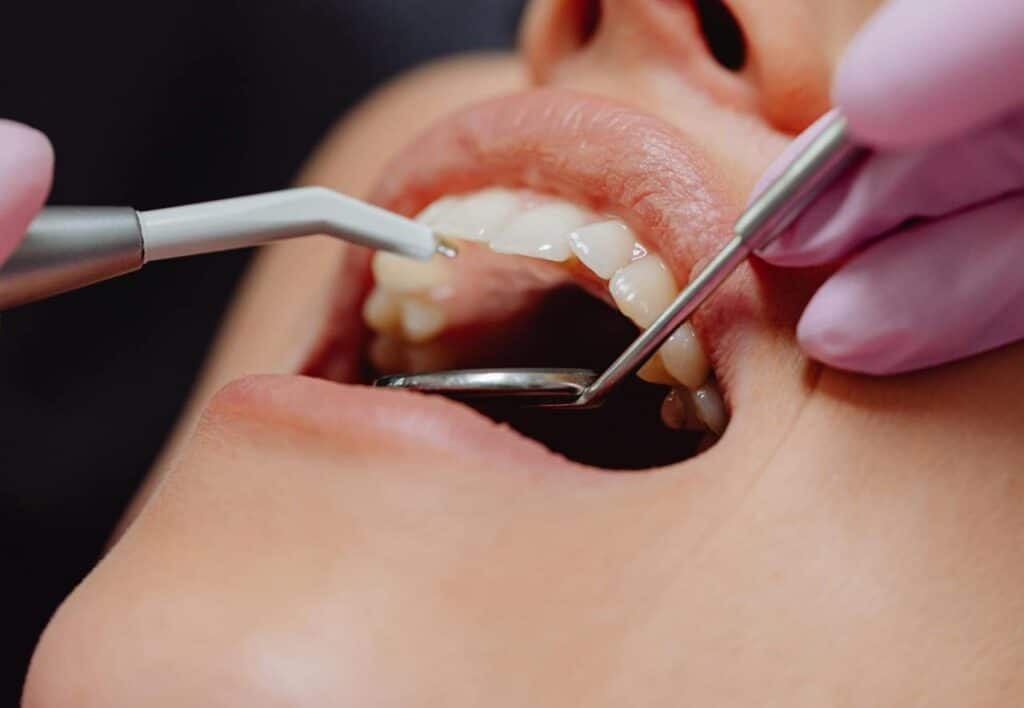
dental treatment

Damaged or missing teeth can significantly affect your ability to chew, speak, and smile confidently. At our family dental care practice based in Pickering, ON, we offer a variety of restorative treatments to help you maintain a healthy and beautiful smile. Two essential and popular restorative options are dental crowns and bridges, which can address various dental issues and promote improved oral health.

Dental crowns are custom-designed caps that cover and protect damaged teeth, providing strength, stability, and an enhanced appearance. They can cover teeth that are cracked, broken, severely decayed, or those that have undergone a root canal treatment. Crowns are available in various materials, such as porcelain, ceramic, and metal, allowing you and your dentist to choose the most suitable option based on aesthetics, function, and budget.

Dental bridges, on the other hand, serve as a solution for one or more missing teeth. A bridge consists of an artificial tooth, called a pontic, which is anchored in place by crowns attached to the adjacent natural teeth. Bridges can help restore the function and appearance of your smile while preventing the remaining teeth from shifting, which can lead to further dental issues.

In this comprehensive guide, we will delve into the benefits, differences, and practical applications of dental crowns and bridges. We will cover the materials used, as well as the procedure and aftercare involved in each treatment. By gaining a thorough understanding of these essential restorative options, you can make informed decisions about your dental health and confidently move towards a beautiful and healthy smile. Reach out to our experienced dental team today to schedule a consultation and discuss how dental crowns and bridges can contribute to your overall oral health and well-being.

Benefits of Dental Crowns and Bridges

teeth filling

Dental crowns and bridges provide various benefits to address dental issues ranging from damaged teeth to tooth loss. Let’s explore the primary advantages of these restorative treatments:

1. Improved Aesthetics

Both dental crowns and bridges can enhance the appearance of your smile, whether by covering a damaged tooth or replacing a missing one. High-quality, tooth-coloured materials can closely match your natural teeth, offering a seamless and attractive result.

2. Restored Functionality

Crowns and bridges can improve the functionality of your teeth, allowing you to chew and speak with ease. By strengthening a damaged tooth with a crown or filling the gap left by a missing tooth with a bridge, you can regain the confidence to enjoy your favourite foods without worry. Learn more about family dentistry services in Pickering.

3. Durability and Longevity

Dental crowns and bridges are built to withstand the pressure of daily chewing and last for several years. With proper care, crowns can last between 10 and 15 years, and bridges between 5 and 15 years, depending on the materials used and other factors.

4. Prevention of Further Dental Issues

Crowns can protect a weakened tooth from further damage, while bridges can prevent surrounding teeth from shifting and causing additional dental problems, such as gum disease or uneven bite pressure.

Types of Dental Crown Materials

Several materials are available for dental crowns. Each option offers unique benefits and considerations:

1. Porcelain or Ceramic

Porcelain or ceramic crowns offer a natural and aesthetically pleasing appearance, closely matching the colour and translucency of your natural teeth. They are typically used for front teeth due to their superior aesthetics. However, they may not provide the same level of durability as metal crowns for patients with heavy bite pressure.

2. Porcelain-Fused-to-Metal (PFM)

PFM crowns combine the aesthetic benefits of porcelain with the strength and durability of metal, providing a versatile solution for most patients. These crowns can be used in both front and back teeth. However, the metal may sometimes show through as a thin grey line along the gum line, making them less aesthetically pleasing than all-porcelain crowns.

3. Gold Alloy

Gold alloy crowns are known for their durability, strength, and biocompatibility, making them an excellent choice for individuals with heavy bite pressure or a history of metal allergies. While their distinct appearance may not appeal to everyone, gold crowns can be an ideal solution for back teeth that are not as visible when smiling.

The Dental Crown and Bridge Procedure

dental implant

The process of placing dental crowns and bridges typically involves the following steps:

1. Tooth Preparation

Your dentist will prepare the affected tooth or teeth by removing a minimal amount of enamel to accommodate the crown or ensure a secure fit for the bridge. For dental bridges, the adjacent teeth, known as abutment teeth, will also need preparation.

2. Dental Impressions and Temporary Restoration

Your dentist will take dental impressions to create a custom-fit crown or bridge. These impressions will be sent to a dental laboratory, where the restoration will be crafted. In the meantime, a temporary crown or bridge will be placed to protect your teeth and maintain their function.

3. Placement and Adjustment

Once your custom crown or bridge is ready, your dentist will remove the temporary restoration and fit the final product. The fit, bite, and appearance will be checked and any necessary adjustments made to ensure a comfortable result.

4. Cementation

After ensuring the proper fit and appearance, your dentist will cement the crown or bridge in place, providing you with a long-lasting and functional restoration.

Aftercare and Maintenance

To ensure the longevity and health of your dental crowns and bridges, it is vital to maintain proper oral hygiene, including regular dental checkups, brushing, and flossing. Avoid using your crowned or bridged teeth to crack hard objects or open packaging, and consult your dentist if you experience any discomfort or issues with your restoration.

Conclusion

Dental crowns and bridges are essential restorative treatments for damaged or missing teeth, providing an improved appearance, restored functionality, and protection from further dental issues. By understanding the benefits, materials, and procedures involved in these treatments, you can make confident decisions about your dental health. Our dedicated dental team is here to provide expert guidance and personalized care tailored to your unique needs. Contact us today to schedule a consultation with a dentist in Pickering and learn how dental crowns and bridges can help you achieve a healthy and beautiful smile.

Helpful Resources

For more information, visit the Canadian Dental Association Oral Health.

Schedule Your Appointment Today

Contact Pickering Square Dental to book your appointment with Dr. Marvin Lean. Call us at (905) 420-1777 or visit us at 1450 Kingston Rd, Unit #4, Pickering, ON.

Frequently Asked Questions

How often should I visit the dentist?

The Canadian Dental Association recommends visiting your dentist at least twice a year for regular check-ups and cleanings. Some patients may need more frequent visits depending on their oral health needs. Call Pickering Square Dental at (905) 420-1777 to schedule your next appointment.

Do you accept the Canadian Dental Care Plan (CDCP)?

Yes, Pickering Square Dental participates in the Canadian Dental Care Plan. Our team can help you understand your coverage and ensure you receive the dental care you need. Contact us for more details about CDCP eligibility and benefits.

What services does Pickering Square Dental offer?

We offer a full range of dental services including family dentistry, emergency dental care, sedation dentistry, dental implants, laser dentistry, teeth whitening, root canal therapy, dental extractions, periodontal care, and cosmetic dentistry. Dr. Lean and our team serve patients in Pickering, Ajax, Whitby, and Scarborough.

Dental Bridges: Your Best Option for Missing Teeth

dental bridges

Missing teeth can be a big problem for many people. They can make eating and speaking difficult and can even affect your self-esteem. Fortunately, dental bridges offer a great solution to fill in the gaps and restore your smile. A dental bridge not only helps you chew better but also improves the look of your mouth.

Dental bridges involve placing a false tooth, or teeth, in the empty space, held in place by the neighbouring teeth. They act like real teeth, so you can eat, talk, and smile with confidence. There are various types of dental bridges to suit different needs and preferences. Knowing more about them can help you choose the best one for your situation.

In this article, we will discuss what dental bridges are, the different types available, the benefits they offer, and the process of getting one. Understanding these aspects can help you make an informed decision about your dental health.

So, let’s explore how dental bridges can be the best option for missing teeth.

What Are Dental Bridges?

dental implant

Dental bridges are a common way to replace one or more missing teeth. They consist of false teeth, known as pontics, that fill in the gap left by missing teeth. These pontics are supported by the neighbouring teeth, which are called abutments. The abutments can be natural teeth or dental implants, making the bridge both sturdy and effective.

A dental bridge helps restore your ability to chew and speak properly. When you lose a tooth, the surrounding teeth can shift out of place, leading to bite problems. A bridge prevents this shifting, keeping your teeth aligned correctly. It also distributes the forces in your bite evenly, reducing the risk of damage to your other teeth.

Dental bridges also improve the appearance of your smile. Missing teeth can cause your face to sag, making you look older. A bridge fills in the gaps, giving you a full, healthy smile that enhances your overall look.

Types of Dental Bridges

There are several types of dental bridges, each designed to meet different needs. Here are the most common types:

1. Traditional Bridges: These are the most common type. They involve creating a crown for the tooth or implant on either side of the missing tooth. A false tooth is then placed in between these crowns. Traditional bridges are strong and can be used to replace a missing molar.

2. Cantilever Bridges: These are used when there are teeth on only one side of the gap. A cantilever bridge is anchored to a single abutment tooth. This type is less common and is not recommended for areas that receive a lot of stress, like the back of the mouth.

3. Maryland Bridges: Also known as resin-bonded bridges, these use a metal or porcelain framework to support the false tooth. The framework is bonded to the back of the adjacent teeth. Maryland bridges are typically used for front teeth due to their more conservative approach in preserving natural tooth structure.

4. Implant-Supported Bridges: These bridges are supported by dental implants rather than the surrounding natural teeth. This type is often used when more than one tooth is missing. Implant-supported bridges provide a very stable and strong solution.

Choosing the right type of bridge depends on various factors, including the location of the missing tooth, the health of the surrounding teeth, and your overall oral health. Consulting with your dentist will help determine the best option for your specific needs.

Benefits of Dental Bridges

porcelain bridges

Dental bridges come with many benefits that make them an excellent choice for replacing missing teeth. Here are some of the key advantages:

1. Improved Appearance: One of the most noticeable benefits is the improvement in your smile. Filling in gaps restores your natural look and helps boost your confidence.

2. Better Functionality: Bridges help you chew and speak more effectively. Missing teeth can make it hard to eat certain foods or pronounce words clearly. A bridge solves these problems, making daily activities easier.

3. Prevents Shifting: When you have a gap from a missing tooth, the neighbouring teeth might start to shift towards the empty space. This can lead to bite problems and makes your remaining teeth more vulnerable to damage. A bridge keeps your teeth in their proper position.

4. Maintains Face Shape: Missing teeth can cause your jawbone to weaken and your face to sag. A bridge helps maintain the shape of your face, making you look younger.

5. Long-Lasting Solution: While bridges may eventually need replacement, they are durable and can last many years with proper care. This long-lasting nature makes them a worthwhile investment in your dental health.

The Process of Getting a Dental Bridge

The process of getting a dental bridge is straightforward but takes a few steps to complete. Here’s what to expect:

1. Initial Consultation: The first step involves a visit to the dentist to evaluate the gap and discuss the best type of bridge for your needs. This might include X-rays and impressions of your teeth.

2. Teeth Preparation: If you are getting a traditional bridge, the abutment teeth will need to be prepared. This involves removing a small portion of enamel to make room for the crowns that will hold the bridge in place. For an implant-supported bridge, dental implants will need to be surgically placed in the jawbone.

3. Temporary Bridge: While waiting for the permanent bridge to be made, a temporary bridge will be placed to protect the exposed teeth and gums. This allows you to function normally during the waiting period.

4. Fitting the Permanent Bridge: Once the custom-made bridge is ready, you’ll return to the dentist to have it fitted. The dentist will check the fit and make any necessary adjustments before permanently cementing the bridge in place. For implant-supported bridges, a few additional visits might be needed for fitting.

5. Follow-Up Care: After the bridge is placed, you’ll need a follow-up appointment to ensure everything is fitting well and you are comfortable. The dentist will provide instructions on how to care for your bridge to ensure it lasts as long as possible.

Final Thoughts

Dental bridges offer a solid and reliable solution for anyone dealing with the inconvenience and discomfort of missing teeth. They help improve your appearance, restore functionality, and maintain the alignment of your remaining teeth. By understanding the benefits and the straightforward process of getting a dental bridge, you can take confident steps towards restoring your smile and enjoying a better quality of life.

At Pickering Dental Services, we are committed to helping you achieve a healthy and beautiful smile. If you’re missing teeth and thinking about getting a dental bridge, we’re here to help. Contact Pickering Dental Services today to book your consultation and let us help you find the best solution for your dental needs.

Looking for professional help? Learn more about our dental implant services at Pickering Square Dental or call (905) 420-1777 to book an appointment.

Helpful Resources

For more information, visit the Canadian Dental Association Oral Health.

Frequently Asked Questions

How often should I visit the dentist?

The Canadian Dental Association recommends visiting your dentist at least twice a year for regular check-ups and cleanings. Some patients may need more frequent visits depending on their oral health needs. Call Pickering Square Dental at (905) 420-1777 to schedule your next appointment.

Do you accept the Canadian Dental Care Plan (CDCP)?

Yes, Pickering Square Dental participates in the Canadian Dental Care Plan. Our team can help you understand your coverage and ensure you receive the dental care you need. Contact us for more details about CDCP eligibility and benefits.

What services does Pickering Square Dental offer?

We offer a full range of dental services including family dentistry, emergency dental care, sedation dentistry, dental implants, laser dentistry, teeth whitening, root canal therapy, dental extractions, periodontal care, and cosmetic dentistry. Dr. Lean and our team serve patients in Pickering, Ajax, Whitby, and Scarborough.

Why Choose Porcelain Bridges for Missing Teeth
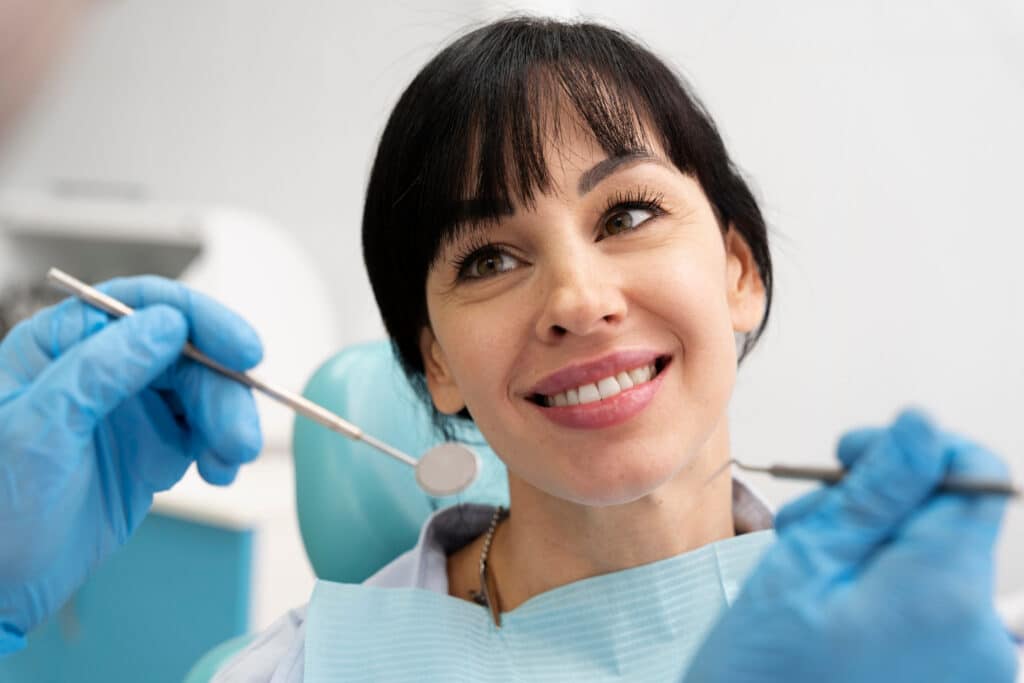
porcelain bridges

Porcelain bridges are a popular choice for individuals looking to restore their smiles after losing one or more teeth. At our clinic, we specialize in providing these advanced dental solutions that not only improve the aesthetics of your smile but also offer functional benefits. Porcelain, as a material, closely matches the natural appearance of tooth enamel due to its translucent qualities, making bridges made from this material highly desirable for those seeking a natural-looking restoration.

Choosing porcelain for your dental bridge involves a process tailored to ensure the best fit and appearance. We take pride in our ability to craft dental solutions that not only meet but exceed the expectations of our patients. By opting for a porcelain bridge, you’re investing in a durable, long-lasting solution that blends seamlessly with the rest of your teeth, thus enhancing your overall oral health and confidence.

Our commitment is to provide you with comprehensive care from the initial consultation through the complete fitting of your porcelain bridge. Each step is performed with meticulous attention to detail, ensuring that your new dental appliance not only fits perfectly but also feels comfortable and looks natural. This introduction to porcelain dental bridges aims to navigate through the various stages involved in choosing, fitting, and caring for your new dental appliance at our clinic.

What Are Porcelain Bridges?

Sedation Dentistry

Porcelain bridges are a type of dental appliance used to replace one or more missing teeth. They consist of an artificial tooth, known as a pontic, which is held in place by dental crowns that are anchored on either side by the patient’s natural teeth or dental implants. The result is a bridge that spans the gap where the teeth are missing. The use of porcelain in these bridges is particularly beneficial because it closely mimics the appearance and light-reflecting properties of natural teeth. This makes the restoration virtually indistinguishable from the natural dentition.

The technology behind porcelain allows us to match the color of the bridge to the surrounding teeth perfectly. This customization is significant for our patients, as it ensures that the dental work is not only functional but also aesthetically pleasing. Porcelain bridges are strong and durable, capable of restoring the functionality of your teeth, allowing you to chew and speak as you did with your natural teeth. Learn more about family dentistry services in Pickering.

Benefits of Choosing Porcelain Bridges for Your Smile

Choosing a porcelain bridge offers numerous benefits that go beyond simply restoring your smile. Firstly, porcelain bridges help maintain the natural shape of your face. Missing teeth can cause the face to collapse, prematurely aging an individual. By replacing lost teeth, porcelain bridges support the facial structures, enhancing your appearance and boosting your confidence.

Additionally, porcelain bridges prevent the remaining teeth from shifting out of place. When there is a gap, the teeth on either side may begin to move toward the space, resulting in misalignment that could require orthodontic treatment in the future. By filling these gaps, porcelain bridges keep your teeth aligned and your bite balanced. This not only helps in maintaining oral health but also in preventing issues like jaw pain or difficulties in chewing.

Moreover, the smooth, glazed surface of porcelain makes these bridges resistant to stains compared to other dental materials. This means your new bridges can keep looking their best for years, with proper care, without the discoloration that often affects natural teeth and other types of dental restorations. This stain resistance is particularly beneficial for those who enjoy coffee, tea, or other stain-inducing foods and drinks.

How We Fit and Place Porcelain Bridges

Emergency Dental

Fitting and placing porcelain bridges in our clinic involves a detailed and precise procedure to ensure that each bridge is perfectly tailored to meet your unique needs. Initially, we begin by carefully assessing the area where the porcelain bridge will be installed. This includes taking digital images or impressions of your mouth, which help us in designing a bridge that fits flawlessly with your natural teeth.

Once the design is finalized, the teeth adjacent to the gap are prepared to serve as anchors (abutments) for the bridge. This preparation typically involves reshaping these teeth so that they can securely hold the crowns that will support the bridge. After the teeth are prepared, a temporary bridge is placed to protect the area and maintain the aesthetics of your smile while your custom-made porcelain bridge is being crafted in the dental lab. The fitting process is completed during a subsequent appointment where the temporary bridge is replaced with the permanent porcelain bridge, ensuring each aspect of the bridge fits comfortably and matches the natural colour and contour of your surrounding teeth.

Caring for Your Porcelain Bridges to Ensure Longevity

Taking care of your porcelain bridges is crucial for maintaining their appearance and extending their lifespan. We recommend a regular oral hygiene routine that includes brushing twice a day and flossing daily. Special attention should be given to cleaning around the bridge to prevent plaque build-up, which can lead to gum disease and affect the longevity of your bridge.

In addition to daily care, scheduling regular visits to our clinic for professional cleanings and check-ups is essential. During these visits, we can monitor the condition of your porcelain bridge and the health of your gums and surrounding teeth. Professional cleanings help remove any plaque or tartar that has built up and could potentially harm your bridge and oral health.

Conclusion

Porcelain bridges are a valuable solution for anyone looking to restore missing teeth and enhance their smile. At Pickering Dental Services, our expert team is committed to providing high-quality, personalized care, from the initial consultation through the fitting and ongoing maintenance of your porcelain bridges. We aim to ensure that your dental restoration not only looks natural but also functions optimally, improving your overall oral health and confidence.

If you’re considering porcelain bridges or any other dental treatments, we invite you to contact us at Pickering Dental Services. Let us help you achieve and maintain a beautiful, healthy smile that lasts. Contact our cosmetic dentist in Pickering today.

Helpful Resources

For more information, visit the Canadian Dental Association Oral Health.

Schedule Your Appointment Today

Contact Pickering Square Dental to book your appointment with Dr. Marvin Lean. Call us at (905) 420-1777 or visit us at 1450 Kingston Rd, Unit #4, Pickering, ON.

Frequently Asked Questions

How often should I visit the dentist?

The Canadian Dental Association recommends visiting your dentist at least twice a year for regular check-ups and cleanings. Some patients may need more frequent visits depending on their oral health needs. Call Pickering Square Dental at (905) 420-1777 to schedule your next appointment.

Do you accept the Canadian Dental Care Plan (CDCP)?

Yes, Pickering Square Dental participates in the Canadian Dental Care Plan. Our team can help you understand your coverage and ensure you receive the dental care you need. Contact us for more details about CDCP eligibility and benefits.

What services does Pickering Square Dental offer?

We offer a full range of dental services including family dentistry, emergency dental care, sedation dentistry, dental implants, laser dentistry, teeth whitening, root canal therapy, dental extractions, periodontal care, and cosmetic dentistry. Dr. Lean and our team serve patients in Pickering, Ajax, Whitby, and Scarborough.

Everything You Need to Know About Dental Crowns and Bridges
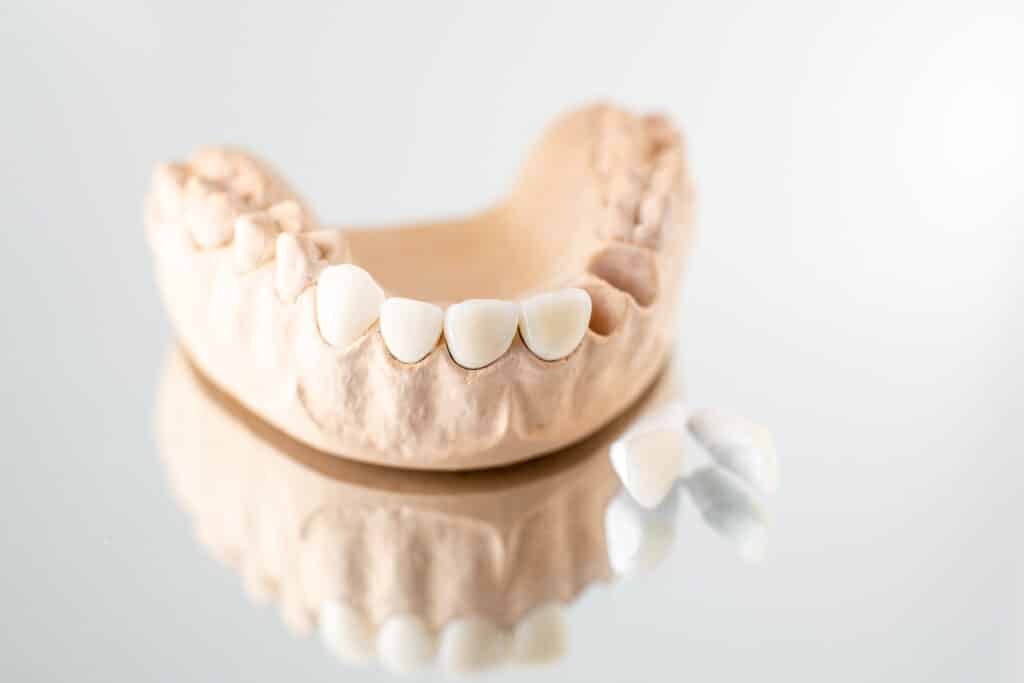
Dental-Bridges

Having a healthy and beautiful smile is important for everyone. Dental crowns and bridges are common solutions for restoring damaged or missing teeth. They help improve both the function and appearance of your teeth. Understanding what these dental treatments are, the materials used, and how the procedures work can help you make informed decisions about your oral health.

Dental crowns are caps that cover a damaged tooth, making it stronger and improving its shape and appearance. They are often used when a tooth has a large filling and not much natural tooth left, or after a root canal. Bridges, on the other hand, are used to replace one or more missing teeth. They are anchored to the surrounding teeth or implants, filling in the gap and restoring your smile.

At Pickering Dental Services, we believe that knowing more about your treatment options can help ease any worries you might have. With that in mind, let’s explore what dental crowns and bridges are, the different materials they can be made from, the steps involved in getting them, and how to care for them to ensure they last a long time. 

What Are Dental Crowns and Bridges?

Oral Surgeons

Dental crowns and bridges are two types of dental restorations that help repair damaged or missing teeth. A dental crown, also known as a cap, is placed over a damaged tooth to restore its shape, size, strength, and appearance. 

Crowns are typically used for teeth that are cracked, worn down, or have large fillings. By covering the tooth, they provide protection and support, helping the tooth function like a normal, healthy tooth.

A dental bridge, on the other hand, is used to replace missing teeth. It consists of two or more crowns for the teeth on either side of the gap, known as abutment teeth, and a false tooth (or teeth) in between. 

The false tooth, called a pontic, can be made from various materials such as gold, alloys, porcelain, or a combination of these materials. Bridges are anchored to the surrounding teeth or dental implants to ensure they stay in place, providing both functional and aesthetic benefits.

Materials Used for Dental Crowns and Bridges

Dental crowns and bridges can be made from several different materials, each offering its unique advantages. Here are some of the most common materials used: Learn more about family dentistry services in Pickering.

1. Porcelain:

Porcelain crowns and bridges are popular because they closely mimic the natural look and feel of teeth. They can be colour-matched to the surrounding teeth, making them an ideal choice for front teeth. However, while they are aesthetically pleasing, they may not be as strong as other materials.

2. Metal:

Metal crowns and bridges, made from gold or alloys, are known for their durability and strength. They are less likely to chip or break, making them a good choice for molars where the chewing force is higher. However, their metallic colour makes them less suitable for visible front teeth.

3. Porcelain-Fused-to-Metal (PFM):

PFM crowns and bridges combine the strength of metal with the natural appearance of porcelain. The metal structure provides excellent support, while the porcelain overlay gives a tooth-like appearance. This makes PFM a versatile and commonly used material in many dental restorations.

4. Zirconia:

Zirconia crowns and bridges are known for their strength, durability, and natural look. Zirconia is a high-quality ceramic material that can withstand substantial wear and tear while maintaining a pleasing appearance. It is a popular choice for both front and back teeth due to its combination of aesthetics and functionality.

Choosing the right material for your dental crowns and bridges depends on your individual needs, including the location of the tooth, aesthetic preferences, and budget. Discussing these options with your dentist will help you make the best decision for your oral health.

The Procedure for Getting Crowns and Bridges

Family Dentist

The process of getting dental crowns and bridges usually involves two visits to the dentist. The first visit includes preparation and taking impressions, while the second visit focuses on fitting and placing the crowns or bridges.

First Visit: Preparation and Impressions

During your first visit, we will examine your teeth to ensure that a crown or bridge is the right solution for your dental issue. For a crown, the dentist will shape your tooth by removing a small amount of the surface to make room for the crown. If you’re getting a bridge, the dentist will prepare the abutment teeth by removing a portion of them to fit the crowns that will support the bridge.

After shaping your teeth, we will take impressions using a mould or digital scanner to create a precise model of your mouth. This model helps in crafting custom crowns or bridges that fit perfectly. A temporary crown or bridge will be placed to protect your teeth until the permanent one is ready.

Second Visit: Fitting and Placement

On your second visit, the dentist will remove the temporary crown or bridge and check the fit and colour of the permanent one. Adjustments may be made to ensure it fits comfortably and looks natural. Once everything is perfect, the permanent crown or bridge is cemented into place. We will check your bite to make sure it is aligned properly.

Caring for Your Dental Crowns and Bridges

Taking care of your dental crowns and bridges is essential for ensuring they last a long time. With proper maintenance, they can stay in good condition and function well for many years. Here are some tips to help you care for your crowns and bridges:

1. Good Oral Hygiene

Brush your teeth at least twice a day using a fluoride toothpaste. Make sure to clean all surfaces of your teeth and focus on the area where the crown or bridge meets your gums. Floss daily to remove food particles and plaque between your teeth and around the crown or bridge.

2. Regular Dental Check-ups

Visit us regularly for check-ups and cleanings. During these visits, we will check the condition of your crowns and bridges to ensure they are still in good shape. Professional cleanings can remove any built-up plaque or tartar that regular brushing and flossing might miss.

3. Avoid Hard Foods

While crowns and bridges are durable, they can still be damaged by hard or sticky foods. Avoid chewing on ice, hard candies, or other hard objects that can crack or loosen your dental work. Also, be cautious with sticky foods that can pull at the crown or bridge.

4. Protect Against Teeth Grinding

If you grind your teeth at night, consider wearing a mouthguard to protect your crowns and bridges. Grinding can cause significant wear and tear on your dental restorations, and a mouthguard provides an extra layer of protection.

Enhance Your Oral Health: Understanding Dental Restorations

Dental crowns and bridges are effective solutions for restoring damaged or missing teeth. By understanding the procedures involved and the materials used, you can make informed decisions about your dental care. Proper maintenance and regular check-ups are essential for ensuring that your crowns and bridges last a long time and continue to function well.

At Pickering Dental Services, we are dedicated to providing top-quality dental care to help you maintain a healthy, beautiful smile. Whether you need a dental crown, bridge, or other dental services, we are here to assist you. If you have any questions or would like to schedule an appointment, contact our team of the best dentists in Pickering today. Let us help you achieve the best possible oral health and a confident smile!

Helpful Resources

For more information, visit the Canadian Dental Association Oral Health.

Schedule Your Appointment Today

Contact Pickering Square Dental to book your appointment with Dr. Marvin Lean. Call us at (905) 420-1777 or visit us at 1450 Kingston Rd, Unit #4, Pickering, ON.

Frequently Asked Questions

How often should I visit the dentist?

The Canadian Dental Association recommends visiting your dentist at least twice a year for regular check-ups and cleanings. Some patients may need more frequent visits depending on their oral health needs. Call Pickering Square Dental at (905) 420-1777 to schedule your next appointment.

Do you accept the Canadian Dental Care Plan (CDCP)?

Yes, Pickering Square Dental participates in the Canadian Dental Care Plan. Our team can help you understand your coverage and ensure you receive the dental care you need. Contact us for more details about CDCP eligibility and benefits.

What services does Pickering Square Dental offer?

We offer a full range of dental services including family dentistry, emergency dental care, sedation dentistry, dental implants, laser dentistry, teeth whitening, root canal therapy, dental extractions, periodontal care, and cosmetic dentistry. Dr. Lean and our team serve patients in Pickering, Ajax, Whitby, and Scarborough.

Unraveling the Benefits and Types of Sedation Dentistry for Anxiety-Free Dental Care

Sedation-Dentistry-for-Anxiety-Free

Dental anxiety is a common issue, affecting many individuals and potentially leading to postponed or avoided dental appointments. Maintaining good oral health and staying up to date on dental treatments is crucial, which is why our family dental care practice in Pickering, ON, offers a range of sedation dentistry options to alleviate dental anxiety and ensure a comfortable, stress-free experience for our patients.

Sedation dentistry involves the use of medication to help patients relax during dental procedures. With various levels of sedation available, from minimal to deeper sedation, this form of dentistry caters to patients with different degrees of dental anxiety, complex dental needs, or special healthcare requirements.

In this comprehensive article, we will explore the different types of sedation dentistry, their benefits, and how they can help patients with dental anxiety or phobia achieve the dental care they need. We will also discuss factors to consider when choosing sedation dentistry and address common patient concerns. Our goal is to empower you with knowledge about sedation dentistry so you can make informed decisions about your oral health care in a comfortable and stress-free environment.

Types of Sedation Dentistry

Teeth whitening

There are several forms of sedation dentistry available to cater to patients’ individual needs and preferences. They include:

1. Minimal Sedation

Minimal sedation typically involves administering nitrous oxide (laughing gas) mixed with oxygen through a mask placed over the patient’s nose. This form of sedation helps patients feel relaxed without inducing deep sedation or unconsciousness.

2. Oral Sedation

Oral sedation involves taking a prescribed medication by mouth before the dental procedure. This type of sedation can range from minimal to moderate, depending on the dosage. Patients remain awake but typically experience a state of drowsiness and relaxation.

3. IV Sedation

Administered intravenously, IV sedation allows for precise control over the sedation level and takes effect more quickly than oral sedation. Patients may feel groggy and have limited memory of the dental procedure.

4. General Anesthesia

General anesthesia induces deep sedation, rendering patients unconscious and completely unaware of their surroundings. This form of sedation requires a specialized anesthesiologist and is typically reserved for complex dental procedures or patients with severe anxiety. Learn more about family dentistry services in Pickering.

Benefits of Sedation Dentistry

Sedation dentistry offers an array of benefits for patients with dental anxiety or phobia, as well as those with specific dental needs:

1. Alleviating Dental Anxiety

Sedation dentistry helps patients feel calm, relaxed, and comfortable during dental procedures, ultimately reducing dental anxiety and enabling them to receive necessary care.

2. Enhancing Comfort

Patients with sensitive teeth, gag reflex, or difficulty sitting still can benefit from the increased comfort provided by sedation dentistry.

3. Allowing for Multiple Procedures in One Visit

Sedation dentistry can enable dentists to perform multiple procedures within a single appointment, minimizing the number of visits and ensuring a more efficient dental experience.

4. Improving Pain Management

Sedation dentistry can enhance pain management by better-controlling discomfort during dental procedures.

5. Benefiting Patients with Special Healthcare Needs

Patients with disabilities or certain health conditions may particularly benefit from sedation dentistry, as it ensures comfort and safety during dental treatments.

Factors to Consider When Choosing Sedation Dentistry

Wisdom Teeth Removal

When evaluating if sedation dentistry is the right choice for you, consider:

1. Your Level of Dental Anxiety

Consider how anxious you are about dental procedures and whether your anxiety interferes with your ability to receive dental care.

2. Your Dental Needs

Discuss with your dentist the nature and length of the dental procedure and your overall dental health to determine if sedation dentistry is appropriate.

3. Previous Dental Experiences

Reflect on any prior dental experiences that might have been traumatic or exceptionally unpleasant, and discuss your concerns with your dentist.

4. Your General Health

Share your complete medical history, including any medications and health conditions, with your dentist to ensure that sedation dentistry is safe and suitable for your needs.

Common Concerns About Sedation Dentistry

Patients often have concerns about sedation dentistry that can be addressed through open communication with their dental care providers:

1. Safety

Sedation dentistry is a safe option for most patients, provided that it is administered by trained and experienced professionals. Discuss any concerns about safety with your dentist and learn how they ensure patients’ well-being during sedation.

2. Cost

The cost of sedation dentistry varies depending on the type, materials, and level of sedation used. Talk to your dentist to clearly understand the costs involved and any potential payment plans or insurance coverage.

3. Recovery

Patients can expect varying recovery times depending on the type and level of sedation chosen. Some sedation options may require you to arrange for a friend or family member to accompany you to the appointment and drive you home afterward. Discuss the expected recovery process with your dentist to adequately prepare for your dental appointment.

Conclusion

Sedation dentistry can be a game-changer for patients with dental anxiety or specific dental needs, providing a comfortable and stress-free experience while receiving essential dental care. By understanding the types of sedation dentistry available, their benefits, and factors to consider when choosing sedation, you can make informed decisions about your dental health care. Our experienced and compassionate dental team in Pickering, ON, is here to help guide you through every step of the process. Contact us today to discuss your Pickering sedation dentistry options and enjoy a pleasant dental experience in a comfortable and supportive environment.

Helpful Resources

For more information, visit the Canadian Dental Association Oral Health.

Schedule Your Appointment Today

Contact Pickering Square Dental to book your appointment with Dr. Marvin Lean. Call us at (905) 420-1777 or visit us at 1450 Kingston Rd, Unit #4, Pickering, ON.

Frequently Asked Questions

How often should I visit the dentist?

The Canadian Dental Association recommends visiting your dentist at least twice a year for regular check-ups and cleanings. Some patients may need more frequent visits depending on their oral health needs. Call Pickering Square Dental at (905) 420-1777 to schedule your next appointment.

Do you accept the Canadian Dental Care Plan (CDCP)?

Yes, Pickering Square Dental participates in the Canadian Dental Care Plan. Our team can help you understand your coverage and ensure you receive the dental care you need. Contact us for more details about CDCP eligibility and benefits.

What services does Pickering Square Dental offer?

We offer a full range of dental services including family dentistry, emergency dental care, sedation dentistry, dental implants, laser dentistry, teeth whitening, root canal therapy, dental extractions, periodontal care, and cosmetic dentistry. Dr. Lean and our team serve patients in Pickering, Ajax, Whitby, and Scarborough.

Understanding Dental Crowns and Bridges: Restoring Function and Aesthetics
dental treatment

In the realm of restorative dentistry, dental crowns and bridges serve as essential solutions for addressing various dental problems, from damaged or decayed teeth to tooth loss. At our family dental care practice in Pickering, ON, we are dedicated to offering comprehensive treatment options, including dental crowns and bridges, to help our patients achieve healthy, functional, and aesthetically pleasing smiles.

Dental crowns, also known as caps, are custom-made dental restorations designed to cover and protect damaged or decayed teeth, while bridges are used to replace one or more missing teeth by anchoring to adjacent healthy teeth or dental implants. Both of these restorations can be crafted from various materials, including porcelain, ceramic, metal, or a combination of materials, depending on factors such as the location of the tooth, the patient’s preferences, and the dentist’s recommendations.

Our experienced dental team is committed to providing personalized care for your dental health needs, ensuring you receive the best possible treatment options to restore your smile. Contact us today to schedule a consultation and learn more about dental crowns and bridges and their benefits for your dental health and overall well-being.

Applications and Benefits of Dental Crowns

man at the dentist

Dental crowns are versatile restorations that offer a myriad of benefits for various dental issues. Some of their primary applications include:

1. Protecting Damaged Teeth

Crowns can be used to cover and protect teeth that have been weakened by decay, cracks, or fractures, providing added strength and preventing further damage.

2. Restoring Functionality

By covering a damaged tooth, a dental crown can restore its function, allowing you to chew and speak properly.

3. Aesthetic Improvement

Crowns can be crafted from materials that closely resemble natural teeth, making them an excellent option for restoring the appearance of a damaged tooth or concealing discoloration.

4. Anchoring Dental Bridges

Dental crowns may be used to anchor dental bridges securely in place, facilitating tooth replacement.

5. Post-Root Canal Treatment

Following a root canal treatment, a dental crown is often placed over the treated tooth to protect it and restore its function.

Applications and Benefits of Dental Bridges

Dental bridges serve as vital solutions for tooth loss, offering several advantages: Learn more about family dentistry services in Pickering.

1. Filling Gaps from Missing Teeth

Bridges effectively replace one or more missing teeth, filling in gaps to restore your smile’s appearance.

2. Restoring Functionality

Replacing missing teeth with a dental bridge enables you to chew and speak more effectively.

3. Preventing Shifting of Adjacent Teeth

A dental bridge helps prevent the shifting of surrounding teeth, preserving your bite and the alignment of your teeth.

4. Aesthetic Improvement

Bridges are designed to look natural and inconspicuous, creating a visually pleasing tooth replacement solution.

Dental Crown and Bridge Materials

patient at the dentist

Dental crowns and bridges can be created from a range of materials, each offering its unique advantages:

1. Porcelain and Ceramic

Porcelain and ceramic materials closely resemble natural teeth, making these materials ideal for creating aesthetically pleasing crowns and bridges.

2. Metal

Metal crowns and bridges, typically made from gold or an alloy of metals, are known for their durability and strength. However, their noticeable appearance may be less desirable for some patients.

3. Porcelain-Fused-to-Metal

These restorations combine the strength of metal with the aesthetics of porcelain, offering a balanced solution that is both durable and visually appealing.

Dental Crown and Bridge Procedures

The procedures for placing dental crowns and bridges generally involve several visits to the dentist. Here are the primary steps involved:

1. Preparing the Teeth

For a dental crown, your dentist will reshape the damaged tooth to accommodate the crown. If a dental bridge is being placed, the adjacent teeth (abutment teeth) may need to be reshaped in preparation for the supporting crowns.

2. Taking Impressions

Next, your dentist will take impressions of your teeth, which will serve as a mould for creating the custom-made crown or bridge.

3. Temporary Restoration

While waiting for your permanent restoration to be crafted, a temporary crown or bridge may be placed to protect the prepared teeth and maintain the appearance of your smile.

4. Placing the Permanent Restoration

Once the permanent crown or bridge is ready, your dentist will remove the temporary restoration and fit the final piece, checking the fit and ensuring your bite is comfortable. The dental crown or bridge will then be cemented permanently into place.

Maintaining Dental Crowns and Bridges

To ensure the longevity and effectiveness of your dental crowns and bridges, follow these maintenance tips:

1. Maintain Good Oral Hygiene

Brush your teeth twice a day, floss daily, and use an antibacterial mouthwash to ensure the health of both your natural teeth and your restorations.

2. Schedule Regular Dental Check-Ups

Visit your dentist for regular check-ups and professional cleanings to monitor the condition of your dental crowns and bridges, as well as your overall oral health.

3. Protect Your Teeth from Damage

Avoid habits that can damage your teeth and restorations, such as chewing on ice, popcorn kernels, or hard candies.

4. Address Teeth Grinding

If you suffer from teeth grinding, consult your dentist about a custom-fit nightguard to protect your teeth and restorations from damage during sleep.

Conclusion

Dental crowns and bridges provide effective solutions for various dental issues, including damaged or missing teeth. By understanding their applications, benefits, and the procedures involved, you can make informed decisions about your dental health. 

Pickering Dental Services is here to help you achieve a healthy, functional, and beautiful smile. Contact your Pickering dentist today to schedule a consultation and explore the benefits of dental crowns and bridges for your oral health and overall well-being.

Helpful Resources

For more information, visit the Canadian Dental Association Oral Health.

Schedule Your Appointment Today

Contact Pickering Square Dental to book your appointment with Dr. Marvin Lean. Call us at (905) 420-1777 or visit us at 1450 Kingston Rd, Unit #4, Pickering, ON.

Frequently Asked Questions

How often should I visit the dentist?

The Canadian Dental Association recommends visiting your dentist at least twice a year for regular check-ups and cleanings. Some patients may need more frequent visits depending on their oral health needs. Call Pickering Square Dental at (905) 420-1777 to schedule your next appointment.

Do you accept the Canadian Dental Care Plan (CDCP)?

Yes, Pickering Square Dental participates in the Canadian Dental Care Plan. Our team can help you understand your coverage and ensure you receive the dental care you need. Contact us for more details about CDCP eligibility and benefits.

What services does Pickering Square Dental offer?

We offer a full range of dental services including family dentistry, emergency dental care, sedation dentistry, dental implants, laser dentistry, teeth whitening, root canal therapy, dental extractions, periodontal care, and cosmetic dentistry. Dr. Lean and our team serve patients in Pickering, Ajax, Whitby, and Scarborough.

Advantages of Choosing Ceramic Crowns for Your Teeth

dental treatment

When it comes to enhancing your smile while ensuring the longevity of your dental health, choosing the right material for your dental crowns is crucial. At Pickering Dental Services, we often recommend ceramic crowns to our patients due to their impressive blend of durability and natural appearance. Ceramic crowns are crafted from advanced dental ceramic, a material renowned for its strength and aesthetic qualities that closely mimic those of natural teeth.

Opting for ceramic crowns offers several advantages, including compatibility with your natural oral environment and a high degree of customization. They are meticulously designed to match the colour, shape, and size of your natural teeth, promoting a seamless transition that enhances both your smile and oral functionality. This introduction to ceramic crowns will explore what ceramic crowns are, how they compare to other materials, and why they might be the best choice for improving your dental health while maintaining a natural look.

What Are Tooth-Coloured Fillings and How Do They Work?

Kids teeth Health

Tooth-coloured fillings, also known as composite fillings, are one of the most popular choices for restoring teeth primarily because of their ability to blend with the natural colour of your teeth. At our clinic, we use a high-quality composite resin that matches the shade of your tooth, providing a more aesthetic and discreet option compared to traditional silver amalgam fillings. The process involves removing decay from the tooth, preparing the affected area, and then meticulously applying the composite material in layers.

Each layer is hardened using a special light, which bonds the material securely to the tooth, restoring its structure and function. This method not only fills cavities but also strengthens weakened teeth, offering more support than traditional fillings. Our use of advanced materials and techniques ensures that your fillings are not only beautiful but durable and long-lasting, making them an excellent investment in your oral health. Learn more about family dentistry services in Pickering.

The Aesthetic Benefits of Choosing Tooth-Coloured Fillings

Choosing tooth-coloured fillings offers significant aesthetic benefits that go beyond just a natural look. These fillings seamlessly integrate with your teeth, unlike silver amalgam fillings that can be visually intrusive. This integration ensures that when you smile or talk, no one will notice your fillings—they’ll just see your natural, healthy smile. Additionally, the resin used in tooth-coloured fillings does not stain or change colour over time, maintaining its appearance for years.

This makes them a perfect choice for visible areas of your mouth where a metallic filling might detract from the aesthetics of your smile. Our patients often express increased confidence after receiving tooth-coloured fillings, as they feel better about their smile’s appearance. At our clinic, preserving the beauty of your smile while enhancing oral health is our priority, and tooth-coloured fillings are a testament to our commitment to both.

Top Benefits of Choosing Ceramic Crowns for Your Oral Health

oral sedation

Opting for ceramic crowns brings numerous benefits to our patients at Pickering Dental Services. Firstly, ceramic crowns offer exceptional aesthetic advantages. They are crafted to match the natural colour of your teeth and replicate the light-reflecting properties of tooth enamel. This makes them virtually indistinguishable from your natural teeth, providing a seamless appearance across your smile. This is especially important for crowns placed on the front teeth, where aesthetic considerations are paramount.

Beyond aesthetics, ceramic crowns are highly biocompatible, meaning they are kind to your gum tissues and unlikely to cause any allergic reactions. This makes them a fantastic choice for patients with metal sensitivities. Additionally, ceramic crowns are known for their durability and resistance to wear. They are capable of withstanding daily biting and chewing pressures, making them a durable choice for long-term oral health. Our patients appreciate the combination of durability, function, and confidence that comes with a natural-looking smile.

Caring for Your Ceramic Crowns: Maintenance Tips

Taking care of your ceramic crowns is key to ensuring their longevity and preserving your overall dental health. At Pickering Dental Services, we advise our patients to follow a simple yet effective maintenance routine. First, it’s important to brush your teeth at least twice a day with a non-abrasive toothpaste and a soft-bristled toothbrush. This helps prevent plaque build-up without scratching the surface of your crowns.

Flossing daily is also crucial, as it helps remove food particles and plaque from around the crown and gum line, preventing possible decay and gum disease. Additionally, avoid using your teeth as tools to open packaging or bite hard objects, as this can damage your crowns. Regular dental check-ups are essential, too. These visits allow us to monitor the condition of your crowns and perform professional cleanings, ensuring they remain in top shape.

Conclusion

At Pickering Dental Services, we pride ourselves on offering top-quality ceramic crowns that not only enhance your smile but also contribute significantly to your oral health. Our detailed approach ensures that every crown is crafted and maintained with the highest standard of care. From the initial consultation to the ongoing maintenance, our team is dedicated to providing a comfortable and rewarding experience.

If you’re considering dental crowns or any other dental treatments, we encourage you to get in touch with us. Our expert cosmetic dentist in Pickering is ready to guide you through the options and help you achieve the smile you’ve always wanted. Visit Pickering Dental Services today and take the first step towards a healthier, more beautiful smile.

Helpful Resources

For more information, visit the Canadian Dental Association Oral Health.

Schedule Your Appointment Today

Contact Pickering Square Dental to book your appointment with Dr. Marvin Lean. Call us at (905) 420-1777 or visit us at 1450 Kingston Rd, Unit #4, Pickering, ON.

Frequently Asked Questions

How often should I visit the dentist?

The Canadian Dental Association recommends visiting your dentist at least twice a year for regular check-ups and cleanings. Some patients may need more frequent visits depending on their oral health needs. Call Pickering Square Dental at (905) 420-1777 to schedule your next appointment.

Do you accept the Canadian Dental Care Plan (CDCP)?

Yes, Pickering Square Dental participates in the Canadian Dental Care Plan. Our team can help you understand your coverage and ensure you receive the dental care you need. Contact us for more details about CDCP eligibility and benefits.

What services does Pickering Square Dental offer?

We offer a full range of dental services including family dentistry, emergency dental care, sedation dentistry, dental implants, laser dentistry, teeth whitening, root canal therapy, dental extractions, periodontal care, and cosmetic dentistry. Dr. Lean and our team serve patients in Pickering, Ajax, Whitby, and Scarborough.

Crowns and Bridges: Reclaiming Your Smile and Dental Functionality

woman smiling

Damaged or missing teeth can hinder not only the aesthetics of your smile but also your overall oral health and functionality. As specialists in a wide range of family dentistry services, including prosthetic dental solutions, we strive to provide our patients with effective treatments to restore their smiles. Crowns and bridges play a crucial role in reconstructing damaged teeth and replacing missing ones, ultimately improving your dental health and elevating your confidence.

In this informative guide, we will delve into the world of crowns and bridges by discussing their purpose, benefits, and the various material options available. Furthermore, we will examine the differences between these two dental prosthetics and how they work together to create a healthier, more attractive smile. Finally, we’ll walk you through the treatment process, from the initial consultation and preparation to the placement and aftercare of your dental crown or bridge.

With a variety of materials and an expert dental team, crowns and bridges can be customized to meet the unique needs of each patient. Understanding the ins and outs of these restorative solutions will help you make informed decisions about the best course of action for your oral health. Our dedicated team at Pickering Dental Services is committed to helping you achieve the perfect balance of form and function for your smile. Reach out to us today to schedule a consultation and discover how crowns and bridges can transform your dental health and overall well-being.

Understanding Crowns and Bridges

Dental Crowns

Crowns and bridges are both prosthetic dental solutions designed to restore your smile. However, they serve different purposes and are used in distinct situations:

1. Dental Crowns

A dental crown, also known as a cap, is a custom-made restoration that covers and encases the entire visible portion of a damaged tooth. Crowns are used to strengthen and protect teeth that have been affected by decay, cracks, or fractures. They can also be used to improve the appearance of discolored or misshapen teeth.

2. Dental Bridges

A dental bridge is a fixed prosthetic designed to replace one or more missing teeth. It consists of an artificial tooth (or teeth) anchored to the adjacent natural teeth on either side. Bridges fill the gap left by missing teeth, preventing adjacent teeth from shifting and maintaining proper bite alignment.

Benefits of Crowns and Bridges

Crowns and bridges offer numerous advantages for patients suffering from damaged or missing teeth: Learn more about family dentistry services in Pickering.

1. Enhanced Aesthetics

Both dental crowns and bridges are customized to match the shape, size, and color of your natural teeth, providing a seamless integration into your smile.

2. Restored Functionality

Crowns and bridges help restore proper dental functionality, such as chewing and speaking capabilities, by providing support and stability to damaged teeth or replacing missing teeth.

3. Long-lasting Solution

When properly cared for, crowns and bridges can provide a durable and long-lasting solution for your dental health, often lasting up to 15 years or more.

4. Improved Oral Health

By reinforcing damaged teeth and filling the gaps left by missing teeth, crowns and bridges help prevent further dental issues, such as tooth decay, gum disease, and bite misalignment.

Choosing the Right Material

Dental Implants

Dental crowns and bridges can be made from a variety of materials, each with its advantages and disadvantages. Your dentist will help you choose the right material based on factors such as aesthetics, durability, and cost.

1. Metal Alloys

Crowns and bridges made from metal alloys, such as gold or base-metal alloys, are known for their strength and durability. However, their metallic appearance may not suit all patients who prefer a more natural-looking smile.

2. Porcelain-Fused-to-Metal (PFM)

PFM crowns and bridges have a metal base with a porcelain exterior, offering a balance between strength and aesthetics. These restorations closely resemble natural teeth but may sometimes show a thin metal line near the gum line.

3. All-Ceramic or All-Porcelain

All-ceramic or all-porcelain crowns and bridges provide the most natural appearance, closely mimicking the translucency and color of natural teeth. Although they may not be as strong as metal or PFM options, modern ceramic materials have significantly improved in terms of strength and durability.

The Treatment Process

The placement of dental crowns or bridges typically involves the following stages:

1. Consultation and Examination

An initial consultation will be carried out to assess your dental health and determine the most suitable treatment plan. This may include X-rays and dental impressions to ensure accurate planning and design of your dental restoration.

2. Tooth Preparation

Prior to placing a crown or bridge, the affected tooth or teeth must be prepared. For crowns, this involves removing a portion of the enamel to accommodate the thickness of the crown. In the case of bridges, the adjacent teeth must be shaped and reduced to support the bridge.

3. Temporary Restoration

While your custom-made crown or bridge is being created in a dental laboratory, a temporary restoration may be placed to protect the prepared teeth and maintain your appearance.

4. Placement of Crown or Bridge

Once your dental restoration is ready, your dentist will remove the temporary restoration, clean the area, and cement the crown or bridge in place. Adjustments will be made as necessary to ensure a comfortable fit and proper bite alignment.

5. Follow-ups and Aftercare

Regular dental check-ups and cleanings are crucial for maintaining the longevity of your crown or bridge. Good oral hygiene practices, such as brushing and flossing, will also help keep your dental restorations in optimal condition.

Conclusion

Dental crowns and bridges play an essential role in restoring the aesthetics and functionality of your smile. With a variety of materials available and the expertise of our dental team, you can confidently choose the best solution for your unique dental needs. At Pickering Dental Services, we are committed to guiding you through the process of repairing or replacing damaged teeth and achieving the beautiful, healthy smile you deserve. Schedule a consultation with us today to learn which of our dental services in Ajax suit you.

Helpful Resources

For more information, visit the Canadian Dental Association Oral Health.

Schedule Your Appointment Today

Contact Pickering Square Dental to book your appointment with Dr. Marvin Lean. Call us at (905) 420-1777 or visit us at 1450 Kingston Rd, Unit #4, Pickering, ON.

Frequently Asked Questions

How often should I visit the dentist?

The Canadian Dental Association recommends visiting your dentist at least twice a year for regular check-ups and cleanings. Some patients may need more frequent visits depending on their oral health needs. Call Pickering Square Dental at (905) 420-1777 to schedule your next appointment.

Do you accept the Canadian Dental Care Plan (CDCP)?

Yes, Pickering Square Dental participates in the Canadian Dental Care Plan. Our team can help you understand your coverage and ensure you receive the dental care you need. Contact us for more details about CDCP eligibility and benefits.

What services does Pickering Square Dental offer?

We offer a full range of dental services including family dentistry, emergency dental care, sedation dentistry, dental implants, laser dentistry, teeth whitening, root canal therapy, dental extractions, periodontal care, and cosmetic dentistry. Dr. Lean and our team serve patients in Pickering, Ajax, Whitby, and Scarborough.