
Early Orthodontic Intervention for Lifelong Dental Health
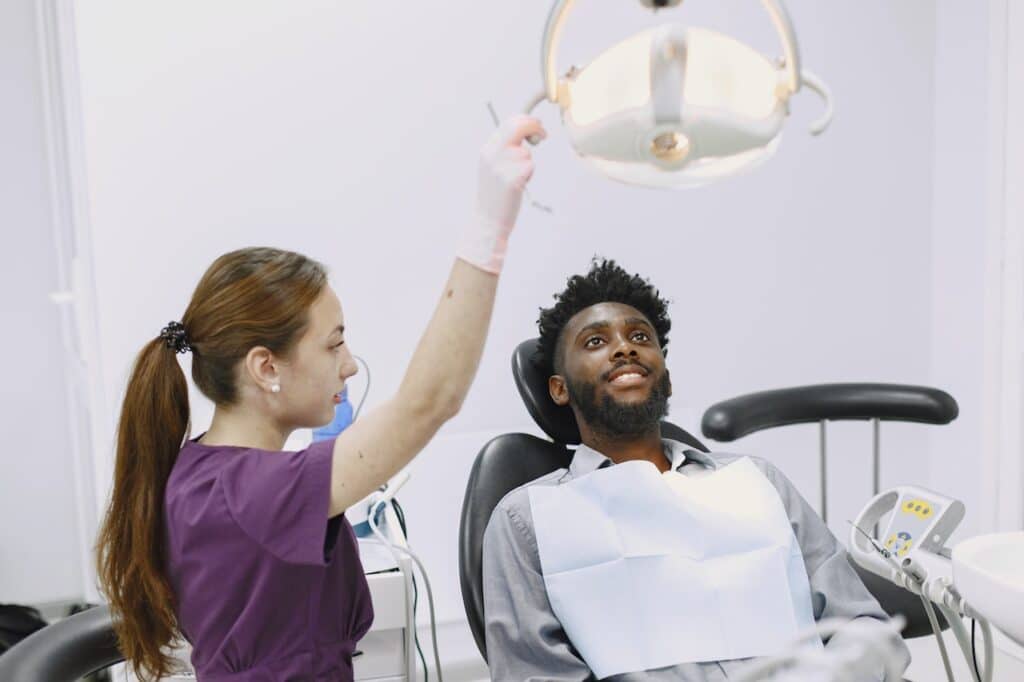
patient at the dentist

A healthy and beautiful smile is paramount to each person’s self-image from childhood to adulthood. As dental care professionals, we firmly believe in the value of proactive, preventative dental care, which includes identifying and addressing issues related to tooth and jaw alignment in children. Early orthodontic intervention, sometimes referred to as interceptive orthodontics, is a proactive approach to identifying and treating malocclusions, crowding, and other orthodontic concerns at a young age. This paves the way for improved dental health, functionality, and aesthetics, as well as simplified future orthodontic treatments.

At Pickering Dental Services, our gentle family dental care services prioritize each patient’s unique dental needs, ensuring that children receive personalized, age-appropriate guidance and treatment. By evaluating the need for orthodontic intervention during the early stages of dental development, our caring dental professionals can help set the stage for a confident, radiant smile that lasts a lifetime.

In this blog post, we will explore the topic of early orthodontic intervention, discussing its importance, benefits, and various treatment options for children. Join us as we delve into the vital role that timely orthodontic assessment and care play in supporting the lifelong dental health of our young patients and discover how the team at Pickering Dental Services is committed to fostering beautiful smiles for all ages.

Timing and Reasons for Early Orthodontic Intervention

wisdom teeth removal

Not all children require early orthodontic intervention, but a timely assessment can help determine the optimal course of action for each individual case. The following factors contribute to the need for early intervention:

1. Identifying and Addressing Developing Problems

An early orthodontic evaluation can identify developing problems such as overcrowding, misalignment, and bite issues. Addressing these issues during the early stage can prevent more severe problems from arising in the future.

2. Guiding Jaw Growth and Development

By intervening while the jaw is still growing, orthodontists have the opportunity to guide proper jaw development, ensuring adequate room for permanent teeth and reducing the likelihood of future extractions.

3. Taking Advantage of Growth Spurts

During growth spurts, the body responds more effectively to orthodontic treatment. Early intervention can capitalize on this responsiveness, often leading to less invasive and shorter treatment periods. Learn more about family dentistry services in Pickering.

4. Enhancing Self-Esteem

Early orthodontic intervention can help improve the appearance of a child’s smile, boosting their confidence and self-esteem during crucial developmental years.

Orthodontic Treatment Options for Children

Depending on the specific orthodontic needs of a child, there are several treatment options that may be considered:

1. Space Maintainers

If a baby tooth is lost prematurely, a space maintainer can hold the space open for the permanent tooth to emerge in its proper position, helping prevent overcrowding and alignment issues.

2. Growth Modification Appliances

Growth modification appliances, such as palatal expanders or headgear, can help guide the development of the jaw and correct bite issues.

3. Limited Braces

In some cases, a limited set of braces can be applied to specific teeth to address mild crowding or misalignment issues that, if left untreated, could become more severe.

4. Invisalign First

Invisalign First is a series of clear, removable aligners designed for children aged 6 to 10. These aligners can help with mild to moderate orthodontic issues, including tooth crowding, spacing, and bite problems.

When to Begin Early Orthodontic Intervention

Dental Check-Up

The Canadian Association of Orthodontists recommends that children have their first orthodontic evaluation by the age of 7. While treatment may not necessarily begin at this age, an early evaluation provides valuable insights into the child’s dental development, allowing issues to be addressed proactively.

Maintaining Healthy Oral Habits During Orthodontic Treatment

During orthodontic treatment, maintaining good oral hygiene and healthy habits is crucial for success. Parents and children should keep the following tips in mind:

1. Maintain a Proper Oral Hygiene Regime

Children undergoing orthodontic treatment should brush their teeth at least twice a day and floss daily to prevent plaque buildup and cavities.

2. Regular Dental Check-ups and Cleanings

Ensure your child visits the dentist regularly for routine check-ups and cleanings to maintain good oral health during the treatment process.

3. Eating a Balanced Diet

A balanced diet is essential for developing strong teeth and healthy gums. Encourage your child to avoid sugary and sticky foods, as well as hard or crunchy items that can damage orthodontic appliances.

4. Wear Protective Gear

If your child participates in sports or physical activities, wear a mouthguard to protect their teeth and orthodontic appliances.

Final Thoughts

Early orthodontic intervention is crucial in setting the stage for a healthy and beautiful smile that lasts a lifetime. At Pickering Dental Services, our gentle family dental care approach ensures that children receive optimal orthodontic guidance and treatment, fostering a proactive, preventative approach to dental health.

If you’re interested in learning more about early orthodontic intervention or would like to schedule an appointment for your child at our family dental center, please contact our caring and experienced team at Pickering Dental Services. Together, we can create a personalized plan to ensure a lifetime of healthy, confident smiles!

Helpful Resources

For more information, visit the Canadian Dental Association Oral Health.

Schedule Your Appointment Today

Contact Pickering Square Dental to book your appointment with Dr. Marvin Lean. Call us at (905) 420-1777 or visit us at 1450 Kingston Rd, Unit #4, Pickering, ON.

Frequently Asked Questions

How often should I visit the dentist?

The Canadian Dental Association recommends visiting your dentist at least twice a year for regular check-ups and cleanings. Some patients may need more frequent visits depending on their oral health needs. Call Pickering Square Dental at (905) 420-1777 to schedule your next appointment.

Do you accept the Canadian Dental Care Plan (CDCP)?

Yes, Pickering Square Dental participates in the Canadian Dental Care Plan. Our team can help you understand your coverage and ensure you receive the dental care you need. Contact us for more details about CDCP eligibility and benefits.

What services does Pickering Square Dental offer?

We offer a full range of dental services including family dentistry, emergency dental care, sedation dentistry, dental implants, laser dentistry, teeth whitening, root canal therapy, dental extractions, periodontal care, and cosmetic dentistry. Dr. Lean and our team serve patients in Pickering, Ajax, Whitby, and Scarborough.

The Benefits of Fluoride Treatments for Maintaining Optimal Dental Health
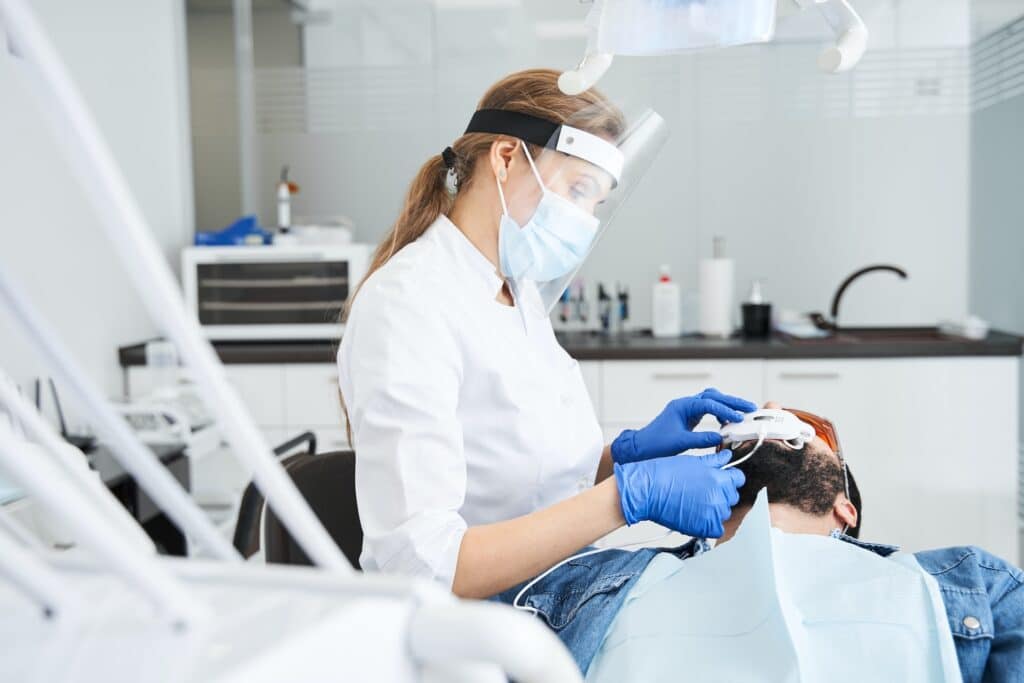
Fluoride

Fluoride treatments are a fundamental aspect of comprehensive dental care, offering numerous benefits to help maintain optimal oral health. Fluoride, a naturally occurring mineral found in water, soil, and some foods, plays a significant role in strengthening the tooth enamel and preventing dental caries – the common dental issue known as cavities. The critical preventive benefits of fluoride treatments extend beyond children’s dental care, providing adults with lasting protection and improved oral health. At Pickering Square Dental, we prioritize the well-being of our patients, offering a suite of family dentistry services, including fluoride treatments, to ensure optimal dental health for all ages.

For decades, fluoride treatments have been a staple of preventative dental care in numerous countries worldwide. Its incorporation into community water supplies and toothpaste formulations is a testament to its proven efficacy in promoting oral health. The benefits of fluoride treatments, however, are not confined to daily dental care at home – professional fluoride applications administered by your dentist provide a more concentrated and effective dose, further fortifying your tooth enamel against cavities and decay.

Children, in particular, can benefit immensely from fluoride treatments, given their heightened susceptibility to tooth decay. With the right balance of ingested fluoride during the formative stages of tooth development, children can attain a more resilient tooth enamel that is less prone to cavities. Furthermore, providing topical fluoride treatments as part of regular dental check-ups for children can reinforce this protection against plaque and bacteria, boosting their overall dental health.

Adults, too, should not underestimate the advantages of fluoride treatments. While it is commonly associated with pediatric dental care, adults with specific oral health conditions may be more vulnerable to cavities and tooth decay, making fluoride treatments a vital part of their dental care regimen. Factors such as gum disease, dry mouth (xerostomia), and the presence of dental crowns or bridges can elevate the risk of tooth decay in adults, highlighting the importance of considering fluoride treatments as a preventive dental care strategy.

In essence, the benefits of fluoride treatments extend across all age groups, enhancing overall dental health while minimizing the risk of cavities and tooth decay. With the help of our skilled dental professionals at Pickering Square Dental, we strive to provide exceptional family dental care, ensuring our patients receive the very best in preventive and restorative dental services.

How Fluoride Treatments Work to Strengthen Teeth

Oral Health

Fluoride treatments exert their protective action through a process known as remineralization. The natural wear and tear of the tooth surface result from the demineralization of the enamel—the outermost layer—by acids produced by bacteria present in dental plaque. Fluoride treatments replenish lost minerals in the tooth enamel, rendering it more resistant to acid erosion and the formation of cavities.

Moreover, fluoride also inhibits bacterial action, reducing the production of acids in the oral cavity. In doing so, it supports the integrity of the tooth enamel and contributes to overall oral health. Learn more about family dentistry services in Pickering.

Types of Professional Fluoride Treatments

Depending on your specific needs and preferences, your dentist will recommend one of the following professional fluoride treatments:

1. Fluoride Varnish: This gel-like substance is painted directly onto the tooth surface by a dentist or a dental hygienist. The varnish adheres to the teeth, providing a high concentration of fluoride, which gradually releases over several hours to prolong its protective effects.

2. Fluoride Foam or Gel: These are applied using a mouthguard-like tray, which is filled with the fluoride-containing substance and then placed in your mouth. You will be asked to bite down on the tray for a few minutes to ensure optimal contact between the fluoride and your teeth.

3. Fluoride Rinse: Your dentist may recommend a fluoride rinse, which is swished around the mouth and then spit out. Although less concentrated than other professional treatments, it is still more potent than over-the-counter mouthwashes and rinses.

Precautions in Fluoride Usage

Oral Health

Fluoride treatments offer numerous benefits when applied correctly. However, excessive fluoride consumption, especially during early childhood, can result in a condition known as dental fluorosis. This condition is characterized by white or brown stains on the teeth caused by mineralization disruptions in the developing enamel. While dental fluorosis typically does not impact dental health, it can affect the appearance of the teeth.

To avoid dental fluorosis and overexposure to fluoride, observe the following precautions:

1. Monitor children’s toothpaste usage: Supervise tooth brushing for young children and ensure that they only use a pea-sized amount of fluoride toothpaste. Teach them to spit out the toothpaste instead of swallowing it.

2. Choose age-appropriate toothpaste: Use fluoride-free toothpaste for children under two years old unless otherwise advised by a dentist.

3. Test your water supply: Ensure that your drinking water supply does not contain excessive fluoride levels. If levels exceed the recommended range, consider alternatives such as bottled water or an appropriate filtration system.

4. Discuss fluoride supplements: Consult your dentist before giving fluoride supplements to children, especially if they already receive fluoride through drinking water or other sources.

The Link Between Fluoride Treatments and Overall Dental Health

Incorporating fluoride treatments into your oral care regimen can provide lasting benefits that extend beyond cavity prevention. By reducing the risk of tooth decay and the need for restorative dental procedures, fluoride treatments can promote optimal oral health and well-being.

Moreover, ensuring that fluoride treatments are a part of your dental care routine can contribute to improved overall dental hygiene. For example, improved oral health can reduce chances of gum disease, bad breath, and even tooth loss. Furthermore, maintaining a healthy oral cavity can have positive impacts on general health, as poor oral health has been linked to various systemic conditions, such as heart disease and diabetes.

Conclusion

Fluoride treatments serve as a powerful and effective preventive measure to promote optimal dental health across all age groups. Incorporating professional fluoride treatments into your dental care routine, coupled with proper oral hygiene practices, can help maintain strong and healthy teeth for a lifetime.

At Pickering Square Dental, our experienced dentists in Pickering are dedicated to providing the very best in gentle family dental care, including the administration of fluoride treatments tailored to meet your unique needs. Schedule a consultation with our team today to bolster your overall dental well-being and confidently flaunt a healthy smile.

Helpful Resources

For more information, visit the Canadian Dental Association Oral Health.

Schedule Your Appointment Today

Contact Pickering Square Dental to book your appointment with Dr. Marvin Lean. Call us at (905) 420-1777 or visit us at 1450 Kingston Rd, Unit #4, Pickering, ON.

Frequently Asked Questions

How often should I visit the dentist?

The Canadian Dental Association recommends visiting your dentist at least twice a year for regular check-ups and cleanings. Some patients may need more frequent visits depending on their oral health needs. Call Pickering Square Dental at (905) 420-1777 to schedule your next appointment.

Do you accept the Canadian Dental Care Plan (CDCP)?

Yes, Pickering Square Dental participates in the Canadian Dental Care Plan. Our team can help you understand your coverage and ensure you receive the dental care you need. Contact us for more details about CDCP eligibility and benefits.

What services does Pickering Square Dental offer?

We offer a full range of dental services including family dentistry, emergency dental care, sedation dentistry, dental implants, laser dentistry, teeth whitening, root canal therapy, dental extractions, periodontal care, and cosmetic dentistry. Dr. Lean and our team serve patients in Pickering, Ajax, Whitby, and Scarborough.

What Is Periodontal Care (And Why Is It Important?)

woman brushing teeth

Periodontal care is a crucial aspect of maintaining good oral health. It involves the prevention, diagnosis, and treatment of gum disease and other related conditions. Gum disease is a common problem that affects many people, and if left untreated, it can lead to tooth loss and systemic health issues. 

Periodontal care is an essential part of dental hygiene and is necessary to prevent the development of gum disease and maintain healthy teeth and gums. In this article, we will explore what periodontal care is, its importance, and how to maintain good oral health through proper periodontal care.

What Is Periodontal Disease?

Root Canal

Periodontal disease, also known as gum disease, is a bacterial infection that affects the tissues that support and surround the teeth. It is caused by the buildup of plaque and tartar on the teeth and gums, which can lead to inflammation, bleeding, and eventually the destruction of the bone that surrounds and supports the teeth. There are two main types of periodontal disease: gingivitis and periodontitis.

Gingivitis

Gingivitis is the early stage of gum disease and is characterized by red, swollen, and bleeding gums. It is usually reversible with proper dental hygiene and professional treatment. However, if left untreated, it can progress to periodontitis.

Periodontitis

Teeth Whitening

Periodontitis is a more advanced stage of gum disease and is characterized by the loss of bone and tissue that support the teeth. This can lead to tooth loss and other serious health problems, such as heart disease and diabetes.

Importance of Periodontal Care

Periodontal care is important because it helps prevent and treat gum disease, which can have serious consequences for your oral and overall health. Gum disease has been linked to a variety of health issues, including heart disease, stroke, diabetes, and pregnancy complications. Additionally, gum disease can cause tooth loss, which can affect your ability to eat, speak, and smile with confidence.

Maintaining Good Periodontal Care

Maintaining good periodontal care involves a combination of proper oral hygiene and regular dental checkups. Here are some tips for maintaining good periodontal care:

1. Brush twice a day with a fluoride toothpaste Learn more about family dentistry services in Pickering.

2. Floss at least once a day

3. Use an antiseptic mouthwash to kill bacteria

4. Eat a healthy diet rich in fruits and vegetables

5. Avoid tobacco products

6. Visit your dentist regularly for checkups and cleanings

Signs and Symptoms of Periodontal Disease

1. Bleeding gums while brushing or flossing

2. Swollen, red or tender gums

3. Bad breath or a persistent bad taste in the mouth

4. Loose or shifting teeth

5. Receding gums or teeth appearing longer than usual

6. Changes in the way teeth fit together when biting or chewing

7. Pus between teeth and gums

8. Sores in the mouth

9. Tooth sensitivity to hot or cold temperatures.

Conclusion

In short, periodontal care is a crucial aspect of overall oral health that should not be overlooked. This specialized care involves the prevention, diagnosis, and treatment of periodontal disease, which can have serious consequences if left untreated. Regular dental check-ups, proper oral hygiene, and a healthy lifestyle are key components of periodontal care. By taking care of our gums and teeth, we can maintain strong and healthy teeth for a lifetime. Therefore, it is essential to give periodontal care the attention it deserves to prevent long-term oral health problems.

If you are looking for family dentists in Ajax, contact Pickering Square Dental Services. Our team of dentists knows how to provide the best in preventative dental care so you and your family can enjoy a lifetime of healthy smiles.

Helpful Resources

For more information, visit the Canadian Dental Association Oral Health.

Schedule Your Appointment Today

Contact Pickering Square Dental to book your appointment with Dr. Marvin Lean. Call us at (905) 420-1777 or visit us at 1450 Kingston Rd, Unit #4, Pickering, ON.

Frequently Asked Questions

How often should I visit the dentist?

The Canadian Dental Association recommends visiting your dentist at least twice a year for regular check-ups and cleanings. Some patients may need more frequent visits depending on their oral health needs. Call Pickering Square Dental at (905) 420-1777 to schedule your next appointment.

Do you accept the Canadian Dental Care Plan (CDCP)?

Yes, Pickering Square Dental participates in the Canadian Dental Care Plan. Our team can help you understand your coverage and ensure you receive the dental care you need. Contact us for more details about CDCP eligibility and benefits.

What services does Pickering Square Dental offer?

We offer a full range of dental services including family dentistry, emergency dental care, sedation dentistry, dental implants, laser dentistry, teeth whitening, root canal therapy, dental extractions, periodontal care, and cosmetic dentistry. Dr. Lean and our team serve patients in Pickering, Ajax, Whitby, and Scarborough.

Everything You Need to Know About a Root Canal Procedure
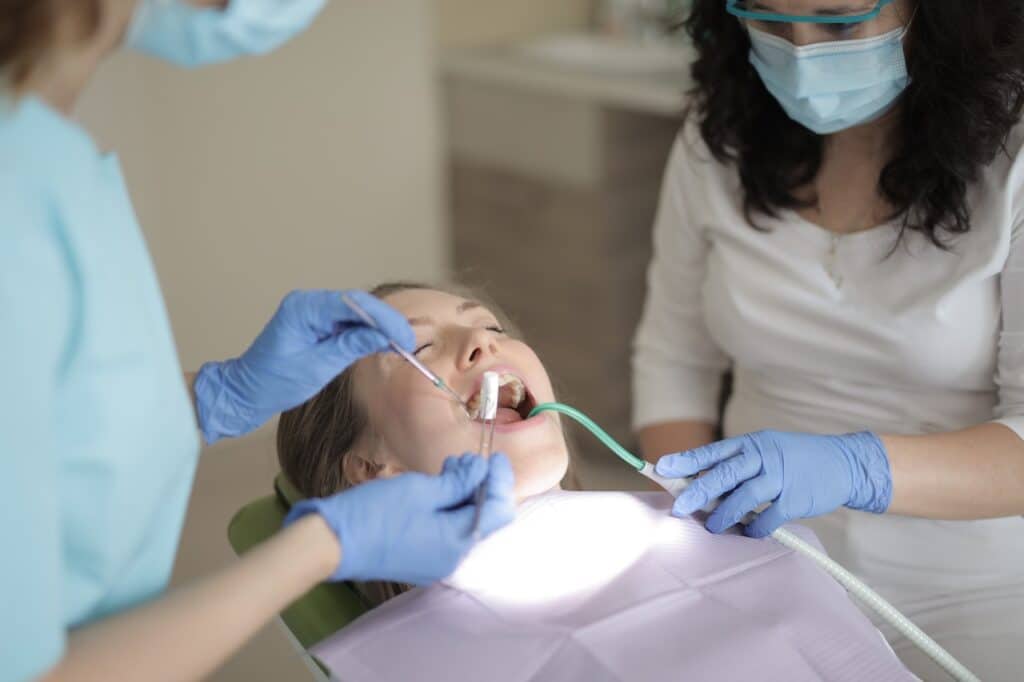
root canal procedure

A root canal is a dental procedure that is used to treat an infected or damaged tooth. During the procedure, the dentist removes the infected or damaged pulp from the tooth and then cleans and fills the tooth. While the procedure is relatively common, many patients wonder how long it takes to heal after a root canal. Here’s what you need to know about the healing duration, aftercare, and do’s and don’ts after a root canal.

Healing Duration

dental implant

The healing duration after a root canal can vary depending on several factors, such as the infection’s severity, the tooth’s location, and the patient’s overall health. In general, the healing process can take anywhere from a few days to a few weeks.

During the first few days after the procedure, it is common to experience some discomfort, swelling, and sensitivity. This can be managed with over-the-counter pain relievers and avoiding hard or chewy foods. Most patients can return to their normal activities within a day or two after the procedure, but it is important to avoid strenuous activity and rest as much as possible. Learn more about family dentistry services in Pickering.

A follow-up appointment with the dentist is usually scheduled a few weeks after the procedure to check on the healing process and to ensure that the tooth is fully healed.

Aftercare

Proper aftercare is essential for a speedy and successful recovery after a root canal. Here are some tips for aftercare:

  • Avoid chewing or biting on the affected tooth until it has fully healed.
  • Regularly brush and floss, but be gentle around the affected tooth.
  • Avoid hard or chewy foods and hot or cold drinks for a few days after the procedure.
  • Take any prescribed antibiotics or pain medication as directed by your dentist.
  • Attend all scheduled follow-up appointments with your dentist.

Do’s and Don’ts

Dental Crowns

There are some do’s and don’ts to keep in mind after a root canal to ensure a successful recovery. Here are some things to avoid:

  • Don’t smoke or use tobacco products, as these can slow down the healing process and increase the risk of infection.
  • Don’t drink alcohol, as this can interfere with the effectiveness of antibiotics and pain medication.
  • Don’t chew on hard objects, such as ice or pens, as this can damage the tooth and slow down the healing process.
  • Don’t skip any scheduled follow-up appointments with your dentist.
  • Do rest and take it easy for the first few days after the procedure.
  • Do take any prescribed antibiotics or pain medication as directed by your dentist.
  • Do continue to practice good oral hygiene by brushing and flossing regularly.

To Sum Up

A root canal can be a necessary and effective treatment for an infected or damaged tooth. While the healing duration after a root canal can vary depending on several factors, most patients are able to return to their normal activities within a few days to a few weeks after the procedure. Proper aftercare, including rest, good oral hygiene, and avoiding tobacco and alcohol, is essential for a successful recovery. By following these tips and guidelines, patients can ensure a speedy and successful recovery after a root canal.

Pickering Dental Services offers the best root canal therapy in Ajax. Our dentists know how to provide the best in preventive dental care. Get in touch with us.

Helpful Resources

For more information, visit the Canadian Dental Association Oral Health.

Schedule Your Appointment Today

Contact Pickering Square Dental to book your appointment with Dr. Marvin Lean. Call us at (905) 420-1777 or visit us at 1450 Kingston Rd, Unit #4, Pickering, ON.

Frequently Asked Questions

How often should I visit the dentist?

The Canadian Dental Association recommends visiting your dentist at least twice a year for regular check-ups and cleanings. Some patients may need more frequent visits depending on their oral health needs. Call Pickering Square Dental at (905) 420-1777 to schedule your next appointment.

Do you accept the Canadian Dental Care Plan (CDCP)?

Yes, Pickering Square Dental participates in the Canadian Dental Care Plan. Our team can help you understand your coverage and ensure you receive the dental care you need. Contact us for more details about CDCP eligibility and benefits.

What services does Pickering Square Dental offer?

We offer a full range of dental services including family dentistry, emergency dental care, sedation dentistry, dental implants, laser dentistry, teeth whitening, root canal therapy, dental extractions, periodontal care, and cosmetic dentistry. Dr. Lean and our team serve patients in Pickering, Ajax, Whitby, and Scarborough.

Why Your Child Needs Regular and Professional Teeth Cleaning
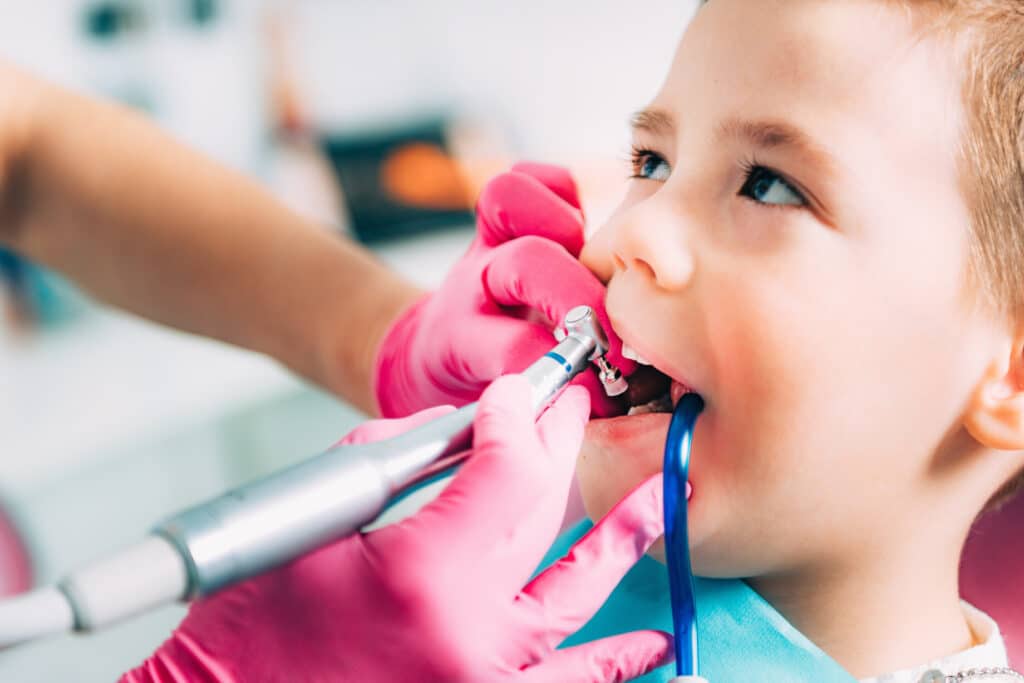
child having teeth cleaned

Being a responsible parent means ensuring your child grows happy and healthy. It means providing for their mental, social, educational, and physical needs. While feeding them the right food can help them stay healthy, your child can’t enjoy holistic health without professional teeth cleaning. 

This dental service prevents cavities, plaque buildup, and gum infections. However, convincing them to visit the dentist can be tricky, especially since most kids dread this day. For this reason, you should calmly explain its significance and use positive reinforcement to them. 

If you want your child to enjoy a bright and healthy smile, this article will define professional teeth cleaning, when to schedule this dental service, and how often you should do it. We’ll also explain its significance. 

What Are Professional Teeth Cleaning?

sedation dentistry

Dentists perform professional teeth cleaning to ensure your mouth is healthy and free of tartar and plaque. This process includes thoroughly examining your teeth and gums and polishing and flossing them afterwards. You should schedule this dental service regularly to prevent cavities, gingivitis, and periodontal diseases. 

On the other hand, periodontal maintenance involves deeper teeth and gum cleaning. Either way, they help keep your teeth healthy. Learn more about family dentistry services in Pickering.

When Should My Child Get Their First Teeth Cleaning?

You should begin caring for your child’s teeth once they’re born. When their teeth start to appear, bring them to the dentist for a thorough cleaning within six months. You should also remember that their dental journey begins when they eat solid foods. Moreover, remember that while baby teeth will eventually fall out, they’re still crucial in your child’s dental health. 

How Often Should I Schedule This Dental Service?

veneers

You can ensure your child’s best dental health by scheduling routine dental visits every six months. These checkups may provide dental services like professional cleaning and teeth and gum examinations to detect potential problems. That way, your dentist can treat issues early, and your child can enjoy more positive results. 

5 Reasons to Schedule Professional Teeth Cleaning

After defining professional teeth cleaning and when and how often you should schedule this dental service for your child, this section will explain why your child should regularly visit the dentist.

1. Brighten Teeth

Everybody deserves to feel confident about their smile. Unfortunately, yellow or stained teeth can lead to teasing and bullying, making your child hesitant to interact with peers. 

You can make your kid feel better about themselves and prevent discolouration by scheduling regular teeth cleaning. 

2. Improve Their Oral Health

Good oral health can help your child feel more confident and avoid severe diseases. You can maintain their good oral health by regularly bringing them to the dentist. Establishing this habit from a young age can help them learn about the significance of dental hygiene, protect their teeth, and make them more comfortable attending future dental appointments. 

3. Prevent Cavities

Kids are highly vulnerable to cavities during their first 14 years. You can help them enjoy a lifetime of healthy teeth by practising good habits like brushing regularly and serving the right foods. You should also schedule regular dental visits for professional cleaning.

4. Prevent Tooth Loss

Premature tooth loss can cause overcrowding or misaligned teeth. These issues can create difficulties with speaking and chewing and may require braces. You can keep gums healthy, support the teeth’s bone structure, and avoid tooth loss by scheduling regular dental cleanings. 

5. Combat Gum Infection

Children can suffer from gum infections around their teeth, regardless of age. You can help your kid understand the significance of healthy gums by letting a dentist explain it. They’ll also show how children can care for their gums at home. 

Conclusion

No child deserves to feel bad about themselves because of their bad teeth. You can help them grow healthy and confident by teaching them healthy habits, scheduling professional teeth cleaning, and investing in other dental services.

If your child needs professional teeth cleaning and other dental services in Pickering, bring them to Pickering Dental Services! Our dentists only provide the best preventative dental care to help you and your kids enjoy healthy smiles. Schedule an appointment now!

Helpful Resources

For more information, visit the Canadian Dental Association Oral Health.

Schedule Your Appointment Today

Contact Pickering Square Dental to book your appointment with Dr. Marvin Lean. Call us at (905) 420-1777 or visit us at 1450 Kingston Rd, Unit #4, Pickering, ON.

Frequently Asked Questions

How often should I visit the dentist?

The Canadian Dental Association recommends visiting your dentist at least twice a year for regular check-ups and cleanings. Some patients may need more frequent visits depending on their oral health needs. Call Pickering Square Dental at (905) 420-1777 to schedule your next appointment.

Do you accept the Canadian Dental Care Plan (CDCP)?

Yes, Pickering Square Dental participates in the Canadian Dental Care Plan. Our team can help you understand your coverage and ensure you receive the dental care you need. Contact us for more details about CDCP eligibility and benefits.

What services does Pickering Square Dental offer?

We offer a full range of dental services including family dentistry, emergency dental care, sedation dentistry, dental implants, laser dentistry, teeth whitening, root canal therapy, dental extractions, periodontal care, and cosmetic dentistry. Dr. Lean and our team serve patients in Pickering, Ajax, Whitby, and Scarborough.

Oral Health 101: The Negative Effects of Missing Teeth
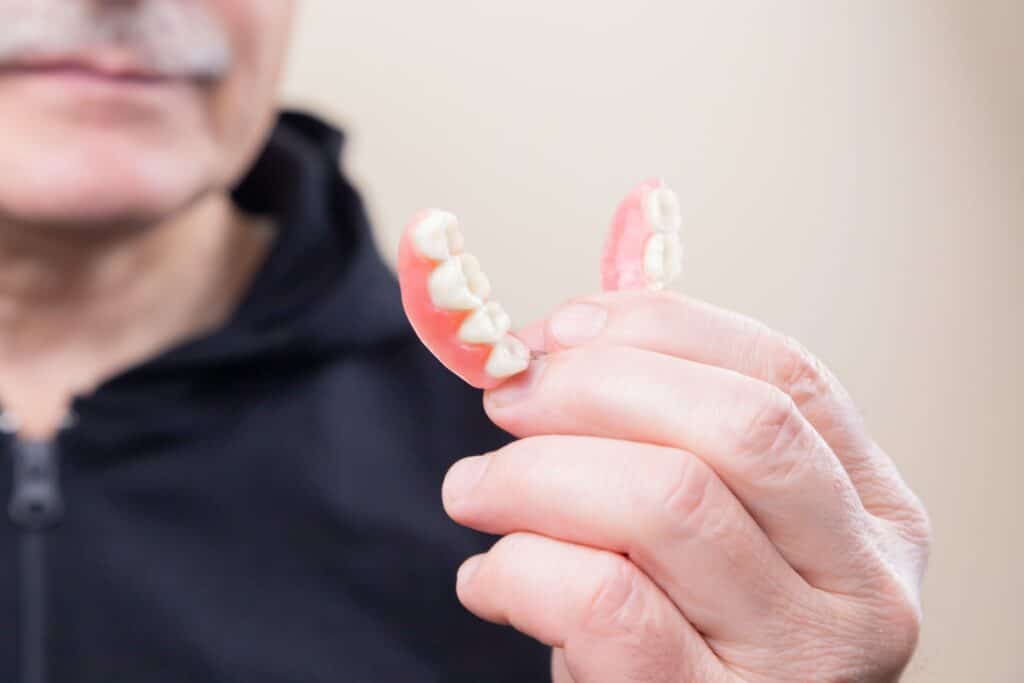
man holding his denture

When it comes to oral health, we start with the teeth. Beyond the teeth, it gets more complex as everything is connected to our oral health. Indeed, our teeth are more complex than just a pretty grin. One’s dental health is also influenced by the position, state, and alignment of their teeth.

Adults frequently lose their teeth, particularly those who are over the age of 50. Whether caused by an illness, an accident, or tooth decay, losing a tooth has severe consequences that cannot be undone.

Read on to discover the negative effects of missing teeth today.

Missing Teeth Encourage Viruses to Thrive

man and woman brushing teeth

A possible outcome of dental and gum diseases is tooth loss. Before the tooth is lost, the illness may become more widespread. Learn more about family dentistry services in Pickering.

Missing Teeth Make for Jaw Problems

The cheeks and jawbones may suffer as a consequence of tooth loss. The molars provide protection for the gingival mucosa. The teeth bases stimulate the jawbones. When teeth were removed, the body reabsorbed bone tissue, resulting in bone loss in the mandible and the buccal cavity.

Missing Teeth Result in Permanent Bone Loss

child brushing teeth

Missing teeth are closely linked to permanent major bone loss. The molars provide support for the mandible, which also lessens bone loss. Because the mouth cannot move inward, which would impair speech and food chewing, high bone density stops this from happening.

Missing Teeth Disturb the Teeth’s Natural Alignment

Occlusion is the word used to describe the interaction between our lower and upper teeth. At the same moment, every dog enters the room. An individual’s other teeth may move out of position if one of their teeth is extracted. A tipped tooth makes it harder to practice good oral care, which increases the risk of developing periodontal disease and tooth decay.

Missing Teeth Result in Crooked Teeth

The majority of the time, misaligned teeth are to blame for the mouth’s remaining teeth being out of line. This may cause the enamel to deteriorate and cause severe tooth erosion. It can also obstruct teeth, making it harder to practice good oral care. Also, changes will be made to the appearance of your lips. Overstating the psychological and emotional effects of an unattractive grin is possible.

Missing Teeth Increase the Risk of Dental Decay

Cavities, also known as caries, are more likely to form when teeth are absent. In order to replace the void, the teeth move. It is possible for the remaining teeth to crowd together or overlap when teeth shift. This means that brushing and cleaning the teeth that are still in your mouth will get harder over time. Microorganisms, dental plaque, and tartar all contribute to tooth disease.

Missing Teeth Pose Challenges to Normal Life

As the situation worsens, speaking, chewing, and eating becomes more challenging. The teeth that are next to one another may be compressed by the vacant spaces in the mandible. In effect, malnutrition may consequently result. The inability to pronounce words and letter sounds correct can be attributed to tooth loss. This is because the jaw, tongue, and teeth all work together to create letter sounds and sentences. Our speaking intonation may suffer if we are missing teeth.

Conclusion

Having a complete set of teeth and good oral health are essential to how we live on a daily basis. Not only will a complete set of teeth give us a beautiful smile, but this will also keep us from suffering in the long run.

Are you looking for dental implants in Pickering? Pickering Dental Services offers modern dental expertise to families and individuals who want to get their best state of oral health yet. Contact us today!

Helpful Resources

For more information, visit the Canadian Dental Association Oral Health.

Schedule Your Appointment Today

Contact Pickering Square Dental to book your appointment with Dr. Marvin Lean. Call us at (905) 420-1777 or visit us at 1450 Kingston Rd, Unit #4, Pickering, ON.

Frequently Asked Questions

How often should I visit the dentist?

The Canadian Dental Association recommends visiting your dentist at least twice a year for regular check-ups and cleanings. Some patients may need more frequent visits depending on their oral health needs. Call Pickering Square Dental at (905) 420-1777 to schedule your next appointment.

Do you accept the Canadian Dental Care Plan (CDCP)?

Yes, Pickering Square Dental participates in the Canadian Dental Care Plan. Our team can help you understand your coverage and ensure you receive the dental care you need. Contact us for more details about CDCP eligibility and benefits.

What services does Pickering Square Dental offer?

We offer a full range of dental services including family dentistry, emergency dental care, sedation dentistry, dental implants, laser dentistry, teeth whitening, root canal therapy, dental extractions, periodontal care, and cosmetic dentistry. Dr. Lean and our team serve patients in Pickering, Ajax, Whitby, and Scarborough.

3 Interesting Dental Services That Can Remedy Chipped Teeth
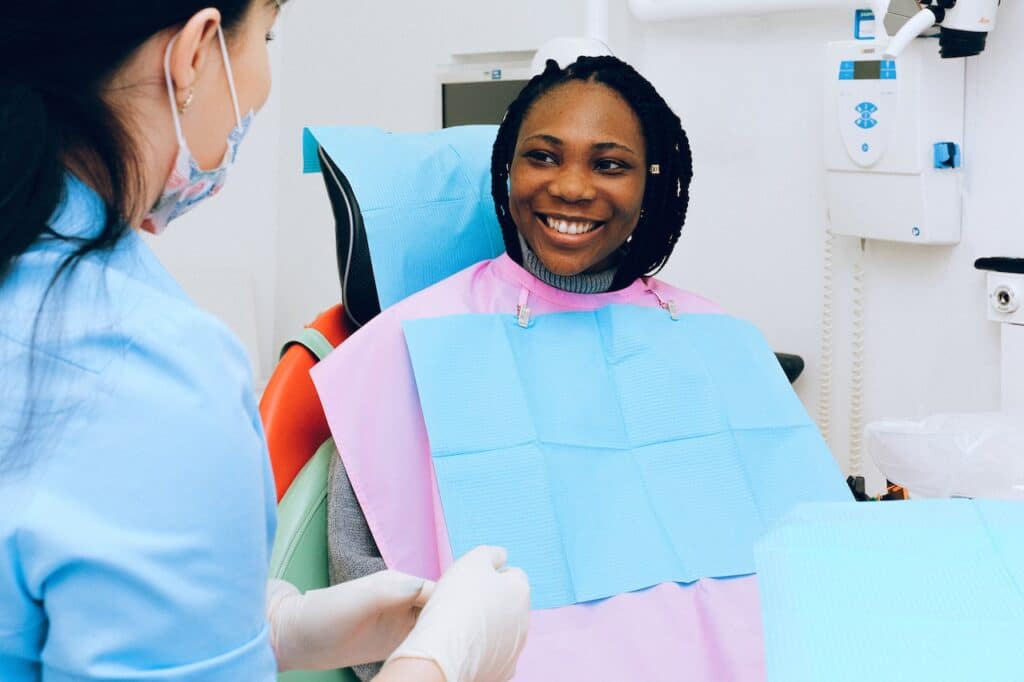
patient getting dental treatment

While as durable as bone, our teeth aren’t immune from damage. A forceful blow to the face, a sudden slip or fall, or even an incorrect bite on something hard may sometimes cause a tooth to chip or break. Below is a roundup of the most popular dental services to help repair a chipped tooth:

Bonding

dental emergency

One of the easiest and most popular dental treatments today is teeth bonding. The term refers to a dental procedure in which a composite resin is shaped and applied to a damaged tooth. It is generally used to fix cracks or chips in the teeth, cover holes, or fill in small gaps. 

You may choose this dental service if you’re on a tight budget since this procedure is generally cost-effective. It is also fast and easy. 

  • To start, the dentist will select the right shade of composite resin that matches your original teeth’ colour. 
  • The surface of the target tooth will then be roughened and coated with a conditioning liquid. 
  • Once done, the dentist will apply the composite resin and then shape the same to fit with your natural tooth. 
  • The last step usually involves polishing the affected area to achieve that natural shine once the resin dries.

Filling

A dental filling is closing off the holes, cracks, chips, or any other damage in a tooth using filling materials. During this treatment, the dentist shall remove the damaged portion of the tooth, clean the affected area, and seal it using a filling. Learn more about family dentistry services in Pickering.

The procedure is simple, and costs may vary according to the type of filling materials used. You may get gold fillings, porcelain, silver amalgam, or composite resin fillings. Some dental practices even offer tooth-coloured non-metal fillings that are just as durable as other traditional metal-based restorations!

Dental Crowns

teeth whitening

A dental crown is another way to fix chipped or cracked teeth. A crown, AKA “a dental cap,” is placed on top of a damaged tooth to cover it up and restore its perfect appearance. 

This dental procedure is more elaborate and relatively expensive than the first two treatments. 

  • To start, the dentist shall first examine the affected tooth. A root canal treatment may be performed if decay has been spotted. 
  • The target tooth will then be trimmed to create enough room for the crown. 
  • Traditionally, a temporary cap will be applied first, and then the patient shall be advised to return days later once the permanent crown is ready for application.

However, to date, some dental clinics with advanced equipment may already create permanent dental crowns within only a few hours, allowing them to apply the same to the target teeth immediately.

Generally, dental crowns are recommended in cases of severely worn down teeth. However, interested individuals may still choose to avail of this treatment to improve the shape and colour of their teeth by covering them up with better-looking crowns. If you have a severely chipped tooth, going for a dental crown may be the better option instead of just bonding or filling.

Conclusion

With three interesting dental services available to remedy broken or chipped teeth, there’s no need to fret after a forceful blow, head injury, or accidental bite. Simply call your trusted dentist and ask them what the best solution is according to your needs and budget. 

Book an Appointment Today at Pickering Dental Services

We provide solutions for discoloured, cracked, or broken teeth, such as whitening, fillings, veneers, and more. Find out more about these dental services in Ajax by scheduling a visit at 905-420-1777!

Frequently Asked Questions

How often should I visit the dentist?

The Canadian Dental Association recommends visiting your dentist at least twice a year for regular check-ups and cleanings. Some patients may need more frequent visits depending on their oral health needs. Call Pickering Square Dental at (905) 420-1777 to schedule your next appointment.

Do you accept the Canadian Dental Care Plan (CDCP)?

Yes, Pickering Square Dental participates in the Canadian Dental Care Plan. Our team can help you understand your coverage and ensure you receive the dental care you need. Contact us for more details about CDCP eligibility and benefits.

What services does Pickering Square Dental offer?

We offer a full range of dental services including family dentistry, emergency dental care, sedation dentistry, dental implants, laser dentistry, teeth whitening, root canal therapy, dental extractions, periodontal care, and cosmetic dentistry. Dr. Lean and our team serve patients in Pickering, Ajax, Whitby, and Scarborough.

A Quick Overview of Root Canals and Their Overall Process
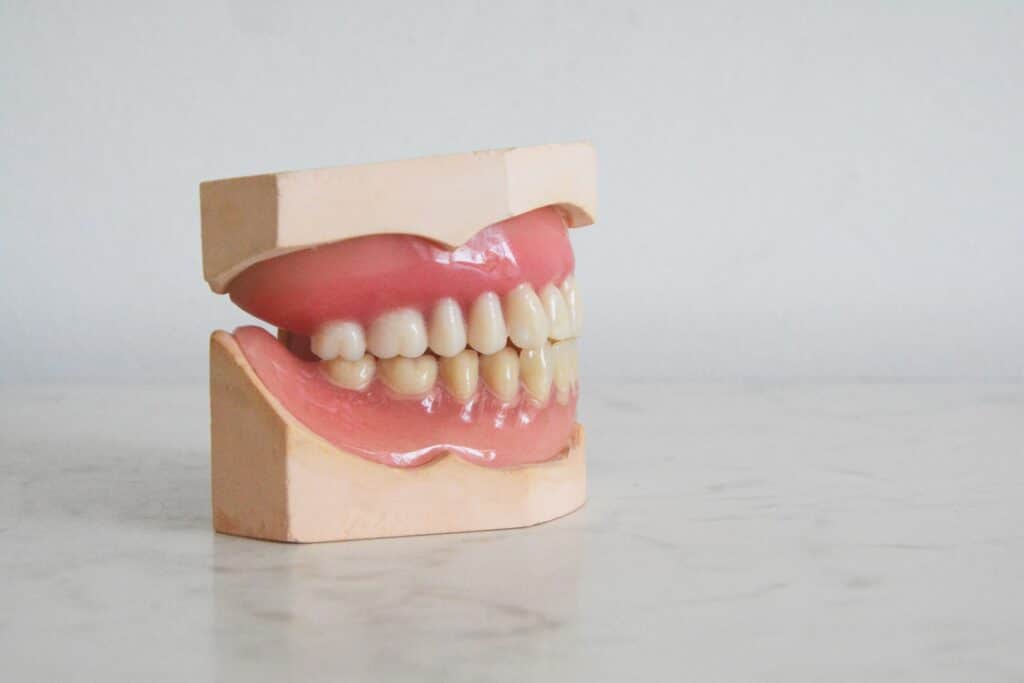
teeth model

Root canals are one of the most frequent dental procedures and can help to save teeth that would otherwise need to be extracted. They are often necessary when the tooth’s nerve or pulp is affected or severely decayed. 

In this blog post, we’ll cover the basics of root canal treatments and answer some questions about them, such as what they are, why you might need them, how they’re performed, and what to expect after the procedure.

What Is a Root Canal?

veneers

A root canal involves removing the infected or decayed pulp from inside the root of a tooth. The pulp is the soft tissue inside the tooth that incorporates your nerves, blood vessels, and connective tissue. Once the pulp is taken out, the root canal is filled with core filling materials to seal the tooth and prevent further infection.

Why Do I Need a Root Canal?

Here are five reasons you may need root canal therapy:

1. Decay or Damage

Decay or damage to a tooth’s enamel can cause the pulp, the soft tissue inside the tooth, to become exposed or inflamed. This can lead to severe pain, and a root canal may be necessary to remove the damaged tissue and save the tooth from extraction.  Learn more about family dentistry services in Pickering.

2. Infection

An infection in the tooth’s innermost layer, known as the dental pulp, can cause extreme pain and discomfort. If left untreated, the infection can propagate to other mouth areas and cause serious health complications. A root canal can help to prevent this by removing the infected tissue and allowing the area to heal. 

3. Trauma

Trauma to the mouth, such as a blow to the face, can cause the dental pulp to become damaged. A root canal may be necessary to clean the damaged tissue and prevent further damage or infection. 

4. Cracked Teeth

Teeth can become cracked or fractured over time. These cracks can provide an access point for bacteria to enter the tooth’s innermost layer and cause an infection. A root canal can help to remove the damaged tissue and save the tooth from extraction. 

5. Abscess

An abscess is an infection in the tooth’s root that can cause severe pain and discomfort. A root canal is often necessary to remove the infected tissue and prevent the disease from spreading.

How Is a Root Canal Performed?

implant dentistry

The root canal therapy begins with the dentist numbing the affected area with a local anesthetic. Once the site is sufficiently numb, the dentist will open the tooth to access the root canal. Then, the dentist will use a series of tools, such as an endodontic file, to remove the damaged or infected pulp from inside the root canal.

The next step is to clean and shape the inside of the root canal. This is done by cleaning the inside with a particular solution and then shaping it with special instruments. This is to ensure that the root canal is adequately cleaned and prepared for the final step of the procedure.

Once the root canal is adequately cleaned and shaped, it must be sealed. To do this, the dentist will occupy the root canal with a particular material called gutta-percha. The gutta-percha is then locked in place with special cement.

Finally, the tooth is sealed with a crown or a filling. This protects the tooth and restores its ability to function normally. The entire procedure usually takes a few hours to complete.

Conclusion

Root canal treatment is a safe and effective way to save a damaged or infected tooth. The procedure is relatively painless and can help restore the function and appearance of the tooth. If you think you may require a root canal, it’s essential to seek treatment from a qualified dentist as soon as possible to prevent further damage or infection.

Pickering Dental Services provides top-notch preventative dental care that ensures your family will have healthy smiles for years. From routine checkups to specialized treatments, we are committed to providing quality services that promote optimal dental health. Contact us today to schedule an appointment for root canal therapy in Ajax.

Helpful Resources

For more information, visit the Canadian Dental Association Oral Health.

Schedule Your Appointment Today

Contact Pickering Square Dental to book your appointment with Dr. Marvin Lean. Call us at (905) 420-1777 or visit us at 1450 Kingston Rd, Unit #4, Pickering, ON.

Frequently Asked Questions

How often should I visit the dentist?

The Canadian Dental Association recommends visiting your dentist at least twice a year for regular check-ups and cleanings. Some patients may need more frequent visits depending on their oral health needs. Call Pickering Square Dental at (905) 420-1777 to schedule your next appointment.

Do you accept the Canadian Dental Care Plan (CDCP)?

Yes, Pickering Square Dental participates in the Canadian Dental Care Plan. Our team can help you understand your coverage and ensure you receive the dental care you need. Contact us for more details about CDCP eligibility and benefits.

What services does Pickering Square Dental offer?

We offer a full range of dental services including family dentistry, emergency dental care, sedation dentistry, dental implants, laser dentistry, teeth whitening, root canal therapy, dental extractions, periodontal care, and cosmetic dentistry. Dr. Lean and our team serve patients in Pickering, Ajax, Whitby, and Scarborough.

Make Your Dental Extraction Stress-Free with These 4 Tips
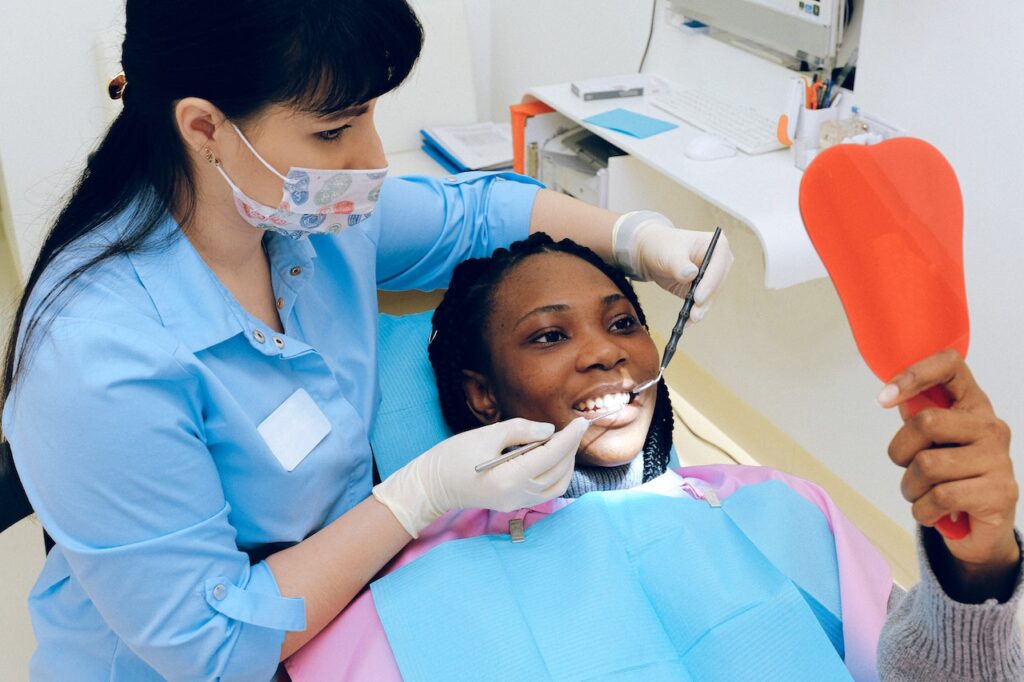
patient undergoing dental treatment

It’s natural to feel anxious when preparing for a dental extraction. After all, you’re having a tooth removed, which can cause discomfort. Fortunately, there are some steps you can take to help make the experience as comfortable and stress-free as possible:

1. Have a Full Understanding of the Procedure

Oral Sedation

Getting a dental extraction can be intimidating, but it’s important to remember that it’s a common and safe procedure. Before the extraction, your dentist will examine the tooth to determine the best way to remove it. Depending on the type of extraction, they may use a dental pick, forceps, or a laser to loosen the tooth and carefully remove it.

During the procedure, you may experience discomfort, but your dentist will offer local anesthesia to help reduce any pain. You may also be given antibiotics to prevent infection. Once the extraction is complete, your dentist will place a gauze pad over the affected area to help stop the bleeding.

You can ensure a successful outcome by understanding the tooth extraction procedure and following your dentist’s instructions for recovery. If you have questions or concerns about the procedure, don’t hesitate to talk to your dentist. They’ll be happy to answer any questions and help you feel more comfortable.

2. Plan Ahead of Schedule

Make sure to schedule the appointment when you don’t have any other commitments that day, as you’ll likely need some downtime afterward. Additionally, bringing along a friend or family member who can drive you home after the procedure is a good idea. Learn more about family dentistry services in Pickering.

3. Listen to Your Dentist’s Instructions for Pre-Extraction Care

Family Dental Clinic

Paying attention to your dentist’s instructions for pre-extraction care is important. This may include taking certain medications or abstaining from eating or drinking for several hours before the procedure. 

You should also discuss any medications or supplements you are currently taking with your dentist. Certain medications or supplements can increase the risk of bleeding or other complications during the extraction.

It’s also important to practice good oral hygiene before the extraction. Brushing and flossing your teeth regularly can help reduce the risk of infection and other complications. Make sure to brush and floss your teeth the night before the extraction and again in the morning before the procedure.

4. Follow Your Dentist’s Aftercare Instructions

After a dental procedure, following your dentist’s instructions for aftercare is important to ensure a speedy and successful recovery. Proper aftercare is essential for reducing your risk of infection and ensuring that your procedure has the best possible outcome.

It is important to take any medications that your dentist has prescribed. These medications may include antibiotics, pain relievers, or other medications to help heal. Make sure to follow the instructions for dosage and duration of use carefully.

You may also need to apply cold compresses to the area to reduce swelling and discomfort. This should be done several times a day for the first couple of days after the procedure.

It is also important to avoid certain activities after a dental procedure. This may include strenuous physical activities, such as running or lifting heavy objects, or activities that involve the mouth, such as smoking. These activities can increase the infection risk and slow the healing process.

Conclusion

Dental extraction can be a stressful experience, but it can be made easier by following the tips outlined above. If you have any questions or concerns about the procedure, don’t hesitate to reach out to your dentist for more information. With the proper preparation and care, you can ensure that your extraction experience is as comfortable and stress-free as possible.

Are you in need of a dental extraction in Pickering? Pickering Dental Services is here to help. Whether you require a simple extraction or something more complex, our dental team can help you out so you can enjoy a lifetime of healthy smiles. Get in touch with us today!

Helpful Resources

For more information, visit the Canadian Dental Association Oral Health.

Schedule Your Appointment Today

Contact Pickering Square Dental to book your appointment with Dr. Marvin Lean. Call us at (905) 420-1777 or visit us at 1450 Kingston Rd, Unit #4, Pickering, ON.

Frequently Asked Questions

How often should I visit the dentist?

The Canadian Dental Association recommends visiting your dentist at least twice a year for regular check-ups and cleanings. Some patients may need more frequent visits depending on their oral health needs. Call Pickering Square Dental at (905) 420-1777 to schedule your next appointment.

Do you accept the Canadian Dental Care Plan (CDCP)?

Yes, Pickering Square Dental participates in the Canadian Dental Care Plan. Our team can help you understand your coverage and ensure you receive the dental care you need. Contact us for more details about CDCP eligibility and benefits.

What services does Pickering Square Dental offer?

We offer a full range of dental services including family dentistry, emergency dental care, sedation dentistry, dental implants, laser dentistry, teeth whitening, root canal therapy, dental extractions, periodontal care, and cosmetic dentistry. Dr. Lean and our team serve patients in Pickering, Ajax, Whitby, and Scarborough.

Taking the Fear Out of a Dental Visit – 5 Tips for An Easy Appointment

Taking the Fear Out of a Dental Visit – 5 Tips for An Easy Appointment — Pickering, ON

Did you know that an estimated 40% of Canadians have a fear of visiting the dentist?

Despite many impressive technological advances that make most types of dental work a breeze compared to what they once were, dental anxiety is still a very common occurrence. This is primarily because fear is a psychological phenomenon, but one that still feels very real, nonetheless.

In addition, there are numerous variations of fear that people can experience when it comes to a visit to the dentist. Some people may have a fear of needles, some may dislike drills and other dental tools, and some might be self-conscious about their oral health and hygiene.

Our Top 5 Tips to Make Your Dental Visit Easier

Dental Care

The good news is that it is totally possible to overcome your dental anxiety and walk into your dentist office with confidence.

Here’s how:

1. Be Honest and Straightforward About Your Fears

If you are afraid of needles, drills, or anything else, be sure to let your dental professional know so that they can numb the area and make the experience less stressful for you.

Also, if you would like an anti-anxiety pill, be sure to ask if this is possible in advance of your appointment.

2. Bring Along a Friend

If you’re nervous about visiting your dentist, ask a friend or relative to join you. You will be surprised at how much just having somebody to talk to and support you will lessen the stress of the experience.

3. Talk to Your Dentist or Dental Hygienist Before Your Appointment

When you let your dental professional know about any fears or anxieties before your appointment, they can inform you about what to expect during the experience.

Many patients later report that their fear was much worse than the actual visit. By managing expectations in a realistic way, you will prevent your mind from running away with you and creating any unnecessary stress.

4. Arrive Early the Day of Your Appointment

When you are distressed, feeling rushed will only serve to compound that feeling.

Arriving early for your appointment and giving yourself some time to sit down with a magazine, book, or even your headphones as you wait will help stop the flow of adrenaline, automatically sooth your system, and help you feel relaxed and prepared.

5. Prioritize Your Oral Hygiene

By educating yourself on good oral hygiene and making it a priority to follow through, you are much more likely to have a pleasant and positive dental experience, and you’ll realize that your fears are unfounded.

We Are Committed to Your Oral and Emotional Health

veneers

At Pickering Square Dental, we understand that visiting the dentist can be a truly nerve-wracking experience. That is where we go out of our way to provide exceptional service, quality, and professionalism so that you will have renewed faith in dental professionals.

We believe that education is the key to a better dental experience for everyone. To learn more, contact us online or give us a call at 905.420.1777 today!

Frequently Asked Questions

How often should I visit the dentist?

The Canadian Dental Association recommends visiting your dentist at least twice a year for regular check-ups and cleanings. Some patients may need more frequent visits depending on their oral health needs. Call Pickering Square Dental at (905) 420-1777 to schedule your next appointment.

Do you accept the Canadian Dental Care Plan (CDCP)?

Yes, Pickering Square Dental participates in the Canadian Dental Care Plan. Our team can help you understand your coverage and ensure you receive the dental care you need. Contact us for more details about CDCP eligibility and benefits.

What services does Pickering Square Dental offer?

We offer a full range of dental services including family dentistry, emergency dental care, sedation dentistry, dental implants, laser dentistry, teeth whitening, root canal therapy, dental extractions, periodontal care, and cosmetic dentistry. Dr. Lean and our team serve patients in Pickering, Ajax, Whitby, and Scarborough.