Practical Care Tips for Long-Lasting Dental Implants

dental implants

Dental implants are an excellent solution for people with missing teeth. They are durable, functional, and can last for many years with proper care. Dental implants can also improve your chewing ability, speech, and appearance, and they can also prevent bone loss and gum recession that can occur when a tooth is missing. 

However, caring for dental implants requires some effort and attention to ensure they last for many years. Dental implants are obviously an investment in your oral health and well-being, and it’s essential to take good care of them to avoid complications like infection, implant failure, or bone loss. 

In this article, we will discuss nine tips for the longevity of your dental implants. These tips will help you maintain good oral hygiene, avoid damaging your implants, and promote the healing and health of your natural teeth and gums. Read on!

Follow Good Oral Hygiene Practices

dental service

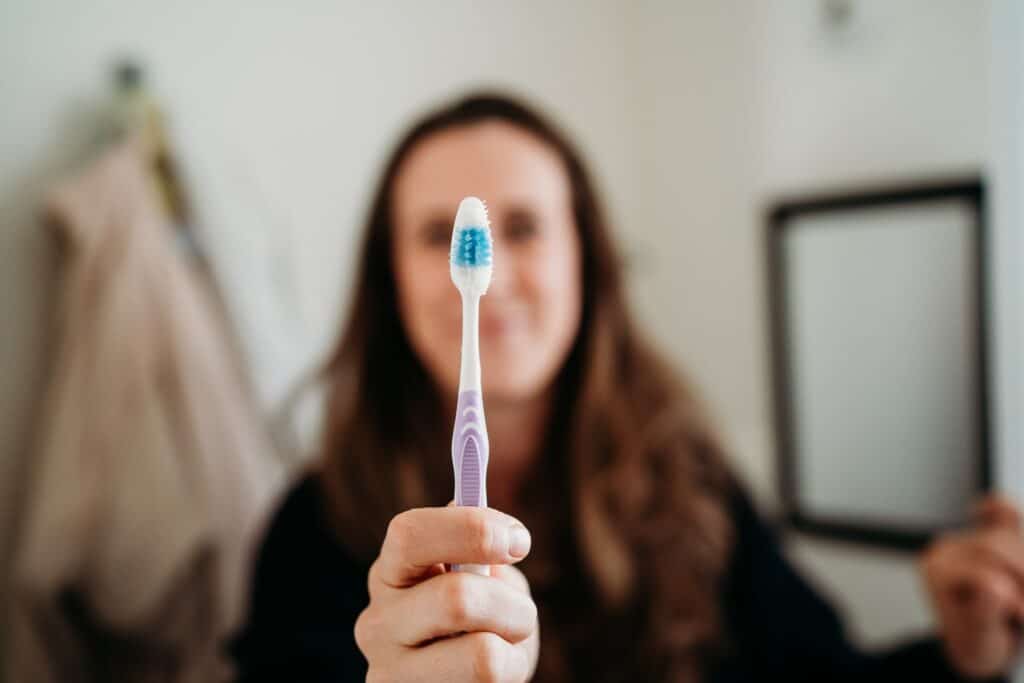
Maintaining good oral hygiene is essential to keep your dental implants in good condition. Brush your teeth twice a day and floss daily to remove food particles from your teeth and gums. Use a soft-bristled toothbrush and non-abrasive toothpaste to avoid damaging your implants and surrounding tissues.

Avoid Hard and Sticky Foods

Avoid hard and sticky foods because they can damage your dental implants or dislodge them. Hard foods like nuts, hard candy, and ice can cause chips or cracks in your implants. Sticky foods like caramel or taffy can pull on your implants and damage the surrounding tissues. Learn more about teeth whitening and aesthetics.

Quit Smoking

Dental Fillings

Smoking can impair the healing process of your dental implants and increase the risk of implant failure. Smoking also increases your risk of gum disease and oral infections, which can compromise the health of your implants. Quitting smoking is one of the best things you can do for your dental and overall health.

Wear a Mouthguard

If you engage in contact sports or other physical activities that can cause dental trauma, wear a mouthguard to protect your dental implants and natural teeth. A mouthguard can prevent chips, cracks, or dislodgment of your implants and reduce the risk of oral injuries.

Use Antibacterial Mouthwash

Using an antibacterial mouthwash can help reduce the risk of gum disease and oral infections that can compromise the health of your dental implants. Rinse your mouth with an antibacterial mouthwash after brushing and flossing to maintain good oral hygiene.

Avoid Grinding Your Teeth

Teeth grinding or bruxism can cause damage to your dental implants and natural teeth. If you grind your teeth, talk to your dentist about getting a custom-made nightguard to protect your teeth and implants while you sleep.

Eat a Balanced Diet

Eating a balanced diet rich in essential vitamins and minerals can help promote the healing and health of your dental implants and natural teeth. Include plenty of fruits, vegetables, lean proteins, and whole grains in your diet to maintain good oral and overall health.

Manage Stress

Stress can cause teeth grinding, gum disease, and other oral health issues that can affect the health of your dental implants. Manage your stress levels with relaxation techniques like yoga, meditation, or deep breathing exercises.

Takeaway

Caring for your dental implants is crucial to ensure their longevity and maintain good oral health. Follow the abovementioned tips to keep your dental implants in excellent condition and enjoy a healthy and beautiful smile for many years to come.

If you need dental implants in Ajax, turn to Picking Dental Services. Our dentists know how to provide the best in preventative dental care so you and your family can enjoy a lifetime of healthy smiles. Schedule your appointment!

Helpful Resources

For more information, visit the Canadian Dental Association on Dental Implants.

Schedule Your Appointment Today

Contact Pickering Square Dental to book your appointment with Dr. Marvin Lean. Call us at (905) 420-1777 or visit us at 1450 Kingston Rd, Unit #4, Pickering, ON.

Frequently Asked Questions

How long do dental implants last?

With proper care and regular dental check-ups, dental implants can last 25 years or more. Many patients enjoy their implants for a lifetime. At Pickering Square Dental, Dr. Lean uses high-quality titanium implants designed for long-term durability.

Are dental implants painful?

Most patients report less discomfort than expected. The procedure is performed under local anaesthesia, and sedation options are available. Post-procedure soreness typically resolves within a few days with over-the-counter pain relief.

Am I a candidate for dental implants?

Most adults with good general health are candidates for dental implants. You need adequate jawbone density to support the implant. Dr. Lean will assess your bone health and overall suitability during a consultation at our Pickering office.

Everything You Need to Know About a Root Canal Procedure
root canal procedure

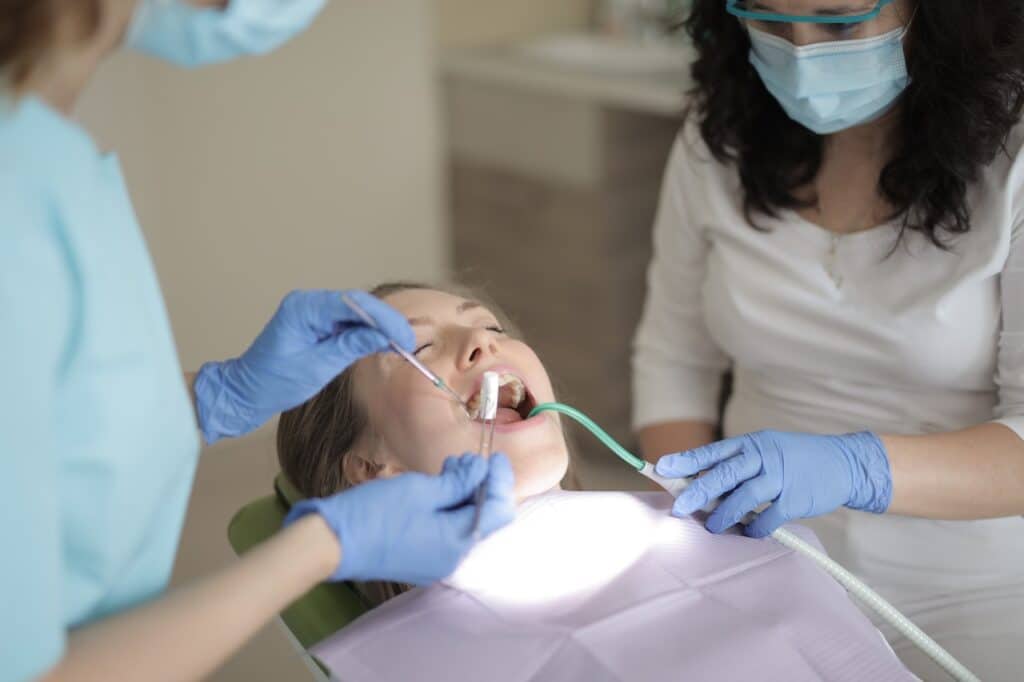
A root canal is a dental procedure that is used to treat an infected or damaged tooth. During the procedure, the dentist removes the infected or damaged pulp from the tooth and then cleans and fills the tooth. While the procedure is relatively common, many patients wonder how long it takes to heal after a root canal. Here’s what you need to know about the healing duration, aftercare, and do’s and don’ts after a root canal.

Healing Duration

dental implant

The healing duration after a root canal can vary depending on several factors, such as the infection’s severity, the tooth’s location, and the patient’s overall health. In general, the healing process can take anywhere from a few days to a few weeks.

During the first few days after the procedure, it is common to experience some discomfort, swelling, and sensitivity. This can be managed with over-the-counter pain relievers and avoiding hard or chewy foods. Most patients can return to their normal activities within a day or two after the procedure, but it is important to avoid strenuous activity and rest as much as possible. Learn more about family dentistry services in Pickering.

A follow-up appointment with the dentist is usually scheduled a few weeks after the procedure to check on the healing process and to ensure that the tooth is fully healed.

Aftercare

Proper aftercare is essential for a speedy and successful recovery after a root canal. Here are some tips for aftercare:

  • Avoid chewing or biting on the affected tooth until it has fully healed.
  • Regularly brush and floss, but be gentle around the affected tooth.
  • Avoid hard or chewy foods and hot or cold drinks for a few days after the procedure.
  • Take any prescribed antibiotics or pain medication as directed by your dentist.
  • Attend all scheduled follow-up appointments with your dentist.

Do’s and Don’ts

Dental Crowns

There are some do’s and don’ts to keep in mind after a root canal to ensure a successful recovery. Here are some things to avoid:

  • Don’t smoke or use tobacco products, as these can slow down the healing process and increase the risk of infection.
  • Don’t drink alcohol, as this can interfere with the effectiveness of antibiotics and pain medication.
  • Don’t chew on hard objects, such as ice or pens, as this can damage the tooth and slow down the healing process.
  • Don’t skip any scheduled follow-up appointments with your dentist.
  • Do rest and take it easy for the first few days after the procedure.
  • Do take any prescribed antibiotics or pain medication as directed by your dentist.
  • Do continue to practice good oral hygiene by brushing and flossing regularly.

To Sum Up

A root canal can be a necessary and effective treatment for an infected or damaged tooth. While the healing duration after a root canal can vary depending on several factors, most patients are able to return to their normal activities within a few days to a few weeks after the procedure. Proper aftercare, including rest, good oral hygiene, and avoiding tobacco and alcohol, is essential for a successful recovery. By following these tips and guidelines, patients can ensure a speedy and successful recovery after a root canal.

Pickering Dental Services offers the best root canal therapy in Ajax. Our dentists know how to provide the best in preventive dental care. Get in touch with us.

Helpful Resources

For more information, visit the Canadian Dental Association Oral Health.

Schedule Your Appointment Today

Contact Pickering Square Dental to book your appointment with Dr. Marvin Lean. Call us at (905) 420-1777 or visit us at 1450 Kingston Rd, Unit #4, Pickering, ON.

Frequently Asked Questions

How often should I visit the dentist?

The Canadian Dental Association recommends visiting your dentist at least twice a year for regular check-ups and cleanings. Some patients may need more frequent visits depending on their oral health needs. Call Pickering Square Dental at (905) 420-1777 to schedule your next appointment.

Do you accept the Canadian Dental Care Plan (CDCP)?

Yes, Pickering Square Dental participates in the Canadian Dental Care Plan. Our team can help you understand your coverage and ensure you receive the dental care you need. Contact us for more details about CDCP eligibility and benefits.

What services does Pickering Square Dental offer?

We offer a full range of dental services including family dentistry, emergency dental care, sedation dentistry, dental implants, laser dentistry, teeth whitening, root canal therapy, dental extractions, periodontal care, and cosmetic dentistry. Dr. Lean and our team serve patients in Pickering, Ajax, Whitby, and Scarborough.

5 Signs Your Child May Need a Dental Extraction: A Guide

Dental Extraction

One of the most common dental procedures children may undergo is dental extraction. A dental extraction is the removal of a tooth from the mouth. It can be a simple or a complex procedure, depending on the condition of the tooth and the child’s age.

In this article, we will discuss five signs your child may need a dental extraction and what you can do as a parent to help your child through the process.

1. Severe Tooth Decay

Dental Implants

Severe tooth decay is one of the most common reasons for dental extractions in children. If your child has a cavity that has gone untreated for a long time, it can lead to the decay of the tooth’s pulp, which can cause infection and pain. In some cases, a filling may not be enough to save the tooth, and extraction may be necessary.

Below are signs of severe tooth decay that may warrant an appointment with your child’s dentist: Learn more about sedation dentistry options.

  • Pain or sensitivity when eating or drinking
  • Visible holes or pits in the teeth
  • Discoloration of the teeth
  • Bad breath

2. Crowding of Teeth

Overcrowding occurs when there is not enough space in the mouth for all teeth to grow properly. This can cause the teeth to become misaligned, leading to problems with chewing and speaking. If your child’s teeth are overcrowded, their dentist may recommend a dental extraction to create space in the mouth for the remaining teeth to grow properly. 

Signs of overcrowding include:

  • Crooked or overlapping teeth
  • Crowding of the front teeth
  • Difficulty biting or chewing
  • Speech difficulties

3. Wisdom Teeth

Tooth Coloured Fillings

Wisdom teeth, also known as third molars, typically begin to emerge in the late teenage years or early twenties. While some people can keep their wisdom teeth, others may need to have them extracted. Your child may need their wisdom teeth extracted if they experience the following:

  • Pain or discomfort in the back of the mouth
  • Swelling or redness in the gums
  • Difficulty opening the mouth
  • Headaches or earaches

4. Trauma to the Tooth

If your child has experienced trauma to the tooth, such as a fall or a sports injury, it may need to be extracted. Trauma can cause the tooth to become loose, cracked, or broken, which can lead to infection and pain. It is crucial to set an appointment with a dentist to check your child’s teeth. Here are some signs of trauma to the tooth:

  • Pain or sensitivity when biting or chewing
  • Loose or wobbly teeth
  • Swelling or redness in the gums
  • Bleeding from the gums

5. Baby Teeth That Haven’t Fallen Out

Most children begin to lose their baby teeth around 6 or 7 years old, but in some cases, baby teeth may not fall out on their own. If a baby tooth does not fall out, it can prevent the permanent tooth from growing properly. Below are signs your child may need a dental extraction:

  • A permanent tooth growing in behind the baby tooth
  • Crowding or misalignment of the permanent teeth
  • Pain or discomfort in the gums or teeth

Conclusion

As a parent, it is important to know the signs that your child may need a dental extraction. If you notice any of the signs listed above, it is important to schedule an appointment with your child’s dentist as soon as possible. While dental extractions can be a scary and uncomfortable experience for children, they are often necessary to maintain dental health and prevent further complications.

Pickering Dental Services offers safe dental extraction in Pickering. If you think your child needs an extraction, schedule an appointment with us today.

Helpful Resources

For more information, visit the CDA on Tooth Extraction.

Schedule Your Appointment Today

Contact Pickering Square Dental to book your appointment with Dr. Marvin Lean. Call us at (905) 420-1777 or visit us at 1450 Kingston Rd, Unit #4, Pickering, ON.

Frequently Asked Questions

How often should I visit the dentist?

The Canadian Dental Association recommends visiting your dentist at least twice a year for regular check-ups and cleanings. Some patients may need more frequent visits depending on their oral health needs. Call Pickering Square Dental at (905) 420-1777 to schedule your next appointment.

Do you accept the Canadian Dental Care Plan (CDCP)?

Yes, Pickering Square Dental participates in the Canadian Dental Care Plan. Our team can help you understand your coverage and ensure you receive the dental care you need. Contact us for more details about CDCP eligibility and benefits.

What services does Pickering Square Dental offer?

We offer a full range of dental services including family dentistry, emergency dental care, sedation dentistry, dental implants, laser dentistry, teeth whitening, root canal therapy, dental extractions, periodontal care, and cosmetic dentistry. Dr. Lean and our team serve patients in Pickering, Ajax, Whitby, and Scarborough.

Basic Facts about Loose Dental Implants and What You Should Do

Dental Implant

Teeth implants have revolutionised restorative dentistry by providing a highly reliable and effective solution for missing teeth. These implants restore the appearance and function of your teeth and help maintain bone health in the jaw. 

However, like any medical procedure, they are not immune to potential issues. One such issue is a loose dental implant. This blog post will discuss everything you need to know about loose implants and whether you should attempt to fix them yourself. 

What Are the Causes 

Kids teeth Health

A loose dental implant can be caused by various factors, including: Learn more about teeth whitening and aesthetics.

  1. Failed osseointegration: Osseointegration is the process through which the implant fuses with the jaw bone. If this process is unsuccessful, the implant may become loose over time. It can be due to insufficient bone density, poor surgical technique, or a compromised immune system. 
  2. Peri-implantitis: This inflammatory condition affects the soft and hard tissues surrounding the implant. It is often caused by a bacterial infection and can lead to bone loss around the implant, resulting in implant loosening. 
  3. Mechanical issues: The implant components, such as the abutment and the crown, may become loose due to wear and tear, poor fit, or even trauma. 
  4. Bruxism: Teeth grinding or clenching can exert excessive force on the implant, causing it to become loose over time.

Why You Should Never Attempt to Fix a Loose Implant Yourself

It might be tempting to try and fix a loose implant yourself, especially if you are experiencing discomfort or embarrassment. However, this decision can lead to severe consequences for your oral health. Here is why:

  1. Risk of further damage: Attempting to fix it without the necessary knowledge, tools, or expertise can further damage the implant components or surrounding tissues. It can complicate the issue and make it more challenging for your dentist to correct the problem. 
  2. Unresolved underlying issues: Your current dilemma is often a sign of an underlying issue that requires professional intervention. Fixing the loose implant yourself will not address the root cause of the problem, which can lead to a recurrence or worsening of the situation. 
  3. Infection: Manipulating the loose implant without proper sterilisation techniques can introduce bacteria into the implant site, leading to infection and further complications. 
  4. Voiding the warranty: Dental implants often come with a warranty from the manufacturer. Attempting to fix the loose implant yourself may void this warranty, leaving you responsible for the cost of any repairs or replacements.

What to Do If It Is Loose

oral sedation

If you suspect that your implant is loose, it is crucial to take the following steps:

  1. Schedule an appointment with your dentist or oral surgeon soon. They will assess the situation, determine the cause of the loosening, and recommend the best course of action. 
  2. Avoid applying pressure on the loose implant. Refrain from chewing on that side of your mouth and minimise the consumption of hard or crunchy foods. 
  3. Maintain good oral hygiene by brushing and flossing regularly. However, exercise caution when cleaning around the loose implant to avoid causing further damage. 
  4. If you experience pain or swelling around the implant site, use over-the-counter pain relievers and anti-inflammatory medications. However, make sure to consult your dentist before taking any medication.

Conclusion

Loose dental implants can be an unsettling experience, but attempting to fix them yourself is not the solution. Seeking professional help is crucial to addressing the underlying issues and ensuring the longevity and success of your implant. Remember, oral health is essential to your overall well-being, and trusting the experts is always the best course of action.

If you are looking for a reputable dentist specialising in dental implants in Pickering, you do not have to look far because Pickering Dental Services is here to help you. We have the training and experience to determine the root cause of the problem and present solutions tailored to your needs. Schedule an appointment now!

Helpful Resources

For more information, visit the Canadian Dental Association on Dental Implants.

Schedule Your Appointment Today

Contact Pickering Square Dental to book your appointment with Dr. Marvin Lean. Call us at (905) 420-1777 or visit us at 1450 Kingston Rd, Unit #4, Pickering, ON.

Frequently Asked Questions

How long do dental implants last?

With proper care and regular dental check-ups, dental implants can last 25 years or more. Many patients enjoy their implants for a lifetime. At Pickering Square Dental, Dr. Lean uses high-quality titanium implants designed for long-term durability.

Are dental implants painful?

Most patients report less discomfort than expected. The procedure is performed under local anaesthesia, and sedation options are available. Post-procedure soreness typically resolves within a few days with over-the-counter pain relief.

Am I a candidate for dental implants?

Most adults with good general health are candidates for dental implants. You need adequate jawbone density to support the implant. Dr. Lean will assess your bone health and overall suitability during a consultation at our Pickering office.

What Are Partial Dentures and Why Are They Important?

senior wearing dentures

Dentures are a common solution for people who have lost one or more teeth. They are removable dental appliances that can replace missing teeth and restore the appearance and functionality of your smile. Partial dentures are a type of denture that is used when some of your natural teeth remain in your mouth. In this article, we will discuss what partial dentures are and why they are essential.

What Are Partial Dentures?

Tooth Preservation

Partial dentures are dental appliances that are designed to replace one or more missing teeth. They are typically made of a combination of metal and acrylic, and they attach to your remaining teeth with metal clasps or precision attachments. Partial dentures can be removable or fixed, depending on your needs.

There are two types of partial dentures: acrylic and cast metal. Acrylic partial dentures are made entirely of acrylic and are typically used as a temporary solution while you wait for your permanent dentures to be made. Cast metal partial dentures are made of a metal framework with acrylic teeth and gums attached to them. They are more durable and long-lasting than acrylic partial dentures.

Why Are Partial Dentures Important?

Partial dentures are important for several reasons. Here are some of the key benefits of partial dentures:

1. Improved Appearance

Missing teeth can have a significant impact on your appearance, which can affect your self-esteem and confidence. Partial dentures can fill in the gaps in your smile and restore your natural appearance. They are custom-made to fit your mouth and blend in with your remaining teeth, so they look natural and attractive. Learn more about laser dentistry treatments.

2. Better Chewing and Speaking

Missing teeth can make it difficult to chew your food properly, which can lead to digestive problems and malnutrition. Partial dentures can restore your ability to chew and eat comfortably. They can also help you speak more clearly, which is vital for your social and professional interactions.

3. Preserve Remaining Teeth

When you lose a tooth, the surrounding teeth can shift and move out of place. This can cause a misalignment of your bite and lead to problems with your jaw and temporomandibular joint (TMJ). Partial dentures can help prevent the remaining teeth from shifting and preserve the alignment of your bite.

4. Prevent Bone Loss

When you lose a tooth, the bone supporting it can deteriorate over time. This can lead to a loss of jawbone density and affect the stability of your remaining teeth. Partial dentures can help prevent bone loss by stimulating the underlying bone and preserving its density.

5. Affordable Option

Partial dentures are typically more affordable than other dental solutions, such as dental implants or bridges. They are a cost-effective way to replace missing teeth and restore your smile.

How to Care for Your Partial Dentures

Full Sedation

To ensure the longevity and effectiveness of your partial dentures, taking proper care of them is crucial. Here are some tips for caring for your partial dentures:

1. Clean and Brush Your Dentures Daily

Just like your natural teeth, partial dentures must be cleaned and brushed daily to remove plaque and bacteria. Use a soft-bristled toothbrush and non-abrasive denture cleaner to clean your dentures.

2. Soak Your Dentures Overnight

Soaking your dentures overnight can help remove any remaining bacteria and keep them moist. Use a denture-soaking solution or plain water to soak your dentures.

3. Handle Your Dentures Carefully

Partial dentures can be fragile, so it is vital to handle them carefully to avoid breaking or damaging them. When handling your dentures, stand over a soft towel or basin of water to cushion any accidental drops.

4. Visit Your Dentist Regularly

Regular dental checkups are important for maintaining the health of your teeth and gums, as well as your partial dentures. Your dentist can check the fit of your dentures and make any necessary adjustments to ensure they are comfortable and effective.

Conclusion

Partial dentures are a valuable solution for people who have lost one or more teeth. They can improve your appearance, restore your ability to chew and speak, preserve your remaining teeth, prevent bone loss, and are affordable. By taking proper care of your partial dentures, you can ensure they are effective and long-lasting. If you are missing teeth, talk to your dentist about whether partial dentures are a good option for you.

If you are looking for reliable family dentists in Pickering, look no further than our services here at Pickering Dental Services. Our Pickering dentists know how to provide the best in preventative dental care so you and your family can enjoy a lifetime of healthy smiles. Call us today to book your first dental appointment with us.

Helpful Resources

For more information, visit the CDA Dental Procedures Guide.

Schedule Your Appointment Today

Contact Pickering Square Dental to book your appointment with Dr. Marvin Lean. Call us at (905) 420-1777 or visit us at 1450 Kingston Rd, Unit #4, Pickering, ON.

Frequently Asked Questions

How often should I visit the dentist?

The Canadian Dental Association recommends visiting your dentist at least twice a year for regular check-ups and cleanings. Some patients may need more frequent visits depending on their oral health needs. Call Pickering Square Dental at (905) 420-1777 to schedule your next appointment.

Do you accept the Canadian Dental Care Plan (CDCP)?

Yes, Pickering Square Dental participates in the Canadian Dental Care Plan. Our team can help you understand your coverage and ensure you receive the dental care you need. Contact us for more details about CDCP eligibility and benefits.

What services does Pickering Square Dental offer?

We offer a full range of dental services including family dentistry, emergency dental care, sedation dentistry, dental implants, laser dentistry, teeth whitening, root canal therapy, dental extractions, periodontal care, and cosmetic dentistry. Dr. Lean and our team serve patients in Pickering, Ajax, Whitby, and Scarborough.

It Takes This Long to Recover from Dental Implants

senior patient at the dentist

Considering dental implants? You may be curious about the length of time it will take to recover, which depends on the specific procedure. Here we will explain the total recovery time you can anticipate after a regular implant surgery, osseointegration, or crown placement.

Implant Surgery: One to Two Weeks

Oral Surgeon

Once your surgery is complete, you won’t experience any immediate pain or soreness due to the anesthesia given. We’ll put a gauze pad over the implant area, and you’ll need to bite down to help form the blood clot. The bleeding should lessen within 1-2 hours but can continue for up to 24 hours.

Once the sedation and numbing effects have faded, you may feel some pain and discomfort. If you have been prescribed a painkiller, make sure to get it filled and take it as instructed. If not, you can take ibuprofen or another over-the-counter medication to help manage the discomfort. Additionally, applying an ice pack to the area near the implant site can help to soothe it.

After your implant surgery, you should take a few days to rest and relax. During this time, your gums will heal and form a seal around the new implant. To ensure a successful recovery, it is important to follow the instructions your dentist has given you. This may include changing your diet to softer foods, carefully cleaning your teeth and implant, and taking other steps to assist the healing process. With proper care and attention, you should be able to recover within a week or two.

The healing process for a surgical implant typically lasts for a few days. Initially, you may experience some pain, swelling, and discomfort at the implant’s site. However, these symptoms should gradually decrease over the next day or two. After that, the area should no longer be excessively bleeding.

Osseointegration: Three to Six Months Or More 

Dental implants are crafted from titanium, which has the remarkable capacity to meld securely to your jawbone. This process is gradual, however, and may take up to 3-6 months or longer to complete. In the meantime, your post-surgery recovery time should already have passed.

Taking your time with this process is essential. Waiting for the implant to heal and form a strong bond with the bone is necessary to ensure long-term success. Any restoration before this process is finished can result in the implant not being able to function properly and potentially failing in the future.

The dentist will see me multiple times to assess how my mouth is healing, devise a plan for the remaining dental work needed, and start crafting the dental crown.

Crown Placement: None

Dental Implants

At the final appointment, a dental crown will be attached to the implant that has already healed and bonded with the jaw bone. This process is not invasive; you can immediately return to normal activities.

Final Few Words 

Dental implant placement surgery requires special care during healing, such as avoiding hard or crunchy foods, gently brushing your teeth and implants, and using special mouthwash. You may also need to take antibiotics or other medications for proper healing. Following your dentist’s instructions is important for successful healing and long-lasting implants.

Visit Pickering Dental Services Today

Our Pickering dental practitioners are dedicated to ensuring that you and your loved ones have the most comprehensive dental care available so you can all be confident of having strong, healthy smiles throughout your lives. Book an appointment for dental implants in Ajax by dialing 905-420-1777!

Looking for professional help? Learn more about our dental implant services at Pickering Square Dental or call (905) 420-1777 to book an appointment.

Helpful Resources

For more information, visit the Canadian Dental Association on Dental Implants.

Frequently Asked Questions

How long do dental implants last?

With proper care and regular dental check-ups, dental implants can last 25 years or more. Many patients enjoy their implants for a lifetime. At Pickering Square Dental, Dr. Lean uses high-quality titanium implants designed for long-term durability.

Are dental implants painful?

Most patients report less discomfort than expected. The procedure is performed under local anaesthesia, and sedation options are available. Post-procedure soreness typically resolves within a few days with over-the-counter pain relief.

Am I a candidate for dental implants?

Most adults with good general health are candidates for dental implants. You need adequate jawbone density to support the implant. Dr. Lean will assess your bone health and overall suitability during a consultation at our Pickering office.

Exploring the Benefits of Dental Implants for Your Oral Health and Beyond
Dental Implants

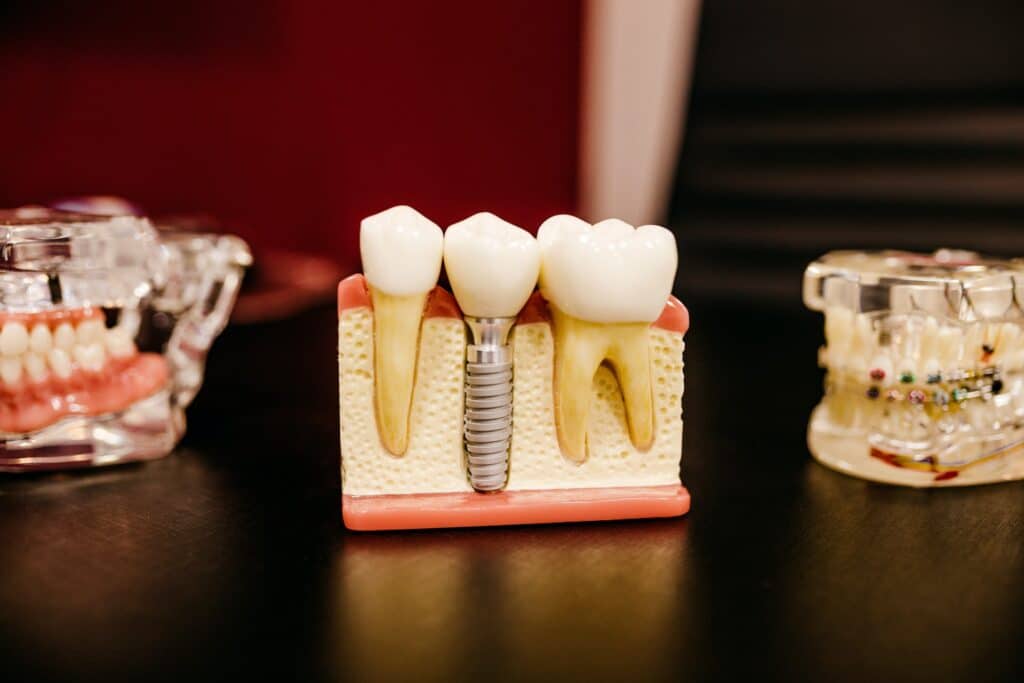
Dental implants are a permanent solution for replacing missing teeth. They are a popular and effective way to restore the look and feel of your natural teeth, and they provide many additional benefits for your oral health. 

From improved appearance to better speech and improved chewing, dental implants offer a range of advantages that make them an excellent choice for restoring your smile. They can also help protect your remaining teeth from damage and decay.

In this article, we’ll explore the many benefits of dental implants and explain why they may be the best choice for your oral health and overall well-being. Whether you’re looking to improve your appearance, restore your confidence, or protect your remaining teeth, dental implants may be the ideal solution. 

Read on to find out more about the advantages of dental implants and why they could be perfect for you.

What Are the Benefits of Getting Dental Implants?

Veneers

Benefit #1: They’re Comfortable

Dental implants are one of the most comfortable and effective tooth replacement options available. Unlike dentures, they don’t slip or click when you speak, and they won’t cause any discomfort when you eat. 

The titanium posts used to anchor the implant in place fuse with your jawbone, creating a strong, secure bond that won’t shift or move. This secure fit helps to eliminate many of the common discomforts associated with dentures, such as sore spots, gum irritation, and poor fit.

Benefit #2: Improves Your Speech

Having dental implants can have a major impact on the way you speak. If you have missing teeth, gaps, or ill-fitting dentures, you may find that your speech is affected. The gaps or ill-fitting dentures can cause you to mumble or slur your words. With dental implants, you can enjoy improved speech clarity. The implants act as a stable base, allowing you to speak clearly and naturally. 

Benefit #3: Eat Your Favourite Foods Without Worry

When it comes to dental implants, one of the most rewarding benefits is the ability to eat your favourite foods without worry. For people who have suffered from tooth loss or have had teeth removed due to decay or injury, it can be difficult to enjoy certain foods. 

Eating with missing teeth can be awkward and uncomfortable, and some foods may even be too difficult to chew. With dental implants, however, even the toughest foods can be enjoyed with ease.

Benefit #4: Looks and Feels Natural

Dental implants are designed to blend in with the rest of your teeth, and they will be indistinguishable from your natural teeth. This means that you won’t have to worry about your smile looking artificial or uncomfortable. In addition, the implant is securely anchored into your jawbone, which helps to keep it in place and prevents it from shifting or becoming loose. 

Benefit #5: Prevent Bone Loss

When you lose a tooth, you don’t just lose the visible part of it. You also lose the root, which is the part of the tooth that sits beneath the gum line. When a tooth root is missing, the jawbone no longer has a source of stimulation and begins to deteriorate. This process is known as bone loss.

Dental implants are the only tooth replacement option that can help prevent bone loss. The implant post acts as the root of the missing tooth, providing the stimulation the jawbone needs to stay healthy. This helps preserve the integrity of the jawbone and the surrounding teeth, which can help keep your smile looking and feeling strong.

The Bottom Line

For many people, the thought of losing teeth can be a devastating one. Not only does it affect their appearance, but it can also have a negative impact on their oral health. Fortunately, there is a solution for those who have lost teeth: dental implants. 

Dental implants are a modern, safe and effective way to replace missing teeth, and they offer many benefits to those who choose to use them.

If you’re considering this treatment, make sure to talk to your dentist to learn more about the process and the potential risks. With the right information and care, you can enjoy the benefits of dental implants for many years to come.

At Pickering Dental Services, we understand the importance of maintaining good oral health. That’s why we provide comprehensive dental care for the whole family. We are committed to helping you achieve and maintain a healthy and beautiful smile. 

If you’re looking for a dentist in Pickering, contact us today to schedule an appointment. We look forward to helping you achieve your best smile!

Looking for professional help? Learn more about our dental implant services at Pickering Square Dental or call (905) 420-1777 to book an appointment.

Helpful Resources

Dental Implants

For more information, visit the Canadian Dental Association on Dental Implants.

Frequently Asked Questions

How long do dental implants last?

With proper care and regular dental check-ups, dental implants can last 25 years or more. Many patients enjoy their implants for a lifetime. At Pickering Square Dental, Dr. Lean uses high-quality titanium implants designed for long-term durability.

Are dental implants painful?

Most patients report less discomfort than expected. The procedure is performed under local anaesthesia, and sedation options are available. Post-procedure soreness typically resolves within a few days with over-the-counter pain relief.

Am I a candidate for dental implants?

Most adults with good general health are candidates for dental implants. You need adequate jawbone density to support the implant. Dr. Lean will assess your bone health and overall suitability during a consultation at our Pickering office.

What Can You Expect after Your Dental Implant Surgery?

woman smiling with teeth

Losing teeth can negatively impact your quality of life. Besides harming your self-esteem, it can also increase your risk of contracting oral diseases and affect your speech and eating habits. 

Fortunately, thanks to dental implants, people can reclaim their best smiles and improve their oral health and chewing ability. While treating yourself after the procedure may be tempting, you must know what to expect to ensure a successful recovery. 

If you want to enjoy a better smile and recover quicker, this article will discuss what to expect after dental implants and how to maintain their best conditions.

What Should You Do on the Day of Your Procedure?

kid smiling

After getting dental implants, you must let someone drive you home to ensure your safety. They should stay with you until the anesthesia’s effects wear off or until a new person arrives to take over. Letting them accompany you is also good, even if complications are unlikely. Moreover, avoid returning to work and try to eat soft, cold food when possible. Additionally, you can try sleeping. 

What Can You Expect on This Day?

An implant dentist will provide a detailed summary of what happened and its results. Depending on your situation, you may have dental implants or have your gums conceal them, a cap to hold a place for restoration, or a fully-restored implant. 

After the procedure, you may need a provisional restoration to let you smile and chew comfortably in a few days. 

What Should You Do after Your Dental Implant Surgery?

woman having a dental cleaning

While many people return to work the day after a dental implant procedure, dentists recommend you take a day off to recover. You can reduce bruising and swelling by using a cold compress on your cheeks near the implant site for 20 minutes on and off. You should also take your prescribed medications, even if you don’t feel pain. Moreover, some bleeding discomfort may occur depending on the procedure’s details. 

You should initially limit oral hygiene to reduce pain and irritation. However, if discomfort and bleeding persist, contact your implant dentist immediately. 

What to Expect a Week after the Procedure

A week after your dental implant surgery, your dentists expect you to return to your regular diet while adjusting it accordingly. Dentists recommend eating foods rich in vitamins and minerals supporting bone healing. You must also return to your usual oral hygiene routine while slightly modifying the cleaning requirements around the implant area.

Moreover, you should be experiencing minimal discomfort and no further bleeding. Otherwise, contact your implant dentist. 

What to Expect Two Weeks after the Procedure

You shouldn’t experience discomfort and bleeding and must eat and drink normally after two weeks. In contrast, the essential process of the implant fusing with your bone should be in progress inside your gums.

What to Expect Three Months after the Dental Implant Surgery

After three months, your dentist can begin the final step in your dental implant’s restoration process. They’ll remove healing caps or temporary restorations, take impressions, and send them to the lab to construct permanent solutions. Your dentist may also schedule a short surgery to expose the implants. 

Once the final restorations are ready, they’ll perfectly fit onto the implant and function like natural teeth. 

How to Maintain Your Dental Implants

Your responsibility continues even after the procedure. After getting dental implants, you must properly care for them like natural teeth. Brush and floss your teeth twice and once daily, respectively. You should also watch for signs of infections, like red or tender gums.

Moreover, inform your dentist immediately if your implant moves.

Conclusion

Dental implants can help people smile better and improve their oral health. You can ensure a successful recovery by knowing what to expect post-surgery, following your dentist’s instructions, and practising good oral hygiene. 

If you need high-quality dental implants in Pickering, visit Pickering Dental Services! Our dentists only provide the best preventative dental care so everyone can enjoy a lifetime of confident and healthy smiles. Schedule your appointment now!

Looking for professional help? Learn more about our dental implant services at Pickering Square Dental or call (905) 420-1777 to book an appointment.

Helpful Resources

For more information, visit the Canadian Dental Association on Dental Implants.

Frequently Asked Questions

How long do dental implants last?

With proper care and regular dental check-ups, dental implants can last 25 years or more. Many patients enjoy their implants for a lifetime. At Pickering Square Dental, Dr. Lean uses high-quality titanium implants designed for long-term durability.

Are dental implants painful?

Most patients report less discomfort than expected. The procedure is performed under local anaesthesia, and sedation options are available. Post-procedure soreness typically resolves within a few days with over-the-counter pain relief.

Am I a candidate for dental implants?

Most adults with good general health are candidates for dental implants. You need adequate jawbone density to support the implant. Dr. Lean will assess your bone health and overall suitability during a consultation at our Pickering office.

Why Your Child Needs Regular and Professional Teeth Cleaning
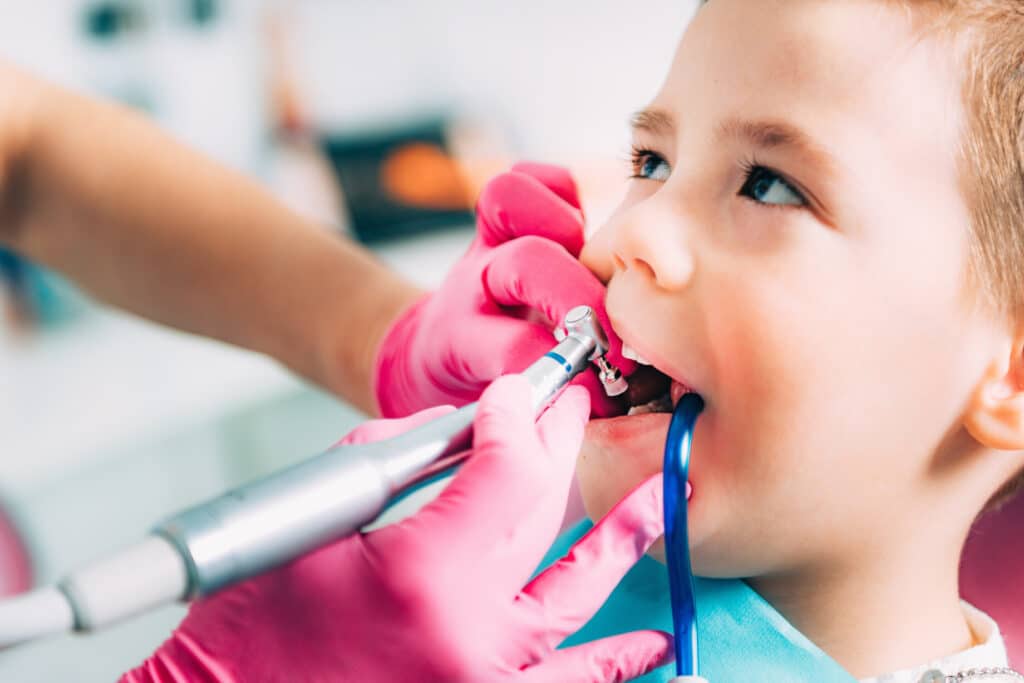
child having teeth cleaned

Being a responsible parent means ensuring your child grows happy and healthy. It means providing for their mental, social, educational, and physical needs. While feeding them the right food can help them stay healthy, your child can’t enjoy holistic health without professional teeth cleaning. 

This dental service prevents cavities, plaque buildup, and gum infections. However, convincing them to visit the dentist can be tricky, especially since most kids dread this day. For this reason, you should calmly explain its significance and use positive reinforcement to them. 

If you want your child to enjoy a bright and healthy smile, this article will define professional teeth cleaning, when to schedule this dental service, and how often you should do it. We’ll also explain its significance. 

What Are Professional Teeth Cleaning?

sedation dentistry

Dentists perform professional teeth cleaning to ensure your mouth is healthy and free of tartar and plaque. This process includes thoroughly examining your teeth and gums and polishing and flossing them afterwards. You should schedule this dental service regularly to prevent cavities, gingivitis, and periodontal diseases. 

On the other hand, periodontal maintenance involves deeper teeth and gum cleaning. Either way, they help keep your teeth healthy. Learn more about family dentistry services in Pickering.

When Should My Child Get Their First Teeth Cleaning?

You should begin caring for your child’s teeth once they’re born. When their teeth start to appear, bring them to the dentist for a thorough cleaning within six months. You should also remember that their dental journey begins when they eat solid foods. Moreover, remember that while baby teeth will eventually fall out, they’re still crucial in your child’s dental health. 

How Often Should I Schedule This Dental Service?

veneers

You can ensure your child’s best dental health by scheduling routine dental visits every six months. These checkups may provide dental services like professional cleaning and teeth and gum examinations to detect potential problems. That way, your dentist can treat issues early, and your child can enjoy more positive results. 

5 Reasons to Schedule Professional Teeth Cleaning

After defining professional teeth cleaning and when and how often you should schedule this dental service for your child, this section will explain why your child should regularly visit the dentist.

1. Brighten Teeth

Everybody deserves to feel confident about their smile. Unfortunately, yellow or stained teeth can lead to teasing and bullying, making your child hesitant to interact with peers. 

You can make your kid feel better about themselves and prevent discolouration by scheduling regular teeth cleaning. 

2. Improve Their Oral Health

Good oral health can help your child feel more confident and avoid severe diseases. You can maintain their good oral health by regularly bringing them to the dentist. Establishing this habit from a young age can help them learn about the significance of dental hygiene, protect their teeth, and make them more comfortable attending future dental appointments. 

3. Prevent Cavities

Kids are highly vulnerable to cavities during their first 14 years. You can help them enjoy a lifetime of healthy teeth by practising good habits like brushing regularly and serving the right foods. You should also schedule regular dental visits for professional cleaning.

4. Prevent Tooth Loss

Premature tooth loss can cause overcrowding or misaligned teeth. These issues can create difficulties with speaking and chewing and may require braces. You can keep gums healthy, support the teeth’s bone structure, and avoid tooth loss by scheduling regular dental cleanings. 

5. Combat Gum Infection

Children can suffer from gum infections around their teeth, regardless of age. You can help your kid understand the significance of healthy gums by letting a dentist explain it. They’ll also show how children can care for their gums at home. 

Conclusion

No child deserves to feel bad about themselves because of their bad teeth. You can help them grow healthy and confident by teaching them healthy habits, scheduling professional teeth cleaning, and investing in other dental services.

If your child needs professional teeth cleaning and other dental services in Pickering, bring them to Pickering Dental Services! Our dentists only provide the best preventative dental care to help you and your kids enjoy healthy smiles. Schedule an appointment now!

Helpful Resources

For more information, visit the Canadian Dental Association Oral Health.

Schedule Your Appointment Today

Contact Pickering Square Dental to book your appointment with Dr. Marvin Lean. Call us at (905) 420-1777 or visit us at 1450 Kingston Rd, Unit #4, Pickering, ON.

Frequently Asked Questions

How often should I visit the dentist?

The Canadian Dental Association recommends visiting your dentist at least twice a year for regular check-ups and cleanings. Some patients may need more frequent visits depending on their oral health needs. Call Pickering Square Dental at (905) 420-1777 to schedule your next appointment.

Do you accept the Canadian Dental Care Plan (CDCP)?

Yes, Pickering Square Dental participates in the Canadian Dental Care Plan. Our team can help you understand your coverage and ensure you receive the dental care you need. Contact us for more details about CDCP eligibility and benefits.

What services does Pickering Square Dental offer?

We offer a full range of dental services including family dentistry, emergency dental care, sedation dentistry, dental implants, laser dentistry, teeth whitening, root canal therapy, dental extractions, periodontal care, and cosmetic dentistry. Dr. Lean and our team serve patients in Pickering, Ajax, Whitby, and Scarborough.

Oral Health 101: The Negative Effects of Missing Teeth
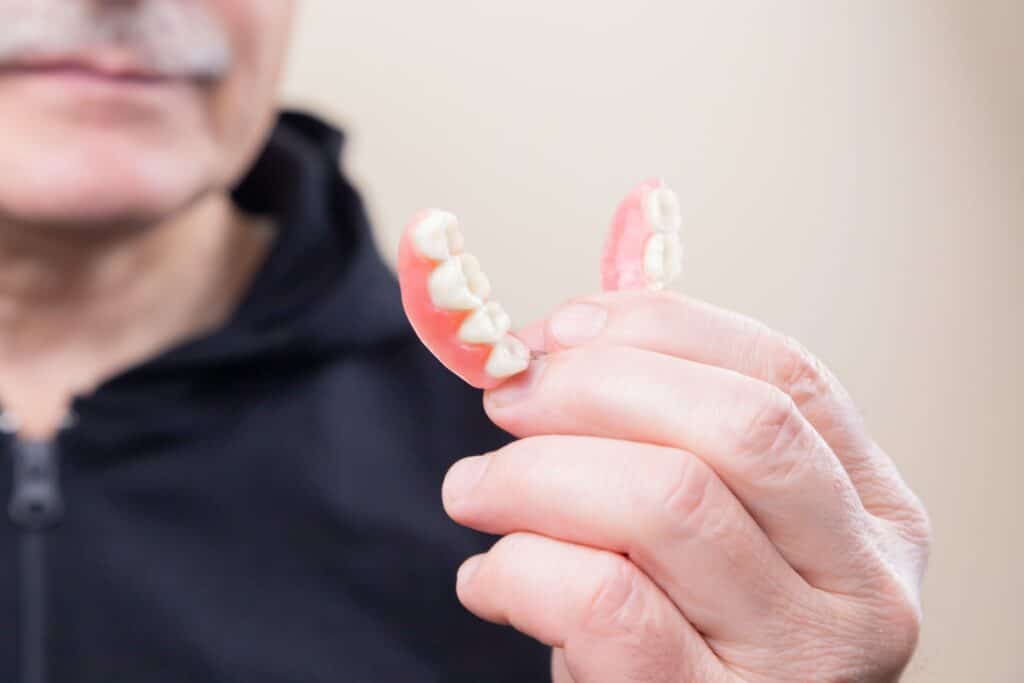
man holding his denture

When it comes to oral health, we start with the teeth. Beyond the teeth, it gets more complex as everything is connected to our oral health. Indeed, our teeth are more complex than just a pretty grin. One’s dental health is also influenced by the position, state, and alignment of their teeth.

Adults frequently lose their teeth, particularly those who are over the age of 50. Whether caused by an illness, an accident, or tooth decay, losing a tooth has severe consequences that cannot be undone.

Read on to discover the negative effects of missing teeth today.

Missing Teeth Encourage Viruses to Thrive

man and woman brushing teeth

A possible outcome of dental and gum diseases is tooth loss. Before the tooth is lost, the illness may become more widespread. Learn more about family dentistry services in Pickering.

Missing Teeth Make for Jaw Problems

The cheeks and jawbones may suffer as a consequence of tooth loss. The molars provide protection for the gingival mucosa. The teeth bases stimulate the jawbones. When teeth were removed, the body reabsorbed bone tissue, resulting in bone loss in the mandible and the buccal cavity.

Missing Teeth Result in Permanent Bone Loss

child brushing teeth

Missing teeth are closely linked to permanent major bone loss. The molars provide support for the mandible, which also lessens bone loss. Because the mouth cannot move inward, which would impair speech and food chewing, high bone density stops this from happening.

Missing Teeth Disturb the Teeth’s Natural Alignment

Occlusion is the word used to describe the interaction between our lower and upper teeth. At the same moment, every dog enters the room. An individual’s other teeth may move out of position if one of their teeth is extracted. A tipped tooth makes it harder to practice good oral care, which increases the risk of developing periodontal disease and tooth decay.

Missing Teeth Result in Crooked Teeth

The majority of the time, misaligned teeth are to blame for the mouth’s remaining teeth being out of line. This may cause the enamel to deteriorate and cause severe tooth erosion. It can also obstruct teeth, making it harder to practice good oral care. Also, changes will be made to the appearance of your lips. Overstating the psychological and emotional effects of an unattractive grin is possible.

Missing Teeth Increase the Risk of Dental Decay

Cavities, also known as caries, are more likely to form when teeth are absent. In order to replace the void, the teeth move. It is possible for the remaining teeth to crowd together or overlap when teeth shift. This means that brushing and cleaning the teeth that are still in your mouth will get harder over time. Microorganisms, dental plaque, and tartar all contribute to tooth disease.

Missing Teeth Pose Challenges to Normal Life

As the situation worsens, speaking, chewing, and eating becomes more challenging. The teeth that are next to one another may be compressed by the vacant spaces in the mandible. In effect, malnutrition may consequently result. The inability to pronounce words and letter sounds correct can be attributed to tooth loss. This is because the jaw, tongue, and teeth all work together to create letter sounds and sentences. Our speaking intonation may suffer if we are missing teeth.

Conclusion

Having a complete set of teeth and good oral health are essential to how we live on a daily basis. Not only will a complete set of teeth give us a beautiful smile, but this will also keep us from suffering in the long run.

Are you looking for dental implants in Pickering? Pickering Dental Services offers modern dental expertise to families and individuals who want to get their best state of oral health yet. Contact us today!

Helpful Resources

For more information, visit the Canadian Dental Association Oral Health.

Schedule Your Appointment Today

Contact Pickering Square Dental to book your appointment with Dr. Marvin Lean. Call us at (905) 420-1777 or visit us at 1450 Kingston Rd, Unit #4, Pickering, ON.

Frequently Asked Questions

How often should I visit the dentist?

The Canadian Dental Association recommends visiting your dentist at least twice a year for regular check-ups and cleanings. Some patients may need more frequent visits depending on their oral health needs. Call Pickering Square Dental at (905) 420-1777 to schedule your next appointment.

Do you accept the Canadian Dental Care Plan (CDCP)?

Yes, Pickering Square Dental participates in the Canadian Dental Care Plan. Our team can help you understand your coverage and ensure you receive the dental care you need. Contact us for more details about CDCP eligibility and benefits.

What services does Pickering Square Dental offer?

We offer a full range of dental services including family dentistry, emergency dental care, sedation dentistry, dental implants, laser dentistry, teeth whitening, root canal therapy, dental extractions, periodontal care, and cosmetic dentistry. Dr. Lean and our team serve patients in Pickering, Ajax, Whitby, and Scarborough.