Reasons Why You May Need to Have a Tooth Extracted

tooth extraction

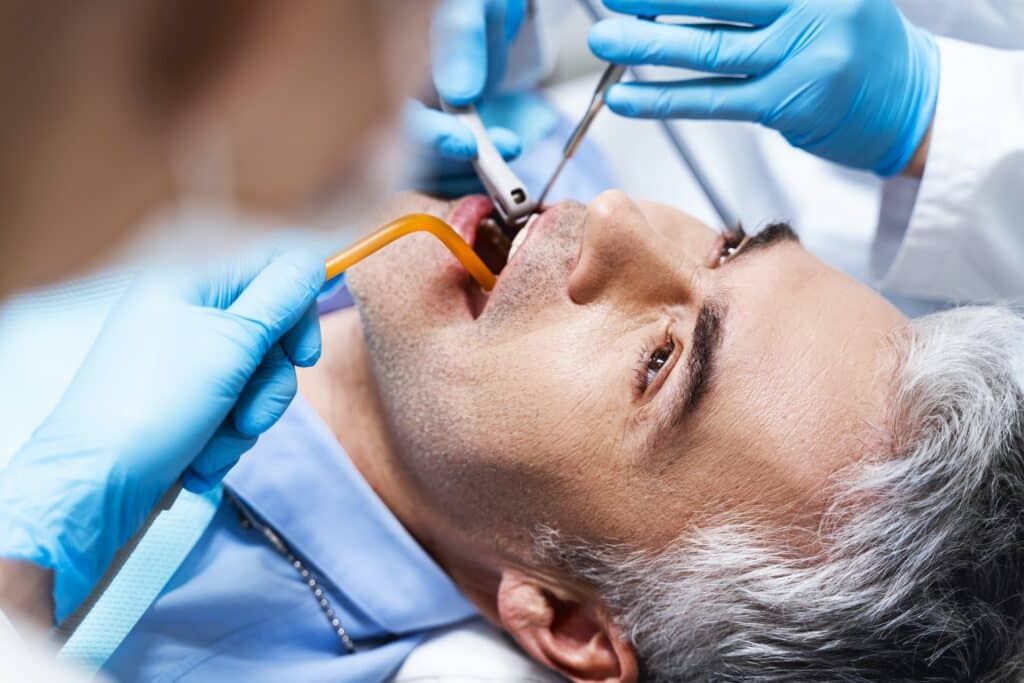
Dental extraction, commonly known as tooth removal, is a procedure a dental professional performs to remove a tooth from its socket in the jawbone. Although dentists aim to preserve your natural teeth as much as possible, there are situations when a dental extraction becomes necessary. In this blog, we will discuss why you may need a tooth removed and what you can expect before the procedure.

Reasons for a Dental Extraction

Tooth Coloured Fillings — Pickering, ON

1. Severe Tooth Decay

Tooth decay is one of the most common reasons for dental extractions. When tooth decay is extensive and reaches the tooth pulp (the innermost part of the tooth containing nerves and blood vessels), it can result in severe pain and infection. If the infection cannot be resolved through root canal therapy, the tooth may need to be extracted to prevent further complications.

2. Gum Disease

Periodontal disease, or gum disease, is an infection that affects the structures supporting the teeth, including the gums, periodontal ligament, and jawbone. Advanced gum disease, also known as periodontitis, can cause tooth loosening due to the destruction of the supporting structures. In such cases, a dental extraction may be necessary to prevent further damage to the surrounding teeth and tissues.

3. Impacted Teeth

Impacted teeth are teeth that have not fully erupted through the gum line, often due to a lack of space in the jaw or an abnormal eruption path. The most common impacted teeth are the third molars, also known as wisdom teeth. Impacted teeth can cause pain, swelling, and infection and damage the surrounding teeth and bone. Dental extraction is recommended to alleviate symptoms and prevent complications in these cases. Learn more about sedation dentistry options.

4. Orthodontic Treatment

In some cases, dental extractions may be necessary for orthodontic treatment plans. Orthodontic treatment aims to correct misaligned teeth and bite issues, and sometimes, removing one or more teeth can create the necessary space for the remaining teeth to be properly aligned. This is especially common in cases of severe crowding.

5. Fractured Teeth

Accidents, sports injuries, or even biting down on hard foods can cause a tooth to fracture. Depending on the severity of the fracture, your dentist may recommend a dental extraction. Extraction may be the best option to prevent infection and promote healing if the fracture extends below the gum line or compromises the tooth structure.

6. Dental Abscess

A dental abscess is a pocket of pus that forms due to a bacterial infection in the tooth or surrounding tissues. An abscess can lead to severe pain, swelling, and even life-threatening complications if left untreated. In some cases, if the infection cannot be managed through other means, such as root canal therapy or antibiotics, a dental extraction may be necessary to prevent the spread of the infection.

Before The  Procedure

Before the dental extraction, your dentist will review your medical history and may take X-rays to assess the tooth and plan the extraction. Local anesthesia is generally used to numb the area around the tooth and ensure your comfort during the procedure. For more complex extractions, such as impacted wisdom teeth, you may be referred to an oral surgeon who can perform the procedure under sedation or general anesthesia.

Conclusion

sedation dentistry

Though dental extractions are often considered a last resort, they are sometimes necessary to preserve your oral health and prevent complications. Understanding the reasons for dental extractions and following your dentist’s advice can ensure a smoother healing process and maintain a healthy smile. Consult your dentist if you have concerns about an existing tooth or are experiencing dental pain, as early intervention can often prevent tooth extraction.

Are you in need of a tooth extraction in Pickering? Look no further than Pickering Dental Services! Our skilled dentists are experts in preventative dental care, so you can trust us to provide the best possible care for you and your family’s dental health. Schedule an appointment today!

Helpful Resources

For more information, visit the CDA on Tooth Extraction.

Schedule Your Appointment Today

Contact Pickering Square Dental to book your appointment with Dr. Marvin Lean. Call us at (905) 420-1777 or visit us at 1450 Kingston Rd, Unit #4, Pickering, ON.

Frequently Asked Questions

How often should I visit the dentist?

The Canadian Dental Association recommends visiting your dentist at least twice a year for regular check-ups and cleanings. Some patients may need more frequent visits depending on their oral health needs. Call Pickering Square Dental at (905) 420-1777 to schedule your next appointment.

Do you accept the Canadian Dental Care Plan (CDCP)?

Yes, Pickering Square Dental participates in the Canadian Dental Care Plan. Our team can help you understand your coverage and ensure you receive the dental care you need. Contact us for more details about CDCP eligibility and benefits.

What services does Pickering Square Dental offer?

We offer a full range of dental services including family dentistry, emergency dental care, sedation dentistry, dental implants, laser dentistry, teeth whitening, root canal therapy, dental extractions, periodontal care, and cosmetic dentistry. Dr. Lean and our team serve patients in Pickering, Ajax, Whitby, and Scarborough.

The Importance of Regular Check-Ups for Dental Implants
dental check up

Our teeth play a crucial role in our daily lives for various reasons. They help us consume food, which is necessary for survival, and articulate speech sounds, which is essential for communication. Teeth are also a part of our appearance and contribute to our self-confidence. Therefore, caring for our teeth is imperative to maintain our oral health.

Neglecting to care for our teeth can lead to problems such as cavities, gum disease, and tooth loss. These problems can be addressed through oral health treatments such as fillings, root canals, and extractions. However, in recent years, dental implants have gained popularity as a solution for tooth loss. Few people know how they work, so we will discuss the details in this article.

What Are Dental Implants?

sedation dentistry

Dental implants are artificial tooth roots surgically attached to the jawbone to support a prosthetic tooth or crown. They are made of biocompatible materials such as titanium, zirconium, porcelain, and ceramics, which are safe for the human body. Dental implants are a long-term solution for tooth loss as they are durable, stable, and can last many years.

The process of getting dental implants involves multiple steps and requires the expertise of a dental professional. The first step is assessing the patient’s oral health and determining if they are suitable for dental implants. Patients with gum disease or inadequate jawbone density may need additional treatments before getting dental implants.

Once the patient is deemed eligible for dental implants, the dentist will surgically place the implant into the jawbone. The implant, known as osseointegration, will then integrate with the bone over several months. Once the implant has fully integrated, a prosthetic tooth or crown will be attached. Learn more about teeth whitening and aesthetics.

How Often Should You Visit the Dentist for a Check-up?

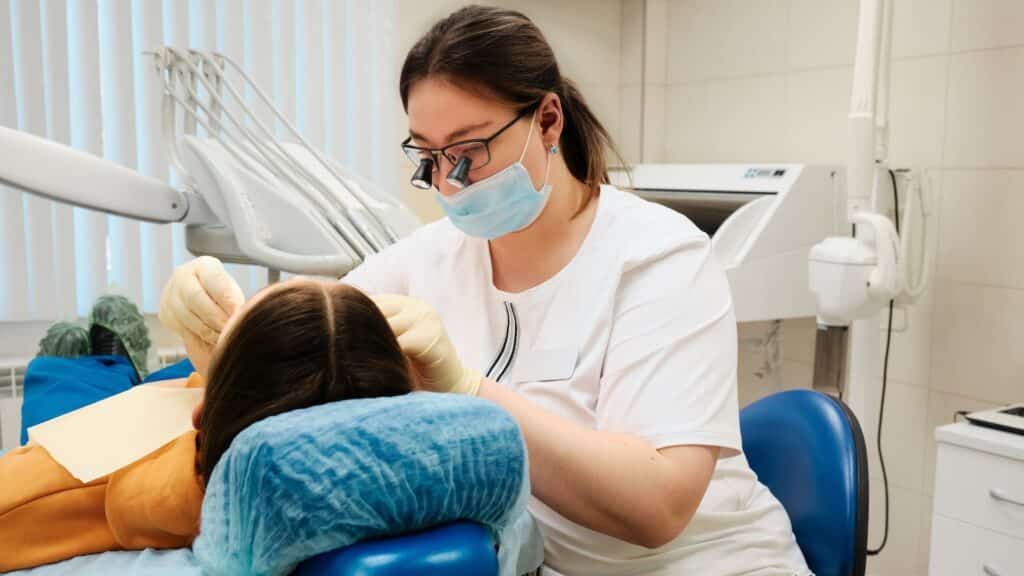
Regular check-ups with a dentist are crucial for maintaining good oral health, especially for patients with dental implants. The frequency of check-ups may vary depending on the patient’s oral health and implant type. During the visit, one can expect to receive a thorough examination of the teeth, gums, and surrounding tissues. The dentist may also take X-rays to check for any underlying issues.

Patients with good oral health may only need to visit once a year for a check-up. However, patients with a history of gum disease or other oral health problems may need to come in for a check-up twice a year or more frequently. The dentist will evaluate the patient’s oral health and determine the appropriate frequency of check-ups.

Caring for Your Dental Implants

Oral Surgeons

Proper care and maintenance of dental implants are essential to ensure their longevity and prevent future problems. Here are some tips for caring for your dental implants:

Use a Toothbrush with Soft Nylon Bristles

Using a toothbrush with soft nylon bristles is gentle on the gums and will not scratch the implant’s surface. You must also brush twice a day, using a circular motion to clean all surfaces of the teeth and gums.

Regular Flossing

Flossing is necessary to remove food particles and plaque between teeth and around the implant. Flossing at least once a day is recommended, using waxed floss or interdental brushes, though you can also do it twice daily for better results.

Never Use Abrasive Toothpaste

Abrasive toothpaste can scratch the implant’s surface and cause damage. Therefore, it is recommended to use non-abrasive toothpaste that is specifically designed for dental implants. You can check the RDA (relative dentin abrasivity) score to know if your toothpaste is abrasive or not. The ideal RDA score for toothpaste used on implants is below 70.

Avoid Eating Sticky or Hard Foods

Sticky or hard foods can put extra pressure on the implant and cause it to loosen or break. Therefore, avoiding chewing on hard candies, ice, or other hard objects is recommended. Also, sticky foods like caramel or chewing gum can stick to the implant and cause damage. If you do eat these foods, make sure to brush and floss your teeth thoroughly afterward.

Avoid Alcohol Consumption and Smoking

Alcohol consumption and smoking can harm dental implant success. Alcohol can interfere with the healing process and increase the risk of infection. Smoking can also delay healing and increase the risk of implant failure. Therefore, it is recommended to avoid alcohol consumption and smoking for at least the first few weeks after implant surgery. In the long-term, it’s best to quit smoking and alcohol for better overall health and dental implant success.

Visit Your Dentist Regularly

Above all else, you must visit your dentist for regular check-ups. Your dentist can monitor the health of your implant and detect any potential issues early on. They can also provide professional cleaning to remove any buildup of plaque or bacteria that may have accumulated around the implant.

Conclusion

Dental implants are a long-term solution for tooth loss and require proper care and maintenance to ensure longevity. Dental implants are only as good as the care you give them, so you must practice good oral hygiene and visit your dentist regularly. This way, your dental implants will remain strong, stable, and functional for as long as they can.

If you’re looking for dental implants in Pickering, Pickering Dental Services can help you! We understand the value of oral health, so we provide comprehensive dental care solutions to ensure your teeth remain healthy. Call us today at 905-420-1777 to schedule an appointment!

Helpful Resources

For more information, visit the Canadian Dental Association on Dental Implants.

Frequently Asked Questions

How long do dental implants last?

With proper care and regular dental check-ups, dental implants can last 25 years or more. Many patients enjoy their implants for a lifetime. At Pickering Square Dental, Dr. Lean uses high-quality titanium implants designed for long-term durability.

Are dental implants painful?

Most patients report less discomfort than expected. The procedure is performed under local anaesthesia, and sedation options are available. Post-procedure soreness typically resolves within a few days with over-the-counter pain relief.

Am I a candidate for dental implants?

Most adults with good general health are candidates for dental implants. You need adequate jawbone density to support the implant. Dr. Lean will assess your bone health and overall suitability during a consultation at our Pickering office.

The Importance of Pediatric Dentistry and Early Dental Care for Children
child having teeth cleaned

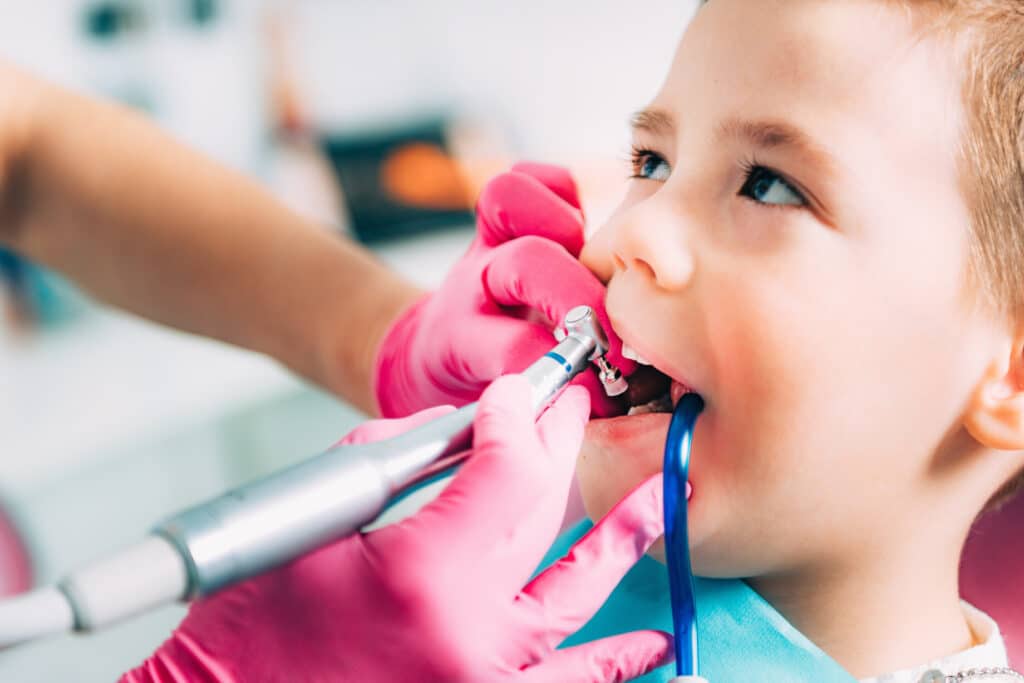
Many people may not realize the importance of pediatric dentistry and early dental care for children. Establishing good oral health habits at a young age is crucial for lifelong dental health. This blog post will discuss the significance of pediatric dentistry, the benefits of early dental care, and how parents can help their children maintain healthy teeth and gums.

The Role of Pediatric Dentistry

Pediatric dentists are dental professionals who specialize in the oral health of infants, children, adolescents, and those with special needs. They have an additional two to three years of training beyond dental school, focusing specifically on pediatric oral care. Pediatric dentists are equipped to handle the unique needs of children and can provide guidance to parents on how to promote good dental hygiene at home.

Benefits of Early Dental Care

1. Prevents tooth decay and cavities: Early dental care helps identify and treat tooth decay in its initial stages, preventing cavities and more severe dental problems down the line.

2. Develops good oral hygiene habits: Introducing children to dental care from an early age helps them develop good oral hygiene habits that will last a lifetime. Learn more about sedation dentistry options.

3. Monitors dental growth and development: Regular dental visits allow pediatric dentists to monitor the growth and development of a child’s teeth and jaw, addressing any potential issues before they become more severe.

4. Provides customized treatment plans: Pediatric dentists can create individualized treatment plans tailored to each child’s specific needs, ensuring the best possible outcome.

5. Establishes a positive relationship with dental care: Early exposure to dental visits and treatments helps children feel more comfortable with their dental care, reducing anxiety and fear in the future.

How Parents Can Promote Good Oral Health

1. Start early: Begin cleaning your child’s mouth even before their first tooth appears, using a soft, damp cloth or baby toothbrush.

2. Schedule regular dental visits: The American Academy of Pediatric Dentistry recommends that children visit a dentist by their first birthday or within six months of their first tooth erupting.

3. Teach proper brushing techniques: Show your child how to brush their teeth with a soft-bristled toothbrush and fluoride toothpaste, using gentle, circular motions.

4. Encourage flossing: Teach your child how to floss between their teeth, helping them develop this important habit early on.

5. Limit sugary foods and drinks: Encourage a well-balanced diet and limit the consumption of sugary snacks and beverages, as they contribute to tooth decay.

6. Make dental care fun: Use colorful toothbrushes, flavored toothpaste, and engaging oral care apps to make dental hygiene an enjoyable activity for your child.

Conclusion

Pediatric dentistry plays a vital role in ensuring the oral health of children, setting them up for a lifetime of strong teeth and healthy gums. By emphasizing the importance of early dental care and providing guidance on proper oral hygiene habits, parents can help their children maintain a beautiful, healthy smile. Contact us today for more information.

Helpful Resources

dentist

For more information, visit the Health Canada Children’s Dental Health.

Schedule Your Appointment Today

Contact Pickering Square Dental to book your appointment with Dr. Marvin Lean. Call us at (905) 420-1777 or visit us at 1450 Kingston Rd, Unit #4, Pickering, ON.

Frequently Asked Questions

How often should I visit the dentist?

The Canadian Dental Association recommends visiting your dentist at least twice a year for regular check-ups and cleanings. Some patients may need more frequent visits depending on their oral health needs. Call Pickering Square Dental at (905) 420-1777 to schedule your next appointment.

Do you accept the Canadian Dental Care Plan (CDCP)?

Yes, Pickering Square Dental participates in the Canadian Dental Care Plan. Our team can help you understand your coverage and ensure you receive the dental care you need. Contact us for more details about CDCP eligibility and benefits.

What services does Pickering Square Dental offer?

We offer a full range of dental services including family dentistry, emergency dental care, sedation dentistry, dental implants, laser dentistry, teeth whitening, root canal therapy, dental extractions, periodontal care, and cosmetic dentistry. Dr. Lean and our team serve patients in Pickering, Ajax, Whitby, and Scarborough.

The Connection Between Oral Health and Overall Health: A Comprehensive Guide

drinking water

Oral health is often perceived as a separate entity from overall health, but the reality is that the two are closely intertwined. Maintaining good oral hygiene is essential to overall health, as problems in the mouth can lead to issues in other parts of the body. In this blog post, we’ll explore the connection between oral health and overall health, and discuss ways to maintain a healthy mouth for a healthier body.

The Mouth-Body Connection

Our mouths are a gateway to the rest of our bodies. A healthy mouth can contribute to overall well-being, while an unhealthy one can potentially cause a range of health issues. The mouth is home to various bacteria, some of which are essential for maintaining balance in the oral ecosystem. However, poor oral hygiene can lead to an overgrowth of harmful bacteria, resulting in oral infections and diseases that can affect the rest of the body.

Periodontal Disease and Systemic Health

Periodontal disease, also known as gum disease, is a prime example of how oral health can impact overall health. Periodontal disease is an inflammatory condition that affects the gums, bone, and other structures supporting the teeth. It occurs when harmful bacteria in plaque build up and cause inflammation and infection.

Research has shown that periodontal disease is linked to various systemic health issues, including:

1. Cardiovascular Disease: The inflammation caused by periodontal disease can lead to hardened arteries and an increased risk of heart disease and stroke.

2. Diabetes: Gum disease can make it more difficult for people with diabetes to control their blood sugar levels. Additionally, people with diabetes are more susceptible to periodontal disease due to their weakened immune systems.

3. Respiratory Infections: Bacteria from the mouth can be inhaled into the lungs, potentially causing respiratory infections such as pneumonia.

4. Pregnancy Complications: Pregnant women with periodontal disease may be at an increased risk for preterm birth and low birth weight babies.

Maintaining Good Oral Health

To maintain good oral health and minimize the risk of developing systemic health issues, follow these essential tips:

1. Brush Your Teeth: Brush your teeth at least twice a day with fluoride toothpaste for at least two minutes each time. This helps remove plaque and prevents the buildup of harmful bacteria.

2. Floss Daily: Flossing helps remove plaque and food particles from between your teeth and under your gum line, where your toothbrush cannot reach.

3. Regular Dental Checkups: Visit your dentist at least twice a year for professional cleanings and oral exams. Your dentist can detect early signs of gum disease and other oral health issues, allowing for prompt treatment.

4. Eat a Balanced Diet: Consuming a diet rich in fruits, vegetables, and whole grains can help promote good oral health. Limit sugary snacks and beverages, as they can contribute to tooth decay and gum disease.

5. Don’t Smoke: Smoking can weaken your immune system, making it harder for your body to fight off infections, including gum disease.

Conclusion

Understanding the connection between oral health and overall health is crucial for maintaining a healthy lifestyle. By taking care of your teeth and gums, you’re also investing in your overall well-being. Follow the tips mentioned above to ensure that your mouth stays healthy, and be sure to consult the experts at Pickering Square Dental for personalized advice on maintaining good oral health.

Looking for professional help? Learn more about our periodontal care in Pickering at Pickering Square Dental or call (905) 420-1777 to book an appointment.

Helpful Resources

dental fillings

For more information, visit the Canadian Dental Association Oral Health.

Frequently Asked Questions

How often should I visit the dentist?

The Canadian Dental Association recommends visiting your dentist at least twice a year for regular check-ups and cleanings. Some patients may need more frequent visits depending on their oral health needs. Call Pickering Square Dental at (905) 420-1777 to schedule your next appointment.

Do you accept the Canadian Dental Care Plan (CDCP)?

Yes, Pickering Square Dental participates in the Canadian Dental Care Plan. Our team can help you understand your coverage and ensure you receive the dental care you need. Contact us for more details about CDCP eligibility and benefits.

What services does Pickering Square Dental offer?

We offer a full range of dental services including family dentistry, emergency dental care, sedation dentistry, dental implants, laser dentistry, teeth whitening, root canal therapy, dental extractions, periodontal care, and cosmetic dentistry. Dr. Lean and our team serve patients in Pickering, Ajax, Whitby, and Scarborough.

The Advantages of Family Dentistry for Your Family’s Oral Health

family dentist

As a parent, taking care of your family’s oral health is a top priority, and one way to make sure your loved ones receive proper dental care is by attending regular visits to your family dentist. Dr.Marvin Lean is experienced in treating patients of all ages, from children to seniors. This article will discuss the benefits of visiting the dentist as a family to address your family’s oral health.

1. Convenience

Emergency Dental

Dr. Marvin Lean provides dental care to all family members, making it convenient for you to schedule appointments for everyone in the same place. This saves you money and time since you can schedule appointments on the same day and at the exact location.

2. Preventive Care

Your family’s dental health is regularly monitored to prevent any dental problems from occurring. Regular dental check-ups and cleanings help detect any dental issues early, preventing them from becoming severe and costly. Preventive care also includes dental education, which teaches your family about proper oral hygiene and how to maintain healthy teeth and gums.

3. Pediatric Dentistry

Dental Care

Dr. Marvin Lean is qualified to offer dental care to children of any age, from infants to adolescents. Children’s dental needs vary from adults, and Dr.Marvin Lean ensures your child’s dental health is well cared for. Pediatric dentistry includes dental cleanings, fluoride treatments, sealants, and cavity fillings. Dr. Marvin Lean is also trained to handle children’s dental anxiety, making their dental experience more comfortable.

4. Orthodontics

Orthodontics focuses on correcting teeth and jaw alignment. Dr. Marvin Lean is trained to provide orthodontic care, including braces, aligners, and retainers. Orthodontic treatment can help correct crooked teeth, overbites, underbites, and other dental issues. Orthodontic treatment for children is highly recommended at an early age to prevent dental problems from becoming severe in the future.

5. Geriatric Dentistry

As we age, our dental health needs change and geriatric dentistry focuses on providing dental care to seniors. Geriatric dentistry includes dental check-ups, cleanings, denture care, and oral cancer screenings. The elderly are more prone to developing dental problems, and Dr. Marvin Lean ensures that their dental health is well taken care of.

6. Emergency Dental Care

Dental emergencies can happen at any time, and Dr. Marvin Lean provides emergency dental care to patients of all ages. Dental emergencies include toothaches, broken teeth, and lost fillings. Dr. Marvin Lean is trained to handle dental emergencies and provide immediate treatment to relieve pain and prevent further damage.

7. Cost-Effective

Choosing the same dentist for your family can help you save money, as it eliminates the need for multiple dental appointments in different locations. With a family dentist, you can receive complete dental care for all household members, making it a budget-friendly option for maintaining your family’s dental health.

Key Takeaway

Visiting the dentist as a family provides many advantages for your family’s dental health needs. From convenience to preventive care, pediatric dentistry to geriatric dentistry, Dr. Marvin Lean offers comprehensive dental care to patients of all ages. Needless to say, it pays to prioritize your family’s dental health and schedule an appointment with a family dentist.

At Pickering Square Dental Services, we are committed to offering individualized dental care to patients of any age. Our family dentists in Pickering and Ajax provide a host of services, from routine cleanings to restorative treatments, to ensure that your family’s dental health is always in good hands. Call us today at 905-420-1777 to book an appointment!

Looking for professional help? Learn more about our family dentistry in Pickering at Pickering Square Dental or call (905) 420-1777 to book an appointment.

Helpful Resources

For more information, visit the Government of Canada Oral Health Guide.

Frequently Asked Questions

How often should I visit the dentist?

The Canadian Dental Association recommends visiting your dentist at least twice a year for regular check-ups and cleanings. Some patients may need more frequent visits depending on their oral health needs. Call Pickering Square Dental at (905) 420-1777 to schedule your next appointment.

Do you accept the Canadian Dental Care Plan (CDCP)?

Yes, Pickering Square Dental participates in the Canadian Dental Care Plan. Our team can help you understand your coverage and ensure you receive the dental care you need. Contact us for more details about CDCP eligibility and benefits.

What services does Pickering Square Dental offer?

We offer a full range of dental services including family dentistry, emergency dental care, sedation dentistry, dental implants, laser dentistry, teeth whitening, root canal therapy, dental extractions, periodontal care, and cosmetic dentistry. Dr. Lean and our team serve patients in Pickering, Ajax, Whitby, and Scarborough.

What Is Periodontal Care (And Why Is It Important?)

woman brushing teeth

Periodontal care is a crucial aspect of maintaining good oral health. It involves the prevention, diagnosis, and treatment of gum disease and other related conditions. Gum disease is a common problem that affects many people, and if left untreated, it can lead to tooth loss and systemic health issues. 

Periodontal care is an essential part of dental hygiene and is necessary to prevent the development of gum disease and maintain healthy teeth and gums. In this article, we will explore what periodontal care is, its importance, and how to maintain good oral health through proper periodontal care.

What Is Periodontal Disease?

Root Canal

Periodontal disease, also known as gum disease, is a bacterial infection that affects the tissues that support and surround the teeth. It is caused by the buildup of plaque and tartar on the teeth and gums, which can lead to inflammation, bleeding, and eventually the destruction of the bone that surrounds and supports the teeth. There are two main types of periodontal disease: gingivitis and periodontitis.

Gingivitis

Gingivitis is the early stage of gum disease and is characterized by red, swollen, and bleeding gums. It is usually reversible with proper dental hygiene and professional treatment. However, if left untreated, it can progress to periodontitis.

Periodontitis

Teeth Whitening

Periodontitis is a more advanced stage of gum disease and is characterized by the loss of bone and tissue that support the teeth. This can lead to tooth loss and other serious health problems, such as heart disease and diabetes.

Importance of Periodontal Care

Periodontal care is important because it helps prevent and treat gum disease, which can have serious consequences for your oral and overall health. Gum disease has been linked to a variety of health issues, including heart disease, stroke, diabetes, and pregnancy complications. Additionally, gum disease can cause tooth loss, which can affect your ability to eat, speak, and smile with confidence.

Maintaining Good Periodontal Care

Maintaining good periodontal care involves a combination of proper oral hygiene and regular dental checkups. Here are some tips for maintaining good periodontal care:

1. Brush twice a day with a fluoride toothpaste Learn more about family dentistry services in Pickering.

2. Floss at least once a day

3. Use an antiseptic mouthwash to kill bacteria

4. Eat a healthy diet rich in fruits and vegetables

5. Avoid tobacco products

6. Visit your dentist regularly for checkups and cleanings

Signs and Symptoms of Periodontal Disease

1. Bleeding gums while brushing or flossing

2. Swollen, red or tender gums

3. Bad breath or a persistent bad taste in the mouth

4. Loose or shifting teeth

5. Receding gums or teeth appearing longer than usual

6. Changes in the way teeth fit together when biting or chewing

7. Pus between teeth and gums

8. Sores in the mouth

9. Tooth sensitivity to hot or cold temperatures.

Conclusion

In short, periodontal care is a crucial aspect of overall oral health that should not be overlooked. This specialized care involves the prevention, diagnosis, and treatment of periodontal disease, which can have serious consequences if left untreated. Regular dental check-ups, proper oral hygiene, and a healthy lifestyle are key components of periodontal care. By taking care of our gums and teeth, we can maintain strong and healthy teeth for a lifetime. Therefore, it is essential to give periodontal care the attention it deserves to prevent long-term oral health problems.

If you are looking for family dentists in Ajax, contact Pickering Square Dental Services. Our team of dentists knows how to provide the best in preventative dental care so you and your family can enjoy a lifetime of healthy smiles.

Helpful Resources

For more information, visit the Canadian Dental Association Oral Health.

Schedule Your Appointment Today

Contact Pickering Square Dental to book your appointment with Dr. Marvin Lean. Call us at (905) 420-1777 or visit us at 1450 Kingston Rd, Unit #4, Pickering, ON.

Frequently Asked Questions

How often should I visit the dentist?

The Canadian Dental Association recommends visiting your dentist at least twice a year for regular check-ups and cleanings. Some patients may need more frequent visits depending on their oral health needs. Call Pickering Square Dental at (905) 420-1777 to schedule your next appointment.

Do you accept the Canadian Dental Care Plan (CDCP)?

Yes, Pickering Square Dental participates in the Canadian Dental Care Plan. Our team can help you understand your coverage and ensure you receive the dental care you need. Contact us for more details about CDCP eligibility and benefits.

What services does Pickering Square Dental offer?

We offer a full range of dental services including family dentistry, emergency dental care, sedation dentistry, dental implants, laser dentistry, teeth whitening, root canal therapy, dental extractions, periodontal care, and cosmetic dentistry. Dr. Lean and our team serve patients in Pickering, Ajax, Whitby, and Scarborough.

7 Signs You Must Visit Your Periodontist ASAP

man with oral problems

Periodontics is the branch of dentistry that concentrates on the health of the structures that support the teeth, including the gums, bones, and ligaments. Periodontal or gum disease is a common problem affecting millions worldwide. 

While early-stage gum disease can often be treated with regular dental cleanings and good oral hygiene habits, more advanced cases may require the attention of a periodontist. 

Here are the warning signs for visiting your periodontist in a dental emergency.

1. Bleeding Gums

Teeth whitening

Healthy gums should not bleed when you brush or floss your teeth. If you catch blood on your toothbrush or dental floss, this could be a sign of gingivitis, the earliest stage of gum disease. Gingivitis is caused by plaque buildup on the teeth, leading to inflammation and bleeding in the gums. If left untreated, gingivitis can develop into more advanced stages of gum disease, which can cause irreversible damage to the teeth and gums. Learn more about contact our Pickering dental office.

2. Gum Recession

Gum recession is when the gums pull back from the teeth, exposing more of the tooth root. This can make the teeth look longer and cause hot and cold temperature sensitivity. Gum recession can be a sign of advanced gum disease, but it can also be due to overbrushing, genetics, or other factors. Your periodontist can determine the cause of your gum recession and recommend treatment options.

3. Persistent Bad Breath

Wisdom Teeth Removal

Various factors can cause bad breath, or halitosis, like poor oral hygiene, certain foods, and medical conditions. However, persistent bad breath can also be a sign of gum disease. The bacteria that cause gum disease can produce an unpleasant odour, which can be difficult to mask with mouthwash or gum. Seeing your periodontist is essential to determine the underlying cause if you have persistent bad breath.

4. Loose or Shifting Teeth

Teeth that are loose or shifting can be a sign of advanced gum disease. As the gums and bones that support the teeth deteriorate, the teeth can become loose and may even fall out. In some cases, loose teeth can be saved with periodontal treatment, but extraction may be necessary in other cases. Checking in with your family dentist is essential if your teeth are becoming loose or shifting.

5. Pus or Swelling around the Gums

Pus or swelling around the gums can be a sign of a gum abscess, which is a pocket of infection that forms in the gum tissue. Gum abscesses can be painful and can cause damage to the surrounding teeth and bone if left untreated. If you notice pus or swelling around your gums, seeing your periodontist is essential as soon as possible.

6. Changes in Your Bite

Changes in your bite, such as your teeth not fitting together correctly or feeling like they’re shifting, can be a sign of advanced gum disease. As the gums and bone that support the teeth deteriorate, the teeth can shift, causing changes in your bite. If you notice changes in your bite, you must see your periodontist immediately to prevent further damage to your teeth and gums.

7. History of Gum Disease

If you have a gum disease history, seeing your periodontist regularly for checkups and cleanings is essential. Even if your gum disease has been successfully treated in the past, you may be at a higher risk for recurrence. Your periodontist can monitor your oral health and recommend treatment options if necessary.

Conclusion

Gum disease is a severe condition that can cause irreversible damage to your teeth and gums if left untreated. If you notice these alarming signs, seeing your periodontist as soon as possible is essential to prevent further damage and protect your oral health. With early detection and treatment, gum disease can often be successfully managed and even reversed.

Pickering Dental Services is a reputable dental clinic that provides the best preventative dental care. From routine cleanings and checkups to dental emergencies, we offer extensive dental services designed to promote optimal oral health and ensure that patients enjoy a lifetime of healthy smiles. If you need reliable and trustworthy dental services in Ajax, contact us today to schedule an appointment.

Helpful Resources

For more information, visit the Canadian Dental Association Oral Health.

Schedule Your Appointment Today

Contact Pickering Square Dental to book your appointment with Dr. Marvin Lean. Call us at (905) 420-1777 or visit us at 1450 Kingston Rd, Unit #4, Pickering, ON.

Frequently Asked Questions

How often should I visit the dentist?

The Canadian Dental Association recommends visiting your dentist at least twice a year for regular check-ups and cleanings. Some patients may need more frequent visits depending on their oral health needs. Call Pickering Square Dental at (905) 420-1777 to schedule your next appointment.

Do you accept the Canadian Dental Care Plan (CDCP)?

Yes, Pickering Square Dental participates in the Canadian Dental Care Plan. Our team can help you understand your coverage and ensure you receive the dental care you need. Contact us for more details about CDCP eligibility and benefits.

What services does Pickering Square Dental offer?

We offer a full range of dental services including family dentistry, emergency dental care, sedation dentistry, dental implants, laser dentistry, teeth whitening, root canal therapy, dental extractions, periodontal care, and cosmetic dentistry. Dr. Lean and our team serve patients in Pickering, Ajax, Whitby, and Scarborough.

What Serious Illnesses Can Be Spread Through Tooth Decay?

healthcare consultation

Tooth decay is a common dental problem affecting people of all ages. The condition is caused by bacteria in the mouth that feed on sugars and produce acid that erodes tooth enamel. Tooth decay can lead to various oral health problems, including bad breath, tooth sensitivity, cavities, and tooth loss. However, many people don’t know that tooth decay can have severe health implications beyond oral health. Several diseases are linked to tooth decay and can have long-lasting effects on overall health.

Cardiovascular Disease

man at the dentist

A cardiovascular disease is a group of diseases that affect the heart and blood vessels. It is a leading cause of death worldwide, and several risk factors contribute to its development, including smoking, obesity, high blood pressure, and high cholesterol levels. According to research, there is a link between tooth decay and cardiovascular disease. The bacteria responsible for tooth decay can enter the bloodstream and cause inflammation in the blood vessels. This inflammation can increase the risk of heart attack and stroke. Additionally, people with gum disease caused by tooth decay are at a higher risk of developing cardiovascular disease than those without gum disease.

Diabetes

Diabetes is a chronic condition characterized by high blood sugar levels. It affects millions of people worldwide and can have severe health implications. Tooth decay and gum disease are more common in people with diabetes than those without the condition. High blood sugar levels make it harder for the body to fight infections, including those that cause tooth decay and gum disease.  Learn more about root canal therapy.

Kidney Disease

patient at the dentist

Chronic kidney disease is a condition that occurs when the kidneys lose their ability to filter waste and excess fluid from the blood effectively. It is a common condition that affects millions of people worldwide, and several risk factors contribute to its development, including high blood pressure, diabetes, and obesity. Research has also shown a link between kidney disease and poor oral health. People with chronic kidney disease are more likely to have tooth decay and gum disease, leading to infections that can worsen their kidney function. Additionally, certain medications used to treat kidney disease can cause dry mouth, increasing tooth decay and gum disease risk.

Alzheimer’s Disease

Alzheimer’s is a progressive brain disorder affecting memory, thinking, and behaviour. It is the most common cause of dementia, affecting millions worldwide. While the exact cause of Alzheimer’s disease is unknown, research suggests poor oral health may be a risk factor. Studies have found a link between gum disease and cognitive decline, including Alzheimer’s. Inflammation caused by gum disease may contribute to the development of Alzheimer’s disease by promoting the formation of beta-amyloid plaques in the brain. Maintaining good oral health may be one way to reduce the risk of developing Alzheimer’s disease.

Conclusion

Tooth decay is a common dental problem with severe health implications beyond oral health. Addressing tooth decay and maintaining good oral health are essential for overall health and well-being. Brushing twice daily with fluoride toothpaste, flossing daily, and visiting the dentist regularly can help prevent tooth decay and its associated diseases. A healthy diet low in sugar, vitamins, and minerals can support good oral and overall health. By caring for your teeth and gums, you can help protect yourself from the long-lasting effects of tooth decay and the associated diseases.

Looking for trusted dentists in Ajax? Look no further than Pickering Dental Services! Our skilled professionals are dedicated to providing you with the highest care and attention to detail. From routine cleanings to complex procedures, we’ve got you covered.

Helpful Resources

For more information, visit the Canadian Dental Association Oral Health.

Schedule Your Appointment Today

Contact Pickering Square Dental to book your appointment with Dr. Marvin Lean. Call us at (905) 420-1777 or visit us at 1450 Kingston Rd, Unit #4, Pickering, ON.

Frequently Asked Questions

How often should I visit the dentist?

The Canadian Dental Association recommends visiting your dentist at least twice a year for regular check-ups and cleanings. Some patients may need more frequent visits depending on their oral health needs. Call Pickering Square Dental at (905) 420-1777 to schedule your next appointment.

Do you accept the Canadian Dental Care Plan (CDCP)?

Yes, Pickering Square Dental participates in the Canadian Dental Care Plan. Our team can help you understand your coverage and ensure you receive the dental care you need. Contact us for more details about CDCP eligibility and benefits.

What services does Pickering Square Dental offer?

We offer a full range of dental services including family dentistry, emergency dental care, sedation dentistry, dental implants, laser dentistry, teeth whitening, root canal therapy, dental extractions, periodontal care, and cosmetic dentistry. Dr. Lean and our team serve patients in Pickering, Ajax, Whitby, and Scarborough.

Never Delay Your Dental Extraction for These 6 Reasons
patient at the dentist

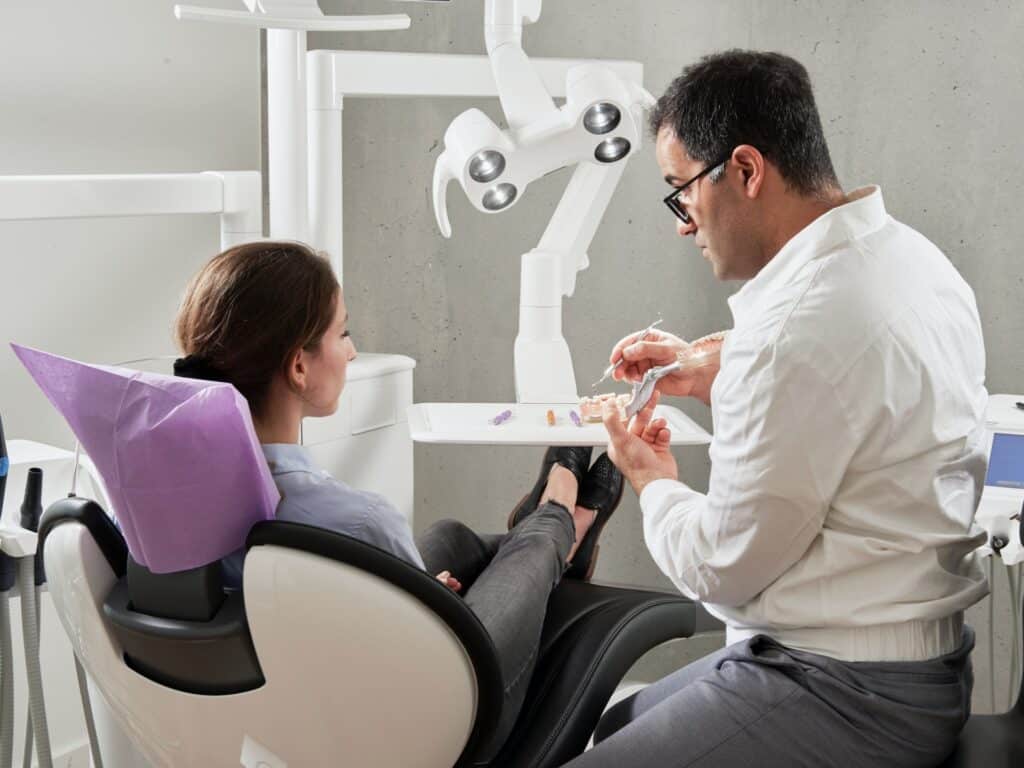
A dental extraction is a common procedure for removing a tooth from its socket. While many try to avoid this procedure, delaying it may have serious consequences. Here are six crucial reasons you should never delay pulling out a tooth.

Decay

smiling

Tooth decay happens when bacteria inside the mouth produce acid that erodes the tooth enamel. If left untreated, tooth decay can worsen and cause severe damage to the tooth, leading to the need for extraction. By delaying your dental extraction, you give the decay more time to progress, which can lead to a more complex extraction procedure and longer recovery time.

Gum Disease

This gum infection may lead to tooth loss if left untreated. If your tooth is affected by gum disease, your dentist may recommend extraction to prevent the infection from spreading to neighbouring teeth. Delaying dental extraction can increase the risk of gum disease spreading throughout your mouth, leading to more extensive oral health issues.

Impacted Teeth

man and woman brushing teeth

Impacted teeth occur when a tooth cannot emerge fully from the gums. This can happen with wisdom teeth, which often don’t have enough room to grow properly. If an impacted tooth is left untreated, it can cause infection, damage to neighbouring teeth, and pain. Delaying your dental extraction increases the risk of complications and may require a more complex extraction procedure. Learn more about sedation dentistry options.

Overcrowding

Overcrowding occurs when too many teeth are in the mouth, causing misalignment and other dental problems. Your dentist may recommend removing a tooth to alleviate overcrowding and improve the alignment of your teeth. By delaying your dental extraction, you may experience additional discomfort and pain due to overcrowding, and your dental problems may worsen.

Orthodontic Treatment

If you’re undergoing orthodontic treatment, your dentist may recommend removing a tooth to create space for the remaining teeth to shift into the correct position. Delaying your dental extraction can cause delays in your orthodontic treatment and may even require you to start the process over again.

Oral Cancer

Oral cancer is a serious disease that could be life-threatening if not detected and treated at the onset. If your dentist detects signs of oral cancer during your dental exam, they may recommend extraction of the affected tooth to prevent cancer from spreading. Delaying your dental extraction can increase the risk of cancer spreading and may require more invasive treatment options.

As We Close

Delaying your dental extraction can lead to serious consequences for your oral health. Following your dentist’s recommendations and scheduling your extraction as soon as possible is important to prevent further complications. If you’re experiencing pain, discomfort, or other dental problems, don’t hesitate to contact your dentist to schedule an appointment. You can maintain a healthy smile and prevent future dental problems with proper care and treatment.

Book Your Appointment at Pickering Square Dental

Our dental extractions in Pickering are generally safe and problem free. Give us a call at 905-420-1777 to schedule your session! Please note that we request dental x-rays before your visit so our dentist can accurately assess your situation.

We welcome new patients due to expansion and are happy to accommodate more individuals and families. If you are looking for a dentist in Pickering, we encourage you to visit us at Pickering Dental Services and meet our staff. You can also schedule an appointment with the number above or tour our facility.

Helpful Resources

For more information, visit the CDA on Tooth Extraction.

Frequently Asked Questions

How often should I visit the dentist?

The Canadian Dental Association recommends visiting your dentist at least twice a year for regular check-ups and cleanings. Some patients may need more frequent visits depending on their oral health needs. Call Pickering Square Dental at (905) 420-1777 to schedule your next appointment.

Do you accept the Canadian Dental Care Plan (CDCP)?

Yes, Pickering Square Dental participates in the Canadian Dental Care Plan. Our team can help you understand your coverage and ensure you receive the dental care you need. Contact us for more details about CDCP eligibility and benefits.

What services does Pickering Square Dental offer?

We offer a full range of dental services including family dentistry, emergency dental care, sedation dentistry, dental implants, laser dentistry, teeth whitening, root canal therapy, dental extractions, periodontal care, and cosmetic dentistry. Dr. Lean and our team serve patients in Pickering, Ajax, Whitby, and Scarborough.

The Top 2 Times When Laser Dentistry Is the Best Option
laser dentistry

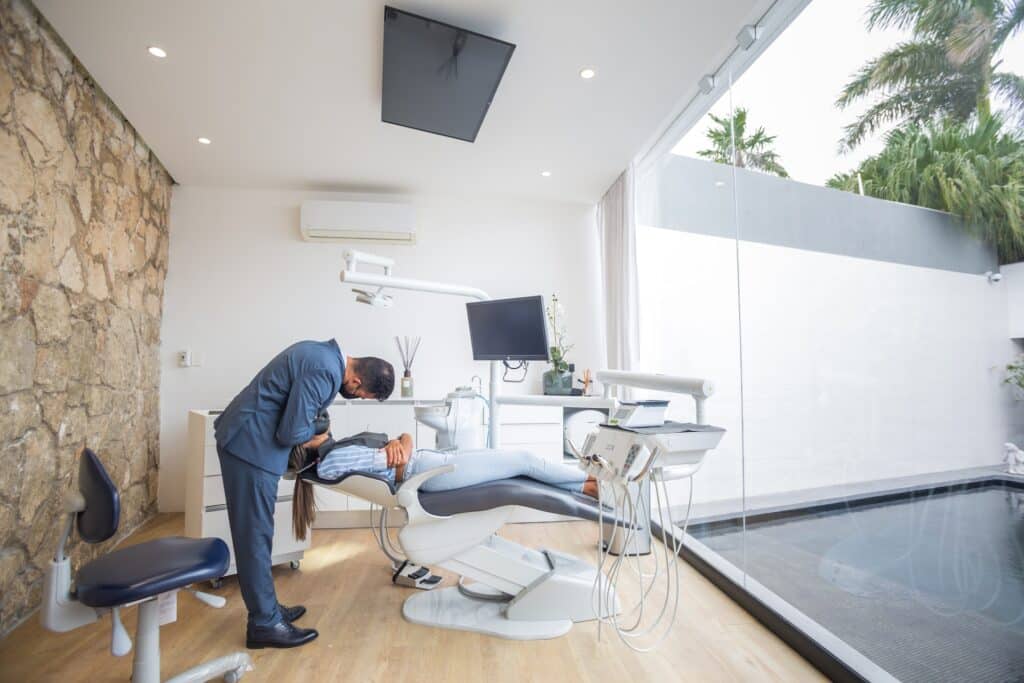
Using a beam of light to fix dental problems may seem like something out of a sci-fi movie, but laser dentistry is current and successful practice. Unlike traditional drills, dental lasers are quieter and less invasive, reducing anxiety and healing time while causing less pain. Because of this, more and more dentists are using laser technology for both hard and soft tissue dental procedures.

Dental lasers can be advantageous for the mouth’s soft and hard tissues. The dentist’s methods and instruments may differ depending on the treatment area. Here are a few times when these devices are the best option:

When Dealing with Hard tissues

dental fillings

The mouth has three hard tissues in teeth: enamel, cementum, and dentin. Enamel covers the visible part of teeth, cementum covers roots, and dentin is under enamel and cementum. If dentin is exposed, it can lead to sensitive teeth as microscopic tubes in dentin go straight to a nerve-filled pulp in teeth. Laser dentistry can seal these tubes to reduce nerve stimulation and irritations. Lasers also help to cut and reshape hard tissues for fillings, crowns, or bonding.

Dental professionals use lasers to brighten teeth by accelerating and improving the effectiveness of the whitening substances applied to the teeth during the procedure. This results in less time spent in the dentist’s chair and more accurate results. Laser-assisted whitening typically produces a more radiant and enduring white smile than traditional whitening methods. Learn more about periodontal care in Pickering.

When Dealing with Soft Tissues

Laser technology is effective for dental procedures that involve delicate areas of the mouth, such as the tongue, cheeks, lips, and gums. 

An example of this is the treatment of ankyloglossia, where the frenulum tissue underneath the tongue is too tight, restricting tongue movement and causing speech difficulties. Lasers can easily and painlessly cut the tissue to free the tongue. This condition is commonly found in infants having trouble breastfeeding or children with speech impediments, and quick and painless treatment is vital. 

Additionally, laser soft tissue procedures reduce swelling and bleeding and are less invasive, highly accurate, and relatively quick.

Dentists often use lasers to assist with treating gum disease. The laser therapy combines the typical deep cleaning, scaling, and root planing treatments. The dentist can efficiently and accurately remove the diseased gum tissue using the laser, reducing the likelihood of the infection returning. Many patients prefer this method.

On Patient Anxiety

dental treatment

Regarding dental procedures, lasers can greatly benefit patients by reducing their discomfort. Often, people are anxious about going to the dentist because of the pain that comes with tools like drills, scalers, and needles. But with lasers, these tools may not even be necessary, resulting in a more comfortable and stress-free experience for the patient.

Conclusion

Laser dentistry is a modern technique that uses light technologies to improve dental procedures. It is faster, more accurate, and less noisy than traditional methods, and it can also reduce bleeding, irritation, and healing time. If you are interested in this option, talk to your dentist and see if it suits you. This treatment may be particularly helpful if you have dental anxiety.

Book Your Next Laser Treatment at Pickering Dental Square Today

Pickering Square Dental is one of the little dental clinics equipped to provide a secure and efficient laser dentistry procedure. Contact them now at 905-420-1777 to learn about laser dentistry’s benefits and maximize your insurance coverage.

Frequently Asked Questions

How often should I visit the dentist?

The Canadian Dental Association recommends visiting your dentist at least twice a year for regular check-ups and cleanings. Some patients may need more frequent visits depending on their oral health needs. Call Pickering Square Dental at (905) 420-1777 to schedule your next appointment.

Do you accept the Canadian Dental Care Plan (CDCP)?

Yes, Pickering Square Dental participates in the Canadian Dental Care Plan. Our team can help you understand your coverage and ensure you receive the dental care you need. Contact us for more details about CDCP eligibility and benefits.

What services does Pickering Square Dental offer?

We offer a full range of dental services including family dentistry, emergency dental care, sedation dentistry, dental implants, laser dentistry, teeth whitening, root canal therapy, dental extractions, periodontal care, and cosmetic dentistry. Dr. Lean and our team serve patients in Pickering, Ajax, Whitby, and Scarborough.