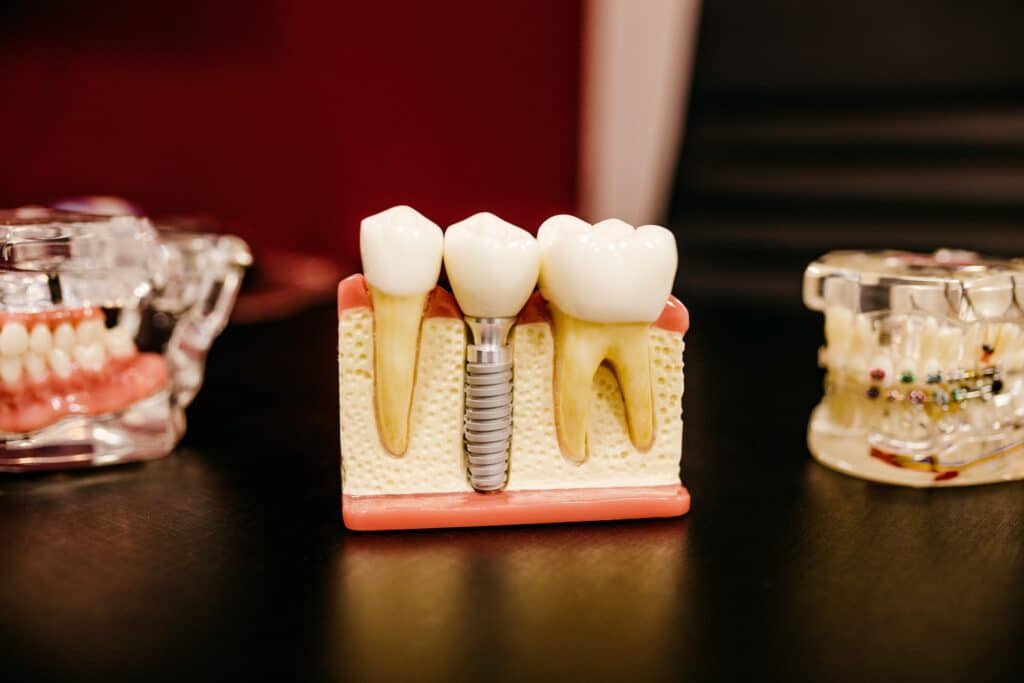
Maintaining Your Dental Implants in the Correct Manner

woman holding a toothbrush

Dental implants are a well-liked and effective solution to restore your smile and replace missing teeth. Implants mimic the look, feel, and function of natural teeth and provide the additional benefit of supporting adjacent teeth.

Similar to your natural teeth, you need to maintain your dental implants with regular care to get the most out of them and to ensure they last.

Continue reading to be on top of your dental implant maintenance!

Apply the Basics of Good Oral Hygiene

dental treatment

You should maintain good oral hygiene habits with both natural teeth and dental implants. This includes brushing twice daily and flossing daily. Be sure to brush thoroughly around the implants. This will help reduce the risk of gum inflammation and tenderness.

Enable Regular Preventive Care 

It is necessary to visit your dentist regularly (twice a year) for check-ups. This will allow the dentist to check for any problems and take preventive measures to protect your implants. If your dentist detects any issues, they can help to address them quickly and avoid long-term damage.

Choose an Appropriate Toothbrush

cosmetic dentistry

Using a soft-bristled toothbrush when brushing around your implants is essential. A hard-bristled toothbrush can cause abrasion, which can lead to implant failure. In order to ensure your toothbrush remains effective, you should replace it every three to four months.  Learn more about teeth whitening and aesthetics.

Additionally, it is important to brush your teeth and implant carefully and gently, using a circular motion, and avoid using a lot of pressure. This will help to protect your implant from damage.

Using a Fluoride Toothpaste

Fluoride toothpaste is important because it helps to protect your enamel. This is especially important if you have implants because protecting your enamel helps to prevent gum inflammation and tenderness.

Also, any kind of abrasion can harm your implants, too. Use a special low-abrasive toothpaste as a result. Regular toothpaste has a reputation for being very abrasive in removing plaque and stains, but too much grit damages dental implants and enamel.

Avoid Hard and Sticky Foods

You should avoid hard and sticky foods when you have dental implants. Hard foods such as popcorn, nuts, and hard candy can cause damage to the implant, whereas sticky foods such as caramel, toffee, and gum can get stuck around the implant. 

Implant-supported bridges and crowns can be damaged if these hard and sticky foods are not avoided. Additionally, it is important to chew your food carefully, as biting down on hard foods can cause damage to the implant. 

If You Grind Your Teeth, Use a Mouthguard

Teeth grinding, commonly referred to as bruxism, can harm both your natural teeth and dental implants in the long run. Your implants are under extreme pressure from the high force, which could have long-term effects. 

If your dentist determines that you clench or grind your teeth, you should choose a bespoke mouthguard to safeguard your teeth.

Quit Smoking and Use Mouthwash

Smoking is damaging to your natural as well as dental implants. It is important to quit smoking to avoid damaging the implants. Additionally, it is important to use mouthwash to reduce plaque and bacteria buildup around the implants. 

Conclusion

You should be aware of any potential risks associated with dental implants, such as infection and damage to surrounding teeth. If you experience any pain, swelling, or bleeding around your implants, contact your dentist immediately. 

Following the advice of your dentist and practicing good oral hygiene can help to ensure that your dental implants last for many years to come. 

Pickering Dental Services provides high-quality dental implants in Pickering! We care about your entire family—from children to seniors. 

We offer the greatest dental services while ensuring your comfort by utilizing the most recent advancements in the dental industry. Book your appointment with us today!

Helpful Resources

For more information, visit the Canadian Dental Association on Dental Implants.

Schedule Your Appointment Today

Contact Pickering Square Dental to book your appointment with Dr. Marvin Lean. Call us at (905) 420-1777 or visit us at 1450 Kingston Rd, Unit #4, Pickering, ON.

Frequently Asked Questions

How long do dental implants last?

With proper care and regular dental check-ups, dental implants can last 25 years or more. Many patients enjoy their implants for a lifetime. At Pickering Square Dental, Dr. Lean uses high-quality titanium implants designed for long-term durability.

Are dental implants painful?

Most patients report less discomfort than expected. The procedure is performed under local anaesthesia, and sedation options are available. Post-procedure soreness typically resolves within a few days with over-the-counter pain relief.

Am I a candidate for dental implants?

Most adults with good general health are candidates for dental implants. You need adequate jawbone density to support the implant. Dr. Lean will assess your bone health and overall suitability during a consultation at our Pickering office.

The Best Foods to Consume after Getting Dental Implants

drinking water

Your smile is one of your best assets, and anybody would know that it can be disheartening to lose a tooth or multiple teeth. Besides negatively impacting your self-esteem and appearance, it can also increase your risk of gum diseases and bone loss. Moreover, missing teeth can affect how you talk and eat. 

Fortunately, treatments like dental implants are a long-term solution to restore your smile and improve your oral health. While treating yourself after the treatment may be tempting, you should know the best and worst foods. 

If you want to ensure their durability, this article will enumerate the best and worst foods to consume after dental implants. We’ll also provide more tips for protecting your new set of teeth.

What to Consume Immediately after Getting Dental Implants

Kids-Feel-Comfortable-at-the-Dentist

It’s not surprising if you wake up hungry after getting dental implants. You should wait an hour before having your first snack and take it nice and slow during the first two days after the treatment. This section will enumerate what you should consume post-surgery. 

1. Drink Lots of Water 

Like other post-treatment tips, dentists recommend drinking plenty of water to help you stay healthy and your body recover. This step is especially crucial if you’ve undergone a general anesthesia procedure.  Learn more about teeth whitening and aesthetics.

2. Stick to Consuming Liquids

If you want to sip on something after the procedure, you can consume gentle liquids like cold soups, broths, applesauce, smoothies, protein drinks, and juices. However, if you’re considering fruit-based beverages, only consume them in moderation because the acidity can harm your teeth. 

3. Don’t Drink through a Straw or Water Bottle

Never drink through a straw or water bottle after a dental implant treatment because it involves suctioning the liquid, which can pressure the treated area and hinder the clotting process. 

4. Don’t Drink Anything Hot

Never eat anything hot food or drinks immediately after the treatment. While soups may help post-surgery, you should only eat them at a cool temperature. 

5. Don’t Smoke or Drink Alcoholic Beges

Never consume any alcohol or tobacco products after a dental implant surgery because it can slow the healing process, increase the risk of infection, and cause implant failure. 

What to Eat Weeks after the Dental Implant Surgery

You should wait 48 hours after the procedure before adding soft foods to your diet. As your gums heal, you can introduce more solid foods that need more chewing and carefully chew near the implant site at the end of their first-week post-surgery. While you may initially experience slight discomfort, you should contact your dentist if the pain persists. 

For the first ten to 14 days post-surgery, patients should eat soft foods like cooked cereal grains, mashed potatoes, eggs, dairy products, and leafy greens. You can also add soft-cooked fish. Moreover, dentists recommend consuming foods rich in protein and Vitamin C because they’ll aid in the healing process. 

What Not to Eat

Dental-Bridges

After knowing the best foods, you should also know what to avoid after a dental implant procedure. Patients should always avoid crunchy, chewy, sticky, spicy foods and large quantities of acidic foods. 

Other Ways to Take Care of Your Dental Implants 

While eating the right foods and avoiding bad habits are crucial in caring for your dental implants, remember that the work doesn’t stop there. Immediately after surgery, you should avoid electric toothbrushes and water-flossing devices because they can be too vigorous. Instead, you should use a traditional toothbrush and floss to clean your teeth gently. That way, dental implants can remain durable and healthy and improve self-confidence and oral health.

Conclusion

Dental implants can help improve your self-confidence and oral health. Knowing what to eat and avoid after the procedures and practising good habits can ensure a full recovery. 

If you need high-quality dental implants in Pickering, visit Pickering Dental Services! Our dentists provide our patients with the best preventative dental care to help you and your family enjoy a lifetime of healthy smiles. Schedule an appointment now!

Helpful Resources

For more information, visit the Canadian Dental Association on Dental Implants.

Schedule Your Appointment Today

Contact Pickering Square Dental to book your appointment with Dr. Marvin Lean. Call us at (905) 420-1777 or visit us at 1450 Kingston Rd, Unit #4, Pickering, ON.

Frequently Asked Questions

How long do dental implants last?

With proper care and regular dental check-ups, dental implants can last 25 years or more. Many patients enjoy their implants for a lifetime. At Pickering Square Dental, Dr. Lean uses high-quality titanium implants designed for long-term durability.

Are dental implants painful?

Most patients report less discomfort than expected. The procedure is performed under local anaesthesia, and sedation options are available. Post-procedure soreness typically resolves within a few days with over-the-counter pain relief.

Am I a candidate for dental implants?

Most adults with good general health are candidates for dental implants. You need adequate jawbone density to support the implant. Dr. Lean will assess your bone health and overall suitability during a consultation at our Pickering office.

5 Reasons to Consider Using Sedation Dentistry
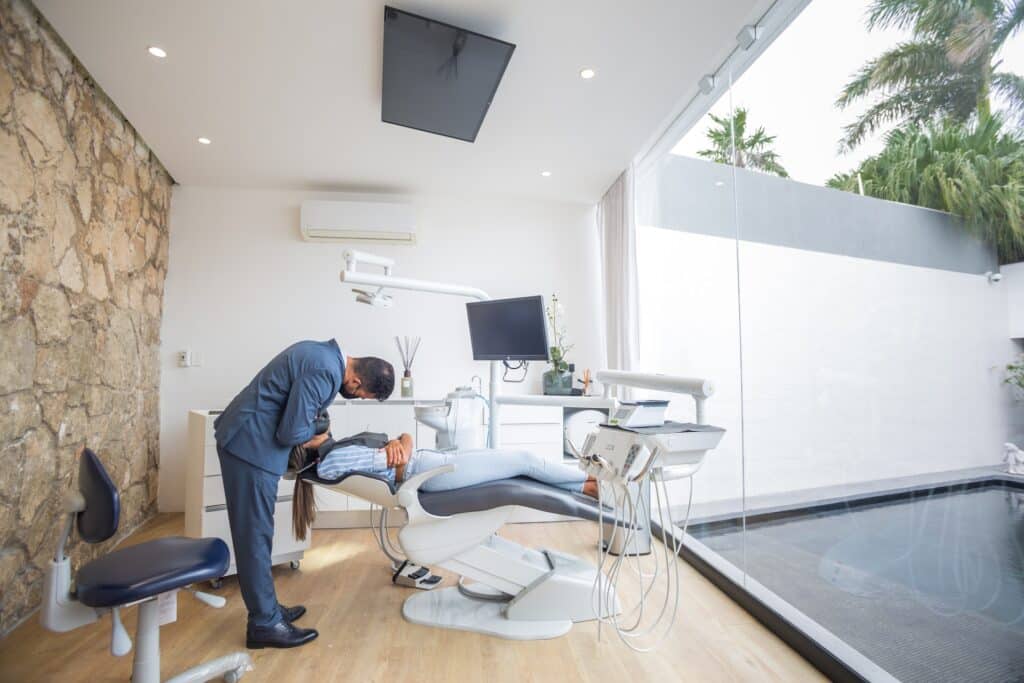
sedation dentistry

Dental anxiety is not uncommon, often brought on by prior experiences with dental practices. Some people also struggle to remain still or have an extremely sensitive gag reflex that makes it hard to stay put. If you tend to avoid dental visits, it can affect your oral hygiene. To make the experience more pleasant, you could try sedation dentistry at your next appointment.

Here are five reasons to consider sedation dentistry at your next dental appointment:

1. You Can Overcome Your Fear of Being at the Dentist

Sedation Dentistry

Sedation dentistry can help you overcome your fear of the dentist. It can make dental appointments more pleasant and comfortable. With enough appointments, you may no longer need sedation dentistry. We want you to have a positive experience, and if sedation dentistry will help, it is an option for you to consider.

2. You Can Get More Than Procedures Done in One Sitting

Sedation dentistry can help you get all your dental procedures done in one sitting, allowing you to save time and money. You’ll feel completely at ease while we take care of everything quickly and efficiently. Don’t waste your time and ours with multiple appointments- sedation dentistry will help you get the smile you deserve in one visit. Learn more about contact our Pickering dental office.

3. You Can Finish Your Dental Appointment Faster

Dental Crowns and Bridges

Sedation dentistry can be a great way to make your dental appointment easier and go by faster. It involves taking a sedative before your appointment to feel relaxed and comfortable. This allows the dentist to work more quickly and efficiently so that your appointment ends quicker than without sedation. You may even fall asleep during your appointment, making the time seem to fly by.

4. It Can Help If You Have a Strong Gag Reflex

Sedation dentistry is a way of helping people who have a strong gag reflex to feel more relaxed during a dental examination. This relaxation can make the experience more comfortable and less embarrassing by reducing the strength of the gag reflex, allowing people to undergo dental treatment without gagging or throwing up.

5. You Can Get Dental Care without Getting Anxious

Dental anxiety can be incredibly intimidating and stop people from visiting us for dental cleanings. When you don’t come in for a checkup, plaque and tartar can accumulate, causing cavities and gum disease. If left untreated, this can lead to severe damage and even tooth loss. Fortunately, sedation dentistry is a great way to get the preventive dental care you need without feeling anxious. It helps you remain relaxed and comfortable to get the care you need without fear.

Conclusion

Sedation dentistry can be a great option for those who experience dental anxiety or have difficulty sitting through long dental procedures. It allows people to receive the necessary treatment while feeling relaxed and in control. Sedation dentistry is safe and effective and can help people overcome the fear and apprehension of visiting the dentist. 

With sedation dentistry, many people can receive the dental care they need in a comfortable and stress-free environment. Discussing the options with your dentist and deciding if sedation dentistry is right for you is important. With the potential benefits of sedation dentistry, it is certainly worth considering.

At Pickering Dental Services, our dentists know how to provide the best preventative dental care so you and your family can enjoy a lifetime of healthy smiles. From young children to seniors, we offer dental procedures for all ages. Using the latest innovations in the dental field, we provide the best dental services while assuring your comfort.  If you’re considering sedation dentistry in Pickering, look no further! Schedule an appointment today!

Helpful Resources

For more information, visit the Canadian Dental Association Oral Health.

Schedule Your Appointment Today

Contact Pickering Square Dental to book your appointment with Dr. Marvin Lean. Call us at (905) 420-1777 or visit us at 1450 Kingston Rd, Unit #4, Pickering, ON.

Frequently Asked Questions

How often should I visit the dentist?

The Canadian Dental Association recommends visiting your dentist at least twice a year for regular check-ups and cleanings. Some patients may need more frequent visits depending on their oral health needs. Call Pickering Square Dental at (905) 420-1777 to schedule your next appointment.

Do you accept the Canadian Dental Care Plan (CDCP)?

Yes, Pickering Square Dental participates in the Canadian Dental Care Plan. Our team can help you understand your coverage and ensure you receive the dental care you need. Contact us for more details about CDCP eligibility and benefits.

What services does Pickering Square Dental offer?

We offer a full range of dental services including family dentistry, emergency dental care, sedation dentistry, dental implants, laser dentistry, teeth whitening, root canal therapy, dental extractions, periodontal care, and cosmetic dentistry. Dr. Lean and our team serve patients in Pickering, Ajax, Whitby, and Scarborough.

What You Need to Know about Dental Implants
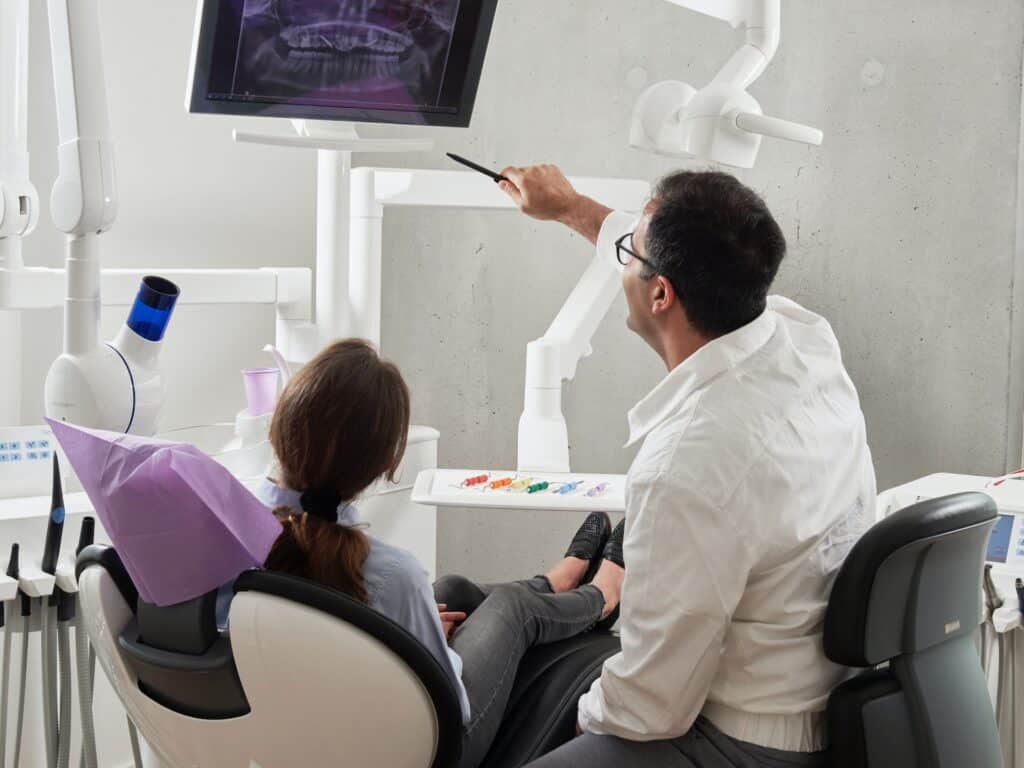
dentist showing patient mouth xray

Dental implants are a great way to improve oral health and overall quality of life. Feeling anxious about undergoing any surgical procedure is normal, so if you have questions about dental implants, this article is for you. We hope this information helps you make an informed decision about whether or not to get dental implants.

What Is a Dental Implant?

dental implant surgery

Dental implants are a way to replace missing teeth by using a titanium screw that acts as a fake root. It is inserted into the jawbone and can be used to attach a prosthetic tooth that looks, acts, and functions like a real tooth. People with metal allergies may experience reactions to the metals used in the implant, such as aluminum and vanadium. Depending on the type of implant, you may get a temporary crown the same day or a permanent one after three to five months.

How Long Is the Process of Getting a Dental Implant?

The entire implantation process can be accomplished in a single appointment at the dentist’s office. To make the process as comfortable as possible, you can opt for intravenous sedation, meaning you will be in a dream-like state while the implant and temporary teeth are placed. After a few months, the temporary teeth will be replaced with a permanent set. Within 24 hours, you will be able to resume your normal life without any difficulty. Learn more about teeth whitening and aesthetics.

How Long Do Dental Implants Last?

tooth coloured fillings

Implants do not have an end date and can last a long time. Thanks to modern technology and materials, it is possible to get impressive results in terms of looks, practicality and longevity. To keep your implants in good condition for as long as possible, it is important to practice good dental hygiene and have regular check-ups with your dentist.

What Maintenance Care Do Dental Implants Require?

To take care of implants, brushing and flossing your teeth regularly is important, just like you would with natural teeth. Additionally, it is important to avoid smoking and drinking alcohol, as these can impact the implant’s success. Regular check-ups and cleanings can also help ensure the implants last as long as possible. Following these steps will help you to keep your implants in good condition and enjoy them for many years.

Who Can Get a Dental Implant?

Implants can be used by anyone, regardless of age or medical condition. People who have finished growing, around 16 to 18 for girls and 17 to 19 for boys, are eligible for implants, but even those much older can still benefit from this procedure. People with pre-existing medical conditions, such as diabetes, hypertension or heart disease, should ensure their condition is controlled before implants are placed. Dental implants can help improve the quality of life for people of all ages.

Conclusion

Dental implants are a viable solution for those seeking a long-term solution to tooth loss. They are a safe and reliable option and can replace a single tooth or multiple teeth. A dental implant is usually straightforward and can be completed in a few visits. Selecting a qualified, experienced dental professional is important to ensure the best outcome. Additionally, good oral hygiene and regular visits to the dentist are essential for the longevity of the implant. A dental implant can last for many years with proper care and maintenance.

At Pickering Dental Services, our dentists know how to provide the best preventative dental care so you and your family can enjoy a lifetime of healthy smiles. From young children to seniors, we offer dental procedures for all ages. Using the latest innovations in the dental field, we provide the best dental services while assuring your comfort.  If you’re considering dental implants in Pickering, look no further! Schedule an appointment today!

Helpful Resources

For more information, visit the Canadian Dental Association on Dental Implants.

Schedule Your Appointment Today

Contact Pickering Square Dental to book your appointment with Dr. Marvin Lean. Call us at (905) 420-1777 or visit us at 1450 Kingston Rd, Unit #4, Pickering, ON.

Frequently Asked Questions

How long do dental implants last?

With proper care and regular dental check-ups, dental implants can last 25 years or more. Many patients enjoy their implants for a lifetime. At Pickering Square Dental, Dr. Lean uses high-quality titanium implants designed for long-term durability.

Are dental implants painful?

Most patients report less discomfort than expected. The procedure is performed under local anaesthesia, and sedation options are available. Post-procedure soreness typically resolves within a few days with over-the-counter pain relief.

Am I a candidate for dental implants?

Most adults with good general health are candidates for dental implants. You need adequate jawbone density to support the implant. Dr. Lean will assess your bone health and overall suitability during a consultation at our Pickering office.

Pickering Dental Services – 6 Tips to Remember for Your First Dental Appointment
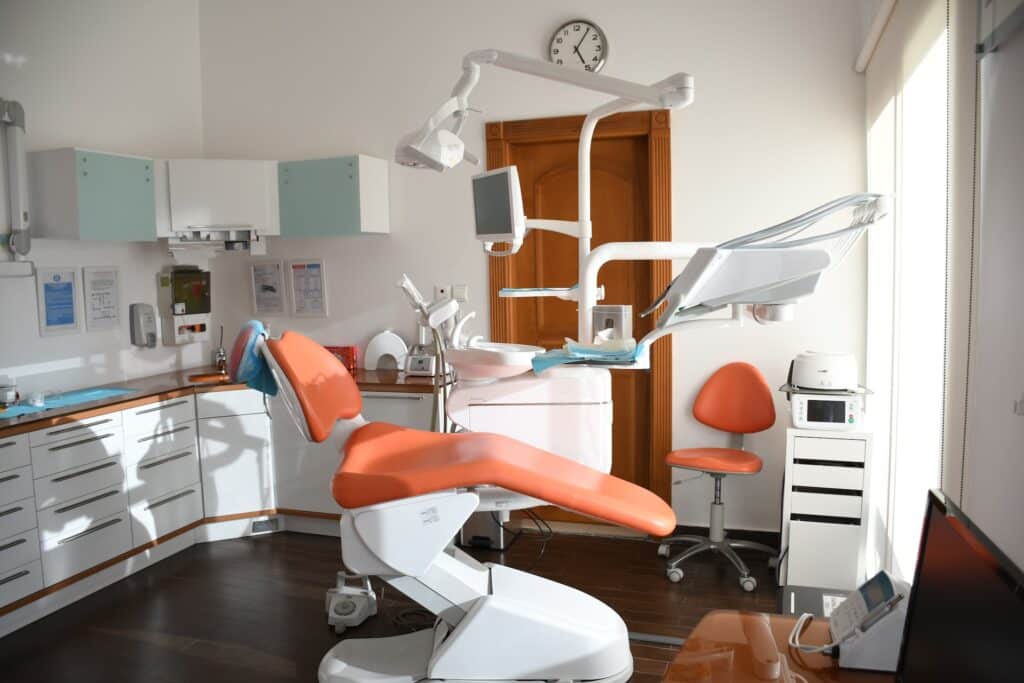
dental

Dental health is extremely important, and your first dental appointment can set the tone for your oral hygiene routine. It is important to remember that a visit to the dentist isn’t something to fear – it’s an essential part of maintaining your oral health.

To ensure that your first dental appointment is a success, here are six tips to remember:

1. Confirm Your Appointment

periodontal care

It’s a good idea to call your family dentist before your appointment to make sure everything is still set. Check with the receptionist to ensure the time and location of your appointment haven’t changed. Ask if you got a text or email reminder the day before as a courtesy. If you still need to, ask if they have another office or have moved since you last visited.

2. Clean Your Mouth

To prepare for the dental visit, it is essential to ensure your mouth is in good condition. Remove any piercings, such as tongue or lip jewelry, to give the dentist a better view of your mouth. Brush and floss regularly, but even more so before the appointment, to remove any built-up plaque and tartar. This will give the dentist a clear look at your teeth and gums. Learn more about contact our Pickering dental office.

3. Discuss Your Present Dental Health

dental services

A general dentist can only help if they know your particular needs and any health issues you may have. By talking with your dentist, they will be able to understand your dental history, any medications you are taking, and any medical troubles that may be impacting your oral health. With this information, they can provide more accurate and tailored recommendations.

4. Don’t Forget to Ask Questions

As a patient, you may ask questions and be informed about the care of your teeth, gums, and mouth. Before going to the dentist, list any questions and concerns you may have so that you can discuss them with your dentist. This allows you to receive the best care and advice to help keep your mouth healthy.

5. Be Prepared for X-rays

Dental x-rays are essential for dentists and are used during new patient appointments. X-rays allow dentists to examine the health of teeth and gums and identify potential problems that may not be visible during a visual exam. 

Technology advancements have made dental x-rays safer than ever before, so if you haven’t visited a dentist in a while, you can rest assured that the technology used is up-to-date. 

By examining the mouth in detail, a dentist can gain insight into the status of past dental work and the health of the underlying bone structures. This offers a better view of oral health than without such an extensive examination.

6. Discuss Your Next Appointment and Dental Treatment

Your dentist will talk to you about a plan to take care of your current and future dental needs. The dental plan will depend on any follow-up dental treatments that may be needed. Afterward, your next appointment will be scheduled in keeping with your personalized dental plan.

Conclusion

Your first dental appointment is a great opportunity to get a handle on your oral health. By following the six tips listed above, you can ensure that you have the best possible experience. It is important to remember to be honest and open with your dentist, bring a list of questions and concerns you have, and arrive on time.

Need a professional dentist in Pickering? Turn to none other than Pickering Dental Services. From young children to seniors, we offer dental procedures for all ages. Using the latest innovations in the dental field, we provide some of the best dental services while assuring your comfort. Contact us today to book an appointment. 

Helpful Resources

For more information, visit the Canadian Dental Association Oral Health.

Schedule Your Appointment Today

Contact Pickering Square Dental to book your appointment with Dr. Marvin Lean. Call us at (905) 420-1777 or visit us at 1450 Kingston Rd, Unit #4, Pickering, ON.

Frequently Asked Questions

How often should I visit the dentist?

The Canadian Dental Association recommends visiting your dentist at least twice a year for regular check-ups and cleanings. Some patients may need more frequent visits depending on their oral health needs. Call Pickering Square Dental at (905) 420-1777 to schedule your next appointment.

Do you accept the Canadian Dental Care Plan (CDCP)?

Yes, Pickering Square Dental participates in the Canadian Dental Care Plan. Our team can help you understand your coverage and ensure you receive the dental care you need. Contact us for more details about CDCP eligibility and benefits.

What services does Pickering Square Dental offer?

We offer a full range of dental services including family dentistry, emergency dental care, sedation dentistry, dental implants, laser dentistry, teeth whitening, root canal therapy, dental extractions, periodontal care, and cosmetic dentistry. Dr. Lean and our team serve patients in Pickering, Ajax, Whitby, and Scarborough.

Preventing Tooth Decay: Tips From a Family Dentist
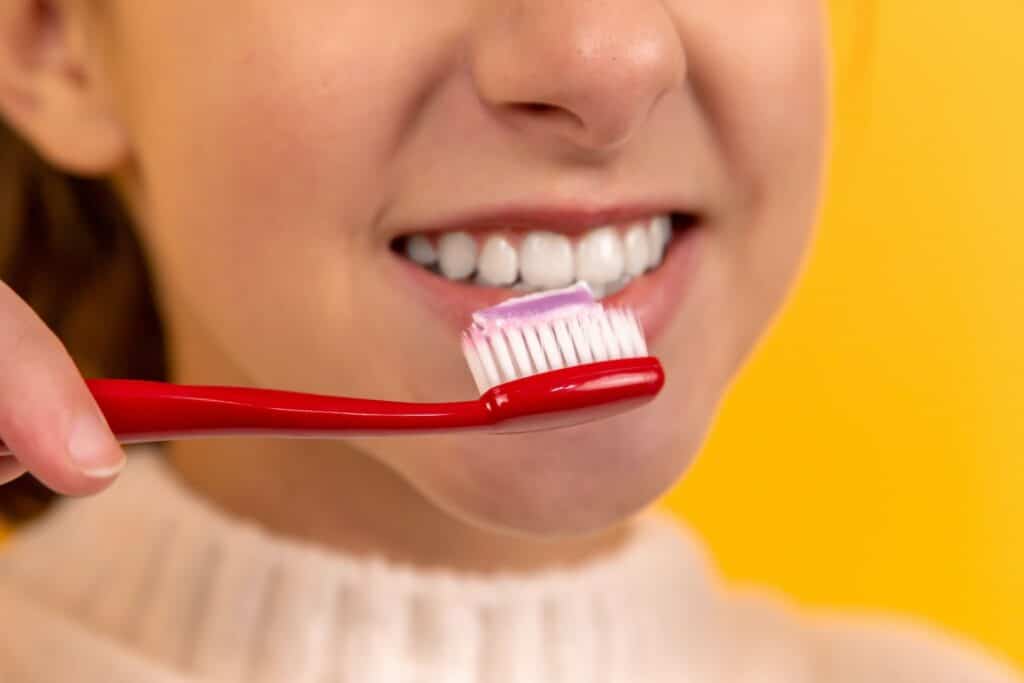
brushing teeth

Tooth decay is a prevalent issue affecting many people worldwide, causing pain and discomfort and, in some cases, leading to more severe health issues that require complex dental services. Fortunately, many practical ways exist to help prevent tooth decay and keep your teeth and gums healthy. 

By following these simple tips, you can reduce your risk of developing cavities and other dental problems. 

#1 Brush Twice a Day

Dental Extractions

One of the best ways to prevent tooth decay is to brush your teeth twice daily. Brushing your teeth regularly helps remove plaque and other debris that can accumulate on the teeth.

When brushing, use a soft-bristled toothbrush with fluoride toothpaste to prevent further damage. You should also brush your teeth properly by placing your toothbrush at a 45-degree angle to the gums and moving it back and forth in short, gentle strokes. Additionally, remember to clean the outer, inner, and chewing surfaces of your teeth for a more thorough cleaning.

#2 Floss Regularly

Flossing is an essential part of any oral hygiene routine. It efficiently removes food debris, plaque, and other particles from between the teeth that can cause tooth decay. Aside from keeping your teeth clean, flossing can keep your gums healthy. Learn more about contact our Pickering dental office.

To floss correctly, use about 18 inches of floss and wrap the ends around your middle fingers. Gently slide the floss between your teeth, careful not to snap it against your gums. Then, curve the floss around the base of both sides of each tooth and move it up and down. Finally, rinse your mouth to remove any leftover debris.

#3 Use a Fluoride Rinse

Family Dentists

Using a fluoride rinse helps reinforce the protective layer of fluoride on the teeth. Fluoride strengthens the tooth enamel, making it more resistant to plaque buildup.

Be sure to use a fluoride rinse after brushing and flossing to help protect your teeth from further decay. You must rinse your mouth with the solution for one minute twice daily. It’s also essential to make sure you don’t swallow the rinse, as it can be toxic if ingested in large amounts.

#4 Eat Healthy Foods

Eating a balanced diet rich in fruits and vegetables helps supply your teeth with the nutrients they need to stay healthy. Fruits and vegetables are packed with vitamins and minerals that are essential for healthy teeth.

Vitamin A helps keep enamel strong and healthy, while vitamin C protects and keeps your gums healthy. Fruits and vegetables also contain calcium and phosphorus, which are important for strong teeth and healthy bones. 

In addition to eating healthy, you should avoid consuming sugary foods and drinks. Sugar feeds the bacteria in your mouth and promotes tooth decay. You should also avoid acidic foods and beverages, which can erode your enamel.

#5 See Your Dentist Regularly

Visiting your dentist regularly is one of the most important ways of preventing tooth decay. Your dentist can help detect any dental problems in the early stages and provide dental services that can protect your teeth and prevent further damage.

Be sure to see your family dentist at least twice a year for a thorough exam and professional cleaning.

Conclusion

Tooth decay is a widespread problem that can significantly impact your health and quality of life. Fortunately, with the tips listed above, you can substantially reduce your chances of developing it. 

If you’re looking for outstanding dental services in Ajax, ON, turn to our team of experienced professionals at Pickering Dental Services. We offer comprehensive dental care for all your needs, from preventative care to cosmetic dentistry. Contact us today to make an appointment.

Helpful Resources

For more information, visit the Canadian Dental Association Oral Health.

Schedule Your Appointment Today

Contact Pickering Square Dental to book your appointment with Dr. Marvin Lean. Call us at (905) 420-1777 or visit us at 1450 Kingston Rd, Unit #4, Pickering, ON.

Frequently Asked Questions

How often should I visit the dentist?

The Canadian Dental Association recommends visiting your dentist at least twice a year for regular check-ups and cleanings. Some patients may need more frequent visits depending on their oral health needs. Call Pickering Square Dental at (905) 420-1777 to schedule your next appointment.

Do you accept the Canadian Dental Care Plan (CDCP)?

Yes, Pickering Square Dental participates in the Canadian Dental Care Plan. Our team can help you understand your coverage and ensure you receive the dental care you need. Contact us for more details about CDCP eligibility and benefits.

What services does Pickering Square Dental offer?

We offer a full range of dental services including family dentistry, emergency dental care, sedation dentistry, dental implants, laser dentistry, teeth whitening, root canal therapy, dental extractions, periodontal care, and cosmetic dentistry. Dr. Lean and our team serve patients in Pickering, Ajax, Whitby, and Scarborough.

What Is Laser Dentistry and Why You Might Consider This Option
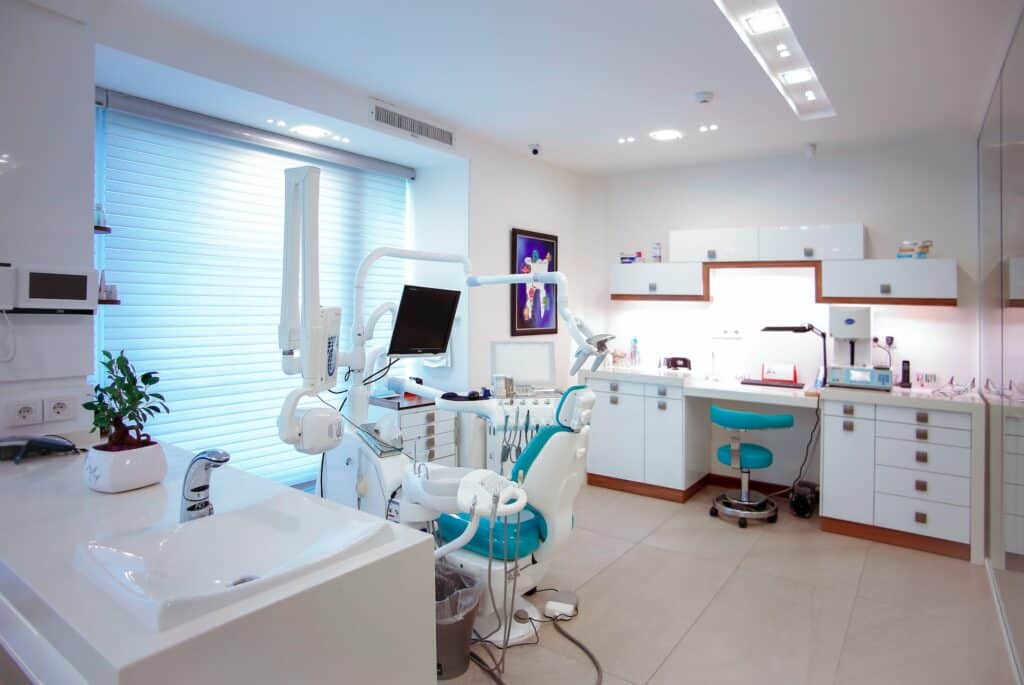
dental clinic

Laser dentistry is a relatively new field, but it’s an increasingly popular approach to dental treatment because it can be extremely effective for certain conditions. So if you’ve heard about this alternative to traditional dentistry but are wondering what exactly is laser dentistry and how it works compared to regular treatments? Keep reading!

What is Laser Dentistry?

Root Canal Therapy

Laser dentistry is an advanced procedure that uses lasers to perform various dental procedures. It is mostly used for gum surgery but can also be used for other procedures, such as whitening and cavity fillings. In general, laser dentistry is considered a more advanced form of treatment because it uses lasers to perform certain procedures that were previously only possible with manual instruments.

Lasers are very precise and can target specific areas in the mouth. This means less tissue needs to be removed when performing procedures, resulting in less pain, bleeding, and swelling. Lasers can also help reduce the amount of time needed for treatments and the amount of anesthesia needed.

What Treatments Can Laser Dentistry Do?

There are several different types of treatments that you can get with laser dentistry aside from the ones stated above. These are the following: Learn more about contact our Pickering dental office.

  • Teeth Whitening and Enamel Reshaping: A laser can be used to remove stains from the surface of your teeth or to reshape your enamel (the white part of your tooth). The procedure is quick, painless, and can achieve fantastic results.
  • Treats Tooth Sensitivity: A lack of enamel can cause sensitivity, which can be painful when eating hot or cold foods and drinks or when exposed to temperature changes. Lasers can treat this problem by strengthening tooth enamel and preventing it from becoming overly worn daily.
  • Diagnostic and Treatment Aids: Lasers can help diagnose problems with your teeth or gums. They can also treat certain issues, such as gum disease or tooth decay.
  • Infection Control and Sterilization: Lasers are effective at killing bacteria in the mouth, which helps prevent infection while you’re undergoing a dental procedure.

Why You Might Consider This Option

Sedation Dentistry

There are many reasons why you might consider laser dentistry for your next visit to the dentist:

1) Less Pain: Laser dentistry can help reduce pain if used for gum disease treatment. Other treatments, such as cleaning or cavity repair, may still cause discomfort but are much less painful than traditional methods.

2) Reduced Swelling: Swelling after treatment is common with traditional dental procedures but doesn’t happen as often with laser dentistry procedures. This means you’ll be able to go back to your daily life faster after a visit than if you had chosen traditional treatment methods.

3) Faster Healing Time: Traditional methods usually take longer for the tissues surrounding your teeth and gums to heal. Laser treatments tend to be faster, and you can return to your normal routine sooner.

Conclusion

Laser dentistry is helpful for many patients who are looking to improve their smile. Lasers can be used in place of traditional dental instruments, which means that some procedures can be completed more quickly and without causing additional discomfort. For those who don’t have access to this type of technology, it may be worth looking into getting a consultation with a dentist using lasers.

Seek the best dentists in Pickering to determine if laser dentistry is right for you. Our dentists are always happy to answer any questions about the process and will help you decide whether it’s right for your needs. We invite you to contact us today!

Helpful Resources

For more information, visit the Canadian Dental Association Oral Health.

Schedule Your Appointment Today

Contact Pickering Square Dental to book your appointment with Dr. Marvin Lean. Call us at (905) 420-1777 or visit us at 1450 Kingston Rd, Unit #4, Pickering, ON.

Frequently Asked Questions

How often should I visit the dentist?

The Canadian Dental Association recommends visiting your dentist at least twice a year for regular check-ups and cleanings. Some patients may need more frequent visits depending on their oral health needs. Call Pickering Square Dental at (905) 420-1777 to schedule your next appointment.

Do you accept the Canadian Dental Care Plan (CDCP)?

Yes, Pickering Square Dental participates in the Canadian Dental Care Plan. Our team can help you understand your coverage and ensure you receive the dental care you need. Contact us for more details about CDCP eligibility and benefits.

What services does Pickering Square Dental offer?

We offer a full range of dental services including family dentistry, emergency dental care, sedation dentistry, dental implants, laser dentistry, teeth whitening, root canal therapy, dental extractions, periodontal care, and cosmetic dentistry. Dr. Lean and our team serve patients in Pickering, Ajax, Whitby, and Scarborough.

Setting Your Expectations for Your Upcoming Tooth Extraction
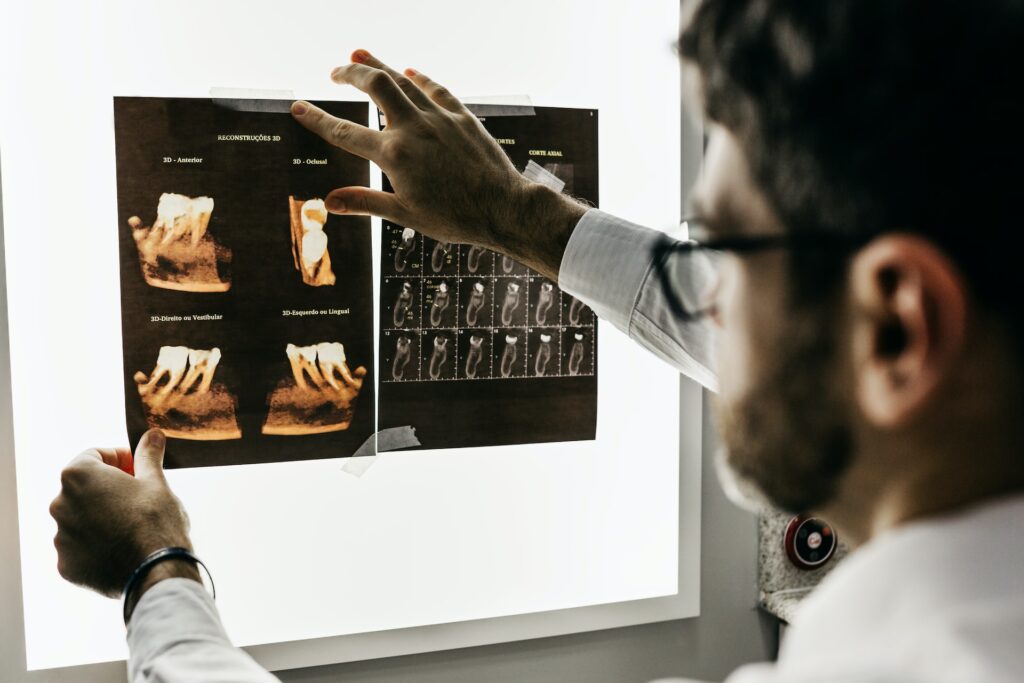
dentist looking at records

If you need a tooth pulled and it will be your first time, you’re undoubtedly feeling some apprehension. We want to give you a good sense of what you can expect from the treatment so that when the “big day” arrives, you will be as calm and collected as a cucumber. This will make you feel more at ease with the process.  Here, you’ll find out the steps involved in extracting a tooth.

So, What Should I Anticipate From the Extraction Procedure?

Dental Sedation

The extraction process is rather simple and can be completed in a short amount of time. You will be administered a local anesthetic to numb your mouth before beginning the operation. This will ensure that you do not feel any pain while the surgery is being performed. General anesthesia may be used to put you to sleep if your tooth is impacted or if multiple teeth are extracted at once.

After administering anesthesia, the offending tooth may then be extracted. A gauze will be placed in the empty socket, and you will be instructed to bite down on it to halt the bleeding; alternatively, stitches may be used to close the gum.

You’ll be free to go home after the extraction, and the bleeding has been stopped.

For How Long Does a Tooth Extraction Typically Last?

If only one tooth needs to be pulled, the procedure can be finished in 20-40 minutes. However, your appointment time will be extended if you need several teeth pulled at once. Depending on the position of the new teeth, your appointment time will increase by 3-15 minutes for each additional tooth. Learn more about contact our Pickering dental office.

Does the Extraction Hurt?

Endodontic Therapy

No. You won’t feel any pain because the nerve fibres that are responsible for transmitting pain signals will have been anesthetized. Yet, a feeling of pressure will be prevalent. A great deal of pressure could also build up at inopportune moments.

While this pressure shouldn’t be too much to bear, we bring it up so that you have realistic expectations going into the process.

What Else Should I Know Before Getting an Extraction Done?

Yes, you should expect to hear loud noises during the process. This is the most uncomfortable step of the procedure for many individuals. Don’t forget to bring your headphones if you want to listen to music during the tooth extraction process.

To aid in a speedy recovery and prevent infection, you should also plan on following the extraction aftercare guidelines from your dentist.

How Do I Get an Urgent Extraction, When Necessary?

If you are in pain and need urgent dental work, a fully-prepared dental institution is the best place to go. However, since ordinary hospitals lack the necessary resources to perform dental procedures, they typically only provide patients with pain medication and send them back to their dentist.

If you are experiencing pain that is severe, persistent, or won’t go away, you should consider seeking out an urgent extraction. Urgent extractions are a type of dental procedure that can be performed quickly and easily. They are typically used when a dental problem is causing significant pain and preventing the patient from being able to eat or sleep.

There are a few things you should know before you seek out an urgent extraction. First, your dentist should be contacted and asked to send a referral letter. This letter will confirm that the patient is in need of an urgent extraction and will help the hospital staff locate the appropriate resources.

Next, you should make a list of the dental problems that you are experiencing. This list will help the staff identify the dental problems that you are experiencing and determine which procedures will be necessary.

Finally, you should arrive at the recommended dental institution where your intended dentist would be given the needed information. This information can include your medical history, the type of dental problems you are experiencing, and the medications you are taking.

Conclusion

Indeed, it is important to have realistic expectations for your upcoming tooth extraction. The procedure itself is relatively straightforward, but there will be some slight discomfort and pressure during the process. Recovery times vary from person to person, but you can expect to feel back to normal within a week or two. If you have any concerns, be sure to discuss them with your dentist beforehand.

If you are looking to undergo dental extraction in Pickering, look no further than our services here at Pickering Dental Services. Our Pickering dentists know how to provide the best in preventative dental care so you and your family can enjoy a lifetime of healthy smiles. Call us today to book your first dental appointment with us.

Helpful Resources

For more information, visit the Canadian Dental Association Oral Health.

Schedule Your Appointment Today

Contact Pickering Square Dental to book your appointment with Dr. Marvin Lean. Call us at (905) 420-1777 or visit us at 1450 Kingston Rd, Unit #4, Pickering, ON.

Frequently Asked Questions

How often should I visit the dentist?

The Canadian Dental Association recommends visiting your dentist at least twice a year for regular check-ups and cleanings. Some patients may need more frequent visits depending on their oral health needs. Call Pickering Square Dental at (905) 420-1777 to schedule your next appointment.

Do you accept the Canadian Dental Care Plan (CDCP)?

Yes, Pickering Square Dental participates in the Canadian Dental Care Plan. Our team can help you understand your coverage and ensure you receive the dental care you need. Contact us for more details about CDCP eligibility and benefits.

What services does Pickering Square Dental offer?

We offer a full range of dental services including family dentistry, emergency dental care, sedation dentistry, dental implants, laser dentistry, teeth whitening, root canal therapy, dental extractions, periodontal care, and cosmetic dentistry. Dr. Lean and our team serve patients in Pickering, Ajax, Whitby, and Scarborough.

Dental Implant Recovery Tips You Need to Know About

Dental Implant

When it comes to dental implants, recovery is an important part of the process. Dental implants are a great way to replace missing teeth and restore your smile. However, like any major dental procedure, they can come with some discomfort and side effects. Taking the proper steps to ensure your recovery is important to ensuring the success of your implants. Here are some dental implant recovery tips you need to know. 

1 – Limit Strenuous Activities

child brushing teeth

First, it’s important to remember that dental implant recovery can take several months and depends on the individual’s condition and the type of implant used. During the recovery period, it’s important to limit strenuous activities to ensure the implants are allowed to heal properly. You should also be aware of any signs of infection, such as pain, swelling, or redness, and contact your dentist if you experience any of these symptoms.

2 – Follow Your Dentist’s Instructions

It’s also important to follow your dentist’s instructions carefully when it comes to caring for your implants. This includes brushing and flossing your teeth twice a day and avoiding foods that are difficult to chew. Additionally, you should avoid smoking and drinking alcohol as these can interfere with the healing process.

3 – Stay in Touch with Your Dentist

restorative dentistry

Finally, it’s important to stay in touch with your dentist during the recovery period. They can provide advice and support to ensure your recovery goes as smoothly as possible.

4 – Stop Smoking

Smoking can interfere with the healing process of your dental implants, so it’s important to quit before the procedure. Additionally, smoking can lead to gum disease and other oral health issues that can affect the success of your implant surgery. Learn more about teeth whitening and aesthetics.

5 – Eat Soft Foods

After your dental implant surgery, it’s important to eat soft foods for the first few days to give your mouth time to heal. Soft foods such as yogurt, applesauce, and mashed potatoes are all good choices. Additionally, you should avoid foods that are crunchy, hard, or sticky as these can damage the implant or cause pain.

6 – Follow Up Appointments

It’s important to attend all of your follow-up appointments with your dentist after your dental implant surgery. This will allow them to monitor your progress and make sure the implant is healing correctly.

7 – Avoid Chewing on Hard Objects

It’s important to avoid chewing on hard objects such as ice or hard candy after your dental implant surgery. This can cause damage to the implant and increase your risk of infection.

8 – Practice Good Oral Hygiene

Good oral hygiene is essential to the success of your dental implant surgery. This includes brushing and flossing your teeth twice a day and using an antiseptic mouthwash. Additionally, you should avoid smoking and drinking alcohol as these can interfere with the healing process.

9 – Take Care of Your Implants

It’s important to take care of your implants to ensure they last as long as possible. This includes brushing and flossing your teeth twice a day, avoiding hard or sticky foods, and visiting your dentist regularly for checkups.

Conclusion

Dental implant recovery is essential to ensure the success of implant surgery. To ensure a successful recovery, it is important to follow the instructions given by the dentist. It is important to keep the implant site clean, eat a balanced diet, practice good oral hygiene, avoid drinking and smoking, and take medications as prescribed by the doctor. Additionally, one should avoid strenuous activities and contact sports to prevent any damage to the implant. 

Finally, it is important to attend follow-up appointments with the dentist to monitor the healing process and ensure the implant is functioning properly. With proper care and attention, one can ensure a successful recovery and enjoy the benefits of dental implants for many years to come.

If you need dental implants in Pickering, come to Pickering Dental Services. Our dentists know how to provide the best in preventative dental care so you and your family can enjoy a lifetime of healthy smiles. Call us now and book an appointment today!

Helpful Resources

For more information, visit the Canadian Dental Association on Dental Implants.

Schedule Your Appointment Today

Contact Pickering Square Dental to book your appointment with Dr. Marvin Lean. Call us at (905) 420-1777 or visit us at 1450 Kingston Rd, Unit #4, Pickering, ON.

Frequently Asked Questions

How long do dental implants last?

With proper care and regular dental check-ups, dental implants can last 25 years or more. Many patients enjoy their implants for a lifetime. At Pickering Square Dental, Dr. Lean uses high-quality titanium implants designed for long-term durability.

Are dental implants painful?

Most patients report less discomfort than expected. The procedure is performed under local anaesthesia, and sedation options are available. Post-procedure soreness typically resolves within a few days with over-the-counter pain relief.

Am I a candidate for dental implants?

Most adults with good general health are candidates for dental implants. You need adequate jawbone density to support the implant. Dr. Lean will assess your bone health and overall suitability during a consultation at our Pickering office.

Everything That You Need to Know About Teeth Bonding
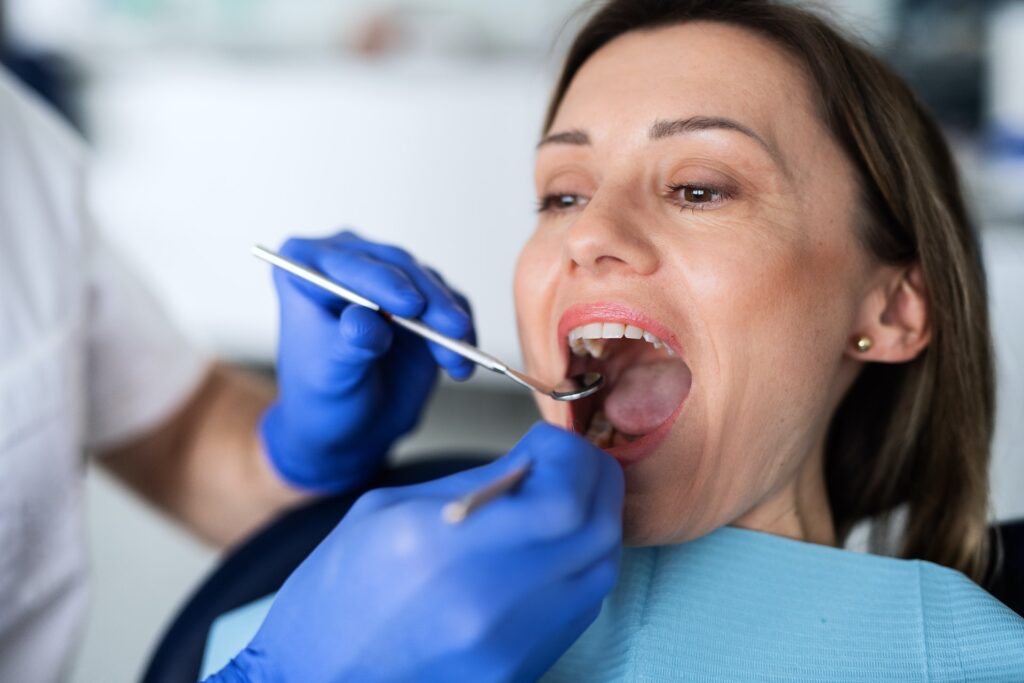
Teeth Bonding

Teeth Bonding is a cosmetic dentistry procedure that repairs chips, gaps, and other minor imperfections in teeth. Now, some of you may be interested in this procedure. To help you be more informed, we thought it would be useful to put together a brief discussion on this procedure. If this is something that you’re interested in learning more about, read on as we explain everything that you need to know about teeth bonding.

What is Teeth Bonding?

dental model

Teeth bonding is a cosmetic dentistry procedure used to improve the appearance of teeth. It involves the application of a composite resin material to the surface of the teeth, which is then shaped and hardened to improve the overall look and feel of the teeth. Bonding is used to repair chips and cracks, close gaps between teeth, and to make teeth look more symmetrical. It is also used to change the color of teeth or to make them look longer and more uniform.

Bonding is a relatively simple procedure that can usually be done in one visit to the dentist. The dentist will first prepare the tooth by gently roughening the surface and then applying a conditioning liquid which helps the bonding material bond to the tooth. A composite resin material is then applied to the tooth and shaped to the desired result. In some cases, the dentist may need to use a light to harden the material. Once the material has hardened, the dentist will trim and polish it to make it look natural.

Who Needs Teeth Bonding?

Teeth bonding can be used to correct a variety of dental issues, such as chips, cracks, discoloration, and gaps between teeth. It can also be used to make teeth appear longer or to fill in gaps between teeth. Bonding can also be used to reshape teeth that are too small. 

In addition to cosmetic purposes, bonding can also be used to protect teeth from further damage. If a tooth has been chipped or cracked, bonding can prevent the damage from becoming worse. Bonding can also be used to cover exposed roots, which can help protect against sensitivity and decay. 

Teeth bonding is an effective and relatively affordable way to improve the appearance of your teeth. It can be used to address a variety of dental issues, including chips, cracks, discoloration, and gaps between teeth. Additionally, it can be used to protect teeth from further damage and protect them from sensitivity and decay. If you’re looking for a way to improve the appearance of your teeth, talk to your dentist about whether teeth bonding is right for you.

What Are the Advantages of Teeth Bonding?

Implant-Dentistry

Teeth bonding is an advantageous procedure that can help restore the natural beauty of your smile. In this article, we’ll discuss the advantages of teeth bonding.

First, teeth bonding is a relatively fast and simple procedure. It can typically be completed in just one visit to the dentist, and the effects can last for many years. Also, teeth bonding is a very cost-effective way to improve your smile. The cost of the procedure is often much lower than other cosmetic dentistry options, such as veneers.

Second, teeth bonding is a painless procedure. Because it is minimally invasive, there is little to no discomfort associated with it. Additionally, the material used in teeth bonding is tooth-colored, so it blends in with the rest of your teeth.

Third, teeth bonding can be used to address a variety of dental issues. It can be used to fill gaps between teeth, repair chips and cracks, cover discoloration, and even reshape teeth. By doing so, it can help restore the natural beauty of your smile.

Finally, teeth bonding is a safe and effective way to improve the appearance of your teeth. Because the material used is biocompatible, it does not cause any adverse reactions. Furthermore, the material is durable and long-lasting, so it can provide many years of cosmetic improvement.

Conclusion

If you are interested in improving the appearance of your teeth, teeth bonding may be a good choice. It is important to discuss all of your options with your dentist, so that you can make an informed decision about the best treatment for your needs.

If you’re in need of a dentist in Pickering for teeth bonding, then you’ve come to the right place. Visit Pickering Dental Services for the best dental care for you and your family.

Looking for professional help? Learn more about our cosmetic dentistry in Pickering at Pickering Square Dental or call (905) 420-1777 to book an appointment.

Helpful Resources

For more information, visit the Canadian Dental Association Oral Health.

Frequently Asked Questions

How often should I visit the dentist?

The Canadian Dental Association recommends visiting your dentist at least twice a year for regular check-ups and cleanings. Some patients may need more frequent visits depending on their oral health needs. Call Pickering Square Dental at (905) 420-1777 to schedule your next appointment.

Do you accept the Canadian Dental Care Plan (CDCP)?

Yes, Pickering Square Dental participates in the Canadian Dental Care Plan. Our team can help you understand your coverage and ensure you receive the dental care you need. Contact us for more details about CDCP eligibility and benefits.

What services does Pickering Square Dental offer?

We offer a full range of dental services including family dentistry, emergency dental care, sedation dentistry, dental implants, laser dentistry, teeth whitening, root canal therapy, dental extractions, periodontal care, and cosmetic dentistry. Dr. Lean and our team serve patients in Pickering, Ajax, Whitby, and Scarborough.