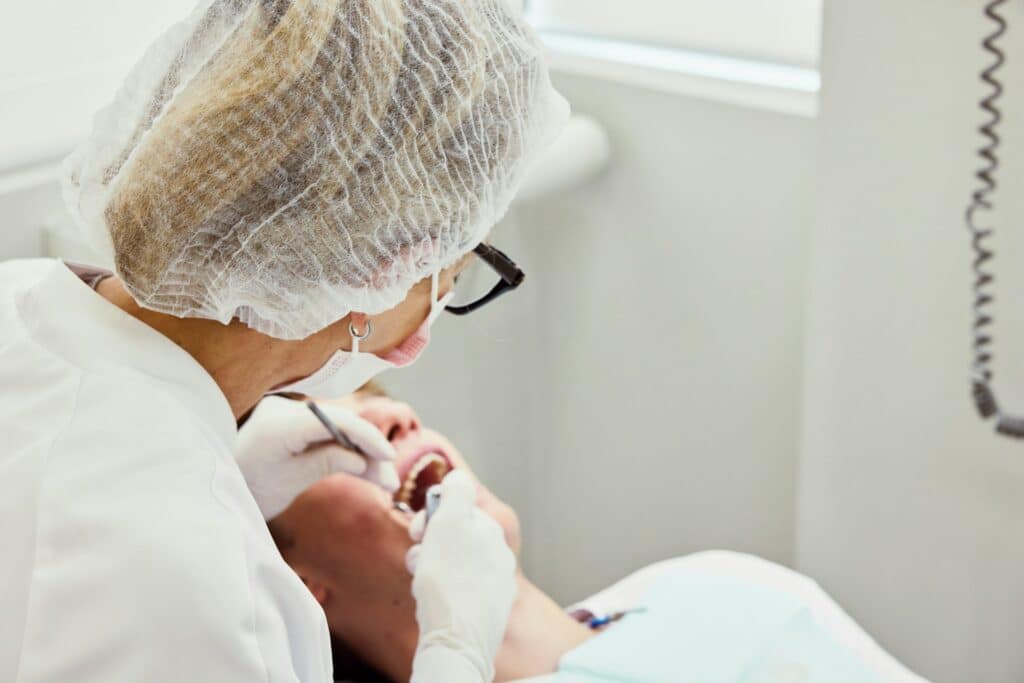
The Power of Cosmetic Dentistry: Enhancing Your Smile with Veneers

cosmetic dentistry

The power of a smile goes beyond expressing joy and friendliness; it’s one of the first features that others notice about us. However, many people feel self-conscious about their smiles due to discoloration, gaps, or misshapen teeth. Cosmetic dentistry offers solutions to these concerns, and one such solution is dental veneers. A veneer is a thin shell customized to fit over the visible surface of a tooth, providing an instant smile upgrade.

At Pickering Dental Services, we aim to give our patients the confidence of a beautiful and healthy smile. As experts in a range of family dentistry services, including veneers, we believe in informing our patients about their dental treatments. This post provides comprehensive details about dental veneers, answering the questions you might have about them, explaining the benefits, and walking you through the process of getting veneers.

Whether you’re considering cosmetic dental enhancements or curious about ways to improve your smile, learning about dental veneers can be a great starting point. Armed with knowledge about veneers and other cosmetic dentistry options, you can consult with your dentist to choose the best treatment for your unique needs.

Continue reading to learn how dental veneers, as a part of our aesthetic dentistry services at Pickering Dental Services, can unleash the power of your smile.

What are Dental Veneers?

pediatric dentistry

Dental veneers are thin, custom-made shells designed to cover the visible surface of teeth, typically crafted from porcelain or composite resin materials. Porcelain veneers, in particular, resemble natural teeth and are resistant to staining. They help improve the appearance of a patient’s smile by altering the shape, size, length, or color of the tooth. Veneers provide an ideal solution for addressing a variety of dental imperfections, such as:

1. Discolored or stained teeth

2. Worn-down or chipped teeth

3. Misaligned or uneven teeth

4. Teeth with small gaps

Cosmetic dentists mainly recommend porcelain veneers due to their long-lasting and natural appearance, which helps patients regain confidence in their smiles.

Benefits of Dental Veneers

Dental veneers offer numerous advantages, making them a popular choice among patients seeking cosmetic dental enhancements. Some of the key benefits of veneers include:

1. Improved Aesthetics: Veneers can correct multiple aesthetic concerns, such as discoloration, chips, or uneven tooth alignment, resulting in an attractive and balanced smile.

2. Durability and Resilience: Made of high-quality materials, veneers are strong and resistant to chipping and staining, ensuring that your smile remains bright and beautiful for an extended period.

3. Customization: Dental veneers are custom-designed to suit the unique characteristics of each patient’s teeth, ensuring a perfect, natural-looking fit and excellent harmony between the restored teeth and the adjacent ones.

4. Minimally Invasive Procedure: Veneers typically require minimal tooth reduction, preserving the natural structure of your teeth and allowing for a conservative approach to improving your smile.

The Process of Getting Dental Veneers

dental implant

To help you understand what to expect during the procedure, we’ve outlined the steps involved in getting dental veneers:

1. Consultation and Diagnosis: During your initial appointment, your dentist will review your dental history, conduct an oral examination, and discuss your aesthetic goals. This consultation is crucial for determining if veneers are the right option for your unique dental needs. If deemed suitable for veneers, you may undergo digital X-rays and impressions to create a precise treatment plan.

2. Tooth Preparation: The next step involves the removal of a small portion of the tooth’s enamel to make room for the veneers. This reduction is typically about 0.5 millimeters, ensuring a seamless and natural appearance. Your dentist may administer a local anesthetic to minimize any discomfort during the procedure.

3. Dental Impressions: After tooth preparation, your dentist will take an impression of your teeth to create a mold. This mold is then sent to a dental laboratory, where professionals will fabricate your custom veneers.

4. Temporary Veneers: While waiting for the lab to create your permanent veneers (typically a 2 to 4-week process), your dentist may place temporary veneers on your teeth to protect the prepared surfaces.

5. Veneer Placement: Once your custom veneers are ready, your dentist will remove the temporary veneers and clean your teeth thoroughly. To verify the color, shape, and fit of the veneers, your dentist will place them on your teeth and make any necessary adjustments. Once satisfactory, the veneers will be bonded to your teeth using special dental cement, followed by the application of ultraviolet light to harden and cure the cement quickly.

6. Follow-Up: You may have a follow-up appointment after a couple of weeks to ensure the veneers fit correctly and address any concerns or adjustments needed.

Maintaining Your Veneers

Dental veneers are a long-lasting solution; however, maintaining them is essential for preserving their appearance and function. Here are some tips to help you care for your new veneers:

1. Maintain Good Oral Hygiene: Brush your teeth at least twice a day, floss daily, and use a mouthwash to keep your teeth and gums healthy.

2. Regular Dental Checkups: Visit your dentist regularly to monitor the condition of your veneers and overall dental health.

3. Avoid Excessive Pressure: Refrain from biting on hard objects or using your teeth to open packages, as doing so may damage your veneers.

4. Limit Stain-Causing Foods and Beverages: Although veneers are stain-resistant, limiting the consumption of staining foods and beverages, such as coffee, tea, and red wine, can help maintain your veneers’ appearance.

Final Thoughts

Dental veneers provide an effective and aesthetically pleasing solution for individuals looking to enhance their smiles. By understanding the benefits of veneers, the process of getting them, and proper maintenance, you can make an informed decision about whether this cosmetic dental treatment is the right choice for you.

For a personalized consultation and expert guidance, contact the team at Pickering Dental Services to discuss how cosmetic dentistry, including dental veneers, can help you achieve the beautiful and confident smile you’ve always wanted.

Looking for professional help? Learn more about our cosmetic dentistry in Pickering at Pickering Square Dental or call (905) 420-1777 to book an appointment.

Helpful Resources

For more information, visit the CDA Dental Procedures Guide.

Frequently Asked Questions

How often should I visit the dentist?

The Canadian Dental Association recommends visiting your dentist at least twice a year for regular check-ups and cleanings. Some patients may need more frequent visits depending on their oral health needs. Call Pickering Square Dental at (905) 420-1777 to schedule your next appointment.

Do you accept the Canadian Dental Care Plan (CDCP)?

Yes, Pickering Square Dental participates in the Canadian Dental Care Plan. Our team can help you understand your coverage and ensure you receive the dental care you need. Contact us for more details about CDCP eligibility and benefits.

What services does Pickering Square Dental offer?

We offer a full range of dental services including family dentistry, emergency dental care, sedation dentistry, dental implants, laser dentistry, teeth whitening, root canal therapy, dental extractions, periodontal care, and cosmetic dentistry. Dr. Lean and our team serve patients in Pickering, Ajax, Whitby, and Scarborough.

Tooth-Coloured Dental Fillings: The Advantages and Esthetically Pleasing Solutions to Cavities

dental fillings

Tooth decay is a common dental issue faced by many individuals, and dental fillings are an integral part of addressing cavities and restoring oral health. With advancements in dental materials and techniques, tooth-coloured fillings have become the preferred choice for maintaining a natural-looking smile while effectively treating cavities. At our family dental care practice in Pickering, ON, we believe in providing the highest standard of care and up-to-date dental solutions to meet the needs and preferences of our patients. It is our goal to ensure that you understand your treatment options, helping you make informed decisions and feel confident in your dental care.

In this comprehensive guide, we will discuss the advantages of tooth-coloured fillings, the materials used, and the procedure itself. Our aim is to provide you with valuable information that can assist you in discussing your dental treatment options with your dental care team. Our dedicated professionals in Pickering, ON, are committed to offering patient-centred care, keeping your needs at the forefront of every dental decision.

The Advantages of Tooth-Coloured Dental Fillings

dental treatment

Tooth-coloured fillings offer a wide range of benefits that make them the preferred choice for treating cavities, both large and small:

1. Aesthetic Appeal: The primary advantage of tooth-coloured dental fillings is their ability to blend seamlessly with the natural tooth colour, providing a visually pleasing restorative solution.

2. Preservation of Tooth Structure: These fillings require the removal of less healthy tooth structure compared to traditional amalgam (silver) fillings, leading to more conservative dental treatments.

3. Bonding to Tooth Structure: Tooth-coloured fillings bond directly to the tooth, providing additional strength and support and helping to limit further decay. Learn more about root canal therapy.

4. No Health Concerns: Unlike amalgam fillings, tooth-coloured fillings do not contain mercury, eliminating potential worries about any health effects of mercury exposure.

5. Durability: Modern tooth-coloured dental fillings are designed to be long-lasting and durable, withstanding the everyday forces of chewing for a substantial period.

Materials Used for Tooth-Coloured Dental Fillings

Tooth-coloured dental fillings can be made from a variety of materials, each providing unique benefits suitable for different patient needs:

1. Composite Resin Fillings: The most common tooth-coloured filling material, composite resin, consists of a mixture of plastic and fine glass particles. It can be custom-coloured to match your native teeth and offers excellent bonding and durability. It is suitable for small to moderate-sized cavities.

2. Glass Ionomer Fillings: This filling material is a mixture of acrylic and glass particles, providing a more flexible solution, with the added benefit of releasing fluoride over time to help prevent future decay. Glass ionomer fillings are generally used in areas not subjected to heavy chewing, such as in baby teeth or near the gum line.

3. Porcelain Fillings: Porcelain fillings, also known as inlays or onlays, are custom-crafted in a dental laboratory and offer excellent aesthetics and strength. They are often used for larger cavities or when additional strength is needed.

The Procedure for Placing Tooth-Coloured Fillings

dental model

The process of placing a tooth-coloured filling is relatively straightforward and can generally be completed in a single appointment:

1. Preparation: First, we will ensure that you are comfortable and administer a local anesthetic to numb the area, if necessary. Any decayed or damaged tooth structure will be carefully removed to prepare the tooth for the filling.

2. Filling Placement: Depending on the material chosen, the tooth-coloured filling will be applied and shaped to fit the cavity space. Composite resin fillings are placed in layers and cured (hardened) with a special light, ensuring optimum bonding to the tooth. Glass ionomer fillings require less layering and are less technique-sensitive. Porcelain inlays or onlays are custom-made in a dental laboratory and are then cemented into place on the prepared tooth.

3. Final Adjustments: Once the filling is placed, minor adjustments will be made to ensure proper fit and comfortable bite contact.

4. Post-Treatment Care: Following the placement of a tooth-coloured filling, you may experience mild sensitivity in the treated area, which should subside within a few days. Good oral hygiene habits, including regular brushing, flossing, and dental check-ups, will help prolong the longevity of your tooth-coloured dental fillings.

Conclusion

Tooth-coloured dental fillings provide an aesthetically pleasing and effective solution for treating cavities and maintaining a natural-looking smile. By understanding the advantages, materials, and procedures involved, you can make informed decisions about your dental treatment options and collaborate with your dental care team to ensure the best possible outcome for your unique dental needs. 

Our experienced and compassionate team at Pickering Dental Services in Pickering, ON, is here to guide you through the process and ensure a personalized dental care experience that addresses your individual needs and preferences. Contact us today to schedule a consultation, and let us help you achieve a healthy, radiant smile with tooth-coloured dental fillings and other dental services in Pickering

Helpful Resources

For more information, visit the Canadian Dental Association Oral Health.

Schedule Your Appointment Today

Contact Pickering Square Dental to book your appointment with Dr. Marvin Lean. Call us at (905) 420-1777 or visit us at 1450 Kingston Rd, Unit #4, Pickering, ON.

Frequently Asked Questions

How often should I visit the dentist?

The Canadian Dental Association recommends visiting your dentist at least twice a year for regular check-ups and cleanings. Some patients may need more frequent visits depending on their oral health needs. Call Pickering Square Dental at (905) 420-1777 to schedule your next appointment.

Do you accept the Canadian Dental Care Plan (CDCP)?

Yes, Pickering Square Dental participates in the Canadian Dental Care Plan. Our team can help you understand your coverage and ensure you receive the dental care you need. Contact us for more details about CDCP eligibility and benefits.

What services does Pickering Square Dental offer?

We offer a full range of dental services including family dentistry, emergency dental care, sedation dentistry, dental implants, laser dentistry, teeth whitening, root canal therapy, dental extractions, periodontal care, and cosmetic dentistry. Dr. Lean and our team serve patients in Pickering, Ajax, Whitby, and Scarborough.

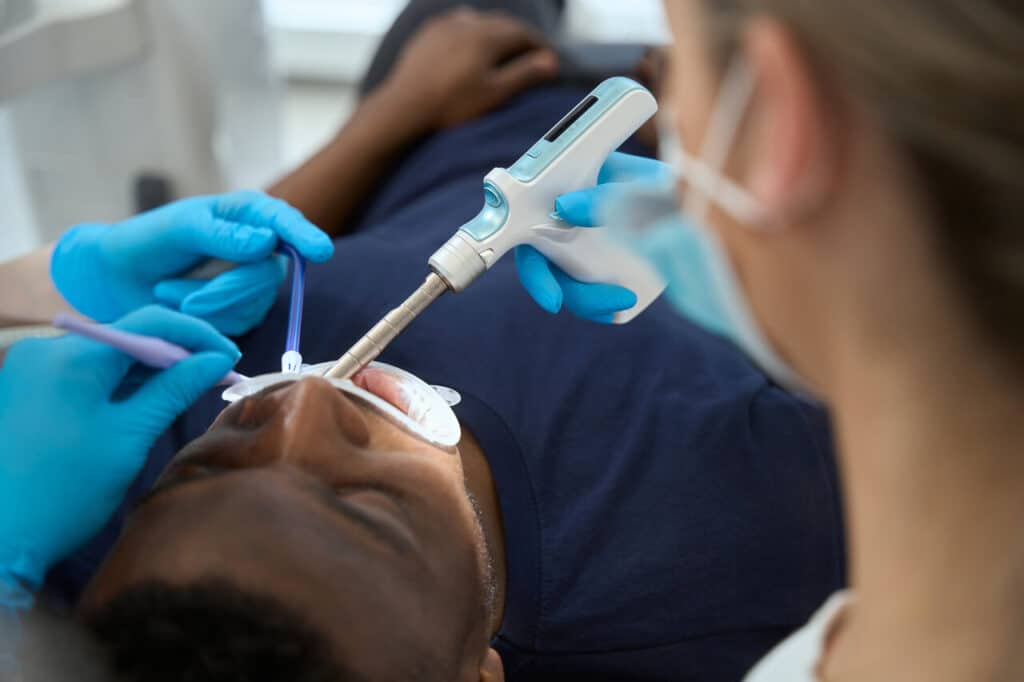
Understanding Sedation Dentistry: Safely Easing Dental Anxiety and Enabling Comfortable Dental Care
dental treatment

Facing dental anxiety is not uncommon, and for some individuals, it can act as a significant barrier to seeking necessary dental care. At our family dental care practice in Pickering, ON, we understand that providing a comfortable and relaxing environment is crucial for ensuring a positive dental experience. That’s why we offer sedation dentistry as an effective solution for patients who experience dental anxiety or have difficulty undergoing dental treatments due to extreme sensitivity or other concerns. Our aim is to empower you with knowledge about the sedation options available, helping you make informed decisions about your dental care and fostering a greater level of trust and comfort between you and your dental team.

In this article, we will discuss the various aspects of sedation dentistry, including its benefits, the different types of sedation, and how it can aid in a wide range of dental procedures. By shedding light on this essential aspect of dental care, we hope to alleviate some of the misconceptions and fears surrounding dentistry and make it more accessible for all patients. Our dedicated team of dental professionals in Pickering, ON, is committed to providing compassionate, personalized care, ensuring that you receive the highest level of comfort and attentiveness throughout your dental journey.

Benefits of Sedation Dentistry

dental treatment

Sedation dentistry offers numerous benefits, particularly for patients who face dental anxiety or have difficulty tolerating dental treatments:

1. Anxiety Relief: Sedation can significantly reduce or eliminate feelings of anxiety and fear, allowing patients to feel more relaxed during dental procedures.

2. Pain Management: Sedation can help manage sensitivity or discomfort during dental treatments, making the experience more comfortable.

3. Better Cooperation: Some patients may have difficulty remaining still or cooperatively sitting through dental procedures, especially those with special needs or younger children. Sedation can help increase cooperation and ensure a safer environment for dental care.

4. Time-saving: With sedation, dentists can often perform treatments that would typically require multiple appointments more efficiently by reducing anxiety and discomfort. Learn more about emergency dental care in Pickering.

Common Types of Sedation Dentistry

There are several types of sedation available, each offering different levels of relaxation and suited for different patient needs or dental procedures:

1. Nitrous Oxide (Laughing Gas): This is the mildest form of sedation and is administered through a comfortable mask placed over the nose. It provides a sense of relaxation and mild euphoria, and its effects wear off quickly, allowing patients to safely drive themselves home after the appointment.

2. Oral Sedation: Oral sedation is administered through a prescription pill taken before the dental appointment, providing a moderate level of sedation. Patients typically remain conscious but feel very relaxed and may have limited memory of the procedure.

3. IV Sedation: Intravenous sedation provides deeper relaxation and is administered directly into the bloodstream. The level of sedation can be adjusted throughout the procedure, and patients may have little or no recollection of the treatment.

4. General Anesthesia: General anesthesia is reserved for extensive dental procedures, or when the patient’s physical or emotional well-being requires it. It renders the patient completely unconscious during the procedure, and patients will need time to recover from its effects under the supervision of a medical professional.

Determining the Right Level of Sedation

child brushing teeth

The appropriate level of sedation will depend on factors such as the patient’s degree of anxiety, the type of dental procedure, and their overall medical history. Our dental team will work closely with you to determine the most suitable sedation option based on your individual needs and preferences.

Safety and Monitoring During Sedation

Providing a safe environment is a top priority for us, and sedation dentistry is no exception. During your dental treatment, our team will monitor your vital signs and well-being, ensuring that you remain comfortable and safe throughout the procedure. Additionally, all sedation modalities are administered by trained and certified professionals and adhere to strict safety guidelines.

Beyond Anxiety – Other Applications of Sedation Dentistry

While sedation dentistry is especially beneficial for patients with dental anxiety, it can also be helpful in several other situations:

1. Gag Reflex Management: Patients with a strong gag reflex can benefit from sedation, making dental procedures more comfortable and manageable.

2. Lengthy Procedures: Sedation can help patients who require extensive dental treatments or multiple procedures in one visit feel more relaxed and at ease.

3. Surgical Procedures: Oral surgery treatments, such as wisdom tooth extraction or dental implants, often require some form of sedation to ensure patient comfort and successful outcomes.

Conclusion

Sedation dentistry provides a valuable solution for patients seeking a more comfortable and anxiety-free dental experience. By understanding the various types of sedation and their benefits, you can make informed decisions about the best way to manage your dental anxiety or sensitivity during dental procedures. 

Our caring and experienced team at Pickering Dental Services in Pickering, ON, is here to help you navigate your sedation dentistry options, providing you with a dental experience tailored to your unique needs and preferences. Contact us today to schedule a consultation, and let us help you overcome your dental anxiety and achieve a healthy, beautiful smile.

Helpful Resources

For more information, visit the CDA Guide to Sedation Dentistry.

Schedule Your Appointment Today

Contact Pickering Square Dental to book your appointment with Dr. Marvin Lean. Call us at (905) 420-1777 or visit us at 1450 Kingston Rd, Unit #4, Pickering, ON.

Frequently Asked Questions

Is sedation dentistry safe?

Yes, sedation dentistry is very safe when administered by a trained dental professional. Dr. Lean at Pickering Square Dental monitors your vital signs throughout the procedure to ensure your comfort and safety.

Will I be unconscious during sedation dentistry?

It depends on the level of sedation. Mild sedation keeps you relaxed but awake. Moderate sedation may make you drowsy, though you can still respond. Deep sedation is used for complex procedures. Dr. Lean will recommend the right level for your needs.

How long does sedation last?

Nitrous oxide (laughing gas) wears off within minutes. Oral sedation may take a few hours to fully wear off, so you will need someone to drive you home. Our Pickering team will give you specific aftercare instructions.

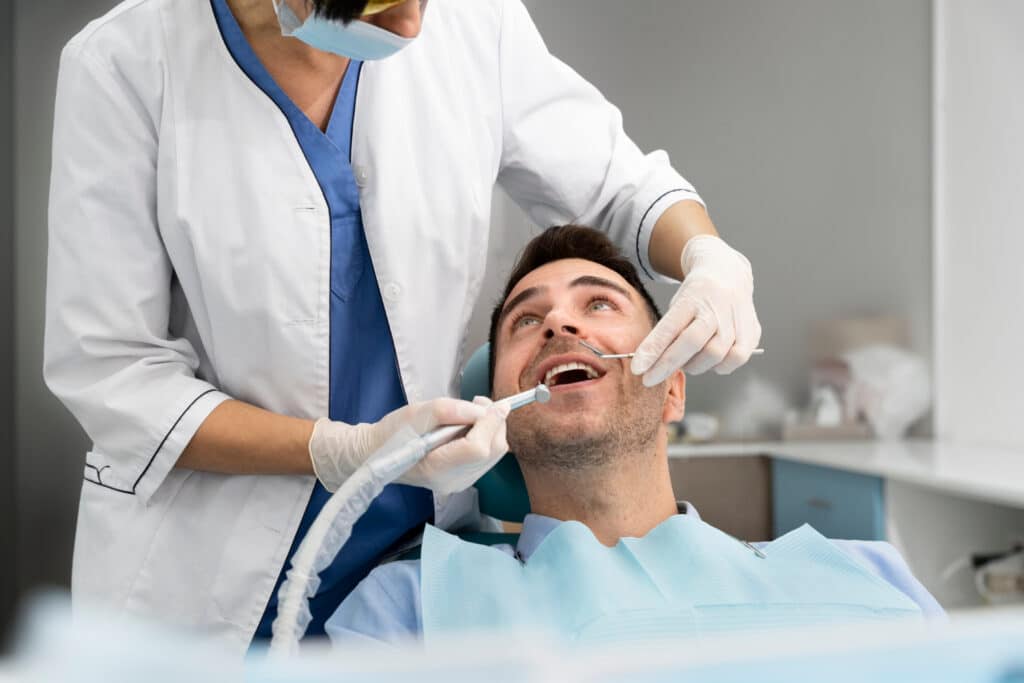
Understanding Dental Implants: Your Complete Guide to a Smile Restoration Solution
dental implant

Missing teeth can significantly impact an individual’s smile, self-esteem, and overall oral health. Dental implants have become an increasingly popular solution for replacing missing teeth and restoring the natural appearance and function of your smile. As a family dental care provider in Pickering, ON, our goal is to provide comprehensive information and guidance to help you make well-informed decisions about your dental health, including understanding the benefits and procedures surrounding dental implants.

In this in-depth guide, we will cover the essential aspects of dental implants, including the components that make up the implant, the process and timeline of their placement, and considerations for determining whether you are an ideal candidate. Furthermore, we will delve into the advantages dental implants offer when compared to traditional tooth replacement options such as dental bridges or dentures, touching upon their durability, health, and aesthetic benefits.

Components of Dental Implants

dental implant

Dental implants consist of three main components that work together to create a stable and natural-looking tooth replacement:

1. Implant: The implant itself is a small titanium post that serves as the artificial tooth root. It is surgically placed into the jawbone, providing a strong and stable foundation for the replacement tooth.

2. Abutment: The abutment is a connector piece that attaches to the implant, functioning as a support structure for the dental crown.

3. Dental Crown: The dental crown is a custom-made, tooth-shaped restoration that is mounted onto the abutment, replicating the appearance of a natural tooth.

The Dental Implant Process and Timeline

The dental implant placement process typically involves several stages and visits over a few months, depending on your individual needs and healing times.

1. Initial Consultation: Firstly, a comprehensive oral evaluation will be performed to assess your overall dental and medical health, followed by a discussion about your treatment options and goals. Learn more about teeth whitening and aesthetics.

2. Tooth Extraction and Bone Grafting (if necessary): In some cases, a tooth extraction may be required before implant placement. Additionally, if there is insufficient bone density in the jaw, a bone grafting procedure may need to be performed to create an adequate foundation for the implant.

3. Implant Placement: During this stage, the titanium implant post is surgically inserted into the jawbone. A healing cap may be placed to protect the implant site during the healing phase.

4. Osseointegration: After implant placement, a period of osseointegration (bone fusion) follows, typically lasting several months. This involves the implant post securely bonding with the jawbone, creating a strong foundation for the replacement tooth.

5. Abutment Placement: Once osseointegration is complete, the abutment is attached to the implant, followed by a few weeks of healing time.

6. Dental Crown Placement: Finally, your custom-made dental crown is securely fastened to the abutment, completing your new smile.

Determining Your Candidacy for Dental Implants

dental implant

There are several factors to be considered when determining if dental implants are the right solution for you:

1. Oral Health: Ideal candidates for dental implants should have good overall oral health and be free of gum disease or other conditions that might affect implant success.

2. Jawbone Density: An adequate amount of jawbone is necessary to support the implant post securely. In some cases, bone grafting may be required to build up the jawbone.

3. Smoking Status: Smokers may have a higher risk of dental implant complications and failure, so quitting or reducing smoking is highly recommended.

4. Medical Health: Certain medical conditions or medications can impact the success of dental implants and must be discussed with your dentist during your consultation.

The Benefits of Dental Implants

Dental implants offer numerous advantages when compared to traditional tooth replacement options such as dental bridges or dentures:

1. Natural Appearance: Dental implants mimic the look of natural teeth, seamlessly blending in with your existing smile.

2. Improved Function: Unlike dentures that can move or slip, dental implants are secure and stable, allowing you to eat, speak, and laugh with confidence.

3. Preservation of Jawbone: Dental implants stimulate the jawbone, preventing bone loss that often occurs with tooth loss, maintaining your facial structure, and reducing the risk of future dental issues.

4. Longevity: With proper care and maintenance, dental implants can last for decades, making them a long-lasting and cost-effective tooth replacement option.

5. Better Oral Health: Dental implants do not require the alteration of neighbouring teeth, as dental bridges do, preserving the overall health of your remaining teeth.

Conclusion

Dental implants are an exceptional solution for replacing missing teeth and restoring the appearance and function of your smile. By understanding the components, processes, and benefits associated with dental implants, you can make a well-informed decision about your oral health. Our dedicated and knowledgeable team in Pickering, ON, is here to guide you through every step of your dental implant journey and provide you with the professional care and expertise you deserve. 

Contact our team at Pickering Dental Services today to book a consultation and discover how dental implants in Pickering can transform your smile and change your life for the better.

Helpful Resources

For more information, visit the Canadian Dental Association on Dental Implants.

Schedule Your Appointment Today

Contact Pickering Square Dental to book your appointment with Dr. Marvin Lean. Call us at (905) 420-1777 or visit us at 1450 Kingston Rd, Unit #4, Pickering, ON.

Frequently Asked Questions

How long do dental implants last?

With proper care and regular dental check-ups, dental implants can last 25 years or more. Many patients enjoy their implants for a lifetime. At Pickering Square Dental, Dr. Lean uses high-quality titanium implants designed for long-term durability.

Are dental implants painful?

Most patients report less discomfort than expected. The procedure is performed under local anaesthesia, and sedation options are available. Post-procedure soreness typically resolves within a few days with over-the-counter pain relief.

Am I a candidate for dental implants?

Most adults with good general health are candidates for dental implants. You need adequate jawbone density to support the implant. Dr. Lean will assess your bone health and overall suitability during a consultation at our Pickering office.

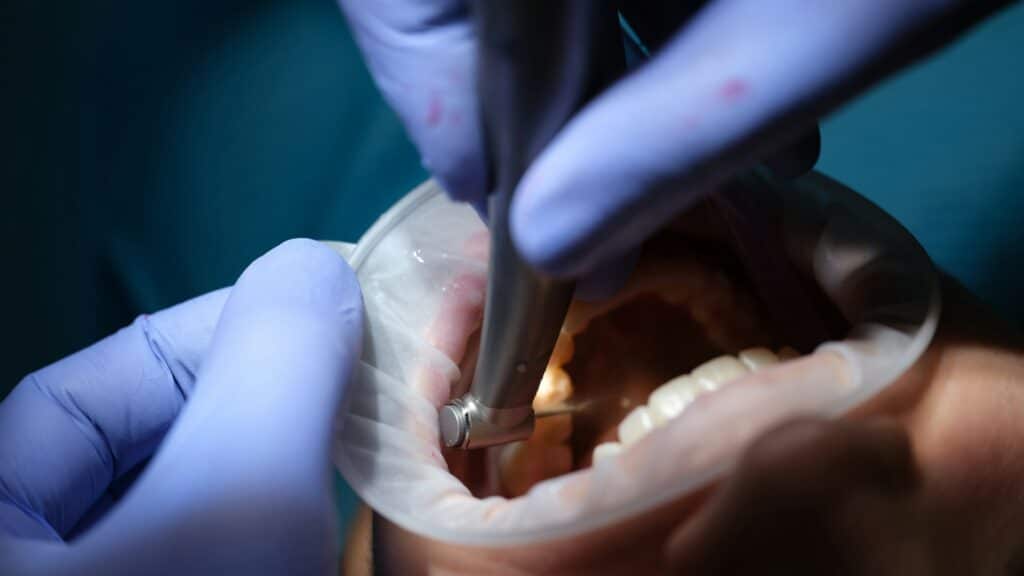
The Role of Crowns and Bridges in Restorative Dentistry: Enhancing Your Smile and Oral Health
restorative dentistry

Accidents, decay, and wear can all contribute to damaged or missing teeth, impacting the function and appearance of your smile. Crowns and bridges are common restorative dental treatments used to repair or replace damaged teeth, helping to restore your oral health and enhance the beauty of your smile. As a family dental care provider in Pickering, ON, we understand the importance of preserving your natural teeth, as well as providing solutions when tooth damage or loss occurs. We are committed to delivering comprehensive and informative content to assist you in making informed decisions about your dental care options.

In this article, we will explore the world of crowns and bridges, diving into their roles in restorative dentistry, the materials used, and the procedures involved in the creation and placement of these dental restorations. Additionally, we will discuss the benefits of crowns and bridges, including their ability to improve your oral health, function, and aesthetics, as well as tips for maintaining your dental restorations and prolonging their longevity.

Understanding Dental Crowns

Dental Bridge

Dental crowns are tooth-shaped restorations that completely cover or “cap” damaged teeth, effectively protecting and strengthening them. They can also be used in conjunction with dental implants to replace missing teeth. Crowns play a vital role in restorative dentistry for the following situations:

1. Repairing damaged teeth: Teeth with significant decay, fractures or cracks, or those that have undergone root canal therapy can be restored with dental crowns.

2. Improving aesthetics: Sometimes, crowns may be used to enhance the appearance of discoloured or misshapen teeth.

3. Replacing missing teeth: When used in conjunction with dental implants, crowns can replace a single missing tooth or multiple teeth, depending on the patient’s needs.

Dental Crown Materials

Several materials can be used to create dental crowns, including porcelain, resin, metal, or porcelain fused to metal (PFM). The choice of material often depends on the location of the tooth, aesthetic preferences, and other factors:

1. Porcelain: Porcelain crowns are popular for their natural appearance, closely resembling the colour and translucency of natural teeth. They are often used for front teeth. Learn more about family dentistry services in Pickering.

2. Resin: Resin crowns can be more affordable than other materials and can be colour-matched to your natural teeth. However, they tend to be less durable and may require replacement sooner.

3. Metal: Metal crowns, typically made from alloys like gold or stainless steel, are highly durable and often used for molars that are not visible when smiling.

4. Porcelain Fused to Metal (PFM): PFM crowns combine the benefits of both porcelain and metal, offering durability as well as a natural-looking appearance.

All About Dental Bridges

implant dentistry

Dental bridges are restorative dental treatments used to replace one or more missing teeth. A bridge is made up of two or more dental crowns, called abutment teeth, which are placed over the natural teeth adjacent to the gap, and one or more artificial teeth, called pontics, that fill the gap. The main types of dental bridges include:

1. Traditional Bridges: These bridges consist of a pontic(s) held in place by two dental crowns. Traditional bridges can be used when there are natural teeth on both sides of the gap.

2. Cantilever Bridges: Cantilever bridges involve attaching the pontic(s) to a single abutment tooth. This type of bridge may be used when there’s only one natural tooth next to the gap.

3. Maryland Bridges: These bridges use a metal or porcelain framework to hold the pontic(s) in place, preserving more of the adjacent tooth structure. They are typically used for replacing front teeth.

Benefits of Crowns and Bridges

Crowns and bridges offer numerous advantages for improving your oral health, function, and aesthetics:

1. Restored Function: Both crowns and bridges provide a stronger bite and improved chewing capabilities by supporting and replacing damaged or missing teeth.

2. Aesthetic Improvements: Dental crowns and bridges restore the natural look of your smile by covering unsightly teeth or filling gaps left by missing teeth.

3. Oral Health Benefits: Crowns and bridges help prevent further deterioration of damaged teeth and reduce the risk of adjacent teeth shifting into the gap left by missing teeth.

4. Longevity: With proper care and maintenance, crowns and bridges can last for many years, providing a durable and cost-effective dental solution.

Caring for Your Dental Restorations

Maintaining good oral hygiene and regular dental check-ups are essential for the longevity of your dental crowns and bridges:

1. Brush and floss daily: Keeping your teeth and gums healthy is essential for the success of your dental restorations.

2. Avoid hard or sticky foods: Some foods can potentially damage your dental crown or bridge, so it’s best to avoid them.

3. Schedule regular dental check-ups: Regular check-ups will help ensure the continued health and success of your dental restorations.

Conclusion

Dental crowns and bridges are valuable tools in restorative dentistry, helping to repair or replace damaged teeth and restore your oral health and smile. By understanding the procedures and benefits associated with these restorations, you can make knowledgeable decisions about your dental care. Our dedicated team of dental professionals at Pickering Dental Services is here to provide comprehensive and compassionate care, helping you achieve a healthy, beautiful smile. 

Contact us today to schedule a consultation and learn more about how crowns bridges and other dental services in Pickering can enhance your smile and improve your oral health.

Helpful Resources

For more information, visit the Canadian Dental Association Oral Health.

Schedule Your Appointment Today

Contact Pickering Square Dental to book your appointment with Dr. Marvin Lean. Call us at (905) 420-1777 or visit us at 1450 Kingston Rd, Unit #4, Pickering, ON.

Frequently Asked Questions

How often should I visit the dentist?

The Canadian Dental Association recommends visiting your dentist at least twice a year for regular check-ups and cleanings. Some patients may need more frequent visits depending on their oral health needs. Call Pickering Square Dental at (905) 420-1777 to schedule your next appointment.

Do you accept the Canadian Dental Care Plan (CDCP)?

Yes, Pickering Square Dental participates in the Canadian Dental Care Plan. Our team can help you understand your coverage and ensure you receive the dental care you need. Contact us for more details about CDCP eligibility and benefits.

What services does Pickering Square Dental offer?

We offer a full range of dental services including family dentistry, emergency dental care, sedation dentistry, dental implants, laser dentistry, teeth whitening, root canal therapy, dental extractions, periodontal care, and cosmetic dentistry. Dr. Lean and our team serve patients in Pickering, Ajax, Whitby, and Scarborough.

Kids’ Corner: Making Oral Health Fun for the Whole Family

child brushing teeth

Teaching your kids the importance of maintaining their oral health can seem challenging. However, with the right approach and support from a family-focused dental care provider like Pickering Dental Services in Pickering, ON, you can instill healthy habits and make dental care an enjoyable experience for the whole family.

Dive into this 1000-word article as we share engaging strategies and tips to encourage young children to take care of their teeth and gums while making the process enjoyable for everyone involved. Exciting activities, interactive tools, and family teamwork can transform your daily oral hygiene routine into an adventure that promises a lifetime of healthy smiles.

1. Turn Oral Hygiene into a Game

Dental Implants

Making oral hygiene a fun and engaging experience will encourage children to participate willingly in their dental care routine. Here are a few ideas to help turn daily tooth brushing and flossing into an exciting game:

– Brush and floss along with your child: Make brushing and flossing a family event, as children often learn by imitation. The more they see you enjoying and practicing proper oral hygiene, the more likely they will be to embrace it and make it a habit.

– Set a timer: Challenge your kids to brush their teeth for a full two minutes by setting a timer. Encourage them to reach every tooth surface and congratulate them on their thoroughness once the timer goes off.

– Create a brushing competition: If you have multiple children, encourage a friendly competition to see who can thoroughly brush their teeth for the entire two minutes or have the cleanest teeth after brushing.

– Make dental care a part of their playtime: Incorporate dental care tools, such as toothbrushes, floss, and mouthwash, into your child’s playtime using their favourite toys and action figures. Playfully teach them the importance of oral care and proper techniques through imaginative play.

2. Use Kid-Friendly Dental Products

Kid-friendly dental products can make oral hygiene more approachable and enjoyable for your child. Look for products that suit their age and preferences:

– Choose colourful, age-appropriate toothbrushes: Select a toothbrush with your child’s favourite colours or characters on it. Ensure it is the appropriate size for their age and has soft bristles for gentle cleaning. Learn more about Canadian Dental Care Plan.

– Experiment with toothpaste flavours: Opt for child-friendly toothpaste flavours, such as strawberry or bubblegum, to make brushing more appealing. When they are old enough to use fluoride toothpaste, involve them in selecting their preferred flavour.

– Introduce fun flossing tools: Flossing can be challenging for young children, but kid-friendly floss picks or floss holders in appealing colours and designs can make it easier and more engaging.

– Use interactive rinses: Alcohol-free, flavoured mouthwashes designed for children can add excitement to their dental routine. Ensure your child is old enough to use mouthwash without swallowing it before introducing this step.

3. Establish a Reward System

Sedation Dentistry

Positive reinforcement can motivate your child to maintain their oral hygiene consistently. Establish a reward system using the following ideas:

– Create a brushing and flossing chart: Hang a colourful chart in the bathroom where your child can track their brushing and flossing habits. They can add a sticker or mark each time they complete their dental care routine.

– Offer small rewards: Encourage consistent oral care with small rewards, such as choosing a bedtime story, extra playtime, or a special treat at the end of the week if they maintain good oral hygiene throughout the week.

– Celebrate milestones: Acknowledge significant milestones, such as losing a baby tooth or a successful dental visit, with a small celebration or reward.

4. Educate Children About Oral Health

Help your child understand the importance of maintaining good oral health and the consequences of neglecting it. This can be done through various interactive and fun methods:

– Watch educational videos or shows: Find age-appropriate videos or TV shows that teach children about oral health in an entertaining manner.

– Read books on dental care: Visit your local library or swipe through online book stores to find books that present oral health concepts in captivating ways for children.

– Family discussions: Use mealtimes or other family gatherings to discuss the importance of maintaining good oral hygiene and how it connects to their overall health.

5. Foster Positive Dental Visits

A lifelong appreciation of oral health requires positive experiences during dental visits. The following tips can support your child in embracing their dental appointments:

– Start early: Schedule your child’s first dental visit when their primary teeth start to emerge or by the age of one. Early introduction to dental visits allows for early detection of any dental issues and helps the child become familiar and comfortable with the dental environment.

– Choose a family dental care provider: Select a dental clinic, like Pickering Dental Services, that caters to the entire family, providing age-specific dental treatments in a warm, welcoming atmosphere.

– Review the appointment beforehand: Walk your child through a dental appointment, explaining what they can expect, and discuss the importance of routine checkups and cleanings.

– Positive language: Use reassuring and positive language when talking about dental visits. Avoid mentioning negative terms or past negative experiences.

By incorporating these tips into your family’s daily routine, you can establish a solid foundation for healthy oral care habits that your children will carry with them into adulthood. Engaging activities, supportive discussions, and positive reinforcement can make oral care enjoyable and foster a lifelong appreciation for a healthy smile.

Building Healthy Smiles with Pickering Dental Services

Establishing good oral health habits early in life sets the foundation for a lifetime of healthy smiles. By making dental care enjoyable and fun for your children, you can significantly increase their chances of maintaining optimal oral health throughout their lives. Pickering Dental Services, your trusted family dental care in Pickering, ON, is dedicated to ensuring a positive experience for kids and their families during each visit.

Give your child the gift of exceptional dental care that supports their oral health journey in a fun and engaging way. Schedule an appointment with our oral surgeon in Pickering at Pickering Dental Services today and allow us to help you build a foundation for a lifetime of healthy, happy smiles. With our dedication to personalized care and a welcoming environment, we can make dental care enjoyable for the entire family.

Helpful Resources

For more information, visit the Canadian Dental Association Oral Health.

Schedule Your Appointment Today

Contact Pickering Square Dental to book your appointment with Dr. Marvin Lean. Call us at (905) 420-1777 or visit us at 1450 Kingston Rd, Unit #4, Pickering, ON.

Frequently Asked Questions

How often should I visit the dentist?

The Canadian Dental Association recommends visiting your dentist at least twice a year for regular check-ups and cleanings. Some patients may need more frequent visits depending on their oral health needs. Call Pickering Square Dental at (905) 420-1777 to schedule your next appointment.

Do you accept the Canadian Dental Care Plan (CDCP)?

Yes, Pickering Square Dental participates in the Canadian Dental Care Plan. Our team can help you understand your coverage and ensure you receive the dental care you need. Contact us for more details about CDCP eligibility and benefits.

What services does Pickering Square Dental offer?

We offer a full range of dental services including family dentistry, emergency dental care, sedation dentistry, dental implants, laser dentistry, teeth whitening, root canal therapy, dental extractions, periodontal care, and cosmetic dentistry. Dr. Lean and our team serve patients in Pickering, Ajax, Whitby, and Scarborough.

Sedation Dentistry: Experience Comfort and Ease During Dental Procedures
dental treatment

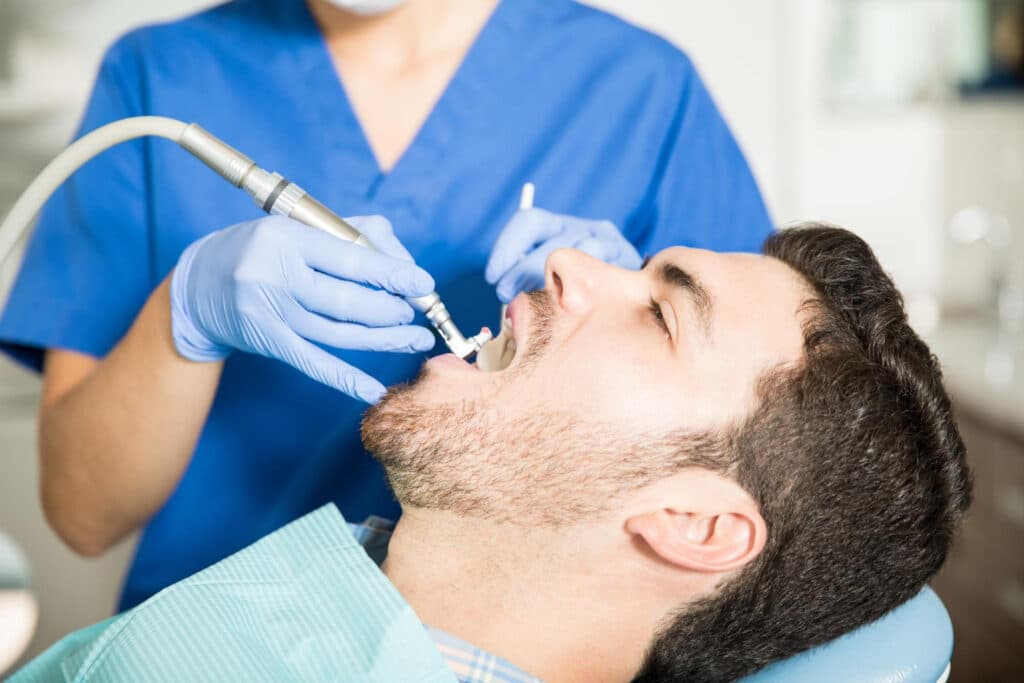
At our dental practice, we are dedicated to ensuring that our patients receive the best possible care in a comfortable and anxiety-free environment. One way we achieve this is through sedation dentistry, a specialized service designed to help patients relax during dental procedures, whether it be a simple cleaning or a more complex treatment. Sedation dentistry makes dental visits more comfortable for those who experience anxiety or fear associated with dental care, or who have specific medical conditions that might require sedation management.

Sedation dentistry encompasses various levels of sedation and sedative methods, allowing for a tailored approach to meet each patient’s unique needs. From minimal to deep sedation levels, we can help ensure that you remain relaxed and at ease regarding your dental care – all without compromising the quality of the treatment provided.

In this comprehensive guide, we will discuss the different levels and types of sedation dentistry, highlighting the advantages it offers for patients with dental anxiety, special needs, or who require more complex procedures. Furthermore, we will outline the safety measures and precautions taken by our experienced dental team to guarantee a secure and comfortable experience. Our aim is to provide you with the knowledge necessary to make an informed decision about incorporating sedation dentistry into your dental care plan.

Understanding the Levels of Sedation Dentistry

veneers

Sedation dentistry offers varying levels of sedation to accommodate different patient needs and dental procedures. The four primary sedation levels include:

1. Minimal Sedation

Also known as anxiolysis, minimal sedation induces a state of relaxation through the use of mild sedatives such as nitrous oxide or oral medication. Patients remain fully awake and can respond to verbal commands but feel less anxious and more at ease during dental treatments.

2. Moderate Sedation

Moderate sedation, formerly known as conscious sedation, leaves the patient feeling drowsy, and they may even experience short-term memory loss. Oral or intravenous (IV) sedation are commonly employed for moderate sedation. Patients remain responsive, but their speech may be slurred, and they may not remember much of the procedure. Learn more about emergency dental care in Pickering.

3. Deep Sedation

During deep sedation, patients are on the edge of consciousness but still partially responsive. They can often be aroused with repeated stimulation. IV sedation or general anesthesia may be used for this level of sedation and is typically reserved for more complex dental procedures or individuals with extreme dental anxiety or special needs.

4. General Anesthesia

General anesthesia is the highest level of sedation, rendering patients completely unconscious and unresponsive. This level of sedation is reserved for complicated oral surgeries or when deemed medically necessary by the dentist.

Types of Sedation Dentistry

Several methods can be used to deliver sedative medications during dental procedures. These include:

1. Nitrous Oxide

Commonly known as “laughing gas,” nitrous oxide is a colorless, odorless gas mixed with oxygen and inhaled through a mask placed over the patient’s nose. It induces a mild to moderate level of relaxation and wears off quickly, allowing the patient to drive home after the appointment.

2. Oral Sedation

Oral sedation involves taking a prescribed sedative pill, such as Valium or Halcion, before the dental appointment. The level of sedation depends on the dosage given, with higher dosages providing more profound relaxation. Patients will need someone to accompany them to and from the dental office, as the effects may last for several hours.

3. Intravenous (IV) Sedation

IV sedation refers to the administration of sedative medication directly into the patient’s bloodstream through a needle inserted into a vein. This method allows for a more rapid onset and precise control of the sedation level. While commonly used for moderate to deep sedation, patients will need an escort to and from the dental office.

Safety Measures and Precautions in Sedation Dentistry

tooth-coloured fillings

Our dental team is committed to ensuring the safety and well-being of our patients during sedation dentistry. Key safety measures and precautions include:

1. Pre-Procedure Assessment

A thorough pre-treatment assessment, including a review of the patient’s medical history and current medications, helps determine the appropriate type and level of sedation required.

2. Monitoring Equipment

During the procedure, the patient’s vitals, such as blood pressure, heart rate, and oxygen levels, are closely monitored using state-of-the-art equipment to ensure patient safety and comfort.

3. Trained and Experienced Staff

Our dental professionals have undergone specialized training in sedation dentistry techniques, including the management of potential complications. This expertise ensures that your dental care is in capable and experienced hands.

4. Post-Procedure Care and Instructions

After your sedation dentistry appointment, our team will provide you with detailed post-operative care instructions and answer any questions you may have. It’s essential to follow these instructions carefully to ensure a smooth recovery and optimal treatment outcome.

Conclusion

Sedation dentistry provides patients with a comfortable and anxiety-free alternative for undergoing dental procedures. By understanding the levels and types of sedation available, as well as the safety measures and precautions in place, you can confidently choose the most appropriate sedation option for your needs. 

Let our compassionate dental team at Pickering Dental Services guide you through your sedation dentistry journey, providing exceptional care and support every step of the way. Schedule a consultation today and experience the difference that sedation dentistry in Ajax can make in your overall dental care experience.

Helpful Resources

For more information, visit the CDA Guide to Sedation Dentistry.

Schedule Your Appointment Today

Contact Pickering Square Dental to book your appointment with Dr. Marvin Lean. Call us at (905) 420-1777 or visit us at 1450 Kingston Rd, Unit #4, Pickering, ON.

Frequently Asked Questions

Is sedation dentistry safe?

Yes, sedation dentistry is very safe when administered by a trained dental professional. Dr. Lean at Pickering Square Dental monitors your vital signs throughout the procedure to ensure your comfort and safety.

Will I be unconscious during sedation dentistry?

It depends on the level of sedation. Mild sedation keeps you relaxed but awake. Moderate sedation may make you drowsy, though you can still respond. Deep sedation is used for complex procedures. Dr. Lean will recommend the right level for your needs.

How long does sedation last?

Nitrous oxide (laughing gas) wears off within minutes. Oral sedation may take a few hours to fully wear off, so you will need someone to drive you home. Our Pickering team will give you specific aftercare instructions.

Seeing Beyond the Smile: Oral Health’s Connection to Chronic Conditions
dental treatment

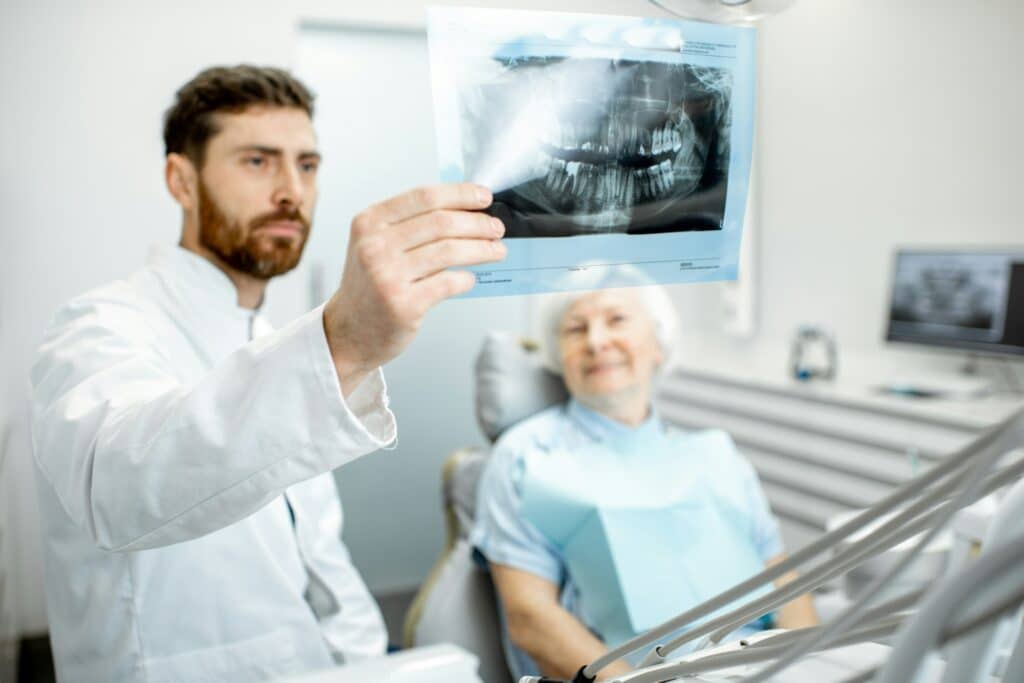
Our oral health reaches much further than the boundaries of our smiles. In fact, numerous studies have shown strong connections between oral health and various chronic conditions. As a family dental care clinic based in Pickering, ON, Pickering Dental Services understands the vital importance of maintaining a healthy oral environment for both your dental and overall health.

We shed light on the connections between oral health and chronic diseases, such as diabetes, cardiovascular disease, and Alzheimer’s disease, among others. You will discover how preserving your oral health can contribute to a healthier and more fulfilling life. Recognizing the importance of this mouth-body connection can empower you to approach dental care with the seriousness it deserves, prioritizing your long-term well-being for years to come.

1. Oral Health and Cardiovascular Disease

Children Oral Care

Research has shown a link between oral health issues, particularly gum disease (periodontitis), and cardiovascular diseases. The inflammation caused by gum disease can lead to systemic inflammation, increasing the risk of heart diseases. Studies suggest that individuals with periodontitis are more likely to develop coronary artery disease, heart attacks, and strokes compared to those with good oral health.

Moreover, the bacteria from gum infections can enter the bloodstream and contribute to thickening of the arteries, impeding blood flow. Maintaining excellent oral hygiene, scheduling regular dental checkups, and treating any gum infections promptly can help reduce the risk of cardiovascular diseases.

2. Diabetes and Oral Health

Diabetes and oral health share a bidirectional relationship. Individuals with poorly controlled diabetes have a higher risk of developing oral health issues like gum disease, tooth decay, and oral infections, as elevated sugar levels can cause inflammation and an overgrowth of harmful bacteria in the mouth.

On the other hand, gum disease’s inflammation can impair blood sugar regulation, making it difficult for diabetics to manage their condition effectively. A study published in The Lancet Diabetes & Endocrinology journal found that treating gum disease can improve blood sugar control and reduce the risk of diabetes-related complications.

Managing diabetes with a healthy lifestyle, medication if needed, and proper dental care can help improve both oral and overall health in diabetic patients. Learn more about periodontal care in Pickering.

3. Alzheimer’s Disease and Oral Health

Endodontics Treatment

Emerging evidence reveals a possible link between poor oral health and the risk of developing Alzheimer’s disease. The bacteria associated with gum disease, Porphyromonas gingivalis, can spread to the brain and release toxins that cause neural inflammation and damage, ultimately leading to cognitive decline.

A study published in the journal Science Advances found that individuals with increased levels of gum disease-causing bacteria had a higher risk of developing Alzheimer’s disease. Thus, consistent oral hygiene practices and early treatment of gum disease may contribute to reducing the risk of developing dementia.

4. Respiratory Infections and Oral Health

Poor oral hygiene and untreated gum disease can increase the risk of respiratory infections, such as pneumonia and chronic obstructive pulmonary disease (COPD). As you inhale, oral bacteria enter your lungs, potentially causing infection or aggravating existing respiratory diseases.

Maintaining good oral health can reduce aspiration pneumonia risk in elderly individuals, particularly those in long-term care facilities who may require assistance with oral care. Ensuring proper oral hygiene and regular dental care can help protect your respiratory health.

5. Pregnancy Complications and Oral Health

Expecting mothers with gum disease are at a higher risk of pregnancy complications, including premature birth, low birth weight, and gestational diabetes. The inflammation associated with gum disease may cause the release of chemicals called prostaglandins, which can induce premature labor.

Regular dental checkups and proper oral care during pregnancy are crucial for both the mother’s and the baby’s health. Pregnant women should inform their dentists about their pregnancy, as certain dental treatments and medications may need to be modified or postponed.

6. Rheumatoid Arthritis and Oral Health

Recent research has uncovered a link between oral health, specifically periodontitis, and rheumatoid arthritis (RA). The presence of Porphyromonas gingivalis, the primary bacterium responsible for gum disease, may exacerbate or even trigger the onset of rheumatoid arthritis. The bacterium produces a specific enzyme that generates a type of protein (citrullinated proteins) that can trigger an autoimmune response in susceptible individuals, leading to RA.

Patients with rheumatoid arthritis may benefit from prioritizing their oral health to reduce inflammation and joint pain associated with the disease.

7. Kidney Disease and Oral Health

Gum disease has been associated with a higher risk of chronic kidney disease. Poor oral health may increase the risk of kidney infections due to the systemic spread of oral bacteria. Moreover, the inflammation caused by gum disease can weaken the immune system, making it more challenging to fight off infections.

Patients with advanced kidney disease may also experience dry mouth, bad breath, changes in taste perception, and increased risk of gum infections. Ensuring optimal oral care can help reduce the risk of kidney disease and improve the quality of life for those with existing kidney conditions.

By understanding the connections between oral health and chronic diseases, we can better appreciate the importance of maintaining optimal dental health as a vital component of a healthier lifestyle. Prioritizing dental care leads not only to an appealing smile but also to enhanced overall well-being.

Preserving Overall Health with Pickering Dental Services

The mouth-body connection is undeniable, and maintaining excellent oral hygiene plays a crucial role in sustaining your overall well-being. With a comprehensive understanding of the links between oral health and chronic conditions, Pickering Dental Services’ family dental care in Pickering, ON, is dedicated to providing personalized dental care that caters to your unique health needs.

Embrace a healthier future by prioritizing your oral health. Schedule an appointment with our expert team at Pickering Dental Services today to safeguard your smile and overall well-being. Experience exceptional dental care, combining state-of-the-art treatments with a compassionate approach that ensures a comfortable and empowering journey toward a healthier you.

Helpful Resources

For more information, visit the Government of Canada Oral Health Guide.

Schedule Your Appointment Today

Contact Pickering Square Dental to book your appointment with Dr. Marvin Lean. Call us at (905) 420-1777 or visit us at 1450 Kingston Rd, Unit #4, Pickering, ON.

Frequently Asked Questions

How often should I visit the dentist?

The Canadian Dental Association recommends visiting your dentist at least twice a year for regular check-ups and cleanings. Some patients may need more frequent visits depending on their oral health needs. Call Pickering Square Dental at (905) 420-1777 to schedule your next appointment.

Do you accept the Canadian Dental Care Plan (CDCP)?

Yes, Pickering Square Dental participates in the Canadian Dental Care Plan. Our team can help you understand your coverage and ensure you receive the dental care you need. Contact us for more details about CDCP eligibility and benefits.

What services does Pickering Square Dental offer?

We offer a full range of dental services including family dentistry, emergency dental care, sedation dentistry, dental implants, laser dentistry, teeth whitening, root canal therapy, dental extractions, periodontal care, and cosmetic dentistry. Dr. Lean and our team serve patients in Pickering, Ajax, Whitby, and Scarborough.

A Fresh Breath of Wellness: Oral Health Tips for a Healthier You

man brushing teeth

Oral health is an integral aspect of your overall well-being, and maintaining good dental hygiene can contribute to improved quality of life. A fresh breath, bright smile, and healthy teeth are a few factors that can give you the confidence to go about your daily activities with gusto. At Pickering Dental Services, a family dental care practice based in Pickering, ON, our expert dental professionals are committed to inspiring wellness through exceptional oral health care.

We will explore the connection between oral health and whole-body wellness and provide you with expert tips to help you achieve a healthier you. These tips, tailored to individuals of all ages, will cover a range of topics, from establishing a proper dental hygiene routine to understanding the importance of regular dental checkups. By prioritizing your oral health, you can enjoy a fresh breath of wellness and confidently embrace a brighter, healthier future.

1. Establish a Proper Dental Hygiene Routine

Bleeding When Brushing

Creating and maintaining a consistent dental hygiene routine is crucial for keeping your teeth and gums healthy. Consider the following steps to establish an effective regimen:

– Brush regularly: Brush your teeth at least twice a day using a soft-bristled toothbrush and fluoride toothpaste. Utilize proper brushing techniques (gentle, circular motions) to clean all surfaces of your teeth, tongue, and the roof of your mouth.

– Floss daily: Flossing removes food particles and plaque from between your teeth and under the gumline areas that a toothbrush cannot reach. Gently glide the floss between your teeth, using a clean section for each tooth.

– Rinse with mouthwash: Use an antiseptic mouthwash to help reduce bacteria in your mouth, freshen your breath, and prevent plaque buildup.

– Replace your toothbrush: Change your toothbrush or toothbrush head every three to four months or when the bristles become frayed.

2. Maintain a Balanced Diet for Oral Health

The food you consume plays a vital role in maintaining healthy teeth and gums. Follow these tips for a balanced, tooth-friendly diet:

– Limit sugar intake: Excessive consumption of sugar can lead to tooth decay. Opt for low-sugar or sugar-free beverages and snacks. When consuming sugary treats, do so during meals to minimize their impact on your teeth.

– Eat nutrient-rich foods: Consume a balanced diet that includes fruits, vegetables, whole grains, lean proteins, and low-fat dairy products. These foods help strengthen your teeth and support overall oral health. Learn more about periodontal care in Pickering.

– Drink plenty of water: Stay hydrated by drinking water throughout the day. Water helps wash away food particles and bacteria that contribute to plaque buildup and tooth decay.

3. Schedule Regular Dental Checkups and Cleanings

Dentist Visits

Routine dental checkups and professional cleanings are essential for maintaining optimal oral health. They allow your dentist to:

– Identify potential dental health issues: Early detection of dental problems, such as cavities or gum disease, can prevent more severe issues and reduce the need for costly treatments.

– Provide preventive care: Cleanings help remove plaque and tartar buildup and polish your teeth for a brighter smile. Regular fluoride treatments can also strengthen your teeth and prevent tooth decay.

– Address any concerns: Regular visits to your dentist give you the opportunity to discuss any oral health concerns, seek recommendations, and develop a dental care plan tailored to your needs.

4. Protect Your Teeth from Damage

Preventing dental injuries and damage is crucial for maintaining healthy teeth and gums. Keep your smile safe with these protective measures:

– Wear a mouthguard: If you participate in sports or other recreational activities, use a mouthguard to protect your teeth from injuries or fractures.

– Avoid using your teeth as tools: Resist the temptation to use your teeth to open packages or cut objects, as this puts them at risk of chipping or breaking.

– Use proper tools to clean your teeth: Avoid using toothpicks, paper clips, or other improvised tools that can damage your teeth and gums. Instead, use dental floss or interdental brushes.

5. Cultivate Healthy Habits for Optimal Oral Health

Developing healthy habits will support long-term oral health and overall well-being:

– Quit smoking: Smoking not only stains your teeth but can also contribute to gum disease, tooth loss, and oral cancer. Consider seeking help from a healthcare professional or smoking cessation program to support your journey to a smoke-free life.

– Moderate alcohol consumption: Excessive alcohol intake can erode tooth enamel and increase the risk of oral cancer. Keep your alcohol consumption within recommended limits to protect your oral health.

– Manage stress: Stress can impact your oral health, leading to teeth grinding, gum disease, and canker sores. Develop healthy coping mechanisms, such as exercise, meditation, or talking with a trusted friend or professional.

6. Address Oral Health Issues Promptly

Taking immediate action when faced with dental health issues can prevent complications and promote a healthier you:

– Tooth sensitivity: If you experience tooth sensitivity, consult your dentist to identify the underlying cause and receive appropriate treatment.

– Gum inflammation or bleeding: Inflamed or bleeding gums can indicate gingivitis or more advanced gum disease. Reach out to your dentist for a thorough examination and treatment plan.

– Persistent bad breath: Bad breath may signify poor oral hygiene, gum disease, or other medical conditions. Discuss your concerns with your dentist to determine the cause and develop a care plan.

By prioritizing your oral health and implementing these expert tips, you can reap the benefits of a healthy smile, fresh breath, and overall well-being. The skilled professionals at Pickering Dental Services are dedicated to helping you achieve optimum oral health and a brighter future with comprehensive dental care services.

Unlock a Healthier Lifestyle with Pickering Dental Services

By incorporating these expert oral health tips into your daily routine, you can achieve a fresh breath of wellness and elevate your overall quality of life. At Pickering Dental Services, our dedicated team of dental professionals is committed to empowering patients in Pickering, ON, with personalized dental care to help them achieve and maintain optimal oral health.

Make your oral health a priority and take the first step toward a healthier you. Book an appointment with our family dentists in Pickering at Pickering Dental Services today to experience exceptional dental care in a warm, welcoming environment. Together, we can unlock the full potential of your smile and embrace a brighter future with confidence.

Helpful Resources

For more information, visit the Government of Canada Oral Health Guide.

Schedule Your Appointment Today

Contact Pickering Square Dental to book your appointment with Dr. Marvin Lean. Call us at (905) 420-1777 or visit us at 1450 Kingston Rd, Unit #4, Pickering, ON.

Frequently Asked Questions

How often should I visit the dentist?

The Canadian Dental Association recommends visiting your dentist at least twice a year for regular check-ups and cleanings. Some patients may need more frequent visits depending on their oral health needs. Call Pickering Square Dental at (905) 420-1777 to schedule your next appointment.

Do you accept the Canadian Dental Care Plan (CDCP)?

Yes, Pickering Square Dental participates in the Canadian Dental Care Plan. Our team can help you understand your coverage and ensure you receive the dental care you need. Contact us for more details about CDCP eligibility and benefits.

What services does Pickering Square Dental offer?

We offer a full range of dental services including family dentistry, emergency dental care, sedation dentistry, dental implants, laser dentistry, teeth whitening, root canal therapy, dental extractions, periodontal care, and cosmetic dentistry. Dr. Lean and our team serve patients in Pickering, Ajax, Whitby, and Scarborough.

Comprehensive Guide to Tooth-Coloured Dental Fillings: Advantages and Options
dental fillings

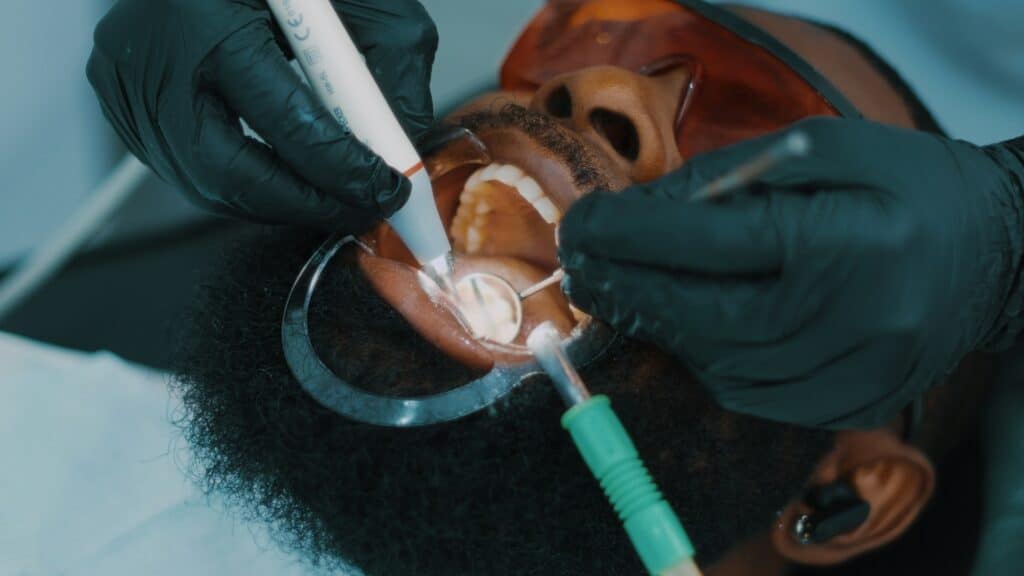
In the past, dental fillings primarily consisted of metal materials, including silver amalgam, which often left patients with a visually displeasing appearance when they smiled. However, with advancements in dental technology, tooth coloured dental fillings now offer a more aesthetically pleasing, durable, and natural-looking alternative. As we at our dental office continually strive to provide the best in dental care for our patients, we’d like to shed some light on the subject.

Tooth coloured dental fillings provide not only a better visual appeal but also improved functionality for patients. They are designed to blend seamlessly with the natural colour of your teeth, ensuring that your smile remains as attractive as possible. The primary materials used in tooth coloured dental fillings are composite resin and porcelain – both of which demonstrate a high degree of durability and resistance to wear and tear.

In this comprehensive guide, we’ll delve into the various advantages and options surrounding tooth coloured dental fillings. Specifically, we’ll discuss the benefits of this type of filling over traditional amalgam fillings, the different materials available, and factors to consider when selecting the most suitable filling for your unique dental needs. Additionally, we’ll touch on how the process works, as well as the level of aftercare required, so you can make an informed decision regarding your dental health.

Benefits of Tooth Coloured Dental Fillings

tooth pain

A primary advantage of tooth coloured dental fillings is their natural, aesthetically pleasing appearance. Unlike traditional metal fillings, tooth coloured fillings seamlessly blend with your existing teeth, ensuring a virtually undetectable restoration. This allows you to smile confidently, without any concerns about discoloured or noticeable fillings.

Secondly, tooth coloured dental fillings provide a higher level of durability and strength compared to their metal counterparts. Due to their ability to bond firmly to the tooth structure, tooth coloured fillings offer more robust support and stability, ultimately contributing to increased longevity. Furthermore, they are less prone to shrinking or expanding based on temperature changes, reducing the risk of tooth sensitivity.

Lastly, choosing tooth coloured dental fillings helps to preserve more of your natural tooth structure. They require less tooth removal than amalgam fillings, as the dentist only needs to remove the decayed area. This means you retain more of your natural tooth, which can contribute to better long-term oral health. Learn more about root canal therapy.

Types of Tooth Coloured Dental Fillings

There are two primary materials used for tooth coloured dental fillings: composite resin and porcelain. Each material has its own set of benefits and factors to consider when selecting the best option for your dental needs.

1. Composite Resin Fillings

Composite resin fillings are composed of a mixture of plastic and glass, offering durability and aesthetics in one package. The material easily bonds with your tooth structure, providing a secure, long-lasting restoration. It’s also versatile – composite resin can be used to repair minor chips, cracks, or other imperfections on your tooth’s surface.

One appealing aspect of composite resin fillings is their cost-effectiveness. In general, they are less expensive than porcelain fillings, which can make them a popular choice for patients seeking an affordable option for their dental restoration. However, the material is slightly less durable than porcelain and might require replacement more often.

2. Porcelain Fillings

Porcelain fillings, also known as ceramic or inlays/onlays, are custom-made dental restorations hand-crafted in a dental laboratory. They offer exceptional visual appeal, as the material closely mimics the natural translucency of your tooth enamel. Porcelain fillings are also highly stain-resistant, ensuring a lasting brilliance in your smile.

While porcelain fillings can be more expensive than composite resin, their longevity may make them a worthwhile investment. Additionally, the material is strong and can withstand everyday wear and tear from biting and chewing, making porcelain fillings an ideal choice for restoring larger, more noticeable cavities.

Factors to Consider when Choosing Tooth Coloured Dental Fillings

tooth extraction

When selecting the most suitable tooth coloured dental filling for your needs, several factors should be taken into consideration:

1. Location and Visibility: If the filling is in a highly visible area of your mouth or on a front tooth, selecting a material that offers excellent aesthetics, such as porcelain, may be the best option. On the other hand, if the filling location isn’t as noticeable, composite resin might suffice.

2. Size of the Cavity: Larger cavities or those that require extensive reconstruction may benefit from a more substantial and durable material like porcelain. For smaller cavities, composite resin may be an appropriate choice.

3. Budget: Composite resin fillings tend to be more affordable than porcelain fillings. If budget constraints are a concern, you may opt for the more cost-effective choice. However, remember to weigh this against the potential need for more frequent replacements.

The Tooth Coloured Dental Filling Process: What to Expect

The process of receiving a tooth coloured dental filling typically starts with a comprehensive dental examination. Your dentist will assess the extent of tooth decay and determine the best course of action. Once the appropriate filling material has been selected, the actual restoration begins.

First, your dentist will administer a local anesthetic to numb the area. Once discomfort is minimized, they will remove the decayed portion of the tooth and thoroughly clean the cavity. The tooth coloured filling material will then be placed and shaped to fit the tooth perfectly, restoring its appearance and functionality. Finally, the filling is cured using a specialized light, securing it firmly in place.

Conclusion

Tooth coloured dental fillings offer an appealing and practical alternative to traditional amalgam fillings. With a range of options available, you can confidently choose a restoration that suits your specific needs and budget without compromising on aesthetics. Maintaining a radiant and healthy smile is paramount, so don’t hesitate to seek professional advice to determine the best filling option for you.

At Pickering Dental Services, we pride ourselves on providing exceptional dental care to our patients. If you’re considering tooth coloured dental fillings, let our experienced team guide you through the process and help you achieve the beautiful smile you deserve. Contact us today to schedule a consultation.

Helpful Resources

For more information, visit the Canadian Dental Association Oral Health.

Schedule Your Appointment Today

Contact Pickering Square Dental to book your appointment with Dr. Marvin Lean. Call us at (905) 420-1777 or visit us at 1450 Kingston Rd, Unit #4, Pickering, ON.

Frequently Asked Questions

How often should I visit the dentist?

The Canadian Dental Association recommends visiting your dentist at least twice a year for regular check-ups and cleanings. Some patients may need more frequent visits depending on their oral health needs. Call Pickering Square Dental at (905) 420-1777 to schedule your next appointment.

Do you accept the Canadian Dental Care Plan (CDCP)?

Yes, Pickering Square Dental participates in the Canadian Dental Care Plan. Our team can help you understand your coverage and ensure you receive the dental care you need. Contact us for more details about CDCP eligibility and benefits.

What services does Pickering Square Dental offer?

We offer a full range of dental services including family dentistry, emergency dental care, sedation dentistry, dental implants, laser dentistry, teeth whitening, root canal therapy, dental extractions, periodontal care, and cosmetic dentistry. Dr. Lean and our team serve patients in Pickering, Ajax, Whitby, and Scarborough.