Demystifying Sedation Dentistry: Types, Benefits, and Safety Measures

sedation dentistry

The mere thought of visiting a dental office can induce stress and anxiety for many individuals. Dental phobia, or odontophobia, can cause people to avoid seeking the necessary dental care they require, ultimately leading to poor oral health and even more significant dental problems in the future. At our dental office, we understand the importance of addressing patients’ fears and ensuring a comfortable and stress-free experience. This is where sedation dentistry comes into play.

Sedation dentistry involves using medication to help patients relax during dental procedures. It enables those with dental anxiety or other difficulties to receive the treatment they need in a comfortable and relaxed environment, making the entire experience significantly more pleasant. Our primary goal is to provide high-quality dental care to our patients, and offering sedation options is a crucial aspect of achieving this.

In this comprehensive guide, we will demystify the world of sedation dentistry by exploring its various types, benefits, and safety measures. You will gain a better understanding of the sedation options available to you, enabling you to make an informed decision about the best course of action for your dental needs. We will discuss the different levels of sedation that range from minimal to deep sedation, detailing how the procedures work and the medications involved. Furthermore, we will highlight the benefits of opting for sedation dentistry and discuss the stringent safety precautions we adhere to for your protection and peace of mind.

Arming yourself with valuable information about sedation dentistry is the first step towards overcoming your dental fears and ensuring excellent oral health. At our dental office, we are dedicated to providing the best care for our patients, and our skilled team is ready to guide you through every step of your dental journey. Reach out to us at Pickering Dental Services to find out more about our sedation dentistry options and how they can enhance your dental experience.

Types of Sedation Dentistry

tooth coloured fillings

There are four primary levels of sedation dentistry – minimal, moderate, deep, and general anesthesia – each corresponding to a different degree of relaxation and consciousness. Understanding the distinctions between these levels of sedation can help you determine the best option for your unique dental needs.

1. Minimal Sedation

Minimal sedation, typically achieved through the use of nitrous oxide or “laughing gas,” allows patients to remain conscious and fully aware of their surroundings. This level of sedation helps alleviate mild anxiety and enables patients to feel more relaxed throughout their dental procedure. The effects of minimal sedation wear off quickly, allowing patients to resume their daily activities shortly after treatment.

2. Moderate Sedation

Moderate sedation, also known as conscious sedation, is administered either orally or intravenously. Patients remain awake but enter a deeper state of relaxation, often resulting in slurred speech and potential memory gaps. Although conscious, patients may not remember much of their dental procedure. This level of sedation is ideal for those with moderate dental anxiety or those undergoing more invasive treatments.

3. Deep Sedation

Deep sedation can be achieved through intravenous medications and places patients at the edge of consciousness. While not completely unconscious, patients may have little to no recollection of the procedure. It’s common for patients to feel drowsy and experience an extended recovery period. Deep sedation is typically reserved for more extensive dental procedures or for patients with severe anxiety or difficulty remaining still.

4. General Anesthesia

General anesthesia renders patients completely unconscious for the duration of their dental procedure. This form of sedation is typically reserved for oral surgeries or extensive dental treatments. Patients under general anesthesia require close monitoring and often need a longer recovery period before they can safely return home.

Benefits of Sedation Dentistry

Sedation dentistry offers numerous benefits for both patients and dental professionals, including:

1. Anxiety Relief

One of the primary advantages of sedation dentistry is anxiety relief. Dental anxiety can often be a significant barrier to receiving necessary dental care. By offering patients a comfortable and stress-free environment, sedation dentistry can help overcome this obstacle and ensure optimal oral health.

2. Improved Patient Cooperation

Dental treatments can be challenging for patients who have difficulty remaining still, such as those with cognitive or physical impairments. Sedation dentistry can help improve patient relaxation and cooperation, leading to a smoother treatment process.

3. Pain Reduction

Sedation dentistry can provide additional pain relief for patients undergoing dental procedures. While local anesthesia is applied to numb the treatment area, sedation can help further alleviate discomfort and create a more enjoyable dental experience.

4. Efficiency

With sedation dentistry, dental professionals can perform treatments more efficiently due to the increased patient cooperation. This can reduce the number of appointments needed, saving both time and money for the patient.

Safety Measures in Sedation Dentistry

Dental Crown

At our dental office, patient safety is our top priority. We adhere to strict safety protocols to ensure your well-being during your sedation dentistry appointment, such as:

1. Thorough Patient Assessment

Before administering sedation, a comprehensive review of your medical history, current medications, and any allergies is essential. This allows our dental practitioners to determine the safest and most effective sedation method for your needs and helps to minimize the risk of potential complications.

2. Monitoring and Equipment

During your sedation dentistry appointment, our team of skilled professionals will continuously monitor your vital signs and levels of sedation. This may include monitoring your blood pressure, oxygen levels, heart rate, and respiration, ensuring a safe and controlled procedure.

3. Emergency Preparedness

Our dental office is equipped with emergency medications and equipment to manage any unforeseen complications that may arise during your sedation dentistry appointment. Our team is also well-trained in emergency procedures, ensuring your safety at all times.

Conclusion

Pickering sedation dentistry offers a comfortable and relaxed solution for patients with dental anxiety or those undergoing extensive dental procedures. By understanding the various levels of sedation and the specific benefits and safety precautions involved, you can make an informed decision about the most suitable sedation method for your unique dental needs.

At Pickering Dental Services, our experienced team is committed to providing top-notch dental care while ensuring your safety and comfort. If you’re interested in exploring sedation dentistry options, don’t hesitate to contact us for a consultation. We’re here to help you achieve a healthy smile in the most comfortable and enjoyable manner.

Looking for professional help? Learn more about our sedation dentistry services at Pickering Square Dental or call (905) 420-1777 to book an appointment.

Helpful Resources

For more information, visit the CDA Guide to Sedation Dentistry.

Frequently Asked Questions

Is sedation dentistry safe?

Yes, sedation dentistry is very safe when administered by a trained dental professional. Dr. Lean at Pickering Square Dental monitors your vital signs throughout the procedure to ensure your comfort and safety.

Will I be unconscious during sedation dentistry?

It depends on the level of sedation. Mild sedation keeps you relaxed but awake. Moderate sedation may make you drowsy, though you can still respond. Deep sedation is used for complex procedures. Dr. Lean will recommend the right level for your needs.

How long does sedation last?

Nitrous oxide (laughing gas) wears off within minutes. Oral sedation may take a few hours to fully wear off, so you will need someone to drive you home. Our Pickering team will give you specific aftercare instructions.

Steps Involved in Creating Your Custom Dental Bridge
dental treatment

Exploring dental bridge options can be a pivotal step toward restoring both the functionality and appearance of your smile. Here at our clinic, we prioritize your oral health and aesthetic goals by offering personalized dental bridge solutions. A dental bridge is more than just a remedy for missing teeth; it’s a pathway to renewed confidence and daily comfort. Our team is dedicated to ensuring that each step of the process, from consultation to aftercare, is carried out with the utmost precision and care.

The initial consultation serves as the foundation of your dental bridge journey. During this phase, we assess your specific needs, discuss potential options, and plan the best course of action tailored to your dental health and preferences. Understanding the importance of a well-fitted dental bridge, we utilize advanced technology and techniques to design a replacement that seamlessly blends with your natural teeth, enhancing both function and aesthetics.

By choosing our clinic for your dental bridge needs, you’re entrusting us with more than just your smile. We’re committed to providing a comfortable, informative, and reassuring experience throughout your treatment process. Let us help you take the first step towards a fuller, more vibrant smile.

Consultation and Initial Assessment for a Dental Bridge

Sedation Dentistry

The first step towards getting a dental bridge is the consultation and initial assessment. When you visit our clinic for this service, we start by evaluating your overall oral health to determine the suitability for a dental bridge. We use advanced diagnostic tools to assess the condition of the teeth adjacent to the gap, as these will support the bridge. Our thorough examination includes checking for any signs of decay or periodontal disease, as treating these issues is crucial before proceeding with a bridge.

During this appointment, we will discuss your expectations and aesthetic goals in detail. This consultation helps us to understand your specific needs and desires, ensuring that the solution we propose aligns perfectly with what you envision for your smile. We also take this opportunity to explain the various types of bridges available and the materials that can be used, enabling you to make an informed decision about your dental care. Our priority is to ensure you feel comfortable and confident in the treatment plan we develop together. Learn more about family dentistry services in Pickering.

Designing Your Custom Dental Bridge

Designing your custom dental bridge involves precision and attention to detail. After determining that a bridge is the best solution for you, the next step is to create a tailor-made appliance that fits seamlessly into your smile. The process starts with taking precise impressions of your teeth, which are used to craft a bridge that matches the shape, size, and colour of your natural teeth. This customization ensures the bridge not only functions efficiently but also looks natural.

Our dental technicians use high-quality materials to construct your bridge, ensuring durability and an aesthetic appeal that enhances your smile. Throughout the design phase, we keep you informed and involved, making sure the final product meets your expectations. Careful planning and attention to detail are critical in this phase, as a well-designed bridge contributes significantly to the restoration’s success and your satisfaction with the outcome. By focusing on customization and quality, we ensure your new dental bridge will restore the functionality of your teeth while boosting your confidence in your smile.

The Procedure: Placing Your Dental Bridge

dental fillings

The placement of your dental bridge marks a significant step towards restoring your smile. On the day of the procedure, we ensure that you are as comfortable as possible. If you’re feeling anxious, we discuss sedation options to help make your experience stress-free. The process begins by preparing the abutment teeth, which involves recontouring these teeth to receive the crowns that will support the bridge. This is a precise process, ensuring the bridge will fit perfectly and blend seamlessly with your natural teeth.

Once the abutment teeth are prepared, we place the custom-made bridge onto the prepared teeth. We check the fit and your bite to make sure everything aligns correctly and feels as natural as possible. The bridge is then fixed using a strong dental adhesive. By the end of the procedure, the bridge will restore functionality and aesthetics, allowing you to chew, speak, and smile with ease. Our team takes pride in offering a procedure that not only enhances oral functionality but also boosts overall self-confidence with a renewed smile.

Aftercare and Maintenance of Dental Bridges

Caring for your new dental bridge is crucial for ensuring its longevity and maintaining overall oral health. We provide you with detailed aftercare instructions immediately after the placement of the bridge. Regular brushing twice a day and flossing are essential to keep the bridge and surrounding teeth clean. We also recommend using specialized floss threaders that can clean under and around the bridge to prevent plaque buildup.

Additionally, regular visits to our clinic for check-ups and professional cleanings help in maintaining the health of your dental bridge and natural teeth. During these visits, we examine your bridge to detect any potential issues early and perform professional cleaning that helps preserve the bridge’s structural integrity and appearance. Maintaining your bridge with proper home care and professional support ensures that it remains a valuable part of your beautiful and healthy smile for years to come.

Conclusion

At Pickering Dental Services, we are dedicated to providing you with quality dental care that extends beyond just treatment. Understanding the process and proper care of dental bridges is just part of how we help you manage your oral health. We believe in creating partnerships with our patients where your concerns are heard and addressed with professionalism and compassion. 

If you are considering a dental bridge or other dental services in Pickering, we invite you to visit us. Let us guide you toward achieving a healthy smile that you can be proud of. For more information or to schedule a consultation, contact Pickering Dental Services today. Together, let’s craft a smile that’s not only beautiful but lasts a lifetime.

Helpful Resources

For more information, visit the Canadian Dental Association Oral Health.

Schedule Your Appointment Today

Contact Pickering Square Dental to book your appointment with Dr. Marvin Lean. Call us at (905) 420-1777 or visit us at 1450 Kingston Rd, Unit #4, Pickering, ON.

Frequently Asked Questions

How often should I visit the dentist?

The Canadian Dental Association recommends visiting your dentist at least twice a year for regular check-ups and cleanings. Some patients may need more frequent visits depending on their oral health needs. Call Pickering Square Dental at (905) 420-1777 to schedule your next appointment.

Do you accept the Canadian Dental Care Plan (CDCP)?

Yes, Pickering Square Dental participates in the Canadian Dental Care Plan. Our team can help you understand your coverage and ensure you receive the dental care you need. Contact us for more details about CDCP eligibility and benefits.

What services does Pickering Square Dental offer?

We offer a full range of dental services including family dentistry, emergency dental care, sedation dentistry, dental implants, laser dentistry, teeth whitening, root canal therapy, dental extractions, periodontal care, and cosmetic dentistry. Dr. Lean and our team serve patients in Pickering, Ajax, Whitby, and Scarborough.

The Ultimate Guide to Modern Sedation Techniques in Dentistry

sedation dentistry

Sedation dentistry has revolutionized the way we approach dental treatments, allowing us to provide a pain-free and anxiety-free experience for our patients. Understanding the importance of comfort during dental procedures, we are dedicated to using the most modern and effective sedation techniques available. This ensures that every visit to our clinic is as stress-free as possible, whether you’re here for a routine checkup or a more complex dental procedure.

Our focus on modern sedation techniques stems from our commitment to patient care and the desire to improve the overall dental experience. By integrating advanced sedation methods, we can accommodate even the most anxious patients, transforming what could be a nerve-wracking visit into a calm and comfortable one. 

This guide will walk you through the different types of sedation available at our clinic and how we ensure your safety and comfort at every step of the dental procedure. Join us as we delve into the world of sedation dentistry, demystifying its processes and highlighting its benefits for your oral health.

What Is Sedation Dentistry and How Does It Work?

periodontal care

Sedation dentistry is a crucial component of dental care, especially for patients who experience anxiety or fear when visiting the dentist. It involves the use of medication to provide a relaxing experience for patients undergoing dental procedures. The primary goal is to make you feel comfortable and minimize pain during your treatment. Here at our clinic, we prioritize your comfort, which is why we offer sedation dentistry as a part of our comprehensive dental services.

The process starts with a consultation, where we assess your medical history and discuss your anxiety and fears. Depending on the intensity of your anxiety and the specifics of the dental procedure you require, we choose a sedation method that best suits your needs. These sedation methods are administered safely under the supervision of our experienced dental professionals, ensuring that you remain comfortable and calm throughout your visit. The effects of sedation typically vary, making it easier to undergo everything from a simple cleaning to more complex dental surgeries without distress. Learn more about emergency dental care in Pickering.

Exploring Different Types of Sedation Used in Dentistry

In our dental practice, we utilize several types of sedation to accommodate the diverse needs and preferences of our patients. The three main types of sedation used in dentistry include nitrous oxide, oral sedatives, and intravenous (IV) sedation. Nitrous oxide, commonly known as laughing gas, is inhaled through a mask, helping you relax during your dental treatment. It wears off quickly, allowing you to drive yourself home after the procedure.

Oral sedatives are another option where you take a pill about an hour before your dental procedure. This type of sedation is ideal for patients with mild to moderate anxiety about dental visits. Lastly, IV sedation offers the deepest level of sedation without full anesthesia. Administered directly into the bloodstream, it works quickly, and its effects are easily adjusted by our team to ensure maximum comfort. Each method has its advantages and suitability, which we will discuss with you to determine the best option for your specific situation. This personalized approach helps achieve a stress-free dental experience tailored to your needs.

Preparing for Your Sedation Dentistry Appointment

dental services

To ensure your sedation dentistry appointment goes smoothly, proper preparation is key. We make it a priority to guide you through the steps you need to take before your procedure. First, it’s important to provide a full medical history, including any medications you are taking, to avoid any complications during sedation. We also ask you to fast, typically not eating or drinking anything after midnight before the day of your appointment unless instructed otherwise, depending on the type of sedation.

On the day of your procedure, we recommend wearing loose, comfortable clothing and arranging for a family member or friend to drive you home, as some sedatives may impair your ability to drive for a few hours post-procedure. We will give you specific instructions tailored to the type of sedation you will be receiving. Following these directions is crucial for your safety and the effectiveness of the treatment. Our team is here to answer any questions and provide all the information you need to feel prepared and relaxed before your appointment.

Post-Sedation Care: Steps for a Smooth Recovery

After your procedure, your comfort and recovery are our top priorities. Post-sedation care is crucial for ensuring a smooth and safe recovery. Once your treatment is complete, we will closely monitor you as the sedative wears off. We provide a comfortable, quiet space for this. When it’s safe to do so, a friend or family member can take you home. It’s essential to have someone with you for at least the first hours after your procedure, as the sedatives can affect your judgment and reflexes during this time.

We’ll provide detailed post-care instructions, which typically include resting for the remainder of the day, avoiding operating heavy machinery, and not making any important decisions until the sedative has completely worn off. It’s also advisable to drink plenty of fluids and eat light meals when you feel ready. Our team is available to answer any concerns or questions that may arise after you leave our office, ensuring your recovery is as comfortable as possible. Should any complications occur, we encourage you to contact us immediately.

Conclusion

At Pickering Dental Services, we understand that undergoing dental procedures can be daunting. That’s why we’re dedicated to providing advanced sedation options tailored to our patients’ individual needs, ensuring a comfortable and anxiety-free experience. From preparing for your sedation dentistry appointment in Ajax to ensuring you know exactly what to do once your treatment has finished, our team is committed to supporting you at every step.

If you’re considering sedation dentistry or have any questions about the dental services we offer, don’t hesitate to get in touch with us. Our goal is to make your visit as pleasant and stress-free as possible so you can achieve the healthy smile you deserve. Book your consultation at Pickering Dental Services today, and let us take care of the rest.

Helpful Resources

For more information, visit the CDA Guide to Sedation Dentistry.

Schedule Your Appointment Today

Contact Pickering Square Dental to book your appointment with Dr. Marvin Lean. Call us at (905) 420-1777 or visit us at 1450 Kingston Rd, Unit #4, Pickering, ON.

Frequently Asked Questions

Is sedation dentistry safe?

Yes, sedation dentistry is very safe when administered by a trained dental professional. Dr. Lean at Pickering Square Dental monitors your vital signs throughout the procedure to ensure your comfort and safety.

Will I be unconscious during sedation dentistry?

It depends on the level of sedation. Mild sedation keeps you relaxed but awake. Moderate sedation may make you drowsy, though you can still respond. Deep sedation is used for complex procedures. Dr. Lean will recommend the right level for your needs.

How long does sedation last?

Nitrous oxide (laughing gas) wears off within minutes. Oral sedation may take a few hours to fully wear off, so you will need someone to drive you home. Our Pickering team will give you specific aftercare instructions.

The Importance of Periodontal Care for a Healthy Smile
periodontal care

When it comes to maintaining a healthy smile, it’s essential not only to focus on teeth but also to pay close attention to the health of our gums. Periodontal care, which addresses the overall health of the gums and supporting structures of the teeth, is a vital aspect of dental health. Neglecting periodontal care can lead to potential issues such as gum disease, tooth loss, and even more severe health problems.

In this blog post, we aim to provide comprehensive information about periodontal care, including its significance, the connection between oral health and overall health, and practical tips for maintaining healthy gums.

Understanding the importance of periodontal care and the best ways to maintain good gum health can help you avoid painful and costly dental issues. Furthermore, a healthy mouth can contribute to overall well-being, making gum health a crucial component of your health routine.

Continue reading to learn more about the essentials of periodontal care and how our team of dental professionals at Pickering Dental Services can help you maintain a healthy and radiant smile for years to come.

What is Periodontal Care?

Dental Extractions

Periodontal care encompasses the prevention, diagnosis, and treatment of gum disease and other related conditions that affect the gums and the structures supporting the teeth. This facet of dental care focuses on maintaining the health of the periodontium – the tissues that surround and support the teeth, including gums, alveolar bone, and periodontal ligament. A robust periodontal care routine is crucial for preserving the longevity and health of your teeth and gums, preventing gum disease and other complications that may arise due to poor gum health.

The Connection Between Oral Health and Overall Health

A growing body of research highlights the significant relationship between oral health and overall health. Numerous studies have found links between gum disease and other systemic health conditions, such as heart disease, diabetes, respiratory issues, and even pregnancy complications. These findings underline the importance of maintaining good periodontal health for both your mouth and your body as a whole.

One possible explanation for this connection is the presence of bacteria in the mouth. When periodontal disease develops, harmful bacteria can multiply and penetrate the gum tissue, leading to inflammation and infection. If left untreated, these bacteria can enter the bloodstream, potentially affecting other organs and contributing to chronic health issues. Learn more about family dentistry services in Pickering.

By prioritizing periodontal care and maintaining a healthy mouth, you can not only preserve the appearance and function of your teeth but also contribute to your overall well-being.

The Process of Periodontal Treatment

Family Dentists

If you are experiencing gum issues or suspect that you may have gum disease, it’s essential to seek professional help. Our team of dental professionals is dedicated to providing comprehensive periodontal care to address your unique needs and concerns. The process of periodontal treatment typically includes the following steps:

1. Evaluation and Diagnosis: Your dentist will begin by evaluating your overall oral health, and examining your teeth, gums, and supporting structures. This examination may include periodontal probing – a technique to measure gum pockets and assess the severity of gum disease, if present.

2. Scaling and Root Planing: If gum disease is diagnosed, the initial phase of treatment typically involves deep cleaning, known as scaling and root planing. During this procedure, your dental professional will remove plaque and hardened deposits (calculus) from your tooth surfaces and gum pockets. They will also smoothen the tooth root surfaces to promote gum healing and reattachment to the tooth.

3. Maintenance and Follow-Up: After scaling and root planing, it’s crucial to maintain good oral hygiene practices and attend regular dental checkups and cleanings. Your dentist may recommend more frequent cleanings or additional periodontal treatments to help manage gum disease effectively and maintain optimal periodontal health.

4. Advanced Periodontal Treatments: In some cases, more advanced treatments, such as gum surgery, bone grafting, or dental implants, may be necessary to address severe gum disease or tooth loss. Your dentist will discuss the most suitable treatment options based on your specific needs and the severity of your condition.

Tips to Maintain Good Periodontal Health

Maintaining good periodontal health is crucial for preserving your smile and overall well-being. Here are some practical tips to help you take care of your gums and maintain a healthy mouth:

1. Brush Properly: Brush your teeth at least twice a day, using a soft-bristled toothbrush and fluoride toothpaste. Ensure to brush along the gumline to remove plaque and debris effectively.

2. Floss Daily: Flossing is essential to remove plaque and food particles from between your teeth and under the gumline, where your toothbrush can’t reach. Floss at least once a day, using a gentle, sawing motion.

3. Regular Dental Checkups: Visit your dentist every six months for professional cleanings and oral health evaluations. Regular checkups can help detect and address periodontal issues early, preventing more severe problems down the line.

4. Balanced Diet: Maintain a well-balanced diet, rich in vitamins and minerals, to support healthy gum tissues and overall health.

5. Avoid Tobacco: Smoking and tobacco use increase the risk of gum disease and can hinder the healing process. Quitting tobacco can significantly improve your periodontal health and overall well-being.

Conclusion 

Periodontal care is a vital component of maintaining a healthy smile and overall well-being. By understanding the importance of periodontal health, seeking professional treatment when necessary, and implementing good oral hygiene practices, you can protect your teeth, gums, and overall health for years to come.

At Pickering Dental Services, our team of dental professionals is committed to helping you achieve optimal oral health. Schedule an appointment with us today to ensure your dental care is on the right track for a healthy, radiant smile.

Helpful Resources

For more information, visit the Government of Canada Oral Health Guide.

Schedule Your Appointment Today

Contact Pickering Square Dental to book your appointment with Dr. Marvin Lean. Call us at (905) 420-1777 or visit us at 1450 Kingston Rd, Unit #4, Pickering, ON.

Frequently Asked Questions

How often should I visit the dentist?

The Canadian Dental Association recommends visiting your dentist at least twice a year for regular check-ups and cleanings. Some patients may need more frequent visits depending on their oral health needs. Call Pickering Square Dental at (905) 420-1777 to schedule your next appointment.

Do you accept the Canadian Dental Care Plan (CDCP)?

Yes, Pickering Square Dental participates in the Canadian Dental Care Plan. Our team can help you understand your coverage and ensure you receive the dental care you need. Contact us for more details about CDCP eligibility and benefits.

What services does Pickering Square Dental offer?

We offer a full range of dental services including family dentistry, emergency dental care, sedation dentistry, dental implants, laser dentistry, teeth whitening, root canal therapy, dental extractions, periodontal care, and cosmetic dentistry. Dr. Lean and our team serve patients in Pickering, Ajax, Whitby, and Scarborough.

The Benefits of Tooth-Coloured Dental Fillings for a Natural, Healthy Smile

smiling woman sitting at dentist

Gone are the days when dental fillings had to leave patients with obvious metal in their mouths. Advances in dental technology have led to tooth-coloured dental fillings, a dental restoration option that not only repairs decayed teeth but also provides a natural, aesthetically pleasing appearance. Tooth-coloured fillings are made from composite resin, a material that mimics the look and feel of natural tooth enamel. This modern dental restoration solution allows patients to smile confidently and maintain good oral health without sacrificing appearance.

In this blog post, we will explore the benefits of tooth-coloured dental fillings, discuss the process of getting these fillings, and provide tips on how to care for your composite resin dental restorations.

With tooth-coloured dental fillings, you can maintain a healthy smile that looks and feels natural. Continue reading to learn more about this popular dental restoration option and how our team of dental professionals at Pickering Dental Services can help you achieve a beautiful, natural-looking smile with tooth-coloured dental fillings.

Understanding Tooth-Coloured Dental Fillings

Periodontal Disease

Tooth-coloured dental fillings, also known as composite resin fillings, are a popular choice for dental restorations because they closely resemble the natural appearance and function of healthy tooth enamel. Unlike traditional metal fillings, which can be conspicuous and draw attention to the dental work, composite resin fillings are made to match the colour of your surrounding teeth, providing a seamless-looking repair.

These modern fillings are made from a mixture of plastic and glass materials, which create a durable and long-lasting restoration for your teeth. Tooth-coloured dental fillings have become the preferred choice for many patients and dental professionals, as they offer a perfect blend of aesthetics and functionality in dental care.

The Benefits of Tooth-Coloured Dental Fillings

Tooth-coloured dental fillings offer numerous advantages over traditional metal fillings, making them an increasingly popular choice for dental restorations. Some of the most notable benefits include:

1. Aesthetically Pleasing: One of the main advantages of tooth-coloured fillings is their natural appearance. They can be customized to match the shade of your surrounding teeth, allowing for a seamless integration into your smile that is virtually undetectable.

2. Strong and Durable: Composite resin fillings are not only aesthetically pleasing but also offer long-lasting results. They provide excellent support and durability by bonding directly to the tooth structure, resulting in a sturdy restoration that can withstand daily wear and tear. Learn more about root canal therapy.

3. Tooth Preservation: Since tooth-coloured fillings bond directly to the tooth structure, less tooth material needs to be removed during the preparation process compared to traditional metal fillings. This leaves more of your natural tooth intact and helps preserve its overall strength and structure.

4. Reduced Sensitivity: Metal fillings can sometimes cause increased tooth sensitivity due to their conductive properties. Tooth-coloured fillings, on the other hand, are less conductive and are made from materials that are less likely to cause temperature sensitivity.

5. Mercury-Free: Composite resin fillings are free from mercury, a controversial element found in traditional amalgam fillings. Many patients and dental professionals appreciate the mercury-free nature of tooth-coloured dental fillings for reasons related to both health and environmental concerns.

The Process of Getting Tooth-Coloured Fillings

Dental Extractions

If your dentist determines that a tooth-coloured filling is the best dental restoration option for you, the process generally consists of the following steps:

1. Tooth Preparation: Your dentist will carefully remove the decayed tooth structure and any old filling material if necessary. Depending on the extent of the issue, a local anesthetic may be administered to ensure your comfort during this process.

2. Colour Selection: Your dentist will select a composite resin material that closely matches the shade of your existing teeth. This colour-matched resin allows for a natural-looking restoration that blends seamlessly with your smile.

3. Filling Application: The composite resin material is applied incrementally, filling the prepared cavity layer by layer. Each layer is then contoured to match the natural shape of your tooth and hardened with a specialized curing light.

4. Final Adjustments: Once the cavity is completely filled and the resin is hardened, your dentist will trim, shape, and polish the filling to ensure a comfortable fit and natural appearance.

5. Post-Treatment Guidelines: Following the placement of a tooth-coloured filling, your dentist may provide specific guidelines to maintain the strength and durability of the restoration, such as adopting good oral hygiene practices and regular dental checkups.

Care and Maintenance Tips for Tooth-Coloured Fillings

While tooth-coloured dental fillings are designed to be a long-lasting solution, proper care and maintenance are crucial for the longevity and health of your restoration. Here are a few tips to help maintain your composite resin dental fillings:

1. Maintain Good Oral Hygiene: Brush your teeth twice a day with a soft-bristled toothbrush and fluoride toothpaste, and floss at least once daily to remove plaque buildup and prevent further decay.

2. Avoid Hard and Sticky Foods: Hard and sticky foods can potentially damage your tooth-coloured fillings. Be cautious when eating these types of foods, and try to minimize their consumption to protect your dental restorations.

3. Attend Regular Dental Checkups: Schedule regular dental checkups and cleanings every six months to ensure the ongoing health of your teeth and dental fillings.

4. Minimize Teeth Grinding: Teeth grinding can wear down your tooth-coloured fillings over time. If you have a habit of grinding or clenching your teeth, consider using a custom-made night guard to protect your fillings and overall dental health.

Conclusion

Tooth-coloured dental fillings offer a modern, aesthetically pleasing solution for individuals in need of dental restorations. With their natural appearance, strong and durable material, and numerous oral health benefits, tooth-coloured fillings can help you maintain a beautiful and healthy smile for years to come.

At Pickering Dental Services, our team is dedicated to providing patients with high-quality dental care that caters to both their functional and aesthetic needs. Contact us today to schedule an appointment and learn more about how tooth-coloured dental fillings can improve your smile.

Helpful Resources

For more information, visit the Canadian Dental Association Oral Health.

Schedule Your Appointment Today

Contact Pickering Square Dental to book your appointment with Dr. Marvin Lean. Call us at (905) 420-1777 or visit us at 1450 Kingston Rd, Unit #4, Pickering, ON.

Frequently Asked Questions

How often should I visit the dentist?

The Canadian Dental Association recommends visiting your dentist at least twice a year for regular check-ups and cleanings. Some patients may need more frequent visits depending on their oral health needs. Call Pickering Square Dental at (905) 420-1777 to schedule your next appointment.

Do you accept the Canadian Dental Care Plan (CDCP)?

Yes, Pickering Square Dental participates in the Canadian Dental Care Plan. Our team can help you understand your coverage and ensure you receive the dental care you need. Contact us for more details about CDCP eligibility and benefits.

What services does Pickering Square Dental offer?

We offer a full range of dental services including family dentistry, emergency dental care, sedation dentistry, dental implants, laser dentistry, teeth whitening, root canal therapy, dental extractions, periodontal care, and cosmetic dentistry. Dr. Lean and our team serve patients in Pickering, Ajax, Whitby, and Scarborough.

The Lifespan of Dental Crowns: Maintenance and Care Tips
dental treatment

Understanding the average lifespan of dental crowns is vital for anyone considering or already benefitting from this type of dental restoration. Typically, crowns can last anywhere from 5 to 15 years; however, with meticulous care and maintenance, some crowns can serve well beyond this range. The longevity of a dental crown largely depends on the material used to construct it, as well as how well it is cared for.

When we install crowns at our dental practice, we emphasize the importance of regular check-ups to monitor the condition of the crown and surrounding gum health. These regular visits allow us to catch any potential issues early, such as fit or wear, which could otherwise reduce the crown’s lifespan. Apart from professional check-ups, the daily maintenance routine you follow at home plays a critical role in prolonging the life and function of your dental crowns.

Moreover, understanding when it’s time to replace a crown is crucial. Over time, even with excellent care, all crowns will eventually need replacement due to normal wear and tear or other factors such as changes in oral health or damage to the crown itself. Knowing the signs that indicate the need for a replacement can help you manage your dental health proactively, ensuring your smile remains as healthy and beautiful as possible for years to come.

Understanding the Average Lifespan of Dental Crowns

Family Dentists

Dental crowns are a reliable solution for restoring both the function and appearance of damaged teeth. Typically, the lifespan of a dental crown can vary significantly based on several factors, ranging broadly from 5 to 15 years. In our practice, we observe that how long a crown lasts depends primarily on the material it’s made from and how well it’s maintained. Porcelain, ceramic, gold, and metal alloys are commonly used materials, each offering different advantages in terms of durability and appearance.

Metal crowns, including gold, are often more durable and may last on the longer side of the average, whereas porcelain crowns while offering superior aesthetics, especially for the front teeth, might not endure as long due to their susceptibility to chipping under extreme pressure. It is our goal to provide each patient with the most appropriate type of crown that not only suits their dental needs but also maximizes the longevity of their dental restoration.

Factors That Influence the Durability of Your Dental Crowns

Several key factors impact the durability and overall lifespan of your dental crowns. It’s vital for us to consider these factors carefully to ensure that you receive the best possible outcome from your treatment: Learn more about family dentistry services in Pickering.

1. Material of the Crown: As noted, the material from which a crown is made significantly influences its durability. Metal crowns are generally more resistant to wear and tear compared to porcelain or composite resin.

2. Quality of the Crown’s Installation: The expertise and precision with which a crown is installed affect its longevity. Properly fitted crowns that are seamlessly bonded to the tooth are less likely to develop issues later on.

3. Oral Hygiene Practices: Good oral hygiene is pivotal in extending the life of dental crowns. Regular brushing and flossing can prevent plaque buildup around the crown, which can lead to decay and weakening of the underlying tooth structure.

4. Personal Habits: Habits such as grinding or clenching teeth, biting nails, chewing ice, or using your teeth to open packaging can impose excessive stress on crowns and may lead to early failure.

By addressing these factors, we can help maximize the lifespan of your dental crowns and ensure that they continue to serve their purpose effectively. Regular check-ups enable us to monitor these variables and provide guidance tailored to your personal oral care routine.

Daily Care Tips to Extend the Life of Your Dental Crowns

Endodontics Treatment

Maintaining your dental crowns is crucial for ensuring their longevity and functionality. Regular care not only helps in preserving their natural appearance but also supports your overall oral health. First, it’s essential to maintain good oral hygiene practices. Brushing twice a day with fluoride toothpaste and flossing daily can prevent plaque buildup around the crown and the adjacent teeth. Specifically, using a soft-bristled toothbrush is advisable to avoid abrasion to the crown surface.

Moreover, it’s important to avoid habits that can damage your crowns, such as chewing on hard objects like ice or hard candies. Such activities can cause crowns to crack or become loose. Additionally, if you grind or clench your teeth at night, consider asking us about a night guard. A custom-fitted guard can protect your crowns from excessive pressure during sleep that can lead to wear over time.

When to Consult Your Dentist About Crown Replacement

Despite the best care, dental crowns don’t last forever and may eventually need replacement. Recognizing the signs that indicate a replacement is due can prevent further complications and ensure continued dental health. Common signs include visible wear or damage to the crown, pain or discomfort around the crowned tooth, and a feeling of looseness. Additionally, if you notice that the gum line around your crown is receding, it may expose the base of the crown or the root of the tooth, which could lead to problems such as decay or infection.

If you experience any of these issues, it’s important not to delay consulting with us. Timely intervention can often save the tooth under the crown and ensure that a new crown can be placed effectively. We are here to help assess any concerns and recommend the best course of action to keep your smile healthy and beautiful.

Closing Thoughts

At our dental practice in Pickering, we understand the importance of comprehensive dental care. We strive to provide detailed and personalized treatment plans for each of our patients, whether they are considering dental implants, crowns, or other forms of dental restoration. The commitment to upholding the highest standard of dental services ensures that our patients not only achieve but also maintain optimal oral health.

Understanding all the facets of dental crowns—from ensuring their longevity to recognizing when it is time for replacement—is crucial. We are dedicated to educating our patients and providing the crucial support they need to enjoy a healthy, confident smile in the long term. If you have any questions about your current dental crowns or if you are considering getting new crowns or any other dental procedure, do not hesitate to reach out to us.

Reach out to our experienced team of dentists in Pickering at Pickering Dental Services to schedule your next appointment, and let us help you continue smiling brightly with confidence and comfort.

Helpful Resources

For more information, visit the Canadian Dental Association Oral Health.

Schedule Your Appointment Today

Contact Pickering Square Dental to book your appointment with Dr. Marvin Lean. Call us at (905) 420-1777 or visit us at 1450 Kingston Rd, Unit #4, Pickering, ON.

Frequently Asked Questions

How often should I visit the dentist?

The Canadian Dental Association recommends visiting your dentist at least twice a year for regular check-ups and cleanings. Some patients may need more frequent visits depending on their oral health needs. Call Pickering Square Dental at (905) 420-1777 to schedule your next appointment.

Do you accept the Canadian Dental Care Plan (CDCP)?

Yes, Pickering Square Dental participates in the Canadian Dental Care Plan. Our team can help you understand your coverage and ensure you receive the dental care you need. Contact us for more details about CDCP eligibility and benefits.

What services does Pickering Square Dental offer?

We offer a full range of dental services including family dentistry, emergency dental care, sedation dentistry, dental implants, laser dentistry, teeth whitening, root canal therapy, dental extractions, periodontal care, and cosmetic dentistry. Dr. Lean and our team serve patients in Pickering, Ajax, Whitby, and Scarborough.

How Sedation Dentistry Eases Anxiety for Kids and Adults
sedation dentistry

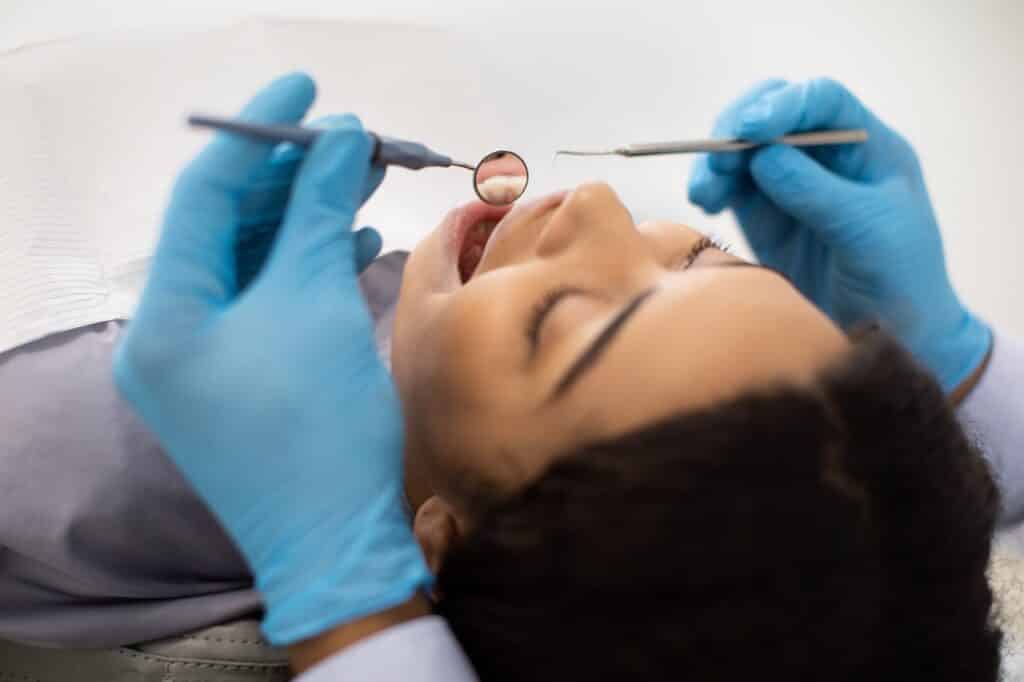
In today’s dental practice, sedation dentistry has become a crucial component in ensuring a comfortable experience for patients who experience dental anxiety or who undergo extensive procedures. At our clinic, we prioritize patient comfort and care through the use of various sedation techniques tailored to meet the needs of each individual. Sedation dentistry not only facilitates a smoother operational process but also significantly enhances the overall patient experience by mitigating fear and creating a more relaxed environment.

Utilizing sedation methods ranging from mild to moderate, we can effectively manage discomfort and anxiety during dental treatments. Whether it’s a simple routine cleaning or a more complex dental procedure, sedation options are available to help ease your mind and provide comfort. This approach is integral to our practice as we continue to strive towards making dental care accessible and fear-free for all our patients, ensuring they can receive the treatment they need without the stress that often accompanies dental visits.

Understanding Sedation Dentistry and Its Role in Dental Care

Dental Extractions

Sedation dentistry plays a key role in modern dental care, primarily by addressing and reducing the commonplace dental anxieties many patients experience. This practice is pivotal not only in performing lengthy or complex dental procedures but also in ensuring that patients who might otherwise avoid the dentist altogether can receive the necessary treatment. The range of sedation options allows us to tailor approaches to each patient’s pain tolerance and anxiety levels, enabling a more effective and less intimidating dental care experience.

For us, the inclusion of sedation dentistry represents our ongoing commitment to prioritizing patient comfort and safety. It allows us to perform various dental procedures, from simple cleanings to more invasive interventions like root canals or oral surgeries, with minimal discomfort for our patients. This focus on comfort-driven care helps us maintain high standards of patient satisfaction and improves overall health outcomes by encouraging more regular dental visits.

Types of Sedation Methods Used in Dentistry

In our practice, we employ several types of sedation methods, each serving distinct purposes and catering to different levels of patient anxiety and procedural requirements. Understanding these methods can help you discuss with us the most comfortable and effective options for your dental care:

1. Nitrous Oxide: Also known as laughing gas, this form of sedation is administered through a mask that fits over the nose. It helps you relax and diminishes your sense of pain, but you remain awake and able to communicate. It’s often used for minor to moderate procedures and wears off quickly, which is ideal for patients who need to drive themselves home after the appointment. Learn more about emergency dental care in Pickering.

2. Oral Sedatives: This involves taking a prescribed pill about an hour before your dental procedure. The medication helps you feel substantially more relaxed by the time you enter our treatment room. You’re awake but significantly less aware of the surroundings, making it suitable for moderately anxious patients or longer procedures.

3. Intravenous (IV) Sedation: Administered directly into the bloodstream, IV sedation offers the deepest level of sedation without general anesthesia. You might not remember much of the procedure, as this method makes you either completely unconscious or on the edge of consciousness.

By discussing these options with us, you can find the sedation method that best fits your health needs and comfort level, ensuring a more positive and fear-free dental care experience.

Benefits of Sedation Dentistry for Overcoming Dental Anxiety

Children Oral Care

One of the most significant benefits of sedation dentistry is its efficacy in overcoming dental anxiety. Fear of dental procedures can deter many individuals from seeking necessary care, leading to neglected oral health and the exacerbation of dental issues. By providing sedation options, we can create a more relaxing and stress-free environment, encouraging more regular dental visits. Patients who used to feel apprehensive about even the simplest procedures often report much more positive emotions and less anxiety with the help of sedation, allowing them to maintain optimal oral health without fear.

Furthermore, sedation dentistry enables more accurate and efficient treatments. With the patient relaxed, we can complete procedures that might otherwise require multiple visits in fewer appointments. This efficiency is especially beneficial for our patients, as it minimizes their time spent in the dental chair and reduces overall stress associated with dental procedures. As a result, sedation dentistry not only soothes patients’ fears but also enhances the care we provide, ensuring high-quality outcomes.

Preparing for a Sedation Dentistry Appointment: Tips for Kids and Adults

Preparing for a sedation dentistry appointment involves several steps to ensure safety and comfort for both kids and adults. Understanding these tips can make the experience smoother and more comfortable for everyone involved. Here are some key preparations:

1. Discuss Health History: It’s important to share your complete health history with us, including any medications you are taking and any known allergies. This information helps us select the appropriate type of sedation and prevent any potential complications.

2. Follow Pre-Procedure Instructions: Depending on the type of sedation chosen, you may need to fast for a certain number of hours before the appointment. We’ll provide detailed instructions about what to eat and drink before your procedure.

3. Arrange Transportation: For most types of sedation, patients will not be able to drive after their appointment. Make sure to arrange for someone to bring you to and from our office safely.

4. Wear Comfortable Clothing: To help you feel at ease, we recommend wearing loose and comfortable clothing. It’s also a good idea to avoid wearing jewelry or other accessories that might interfere with the procedure.

Conclusion

At our clinic, we place immense value on the comfort and well-being of our patients. Sedation dentistry is an excellent tool that assists us in providing gentle, effective, and stress-free dental care. By understanding and utilizing the different sedation methods available, we can significantly improve the dental experience for patients with anxiety and ensure they receive the care they need in the most comfortable way possible.

If sedation dentistry in Ajax sounds like something that could improve your or your child’s dental care experience, we encourage you to contact us today. Let us provide you with more information and help you understand how we at Pickering Dental Services can make your next dental visit a pleasant and relaxed journey.

Helpful Resources

For more information, visit the CDA Guide to Sedation Dentistry.

Schedule Your Appointment Today

Contact Pickering Square Dental to book your appointment with Dr. Marvin Lean. Call us at (905) 420-1777 or visit us at 1450 Kingston Rd, Unit #4, Pickering, ON.

Frequently Asked Questions

Is sedation dentistry safe?

Yes, sedation dentistry is very safe when administered by a trained dental professional. Dr. Lean at Pickering Square Dental monitors your vital signs throughout the procedure to ensure your comfort and safety.

Will I be unconscious during sedation dentistry?

It depends on the level of sedation. Mild sedation keeps you relaxed but awake. Moderate sedation may make you drowsy, though you can still respond. Deep sedation is used for complex procedures. Dr. Lean will recommend the right level for your needs.

How long does sedation last?

Nitrous oxide (laughing gas) wears off within minutes. Oral sedation may take a few hours to fully wear off, so you will need someone to drive you home. Our Pickering team will give you specific aftercare instructions.

Complete Guide to Dental Crowns: Your Questions Answered
dental crowns

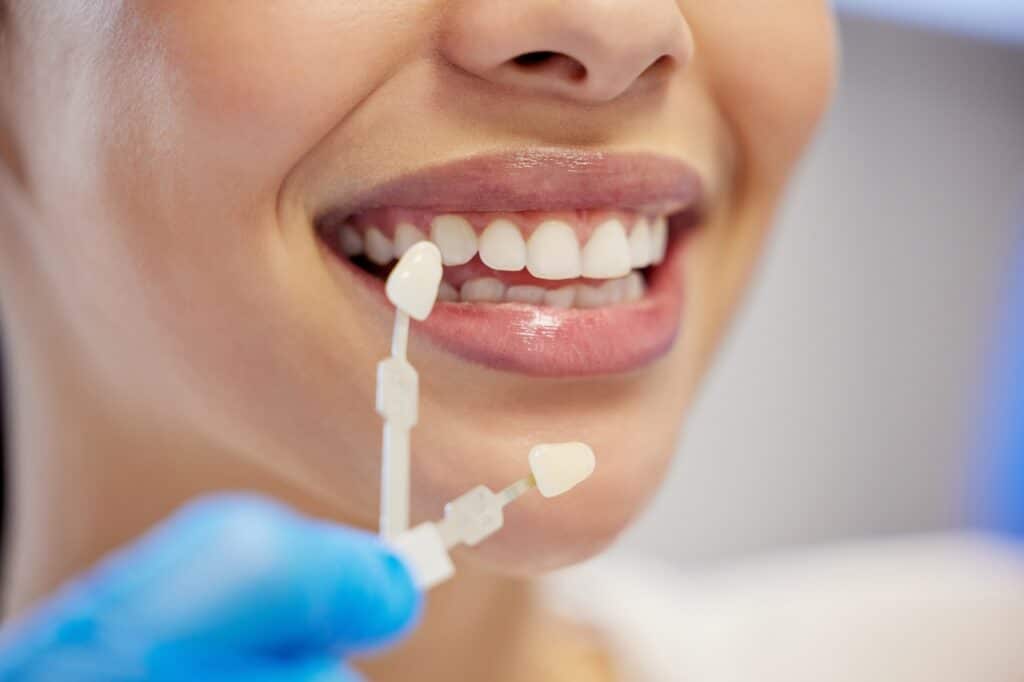
Dental crowns remain a cornerstone of modern restorative dentistry, providing not only functional benefits but also enhancing the aesthetic appeal of smiles across all ages. As we move into 2024, understanding the role and relevance of dental crowns in maintaining dental health is crucial for anyone considering restorative dental treatments. In our dental practice, we are committed to educating our patients about each aspect of their dental care, including the pivotal role of dental crowns.

What exactly are dental crowns? Simply put, they are custom-fitted covers placed over teeth that are decayed, damaged, or cracked. Crowns help restore the tooth’s shape, size, and strength and improve its overall appearance. They are frequently recommended when a tooth has a large filling exceeding the natural tooth structure or after a root canal treatment when the tooth is frail and requires robust support and protection. Additionally, crowns can be used as part of a smile makeover due to their ability to enhance the aesthetic appearance of teeth.

The significance of dental crowns extends beyond just their functionality. They can profoundly impact the quality of life by improving chewing efficiency and offering comfort, alongside boosting confidence with a refreshed, more aligned smile. Each crown is tailored to match the colour and contour of your existing teeth, ensuring that it not only performs like a natural tooth but also fits seamlessly with the rest of your smile.

What Are Dental Crowns and Why Are They Used?

men brushing teeth

Dental crowns are custom-fitted tooth prosthetics that are used to cover damaged or decayed teeth. They are an effective solution that not only strengthens and protects the tooth but also improves its overall appearance. When teeth are cracked, weakened by decay, or have undergone significant wear and tear, crowns provide the necessary support to restore their structure and functionality. Additionally, crowns are utilized to complete other dental procedures, such as bridges, root canals, or dental implants, enhancing both the aesthetics and the bite of a person.

The decision to use a dental crown involves several factors. These include the extent of tooth decay, the structural damage to the tooth, and the dental goals of the patient. For instance, after a root canal, crowns are often essential as the tooth tends to become brittle and may need extra protection. Not only do crowns help maintain the dental health of an individual, but they also assist in achieving a smile that is visually appealing.

Types of Materials Used in Dental Crowns

The materials used for dental crowns vary, each offering unique benefits for different needs. The choice depends largely on the desired aesthetic result, the position of the tooth, and budget considerations:

1. Porcelain: Porcelain crowns are popular for their natural tooth-like appearance, matching the colour and texture of natural teeth. They are typically used for the front teeth.

2. Ceramic: Similar to porcelain, ceramic crowns provide a natural colour match and are also well-suited for people with metal allergies.

3. Gold Alloys: Comprising gold, copper, and other metals, these crowns are highly durable and provide a high level of strength. They are resistant to wear and tear and do not fracture or chip.

4. Metal Alloys: Aside from gold, other metals can be used, including chromium and nickel. These crowns are strong and withstand biting and chewing forces well, making them ideal for out-of-sight molars.

5. Porcelain Fused to Metal (PFM): Combining the strength of metal with the aesthetic appeal of porcelain, PFM crowns are a popular choice as they are both durable and attractive.

Each material has its specific advantages, and the choice often depends on the location of the crown in the mouth, the amount of natural tooth remaining, and individual patient preferences. Our team ensures that patients receive guidance in selecting the right type of crown to meet their functional needs and aesthetic desires.

Steps Involved in Getting a Dental Crown

couple smiling

The process of getting a dental crown typically involves several steps that ensure the best fitting and aesthetic results for our patients. Our team strives to make each step as comfortable and efficient as possible. Here’s what you can expect:

First, we’ll conduct a comprehensive examination of the affected tooth to determine the appropriateness of a dental crown. If a crown is needed, we prepare the tooth by reshaping it under local anesthesia to make room for the crown itself. This involves removing any decay and shaping the outer layers of the tooth to ensure a good fit.

Next, an impression of the reshaped tooth and surrounding teeth is taken. This model helps ensure that the crown will match your other teeth in fit and bite alignment. The impression is sent to a dental lab where your crown is custom-made to match the colour and shape of your natural teeth. While your permanent crown is being made, we place a temporary crown to protect the tooth and maintain the aesthetic of your smile.

Caring for Your Dental Crowns: Best Practices

Once your dental crown is placed, taking proper care of it is crucial for ensuring its longevity. Here are some best practices:

Regular cleaning is essential. Just like your natural teeth, crowns need to be cleaned daily. Brushing twice a day and flossing around the crown to remove plaque are crucial steps. Pay special attention to the area where the gum meets the tooth, as plaque tends to accumulate here. Additionally, avoid using hard toothbrushes or abrasive toothpaste that could damage the crown.

Moreover, although crowns are durable, they are not indestructible. Avoid chewing hard foods, ice, or other hard objects that could crack the crown. If you have a habit of grinding or clenching your teeth, let us know. We might recommend wearing a night guard to protect your crowns while you sleep.

Conclusion

Maintaining optimal oral health involves understanding all your options and knowing how best to care for your dental treatments. Dental crowns offer a fantastic way to restore functionality and aesthetics to your teeth, significantly enhancing your smile and confidence. At our practice, we are dedicated to providing detailed information and care, ensuring you are comfortable and informed throughout the treatment process. Whether you’re considering a crown for restoration or cosmetic purposes, we’re here to help every step of the way.

If you’re looking to explore dental crowns as a solution for yourself or a family member or just need more information about our dental services in Pickering, do not hesitate to contact our team at Pickering Dental Services. Let us guide you towards achieving and maintaining a brilliant, healthy smile.

Looking for professional help? Learn more about our root canal therapy at Pickering Square Dental or call (905) 420-1777 to book an appointment.

Helpful Resources

For more information, visit the Canadian Dental Association Oral Health.

Frequently Asked Questions

How often should I visit the dentist?

The Canadian Dental Association recommends visiting your dentist at least twice a year for regular check-ups and cleanings. Some patients may need more frequent visits depending on their oral health needs. Call Pickering Square Dental at (905) 420-1777 to schedule your next appointment.

Do you accept the Canadian Dental Care Plan (CDCP)?

Yes, Pickering Square Dental participates in the Canadian Dental Care Plan. Our team can help you understand your coverage and ensure you receive the dental care you need. Contact us for more details about CDCP eligibility and benefits.

What services does Pickering Square Dental offer?

We offer a full range of dental services including family dentistry, emergency dental care, sedation dentistry, dental implants, laser dentistry, teeth whitening, root canal therapy, dental extractions, periodontal care, and cosmetic dentistry. Dr. Lean and our team serve patients in Pickering, Ajax, Whitby, and Scarborough.

Choosing Between Bridges and Implants for Missing Teeth
dental treatment

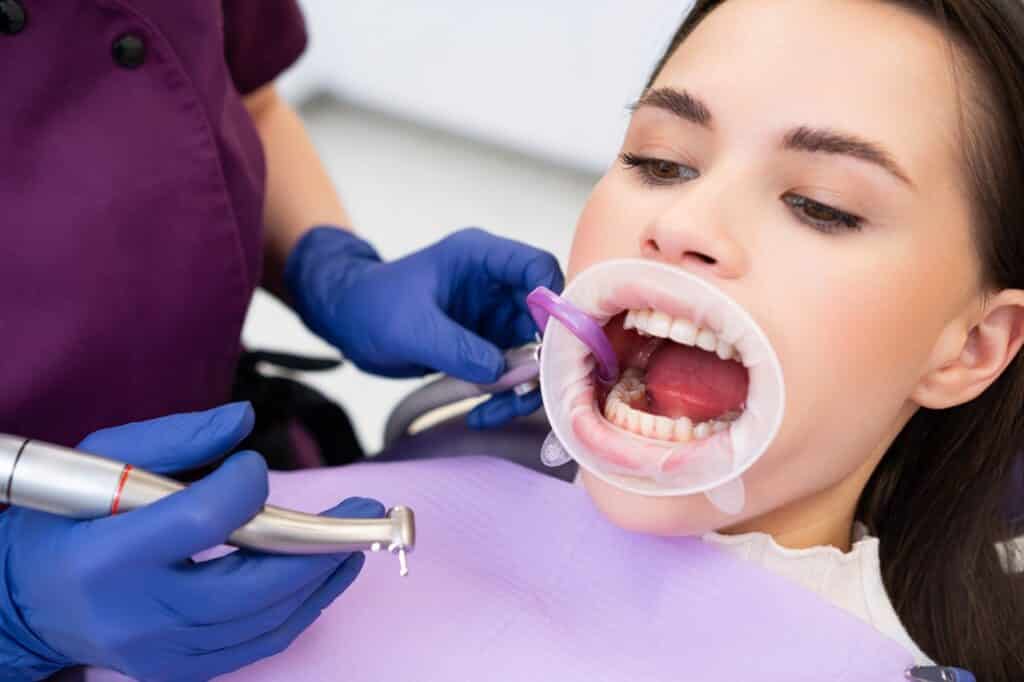
When it comes to replacing missing teeth, the options available to you can significantly impact both your oral health and your lifestyle. As a dental care provider in Pickering, ON, we are committed to helping you understand these options so you can make the best decision based on your specific needs. Two of the most common solutions offered in our practice are dental bridges and implants, both of which have their own unique benefits and considerations.

Dental bridges have been a popular choice for decades. They work by anchoring a false tooth, or pontic, to adjacent teeth or implants. This option is often appreciated for its ability to restore aesthetics and function quickly. On the other hand, dental implants offer a modern alternative, providing a long-lasting solution by replacing the tooth root and crowning it with a custom-made prosthetic tooth. This method not only looks and feels natural but also promotes jawbone health, preventing the bone loss that often accompanies tooth loss.

Choosing the right option involves considering several factors, including durability, aesthetic desire, oral health status, and budget. Our team is here to guide you through these choices, providing detailed information on how each solution works and which might be most effective for your dental needs.

Understanding Dental Bridges and How They Work

Endodontic Therapy

Dental bridges are a trusted solution we offer to fill gaps left by missing teeth, improving both the functionality and aesthetics of your smile. Essentially, a bridge comprises one or more artificial teeth, known as pontics, which are held in place by dental crowns. These crowns are securely attached to the teeth adjacent to the empty space. This configuration not only restores the appearance of a complete set of teeth but also redistributes the forces in your bite to improve function and prevent remaining teeth from shifting out of position.

The process of installing a bridge begins with preparing the abutment teeth, where the enamel is removed to allow for the placement of the crowns that will anchor the bridge. Next, we take an impression of the prepared area which serves as a guide for crafting the bridge, crowns, and pontics in a dental lab. Once the custom-made bridge is ready, it is attached to the abutment teeth, ensuring it blends seamlessly with your natural teeth in both colour and alignment. This not only enhances your smile but also your ability to chew and speak with ease.

Exploring Dental Implants: A Comprehensive Overview

Dental implants represent a groundbreaking advancement in our dental restoration options. They serve as a permanent solution for missing teeth and are renowned for their durability and the natural feel they provide. An implant consists of a titanium post that acts like a tooth root, which is surgically placed into the jawbone beneath the gum line. This post integrates with your bone over a few months in a process called osseointegration. Once healed, a connector, known as an abutment, is fixed on top of the implant to hold the new tooth (or teeth) in place.

These implants offer several benefits, including improved oral health, as they do not require reducing other teeth, as a tooth-supported bridge might. This means more of your own teeth are left intact, enhancing long-term oral health. Additionally, dental implants are designed to fuse with bone, making them very stable and feeling much like natural teeth. This provides a heightened sense of security and comfort that removable dentures can’t match. We carefully plan and execute each step of the dental implant procedure, ensuring optimal outcomes for functionality, aesthetics, and overall dental health.

Comparing Dental Bridges and Implants: Key Differences

Emergency Dental

When it comes to choosing the best option for replacing missing teeth, understanding the key differences between dental bridges and implants is crucial. Dental bridges are often recommended for patients who seek a quicker solution or when the adjacent teeth already require crowns. However, they rely on surrounding teeth for support, which might eventually lead to additional strain on these teeth.

On the other hand, dental implants provide a standalone solution where no additional stress is placed on other teeth. They require a sufficient bone structure for placement and offer the benefit of bone preservation, as the implant stimulates bone growth by mimicking the tooth root. Implants also tend to have a longer lifespan compared to bridges, often lasting a lifetime with proper care, whereas bridges may need replacement after 10 to 15 years.

Factors to Consider When Choosing Between Bridges and Implants

Selecting the right type of dental restoration is dependent on several factors unique to each patient’s situation. Here are some considerations to keep in mind:

1. Oral Health: Patients with good general and gum health are typically good candidates for implants, whereas those with decay issues or significant bone loss might be better suited for bridges.

2. Cost and Insurance Coverage: Typically, bridges might be less expensive initially and are more likely to be covered by insurance than implants, which are often seen as a higher investment due to their longevity and benefits.

3. Treatment Time: Dental bridges can often be created and placed within a few weeks, while implants require several months for the bone to heal around the implant before the final crown can be placed.

4. Aesthetics and Functionality: Both implants and bridges are matched to the colour of your natural teeth, but implants offer superior long-term benefits in terms of preserving jawbone structure and adjacent teeth.

By considering these factors, along with guidance from our dental team, you can make a well-informed decision on which option will best suit your needs and lifestyle.

Conclusion

Deciding between dental bridges and implants is a significant choice that impacts not just your oral health but your overall comfort and confidence. Our team at our dental practice is here to provide all the information you need to understand the options available and help you choose the right solution. We’re committed to ensuring that your dental restoration not only looks natural but also restores the full functionality of your teeth, enhancing your quality of life.

If you’re looking to explore more about dental bridges, implants, or other restorative options, contact our friendly team at Pickering Dental Services today. Schedule a consultation at our Pickering dental clinic to discuss your specific needs and start your journey toward a healthier, more confident smile.

Looking for professional help? Learn more about our dental implant services at Pickering Square Dental or call (905) 420-1777 to book an appointment.

Helpful Resources

For more information, visit the Canadian Dental Association Oral Health.

Frequently Asked Questions

How often should I visit the dentist?

The Canadian Dental Association recommends visiting your dentist at least twice a year for regular check-ups and cleanings. Some patients may need more frequent visits depending on their oral health needs. Call Pickering Square Dental at (905) 420-1777 to schedule your next appointment.

Do you accept the Canadian Dental Care Plan (CDCP)?

Yes, Pickering Square Dental participates in the Canadian Dental Care Plan. Our team can help you understand your coverage and ensure you receive the dental care you need. Contact us for more details about CDCP eligibility and benefits.

What services does Pickering Square Dental offer?

We offer a full range of dental services including family dentistry, emergency dental care, sedation dentistry, dental implants, laser dentistry, teeth whitening, root canal therapy, dental extractions, periodontal care, and cosmetic dentistry. Dr. Lean and our team serve patients in Pickering, Ajax, Whitby, and Scarborough.

Dental Implants 101: Types, Benefits, and What to Expect
dental implant

Tooth loss can occur for various reasons, including injury, gum disease, or tooth decay. Missing teeth not only impact the appearance of one’s smile but can also lead to other oral health issues such as bone loss, misalignment, and jaw pain.

Dental implants have emerged as an effective solution for replacing missing teeth, offering numerous benefits and a natural-looking, long-lasting result. This advanced dental treatment can restore your teeth’ functionality and enhance your smile’s aesthetics.

At Pickering Dental Services, we specialize in a wide range of family dentistry services, including implant dentistry, to help our patients maintain optimal oral health. It is crucial to educate yourself about dental implants, their types, benefits, and what to expect during the process to make informed decisions about your dental care.

Continue reading to learn more about dental implants and how our team of professionals at Pickering Dental Services can help you achieve a healthy and confident smile with this innovative dental treatment.

The Science Behind Dental Implants

Invisalign

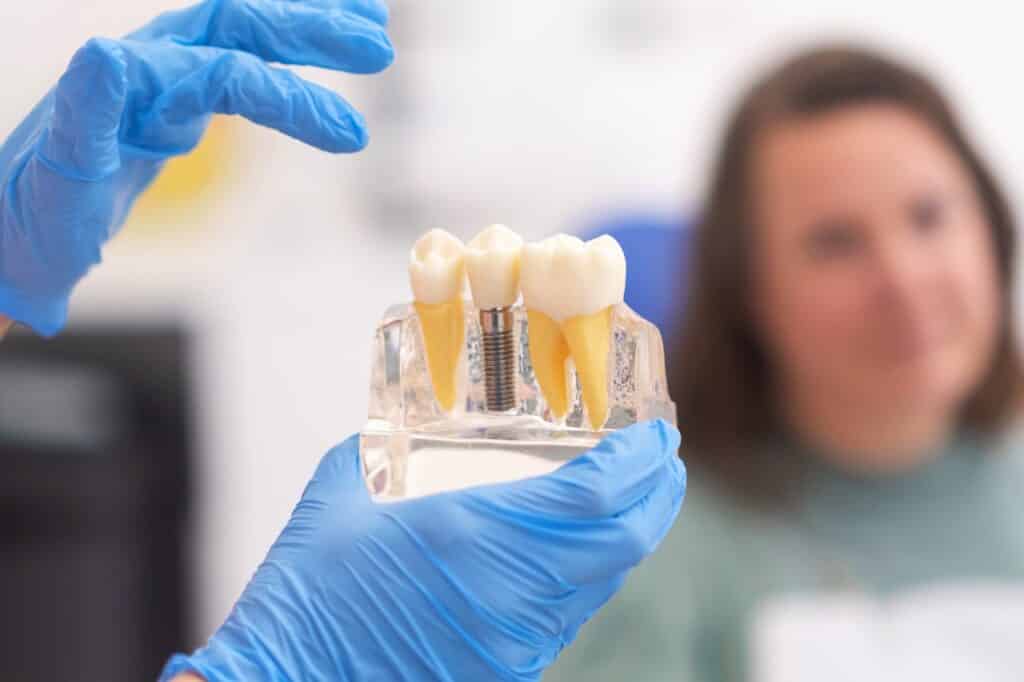
Dental implants consist of three primary components: the implant, the abutment, and the dental crown. The implant, usually made from titanium or zirconia, serves as the root replacement and is surgically inserted into the jawbone.Following the implant placement, a process called osseointegration takes place, wherein the jawbone fuses with the implant to create a strong and stable foundation for the dental crown. The abutment connects the implant to the crown, which is designed to resemble a natural tooth aesthetically and functionally.

Types of Dental Implants

There are various types of dental implants available, catering to individual needs and varying jawbone conditions. The three main types of dental implants include:

1. Endosteal Implants: As the most commonly used implant type, endosteal implants are placed directly into the jawbone. The implant post, usually made of titanium, resembles a small screw and is inserted into the bone. Suitable for patients with a healthy and substantial jawbone, endosteal implants are often used in place of conventional bridges or dentures.

2. Subperiosteal Implants: Subperiosteal implants are an alternative for people with insufficient bone mass for endosteal implants. Instead of being inserted into the jawbone, subperiosteal implants sit on top of the bone within the gum tissue. The dental prosthetic is then attached to the metal framework that protrudes through the gums. Learn more about teeth whitening and aesthetics.

3. Zygomatic Implants: These implants are the least common and mostly used when there isn’t enough jawbone in the upper jaw for endosteal implants. Zygomatic implants anchor into the cheekbones (zygoma) rather than the jawbone. Due to the complexity of this procedure, zygomatic implants are reserved for specific cases and are only performed by highly specialized dental surgeons.

Benefits of Dental Implants

Achieving a Healthy Smile: The Importance of Periodontal Care — Pickering, ON

Dental implants offer several benefits for individuals with tooth loss, including:

1. Restoring Functionality: Dental implants provide a stable foundation for dental prosthetics, allowing individuals to enjoy mealtimes and speak with ease.

2. Preventing Bone Loss: When a tooth is lost, the surrounding bone may begin to deteriorate due to a lack of stimulation from the tooth’s root. Dental implants stimulate the bone, promoting bone growth and helping to prevent further bone loss.

3. Improved Appearance: Dental implants enhance patients’ smiles by replacing missing teeth with natural-looking, custom-designed dental crowns.

4. Protecting Adjacent Teeth: Unlike dental bridges, dental implants do not require grinding down neighbouring teeth, preserving the integrity of the surrounding teeth.

5. Longevity: With proper care, dental implants can last a lifetime, making them a durable and cost-effective solution for tooth replacement.

What to Expect During the Dental Implant Process

Understanding what to expect during the dental implant process can help provide peace of mind and reduce anxiety. The general process for dental implant placement includes:

1. Consultation: During your initial consultation, a dental professional will assess your oral health, review your medical history, and determine whether dental implants are an appropriate treatment option. Advanced imaging technologies such as X-rays and CT scans may be used to evaluate bone density and the positioning of your teeth and nerves.

2. Preliminary Procedures: Depending on your dental health and specific situation, preliminary procedures such as tooth extractions, bone grafting, or sinus lifting might be necessary.

3. Surgery: During the dental implant surgery, your dentist will administer anesthesia to ensure your comfort. Next, the dental professional surgically places the implant(s) into the jawbone. In some cases, temporary teeth may be attached to the implants.

4. Osseointegration & Healing: It may take several months for the implants to fully integrate with the jawbone. During this time, patients are advised to maintain good oral hygiene practices and follow any post-operative care instructions provided by their dentist.

5. Abutment Placement & Crown Fitting: Once osseointegration is complete, your dentist will attach the abutment to the dental implant. Finally, dental impressions are taken to create your custom dental crown, which is designed to match the shape, size, and colour of your natural teeth.

Final Thoughts

Dental implants provide an effective solution for addressing tooth loss, offering numerous benefits such as restored functionality, improved appearance, and prevention of bone loss. By examining the different types of dental implants and understanding what to expect during the implant process, you can decide whether this innovative dental treatment is suitable for your specific needs.

Consult with the experienced dental team at Pickering Dental Services to discuss dental implant options further and develop a tailored treatment plan to help you achieve a healthy and confident smile. Book your appointment today to learn more about dental implants and the wide range of family dentistry services we offer.

Helpful Resources

For more information, visit the Canadian Dental Association on Dental Implants.

Schedule Your Appointment Today

Contact Pickering Square Dental to book your appointment with Dr. Marvin Lean. Call us at (905) 420-1777 or visit us at 1450 Kingston Rd, Unit #4, Pickering, ON.

Frequently Asked Questions

How long do dental implants last?

With proper care and regular dental check-ups, dental implants can last 25 years or more. Many patients enjoy their implants for a lifetime. At Pickering Square Dental, Dr. Lean uses high-quality titanium implants designed for long-term durability.

Are dental implants painful?

Most patients report less discomfort than expected. The procedure is performed under local anaesthesia, and sedation options are available. Post-procedure soreness typically resolves within a few days with over-the-counter pain relief.

Am I a candidate for dental implants?

Most adults with good general health are candidates for dental implants. You need adequate jawbone density to support the implant. Dr. Lean will assess your bone health and overall suitability during a consultation at our Pickering office.