
A sudden sharp twinge when biting down, a lingering ache after sipping cold water, or the unsettling feeling that something inside a tooth has shifted—these moments raise an urgent question. Can a cracked tooth be saved? The honest answer is that it depends on where the crack is located, how deep it runs, and how quickly it receives professional attention. Some cracks are shallow and cosmetic. Others reach the nerve or split the root. Understanding what a dentist actually examines during an assessment can help you make sense of the recommendations you receive and feel more prepared for the conversation ahead.
Understanding the Types of Cracks Dentists See
Not every crack behaves the same way, and the terminology matters because it guides the treatment discussion. Dentists generally group cracked teeth into several categories, each with its own prognosis. Recognizing the differences helps explain why one person with a “cracked tooth” might need only monitoring, while another may need more involved care.
- Craze lines are tiny surface cracks in the outer enamel. They are extremely common in adult teeth and usually cause no symptoms. In most cases they are considered cosmetic rather than structural.
- Fractured cusp refers to a piece of the chewing surface breaking away, often around a large filling. Because the crack tends to stop above the gumline, restoration is frequently possible.
- Cracked tooth in the clinical sense means a crack extending from the chewing surface toward the root. Whether it can be saved depends on how far it has traveled.
- Split tooth describes a crack that has progressed into distinct segments. Treatment options narrow considerably at this stage.
- Vertical root fracture begins at the root and moves upward. These are often the most difficult to detect and the most challenging to treat.
When you ask whether a cracked tooth can be saved, the category matters more than the label. A fractured cusp and a vertical root fracture may both feel painful, but they lead to very different conversations in the operatory.
What Dentists Evaluate During an Examination
Diagnosing a crack is often described as detective work because cracks can be invisible on standard imaging and may only reveal themselves under specific conditions. During an appointment, a dentist typically works through a layered evaluation rather than relying on any single test.
Symptoms and History
The conversation usually starts with your description. Sharp pain on biting that disappears when pressure is released is a classic pattern for a cracked tooth. Sensitivity to cold that lingers, discomfort with sweet foods, or a vague ache that is hard to localize all provide clues. A history of grinding, a recent hard bite on something unexpected, or a large existing filling adds context.
Visual and Tactile Assessment
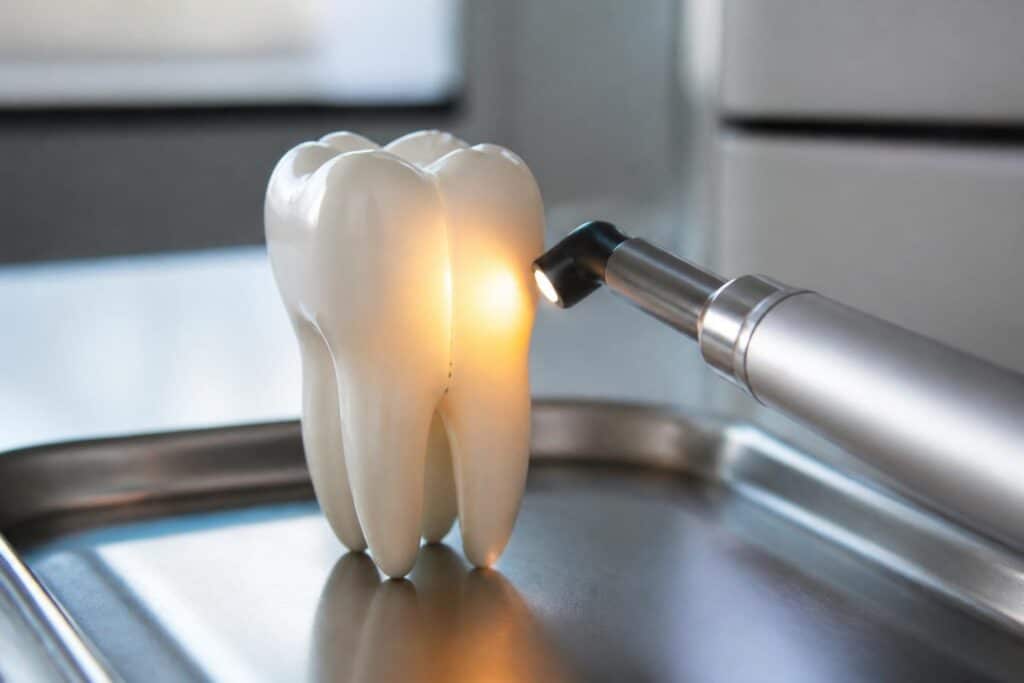
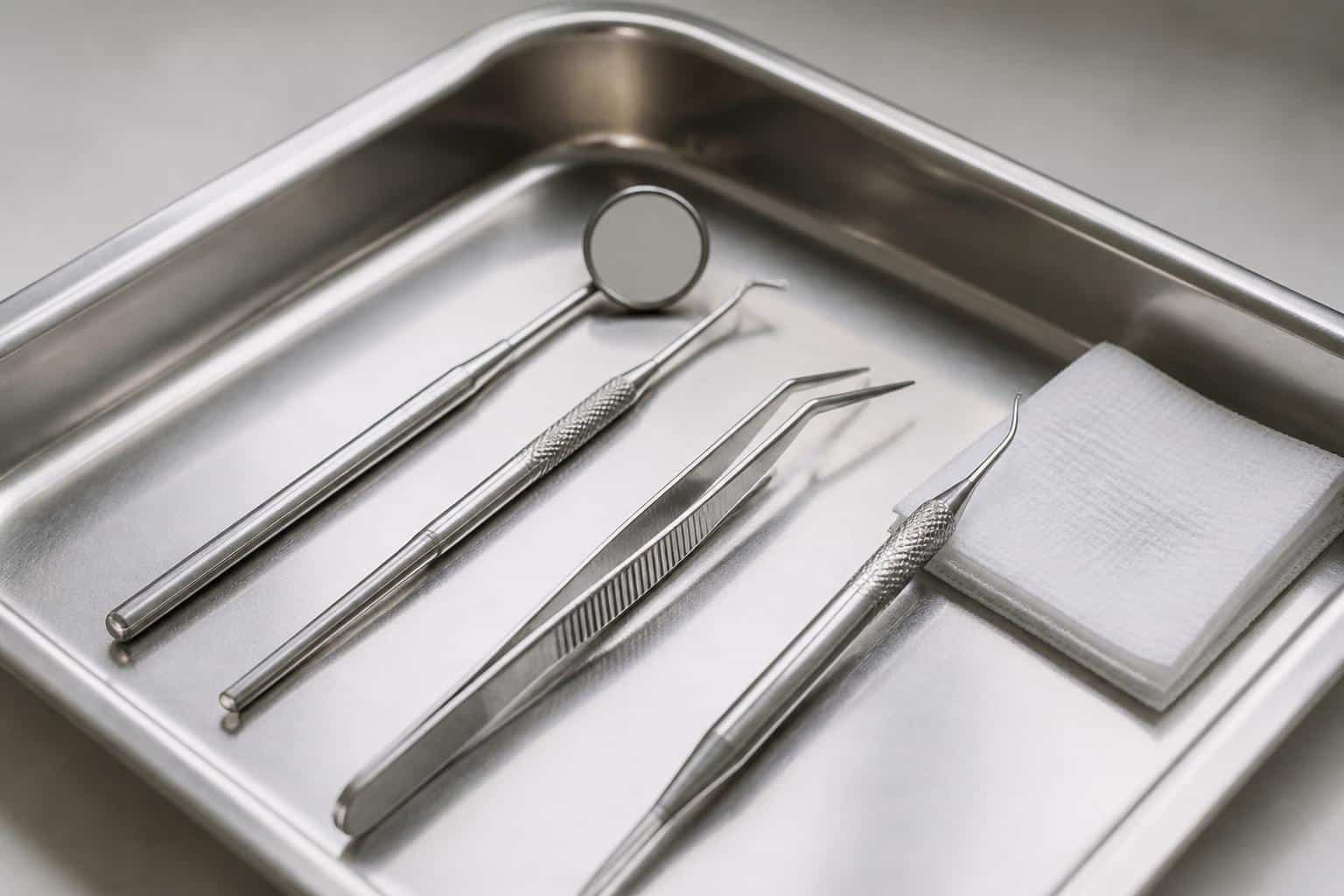
Under magnification and strong light, the dentist looks for visible crack lines, stained fracture paths, or missing tooth structure. A dental explorer may be used to feel for catches along the enamel. Sometimes a special dye is applied to make hairline cracks more visible. Transillumination, where a bright light is shone through the tooth, can reveal how far a crack extends.
Bite Testing
A small device called a bite stick is often placed on individual cusps. If biting on one specific area reproduces the pain, that finding helps isolate the fractured section. This is one of the most useful tools for confirming a cracked tooth when imaging is inconclusive.
Imaging
Standard X-rays do not always show cracks because the fracture line often runs in the same direction as the X-ray beam. However, imaging is still important to assess the surrounding bone, the pulp chamber, and any signs of infection. In some situations, three-dimensional imaging may be discussed to gather additional information.
Pulp Testing
Because a crack can expose the inner nerve tissue, dentists may test how the pulp is responding using cold stimulus or gentle electrical testing. The results help determine whether the nerve is healthy, inflamed, or no longer vital. This information shapes the treatment discussion. For a more general overview of how dentists approach diagnostic testing, the American Dental Association maintains educational resources at ADA Oral Health Topics.
Treatment Paths That May Be Discussed
Once the evaluation is complete, the dentist can talk through possibilities based on what was found. No two cracks are identical, so the following options are offered as a general framework rather than a prescription.
- Monitoring: Very shallow craze lines that show no symptoms may simply be watched at regular checkups.
- Bonding or filling: A minor crack limited to enamel may be repaired with composite material to protect the surface and improve appearance.
- Crown placement: When a cusp has fractured or the crack extends into dentin without reaching the pulp, a crown can hold the tooth together and distribute biting forces more evenly.
- Root canal therapy: If the crack has reached the pulp and the nerve is inflamed or infected, root canal therapy may be discussed to address the internal tissue before restoring the tooth with a crown.
- Extraction: When a crack extends below the gumline, splits the tooth into segments, or involves the root, saving the tooth may not be realistic. Replacement options can then be reviewed.
The prognosis for a cracked tooth is closely tied to timing. A crack that is caught while it is still contained in the crown of the tooth is generally more manageable than one that has been allowed to migrate downward under repeated chewing pressure. This is one reason dentists often encourage patients not to wait when biting pain appears.
Why Timing and Daily Habits Matter
Cracks tend to propagate. Each time the tooth flexes under a chewing load, an existing fracture can extend a little further. What might have been treatable with a crown last month may involve the nerve today. This is not meant to alarm anyone—it simply explains why prompt evaluation is emphasized so consistently.
Several everyday habits contribute to cracks or accelerate them. Chewing ice, biting on pens, opening packaging with teeth, and clenching or grinding all place concentrated stress on enamel. Teeth with large fillings are especially vulnerable because the remaining tooth structure has to absorb forces that were once shared with more natural material. If nighttime grinding is a factor, a custom night guard may be part of a longer-term protective strategy.
Diet plays a smaller but real role. Frequent exposure to acidic foods and drinks can soften enamel over time, making it more prone to chipping. Balanced hydration, moderating acidic beverages, and using a soft-bristled brush all support the enamel that protects against future cracks.
If you suspect a crack, avoid chewing on that side of the mouth until you have been evaluated. This simple change reduces the stress on the compromised tooth and may help preserve more options. If pain is severe, swelling develops, or a piece of the tooth has broken away, a same-day assessment through emergency dental care may be appropriate so the situation can be examined promptly.
Frequently Asked Questions
How can I tell if my tooth is actually cracked or just sensitive?
General sensitivity often affects several teeth and tends to build gradually. A cracked tooth typically produces sharp, localized pain when biting on a specific spot, and the pain often disappears the moment pressure is released. Lingering sensitivity to cold in one tooth is another common pattern. Because self-diagnosis is unreliable, an in-person examination with the tests described above is the most dependable way to confirm what is happening.
Can a cracked tooth heal on its own?
Enamel and dentin do not regenerate the way skin or bone does, so a true crack does not heal itself. Some very shallow craze lines remain stable indefinitely without treatment, but a crack that has caused symptoms will generally need some form of intervention to prevent further progression. The goal of treatment is to stabilize the tooth and protect the internal tissues.
Is a crown always required for a cracked tooth?
Not always. The recommendation depends on the depth and location of the crack. Superficial cracks may be addressed with bonding, while deeper cracks that involve significant tooth structure often benefit from the full coverage a crown provides. The dentist will weigh factors such as the amount of remaining healthy tooth, the position in the mouth, and your bite pattern before discussing what is appropriate for your situation.
What happens if a cracked tooth is left untreated?
Untreated cracks tend to worsen with continued chewing. Over time, the fracture can extend into the pulp, potentially leading to infection, or it can progress into the root, at which point the tooth may no longer be restorable. Early evaluation preserves more choices. Even when symptoms come and go, having the tooth examined helps clarify whether monitoring or active treatment is the better path forward.
If you have noticed biting pain, unexplained sensitivity, or a visible chip and want a professional opinion on whether the tooth can be preserved, the team at Pickering Square Dental is available to help you understand your options. Call (905) 420-1777 or reach out through our contact page to discuss scheduling an evaluation with Dr. Marvin Lean.

About Dr. Marvin Lean, DDS
Dr. Marvin Lean, DDS, is the owner and lead dentist at Pickering Square Dental. With decades of experience in family and laser dentistry, Dr. Lean provides care focused on clear communication and patient comfort. He is a member of the Ontario Dental Association (ODA) and the Canadian Dental Association (CDA). Dr. Lean and his team provide comprehensive dental care including sedation dentistry, dental implants, emergency dental care, and the Canadian Dental Care Plan (CDCP) to patients in Pickering, Ajax, Whitby, Scarborough, Oshawa, and Markham. Dr. Lean spent the last 20 years as the Dentist for the Toronto Maple Leafs.