

Healthy gums are typically firm and pink, though natural colour varies, and they fit snugly around each tooth. When they turn puffy, red, or tender, something is irritating them. Sometimes the cause is simple and easy to correct, and sometimes it is a sign that gum disease needs attention.
This guide covers what swollen gums can mean, the most common causes, what you can do at home, when to see a dentist, and how a dentist approaches treatment. It is general education and cannot replace an exam.
What Swollen Gums Look and Feel Like
Swollen gums often look red or darker than usual, shiny, and rounded instead of tapering neatly between the teeth. They may feel tender or sore, and they commonly bleed when you brush or floss. You might also notice bad breath or a bad taste. Some people see the swelling in one small spot, and others see it along the whole gumline.
Common Causes of Swollen Gums
Plaque Build-Up and Gingivitis
The most common reason is plaque, the sticky film of bacteria that forms on teeth every day. The American Dental Association’s MouthHealthy site explains that gingivitis is the early stage of gum disease, caused by a build-up of plaque, and that its symptoms include gums that bleed easily and red, swollen, tender gums. The encouraging news is that at this stage the condition is still reversible. Our guide to gingivitis goes into more detail.
Gum Disease That Has Progressed
The National Institute of Dental and Craniofacial Research notes that gum disease starts with swollen, red, and bleeding gums, and that if it is left untreated it can spread to the bones supporting the teeth. Plaque that hardens into tartar cannot be brushed away, which is one reason professional cleanings matter.
Hormonal Changes
Pregnancy is listed by the ADA among the factors that can raise the risk of gingivitis, and many people notice their gums become more sensitive during pregnancy. If you are pregnant and your gums are swollen, mention it to your dentist.
Medications and Health Conditions
Some medications, including certain steroids, anti-seizure drugs, cancer therapy drugs, and some blood pressure medications, are linked to gum changes, and conditions such as diabetes can make gum problems more likely. Please do not stop a prescribed medication on your own. Raise it with your dentist and your physician.
Tobacco Use
Smoking and chewing tobacco irritate the gums and make it harder for them to fight infection. They are on the list of factors that raise the risk of gum disease.
Brushing Too Hard
Scrubbing with a stiff brush or a heavy hand can inflame the gums instead of cleaning them. A soft-bristle brush with gentle, short strokes along the gumline cleans just as well without the irritation. If your gums feel sore right after brushing, it is worth reviewing your technique with your dentist or hygienist.
Local Irritation
Food trapped between teeth, a rough or overhanging filling edge, braces, or dentures that do not fit well can all inflame the gum in one spot. A swelling that stays in one place, especially with pain, can also point to an infection around a tooth. Our guide to dealing with an abscessed tooth explains what to look out for.
What You Can Do at Home
For mild swelling without severe pain, these steps often help while you arrange a visit:
- Brush gently twice a day with a soft-bristle brush and fluoride toothpaste, taking care along the gumline.
- Clean between your teeth every day with floss or interdental brushes, as the NHS recommends. Some bleeding can happen at first, and it often settles as your gums get healthier.
- Many people find a warm salt-water rinse soothing.
- Avoid tobacco, and go easy on harsh or alcohol-heavy mouth rinses.
- Do not skip the sore area because it hurts. Keeping plaque away from it is part of how it heals.
If the swelling is not improving, have it checked rather than wait it out.

When to See a Dentist
Schedule a dental visit if your gums stay swollen and are not improving, if they bleed whenever you brush, or if you notice persistent bad breath. The NHS advises seeing a dentist when gums bleed when you brush or eat hard foods, when they are painful and swollen, or when you have bad breath. Ask for an urgent appointment if you have:
- Very sore, swollen gums with teeth that feel loose
- Ulcers, red patches, or a lump in your mouth
- Swelling that spreads to your face or jaw, or a fever
- Trouble swallowing or breathing, which calls for the nearest emergency department or a call to 911
How a Dentist Approaches Swollen Gums
A dentist or dental hygienist will examine your gums for inflammation, bleeding, and gum recession, and will measure the small spaces around each tooth, called pockets, with a gentle probe. Deeper pockets can be a sign of periodontal disease. Your medical history matters as well, since factors like diabetes and tobacco use affect the gums. X-rays can show whether any bone around the teeth has been lost.
Early cases are often managed with a professional cleaning and better daily habits. If gum disease is more advanced, the plan may involve a deeper cleaning below the gumline, which our guide to scaling and root planing explains, along with closer follow-up. Your dentist may also refer you to a periodontist when more specialized care is needed. You can read more about understanding and preventing gum disease on our blog.
What Happens at a Professional Cleaning
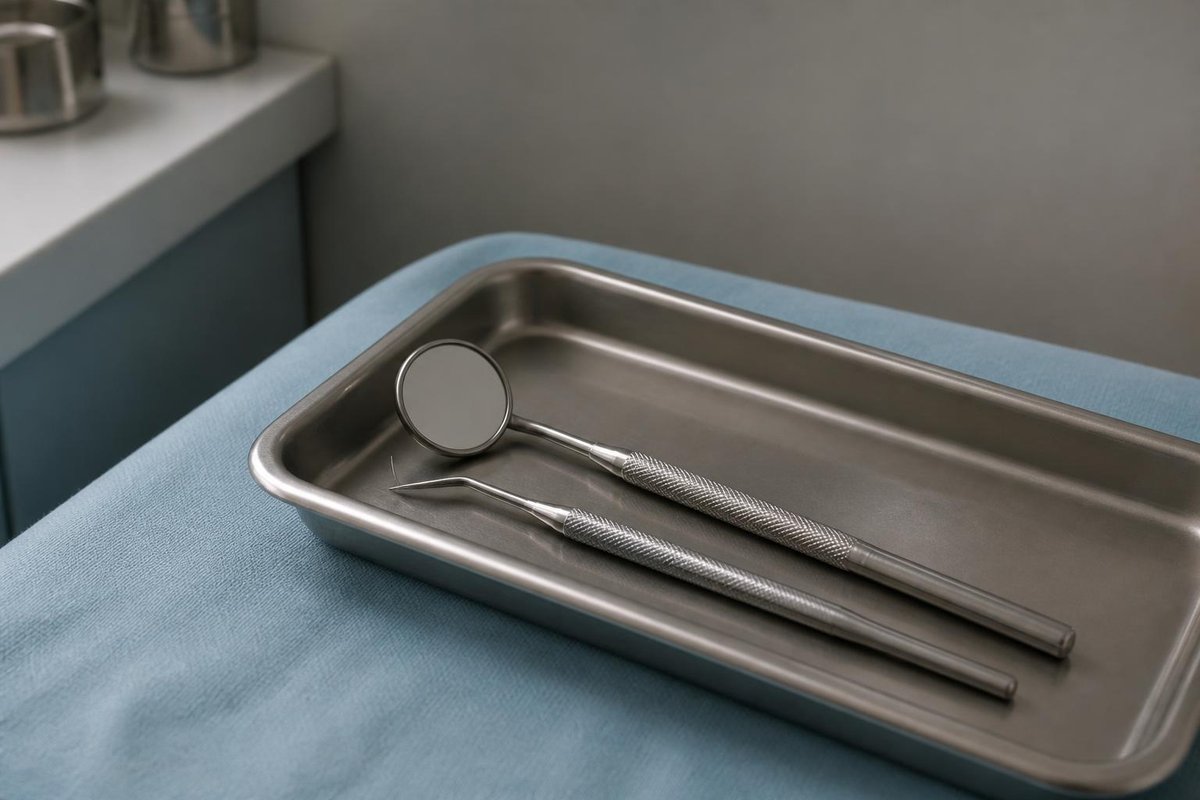
During a professional cleaning, a hygienist removes plaque and hardened tartar from the surfaces of your teeth and along the gumline, using hand instruments or an ultrasonic scaler, and then polishes the teeth. Because tartar cannot be brushed off at home, this step is often what finally lets inflamed gums settle down. You will also be shown where plaque tends to build up in your mouth, so your home routine can focus on those areas. Many people notice that their gums look and feel calmer after a cleaning and better daily care.
Frequently Asked Questions
Are swollen gums always a sign of gum disease?
No. Gum disease is a common cause, but irritation from food, a poorly fitting appliance, hormonal changes, or medication can also be responsible. A dentist can work out which one applies to you.
Can swollen gums heal on their own?
Mild swelling from a short-term irritation can settle once the cause is removed. Swelling caused by plaque and gingivitis usually needs better cleaning, and often a professional cleaning, to clear up fully. Swelling that is not improving should be checked.
Why are my gums swollen and bleeding since I started flossing?
If your gums were already inflamed, cleaning between your teeth can cause some bleeding at first. With gentle, daily flossing it often improves as your gums get healthier. If it does not, or if the gums are painful, see your dentist.
Can pregnancy cause swollen gums?
Yes. Pregnancy is among the factors the ADA lists as raising the risk of gingivitis. Regular dental care and careful daily cleaning are especially worthwhile during pregnancy.
Do swollen gums mean I need a deep cleaning?
Not necessarily. Many cases of gingivitis respond to a standard professional cleaning and good home care. A deeper cleaning is generally recommended when an exam finds pockets or signs of more advanced gum disease.
Gums Swollen or Tender?
If your gums have been red, puffy, or sore and are not improving, our team at Pickering Square Dental would be glad to take a look. Learn more about our periodontal care, or contact us to schedule an appointment.
This article is for educational purposes only and is not a substitute for personalized dental advice, diagnosis, or treatment. Always speak with a regulated dental professional about your specific concerns.

About Dr. Marvin Lean, DDS
Dr. Marvin Lean, DDS, is the owner and lead dentist at Pickering Square Dental. With decades of experience in family and laser dentistry, Dr. Lean provides care focused on clear communication and patient comfort. He is a member of the Ontario Dental Association (ODA) and the Canadian Dental Association (CDA). Dr. Lean and his team provide comprehensive dental care including sedation dentistry, dental implants, emergency dental care, and the Canadian Dental Care Plan (CDCP) to patients in Pickering, Ajax, Whitby, Scarborough, Oshawa, and Markham. Dr. Lean spent the last 20 years as the Dentist for the Toronto Maple Leafs.