

Cavities in baby and permanent molars are one of the most common dental problems in children, largely because the chewing surfaces of back teeth have deep grooves that are hard to clean thoroughly with a toothbrush alone. Dental sealants are a simple, well-established way to add extra protection to those vulnerable surfaces before decay has a chance to start.
This guide explains what dental sealants are, how they work, and what to expect if your child’s dentist recommends them. It is for general education only and is not a substitute for an in-person dental evaluation.
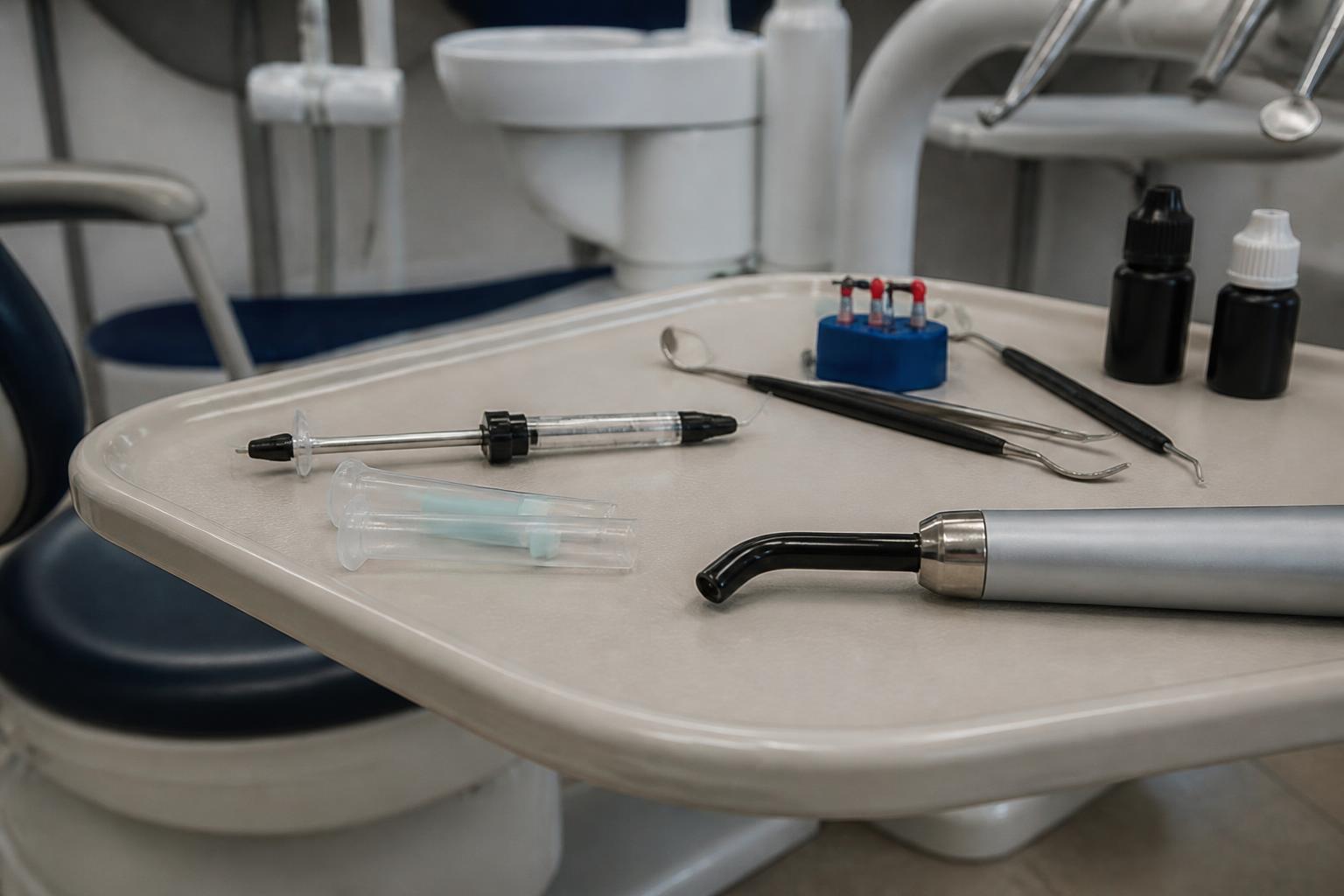
What Are Dental Sealants?
A dental sealant is a thin protective coating applied to the chewing surfaces of back teeth, usually the molars and premolars. Once applied, the sealant flows into the natural grooves and pits on the tooth’s surface and hardens, creating a smooth barrier that keeps food particles and bacteria from settling into those hard-to-clean areas. Sealants are most commonly recommended for children and teens soon after their permanent molars come in, though they can be appropriate for some adults as well.
How Do Sealants Help Prevent Cavities?
Most cavities in children develop on the chewing surfaces of back teeth, where grooves can be deeper than a toothbrush bristle can fully reach. By sealing off these grooves, a sealant reduces the surface area where plaque and food debris can accumulate. This doesn’t replace brushing, flossing, or regular dental visits, but it adds another layer of protection in the areas most prone to decay.
What Happens During a Sealant Appointment?
Placing a sealant is typically quick and comfortable, and it does not usually require freezing or numbing. The general process involves:
- Cleaning and drying the tooth to prepare the surface.
- Applying a mild etching solution that helps the sealant bond to the tooth.
- Rinsing and drying the tooth again before the sealant is applied.
- Painting the sealant material into the grooves of the tooth.
- Curing the sealant, often with a special light, so it hardens quickly.
Most children tolerate the process well since there’s no drilling or discomfort involved. A sealant can typically be placed on several teeth in a single visit.
At What Age Are Sealants Usually Recommended?
Sealants are often recommended soon after a child’s first permanent molars erupt, generally around age six, and again when the second set of molars comes in, usually between ages 11 and 14. Every child’s timeline is a little different, so your dentist will base the recommendation on which teeth have fully erupted and how prone they appear to be to decay.
How Long Do Dental Sealants Last?
Sealants can last for several years with normal wear, though your dentist will check them at routine checkups to confirm they are still intact. If a sealant chips or wears down over time, it can typically be touched up or reapplied. Regular dental visits are the best way to make sure sealants are still doing their job.

Signs Your Child Might Be a Good Candidate for Sealants
Not every tooth needs a sealant, and your dentist will look at each tooth individually rather than applying sealants automatically. A few things your dentist typically considers include how deep the grooves are on your child’s molars, whether your child has had cavities on similar teeth before, how consistent your child’s brushing habits are, and how recently the permanent molars have erupted. Newly erupted molars are often good candidates since they haven’t had time to develop decay yet, and sealing them early can help protect them from the start.
If your child has a history of cavities, especially on back teeth, that history can also be a reason to discuss sealants sooner rather than later. On the other hand, some children with strong enamel, low cavity risk, and consistent home care may need sealants on fewer teeth, or none at all. This is why an in-person exam is the most reliable way to know what’s appropriate for your child specifically.
Are Sealants Only for Children?
While sealants are most commonly associated with children and teens, some adults without a history of decay or fillings on their molars may also be candidates, particularly if the natural grooves in their teeth are especially deep. Your family dentist can evaluate whether sealants make sense for any member of your family based on individual risk factors.
According to the Canadian Dental Association (CDA), sealants are considered a safe, effective preventive measure for reducing the risk of decay on the chewing surfaces of back teeth, particularly in children and teens. Sealants are not a substitute for good daily brushing and flossing, but they do add a meaningful extra layer of protection.
What Should We Expect After the Appointment?
There’s typically no recovery time needed after a sealant is placed. Your child can usually eat and drink normally right away, though your dentist may suggest waiting a short time before chewing anything very sticky or hard on the newly sealed teeth. It’s normal for your child’s tongue to notice a slight difference in texture on the sealed tooth at first; this typically isn’t uncomfortable and tends to go unnoticed within a day or two.
Do Sealants Replace Brushing and Flossing?
No. Sealants only protect the specific chewing surfaces they’re applied to; they don’t cover the sides of teeth or the areas between teeth, where flossing remains important. A full prevention routine still includes daily brushing, flossing, a balanced diet, and regular dental checkups, with sealants serving as one additional tool rather than a replacement for good habits.
How Sealants Fit Into a Broader Prevention Plan
Sealants work best as one part of a bigger picture that also includes fluoride exposure, a balanced diet with limited sugary snacks and drinks, and consistent checkups every six months. Your dentist may also talk with you about fluoride varnish or other preventive options depending on your child’s individual cavity risk. Thinking of sealants as one layer of protection, rather than a complete solution on their own, can help set realistic expectations for your child’s long-term oral health.
FAQs About Dental Sealants for Kids
Do dental sealants hurt to apply?
No. Placing a sealant is generally painless and doesn’t require any numbing or drilling. Most children find the process quick and easy to sit through.
Can a sealant fall off?
Sealants can occasionally wear down or chip over time with normal chewing, though this is uncommon. Your dentist checks sealants at routine visits and can reapply or repair them if needed.
Are sealants only placed on molars?
Sealants are most often placed on molars and premolars because these teeth have the deepest grooves and are hardest to clean. Your dentist can tell you which of your child’s teeth are good candidates.
Curious If Sealants Are Right for Your Child?
Dental sealants are a simple, low-stress way to add extra cavity protection for your child’s back teeth. Our team at Pickering Square Dental can evaluate whether sealants make sense at your child’s next checkup and explain the process in family-friendly terms.
You can learn more about our approach on our services page. To schedule a checkup or ask a question about sealants, please contact us and our team will be glad to help.
This article is for educational purposes only and is not a substitute for personalized dental advice, diagnosis, or treatment. Always speak with a regulated dental professional about your child’s specific needs.

About Dr. Marvin Lean, DDS
Dr. Marvin Lean, DDS, is the owner and lead dentist at Pickering Square Dental. With decades of experience in family and laser dentistry, Dr. Lean provides care focused on clear communication and patient comfort. He is a member of the Ontario Dental Association (ODA) and the Canadian Dental Association (CDA). Dr. Lean and his team provide comprehensive dental care including sedation dentistry, dental implants, emergency dental care, and the Canadian Dental Care Plan (CDCP) to patients in Pickering, Ajax, Whitby, Scarborough, Oshawa, and Markham. Dr. Lean spent the last 20 years as the Dentist for the Toronto Maple Leafs.