If you’re looking to improve the appearance of a chipped, discolored, gapped, or slightly misshapen tooth, cosmetic bonding and porcelain veneers are two of the most common options dentists discuss. Both can create a noticeably improved smile, but they work differently, last for different lengths of time, and suit different situations. Understanding the basics of each can help you have a more informed conversation at your consultation.
This guide compares cosmetic bonding and veneers, including how each is applied, how long they typically last, and factors that can help you and your dentist decide which fits your goals. It is for general education only and is not a substitute for an in-person dental evaluation.
What Is Cosmetic Bonding?
Cosmetic bonding uses a tooth-colored composite resin material, applied directly to the tooth and shaped by your dentist, then hardened with a special curing light. It’s commonly used to repair small chips, close minor gaps, reshape a tooth, or cover discoloration on one or a few teeth. Because the material is applied and sculpted in a single visit, bonding is often one of the quicker and less involved cosmetic options.
What Are Veneers?
Veneers are thin shells, most commonly made from porcelain (though composite veneers exist too), custom-made to fit over the front surface of a tooth. Traditional porcelain veneers typically require a small amount of enamel to be gently prepared from the tooth surface so the veneer sits naturally, and they’re usually made in a dental lab from an impression or digital scan of your teeth, meaning treatment is generally completed over two visits. Veneers are often used to address a broader range of cosmetic concerns across several teeth at once, since they can uniformly change shape, size, and color for a coordinated smile appearance.
Key Differences Between Bonding and Veneers
- Material
- Bonding: Tooth-colored composite resin, sculpted directly on the tooth.
- Veneers: Custom-made porcelain (or composite) shells, fabricated outside the mouth and bonded into place.
- Number of visits
- Bonding: Usually completed in a single appointment.
- Veneers: Typically requires at least two visits, one for preparation and impressions, and one to place the finished veneers.
- Tooth preparation
- Bonding: Minimal to no removal of tooth structure in many cases.
- Veneers: Traditional porcelain veneers usually require a small amount of enamel reduction.
- Durability and lifespan
- Bonding: Generally more prone to chipping or staining over time and often needs touch-ups or replacement sooner.
- Veneers: Porcelain is more stain- and chip-resistant and generally lasts longer with proper care.
- Best suited for
- Bonding: Small chips, minor gaps, subtle reshaping, or covering small areas of discoloration.
- Veneers: More significant color changes, multiple teeth needing a coordinated look, or longer-lasting correction of shape and alignment concerns.
The American Academy of Cosmetic Dentistry notes that both bonding and veneers are established options within cosmetic dentistry, and the right choice generally depends on the specific concern being addressed, the number of teeth involved, and the patient’s goals for durability and appearance.
How Long Does Each Option Last?
Composite bonding typically lasts anywhere from a few years up to around a decade, depending on how it’s cared for, your bite, and habits like teeth grinding or biting on hard objects. Porcelain veneers tend to last longer, often a decade or more with good care, though the exact lifespan varies by individual. Both options can be extended with good oral hygiene, avoiding excessive force on the treated teeth, and attending regular dental checkups so your dentist can monitor their condition.
Caring for Bonded Teeth or Veneers
Both bonding and veneers benefit from similar daily care, including brushing twice a day, flossing regularly, and avoiding using your teeth as tools to open packaging or bite very hard objects. It’s also generally a good idea to limit foods and drinks that stain easily, such as coffee, tea, and red wine, particularly with composite bonding, which can pick up stains more readily than porcelain over time. If you grind or clench your teeth, your dentist may recommend a night guard to help protect either type of restoration.
Questions to Discuss With Your Dentist
Since bonding and veneers suit different situations, it helps to talk through a few specific questions at your consultation, such as how many teeth you’d like to address, whether your main concern is shape, color, spacing, or a combination, how much you’re hoping the result will last before needing touch-ups or replacement, and what your budget and timeline look like. Your dentist can use your exam findings along with these goals to recommend the option, or combination of options, that best fits your situation.
What to Expect at a Cosmetic Consultation
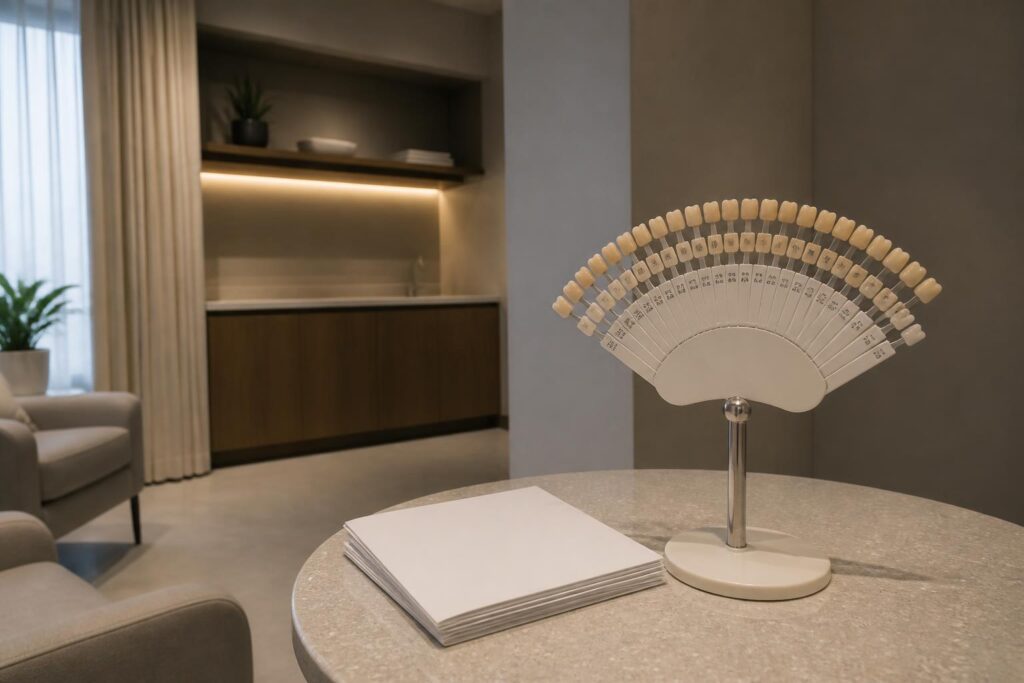
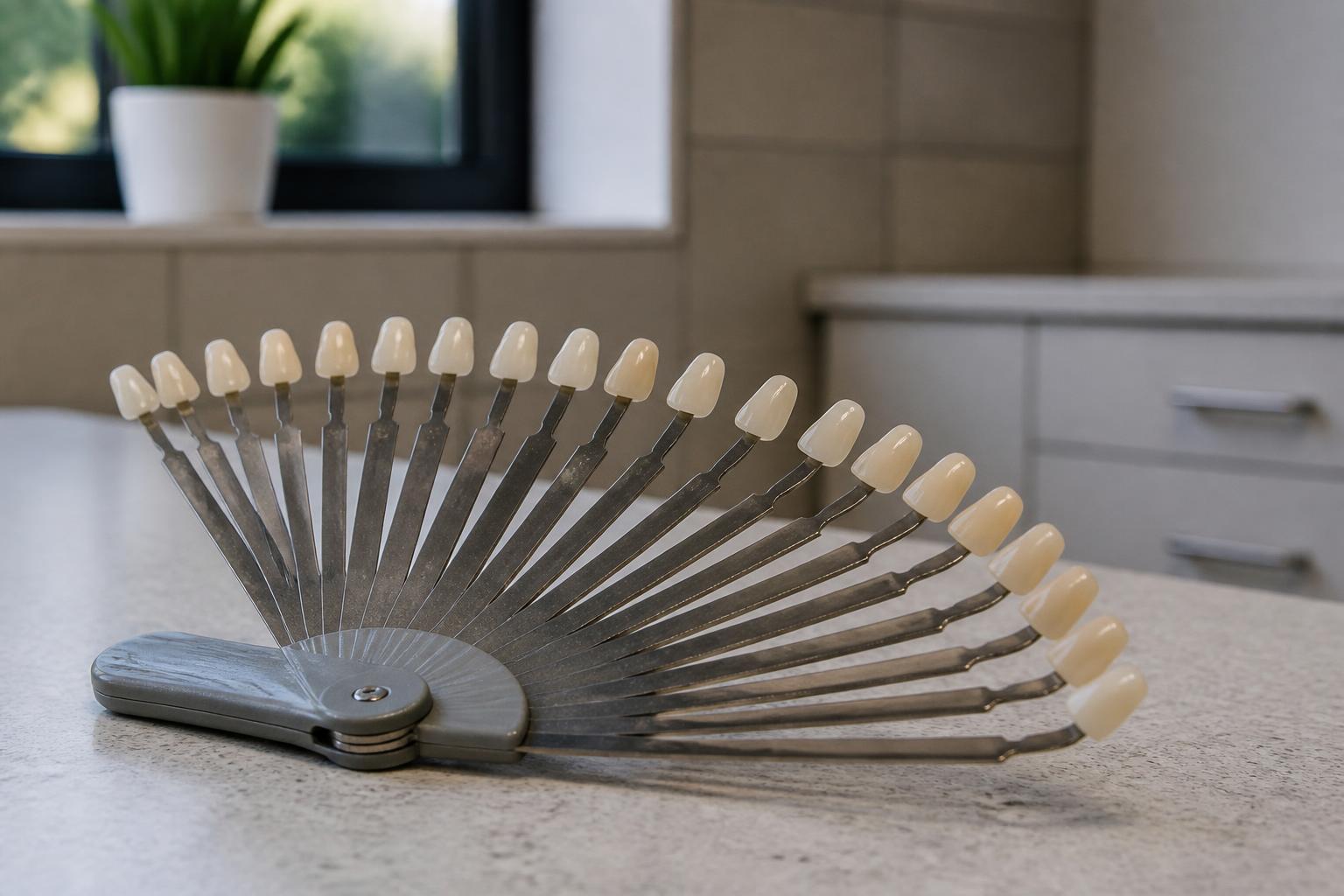
A cosmetic consultation generally starts with a conversation about what you’d like to change about your smile, followed by an exam to check the health of your teeth and gums, since cosmetic treatment is usually planned after any underlying dental issues are addressed. From there, your dentist may take photographs, review shade options, and, for veneers, sometimes use a mock-up or digital preview to give you a sense of the planned result before any permanent changes are made. Taking the time for this planning step helps make sure the final result matches what you had in mind.
Combining Bonding and Veneers in One Smile
It’s also common for a treatment plan to use a combination of approaches rather than one option across the entire smile. For example, a patient might choose veneers for a few prominent front teeth where a longer-lasting, more uniform result is the priority, while using bonding for a smaller chip or gap on a less visible tooth. Your dentist can help map out a plan that balances your cosmetic goals with your budget and timeline.
FAQs About Cosmetic Bonding and Veneers
Is bonding or veneers less expensive?
Bonding is generally a lower-cost option per tooth compared to porcelain veneers, largely because it requires less lab work and fewer visits. However, if bonding needs more frequent touch-ups or replacement over time, the difference in long-term cost can narrow. Your dentist can walk you through a personalized estimate based on your specific treatment plan.
Can I switch from bonding to veneers later?
In many cases, yes. Bonding can often be removed and replaced with veneers later if your goals or budget change, though your dentist would need to evaluate the tooth to confirm this is a good option in your specific case.
Do veneers look natural?
Modern porcelain veneers are custom-shaded and shaped to blend with your smile, and many patients find the results look very natural. Your dentist will work with you on shade selection and shape during the planning process to help achieve a result you’re happy with.
Will insurance cover bonding or veneers?
Coverage varies a lot by provider and plan, and cosmetic procedures are often only partially covered, or not covered at all, since many plans view them as elective rather than medically necessary. Your dental office can help you understand what your specific plan may cover and provide the documentation needed to check with your insurer before treatment begins.
Considering Bonding or Veneers?
If you’re interested in improving the appearance of a chipped, discolored, or uneven tooth, our team at Pickering Square Dental can evaluate your smile and walk you through whether bonding, veneers, or another option best fits your goals.
You can learn more about our cosmetic dentistry services on our services page. To schedule a cosmetic consultation, please contact us and our team will be happy to help.
This article is for educational purposes only and is not a substitute for personalized dental advice, diagnosis, or treatment. Always speak with a regulated dental professional about your specific concerns.

About Dr. Marvin Lean, DDS
Dr. Marvin Lean, DDS, is the owner and lead dentist at Pickering Square Dental. With decades of experience in family and laser dentistry, Dr. Lean provides care focused on clear communication and patient comfort. He is a member of the Ontario Dental Association (ODA) and the Canadian Dental Association (CDA). Dr. Lean and his team provide comprehensive dental care including sedation dentistry, dental implants, emergency dental care, and the Canadian Dental Care Plan (CDCP) to patients in Pickering, Ajax, Whitby, Scarborough, Oshawa, and Markham. Dr. Lean spent the last 20 years as the Dentist for the Toronto Maple Leafs.