Why a Sharp Twinge From Cold Drinks Deserves Attention
Almost everyone has experienced that sudden, uncomfortable jolt when sipping an ice-cold beverage or biting into frozen fruit. Occasional tooth sensitivity to cold drinks is one of the most common dental complaints, yet many people wait months—or even years—before mentioning it to their dental team. Understanding what may be happening inside your mouth, what you can observe on your own, and when professional assessment is worthwhile can help you take a more informed approach to your oral comfort.
Sensitivity triggered by cold is a distinct symptom from pain that occurs when biting or chewing. While both warrant attention, they often point to different underlying factors. This page focuses specifically on cold-triggered discomfort—what it may involve, how dental professionals typically evaluate it, and what steps you might consider.
What You Might Notice at Home
Cold sensitivity can present in several ways, and paying attention to the details may help your dental team during an assessment. Consider noting the following:
- Duration: Does the discomfort disappear within a few seconds of removing the cold stimulus, or does it linger for minutes afterward?
- Location: Can you pinpoint a single tooth, or does the sensation seem to spread across several teeth or an entire section of your mouth?
- Intensity: Is it a mild twinge or a sharp, breath-catching jolt?
- Frequency: Does it happen every time you drink something cold, or only occasionally?
- Other triggers: Do sweet, sour, or hot foods and drinks produce a similar response?
These observations are not a substitute for a clinical examination, but they give your dental professional valuable context. Keeping a brief written log—even just a few notes on your phone—can be surprisingly helpful at your next appointment.
Common Factors Associated With Cold-Triggered Sensitivity
Several conditions may contribute to heightened sensitivity when teeth are exposed to cold temperatures. A dental professional can determine which, if any, apply to your situation. Some of the more frequently discussed factors include:
- Enamel wear: Enamel is the hard outer layer that insulates the more sensitive inner structures of a tooth. Acidic foods, abrasive brushing habits, or natural wear over time may thin this protective layer.
- Gum recession: When gum tissue pulls away from the tooth, the root surface—which lacks enamel—can become exposed. Root surfaces contain microscopic channels that may transmit temperature changes more readily.
- Dental decay: A cavity can compromise the tooth’s structure, potentially allowing cold stimuli to reach the nerve more easily.
- Cracked or chipped teeth: Even a hairline crack that is invisible to the naked eye may create a pathway for cold to reach deeper tooth structures.
- Recent dental work: Some patients notice temporary sensitivity after fillings, crowns, or professional cleanings. This often resolves on its own within a few weeks, but persistent discomfort should be discussed with your dental team.
- Teeth grinding or clenching: Habitual grinding, sometimes occurring during sleep, can wear down enamel and stress tooth structures over time.
The Canadian Dental Association’s oral health resources offer additional background on how everyday habits and conditions can influence tooth sensitivity.
Tooth Sensitivity to Cold Drinks and When a Professional Assessment Helps
Not every fleeting twinge requires an urgent visit, but certain patterns suggest that scheduling an assessment sooner rather than later may be a good idea. Consider contacting your dental office if you notice any of the following:
- Sensitivity that persists for more than a few seconds after the cold stimulus is removed
- Discomfort that is worsening over weeks or months
- Sensitivity isolated to a single tooth, especially if it is new
- Visible changes near the gum line, such as notching, darkening, or recession
- Sensitivity accompanied by spontaneous pain—discomfort that arises without any obvious trigger
- Difficulty eating or drinking comfortably, affecting your nutrition or quality of life
Early assessment allows your dental team to identify potential contributing factors before they progress. Many conditions associated with sensitivity are more straightforward to address when detected at an earlier stage.
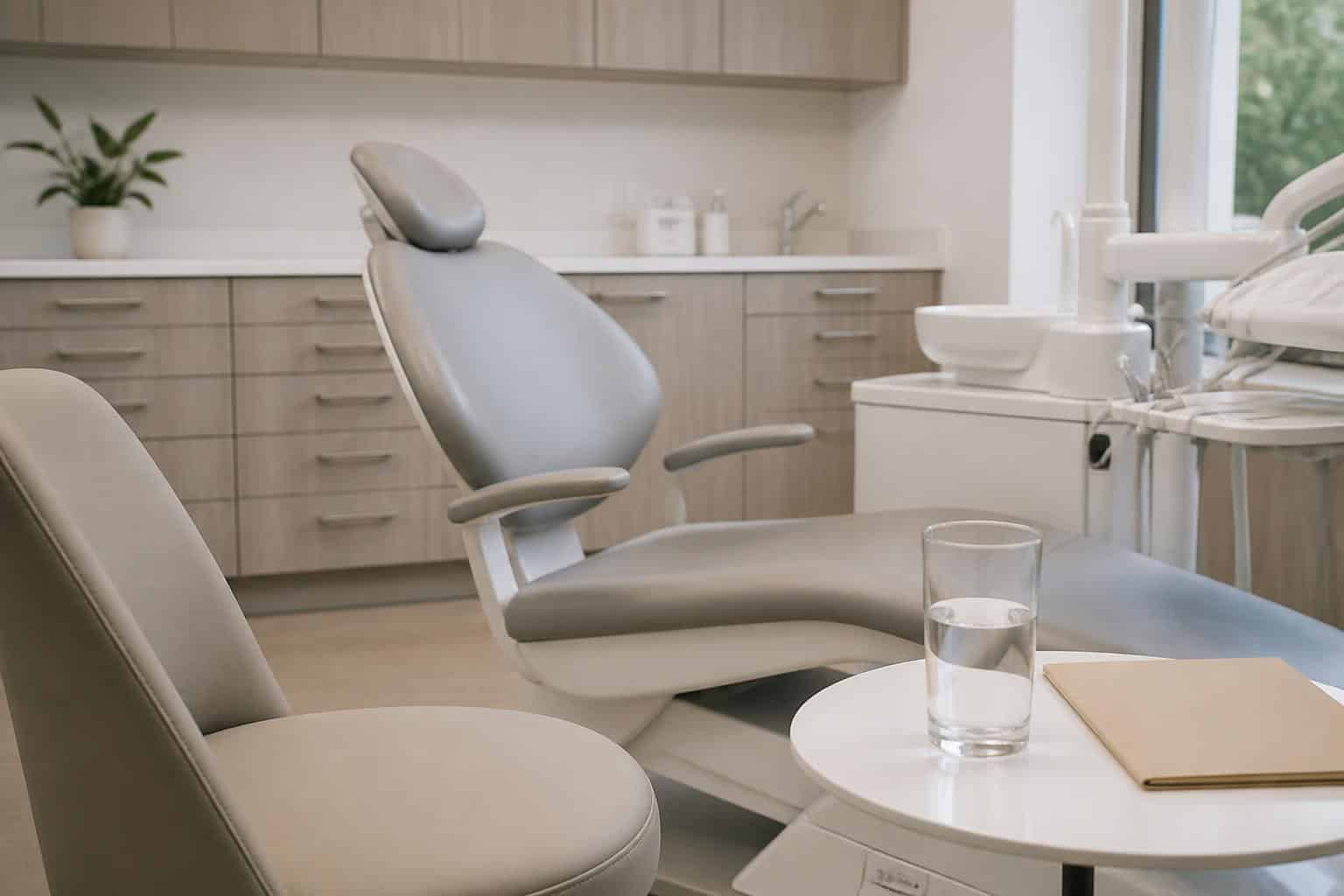
What a Dental Examination May Include
When you visit your dental team about cold sensitivity, the examination typically goes beyond a simple visual check. Depending on your situation, your dental professional may:
- Review your history: Your observations about timing, location, and intensity help guide the clinical assessment.
- Perform a visual and tactile examination: The dental team looks for signs of wear, recession, cracks, or decay.
- Use diagnostic imaging: Radiographs (X-rays) can reveal issues beneath the surface that are not visible during a clinical exam, such as decay between teeth or changes near the root.
- Apply controlled stimuli: A brief application of cold air or cold liquid to specific teeth can help isolate which tooth or teeth are responding and how quickly the sensation resolves.
- Evaluate your bite: Uneven bite forces can contribute to enamel stress, so your dental professional may check how your teeth come together.
Based on these findings, your dental team can discuss possible contributing factors and outline options that may be appropriate for your circumstances. Treatment approaches vary widely depending on the cause, so a thorough assessment is an important first step.
Everyday Habits That May Influence Sensitivity
While professional care is important, certain daily habits may help you manage comfort between visits. These are general considerations—your dental team can offer guidance tailored to your specific needs.
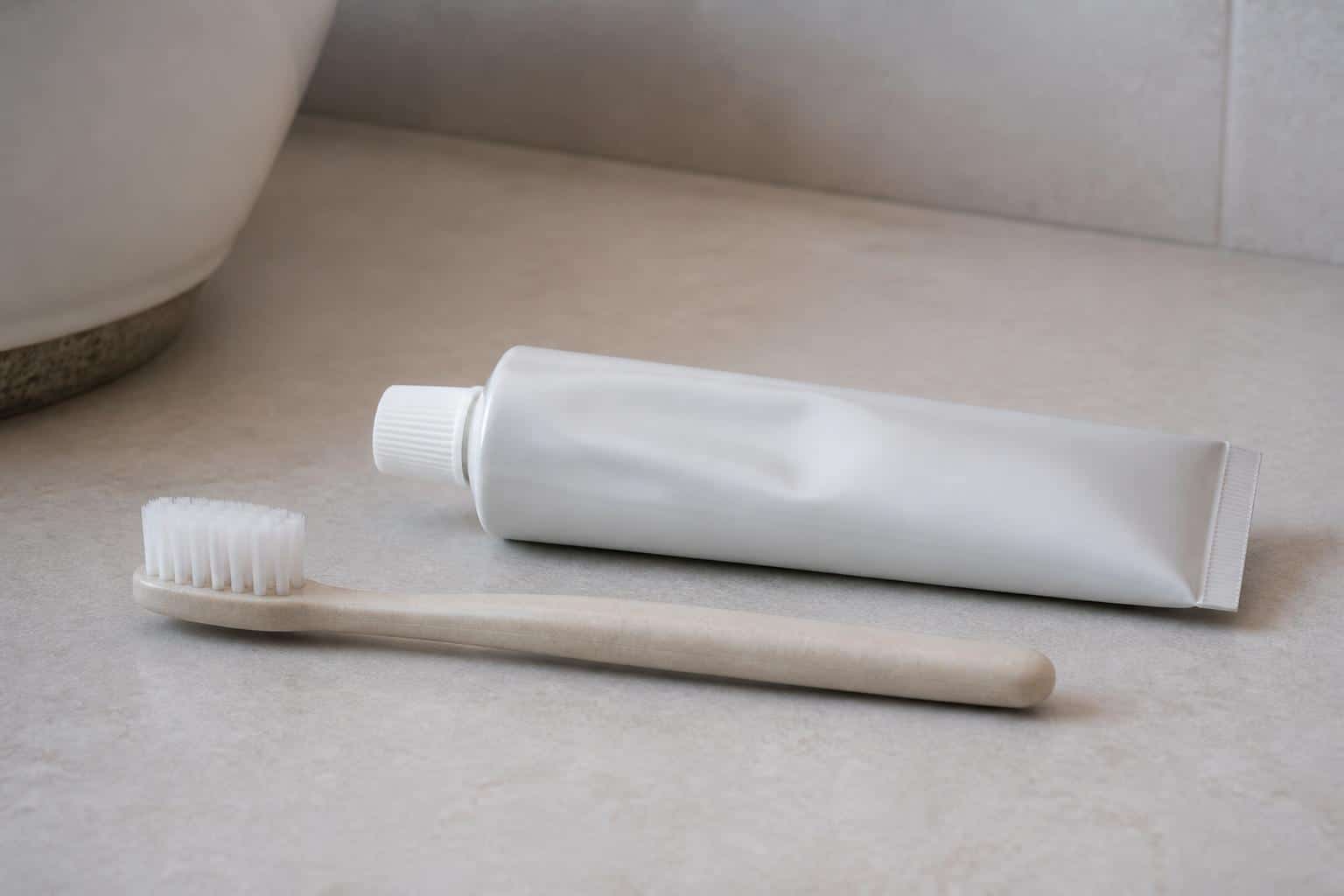
- Brushing technique: A soft-bristled toothbrush and gentle pressure may help protect enamel and gum tissue. Vigorous scrubbing, especially with a hard-bristled brush, can contribute to wear and recession over time.
- Toothpaste formulation: Some toothpastes are formulated for sensitive teeth and contain ingredients intended to help reduce the transmission of sensation through the tooth. Ask your dental team whether one of these products might be suitable for you.
- Acidic food and drink awareness: Citrus juices, carbonated beverages, wine, and vinegar-based dressings can soften enamel temporarily. Waiting at least 30 minutes after consuming acidic items before brushing may help protect softened enamel.
- Mouthguard consideration: If you suspect you grind or clench your teeth, mention this to your dental team. A custom-fitted mouthguard worn during sleep may help reduce the mechanical stress on your teeth.
- Regular dental visits: Routine examinations and professional cleanings, provided through family dentistry services, allow your dental team to monitor changes over time and address concerns before they become more complex.
A Note About the Canadian Dental Care Plan (CDCP)
If you are considering the Canadian Dental Care Plan to help with the cost of dental visits related to sensitivity or other concerns, we encourage you to confirm your current eligibility, coverage details, and any co-payment requirements directly with our office and with the official program. Coverage criteria and available services may change, so verifying your specific situation before scheduling ensures you have accurate, up-to-date information.
Frequently Asked Questions
Is it normal for teeth to be sensitive to cold?
Mild, brief sensitivity to very cold temperatures is relatively common and does not necessarily indicate a serious problem. However, “common” does not mean it should be ignored indefinitely. If the sensation is increasing in frequency, intensity, or duration, or if it is affecting your ability to eat and drink comfortably, scheduling an assessment with your dental team is a reasonable next step. Only a clinical examination can help determine whether an underlying factor needs to be addressed.
Can sensitivity to cold go away on its own?
In some cases, mild sensitivity may diminish over time—particularly if it follows a recent dental procedure or if you make changes to your brushing habits or toothpaste. However, sensitivity that is caused by decay, a crack, or progressive gum recession is unlikely to resolve without professional intervention. Because it can be difficult to distinguish between these scenarios at home, having your dental team evaluate the situation is generally advisable.
Should I avoid cold foods and drinks if my teeth are sensitive?
Avoiding cold items may reduce your discomfort in the short term, but it does not address the underlying reason for the sensitivity. Rather than permanently changing your diet, consider discussing the issue with your dental professional so they can assess what may be contributing to the problem. In the meantime, using a straw for cold beverages or allowing frozen items to warm slightly before eating them are practical strategies some patients find helpful.
Schedule Your Sensitivity Assessment in Pickering
If tooth sensitivity to cold drinks is affecting your daily comfort, the team at Pickering Square Dental is here to help you understand what may be contributing to the issue. A thorough assessment can provide clarity and help you explore options that may be appropriate for your situation. Contact us at (905) 420-1777 or visit our contact page to schedule your appointment. We look forward to supporting your oral health.

About Dr. Marvin Lean, DDS
Dr. Marvin Lean, DDS, is the owner and lead dentist at Pickering Square Dental. With decades of experience in family and laser dentistry, Dr. Lean provides care focused on clear communication and patient comfort. He is a member of the Ontario Dental Association (ODA) and the Canadian Dental Association (CDA). Dr. Lean and his team provide comprehensive dental care including sedation dentistry, dental implants, emergency dental care, and the Canadian Dental Care Plan (CDCP) to patients in Pickering, Ajax, Whitby, Scarborough, Oshawa, and Markham. Dr. Lean spent the last 20 years as the Dentist for the Toronto Maple Leafs.