A temporary crown protects a prepared tooth while a dental laboratory makes the final restoration. It is designed for short-term use, so it may not feel as solid as the permanent crown. If it loosens or comes off, the safest response is to protect the area and contact your dental office promptly.
This guide explains practical temporary crown care, what information to give your dentist, and which symptoms call for urgent attention. It is general education only. Your own dentist’s instructions take priority because the condition of the tooth and the reason for the crown can change the advice.
Why a temporary crown matters
A crown covers a tooth that has been shaped so a restoration can fit over it. The Ontario Dental Association explains that crown treatment commonly takes more than one visit and that a temporary cap may protect the tooth until the permanent crown is ready.
During that interval, the temporary crown can help cover the prepared surface, reduce sensitivity, maintain appearance, and limit movement that could make the permanent crown harder to fit. It is held with temporary cement so the dentist can remove it at the next appointment. That means it needs a little extra care. If you are planning a crown, ask whether a same-day CEREC crown is suitable for your tooth, since that approach may avoid the need for a temporary crown.
What to do if the temporary crown feels loose
Call the dental office as soon as you notice movement. A loose crown can trap food, irritate the area, or come off unexpectedly. Tell the office when it became loose, whether you have pain or swelling, and whether the crown still sits in place.
Until you receive instructions:
- Avoid chewing on that side.
- Choose softer foods and cut them into small pieces.
- Avoid sticky foods that can pull on the crown.
- Keep the area clean with gentle brushing.
- Do not test the crown repeatedly with your tongue or fingers.
Do not force a loose crown down by biting on it. The tooth, cement, or crown may need to be examined before it is repositioned.
What to do if the temporary crown comes off
Remove the crown from your mouth so it is not swallowed or inhaled. If you can retrieve it safely, place it in a clean, closed container and bring it to the dental appointment. Do not scrub, reshape, or scrape cement from it.
Look at the area only enough to describe what happened. Do not poke the prepared tooth, try to file a sharp edge, or use household glue. Products such as super glue are not made for use in the mouth and can complicate professional treatment.
Contact your dentist for advice and an appointment. Guidance adapted by NHS 111 Wales recommends seeing a dentist after a crown is lost, keeping the crown safe, maintaining oral hygiene, and avoiding hard foods while waiting.
Should you use temporary dental cement?
Some pharmacies sell temporary crown repair materials. Whether one is appropriate depends on the tooth, the fit of the crown, your symptoms, and how soon you can be seen. Ask your dental office before using one.
If your dentist specifically advises a temporary product, follow the package and clinical instructions exactly. Never use household adhesive. Do not try to replace a crown that does not seat easily, changes your bite, contains a piece of tooth, or causes pain when positioned.
A temporary repair is not a substitute for an examination. The dentist still needs to check why the crown loosened and whether the prepared tooth and surrounding tissue remain healthy.
How to eat with a temporary crown
Most people can eat normally with sensible adjustments. For the first day and whenever the crown feels vulnerable, place chewing pressure on the opposite side and favour foods that do not demand heavy biting.
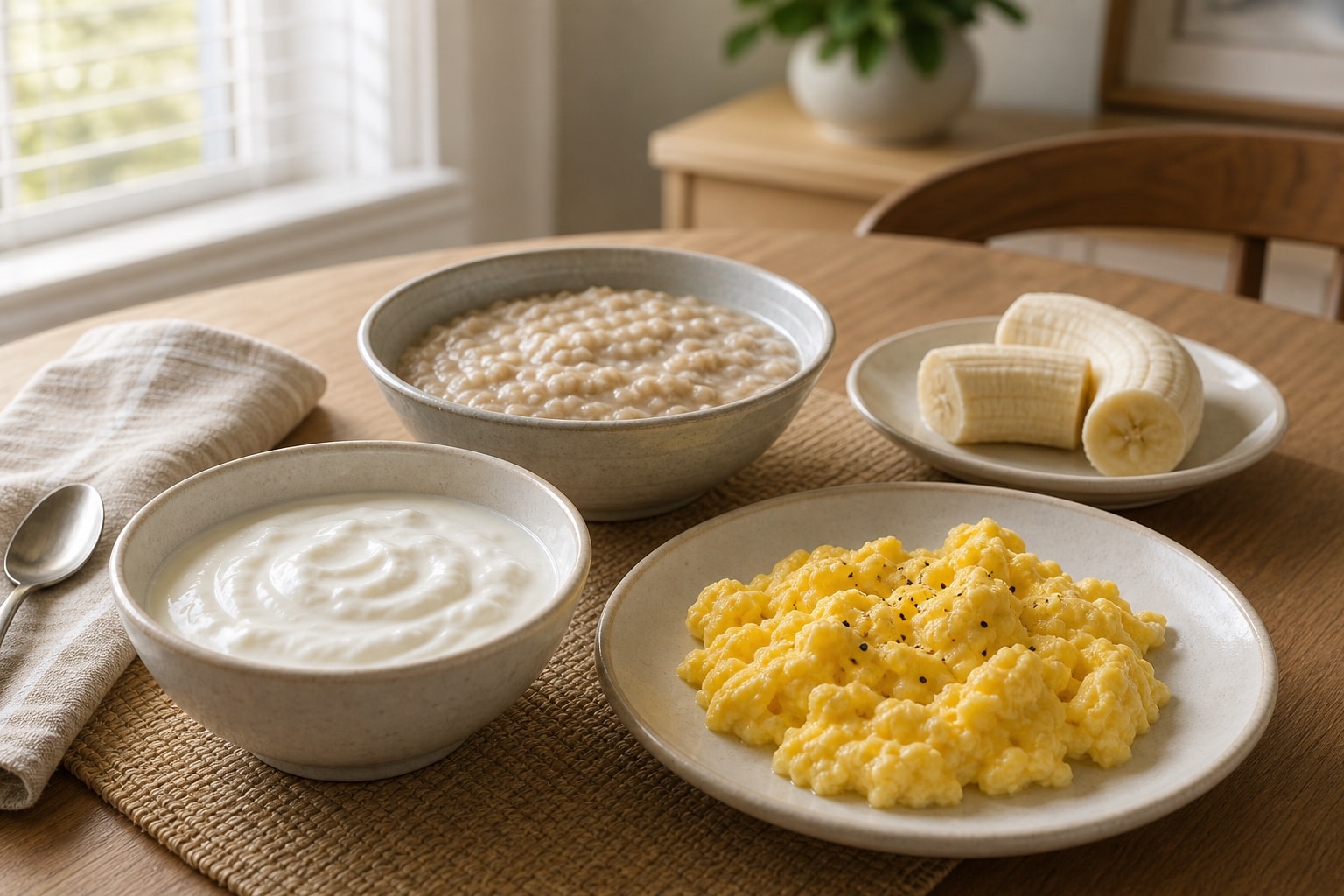
Examples include eggs, yogurt, oatmeal, pasta, rice, tender fish, well-cooked vegetables, soups that are not extremely hot, and fruit cut into small pieces. Avoid ice, hard candy, popcorn kernels, nuts, very crusty bread, and sticky candy. Chewing gum and chewy sweets can lift a temporary crown.
Temperature sensitivity can occur after a tooth is prepared. If hot or cold foods trigger discomfort, choose moderate temperatures and tell your dentist if the sensitivity is strong, persistent, or worsening.
Brushing and flossing around a temporary crown
Continue brushing twice a day with a soft-bristled toothbrush and fluoride toothpaste unless your dentist gave different instructions. Plaque can still collect around the edge of a temporary crown, so gentle daily care remains important.
Ask your dental team how they want you to clean between the crowned tooth and its neighbours. In many cases, floss is slid out through the side instead of lifted upward, which can reduce the chance of pulling on the temporary crown. Your dentist may recommend a different method based on the tooth and gum area.
If the crown has already come off, brush the surrounding teeth gently and avoid aggressive contact with the prepared surface. Do not use sharp objects to remove food or cement.
When temporary crown symptoms need faster attention
A crown coming off is a reason to call the dentist, but some symptoms make the situation more urgent. Contact a dental professional promptly if you have:
- Increasing or severe tooth pain
- Swelling of the gum, face, or jaw
- Fever or feeling generally unwell with dental symptoms
- A bad taste or drainage from the area
- Bleeding that does not settle
- A broken tooth or a fragment inside the crown
- Difficulty closing your teeth together normally
- A sharp edge that is injuring your tongue or cheek
Difficulty breathing or swallowing, rapidly spreading facial or neck swelling, heavy uncontrolled bleeding, or major facial trauma requires emergency medical assessment. When calling, describe the symptoms clearly so the dental or medical team can direct you to the right level of care.
What the dentist may check
At the appointment, the dentist may examine the prepared tooth, the temporary crown, the bite, the surrounding gum, and the fit. Depending on what they find, they may clean and re-cement the temporary crown, adjust it, make a replacement temporary, or address a problem with the tooth before continuing with the final restoration.
A loose temporary crown does not automatically mean the permanent crown treatment has failed. Prompt assessment can help protect the tooth and keep the treatment sequence on track.
How to reduce the chance of another problem
- Follow the eating and cleaning instructions from your dental team.
- Avoid using the crowned tooth to bite hard objects or open packaging.
- Keep the scheduled appointment for the permanent crown.
- Call if the temporary crown feels high, mobile, rough, or uncomfortable.
- Wear a prescribed night guard only as directed; ask whether it should be used over the temporary crown.
- Do not postpone the final appointment without speaking with the office.
Temporary crowns are not intended to serve as long-term restorations. If your schedule changes, let the dental office know so it can advise you about timing and protection.
Frequently asked questions about temporary crown care
Is a loose temporary crown an emergency?
It needs prompt dental advice, but the urgency depends on your symptoms and the tooth’s condition. A crown that is slightly mobile without pain may be handled differently from one associated with severe pain, swelling, trauma, or a broken tooth. Call the office and describe the situation rather than guessing.
Can I sleep without the temporary crown?
Contact your dentist for case-specific instructions. The prepared tooth may be sensitive or vulnerable, and the surrounding teeth can shift. If the crown comes off after hours, keep it safe, avoid chewing on the area, and call when the office opens unless urgent symptoms require faster care.
Can I put the crown back with toothpaste or glue?
Do not use household glue. Toothpaste is not a reliable dental cement. Ask the dental office whether any temporary pharmacy product is appropriate and do not force the crown into place.
What if I swallowed the temporary crown?
Call your dental office and explain what happened. If you are coughing, choking, having trouble breathing, or think the crown may have entered the airway, seek emergency medical help immediately.
Will the permanent crown still fit?
Often it can, especially when the problem is addressed quickly, but only the dentist can confirm the fit. The prepared tooth, neighbouring teeth, gum tissue, and bite all need to be checked.
Talk with a dentist about a loose temporary crown
If your temporary crown is loose, missing, or uncomfortable, contact Pickering Square Dental for guidance. Our team can ask about your symptoms, arrange an appropriate visit, and explain how to protect the area until you are seen.
Explore our dental services or contact the office to request an appointment. For personalized advice, diagnosis, or treatment, an in-person dental assessment is required.

About Dr. Marvin Lean, DDS
Dr. Marvin Lean, DDS, is the owner and lead dentist at Pickering Square Dental. With decades of experience in family and laser dentistry, Dr. Lean provides care focused on clear communication and patient comfort. He is a member of the Ontario Dental Association (ODA) and the Canadian Dental Association (CDA). Dr. Lean and his team provide comprehensive dental care including sedation dentistry, dental implants, emergency dental care, and the Canadian Dental Care Plan (CDCP) to patients in Pickering, Ajax, Whitby, Scarborough, Oshawa, and Markham. Dr. Lean spent the last 20 years as the Dentist for the Toronto Maple Leafs.