
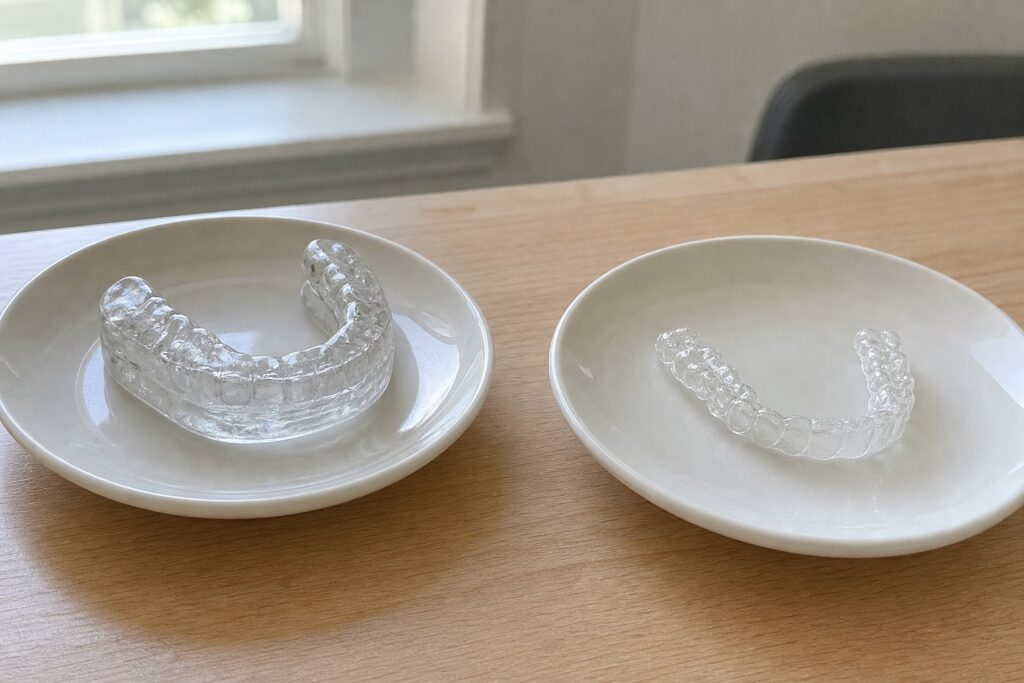
If you’ve been told you might need a night guard or a retainer, it can be confusing to know which option is right for you. Both are custom-made dental appliances that fit over your teeth, but they serve very different purposes. Understanding these differences can help you ask the right questions and feel more confident at your next dental visit in Pickering.
This guide explains what night guards and retainers do, who they’re typically for, how they feel to wear, and what to discuss with your dentist before choosing one. It is for general education only and is not a substitute for an in-person examination or personalized advice.
What Is a Night Guard?
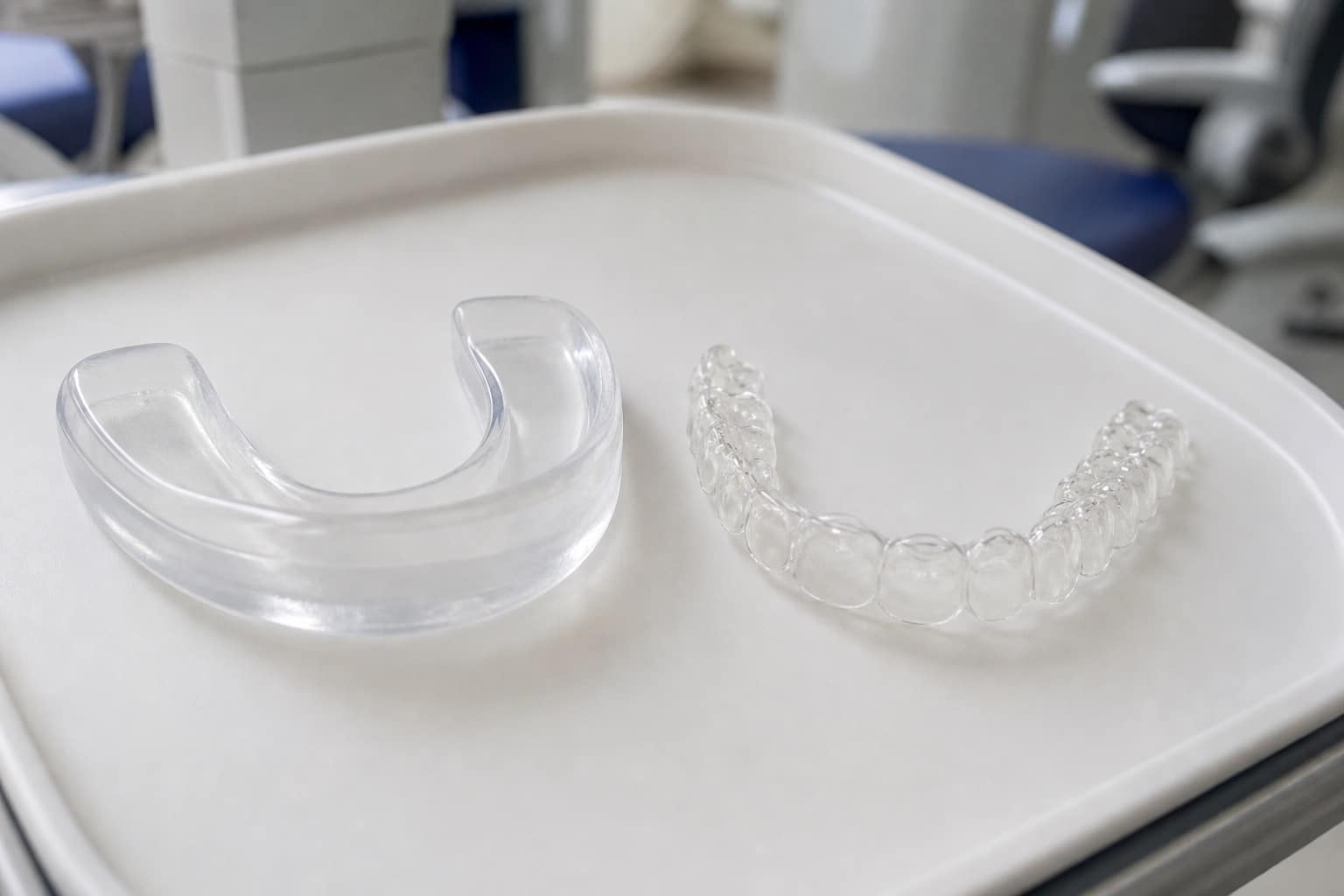
A night guard is a protective dental appliance designed to shield your teeth and jaw joints from the effects of grinding or clenching, especially during sleep. Many people grind or clench their teeth at night (a condition called bruxism) without realizing it. Over time, this can contribute to enamel wear, tooth sensitivity, cracked teeth, and jaw discomfort.
Key points about night guards:
- Main purpose: Protection from grinding and clenching forces.
- When it’s worn: Usually at night, sometimes during high-stress times if recommended.
- How it works: Creates a smooth, cushioned surface between your upper and lower teeth to reduce direct tooth-to-tooth contact and spread out bite forces.
- Materials: Typically made from durable acrylic or special plastic designed to resist wear.
Night guards do not usually move teeth into new positions. Instead, they help protect your existing bite from damage caused by excessive forces. They can be made for the upper or lower teeth, depending on your bite and your dentist’s recommendation.
What Is a Retainer?
A retainer is a dental appliance used to maintain the position of your teeth after orthodontic treatment. Teeth naturally have a tendency to shift over time, even after braces or clear aligner treatment. Retainers help minimize that movement and support your long-term orthodontic results.
Common types of retainers include:
- Removable clear retainers: Thin, clear plastic trays that fit snugly over your teeth.
- Removable wire-and-acrylic retainers: Often called Hawley retainers, with a plastic base and a wire that rests in front of the teeth.
- Fixed (bonded) retainers: A thin wire attached behind certain front teeth, usually on the lower jaw, that stays in place long-term.
According to the American Association of Orthodontists (AAO), wearing retainers as directed is an essential part of orthodontic care, because teeth can shift throughout life. Retainers are designed to be snug and precise, which is important for keeping teeth where orthodontic treatment placed them.
Night Guard vs Retainer: The Main Differences
Although night guards and retainers can look similar at first glance, they are designed with different goals in mind. Here are some of the most important differences:
- Purpose
- Night guard: Protects teeth and jaw joints from grinding and clenching forces.
- Retainer: Helps maintain tooth position after orthodontic treatment.
- Fit
- Night guard: Often slightly thicker and may allow a bit more space around teeth to absorb bite forces.
- Retainer: Usually fits very snugly, closely hugging each tooth to help hold it in position.
- Effect on tooth movement
- Night guard: Not intended to move teeth; primarily a protective device.
- Retainer: Intended to prevent unwanted tooth movement after orthodontic care.
- Thickness and material
- Night guard: Often thicker or made from tougher material to withstand grinding.
- Retainer: Can be thinner, especially clear retainers, because they are not designed to absorb the same level of force.
- Typical wear schedule
- Night guard: Usually worn at night, sometimes during the day for specific situations.
- Retainer: May be worn full-time right after braces, then often transitioned to nightly wear as advised by your orthodontist or dentist.
Because night guards and retainers serve different purposes, using one in place of the other without professional guidance can lead to problems, such as unwanted tooth movement or inadequate protection from grinding.
Common Signs You May Need a Night Guard
Only a dental professional can tell you whether a night guard is appropriate for you, but some common reasons people are evaluated for a night guard include:
- Waking up with jaw tightness, tiredness, or discomfort.
- Noticing flattened or worn-down teeth.
- Chips or small fractures in teeth without obvious cause.
- Unexplained tooth sensitivity that might be linked to enamel wear.
- Partners hearing grinding sounds at night.
Some people who grind their teeth also experience headaches or facial muscle tenderness. These symptoms can have many different causes, so an in-person dental and medical evaluation is important. A night guard may be one part of a broader plan to protect your teeth and support your jaw joints, depending on your specific situation.
Common Reasons You May Need a Retainer
Retainers are most often recommended after orthodontic treatment, such as braces or clear aligner therapy. You might be advised to wear a retainer if:
- You recently completed braces or clear aligner treatment.
- Your orthodontist or dentist wants to maintain space where teeth were moved.
- You had crowding corrected and your teeth tend to shift back toward their original positions.
- You have a small gap between teeth that was closed and needs support to remain closed.
In some cases, retainers are also used for minor tooth movements or to stabilize adjustments made to individual teeth. The AAO FAQs emphasize that long-term or even lifelong retainer wear may be recommended to help keep teeth as straight as possible over time.
Can a Retainer Be Used as a Night Guard?
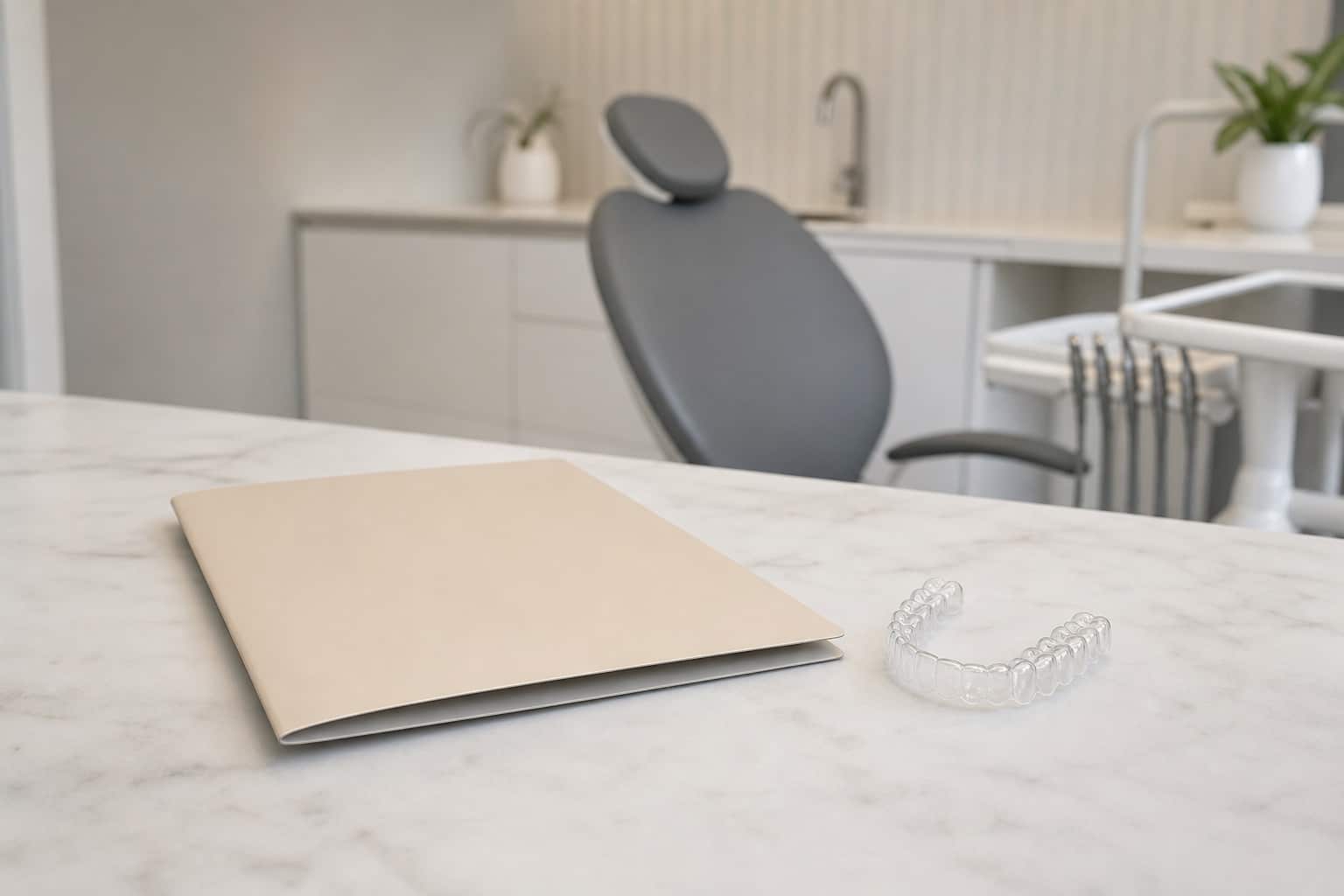
This is a common question, especially for people who already have a retainer and wonder if it can double as a protective device. In general, a standard retainer is not designed to function as a night guard and may not offer adequate protection from grinding forces.
Reasons a retainer is not a substitute for a night guard include:
- Material thickness: Many retainers are thinner and may wear down quickly if used to absorb grinding forces.
- Fit and design: Retainers are designed to stabilize tooth position, not to create an even, protective chewing surface between upper and lower teeth.
- Risk of damage: Heavy grinding could warp, crack, or break a retainer, potentially leading to discomfort or tooth shifting.
If you grind your teeth and also wear a retainer, your dentist or orthodontist can determine whether you need a separate night guard, a specialized appliance that combines features, or an adjusted schedule for wearing each device. This decision requires an in-person evaluation; it is not safe to guess or self-diagnose.
Care and Maintenance: Night Guards vs Retainers
Both night guards and retainers last longer and remain more comfortable when they are properly cared for. Your dental team will give instructions tailored to your specific appliance, but general tips often include:
- Daily cleaning: Rinse after use and gently brush with a soft toothbrush and cool water. Avoid hot water, which can warp many plastics.
- Avoid harsh chemicals: Strong cleaners or abrasive toothpaste can damage the surface. Use only products approved by your dental provider.
- Proper storage: Keep your appliance in a ventilated case when not in use. Avoid leaving it loose in a pocket, bag, or car.
- Keep away from pets: Dogs and cats are often attracted to the smell of dental appliances and may chew them.
- Regular checkups: Bring your night guard or retainer to dental visits so it can be checked for wear, fit, and cleanliness.
Over time, any appliance can wear out or change shape slightly. If your night guard or retainer starts to feel different, becomes uncomfortable, or no longer fits well, contact your dentist in Pickering for an assessment rather than forcing it into place.
Questions to Ask Your Pickering Dentist
If you’re unsure whether you need a night guard, a retainer, or both, bringing a list of questions to your appointment can be helpful. Consider asking:
- Based on my teeth and jaw, do I need protection from grinding, help maintaining tooth position, or both?
- What type of appliance do you recommend for my situation, and why?
- Will this appliance move my teeth, or just protect them?
- How many hours per day or night should I wear it?
- How long do you expect I’ll need to use it?
- How should I clean and store it safely?
- What warning signs (pain, tightness, shifting) mean I should come back sooner?
Every person’s bite and dental history are different. A one-on-one conversation with a dentist who can examine your teeth, review any existing orthodontic work, and understand your symptoms is the safest way to choose the right appliance.
FAQs About Night Guards and Retainers
Can I buy a night guard or retainer online instead of getting one from a dentist?
There are over-the-counter and online options for mouthguards and clear aligner-like devices. However, they are not customized to your bite in the same way as an appliance made under the supervision of a dental professional. An ill-fitting device may be uncomfortable, may not protect your teeth adequately, or could contribute to unwanted tooth movement or jaw strain. For concerns about grinding, clenching, or tooth alignment, it is important to be assessed in person before deciding on any appliance.
How long do night guards and retainers usually last?
Longevity varies widely and depends on how hard you grind or clench, how carefully you care for your appliance, the material used, and how often it is worn. Some people with mild grinding can use a night guard for several years, while those with more intense grinding may need replacements more often. Retainers can last a long time with gentle handling and good hygiene, but they may eventually need repair or replacement. Your dentist can monitor wear at your routine visits.
What if my appliance feels too tight or starts to hurt?
A new retainer or night guard can feel “snug” at first, but it should not cause sharp pain, sore spots, or difficulty placing and removing it. If your appliance suddenly feels much tighter, becomes painful, or you notice changes in your bite, stop using it and contact your dental office. Do not try to adjust it yourself, as small changes made at home can alter how your teeth fit together.
Considering a Night Guard or Retainer in Pickering?
If you’re in the Pickering area and wondering whether you need a night guard, a retainer, or an updated appliance, our team at Pickering Square Dental is here to help. We can examine your teeth and bite, discuss your symptoms, and outline appropriate options so you can make an informed decision.
To learn more about our general dentistry and orthodontic-related services, you can visit our services page. If you’d like to schedule a consultation or have questions about an appliance you already wear, please contact us and our team will be happy to assist you.
This article is for educational purposes only and is not a substitute for personalized dental advice, diagnosis, or treatment. Always speak with a regulated dental professional about your specific concerns.

About Dr. Marvin Lean, DDS
Dr. Marvin Lean, DDS, is the owner and lead dentist at Pickering Square Dental. With decades of experience in family and laser dentistry, Dr. Lean provides care focused on clear communication and patient comfort. He is a member of the Ontario Dental Association (ODA) and the Canadian Dental Association (CDA). Dr. Lean and his team provide comprehensive dental care including sedation dentistry, dental implants, emergency dental care, and the Canadian Dental Care Plan (CDCP) to patients in Pickering, Ajax, Whitby, Scarborough, Oshawa, and Markham. Dr. Lean spent the last 20 years as the Dentist for the Toronto Maple Leafs.