IV Sedation Dentistry Whitby: A Complete Patient Guide
If you feel anxious about visiting the dentist, you are not alone. Dental anxiety affects millions of Canadians, and it often leads people to postpone or skip important dental care entirely. IV sedation dentistry Whitby patients trust offers a safe, effective solution that allows patients to receive the treatment they need while feeling calm and comfortable throughout the entire procedure. At Pickering Square Dental’s sedation dentistry practice, our team helps patients from Whitby, Ajax, Scarborough, and across the Durham Region overcome their fears and get back on track with their oral health.
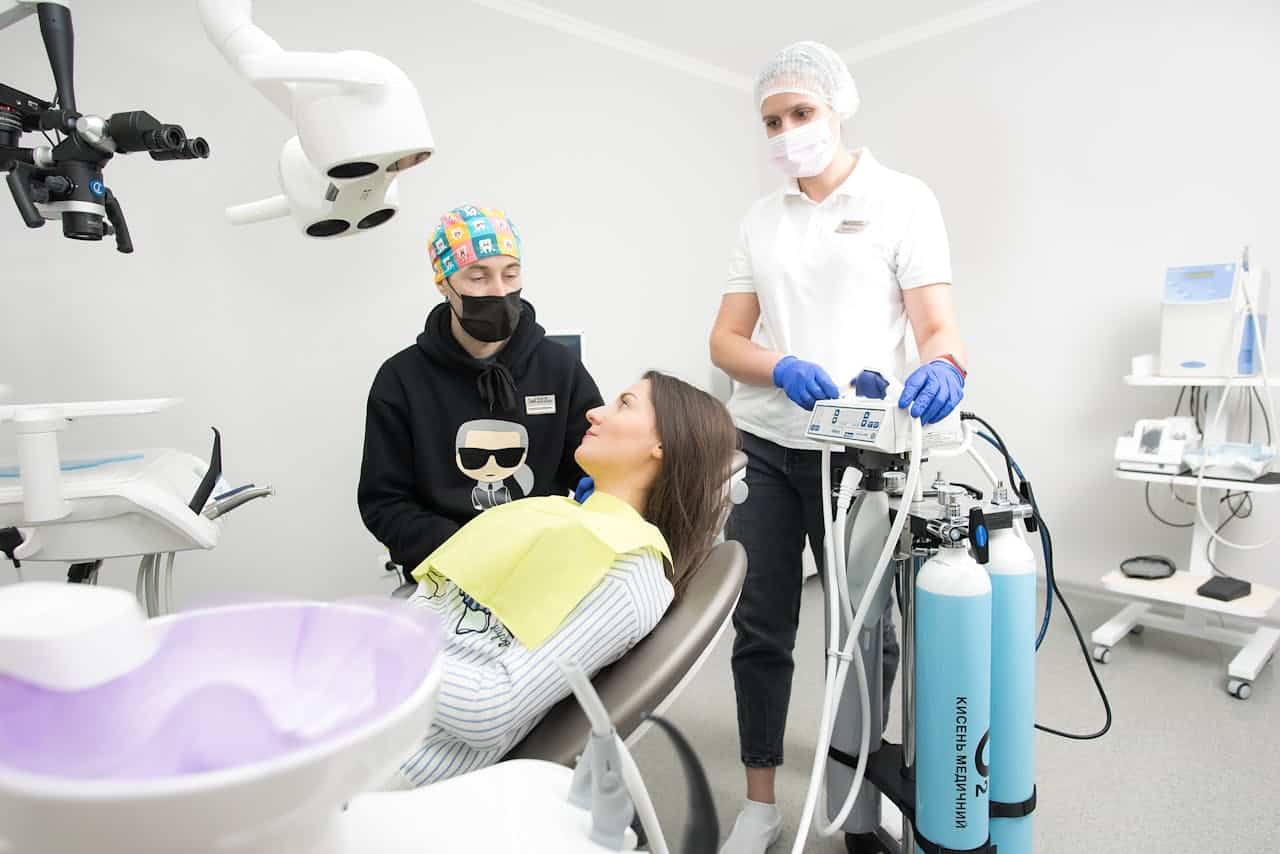
IV sedation, also known as intravenous conscious sedation, delivers medication directly into your bloodstream through a small needle placed in your hand or arm. Unlike general anaesthesia, you remain conscious and can respond to verbal cues from your dentist. However, you will feel deeply relaxed and may have little to no memory of the procedure afterward. This makes IV sedation an excellent choice for patients who experience significant dental anxiety or who need lengthy or complex dental work completed.
Who Benefits from IV Sedation?
IV sedation is not just for people who are afraid of the dentist. While dental phobia is one of the most common reasons patients request sedation, several other groups can benefit from this approach:
- Patients with severe dental anxiety or phobia — If the thought of sitting in a dental chair makes your heart race, IV sedation can help you feel calm and at ease.
- People undergoing complex or lengthy procedures — Treatments like multiple extractions, dental implant placement, or extensive restorative work can take hours. Sedation makes the time pass quickly and comfortably.
- Patients with a strong gag reflex — A sensitive gag reflex can make routine dental work difficult. IV sedation relaxes the muscles and suppresses the gag reflex.
- Individuals with special needs — Patients with cognitive or physical disabilities may find it challenging to sit still or cooperate during treatment. Sedation ensures they receive care safely and without distress.
- Those who need to catch up on dental care — If you have avoided the dentist for years and need multiple treatments, sedation allows your dentist to accomplish more in fewer appointments.
Dr. Marvin Lean and our team at Pickering Square Dental are trained to administer IV sedation safely. We carefully evaluate each patient’s medical history, current medications, and overall health before recommending sedation.
How IV Sedation Works: What to Expect
Understanding the process can help ease any concerns you may have about IV sedation. Here is a step-by-step overview of what happens during a sedation dentistry appointment:
Before your appointment, your dentist will review your medical history, discuss your medications, and explain the sedation process in detail. You will receive specific instructions about fasting — typically, you should not eat or drink anything for at least six to eight hours before your procedure. This is an important safety precaution that reduces the risk of nausea.
On the day of your procedure, wear comfortable, loose-fitting clothing with sleeves that can be rolled up easily. A small IV line will be inserted into a vein in your hand or arm. The sedative medication begins working within seconds. You will feel a warm wave of relaxation wash over you, and many patients describe the sensation as feeling pleasantly drowsy.
Throughout the procedure, your dentist monitors your vital signs — including heart rate, blood pressure, and oxygen levels — to ensure your safety. The level of sedation can be adjusted in real time, giving your dentist precise control over how relaxed you feel. You will remain conscious enough to respond to simple instructions like “open wider” or “turn your head,” but you will feel detached from the procedure and unlikely to feel any discomfort.
After the procedure, the sedative wears off gradually. You may feel groggy or slightly confused for a short time. Because IV sedation impairs your coordination and judgement for several hours, you must arrange for a responsible adult to drive you home. Plan to rest for the remainder of the day, and avoid operating heavy machinery, signing legal documents, or making important decisions until the next day.

IV Sedation vs. General Anaesthesia: Key Differences
Many patients confuse IV sedation with general anaesthesia, but they are quite different. Understanding the distinction can help you make an informed decision about your care:
- Consciousness: With IV sedation, you remain conscious and can breathe on your own. Under general anaesthesia, you are completely unconscious and may need a breathing tube.
- Setting: IV sedation can be administered safely in a dental office by a trained dentist. General anaesthesia typically requires a hospital or surgical centre with an anaesthesiologist.
- Recovery: Recovery from IV sedation is faster — most patients feel normal within a few hours. General anaesthesia recovery can take a full day or longer and carries more potential side effects.
- Risk level: IV sedation carries fewer risks than general anaesthesia for most patients, making it the preferred option for dental procedures.
For the vast majority of dental treatments, IV conscious sedation provides more than enough comfort and relaxation without the added risks of going fully under.
Safety, Preparation, and Recovery Tips
IV sedation has an excellent safety record when administered by a qualified dental professional. At Pickering Square Dental, we follow all guidelines set by the Royal College of Dental Surgeons of Ontario for sedation dentistry. Our team maintains current certifications in sedation and emergency protocols to ensure your safety at every step.
To prepare for your IV sedation appointment, keep these tips in mind:
- Follow all fasting instructions provided by your dentist.
- Arrange for a trusted friend or family member to drive you to and from your appointment.
- Wear comfortable clothing and avoid jewellery.
- Inform your dentist of all medications and supplements you currently take.
- If you feel unwell on the day of your procedure — cold, flu, or fever — call the office to reschedule.
After your procedure, recovery is usually straightforward. You may experience mild drowsiness for a few hours, and some patients feel slightly nauseous as the sedation wears off. Drink plenty of water, eat light meals, and rest. Most patients are back to their normal routine by the following day.

Frequently Asked Questions About IV Sedation
Is IV sedation safe for children and teenagers?
IV sedation can be appropriate for older teenagers in certain situations, but it is evaluated on a case-by-case basis. Your dentist will consider the patient’s age, weight, medical history, and the complexity of the procedure before recommending sedation. For younger children, alternative sedation options like nitrous oxide may be more suitable.
Will I feel any pain during the procedure with IV sedation?
No. IV sedation is used alongside local anaesthesia (freezing), which numbs the treatment area completely. The sedation keeps you relaxed and unaware of the procedure, while the local anaesthetic prevents any pain. Most patients report feeling nothing at all and are pleasantly surprised by how comfortable the experience is.
How long does IV sedation last?
The sedative effects typically last one to two hours after the medication is stopped, though some grogginess may linger for up to four to six hours. The actual duration of sedation during your procedure depends on the length of your treatment — your dentist adjusts the medication flow as needed.
Can I eat or drink after IV sedation?
Once the sedation wears off and you no longer feel nauseous, you can begin with clear fluids and light foods. Avoid hot beverages and hard or crunchy foods until any local anaesthesia has fully worn off to prevent accidentally biting your cheek or tongue.
Does dental insurance cover IV sedation?
Coverage varies by plan. Some dental insurance policies cover sedation when it is deemed medically necessary — for example, for patients with documented dental phobia or for complex surgical procedures. Our team at Pickering Square Dental can help you understand your coverage and provide a detailed estimate before your appointment.
Schedule Your Sedation Dentistry Consultation
If dental anxiety has been keeping you from the care you deserve, IV sedation dentistry Whitby families rely on may be exactly what you need. At Pickering Square Dental, we proudly serve patients from Whitby, Ajax, Scarborough, Oshawa, and Markham with compassionate, comfortable dental care. Call us today at (905) 420-1777 to book a sedation dentistry consultation and take the first step toward a healthier, stress-free smile.

About Dr. Marvin Lean, DDS
Dr. Marvin Lean, DDS, is the owner and lead dentist at Pickering Square Dental. With decades of experience in family and laser dentistry, Dr. Lean provides care focused on clear communication and patient comfort. He is a member of the Ontario Dental Association (ODA) and the Canadian Dental Association (CDA). Dr. Lean and his team provide comprehensive dental care including sedation dentistry, dental implants, emergency dental care, and the Canadian Dental Care Plan (CDCP) to patients in Pickering, Ajax, Whitby, Scarborough, Oshawa, and Markham. Dr. Lean spent the last 20 years as the Dentist for the Toronto Maple Leafs.