Advancements in dental technology have given patients more treatment options than ever before. One of the most significant shifts in recent years is the growing adoption of laser dentistry. For those facing routine dental procedures or more complex interventions, understanding how laser treatments compare to traditional methods can help you make confident, informed decisions about your oral health.
Both laser and conventional dental techniques have their own advantages, and the best choice depends on your individual needs, comfort level, and the specific procedure required. In this article, we’ll explore the key differences between laser and traditional dental treatments, outline when each is most appropriate, and help you decide what’s best for your smile.
Comparing Laser and Traditional Dental Treatments
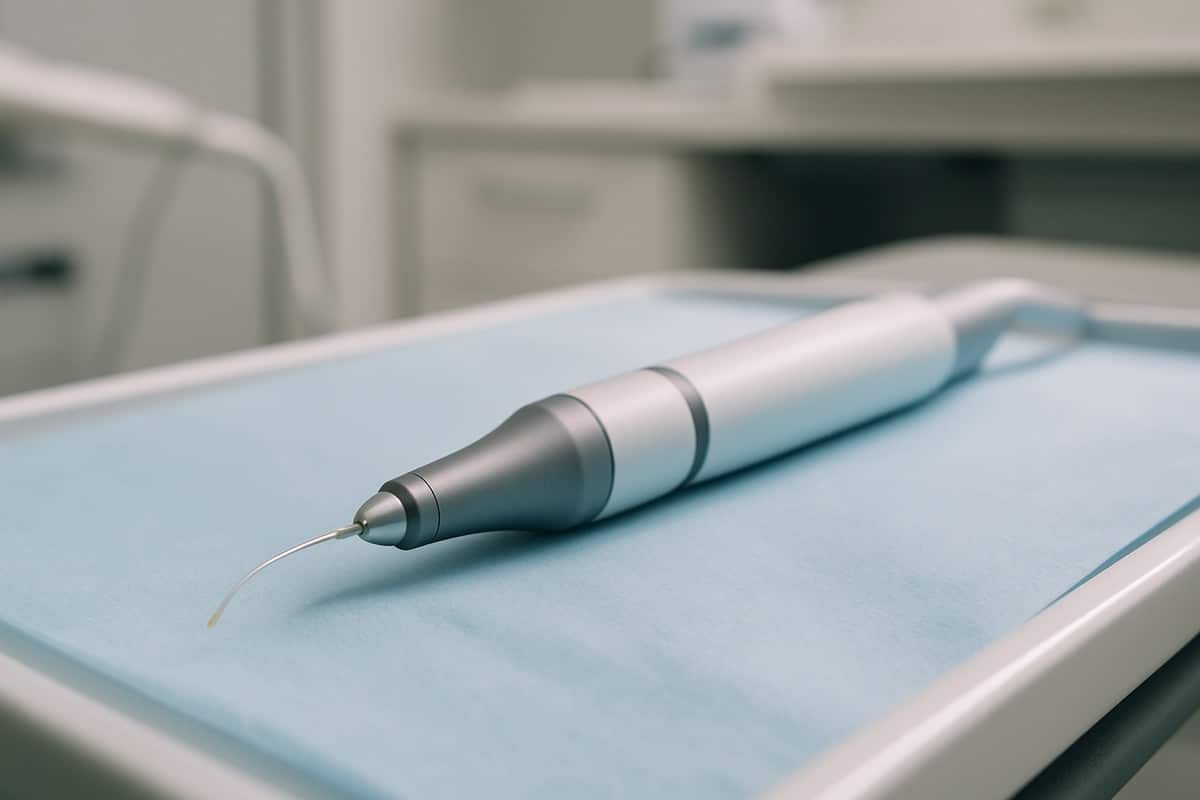
Laser dentistry uses focused light energy to perform a variety of dental procedures, from treating cavities to managing gum disease. Traditional methods, on the other hand, often involve mechanical drills, scalers, and manual tools. While both approaches aim to achieve excellent clinical results, their processes can feel very different for the patient.
Laser technology offers a minimally invasive approach that can reduce discomfort, minimize bleeding, and promote faster healing. Conversely, traditional dental tools have a long history of success and remain necessary for certain procedures, particularly those requiring significant structural changes or complex restorations. At Pickering Square Dental’s laser dentistry, patients can access state-of-the-art options for a range of treatments.
Benefits and Limitations: When to Choose Each Approach
Laser dentistry is particularly beneficial for soft tissue procedures, such as gum reshaping or treating periodontal disease. Lasers can precisely target diseased tissue, reducing trauma to healthy areas and often eliminating the need for stitches. Procedures are typically less painful, making them attractive for patients with dental anxiety. However, lasers have their limitations; for example, they may not be suitable for removing large fillings or restoring severely damaged teeth.
Traditional dental methods are tried and true, offering predictability and reliability. For extensive restorative work or situations requiring strong mechanical force, conventional tools are still the standard. Your dentist will evaluate which technique is most suitable based on your oral health, the complexity of the procedure, and your personal preferences. For an in-depth look at laser dentistry applications, visit the American Dental Association’s overview of lasers in dentistry.
Common Procedures Where Each Approach Fits
It often helps to see where each method tends to shine. Laser dentistry is frequently used for soft-tissue work — reshaping gums, treating early gum disease, removing small amounts of tissue, and procedures like a frenectomy. Because the laser seals as it works, these treatments often involve less bleeding and a more comfortable recovery. Some lasers are also used to help detect early decay or to prepare certain small cavities with minimal disturbance to the surrounding tooth.
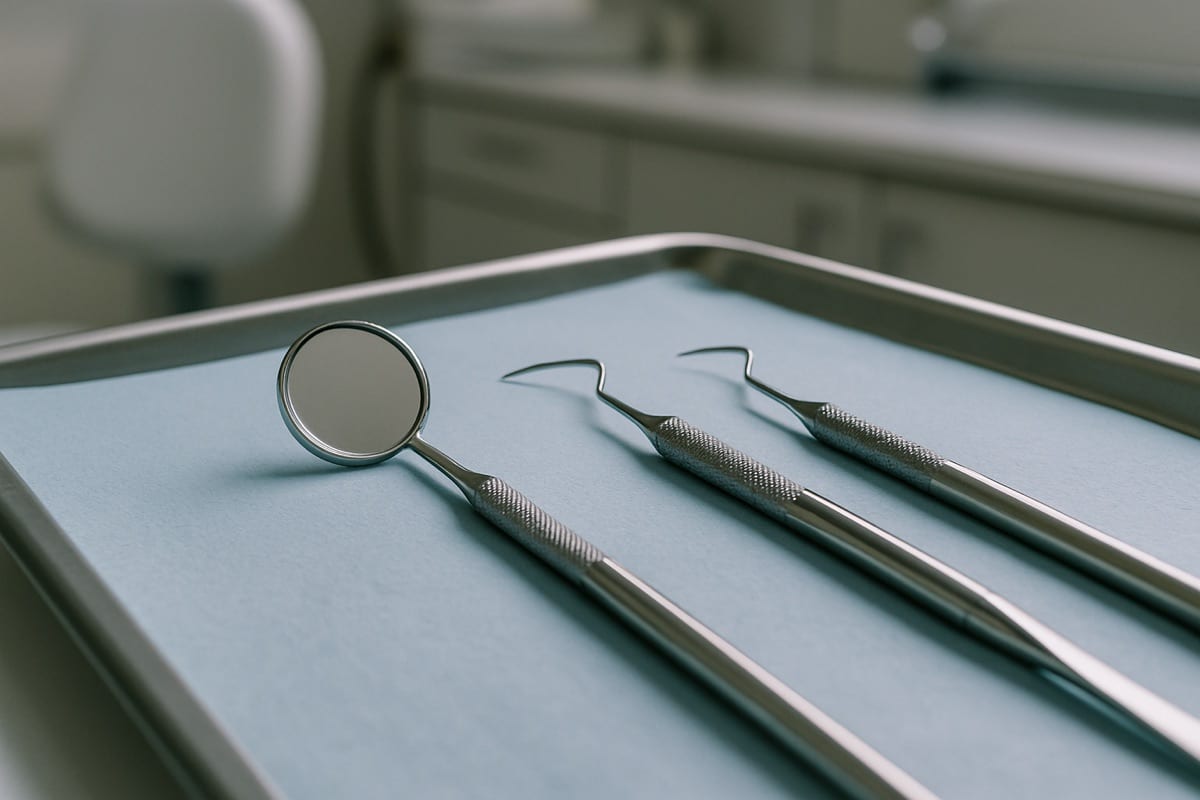
Traditional tools remain the standard for a wide range of restorative work. Placing crowns and bridges, removing larger or older fillings, shaping teeth for restorations, and performing extractions usually call for the precision and mechanical strength of conventional instruments. In many treatment plans the two approaches actually work together: a laser may handle the soft-tissue step while traditional tools complete the restoration. The goal is never to favour one technology for its own sake, but to match the method to the procedure and to your comfort.
Patient Experience: Comfort, Recovery, and Anxiety
One of the main attractions of laser dentistry is enhanced patient comfort. Many individuals report less pain and a reduced need for anesthesia. The focused nature of laser treatment can also lead to less swelling, less bleeding, and shorter recovery times. This can be especially reassuring for children or adults who are nervous about dental visits.
Traditional methods can be just as effective in the hands of a skilled dentist. While some procedures may cause more post-treatment discomfort, modern anesthetics and gentle techniques help keep patients comfortable. At Pickering Square Dental, our team discusses all available options to ensure you feel confident and cared for throughout your dental experience.
Cost and Accessibility: What Patients Should Know
Laser dental treatments can sometimes cost more, primarily because of the advanced equipment and additional training required. Insurance coverage varies, so it’s important to check with your provider to understand your benefits. That said, the potential for faster healing and fewer complications can make laser dentistry appealing for many patients.
Traditional dental methods are widely accessible, and many are covered by dental insurance plans, though coverage always depends on your specific plan and the procedure involved. They may be the preferred option for patients on a tighter budget or when laser technology is not available for a particular treatment. For more information on dental technology and patient-centered care, refer to the Canadian Dental Association’s guide to lasers in dentistry.
What to Expect When You Visit Pickering Square Dental
Choosing between laser and traditional treatment is rarely something you have to figure out alone. When you come in, we start with an exam and, when helpful, x-rays so we understand exactly what is happening with your teeth and gums. From there, we walk through the options in plain language — what each approach involves, how recovery tends to look, and what makes the most sense for your situation and budget.
If you feel anxious about dental work, let us know. Knowing what to expect ahead of time, and understanding why we are recommending a particular method, helps most patients feel far more at ease. Our aim is simple: to give you the information you need to make a confident decision, and then to deliver that care with as little discomfort as possible.
You are also welcome to ask about cost and insurance during that visit. We are happy to explain which parts of a treatment plan are typically covered, where laser and traditional options tend to differ in price, and how to make the most of your benefits before any work begins. The more clearly you understand the plan up front, the easier it is to move forward without surprises along the way.
Frequently Asked Questions
Is laser dentistry safe for all patients?
Laser dentistry is considered safe for most patients when performed by a trained professional. However, it may not be suitable for every situation or individual. Your dentist will review your medical and dental history before recommending laser treatments.
How do I know if I’m a candidate for laser dental treatment?
The best way to determine your candidacy is to schedule a consultation. Patients with certain types of gum disease, cavities, or soft tissue conditions may benefit most from laser dentistry. Discuss your options with your dental provider at Pickering Square Dental to see what’s right for your needs.
Do laser dental procedures require anesthesia?
Many laser procedures cause less discomfort than traditional methods and may not require anesthesia, especially for minor treatments. However, for more involved procedures, your dentist may still recommend a local anesthetic to ensure your comfort throughout.
For patients in Pickering and the surrounding areas, Pickering Square Dental is committed to providing cutting-edge care with a personal touch. If you have questions about laser vs. traditional dental treatments or want to schedule a consultation, call us at (905) 420-1777 or contact us online today. Our team is ready to help you achieve your best oral health with the latest in dental technology.

About Dr. Marvin Lean, DDS
Dr. Marvin Lean, DDS, is the owner and lead dentist at Pickering Square Dental. With decades of experience in family and laser dentistry, Dr. Lean provides care focused on clear communication and patient comfort. He is a member of the Ontario Dental Association (ODA) and the Canadian Dental Association (CDA). Dr. Lean and his team provide comprehensive dental care including sedation dentistry, dental implants, emergency dental care, and the Canadian Dental Care Plan (CDCP) to patients in Pickering, Ajax, Whitby, Scarborough, Oshawa, and Markham. Dr. Lean spent the last 20 years as the Dentist for the Toronto Maple Leafs.