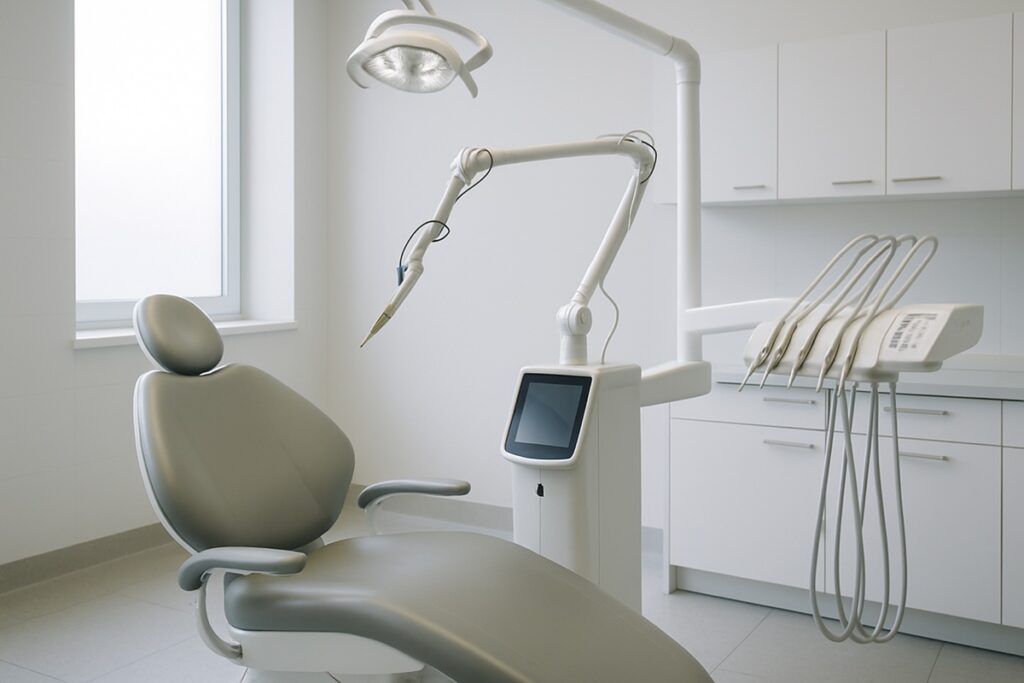
Laser dentistry has revolutionized the way many dental procedures are performed, making treatments faster, less invasive, and more comfortable for patients. As technology advances, more patients in Pickering are considering laser dental procedures, yet many are unsure about what the process truly involves.
Understanding the step-by-step process of a laser dental procedure can help reduce anxiety and make your visit smoother. In this comprehensive guide, we’ll break down each phase of a typical laser dental treatment at Pickering Square Dental, so you know exactly what to expect from start to finish.
Preparing for Your Laser Dental Appointment
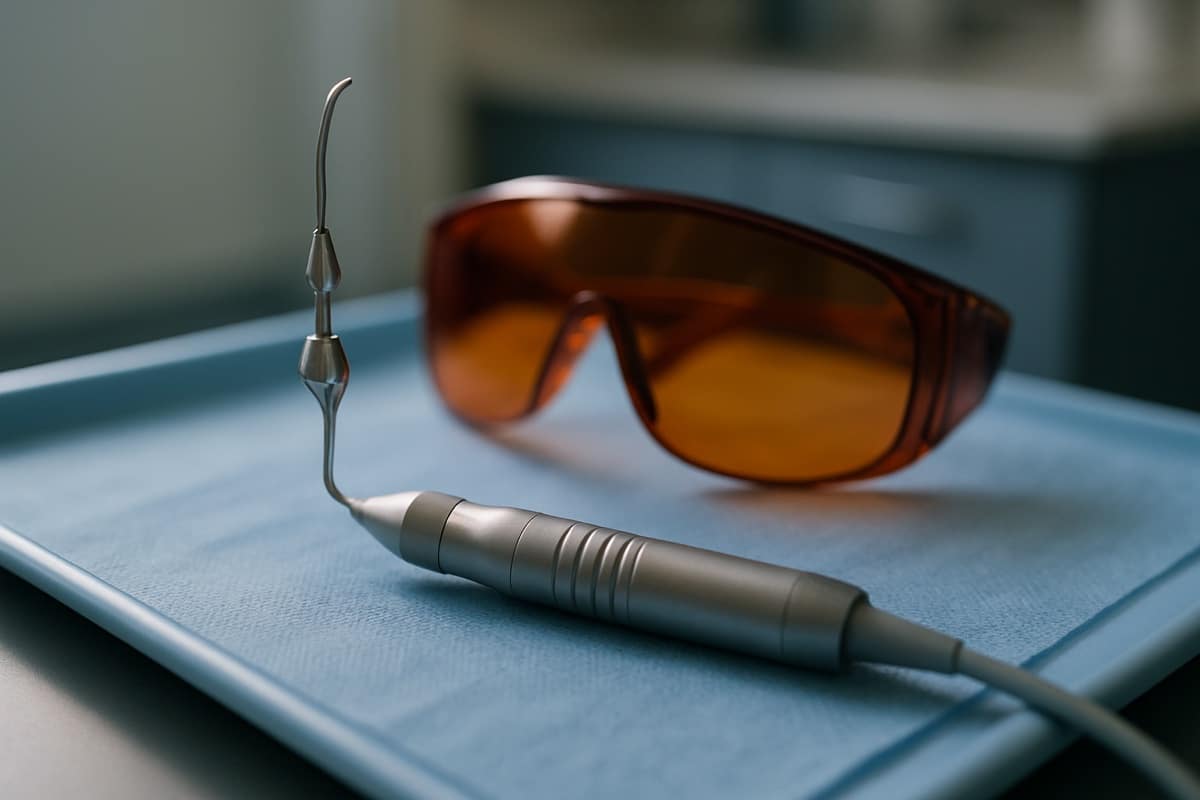
Before your laser dental procedure, your dentist will begin with a thorough consultation. This includes reviewing your medical history, discussing your dental concerns, and determining if laser treatment is appropriate for your specific needs. Laser dentistry is commonly used for procedures such as cavity treatment, gum reshaping, and managing soft tissue issues.
Once suitability is confirmed, you’ll receive detailed instructions on how to prepare. This may involve avoiding food or drink for a few hours prior (depending on the procedure) and informing the dental team of any medications you’re taking. Preparation is typically straightforward, and laser procedures are often performed under local anesthesia or, in some cases, no anesthesia at all.
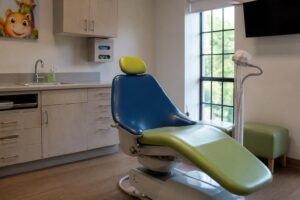
On the day of your appointment, arrive a few minutes early to complete any necessary paperwork and discuss last-minute questions with your dental team. The comfortable environment at Pickering Square Dental is designed to help you feel at ease from the moment you arrive.
Laser Dental Procedure Step by Step
The actual laser dental procedure is precise and methodical. First, your dentist will ensure the treatment area is clean and, if needed, apply a topical anesthetic. Many patients report that laser procedures are much more comfortable than traditional methods due to the laser’s pinpoint accuracy and minimal need for numbing.
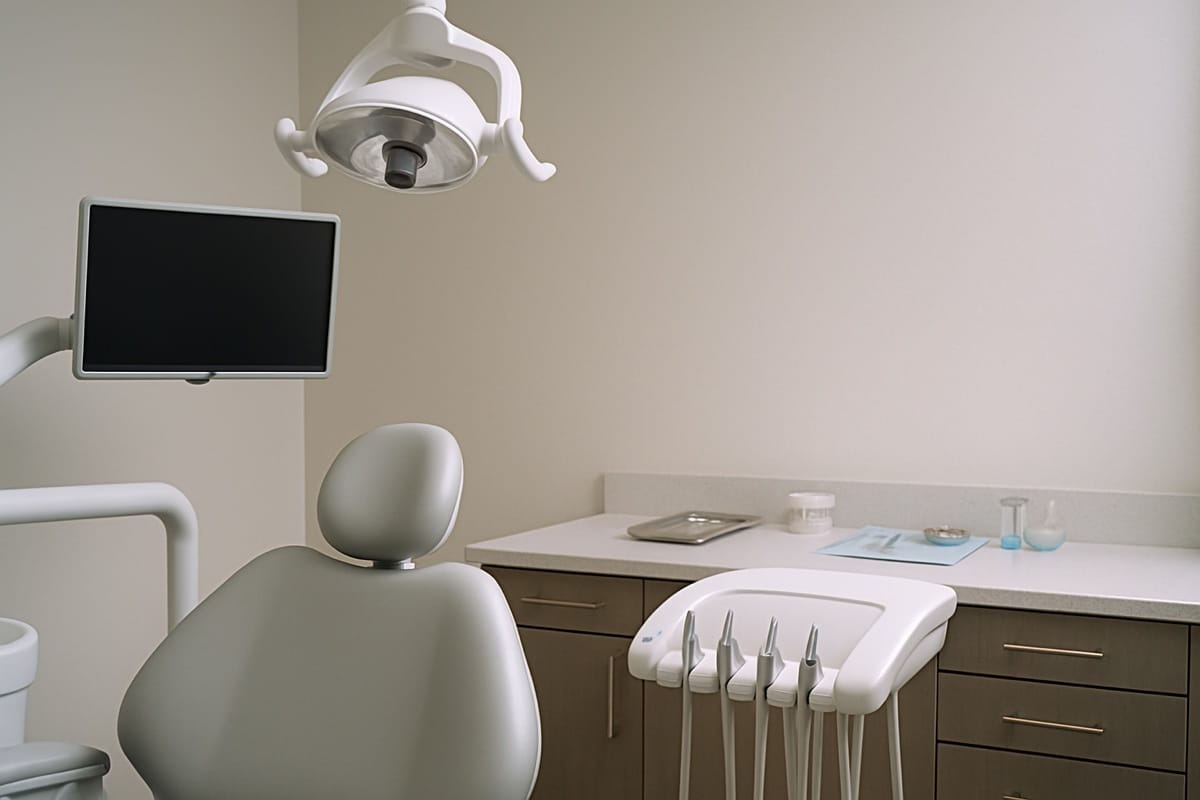
Next, the dentist will use a specialized dental laser to target the specific area of concern. For example, in gum reshaping, the laser gently removes excess tissue with minimal bleeding. In cavity treatments, the laser can remove decayed tissue while preserving more of your healthy tooth structure. The laser’s energy sterilizes the area as it works, reducing the risk of infection and often eliminating the need for stitches.
Treatments typically take less time than conventional dental procedures, and the technology is highly effective across a range of applications. For more information on how lasers are changing dentistry, see this overview from the American Dental Association.
How Dental Lasers Differ From the Traditional Drill
If your only frame of reference is the high-pitched whir of a conventional drill, a laser appointment can feel surprisingly different. Hard-tissue lasers work by delivering targeted energy that interacts with water in the tooth or soft tissue, rather than grinding mechanically against the surface. There is no spinning bur and far less of the vibration that many people associate with dental anxiety. The handpiece is quieter, and the working tip is small enough to focus on a precise spot without disturbing the area around it.
That precision is the practical reason we reach for a laser in certain situations. When we are reshaping gum tissue, the laser can remove a thin margin of tissue while sealing small blood vessels as it goes, which is why bleeding is often minimal. When we are addressing early decay, the energy can be tuned to remove softened, affected tooth structure while leaving more of the surrounding healthy enamel and dentin intact. Lasers are not a replacement for every tool in the operatory, and there are still many procedures where a traditional approach is the better fit. The goal is always to match the instrument to the task, not to use technology for its own sake.
Aftercare and Recovery Following Laser Dentistry
One of the major advantages of laser dental procedures is the reduced downtime. Most patients experience mild discomfort, if any, and can resume normal activities shortly after the appointment. Your dentist will provide you with specific aftercare instructions tailored to your treatment type.
Common recommendations include avoiding hot and spicy foods for the first 24 hours, gently rinsing with saltwater if advised, and maintaining excellent oral hygiene. Since laser treatments are less invasive, healing is typically faster with less swelling and minimal risk of infection.
Should you have any concerns during your recovery, the team at Pickering Square Dental is always available to answer your questions and provide guidance. Regular follow-up visits help ensure optimal healing and long-term results.
When Is Laser Dentistry the Best Option?
Laser dentistry is not a one-size-fits-all solution, but it offers distinct benefits for many patients. It is especially advantageous for those with dental anxiety, as the procedure is quieter and generally less intimidating than traditional drills. Patients with sensitive gums or those prone to infection may also benefit from the sterilizing effect of lasers.
Additionally, laser technology is ideal for children and adults who wish to minimize time spent in the dental chair. Procedures such as frenectomies, gum contouring, and certain cavity treatments are often completed quickly and efficiently using lasers. For an in-depth look at the versatility of lasers in dental care, check out this article from the MouthHealthy by the ADA.
What You Might Feel During Treatment
Patients often want to know what the procedure actually feels like in the chair. For many soft-tissue laser treatments, the most common sensation is a mild warmth and a faint, distinctive smell as tissue is treated. There is usually no pressure of the kind you feel during a traditional extraction or filling, and the sound is closer to a soft tapping or clicking than a drill. Some procedures are comfortable with little or no freezing, while others still call for local anesthetic, particularly when we are working close to a nerve or on a deeper area of decay.
If you feel anything sharp or unexpected during the appointment, you are encouraged to raise your hand or let us know. Comfort is not a fixed setting we decide in advance; we adjust as we go. Some people find it reassuring to bring headphones, while others prefer to follow along as we explain each step. Either approach is fine, and we will work at a pace that suits you rather than rushing through.
Questions Worth Asking Before Your Appointment
A short conversation before treatment can make the whole visit feel more predictable. It is reasonable to ask whether a laser is the most appropriate option for your specific concern, what the alternatives are, and what recovery is likely to look like for you. You might also ask how many appointments the full treatment will take, whether you will need freezing, and what aftercare products you should have at home. There are no wrong questions, and a good answer should leave you feeling informed rather than rushed.
It also helps to share your complete health picture ahead of time. Let us know about medications, recent surgeries, pregnancy, or any past difficulty with dental freezing or healing. None of these automatically rule out laser treatment, but they help us plan safely and set realistic expectations. Every recommendation in this guide is general information, not a diagnosis, and the right plan for your mouth can only be confirmed after an in-person examination.
Frequently Asked Questions
What types of dental procedures can be performed with lasers?
Laser technology is used for a variety of dental treatments, including gum reshaping, cavity removal, teeth whitening, frenectomies, and managing soft tissue lesions. Your dentist can advise whether your specific dental concern is best treated with a laser-based approach.
Is laser dentistry safe for children and seniors?
Yes, laser dentistry is considered safe for patients of all ages, including children and seniors. Its minimally invasive nature is especially beneficial for those who may be anxious or have difficulty with traditional dental tools.
Will I need anesthesia for a laser dental procedure?
Many laser procedures require little to no anesthesia, as the process is generally less painful than traditional methods. For more extensive treatments, your dentist may use a local anesthetic to ensure your comfort throughout the procedure.
If you are considering a laser dental procedure, trust the experienced team at Pickering Square Dental to guide you through every step of the process. To schedule your appointment or discuss your options, call (905) 420-1777 or contact us online today.

About Dr. Marvin Lean, DDS
Dr. Marvin Lean, DDS, is the owner and lead dentist at Pickering Square Dental. With decades of experience in family and laser dentistry, Dr. Lean provides care focused on clear communication and patient comfort. He is a member of the Ontario Dental Association (ODA) and the Canadian Dental Association (CDA). Dr. Lean and his team provide comprehensive dental care including sedation dentistry, dental implants, emergency dental care, and the Canadian Dental Care Plan (CDCP) to patients in Pickering, Ajax, Whitby, Scarborough, Oshawa, and Markham. Dr. Lean spent the last 20 years as the Dentist for the Toronto Maple Leafs.