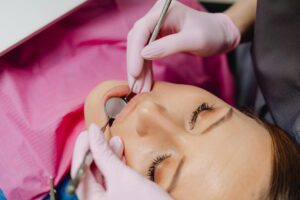

Not everyone heals at the same speed after a dental procedure. When it comes to a Pickering dental extraction, the healing process can depend on a few different things. Knowing what usually happens after a tooth is removed and what might slow things down makes recovery a little more manageable.
February around Ajax, Whitby, Pickering, and Scarborough often means cold mornings, dry air, and a slower routine. These weather changes affect the body in small ways, and that includes how it feels as it heals. Whether you’re headed back to work, school, or just trying to stay warm, being prepared helps the healing go more smoothly.
Healing after dental work is a unique experience for each person, shaped by both your body and how you care for yourself. Some people might feel fine after a few days, while others need a bit more time. Recognizing these differences can relieve worry and help you feel more in control. For many, the winter months mean a greater focus on personal comfort and extra self-care, creating ideal conditions for letting your mouth recover.
What Happens After a Tooth is Removed

Once a tooth is taken out, your body starts healing right away. It’s a quiet process, but a lot is happening behind the scenes.
• Within the first 24 hours, a blood clot forms in the empty socket.
• Mild swelling, aching, or a little bleeding is common during this early stage.
• The clot protects the bone and soft tissue underneath and shouldn’t be disturbed.
The first day after extraction is the most critical for forming this protective clot. Resting with your head up, using gentle cold compresses on your cheek, and avoiding any activity that disturbs your mouth gives your body the best chance to recover smoothly. It is best to avoid talking too much, eating hard foods, or spitting, since even simple things can upset the healing tissue.
The days that follow bring slow but steady changes. New tissue begins forming to close the gap. It’s a good time to rest and let your body focus on recovery. Avoiding busy activities or pressure on the area helps the mouth do its job without interruption.
Keeping your mouth clean with gentle rinsing after the first 24 hours will support tissue growth, and avoiding foods that could get stuck in the socket (like popcorn or seeds) lowers the chance of irritation. As the week passes, you might notice tenderness easing and the surface of the extraction site becoming pink and healthier looking.
Things That Can Affect Healing Time
Not all healing time is the same. Some people bounce back quickly, while others take a little longer. A few key things can shape how fast that healing happens.
• Age and general health both play a role. Younger bodies may heal faster, but even older adults can recover well with the right care.
• The kind of tooth removed matters. Molars can leave a larger space. Learn more about sedation dentistry options.
• Following post-care steps closely helps avoid problems and keeps things on track.
Clear communication with your dental team and paying close attention to changes from day to day helps you adapt as you go. For example, some medicines or ongoing health issues might make the process slower, but being careful with self-care makes a big difference.
Winter weather in Pickering could also factor in. People tend to move less during colder days, which might reduce swelling. But less movement paired with dry indoor air or missed hydration can slow tissue repair. Staying steady with everyday care makes a real impact.
At Pickering Dental Services, our dental extraction services include a complete discussion of care instructions and suitable sedation options to help each patient heal as comfortably as possible.
Along with the factors above, remember to tell your dentist about any medical conditions, such as diabetes or circulatory problems, as these may change the way your mouth repairs itself. Cold season and general winter discomfort may result in less energy or an increased urge to rest indoors, which, if used to focus on healing, can be beneficial. If ignored, though, it may leave you less likely to drink enough water or keep up with gentle oral care. Planning for these things increases your chances for a steady recovery.
Common Problems That Can Slow Things Down

It’s not uncommon for healing to take a detour when the site is bothered too much or isn’t cared for the right way. The area where the tooth used to be needs to stay clean, but gentle.
One issue that may come up is a dry socket. This happens when the blood clot is lost early, and the bone becomes exposed. It can bring sharp pain and delay healing.
Here are some ways recovery can get knocked off track:
• Poking or touching the site with fingers or a toothbrush.
• Skipping salt water rinses or using strong mouthwash too soon.
• Smoking, drinking through straws, or chewing near the socket.
Repeated habits like chewing on the side of the mouth where the extraction happened or brushing too hard can break the clot that is protecting the socket. Even little slips, like using a straw or forgetting not to spit after rinsing, can make the healing process start over or cause extra pain.
Even small habits, if repeated, can cause trouble. Watching out for them in those first few days helps reduce chances of setbacks.
We provide both standard and surgical dental extractions and supply recovery instructions for every patient, including tips for minimizing the chance of issues like dry socket or infection.
If you notice stronger pain after the third day, or see white bone in the gap, call your dental office right away. While mild discomfort is part of the healing process, new or stronger pain should be checked as it may need a simple solution or extra support.
Simple Ways to Support a Good Recovery
Healing well often comes down to what you do during the quiet moments.
• Stick to soft foods like soups, yogurt, or scrambled eggs.
• Drink plenty of water even if you’re not feeling thirsty.
• Avoid lifting heavy things, including bags or weights at the gym.
Choose meals that are easy to eat and do not irritate the site. Warm, smooth soups can be soothing on cold days and offer the nutrients needed for healing. Yogurt, mashed potatoes, and oatmeal are good choices. It’s better to eat small amounts often, especially if you aren’t feeling very hungry after the procedure.
With winter still hanging on, stay warm on days when you have to go outside. A quick trip in the cold without proper layers could lead to discomfort or extra tiredness. Keep a blanket nearby if you’re resting on the couch or waking early for an appointment.
Sleep matters too. Even just an extra hour here and there gives the body more time to rebuild. If you’re feeling stressed, take short breaks. Less tension can help ease soreness and make rest easier.
Light activity is fine, but pushing too hard can increase swelling or bleeding. If it’s hard to sleep due to mild pain, a cool compress on the cheek may help. Staying ahead with gentle routines, like slow salt water rinses after meals (starting the next day), helps keep the area clean and moving in the right direction.
Share your feelings with friends or family, especially if you feel anxious or a bit down after the extraction. This support can improve your mood and help you stay committed to your care. Recovery is as much about your mind as your mouth.
Keep track of any instructions you are given by your dental team, and check in by phone if you feel unsure. Knowing what’s normal and when to ask a question removes worry and makes the healing process feel safer and more predictable.
A Smoother Path Toward Feeling Better
Recovering from a Pickering dental extraction doesn’t always look the same for everyone. The more people understand about the steps involved, the easier the process becomes. A little patience and a basic care routine go a long way.
Late winter might feel like a drag, but it’s also a chance to slow down and heal properly. If you pace yourself, check in with your mouth each day, and ask for help when needed, most people notice steady improvement. With the right habits and a little awareness, most people find recovery manageable and fewer surprises along the way.
Staying focused on comfort and balance, and remembering that winter is a fine time to heal, means letting your mouth recover without pressure to rush. You can give yourself the best chance for a smooth experience and return to your old self with confidence and care.
Recovering after tooth removal is easier with support, and at Pickering Dental Services, we guide you through each step so you feel confident and cared for. Whether you’re adjusting to changes in your daily routine or looking for advice about your recovery, our team is here to help ensure a smooth experience after a Pickering dental extraction. Reach out today to book your appointment or ask any questions you may have about your recovery process.
Helpful Resources
For more information, visit the CDA on Tooth Extraction.
Schedule Your Appointment Today
Contact Pickering Square Dental to book your appointment with Dr. Marvin Lean. Call us at (905) 420-1777 or visit us at 1450 Kingston Rd, Unit #4, Pickering, ON.
Frequently Asked Questions
How often should I visit the dentist?
The Canadian Dental Association recommends visiting your dentist at least twice a year for regular check-ups and cleanings. Some patients may need more frequent visits depending on their oral health needs. Call Pickering Square Dental at (905) 420-1777 to schedule your next appointment.
Do you accept the Canadian Dental Care Plan (CDCP)?
Yes, Pickering Square Dental participates in the Canadian Dental Care Plan. Our team can help you understand your coverage and ensure you receive the dental care you need. Contact us for more details about CDCP eligibility and benefits.
What services does Pickering Square Dental offer?
We offer a full range of dental services including family dentistry, emergency dental care, sedation dentistry, dental implants, laser dentistry, teeth whitening, root canal therapy, dental extractions, periodontal care, and cosmetic dentistry. Dr. Lean and our team serve patients in Pickering, Ajax, Whitby, and Scarborough.

About Dr. Marvin Lean, DDS
Dr. Marvin Lean, DDS, is the owner and lead dentist at Pickering Square Dental. With decades of experience in family and laser dentistry, Dr. Lean is also the official dentist of the Toronto Maple Leafs. He is a member of the Ontario Dental Association (ODA) and the Canadian Dental Association (CDA). Dr. Lean and his team provide comprehensive dental care including sedation dentistry, dental implants, emergency dental care, and the Canadian Dental Care Plan (CDCP) to patients in Pickering, Ajax, Whitby, Scarborough, Oshawa, and Markham.