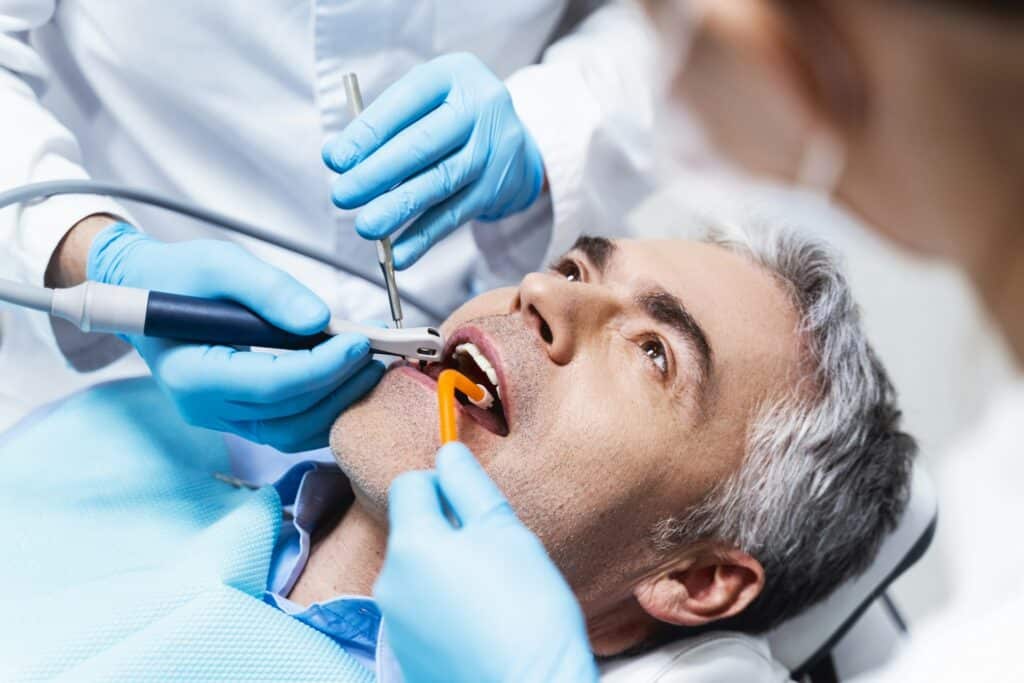
Root canal therapy in Ajax can often bring much-needed relief when a deep infection has caused serious tooth pain. It gives the inside of the tooth a clean slate so that the trouble doesn’t spread or come back. But once the procedure is finished, healing doesn’t stop right there. Taking care of the treated tooth the right way over the next few weeks is the best way to avoid discomfort or prevent new problems from showing up.
With cold weather still around, winter can make recovery feel more sensitive than usual. That’s why now is a good time to pause and learn how to protect that treated area, support proper healing, and keep everything on track for long-term comfort.
What Happens to a Tooth After a Root Canal
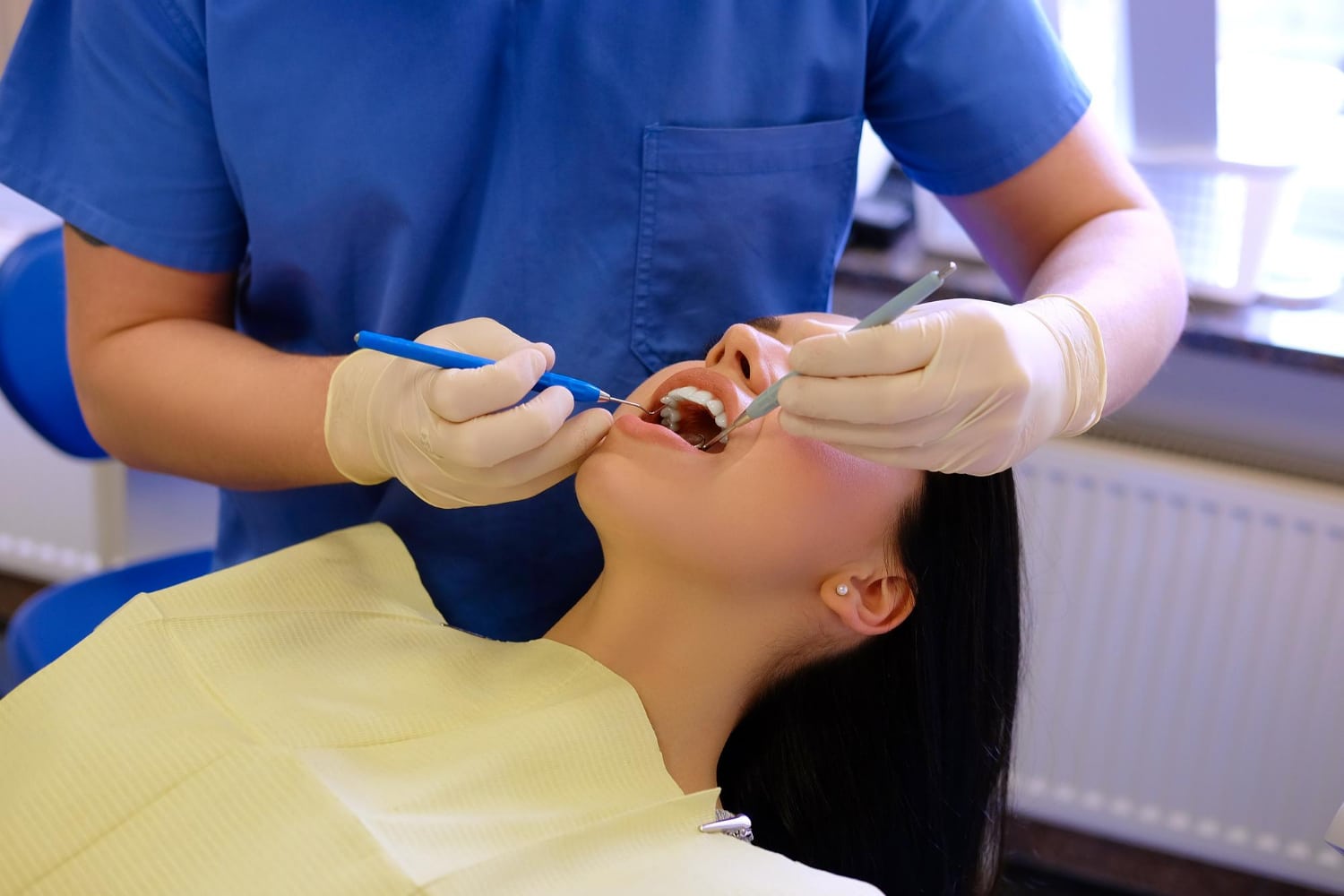
When a root canal is done, the infected pulp inside the tooth is removed, and the area is cleaned and sealed. This means the space where the nerves once were no longer feels hot, cold, or aches like before. But just because that pain is gone doesn’t mean the tooth is completely strong again yet.
A filling or crown is usually placed to support the outside of the tooth. This step helps prevent it from cracking or getting worn down. Even with that protection, the tooth still needs time to settle. If pressure is put on it too soon or if care slips in the days after, the area could become irritated, even reinfected in rare cases. That’s why watching how you use that side of your mouth after treatment is so important.
As shared on the Pickering Dental Services website, we restore teeth with strong, tooth-coloured fillings or dental crowns once root canal therapy is complete, helping your smile stay healthy and functional.
Daily Care Tips to Help Healing
Everyday habits can have a big impact in the days and weeks after a root canal. Even simple changes in brushing or food choices can mean better healing and fewer problems.
• Use a soft-bristled toothbrush and go gently around the area. Brushing too hard could make the gums sore and slow healing.
• Skip hot drinks and icy foods for a while. Things like soup straight from the stove or ice water can trigger discomfort even if the tooth is no longer sensitive like before.
• Keep flossing as you normally would, just move more slowly near the healing tooth. If the gums feel swollen or tender, try looping the floss instead of snapping it in and out. Learn more about emergency dental care in Pickering.
These small steps help keep the area clean without putting stress on the mouth.
What to Avoid Right After the Procedure

Some things are better left out of your routine right after treatment. It usually doesn’t take long to feel normal again, but giving your mouth a little time to settle goes a long way.
• Try not to chew sticky foods like caramel or gum, especially on the side of the treated tooth. These can pull at the filling or crown.
• Avoid hard snacks such as nuts or ice cubes that can crack the tooth or make it sore.
• Don’t skip your second appointment if one was booked to place a permanent crown. Temporary fillings are meant to be used for only a short time.
Most people feel much better after a root canal, but rushing back into old habits too soon can slow recovery or damage the work done.
Watching for Signs Something’s Off
Some tenderness is normal after a root canal, especially when chewing or brushing near the spot. But knowing what’s part of the healing process and what might be a concern can help you catch issues before they get worse.
• A bit of swelling or throbbing for a few days might happen, but if it doesn’t get better, it’s worth checking in.
• New signs like sharp pain, pus, or swelling that spreads around the face or neck should be taken seriously.
• If you feel pressure months later or suddenly get discomfort while doing regular things like eating or drinking, it could point to a new issue developing.
We always tell our patients to watch their body’s signals. It’s better to ask questions early than wait and face a bigger fix later.
Caring for the Treated Tooth in Late Winter
Cold weather can play a small part in how healing feels. Even teeth near the one that was treated can sometimes feel more sensitive while the mouth gets back into balance.
• Outside air may feel sharp when breathing through the mouth. Wearing a scarf or keeping your lips closed when walking outside can help keep sensitive teeth comfortable.
• Activities like ice skating or shovelling carry the risk of slipping. It’s smart to protect your smile if you’re doing anything where you might fall or get bumped in the face.
• Winter colds or bad sleep routines can make brushing and flossing less regular. But even when you’re tired or sick, taking care of your mouth helps you bounce back faster.
By staying aware, you can protect your treated tooth from small winter challenges and keep things steady as spring approaches.
Keeping Long-Term Comfort After Treatment
A tooth that has had root canal therapy can still feel and work like a natural tooth for many years, as long as it’s cared for. The most common reasons issues come back after root canals are skipped cleanings or poor home care routines. Neither has to be a problem if you stay consistent.
The last stretch of winter is a good time to give a little extra care to your mouth. You’ve come this far and handled the hard part. A bit of patience, gentle cleaning, and regular routines can keep everything working well into spring and beyond.
Healing after a root canal is crucial, especially in winter when sensitivity can increase. If you’re in Ajax and have concerns about your recovery, don’t hesitate to explore root canal therapy in Ajax with Pickering Dental Services. Our dedicated team is here to offer guidance, ensuring your treatment delivers long-term comfort and health. Connect with us to learn more about how we can assist you on this healing journey.
Helpful Resources
For more information, visit the CDA Root Canal Information.
Schedule Your Appointment Today
Contact Pickering Square Dental to book your appointment with Dr. Marvin Lean. Call us at (905) 420-1777 or visit us at 1450 Kingston Rd, Unit #4, Pickering, ON.
Frequently Asked Questions
How often should I visit the dentist?
The Canadian Dental Association recommends visiting your dentist at least twice a year for regular check-ups and cleanings. Some patients may need more frequent visits depending on their oral health needs. Call Pickering Square Dental at (905) 420-1777 to schedule your next appointment.
Do you accept the Canadian Dental Care Plan (CDCP)?
Yes, Pickering Square Dental participates in the Canadian Dental Care Plan. Our team can help you understand your coverage and ensure you receive the dental care you need. Contact us for more details about CDCP eligibility and benefits.
What services does Pickering Square Dental offer?
We offer a full range of dental services including family dentistry, emergency dental care, sedation dentistry, dental implants, laser dentistry, teeth whitening, root canal therapy, dental extractions, periodontal care, and cosmetic dentistry. Dr. Lean and our team serve patients in Pickering, Ajax, Whitby, and Scarborough.

About Dr. Marvin Lean, DDS
Dr. Marvin Lean, DDS, is the owner and lead dentist at Pickering Square Dental. With decades of experience in family and laser dentistry, Dr. Lean provides care focused on clear communication and patient comfort. He is a member of the Ontario Dental Association (ODA) and the Canadian Dental Association (CDA). Dr. Lean and his team provide comprehensive dental care including sedation dentistry, dental implants, emergency dental care, and the Canadian Dental Care Plan (CDCP) to patients in Pickering, Ajax, Whitby, Scarborough, Oshawa, and Markham. Dr. Lean spent the last 20 years as the Dentist for the Toronto Maple Leafs.