
Why Sedation Dentistry in Ajax Is Used Beyond Major Procedures
Sedation Dentistry

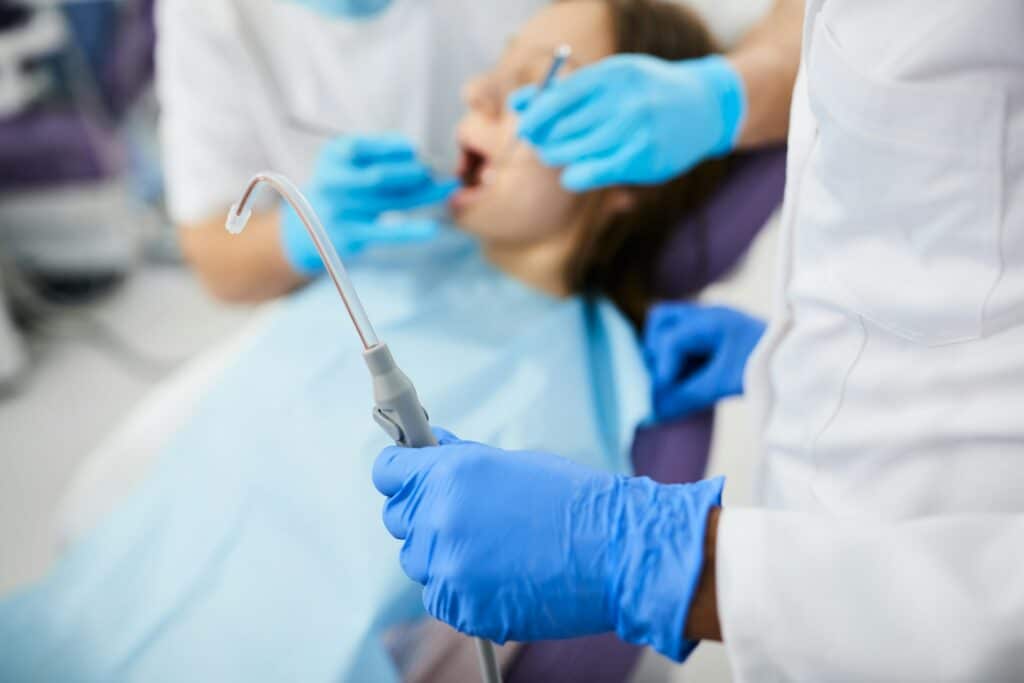
When people hear the words sedation dentistry in Ajax, most think of complex treatments or lengthy procedures. But truthfully, its use goes far beyond those moments. In everyday appointments like simple cleanings or checkups, sedation can make a big difference for patients who feel anxious or struggle with comfort.

As winter settles in and routines feel extra heavy, just the thought of going to the dentist can cause stress. We understand how those feelings can build up, especially if you’ve had a hard time with dental care in the past. That’s why there are options to help make visits less stressful, even when the procedure itself may be pretty routine. Let’s look at how and why sedation supports all kinds of people, not just those headed in for major work.

Beyond Big Procedures: Common Reasons People Use Sedation

sedation dentistry

Sedation isn’t only for root canals or oral surgeries. In our own quiet exam rooms, we often see patients using sedation for much smaller reasons that still matter.

• Dental fear is real, and even cleanings can feel unsettling if you’ve had a rough experience before.

• Some patients have a strong gag reflex or sensitive teeth that make care physically uncomfortable.

• Others simply find it difficult to sit still or relax, including young kids or people who need extra support to manage sensory sensitivity.

When we step back, it makes sense. Dental visits are personal. We’re up close, working in a small space that’s already hard to reach with a toothbrush. Even if the treatment is minor, the experience can trigger worry, tension, or physical reactions.

Sedation helps ease that barrier. It softens stress and allows the care to take place in a calmer, safer way. This lets us work more smoothly, and our patients get the help they need without added anxiety.

At Pickering Dental Services, we provide safe sedation options that can be tailored for simple fillings, teeth whitening, or periodontal care when anxiety makes routine visits feel overwhelming.

Supporting Positive Visits for Children and Teens

Children are still figuring things out. If a child’s very first visit begins with worry, that feeling can carry into their next few appointments, shaping how they view dentistry for years. Learn more about emergency dental care in Pickering.

Young patients often arrive feeling unsure, even scared. The tools, the sounds, the space itself, it’s a lot to take in. Sedation can offer some relief. It doesn’t take away the visit. It just makes it easier for them to settle in and feel less overwhelmed.

For longer treatments, like fixing a cavity, sedation helps kids stay still without struggling. That gives us time to work gently while each child stays relaxed. For teens with braces or other more involved care, it can help reduce nerves or tension, especially when they’re balancing so much in their routines already.

Helping Adults With Past Dental Stress

dental treatment

We meet many adults who’ve avoided the dentist for years. Maybe their last visit hurt, or a procedure wasn’t explained clearly. Other times, life just got in the way, and now the thought of coming back feels too big.

Sedation gives adults a way to return without pressure. It builds a new kind of experience, one that’s centred around comfort and respect.

Even a regular exam or a cleaning feels easier when anxiety isn’t running the show. Over time, we’ve seen how small steps with the help of sedation can rebuild confidence. It’s a way to start over without old stress moving along with you.

Supporting Seniors and Patients with Medical Needs

As people age, the body can bring new limits. Seniors might struggle to stay still because of back or neck pain. Some live with conditions that cause shaking or make coordination difficult.

When appointments run long, that tension builds. Muscles tighten, focus fades, and even short sessions feel like a challenge. With sedation, we’re able to help those patients stay comfortable for longer without pushing past what feels okay.

For people with medical needs or mobility concerns, this extra layer of support makes care more accessible. It keeps visits focused without rushing through, and it respects the physical needs of those who need a bit more room to relax.

Our gentle sedation techniques are available for seniors dealing with chronic pain, or for those who need more complex work like crown and bridge placement or tooth-coloured dental filling replacement.

Cold Months and Extra Winter Tension

Ajax winters don’t make things easier. Cold mornings, dark afternoons, and unpredictable snow all throw off our routines. People run behind, bundle up, and often feel more on edge this time of year.

When things are already tense, even a simple dental appointment can feel like too much. Sedation becomes a quiet relief during the colder season, helping patients show up without that added layer of stress.

Late winter is actually a good time to come in. Spring is still a few weeks away, so visits don’t compete with the school year’s rush or upcoming vacations. Planning care now gives people a chance to pause, breathe, and feel ready for what’s coming.

For parents or caregivers, winter visits can sometimes involve navigating icy sidewalks or waiting for transit in the cold. Knowing that sedation options are available helps reduce the resistance to making an appointment, especially for kids or older adults who are already anxious about the dental chair. Even if weather delays mean visits are last minute or squeezed into a busy day, having support ready makes it simpler to follow through with much-needed care.

Cold air itself can also heighten sensitivity for some patients, making the prospect of a routine cleaning or exam more daunting. Sedation provides not just emotional comfort, but physical relief for those who are already managing discomfort due to the season.

Comfort Means More Than Just Getting Through the Visit

Sedation dentistry isn’t about skipping tough moments. It’s about showing up for care and having a better, safer experience throughout. The option is there not just for surgeries or major treatment, but for everyday appointments too.

When people feel good during a visit, they’re more likely to come back. They’re more likely to build healthy habits, follow up when needed, and bring their kids without hesitation. That kind of trust grows, and it carries forward, not just through winter, but year-round. It helps families in Ajax, Pickering, and nearby communities stay on top of their care without extra stress.

Feeling comfortable at the dentist extends into family life as well. When a positive dental visit is shared, children learn from parents and caregivers that going to the dentist is a normal, safe part of taking care of themselves. 

Teens who experience supportive care are less likely to skip checkups. Adults who find comfort in simple appointments are more willing to keep up with dental health, heading off bigger problems later.

Everyone deserves to feel calm at the dentist. That’s why sedation matters for everyday support, not just situations that feel big or urgent. Comfortable care makes better care possible. It’s as simple as that.

Experience a new level of comfort during your dental visits with sedation dentistry in Ajax. At Pickering Dental Services, we specialize in transforming uneasy appointments into calm and manageable experiences, ensuring you feel supported and at ease throughout your care. 

Whether it’s a routine cleaning or a more involved procedure, let our team help you or your loved ones overcome dental anxiety with the right sedation support. Connect with us to discover how easy a stress-free visit can be.

Helpful Resources

For more information, visit the CDA Guide to Sedation Dentistry.

Schedule Your Appointment Today

Contact Pickering Square Dental to book your appointment with Dr. Marvin Lean. Call us at (905) 420-1777 or visit us at 1450 Kingston Rd, Unit #4, Pickering, ON.

Frequently Asked Questions

Is sedation dentistry safe?

Yes, sedation dentistry is very safe when administered by a trained dental professional. Dr. Lean at Pickering Square Dental monitors your vital signs throughout the procedure to ensure your comfort and safety.

Will I be unconscious during sedation dentistry?

It depends on the level of sedation. Mild sedation keeps you relaxed but awake. Moderate sedation may make you drowsy, though you can still respond. Deep sedation is used for complex procedures. Dr. Lean will recommend the right level for your needs.

How long does sedation last?

Nitrous oxide (laughing gas) wears off within minutes. Oral sedation may take a few hours to fully wear off, so you will need someone to drive you home. Our Pickering team will give you specific aftercare instructions.

Caring for Teeth After a Root Canal Therapy in Ajax
Root Canal

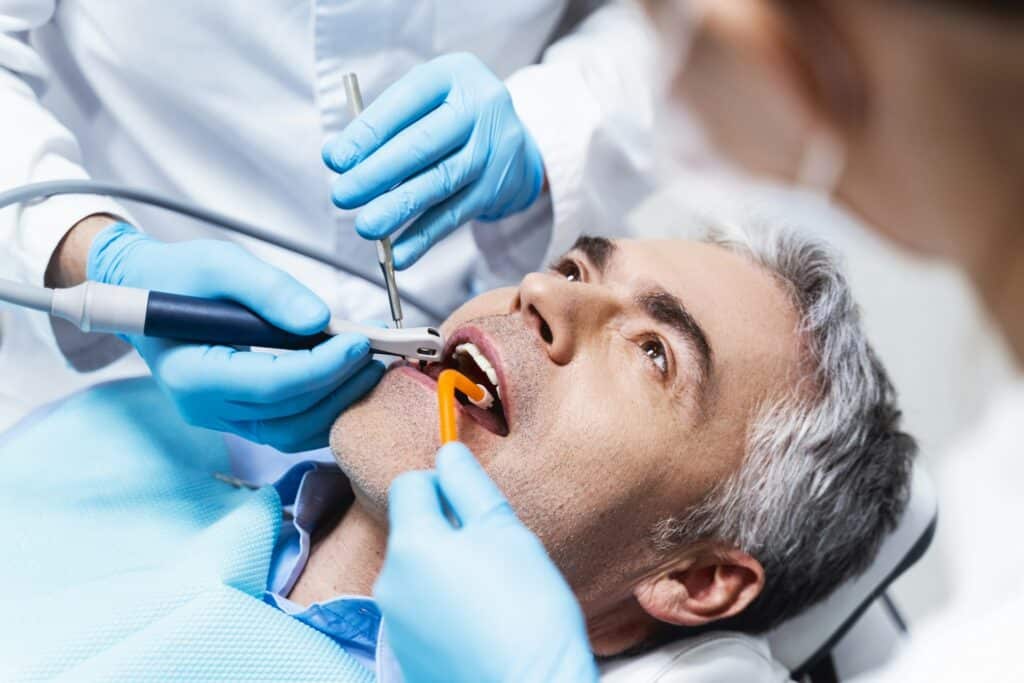
Root canal therapy in Ajax can often bring much-needed relief when a deep infection has caused serious tooth pain. It gives the inside of the tooth a clean slate so that the trouble doesn’t spread or come back. But once the procedure is finished, healing doesn’t stop right there. Taking care of the treated tooth the right way over the next few weeks is the best way to avoid discomfort or prevent new problems from showing up.

With cold weather still around, winter can make recovery feel more sensitive than usual. That’s why now is a good time to pause and learn how to protect that treated area, support proper healing, and keep everything on track for long-term comfort.

What Happens to a Tooth After a Root Canal

sedation dentistry

When a root canal is done, the infected pulp inside the tooth is removed, and the area is cleaned and sealed. This means the space where the nerves once were no longer feels hot, cold, or aches like before. But just because that pain is gone doesn’t mean the tooth is completely strong again yet.

A filling or crown is usually placed to support the outside of the tooth. This step helps prevent it from cracking or getting worn down. Even with that protection, the tooth still needs time to settle. If pressure is put on it too soon or if care slips in the days after, the area could become irritated, even reinfected in rare cases. That’s why watching how you use that side of your mouth after treatment is so important.

As shared on the Pickering Dental Services website, we restore teeth with strong, tooth-coloured fillings or dental crowns once root canal therapy is complete, helping your smile stay healthy and functional.

Daily Care Tips to Help Healing

Everyday habits can have a big impact in the days and weeks after a root canal. Even simple changes in brushing or food choices can mean better healing and fewer problems.

• Use a soft-bristled toothbrush and go gently around the area. Brushing too hard could make the gums sore and slow healing.

• Skip hot drinks and icy foods for a while. Things like soup straight from the stove or ice water can trigger discomfort even if the tooth is no longer sensitive like before.

• Keep flossing as you normally would, just move more slowly near the healing tooth. If the gums feel swollen or tender, try looping the floss instead of snapping it in and out. Learn more about emergency dental care in Pickering.

These small steps help keep the area clean without putting stress on the mouth.

What to Avoid Right After the Procedure

dentist

Some things are better left out of your routine right after treatment. It usually doesn’t take long to feel normal again, but giving your mouth a little time to settle goes a long way.

• Try not to chew sticky foods like caramel or gum, especially on the side of the treated tooth. These can pull at the filling or crown.

• Avoid hard snacks such as nuts or ice cubes that can crack the tooth or make it sore.

• Don’t skip your second appointment if one was booked to place a permanent crown. Temporary fillings are meant to be used for only a short time.

Most people feel much better after a root canal, but rushing back into old habits too soon can slow recovery or damage the work done.

Watching for Signs Something’s Off

Some tenderness is normal after a root canal, especially when chewing or brushing near the spot. But knowing what’s part of the healing process and what might be a concern can help you catch issues before they get worse.

• A bit of swelling or throbbing for a few days might happen, but if it doesn’t get better, it’s worth checking in.

• New signs like sharp pain, pus, or swelling that spreads around the face or neck should be taken seriously.

• If you feel pressure months later or suddenly get discomfort while doing regular things like eating or drinking, it could point to a new issue developing.

We always tell our patients to watch their body’s signals. It’s better to ask questions early than wait and face a bigger fix later.

Caring for the Treated Tooth in Late Winter

Cold weather can play a small part in how healing feels. Even teeth near the one that was treated can sometimes feel more sensitive while the mouth gets back into balance.

• Outside air may feel sharp when breathing through the mouth. Wearing a scarf or keeping your lips closed when walking outside can help keep sensitive teeth comfortable.

• Activities like ice skating or shovelling carry the risk of slipping. It’s smart to protect your smile if you’re doing anything where you might fall or get bumped in the face.

• Winter colds or bad sleep routines can make brushing and flossing less regular. But even when you’re tired or sick, taking care of your mouth helps you bounce back faster.

By staying aware, you can protect your treated tooth from small winter challenges and keep things steady as spring approaches.

Keeping Long-Term Comfort After Treatment

A tooth that has had root canal therapy can still feel and work like a natural tooth for many years, as long as it’s cared for. The most common reasons issues come back after root canals are skipped cleanings or poor home care routines. Neither has to be a problem if you stay consistent.

The last stretch of winter is a good time to give a little extra care to your mouth. You’ve come this far and handled the hard part. A bit of patience, gentle cleaning, and regular routines can keep everything working well into spring and beyond.

Healing after a root canal is crucial, especially in winter when sensitivity can increase. If you’re in Ajax and have concerns about your recovery, don’t hesitate to explore root canal therapy in Ajax with Pickering Dental Services. Our dedicated team is here to offer guidance, ensuring your treatment delivers long-term comfort and health. Connect with us to learn more about how we can assist you on this healing journey.

Helpful Resources

For more information, visit the CDA Root Canal Information.

Schedule Your Appointment Today

Contact Pickering Square Dental to book your appointment with Dr. Marvin Lean. Call us at (905) 420-1777 or visit us at 1450 Kingston Rd, Unit #4, Pickering, ON.

Frequently Asked Questions

How often should I visit the dentist?

The Canadian Dental Association recommends visiting your dentist at least twice a year for regular check-ups and cleanings. Some patients may need more frequent visits depending on their oral health needs. Call Pickering Square Dental at (905) 420-1777 to schedule your next appointment.

Do you accept the Canadian Dental Care Plan (CDCP)?

Yes, Pickering Square Dental participates in the Canadian Dental Care Plan. Our team can help you understand your coverage and ensure you receive the dental care you need. Contact us for more details about CDCP eligibility and benefits.

What services does Pickering Square Dental offer?

We offer a full range of dental services including family dentistry, emergency dental care, sedation dentistry, dental implants, laser dentistry, teeth whitening, root canal therapy, dental extractions, periodontal care, and cosmetic dentistry. Dr. Lean and our team serve patients in Pickering, Ajax, Whitby, and Scarborough.