
How Sedation Dentistry Can Make Your Dentist Visit Easy

Sedation Dentistry

Going to the dentist can be stressful for many people, especially those who feel anxious about dental procedures. Sedation dentistry offers a practical solution to ease this worry, making visits to the dentist much more manageable. Whether you’re facing a complex procedure or just feeling nervous about a routine cleaning, sedation can help make your experience calmer and more comfortable.

Sedation dentistry involves using medication to help patients relax during dental treatments. It’s designed to relieve anxiety and make it easier to undergo necessary dental care. This approach not only benefits those with dental phobia but also helps people with sensitive teeth, strong gag reflexes, or difficulty sitting still for long periods.

Understanding how sedation dentistry works and what to expect can make your next trip to the dentist far less daunting. With various types of sedation available, you can find a method that suits your needs and ensures you have a positive experience. Preparing for a sedation appointment involves some simple steps that can help you feel more at ease and ready for a stress-free visit.

Understanding Sedation Dentistry: What It Is and How It Works

diabetes management

Sedation dentistry is a safe and effective method used to help patients relax during dental procedures. It’s especially beneficial for those who experience anxiety about visiting the dentist. This approach uses sedative medications to calm nerves, enabling the dentist to perform the necessary work while the patient remains comfortable.

There are a few different ways sedation works. It doesn’t necessarily mean you’ll be asleep. In fact, sedation dentistry often keeps you awake and aware, just in a very relaxed state. The idea is to help patients feel at ease and eliminate fears or discomfort during treatments.

Sedation can be adapted to meet various needs, whether it’s a mild sedative for someone slightly anxious or a stronger approach for someone with more intense dental phobia. By facilitating relaxation, sedation dentistry can help ensure that essential treatments like fillings, crowns, or even implants are completed successfully without stress.

Additionally, sedation dentistry can be useful for patients with special requirements, such as young children, individuals with special needs, or those requiring lengthy treatments. It helps to minimize movement, making complex procedures quicker and reducing the number of visits required.

Types of Sedation Used in Dentistry: Finding the Right Fit for You

To accommodate different comfort levels and needs, various sedation methods are available. Here’s a look at some common types:

1. Nitrous Oxide: Also known as laughing gas, this is one of the most gentle and frequently used forms of sedation. It’s inhaled through a mask over the nose, and the level can be adjusted during the procedure. It helps patients relax while still allowing them to remain conscious and communicate. Learn more about emergency dental care in Pickering.

2. Oral Sedation: This involves taking medication in pill form before the appointment. The effects range from mild to moderate, depending on the dosage. You might feel drowsy but will stay awake. Some patients fall asleep but can be easily awakened.

3. IV Sedation: Administered through a vein, this type allows dentists to control the sedation level continuously. It’s often used for more extensive procedures. You remain conscious but less aware of the process, and the effects wear off quickly once the IV is removed.

4. General Anaesthesia: This is used less commonly and typically for significant surgical procedures or patients with extreme anxiety. It involves being completely unconscious, similar to surgery in a hospital.

Choosing the right sedation is crucial for comfort and effectiveness. A discussion with your dentist about your medical history and anxiety level will help determine the best fit. Understanding these options makes it easier to choose a method that aligns with your comfort and ensures a positive dental experience.

Benefits of Sedation Dentistry: More Comfort and Less Anxiety

Oral Health

Sedation dentistry offers numerous benefits that make dental visits more pleasant and stress-free. A primary advantage is the reduction of anxiety during procedures. Many people avoid the dentist because of fear, which can lead to neglected oral health. Sedation helps to calm nerves, making regular visits easier to manage.

Another significant benefit is the ability to undergo several treatments in one sitting. With sedation, patients can tolerate longer procedures comfortably, allowing dentists to complete more work in a single appointment. This can reduce the total number of visits needed, saving time in the long run.

Patients with a sensitive gag reflex or a fear of needles find sedation especially beneficial. It helps minimize reflexes, allowing the dentist to work more effectively. Additionally, sedation can help those who have difficulty getting numb with standard local anaesthesia, offering a comfortable alternative.

Besides making the experience more comfortable, sedation dentistry promotes a positive association with dental care. With reduced stress and discomfort, patients are more likely to continue with routine appointments and maintain good oral hygiene practices. This contributes to overall better dental health and a happier smile.

Preparing for a Sedation Dentistry Appointment: What to Expect

Getting ready for a sedation dentistry appointment involves a few straightforward steps to ensure everything goes smoothly. First, having a consultation with your dentist is essential. During this visit, you’ll discuss your medical history, potential sedation options, and what will happen during the procedure. This meeting is an excellent time to ask questions and address any concerns.

Before the appointment, your dentist will provide specific instructions. Here are some common preparations:

1. Fasting: Depending on the type of sedation, you might need to avoid eating or drinking for several hours before your appointment. This helps prevent complications during the procedure.

2. Arranging Transportation: Since sedation can impair your ability to drive safely, plan for someone to take you to and from the dental office.

3. Comfortable Clothing: Wear loose-fitting, comfortable clothes for your appointment. This helps you feel more relaxed during the procedure.

4. Medications and Supplements: Inform your dentist about any medications or supplements you’re taking. They might adjust your sedation plan accordingly.

5. Post-Procedure Care: Arrange your schedule so you can rest at home after the procedure. It’s important to allow time for the sedation to wear off fully.

By following these preparation tips and your dentist’s advice, you can help ensure a smooth and stress-free experience.

Conclusion

Sedation dentistry has revolutionized the way people perceive dental visits. It offers a practical solution for anxiety and discomfort, allowing more people to receive the care they need without fear. Being informed about the types of sedation available, and how to prepare for your appointment, can lead to a more relaxed and comfortable dental experience. Understanding these aspects contributes to better oral health and a positive outlook on future dental treatments.

Keeping up with regular dental care is crucial for maintaining good oral hygiene and overall well-being. Sedation dentistry removes barriers and makes it possible for those who might otherwise avoid the dentist to get necessary treatments like fillings, crowns, or implants. It reassures patients that they can manage their anxieties and fears effectively.

If you’ve been avoiding dental visits due to fear or discomfort, it’s time to explore sedation dentistry near you. Visit Pickering Dental Services and let us help ease your worries. Call us today to learn more about sedation options and schedule your appointment for a more relaxed dental experience. Your comfort and health are our top priorities.

Helpful Resources

For more information, visit the CDA Guide to Sedation Dentistry.

Schedule Your Appointment Today

Contact Pickering Square Dental to book your appointment with Dr. Marvin Lean. Call us at (905) 420-1777 or visit us at 1450 Kingston Rd, Unit #4, Pickering, ON.

Frequently Asked Questions

Is sedation dentistry safe?

Yes, sedation dentistry is very safe when administered by a trained dental professional. Dr. Lean at Pickering Square Dental monitors your vital signs throughout the procedure to ensure your comfort and safety.

Will I be unconscious during sedation dentistry?

It depends on the level of sedation. Mild sedation keeps you relaxed but awake. Moderate sedation may make you drowsy, though you can still respond. Deep sedation is used for complex procedures. Dr. Lean will recommend the right level for your needs.

How long does sedation last?

Nitrous oxide (laughing gas) wears off within minutes. Oral sedation may take a few hours to fully wear off, so you will need someone to drive you home. Our Pickering team will give you specific aftercare instructions.

How Sedation Dentistry Can Calm Your Nerves

sedation dentistry

Going to the dentist can make many people feel nervous or scared. If you’re one of those people, you’re not alone. Dental anxiety is common, and it can keep you from getting the care you need. Fortunately, sedation dentistry offers a way to help you stay calm and relaxed during your dental visits.

Sedation dentistry uses medication to help patients feel more comfortable during procedures. Whether you need a simple cleaning or more advanced treatments, sedation can make the experience much easier. It helps you feel at ease, so you don’t have to worry about discomfort or pain.

In this article, we’ll explore what sedation dentistry is, its benefits, the different types of sedation used, and how you can prepare for your appointment. With the right information, you can approach your next dental visit with confidence and peace of mind.

What Is Sedation Dentistry?

periodontal care

Sedation dentistry involves using medication to help patients relax during dental procedures. It’s a great option for people who have a fear of the dentist, a low pain threshold, or who need a lot of dental work done at once. The medication used can make you feel sleepy or completely unconscious, depending on the type of sedation.

There are different levels of sedation. Minimal sedation makes you feel relaxed but still awake. Moderate sedation, sometimes called “conscious sedation,” may make you slur your words and not remember much of the procedure. Deep sedation puts you on the edge of consciousness but you can still be awakened. General anaesthesia makes you completely unconscious.

The goal is to ensure you have a comfortable and stress-free experience. Your dentist will discuss your options and help you choose the level of sedation that’s right for you. Whether it’s a simple filling or a more complex procedure, sedation can make it much easier to handle.

Benefits of Sedation Dentistry

Sedation dentistry offers several important benefits that can make your dental visit a more pleasant experience:

1. Reduces Anxiety:

Many people avoid the dentist because of fear or anxiety. Sedation helps you stay calm, making it easier to get the care you need.

2. Pain Relief:

Sedation keeps you comfortable during the procedure. You won’t feel pain or discomfort, which is especially helpful for more intensive treatments.

3. Gag Reflex Control:

Some people have a strong gag reflex that makes dental care difficult. Sedation can relax your muscles and reduce the gag reflex, allowing the dentist to work more easily. Learn more about emergency dental care in Pickering.

4. Fewer Appointments:

Because you’re more relaxed, dentists can often complete more work in a single visit. This means fewer trips to the dentist, saving you time.

5. Memory Reduction:

For those who have dental phobia, sedation can help you remember little or nothing about the procedure. This reduces the fear for future visits.

6. Comfort:

Sedation helps you feel comfortable for long procedures. You can rest easily while the dentist takes care of your teeth.

Choosing sedation dentistry can help you overcome your dental fears and make the experience much more manageable. It’s a valuable option for anyone who wants a stress-free and painless dental visit.

Different Types of Sedation Used in Dentistry

sedation dentistry

There are several types of sedation used in dentistry to help make your visit as comfortable as possible. Here are the main types:

1. Nitrous Oxide (Laughing Gas):

This is a mild form of sedation that is inhaled through a mask over your nose. It helps you relax and is easily adjustable. The effects wear off quickly, allowing you to drive yourself home after the appointment.

2. Oral Sedation:

Oral sedation involves taking a pill, usually Valium or Halcion, about an hour before your procedure. The pill makes you drowsy but still awake. Depending on the dosage, you might fall asleep but can be easily awakened.

3. IV Sedation:

This type is administered through a vein. It works quickly and allows the dentist to adjust the level of sedation as needed. This method is for moderate to deep sedation, where you might not remember much of the procedure.

4. General Anaesthesia:

General anaesthesia makes you completely unconscious. It’s usually reserved for extensive dental work or for patients with extreme anxiety or special needs. This type typically requires you to be in a hospital or special clinic setting.

Each type of sedation has its pros and cons. Your dentist will help you choose the one that best fits your needs and the type of procedure you are having. Your safety and comfort are their top priorities.

How to Prepare for a Sedation Dentistry Appointment

Preparing for a sedation dentistry appointment involves a few important steps to ensure everything goes smoothly. Here’s a checklist to help you get ready:

1. Consultation:

Have a detailed conversation with your dentist about your health history, any medications you’re taking, and your level of anxiety. This helps determine the best sedation option for you.

2. Follow Pre-Appointment Instructions:

Your dentist will provide specific instructions to follow before your appointment. This may include fasting for a certain number of hours if you’re having IV sedation or general anaesthesia. Make sure to follow these guidelines closely to avoid any complications.

3. Transportation Arrangements:

If you’re receiving oral, IV sedation, or general anaesthesia, you will need someone to drive you home after the procedure. The effects can take several hours to wear off, so having a trusted friend or family member with you is important.

4. Comfortable Clothing:

Wear loose, comfortable clothing to your appointment. This makes it easier to relax during the procedure. Short sleeves can also be helpful if you’re getting IV sedation.

5. Plan Your Post-Procedure Care:

Arrange for some time off work or school to rest after your procedure. You might feel groggy or sleepy, so having a day to recover is beneficial.

6. Ask Questions:

Don’t hesitate to ask your dentist any questions you may have. Understanding the process and what to expect can help reduce any anxiety you might feel.

By following these steps, you can ensure a smooth and stress-free experience at your sedation dentistry appointment. Proper preparation helps you feel more at ease before, during, and after your visit.

Final Thoughts

Sedation dentistry provides a wonderful solution for those who feel anxious or uneasy about visiting the dentist. By understanding the different types of sedation and how to prepare for your appointment, you can ensure that your dental visit is as comfortable and stress-free as possible. Whether it’s nitrous oxide for light relaxation or IV sedation for deeper comfort, there’s an option to help you achieve the dental care you need without the fear and anxiety.

At Pickering Dental Services, we’re committed to making your dental experience pleasant and relaxing. Sedation dentistry can help you overcome your fears and get the important dental care your smile deserves. If you’re ready to learn more or schedule your next visit, reach out to Pickering Dental Services today and take the first step toward a calmer dental experience!

Helpful Resources

For more information, visit the CDA Guide to Sedation Dentistry.

Schedule Your Appointment Today

Contact Pickering Square Dental to book your appointment with Dr. Marvin Lean. Call us at (905) 420-1777 or visit us at 1450 Kingston Rd, Unit #4, Pickering, ON.

Frequently Asked Questions

Is sedation dentistry safe?

Yes, sedation dentistry is very safe when administered by a trained dental professional. Dr. Lean at Pickering Square Dental monitors your vital signs throughout the procedure to ensure your comfort and safety.

Will I be unconscious during sedation dentistry?

It depends on the level of sedation. Mild sedation keeps you relaxed but awake. Moderate sedation may make you drowsy, though you can still respond. Deep sedation is used for complex procedures. Dr. Lean will recommend the right level for your needs.

How long does sedation last?

Nitrous oxide (laughing gas) wears off within minutes. Oral sedation may take a few hours to fully wear off, so you will need someone to drive you home. Our Pickering team will give you specific aftercare instructions.

Advantages of Sedation Dentistry for Kids
Sedation Dentistry for Kids

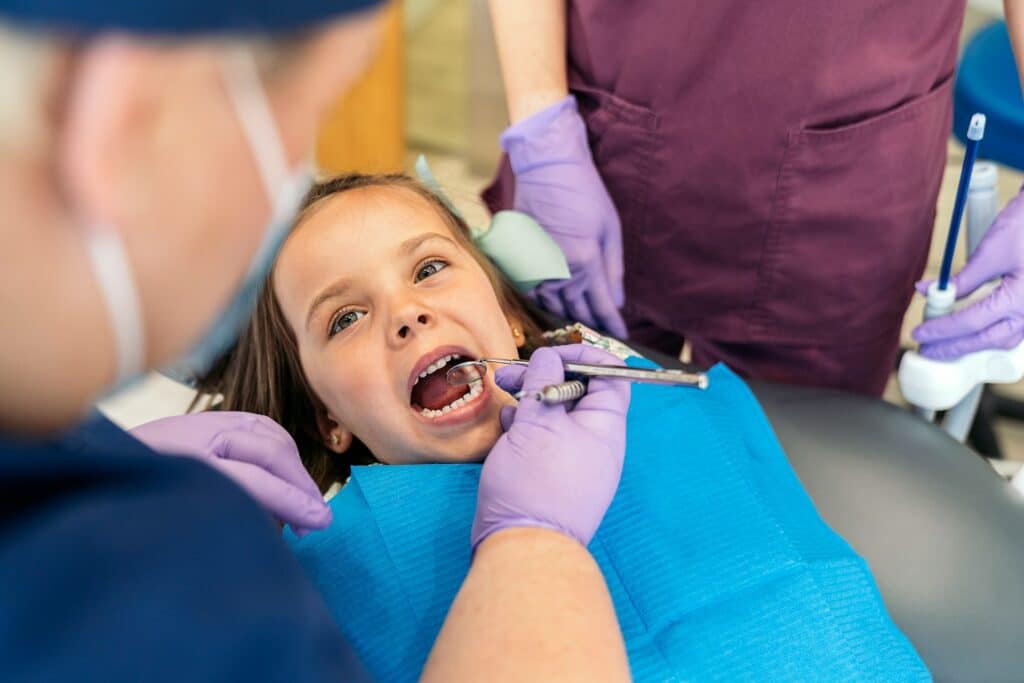
Going to the dentist can be a little scary for kids, but it doesn’t have to be. Sedation dentistry helps make dental visits easier and less stressful for children. It involves using medication to help kids relax during dental procedures. This way, they don’t feel anxious, and the dentist can complete the work without any fuss.

Many parents worry about their child’s comfort and safety during dental visits. Sedation dentistry offers a safe and effective solution. It’s especially helpful for kids who are very young, have special needs, or just feel very scared about seeing the dentist. Knowing that sedation can help keep your child calm can make the experience better for both of you.

Understanding how sedation dentistry works and what to expect can help you feel more prepared when it’s time for your child’s appointment. We’ll go through the basics of sedation dentistry, why it’s important for kids, the different types of sedation available, and how to get ready for the appointment. This way, you can ensure your child has a positive and stress-free dental visit.

What Is Sedation Dentistry?

woman eating

Sedation dentistry uses medication to help patients relax during dental procedures. It’s especially useful for people who have a fear of the dentist or need extensive dental work. Sedation can range from mild to deep, depending on the patient’s needs.

In sedation dentistry, there are different levels of sedation. The mildest form is called minimal sedation, where the patient remains awake but feels relaxed. Moderate sedation might make you slur your words and not remember much of the procedure. With deep sedation, you are on the edge of consciousness but can still be awakened easily. The deepest form is general anesthesia, where you are completely unconscious.

Sedation dentistry can be administered in various ways. Oral sedation involves taking a pill, usually an hour before the procedure. Nitrous oxide, or laughing gas, is inhaled through a mask placed over your nose. Intravenous (IV) sedation is administered through a vein and works quickly. Each method has its own benefits and is chosen based on the specific dental procedure and the patient’s level of anxiety or fear.

Why Sedation Dentistry Is Important for Kids

Sedation dentistry can be very important for kids, especially those who feel anxious or scared about dental visits. Many children have a natural fear of the dentist, which can make it difficult for them to stay still during procedures. Sedation helps them relax and feel more comfortable.

By using sedation, dentists can perform necessary treatments more effectively and efficiently. This is important for kids who need complex procedures, like extractions or fillings. When a child is relaxed, the dentist can work more quickly and accurately, which means less time in the chair for the child.

Sedation dentistry can also be beneficial for kids with special needs. Some children may have difficulty understanding the procedure or may not be able to sit still for long periods. Sedation ensures that they can receive the dental care they need without added stress or discomfort. It also helps parents feel more at ease, knowing their child is comfortable and safe during the treatment.

Different Types of Sedation Used for Kids

woman with toothache

There are several types of sedation that can be safely used for kids during dental procedures. Each type varies in strength and how it is administered, catering to different needs and levels of anxiety.

1. Nitrous Oxide (Laughing Gas):

This is the mildest form of sedation and is very common for kids. The child breathes in nitrous oxide mixed with oxygen through a small mask placed over their nose. It helps them feel relaxed and slightly euphoric. The effects wear off quickly once the mask is removed, and there are typically no lingering drowsiness issues.

2. Oral Sedation:

Oral sedation involves giving the child a pill or liquid medication, usually about an hour before the procedure. This type of sedation maintains the child’s consciousness but makes them feel very relaxed and sometimes sleepy. The child might slur their words and have a fuzzy memory of the procedure.

3. IV Sedation:

For more severe dental anxiety or longer procedures, intravenous (IV) sedation might be used. This method involves administering medication through a vein. It works quickly and offers a deeper level of sedation, where the child stays conscious but is in a very relaxed state. The dentist monitors the child’s vital signs throughout the procedure.

4. General Anesthesia:

General anesthesia is reserved for the most complex cases or very anxious children. It induces a state of unconsciousness, meaning the child will be completely asleep during the procedure. This method is usually performed in a hospital or surgical setting due to the need for close monitoring.

These different types of sedation ensure that children can receive dental care comfortably and safely, catering to their individual needs.

How to Prepare Your Child for Sedation Dentistry

Preparing your child for sedation dentistry requires some steps to ensure everything goes smoothly. Here are some tips to help you get ready:

1. Follow Pre-Sedation Instructions:

Your dentist will provide specific instructions to follow before the sedation appointment. This may include restrictions on food and drink. Typically, you may need to avoid giving your child any food or drink for a few hours before the procedure.

2. Explain Simply and Positively:

Talk to your child about the procedure using simple words. Explain that the dentist will give them special medicine to help them feel calm and relaxed. Make sure to remain positive and avoid using any frightening words.

3. Bring Comfort Items:

Allow your child to bring a favourite toy or blanket to the appointment. Having something familiar can help reduce their anxiety and make them feel more at ease.

4. Plan for Aftercare:

Make sure you have a clear understanding of the aftercare instructions from the dentist. Your child may feel groggy or sleepy after the sedation, so plan a quiet day at home to let them rest and recover.

5. Stay Calm and Supportive:

Children can pick up on their parent’s emotions, so it’s important to stay calm and supportive. Reassure your child that everything will be fine and that the dentist is there to help.

By taking these steps, you can help ensure a smooth and successful sedation dentistry experience for your child.

Conclusion

Sedation dentistry can be a lifesaver for both kids and parents. It helps make dental visits less stressful and ensures that children can receive the care they need without fear or anxiety. Understanding the different types of sedation and how to prepare for a sedation visit can make a huge difference in your child’s dental experience.

At Pickering Dental Services, we’re here to provide top-quality care for your entire family, including our youngest patients. If you think sedation dentistry could benefit your child, or if you have any questions, don’t hesitate to reach out. Schedule an appointment with our dentists in Pickering today, and let’s ensure your child’s dental visits are comfortable and worry-free!

Helpful Resources

For more information, visit the CDA Guide to Sedation Dentistry.

Schedule Your Appointment Today

Contact Pickering Square Dental to book your appointment with Dr. Marvin Lean. Call us at (905) 420-1777 or visit us at 1450 Kingston Rd, Unit #4, Pickering, ON.

Frequently Asked Questions

Is sedation dentistry safe?

Yes, sedation dentistry is very safe when administered by a trained dental professional. Dr. Lean at Pickering Square Dental monitors your vital signs throughout the procedure to ensure your comfort and safety.

Will I be unconscious during sedation dentistry?

It depends on the level of sedation. Mild sedation keeps you relaxed but awake. Moderate sedation may make you drowsy, though you can still respond. Deep sedation is used for complex procedures. Dr. Lean will recommend the right level for your needs.

How long does sedation last?

Nitrous oxide (laughing gas) wears off within minutes. Oral sedation may take a few hours to fully wear off, so you will need someone to drive you home. Our Pickering team will give you specific aftercare instructions.

Ways Sedation Dentistry Makes Visits Easy

Sedation Dentistry

Going to the dentist can make some people nervous. The idea of sitting in a dentist’s chair and having work done on your teeth might feel scary. But there’s good news: sedation dentistry can make the whole process much easier and less stressful.

Sedation dentistry uses different methods to help patients relax during dental procedures. It can be as simple as taking a pill or as involved as using gas or an IV. The goal is to make you feel comfortable and calm so that you can get the dental care you need without fear. Whether you’re a child or an adult, sedation dentistry can be very helpful for anyone who gets anxious about visiting the dentist.

In this article, we’ll explore what sedation dentistry is and how it works. We’ll look at different types of sedation, the benefits of using it, and how you can prepare for your visit. By understanding these aspects, you can feel more at ease and confident about your next dental appointment.

Understanding Sedation Dentistry: What It Is and How It Works

dental model

Sedation dentistry is a method used to help patients relax during dental treatments. It involves the use of medications to make you feel calm and comfortable, so you can get through your dental procedures without anxiety. These medications can help people who are scared of dental visits, have a low pain threshold, or need extensive dental work.

During a sedation dentistry procedure, you might still be awake but very relaxed. Sometimes, people even forget parts of their visit. The dentist will choose the best type of sedation for you based on your level of anxiety, the length of the procedure, and your medical history. This makes sure that you are safe and comfortable at all times.

By reducing stress and worry, sedation dentistry allows the dentist to work more effectively. You remain at ease, which helps in speeding up the procedure and ensuring a smooth experience. It’s a practical solution for anyone who finds dental visits challenging and wants a better way to handle them.

Types of Sedation Used in Dentistry

Dentists use different types of sedation to meet the needs of various patients. Here are the most common types:

1. Oral Sedation: This involves taking a pill, usually about an hour before your appointment. The medication will make you feel drowsy and relaxed. Depending on the dose, it can range from mild to moderate sedation. With mild sedation, you’ll be awake but calm; with moderate sedation, you might slur your words and not remember much of the procedure.

2. Nitrous Oxide (Laughing Gas): This is a gas that you breathe in through a mask placed over your nose. It makes you feel relaxed and happy. The dentist can control the amount of sedation you receive, and the effects wear off quickly once the mask is removed, making it easy to get back to your day.

3. IV Sedation: This type of sedation is delivered through a vein, which allows it to work quickly. Nurses or dentists trained in the use of IV sedation administer it. You will be conscious but deeply relaxed. This kind of sedation is suitable for longer or more intensive procedures.

4. General Anaesthesia: This method is for patients who need to be completely unconscious during a procedure. It’s less common in regular dental practices and is usually reserved for very complex cases or for patients with special needs.

Each type has its own advantages, and your dentist will help you choose the best option for your specific situation. Understanding these types can make you feel more prepared and confident for your next dental visit.

Benefits of Sedation Dentistry for Different Patients

Implant-Dentistry

Sedation dentistry offers numerous benefits for various types of patients. For those who experience dental anxiety, sedation can make visits much more comfortable. Many people avoid the dentist due to fear, which can lead to poor oral health. Sedation helps you relax and reduces anxiety, allowing you to get the care you need without stress.

Children also benefit from sedation dentistry. Kids can find it hard to sit still during long procedures, which can make it difficult for the dentist to work. With mild sedation, kids become calm and cooperative, allowing for a smoother and quicker visit.

Patients with special needs or medical conditions also gain advantages from sedation dentistry. Some dental patients have difficulty staying still or have strong gag reflexes. Sedation ensures that they can receive dental treatments safely and comfortably. It can also help if you need lots of dental work done at once. Sedation allows you to undergo multiple procedures in one visit, saving time and reducing the number of appointments needed.

How to Prepare for a Sedation Dentistry Appointment

Preparing for a sedation dentistry appointment involves several important steps to ensure everything goes smoothly. First, make sure to discuss your medical history with your dentist. This includes any medications you are taking and any allergies you have. The dentist needs this information to choose the right type of sedation for you.

Follow any pre-appointment instructions given by your dentist. These might include not eating or drinking for a certain period before your visit. Fasting is usually required for a few hours to ensure your stomach is empty, which helps the sedation work better.

Arrange for someone to accompany you to the appointment. You won’t be able to drive yourself home after receiving sedation, as you may feel drowsy or unsteady. Having a friend or family member with you makes sure you get home safely and have someone to assist you if needed.

Wear comfortable clothing to your appointment. Loose-fitting clothes will help you relax and can make it easier to move around if needed. Don’t forget to bring any necessary paperwork, such as insurance information and medical records. Being prepared helps make the process efficient and stress-free.

Conclusion

Sedation dentistry is a valuable option for anyone who feels anxious about visiting the dentist. It offers different types of sedation to suit various needs, from children who have trouble sitting still to adults who experience significant anxiety. By understanding the benefits and how to prepare for your appointment, you can make your dental visits easier and more comfortable.

Pickering Dental Services is here to help with sedation dentistry options that can make your next visit a breeze. If you have been putting off dental care due to fear or anxiety, now is the perfect time to consider sedation dentistry in Ajax. Contact Pickering Dental Services today and let us help you achieve a stress-free dental experience.

Looking for professional help? Learn more about our sedation dentistry services at Pickering Square Dental or call (905) 420-1777 to book an appointment.

Helpful Resources

For more information, visit the CDA Guide to Sedation Dentistry.

Frequently Asked Questions

Is sedation dentistry safe?

Yes, sedation dentistry is very safe when administered by a trained dental professional. Dr. Lean at Pickering Square Dental monitors your vital signs throughout the procedure to ensure your comfort and safety.

Will I be unconscious during sedation dentistry?

It depends on the level of sedation. Mild sedation keeps you relaxed but awake. Moderate sedation may make you drowsy, though you can still respond. Deep sedation is used for complex procedures. Dr. Lean will recommend the right level for your needs.

How long does sedation last?

Nitrous oxide (laughing gas) wears off within minutes. Oral sedation may take a few hours to fully wear off, so you will need someone to drive you home. Our Pickering team will give you specific aftercare instructions.

How Sedation Dentistry Makes Your Visit Easy
sedation dentistry

Visiting the dentist can be a scary experience for many people. The sound of dental tools, the fear of pain, and even the thought of sitting in the dentist’s chair can cause a lot of anxiety. However, sedation dentistry offers a wonderful way to make these visits much more comfortable and stress-free. By helping you relax, sedation dentistry allows you to receive the dental care you need without the fear and discomfort you might usually feel.

Sedation dentistry involves using medication to help you relax during dental procedures. It is safe and effective and can be tailored to your level of anxiety and the type of treatment you need. Whether you need a simple filling or more complex work like crowns or bridges, sedation can help make the process smoother and more bearable.

Understanding what sedation dentistry is and how it can benefit you is important if you or a loved one experiences dental anxiety. In this article, we’ll explore the basics of sedation dentistry, the different types available, and how it can benefit various patients. By learning more, you can take the first step towards more comfortable and enjoyable dental visits.

Understanding Sedation Dentistry: What It Is and How It Works

dental implant

Sedation dentistry uses medication to help patients relax during dental procedures. It is sometimes known as “sleep dentistry,” although that is not entirely accurate since most patients remain awake, except for those under general anaesthesia. The level of sedation can vary from minimal (awake but relaxed) to deep (on the edge of consciousness but still responsive).

The process begins with us evaluating your medical history and level of anxiety. Depending on your needs, we will recommend the appropriate sedation method. During the procedure, you will be closely monitored to ensure your safety and comfort. The goal is to perform the dental work while you remain relaxed and free from stress or fear.

The most common types of sedation used in dentistry include nitrous oxide (laughing gas), oral sedatives, and intravenous (IV) sedation. Each type works differently, but they all aim to make your dental experience much more pleasant and manageable. Whether you need a routine cleaning or a more complex procedure like a crown or bridge, sedation dentistry can help you feel calm throughout the process.

Types of Sedation Dentistry and Their Benefits

There are several types of sedation used in dentistry, each offering different benefits. Here’s a closer look at the main types:

1. Nitrous Oxide (Laughing Gas):

– How It Works: You breathe in nitrous oxide mixed with oxygen through a mask placed over your nose.

– Benefits: It helps you relax within minutes without making you fall asleep. The effects wear off quickly, and you can usually drive yourself home after the appointment.

2. Oral Sedatives:

– How It Works: Taken as a pill, typically about an hour before your procedure. Learn more about emergency dental care in Pickering.

– Benefits: These sedatives help you feel drowsy and calm, although you will stay awake. You might have little memory of the procedure, making it ideal for those with moderate anxiety.

3. Intravenous (IV) Sedation:

– How It Works: Administered through a vein, usually in your arm, allowing the sedative to work quickly.

– Benefits: This method offers a deeper level of sedation compared to oral sedatives or nitrous oxide. You will be in a very relaxed state and may not remember much of the procedure.

Understanding the types of sedation available can help you choose the best option for your comfort and needs. Each type is designed to make your dental visit as stress-free as possible, enabling you to receive essential dental care without the associated anxiety.

Who Can Benefit from Sedation Dentistry?

Sedation Dentistry for Kids

Sedation dentistry can be beneficial for a variety of people. Here’s a closer look at who might benefit the most:

1. Adults with Dental Anxiety: Many adults experience fear or anxiety when visiting the dentist. Sedation helps you relax so you can receive the necessary treatment without stress.

2. Children: Kids often feel scared or restless during dental procedures. Sedation dentistry can help them stay calm and still, making the experience easier for both the child and the dentist.

3. Patients with a Low Pain Threshold: If you have a low tolerance for pain, sedation can help manage discomfort, making procedures like fillings and crowns more comfortable.

4. People with Sensitive Teeth: Sensitivity can make dental work painful. Sedation minimizes discomfort, allowing for a smoother procedure.

5. Those with a Strong Gag Reflex: A strong gag reflex can interfere with dental work. Sedation helps relax the muscles, making it easier to perform certain procedures.

6. Individuals Requiring Extensive Treatment: For lengthy dental treatments, sedation can help you stay relaxed throughout, especially if multiple procedures are needed in one visit.

Understanding who can benefit from sedation dentistry allows patients to make informed choices about their dental care. If any of these apply to you or your loved ones, sedation dentistry might be a suitable option for making dental visits easier and more comfortable.

How to Prepare for Your Sedation Dentistry Appointment

Preparing for your sedation dentistry appointment involves a few simple steps to ensure everything goes smoothly. Here’s what you need to know:

1. Discuss Your Health History: Share your complete health history with us, including any medications you are currently taking. This helps us choose the safest and most effective sedation method for you.

2. Follow Pre-Sedation Instructions: We will provide specific instructions on what to do before your appointment. This might include fasting for a certain period and avoiding certain medications.

3. Plan for a Ride Home: Most types of sedation can leave you feeling drowsy afterward. Arrange for someone to drive you home after your appointment for your safety.

4. Wear Comfortable Clothing: Dress in loose, comfortable clothes to help you relax during the procedure.

5. Avoid Alcohol and Caffeine: Refrain from consuming alcohol or caffeine before your appointment, as these can interfere with the sedation process.

6. Prepare to Rest Afterwards: Plan to take it easy for the rest of the day after your appointment. Resting helps your body recover from the sedation.

By following these preparation tips, you can ensure a smooth and worry-free sedation dentistry experience. Proper preparation helps maximize the benefits of sedation, making your visit to the dentist much more comfortable.

Final Thoughts

Sedation dentistry can transform your experience at the dentist, making it easier for you to get the care you need without anxiety or discomfort. By understanding what sedation dentistry is, the different types available, and who can benefit from it, you can make informed decisions about your dental health. Preparing for your appointment by following a few simple steps ensures a smoother and more comfortable visit.

At Pickering Dental Services, we are dedicated to providing a relaxed and stress-free environment for our patients. If you think sedation dentistry might be right for you, contact us today to learn more and to schedule an appointment. Our team is here to help you achieve a healthy, beautiful smile with the comfort and care you deserve.

Helpful Resources

For more information, visit the CDA Guide to Sedation Dentistry.

Schedule Your Appointment Today

Contact Pickering Square Dental to book your appointment with Dr. Marvin Lean. Call us at (905) 420-1777 or visit us at 1450 Kingston Rd, Unit #4, Pickering, ON.

Frequently Asked Questions

Is sedation dentistry safe?

Yes, sedation dentistry is very safe when administered by a trained dental professional. Dr. Lean at Pickering Square Dental monitors your vital signs throughout the procedure to ensure your comfort and safety.

Will I be unconscious during sedation dentistry?

It depends on the level of sedation. Mild sedation keeps you relaxed but awake. Moderate sedation may make you drowsy, though you can still respond. Deep sedation is used for complex procedures. Dr. Lean will recommend the right level for your needs.

How long does sedation last?

Nitrous oxide (laughing gas) wears off within minutes. Oral sedation may take a few hours to fully wear off, so you will need someone to drive you home. Our Pickering team will give you specific aftercare instructions.

How Sedation Dentistry Makes Dentist Visits Easy
Sedation Dentistry

Going to the dentist can be a source of anxiety for many people. The sounds, sights, and even the thought of dental tools can cause fear and nervousness. This anxiety often keeps people from getting the dental care they need. Fortunately, sedation dentistry offers a way to make dentist visits more comfortable and less stressful. Let’s explore how sedation dentistry can transform your trips to the dentist into a more pleasant experience.

What Is Sedation Dentistry?

gum disease

Sedation dentistry involves using medications to help patients relax during dental procedures. This method is especially beneficial for those who experience significant anxiety or fear at the dentist. When you opt for sedation, you’ll be in a state of calm and comfort, making it easier for you to undergo necessary dental treatments.

There are different levels of sedation, ranging from mild to deep sedation. Mild sedation makes you feel relaxed but fully awake. On the other hand, deep sedation puts you in a sleep-like state, so you won’t be aware of the dental work being done. With sedation, your dentist can perform various procedures, from routine cleanings to more complex treatments like crowns and bridges.

Sedation dentistry is safe and monitored closely by your dental team. They ensure that the right type and amount of sedation are used, tailored to your specific needs and medical history. By making dental visits more comfortable, sedation dentistry helps you maintain your oral health without the stress and anxiety that often accompany dental appointments.

Types of Sedation Used in Dentistry

There are several types of sedation used in dentistry to accommodate different levels of anxiety and treatment requirements. Here are some common types:

1. Nitrous Oxide (Laughing Gas): This is the most common and mildest form of sedation. You breathe it through a mask placed over your nose. It helps you relax and wears off quickly after the procedure, allowing you to drive yourself home. Learn more about emergency dental care in Pickering.

2. Oral Sedation: This involves taking a pill, usually an hour before your appointment. Oral sedation can range from mild to moderate. A common medication used is diazepam, which makes you drowsy but still aware of your surroundings.

3. IV Sedation: This type is administered directly into your bloodstream via an IV. It’s faster acting and allows the dentist to adjust the level of sedation as needed during the procedure. IV sedation usually puts you in a deeper state of relaxation.

4. General Anesthesia: Reserved for more extensive dental work, this type of sedation makes you completely unconscious. It’s commonly used for surgical procedures and is administered by an anesthesiologist.

Benefits of Sedation Dentistry

Fluoride

Sedation dentistry offers many benefits for those anxious about visiting the dentist. One of the most significant advantages is reduced anxiety and stress. Patients often feel calm and relaxed throughout the procedure, making it easier for them to receive the dental care they need.

Another benefit is pain management. Sedation helps to minimize discomfort during dental procedures, which is particularly helpful for individuals with a low pain threshold or sensitive teeth. This allows the dentist to perform the necessary treatments without causing any pain to the patient.

Sedation dentistry also enables dentists to complete multiple treatments in one visit. Because you are in a relaxed state, the dentist can work more efficiently and effectively. This means fewer dental visits, which is a big plus for those with busy schedules or those who simply want to get all their dental work done in one sitting.

Preparing for a Sedation Dentistry Appointment

Preparing for a sedation dentistry appointment involves a few important steps to ensure everything goes smoothly. First, have a detailed discussion with your dentist about your medical history and any medications you’re currently taking. This helps the dentist choose the right sedation method for you.

On the day of your appointment, it’s usually advised to avoid eating or drinking for a specific period before the procedure, especially if you are undergoing IV sedation. Following these instructions is crucial for your safety and the effectiveness of the sedation.

It’s a good idea to wear comfortable clothing and arrange for someone to drive you home afterward, particularly if you’re having oral or IV sedation. The effects can take a little time to wear off completely, so it’s safer to have someone with you.

Once you’re at the dental office, the dental team will monitor you closely during the procedure to ensure your safety and comfort. Following these steps will help you have a stress-free and successful visit.

Conclusion

Sedation dentistry can significantly improve your experience at the dentist. By understanding the types of sedation available and their benefits, you can make informed decisions about your dental care. Reduced anxiety, better pain management, and the ability to complete multiple treatments in one visit are just some of the advantages that make sedation dentistry an excellent option for many people.
At Pickering Dental Services, we strive to make your dental visits as comfortable and stress-free as possible. If you have dental anxiety or are curious about sedation dentistry in Ajax, contact us to learn more. We’re here to help you every step of the way!

Helpful Resources

For more information, visit the CDA Guide to Sedation Dentistry.

Schedule Your Appointment Today

Contact Pickering Square Dental to book your appointment with Dr. Marvin Lean. Call us at (905) 420-1777 or visit us at 1450 Kingston Rd, Unit #4, Pickering, ON.

Frequently Asked Questions

Is sedation dentistry safe?

Yes, sedation dentistry is very safe when administered by a trained dental professional. Dr. Lean at Pickering Square Dental monitors your vital signs throughout the procedure to ensure your comfort and safety.

Will I be unconscious during sedation dentistry?

It depends on the level of sedation. Mild sedation keeps you relaxed but awake. Moderate sedation may make you drowsy, though you can still respond. Deep sedation is used for complex procedures. Dr. Lean will recommend the right level for your needs.

How long does sedation last?

Nitrous oxide (laughing gas) wears off within minutes. Oral sedation may take a few hours to fully wear off, so you will need someone to drive you home. Our Pickering team will give you specific aftercare instructions.

How Sedation Dentistry Helps You Relax at the Dentist
sedation dentistry

Going to the dentist can make many people nervous, but it doesn’t have to be that way. Sedation dentistry offers a solution that helps you feel calm and comfortable during dental procedures. Whether you get anxious about dental visits or have a low pain threshold, sedation can make your experience much more pleasant.

What is Sedation Dentistry?

dental procedure

Sedation dentistry uses medication to help patients relax during dental procedures. This can be particularly helpful for those who have anxiety about dental visits. The goal is to make the experience as comfortable as possible. Sedation ranges from minimal, where you are awake but relaxed, to deep, where you are almost unconscious but can still be awakened if needed.

Dentists can use sedation for various procedures, from simple cleanings to more complicated treatments like crowns or implants. The level of sedation depends on the patient’s needs and the type of procedure being performed. It can help manage not just anxiety but also fear of pain, sensitive teeth, or a strong gag reflex.

Using sedation allows the dentist to work more efficiently because the patient is calmer. This can be especially useful for longer procedures, as it means the dentist can complete more work in one visit. Knowing that you can receive sedation can make the idea of going to the dentist much less daunting.

Types of Sedation Dentistry

There are several types of sedation used in dentistry, each serving different needs. The main types include:

1. Nitrous Oxide (Laughing Gas): This is the lightest form of sedation. You breathe it in through a mask, and it helps you feel relaxed. It wears off quickly, so you can usually drive home afterward. Learn more about emergency dental care in Pickering.

2. Oral Sedation: You take this sedation as a pill. It makes you drowsy, but you’re still awake. The level of sedation can be minimal to moderate, depending on the dosage. You might feel groggy, so it’s important to have someone drive you home.

3. IV Sedation: This sedative is delivered through a vein, so it works quickly. The dentist can adjust the level of sedation throughout the procedure. You will be deeply relaxed and may not remember much of the procedure. You will need someone to take you home afterward.

4. General Anaesthesia: This is the strongest form of sedation, where you are completely unconscious. It is used for very complicated procedures and is usually administered by an anaesthesia specialist.

Each type of sedation has its benefits and will be chosen based on what you need and how anxious you feel about dental work. Talking to your dentist about your concerns will help them choose the best sedation option for you.

Benefits of Sedation Dentistry

man brushing teeth

Sedation dentistry offers many benefits that can make your dental visits more comfortable and less stressful. One of the main advantages is anxiety relief. Many people feel anxious or fearful when they think about visiting the dentist. Sedation can help calm these feelings, making it easier to go through with treatments that you might otherwise avoid.

Another benefit is pain management. While local anaesthesia numbs the area being treated, sedation can help relax you so that you are less aware of any discomfort. This is particularly helpful for people with a low pain threshold or those undergoing more invasive procedures like dental implants or complex extractions.

Sedation also allows for more efficient dental work. When you are relaxed, the dentist can complete treatments faster and more effectively. This means fewer visits and less time spent in the dental chair. Additionally, sedation helps with managing a strong gag reflex and sensitive teeth, enabling the dentist to perform thorough and precise work without interruptions.

What to Expect During Your Visit

When you choose sedation dentistry, your visit will start with a discussion about your medical history and any medications you are taking. This helps the dentist determine the best type of sedation for you. On the day of your appointment, you should follow any pre-procedure instructions given by your dentist, such as avoiding food or drink for a certain amount of time.

Once you arrive, you will be prepared for the sedation. If you are using nitrous oxide, a mask will be placed over your nose to deliver the gas. For oral sedation, you will be given a pill to take beforehand. IV sedation involves inserting a needle into a vein in your arm to administer the sedative. If general anaesthesia is used, an anaesthesiologist will monitor you throughout the procedure.

During the treatment, you will feel relaxed and at ease. Depending on the type of sedation, you may be awake but calm, drowsy, or completely asleep. Your vital signs will be closely monitored to ensure your safety. After the procedure, you’ll need some time to recover from the sedation. It’s important to have someone drive you home if you have undergone oral sedation, IV sedation, or general anaesthesia, as you might feel groggy.

Conclusion

Sedation dentistry can transform your dental experience, making it much more pleasant and stress-free. Understanding the different options and knowing what to expect can help you feel more at ease when it’s time for your next dental visit. From managing anxiety and pain to allowing for efficient dental treatments, the benefits of sedation are significant.

If you’ve been avoiding dental care due to fear or anxiety, consider sedation dentistry as a solution. It can make all the difference in keeping your teeth and gums healthy while ensuring you remain comfortable throughout the process. Learning about sedation options and discussing them with your dentist can help you make an informed decision.

Want to experience the benefits of sedation dentistry? Contact Pickering Dental Services today to schedule your consultation and take the first step towards a more relaxed dental visit. Your comfort and dental health are our top priorities.

Helpful Resources

For more information, visit the CDA Guide to Sedation Dentistry.

Schedule Your Appointment Today

Contact Pickering Square Dental to book your appointment with Dr. Marvin Lean. Call us at (905) 420-1777 or visit us at 1450 Kingston Rd, Unit #4, Pickering, ON.

Frequently Asked Questions

Is sedation dentistry safe?

Yes, sedation dentistry is very safe when administered by a trained dental professional. Dr. Lean at Pickering Square Dental monitors your vital signs throughout the procedure to ensure your comfort and safety.

Will I be unconscious during sedation dentistry?

It depends on the level of sedation. Mild sedation keeps you relaxed but awake. Moderate sedation may make you drowsy, though you can still respond. Deep sedation is used for complex procedures. Dr. Lean will recommend the right level for your needs.

How long does sedation last?

Nitrous oxide (laughing gas) wears off within minutes. Oral sedation may take a few hours to fully wear off, so you will need someone to drive you home. Our Pickering team will give you specific aftercare instructions.

Making Dental Visits Easier with Sedation Dentistry

Sedation Dentistry

Going to the dentist can be scary for many people. Whether it’s the sound of the drill, the fear of pain, or just being in an unfamiliar place, lots of folks feel anxious about dental visits. For some, this fear keeps them from getting the dental care they need, causing more significant problems down the line. This is where sedation dentistry comes in. 

Sedation dentistry uses medication to help patients feel calm. Different types of sedation can be used, depending on your needs and the procedure you’re having. 

This article will explain what sedation dentistry is, the different types used, and the benefits it offers. By understanding more about sedation dentistry, you can see how it makes dental visits easier and stress-free, helping you maintain a healthy smile without worry. 

What is Sedation Dentistry and How Does It Work?

Implant-Dentistry

Sedation dentistry involves the use of medication to help patients relax during dental procedures. It’s especially useful for those who have anxiety, a low pain threshold, or have had traumatic experiences at the dentist before. Sedation can make dental visits much more comfortable and less stressful.

There are different levels of sedation, from minimal to deep. With minimal sedation, you’ll feel relaxed but stay awake. Moderate sedation, also called “conscious sedation,” means you may not remember much of the procedure. With deep sedation, you’re on the edge of consciousness but can still be awakened if necessary. General anesthesia, which puts you completely to sleep, is less common in dental offices but is used for more complex procedures.

The process usually starts with the dentist discussing your health history and concerns. They will explain the type of sedation that’s best for you. On the day of your appointment, you’ll take the medication before the procedure starts. The dentist will monitor you throughout to ensure you’re comfortable and safe. Once the procedure is done, you’ll be given time to recover before heading home. Learn more about emergency dental care in Pickering.

Types of Sedation Used in Dentistry

Several types of sedation can be used during dental visits, each with its own benefits and uses. Here are some of the most common types:

1. Nitrous Oxide: Also known as “laughing gas,” nitrous oxide is the lightest form of sedation. It’s a gas that you breathe in through a mask placed over your nose. You’ll feel relaxed and maybe a bit giggly, but you’ll stay awake and can still respond to the dentist. The effects wear off quickly, so you can usually drive yourself home after the appointment.

2. Oral Sedation: This type involves taking a pill, usually a form of anti-anxiety medication like Valium. You take it about an hour before your procedure. The pill will make you drowsy but awake. Some people might even fall asleep but can be easily awakened.

3. IV Sedation: For this type, the sedative is given through a vein. This allows the dentist to adjust the level of sedation as needed. IV sedation works quickly and provides a deeper level of sedation than oral pills or nitrous oxide. You may feel groggy afterward and will need someone to drive you home.

4. General Anaesthesia: This is the deepest form of sedation and is usually reserved for very complex dental procedures or for patients who can’t tolerate other forms of sedation. Under general anesthesia, you’ll be completely unconscious. This type is usually administered in a hospital or specialized clinic.

Each type has its specific uses and benefits, making it easier for you and the dentist to choose the one that best suits your needs.

Benefits of Sedation Dentistry for Patients

Tooth-Coloured Fillings

Sedation dentistry offers numerous benefits for patients who experience anxiety or fear during dental visits. One of the most significant benefits is that it reduces anxiety. For many people, the thought of visiting the dentist can be overwhelming. Sedation helps ease these worries, allowing patients to feel more comfortable and relaxed.

Another benefit is pain management. Sedation can help manage pain more effectively during procedures. For those with a low pain threshold or sensitive teeth, this can make a visit to the dentist much more bearable. Sedation also allows for longer procedures to be completed in a single visit, which can be incredibly convenient for busy families.

Sedation can help suppress strong gag reflexes. Some patients have a gag reflex that is so strong it makes dental treatments difficult. Sedation helps relax the muscles, making it easier for the dentist to perform the necessary procedures without interruption. This way, patients can receive the care they need without discomfort or embarrassment.

Who Can Benefit from Sedation Dentistry?

Various people can benefit from sedation dentistry. Those with dental anxiety or fear are the most obvious candidates. If you’ve ever put off going to the dentist because you’re scared, sedation can help you face your fears and get the treatment you need. Even routine cleanings can become stress-free experiences.

Patients with low pain tolerance or very sensitive teeth can also benefit. Dental procedures can be painful for these individuals, making sedation a great way to help them manage discomfort. By being less aware of the sensations, these patients can have a more pleasant experience.

Kids often benefit from sedation, especially when they are young, and find it hard to stay still during dental procedures. Sedation can help them remain calm and cooperative, ensuring that they get the dental care they need while minimizing their discomfort and anxiety. It’s a useful tool for parents who want to make dental visits less stressful for their children.

Conclusion

Sedation dentistry is a valuable tool for making dental visits easier and more comfortable for many people. It helps to reduce anxiety, manage pain, and make it possible for patients with special needs to receive the care they require. By understanding what sedation dentistry is and how it works, you can make informed decisions about your oral health. This allows you to maintain a healthy smile without the stress and fear often associated with dental visits.
Don’t let fear keep you from a healthy, beautiful smile. Look no further than Pickering Dental Services to learn more about how our sedation dentistry in Ajax can help you. Call us to schedule an appointment today and take the first step towards a more relaxed dental experience.

Helpful Resources

For more information, visit the CDA Guide to Sedation Dentistry.

Schedule Your Appointment Today

Contact Pickering Square Dental to book your appointment with Dr. Marvin Lean. Call us at (905) 420-1777 or visit us at 1450 Kingston Rd, Unit #4, Pickering, ON.

Frequently Asked Questions

Is sedation dentistry safe?

Yes, sedation dentistry is very safe when administered by a trained dental professional. Dr. Lean at Pickering Square Dental monitors your vital signs throughout the procedure to ensure your comfort and safety.

Will I be unconscious during sedation dentistry?

It depends on the level of sedation. Mild sedation keeps you relaxed but awake. Moderate sedation may make you drowsy, though you can still respond. Deep sedation is used for complex procedures. Dr. Lean will recommend the right level for your needs.

How long does sedation last?

Nitrous oxide (laughing gas) wears off within minutes. Oral sedation may take a few hours to fully wear off, so you will need someone to drive you home. Our Pickering team will give you specific aftercare instructions.

Sedation Dentistry Guide: What to Expect at Your Appointment

sedation dentistry

Dental visits can be daunting, especially if you’re dealing with dental anxiety or need extensive procedures. We understand these concerns and offer sedation dentistry as a comforting solution. This approach helps ease the fears commonly associated with dental treatments, ensuring a smoother and pain-free experience. Sedation dentistry, while sounding complex, is a straightforward and safe process with various options tailored to individual needs and levels of anxiety.

Our team is dedicated to providing a relaxed environment from the moment you step into our clinic. We prioritize your comfort and safety, utilizing advanced techniques and administering sedation under strict protocols. Whether you are coming in for a routine procedure or something more extensive, understanding what sedation dentistry involves can significantly alleviate apprehensive feelings. In this guide, we’ll walk you through the different types of sedation available, how to prepare for your visit, what typically happens during the procedure, and how to care for yourself afterwards. By demystifying the process, we aim to help you feel more confident and comfortable about receiving dental care with us.

Understanding the Different Types of Sedation Used in Dentistry

child with dentist

Sedation dentistry is a crucial service we offer to ensure that patients who feel anxious about dental procedures can undergo treatment comfortably and without stress. There are several types of sedation that we use, each suited to different levels of anxiety and types of procedures. The most common types include nitrous oxide, often referred to as laughing gas, oral sedatives, IV sedation, and, in some cases, general anesthesia.

Nitrous oxide is a mild sedative that offers a relaxation effect and is usually used for less invasive procedures. It’s administered through a mask that allows you to inhale the gas. The benefits include its rapid effect and equally fast recovery time. Oral sedatives, meanwhile, are prescribed pills taken about an hour before the procedure. They induce a moderate sedative effect. IV sedation provides a deeper sedation level and is administered directly into the bloodstream. For extensive procedures, we might suggest general anesthesia, under which you are completely unconscious. Each method is safe and administered by our trained professionals who monitor your comfort and safety throughout the procedure. Learn more about emergency dental care in Pickering.

Preparing for Your Sedation Dentistry Appointment: Steps to Follow

Preparing for a sedation dentistry appointment is straightforward, but important to ensure everything goes smoothly. First and foremost, you will need to arrange for someone to drive you to and from your appointment if you are receiving oral sedatives, IV sedation, or general anesthesia, as these types can impair your ability to drive safely. It’s also advisable not to eat or drink anything at least eight hours before your appointment if you are undergoing IV sedation or general anesthesia.

Before your visit, we will have a detailed discussion about your medical history and any current medications to determine the safest sedation option. We encourage you to wear loose, comfortable clothing to your appointment to help you feel at ease. Additionally, try to schedule a day off from work or any strenuous activities after your appointment. This preparation allows you to go home and rest while the effects of the sedation wear off. Clear communication and following these steps will help ensure a seamless and comfortable experience for your sedation dentistry procedure.

What Happens During a Sedation Dentistry Procedure?

man at the dentist

When you come in for a procedure with sedation, our primary focus is on your safety and comfort. The process begins with the administration of the sedative. Depending on the type determined best for you—whether it’s nitrous oxide, oral sedatives, IV sedation, or general anesthesia—the application will vary slightly. For example, nitrous oxide is inhaled through a mask, while IV sedation is administered through a vein.

Once the sedative takes effect, we proceed with the dental treatment. Despite being under sedation, your vitals are continuously monitored by our dedicated team. This ensures that you remain safe throughout the procedure. It’s important to understand that with lighter sedation options, such as nitrous oxide or some oral sedatives, you might be awake but relaxed; you might even be able to respond to verbal cues. On the other hand, with deeper sedation methods like IV sedation or general anesthesia, you will likely be asleep throughout the procedure.

Post-Procedure Care and Tips for Recovery After Sedation Dentistry

After your dental procedure is complete, and the sedation wears off, our care for you continues. If you’ve had moderate to deep sedation, you’ll typically spend a short period in our recovery area where we closely monitor your recovery from the sedative effects. We make sure that you are clear and alert enough to safely leave our clinic. It’s crucial that you have a friend or family member drive you home, as it’s common to feel a bit drowsy for several hours afterward.

At home, it’s best to rest for the remainder of the day. Drink plenty of fluids, and only have light meals for the first few hours. Avoid strenuous activities and making important decisions during this recovery phase, as your judgment may still be impaired. We will provide you with a set of post-care instructions tailored to the specifics of your dental procedure and the type of sedation used. Following these instructions is vital for your comfort and the success of your treatment.

Conclusion

At Pickering Dental Services, your comfort and safety are our priorities, especially when it comes to procedures involving sedation dentistry. We strive to make your experience as comfortable and stress-free as possible, from the moment you walk into our clinic until you complete your recovery. If you have any concerns or questions about sedation dentistry, or if you’re ready to schedule an appointment, please reach out to us. Let us help you achieve your best smile in a calm and comforting environment. Visit Pickering Dental Services today and experience dental care tailored just for you.

Helpful Resources

For more information, visit the CDA Guide to Sedation Dentistry.

Schedule Your Appointment Today

Contact Pickering Square Dental to book your appointment with Dr. Marvin Lean. Call us at (905) 420-1777 or visit us at 1450 Kingston Rd, Unit #4, Pickering, ON.

Frequently Asked Questions

Is sedation dentistry safe?

Yes, sedation dentistry is very safe when administered by a trained dental professional. Dr. Lean at Pickering Square Dental monitors your vital signs throughout the procedure to ensure your comfort and safety.

Will I be unconscious during sedation dentistry?

It depends on the level of sedation. Mild sedation keeps you relaxed but awake. Moderate sedation may make you drowsy, though you can still respond. Deep sedation is used for complex procedures. Dr. Lean will recommend the right level for your needs.

How long does sedation last?

Nitrous oxide (laughing gas) wears off within minutes. Oral sedation may take a few hours to fully wear off, so you will need someone to drive you home. Our Pickering team will give you specific aftercare instructions.

Demystifying Sedation Dentistry: Types, Benefits, and Safety Measures

sedation dentistry

The mere thought of visiting a dental office can induce stress and anxiety for many individuals. Dental phobia, or odontophobia, can cause people to avoid seeking the necessary dental care they require, ultimately leading to poor oral health and even more significant dental problems in the future. At our dental office, we understand the importance of addressing patients’ fears and ensuring a comfortable and stress-free experience. This is where sedation dentistry comes into play.

Sedation dentistry involves using medication to help patients relax during dental procedures. It enables those with dental anxiety or other difficulties to receive the treatment they need in a comfortable and relaxed environment, making the entire experience significantly more pleasant. Our primary goal is to provide high-quality dental care to our patients, and offering sedation options is a crucial aspect of achieving this.

In this comprehensive guide, we will demystify the world of sedation dentistry by exploring its various types, benefits, and safety measures. You will gain a better understanding of the sedation options available to you, enabling you to make an informed decision about the best course of action for your dental needs. We will discuss the different levels of sedation that range from minimal to deep sedation, detailing how the procedures work and the medications involved. Furthermore, we will highlight the benefits of opting for sedation dentistry and discuss the stringent safety precautions we adhere to for your protection and peace of mind.

Arming yourself with valuable information about sedation dentistry is the first step towards overcoming your dental fears and ensuring excellent oral health. At our dental office, we are dedicated to providing the best care for our patients, and our skilled team is ready to guide you through every step of your dental journey. Reach out to us at Pickering Dental Services to find out more about our sedation dentistry options and how they can enhance your dental experience.

Types of Sedation Dentistry

tooth coloured fillings

There are four primary levels of sedation dentistry – minimal, moderate, deep, and general anesthesia – each corresponding to a different degree of relaxation and consciousness. Understanding the distinctions between these levels of sedation can help you determine the best option for your unique dental needs.

1. Minimal Sedation

Minimal sedation, typically achieved through the use of nitrous oxide or “laughing gas,” allows patients to remain conscious and fully aware of their surroundings. This level of sedation helps alleviate mild anxiety and enables patients to feel more relaxed throughout their dental procedure. The effects of minimal sedation wear off quickly, allowing patients to resume their daily activities shortly after treatment.

2. Moderate Sedation

Moderate sedation, also known as conscious sedation, is administered either orally or intravenously. Patients remain awake but enter a deeper state of relaxation, often resulting in slurred speech and potential memory gaps. Although conscious, patients may not remember much of their dental procedure. This level of sedation is ideal for those with moderate dental anxiety or those undergoing more invasive treatments.

3. Deep Sedation

Deep sedation can be achieved through intravenous medications and places patients at the edge of consciousness. While not completely unconscious, patients may have little to no recollection of the procedure. It’s common for patients to feel drowsy and experience an extended recovery period. Deep sedation is typically reserved for more extensive dental procedures or for patients with severe anxiety or difficulty remaining still.

4. General Anesthesia

General anesthesia renders patients completely unconscious for the duration of their dental procedure. This form of sedation is typically reserved for oral surgeries or extensive dental treatments. Patients under general anesthesia require close monitoring and often need a longer recovery period before they can safely return home.

Benefits of Sedation Dentistry

Sedation dentistry offers numerous benefits for both patients and dental professionals, including:

1. Anxiety Relief

One of the primary advantages of sedation dentistry is anxiety relief. Dental anxiety can often be a significant barrier to receiving necessary dental care. By offering patients a comfortable and stress-free environment, sedation dentistry can help overcome this obstacle and ensure optimal oral health.

2. Improved Patient Cooperation

Dental treatments can be challenging for patients who have difficulty remaining still, such as those with cognitive or physical impairments. Sedation dentistry can help improve patient relaxation and cooperation, leading to a smoother treatment process.

3. Pain Reduction

Sedation dentistry can provide additional pain relief for patients undergoing dental procedures. While local anesthesia is applied to numb the treatment area, sedation can help further alleviate discomfort and create a more enjoyable dental experience.

4. Efficiency

With sedation dentistry, dental professionals can perform treatments more efficiently due to the increased patient cooperation. This can reduce the number of appointments needed, saving both time and money for the patient.

Safety Measures in Sedation Dentistry

Dental Crown

At our dental office, patient safety is our top priority. We adhere to strict safety protocols to ensure your well-being during your sedation dentistry appointment, such as:

1. Thorough Patient Assessment

Before administering sedation, a comprehensive review of your medical history, current medications, and any allergies is essential. This allows our dental practitioners to determine the safest and most effective sedation method for your needs and helps to minimize the risk of potential complications.

2. Monitoring and Equipment

During your sedation dentistry appointment, our team of skilled professionals will continuously monitor your vital signs and levels of sedation. This may include monitoring your blood pressure, oxygen levels, heart rate, and respiration, ensuring a safe and controlled procedure.

3. Emergency Preparedness

Our dental office is equipped with emergency medications and equipment to manage any unforeseen complications that may arise during your sedation dentistry appointment. Our team is also well-trained in emergency procedures, ensuring your safety at all times.

Conclusion

Pickering sedation dentistry offers a comfortable and relaxed solution for patients with dental anxiety or those undergoing extensive dental procedures. By understanding the various levels of sedation and the specific benefits and safety precautions involved, you can make an informed decision about the most suitable sedation method for your unique dental needs.

At Pickering Dental Services, our experienced team is committed to providing top-notch dental care while ensuring your safety and comfort. If you’re interested in exploring sedation dentistry options, don’t hesitate to contact us for a consultation. We’re here to help you achieve a healthy smile in the most comfortable and enjoyable manner.

Looking for professional help? Learn more about our sedation dentistry services at Pickering Square Dental or call (905) 420-1777 to book an appointment.

Helpful Resources

For more information, visit the CDA Guide to Sedation Dentistry.

Frequently Asked Questions

Is sedation dentistry safe?

Yes, sedation dentistry is very safe when administered by a trained dental professional. Dr. Lean at Pickering Square Dental monitors your vital signs throughout the procedure to ensure your comfort and safety.

Will I be unconscious during sedation dentistry?

It depends on the level of sedation. Mild sedation keeps you relaxed but awake. Moderate sedation may make you drowsy, though you can still respond. Deep sedation is used for complex procedures. Dr. Lean will recommend the right level for your needs.

How long does sedation last?

Nitrous oxide (laughing gas) wears off within minutes. Oral sedation may take a few hours to fully wear off, so you will need someone to drive you home. Our Pickering team will give you specific aftercare instructions.